Maricarla Amores
1) I agree that the ending is deeply ironic. Everyone, including the doctors, says Mrs. Mallard died of joy when her husband walked in alive, but the truth is the opposite—she died because her moment of freedom disappeared instantly. This is situational irony because the outcome is completely different from what people around her believe. The story builds this irony carefully, and it makes the reader reflect on how society misinterprets women’s true desires.
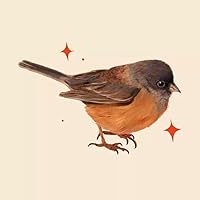
2) I disagree with the opinion that nature is just background decoration in the story. The imagery of the blue sky, the rain, and the sparrows singing reflects Mrs. Mallard’s inner emotions. These details symbolize renewal and hope, exactly when she starts feeling free after her husband’s death. The natural setting mirrors her transformation, showing that nature in the story works as a symbol of her personal liberation, not just as a description.
3) I agree that freedom is represented almost like a living presence in Mrs. Mallard’s life. The text says it was “approaching to possess her,” which is personification, making freedom feel like a powerful character that takes over her entire body and soul. This device makes her desire for independence more intense and relatable, because it is described as something that physically enters her life. It shows how important freedom was for her, even more than love itself.