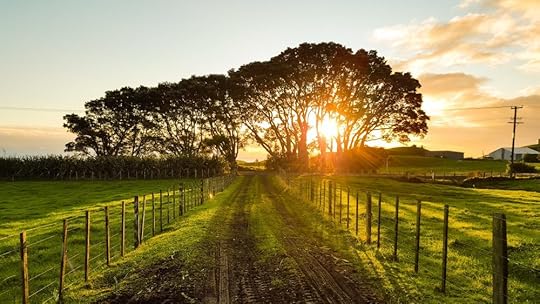
La vie d'Émilienne, c'est le Paradis. Cette ferme isolée, au bout d'un chemin sinueux. C'est là qu'elle élève seule, avec pour uniques ressources son courage et sa terre, ses deux petits-enfants, Blanche et Gabriel. Les saisons se suivent, ils grandissent. Jusqu'à ce que l'adolescence arrive et, avec elle, le premier amour de Blanche, celui qui dévaste tout sur son passage. Il s'appelle Alexandre. Leur couple se forge. Mais la passion que Blanche voue au Paradis la domine tout entière, quand Alexandre, dévoré par son ambition, veut partir en ville, réussir. Alors leurs mondes se déchirent. Et vient la vengeance. Une bête au Paradis est le roman d'une lignée de femmes possédées par leur terre. Un huis clos fiévreux hanté par la folie, le désir et la liberté.
Cécile Coulon est née en 1990. Après des études en hypokhâgne et khâgne à Clermont-Ferrand, elle entre à l’Université en Lettres Modernes.
Son premier roman Le voleur de vie et son recueil de nouvelles Sauvages ont paru aux Éditions Revoir.
Outre son goût prononcé pour la littérature, de Steinbeck à Maupin en passant par Tennesse Williams et Prévert, elle est aussi passionnée de cinéma (Pasolini, La nuit du chasseur, The Big Lebowski, L’année dernière à Marienbad, etc..) et de musique (Elvis Presley, Jerry Lee Lewis, Chuck Berry, Ramones).
Paradiso è il nome della fattoria con annesso podere. E mi viene da dire che è luogo tutt’altro che paradisiaco, segnato da destino nero, dalla morte, da un fato funesto che cova sotto una calma apparente fatta di brace. La bestia è umana, il titolo non si riferisce agli animali domestici o a quelli allevati, pennuti vari, mucche, maiali o galline. La bestia cammina su due gambe, o meglio, è annidata dentro un corpo sorretto e trasportato da due gambe. È quel buco nero, quel vuoto, quella rabbia che può diventare odio, che molti, tanti (tutti?) si portano in corpo.
Cécile Coulon, questa giovane scrittrice che a trentuno anni ha collezionato vari premi letterari, otto romanzi, una raccolta di racconti, due di poesie, un libro per ragazzi, una pièce teatrale (a quando le sceneggiature?), ha l’aspetto di una bimba ma a me pare una macchina da scrittura. E per tono e stile mi ricorda un’altra scrittrice francese, di vent’anni più grande e meno prolifica, Sandrine Collette, di cui ho letto il bel Resta la polvere. Ambienta questa sua storia dark country in una zona della Francia che non mi è riuscito di identificare, una geografia fatta di campagna, di villaggi e paesi dove tutti si conoscono e gli unici estranei sono turisti di passaggio, col mercato settimanale su banchi mobili, la stazione, la città a mezz’ora di automobile dove far ricorso per l’ospedale o gli studi universitari.
A brevi capitoli, tutti intitolati con un verbo all’infinito (tranne il primo e l’ultimo lasciati senza nome), proteggere, uccidere, crescere, vendicare, eccetera, la storia ambientata in un recente, forse recentissimo passato, racconta di un nucleo familiare dove sono le donne a reggere l’impianto: Émilienne, la nonna, è rimasta vedova e ha ereditata dal marito, di cui conserva anche il cognome, Èmard. La figlia, Marianne, va via a studiare in città, e sono probabilmente gli anni del sogno, della speranza e dell’utopia: quando torna all’ovile è sposata con Étienne, un giovane geografo alquanto fuori posto in una fattoria. La giovane coppia di sposi muore in un incidente d’auto proprio a un passo dal Paradiso, il nome della fattoria, lasciando orfani i due piccoli, Blanche, futura colonna, e Gabriel, destinato a faticare tutta la vita per elaborare il lutto. Il nucleo si compone presto anche di Louis, altro giovane, accolto in casa come tuttofare per salvarlo dalla violenza paterna.
Poi arriva Alexandre, il bel compagno di scuola di Blanche, e niente sarà più come prima: o meglio o peggio. Con scrittura densa e atmosfera spessa, corposa, Cécile Coulon racconta una storia familiare, che è storia d’amore, e d’odio e vendetta. Che è storia legata alla terra, impregnata di umori primordiali.
I read this in one sitting. It definitely held my attention.
This is one of those books where I wish there had been a different ending. Because two of the protagonists in this story, Blanche and Alexandre, when initially presented to us, and as we went through their development as school children then teenagers in the book, were not bad people by any stretch of the imagination. They were likeable, each in their own way and I was interested in what would happen to them when they were adults.
But somehow
But I am a reader and cannot control the author’s story. All I can do is rate it. And I will give it 4 stars because the writing kept me engrossed in the story, and because the chapters were nicely laid out (short) and because the characters were interesting. And I would recommend it. This is the only novel of seven of hers that has been translated from French into English. I will keep her on my radar screen in the hopes that more works of hers are translated.
Notes: • The novel was awarded the 2019 prix littéraire du Monde. Book title in French is ‘Une bête au paradis.’ • Bio on Cecile Coulon: https://en.wikipedia.org/wiki/C%C3%A9...
Y’a une chanson qui dit « j’ai le cœur sec et les yeux gonflés » et tu vois j’ai conscience que cette chanson elle a existé bien avant ce livre et pourtant je peux pas m’empêcher de me dire que ces phrases, ces phrases là elles ont été écrites pour tous ces gens qui vont finir ce roman et se retrouver face au cœur lourd et aux paupières closes et aux émotions qui débordent et qui grognent comme des animaux affamés. Dans ma tête se bousculent les souvenirs de ces jours que je passais à l’arrière d’un tracteur dans des champs immenses, de cette carabine puis de ce fusil qu’on m’a appris à tenir alors que je savais même pas encore faire mes lacets, je me souviens avoir regardé Bambi et m’être demandé si moi aussi peut-être j’avais tué un de ses amis quand j’avais tiré. Petit à petit il y a des odeurs qui reviennent et le noir sous les ongles et le parfum de la terre et de la sensation du four à bois, là au fond du jardin, quand je voulais y poser la paume et qu’on me l’interdisait. S’imposent les instants où j’étais un enfant qui se salissait comme un gosse, qui avait le droit, qui avait mal au dos aux genoux aux pieds et de la crasse noire plein les joues, de larmes et de transpiration mêlées. Je crois que Cécile Coulon veut que l’on ressente les choses, peu importe ce que l’on ressent il faut se sentir présent et investi et peut-être habité par des émotions aussi dégueulasses soient-elles. Et je veux dire, faut pas mentir tu vois, ressentir c’est bon c’est fait, la Bête en moi comme un arbre qui ancre ses racines. Émilienne et puis Louis et puis Blanche et puis Gabriel et puis Alexandre et ces gens qui gravitent autour du Paradis, c’est pas possible de les oublier, faut les laisser te hanter, faut accepter qu’il y a des pièces en toi que tu ne visiteras peut-être plus, parce qu’il y a des monstres qui y vivent, en forme de souvenirs, de mots. Ce texte est un hommage aux corps solides, aux mains blessées et solides, aux cœurs grands comme des voiliers qui font pas confiance si vite et qui pourtant aiment et aiment encore. C’est d’une effroyable brutalité, d’une humanité terrible, presque insupportable. C’est de l’immense littérature. Merci Cécile.
(La chance que j’ai d’être libraire et de pouvoir lire ce texte avant sa parution le 21 août, tout ça c’est possible grâce à la belle équipe des Éditions de L'Iconoclaste et je leur dis merci aussi.)
A Beast in Paradise is Tina Kover’s translation of Cécile Coulon’s 2019 French original Une bête au paradis.
The Paradise of the title is the name of an idyllically situated farm, and the novel opens with 80 year old Blanche walking through the, now dormant, grounds:
She passes the chicken coop, the barn, the dog—perhaps the twelfth or thirteenth one she’s known here; it has no name, they just call it “Dog,” like the others before it—and makes her way quickly to the pigpen, a circle of boards with a swinging door whose latch sticks in the winter cold. The ground is leathery here, packed hard by years of trampling and now abandoned, untouched by feet or hooves. In the pen itself, so vast for a place no longer sheltering any animals, in the pen Blanche stands straight-backed, despite the eighty years that weigh heavy on her heart, etching deep lines in her face and transforming her fingers into broken twigs.
The next chapter takes us back to her losing her virginity, aged 16, with a local boy Alexandre, while everyone else is distracted by the annual slaughter of a pig:
Blanche and Alexandre made love for the first time while the pig was being bled in the yard. They’d closed the windows without drawing the curtains. Downstairs, the party was in full swing. The animal shrieked like a torture victim, the neighboring farmers gathered round, the blood forming large dark poppies in the beaten earth. Under the big tree in front of the door, Louis had set up tables covered with cloths embroidered with the initials of the Émard family. Forty people had come for the bloodletting, the little ones watching, wide-eyed. Émilienne, at the head, called out, “Careful now, careful! The blood, save the blood.”
Émilienne is Blanche’s grandmother, the family matriarch:
The repeated sorrows had given her a sort of power, a fortitude that grew ever mightier in the imaginations of those who interacted with her. Émilienne had always been an old woman. Not an elderly lady; an old woman. The kind that continue, relentlessly, to consolidate their small empires through the sheer strength of their spirits, which are so immense, so densely peopled with miracles and horrors, so monumental.
Those sorrows include the early death of her husband and the death in a car accident of her daughter Marianne, and son-in-law Étienne in a car accident, leaving Blanche and her younger brother, then aged 5 and 3, orphaned.
Émilienne takes over their upbringing as well as her laborious work on the farm, taking in, to help her, Louis, around 10 years older than the children, who had been repeatedly beaten by his father.
She stood up on legs made thin and wiry by hard work, by comings and goings, by the bearing of children and of coffins, and let herself be swallowed up by the house, leaving the tree to weep in her stead, turning her attention to the living sleep of Blanche and Louis. That sleep, in this house, here, deep in Paradise—Émilienne was proud of it. Prouder of it than she was of the place itself, because she had raised these young ones up out of the grief and misery in which they’d been mired; Louis, crushed by his father’s fists, and Blanche and Gabriel, crushed by their parents’ deaths.
The novel then proceeds to tell the chronological story of the family farm, and Blanche and Alexandre's relationship, with brief episodic chapters with titles such as HURTING, PROTECTING, BUILDING, OVERCOMING, GROWING UP, KILLING, COMING INTO EXISTENCE, WATCHING, RISKING, and RUNNING AWAY.
While Blanche is bound to her native soil, Alexandre is more restless, leaving in his late teens to seek his fortune elsewhere, including on the opposite side of the world. But when he returns, after a 12 year absence, hidden passions erupt violently.
In part the novel reminded me of Animalia, with porcine-centric lush prose in Tina Kover's vivid translation, although A Beast in Paradise celebrates farming more albeit with a realistic not bucolic view, and the rural setting is ultimately a landscape, a context for the story itself, which is more concerned with affairs of the heart.
The novel at times has the epic feeling of an epic 19th century one, and I can see it may be a little overwrought for some, but I found myself caught up in the characters and the setting. Indeed Coulon has said that she regards her competition as Netflix and her aim to grab a reader's attention, with writing that is still demanding - and in that regard, she follows in the tradition of Ferrante, another author brought to us in English by Europa Editions.
As soon as she could straighten up without pain, Blanche plucked the spider nearest to her mouth and repeated her act of twelve years earlier, swallowing it without chewing, sensing nothing on her tongue but a faint tang. Her movement had caused a second spider to fall. It lay near her ankle. Very quickly she seized it and sent it, whole, down her throat. Shivers ran through Blanche’s body, greedy, avid, like a bird beating its wings between her breasts and her sex, demanding to be fed, famished, imploring, and Blanche , aroused by the taste of blood and chitin, scrutinized every centimeter of the wall in search of another living being to devour.
Thanks to the publisher, the excellent Europa Editions, for the ARC via Netgalley.
2.5/5 J'ai trouvé rien de sensationnel à ce roman. Et puis fatiguée qu'on romantise l'attirance sexuelle d'un homme de 25 ans sur une gamine de 13 ans. Ce.n'est.pas.normal.
I love it when a book that wasn’t even on my radar sweeps me up and carries me away. That is to say, I had no expectations when I read the first page of A Beast in Paradise but by the time I got to the end, I couldn’t put it down.
Almost fable-like in its execution, with wisps of Bronte’s Wuthering Heights, the eponymous Paradise—a farm in northern France—appears to be ironically-named. Two young children, Blanche and her sensitive and dreamy younger brother, Gabriel, are taken in by their grandmother after the tragic accidental death of their parents. The other inhabitant of the house is Louis, an abused young farmhand, who was claimed by the grandmother when he showed up at her door after a horrendous beating.
Blanche is a force to be reckoned with—beautiful, passionate, and in love with the land the family owns. When she enters her teens and falls for her classmate Alexandre, a dazzlingly handsome, charismatic, and ambitious boy, a chain of events begins to fall in place that builds momentum as the book reaches its conclusion.
A sense of bestiality pervades this novel, from the opening pages when we envision Blanche and Alexandre consummating their young love, to the inhuman squeals and terror of a pig being slaughtered outside their window. The visceral brutality of animal existence at Paradise is intertwined with the sensual and uncontrollable urges, emotional heartache and scheming intentions that consume humans. By the time we reach the ending, we know what has to happen and yet the ferocity still takes us by surprise.
This novel, beautifully translated from the French by Tina Kover, is a true “wow.” Thank you to Europa Editions, who once again engrossed me in hours of reading pleasure in exchange for a most decidedly honest review.
Στο αγρόκτημα «Παράδεισος» θα βρει κανείς όλη την αφθονία της φύσης, τη ζωή να ξεχειλίζει από τα στόματα των ζώων, τους πόρους των φυτών, το χιλιοπατημένο χώμα, όλα σε πλήρη αντίθεση με τους ανθρώπους που το κατοικούν.
Ο θάνατος βρέθηκε στο κατώφλι τους από νωρίς. Η Μπλάνς κι ο Γκαμπριέλ μεγαλώνουν με τη γιαγιά τους, αφήνοντας πίσω τους τις πληγές του παρελθόντος. Γιατί υπάρχουν μόνο δύο επιλογές: να σκύψεις το κεφάλι και να αφήσεις τη θλίψη να σου φάει τα σωθικά ή να το κρατήσεις σηκωμένο, να δουλέψεις σκληρά και να επιβιώσεις. Αυτός είναι ο νόμος του Παραδείσου.
Η Μπλανς προσαρμόζεται άμεσα, μαθαίνει γρήγορα, οι αισθήσεις της διαρκώς οξυμένες μπροστά στην ανακάλυψη, γι’ αυτό και λίγο πριν τελειώσει το σχολείο, ερωτεύεται. Αυτόν τον πρώτο έρωτα, τον αγνό, που δεν ξέρεις να τον ονομάσεις κι όμως όλα κυλάνε ορμητικά μέσα σου και φοβάσαι και δεν είσαι σίγουρη για τίποτα αλλά ταυτόχρονα είσαι σίγουρη ότι τα πάντα αλλάζουν και πλέον βλέπεις τον εαυτό σου μέσα στα μάτια του άλλου και νιώθεις μονίμως λιγάκι μεθυσμένη. Δεν έχεις ακόμα πληγωθεί, είναι λογικό.
Μέσα από αυτήν την πρώτη αγάπη - και τα επακόλουθα της, θα σμιλευτεί σε μια γυναίκα που κρατιέται μόνο από τις αναμνήσεις της για να συνεχίζει. Κι όταν η αγάπη ξαναχτυπήσει τις πόρτες του Παραδείσου κι εκείνη γνωρίσει τη χειρότερη πλευρά της, ξανά, θα μεταμορφωθεί. Μια εικόνα αντισυμβατική με το γυναικείο πόνο όπως τον έχουμε γνωρίσει και βιώσει, ένα θηρίο κατακλυσμένο από θυμό, ένα συναίσθημα απαγορευμένο στις γυναίκες. Κράτα τον μέσα σου κι ονόμασε τον θλίψη, έτσι ναι, είναι αποδεκτός.
Η Μπλανς όμως, θα νιώσει όσα χρειάζεται να νιώσει πριν τη μεταμόρφωση της, θα αφήσει την πληγωμένη ανθρώπινη καρδιά της στην άκρη και θα γίνει ένα αγρίμι για να προστατεύσει τον εαυτό της και να πάρει πίσω όλα όσα έχασε.
Εξαιρετική, ανατρεπτική Coulon. Τέτοια βιβλία θέλω πάντα να διαβάζω κι ακριβώς με αυτόν τον τρόπο - αχόρταγα.
Je ne sais pas encore si j’ai adoré ou détesté ce roman pour être honnête. Ce qui est sûr, c’est que j’ai adhéré au style de son autrice que j’ai trouvé incroyablement beau bien que cru parfois et extrêmement poétique. La force des sentiments décrits est indéniable dans cet ouvrage. Pour autant j’ai trouvé l’ambiance plus d’une fois malaisante, au point de me donner envie de refermer le livre (surtout à la fin soyons honnête) avant l’heure. Chronique à chaud, à voir de que je peux en dire de plus à froid.
C'était presque mission impossible pour moi de donner une juste note à ce roman tant il m'a laissée perplexe, tout en étant franchement une belle surprise. J'aurais pu facilement lui mettre 5 étoiles : l'écriture sublime et très addictive de Cécile Coulon, l'importante et réussie caractérisation des personnages, et en particulier des personnages féminins bien sûr, la façon dont leur lien à la terre est relaté... C'est un livre qui déborde d'émotions, j'en ai ressenti tellement à la lecture que ça m'a rendue confuse. Parce que qu'est-ce que j'ai ressenti finalement ? De l'empathie pour tous ces personnages ? La même colère que Blanche ? Je pense qu'il va me falloir un peu plus de recul sur ce roman pour pouvoir le dire. En tout cas, ce qui est sûr, c'est qu'il y a beaucoup de choses malsaines dans cette histoire, et c'est aussi pour cela que j'aurais pu mettre une note plus basse. On lit pour ressentir toutes sortes d'émotion, mais le dégoût qui est arrivé jusqu'à moi parfois n'est pas l'émotion que je recherche le plus dans mes lectures. Les quarante dernières pages m'ont laissée franchement perplexe, car sans aucun élément fantastique pourtant, j'ai eu l'impression de vivre un revers complet du récit vers quelque chose qui s'éloignait complètement du réalisme du début de roman (littéralement très terre à terre). C'est en plus un roman qui parle beaucoup de cruauté, celle de la nature, et avec ce cap franchi, le récit passe dans une autre dimension. Belle découverte, le tout mis bout à bout.
Υπάρχουν άραγε θηρία στον Παράδεισο? Όχι, θα μου πείτε... Τι μπορεί όμως να μεταστρέψει έναν άνθρωπο σε θηρίο? Πολλές μπορεί να είναι οι αιτίες. Στο βιβλίο της η συγγραφέας, μας συστήνει την Μπλανς και τον αδερφό της Γκάμπριελ, 2 μικρά ορφανά που ζουν στο αγρόκτημα Παράδεισος απ'όταν έχασαν τους γονείς τους. Η Μπλάνς είναι πιο δυνατή απ' τον αδερφό της και βοηθά στις ατέλειωτες δουλιές του αγροκτήματος παρέα με τον Λουί, τον παραγιό που η γιαγιά της έσωσε από τη βαναυσότητα. Στο σχολείο, τα καταφέρνει πολύ καλά, αλλά δεν την νοιάζει - για εκείνη σημασία έχει ο Παράδεισος. Με τον Αλεξάντρ, όμως ο οποίος την πολιορκεί, γνωρίζει μια άλλη γεύση του Παραδείσου - κι όταν το όνειρο τελειώνει, τα πάντα γκρεμίζονται...θα μπορέσει η Μπλάνς να μαζέψει τα κομμάτια της?
Σε αυτό το βιβλίο η συγγραφέας, μιλά για τους δεσμούς που ενώνουν τους ανθρώπους με τη γη, τον τόπο, τη φύση. Αλλά και πόσο εύκολα αυτοί οι δεσμοί, μπορούν να σπάσουν και να πληγώσουν τους ανθρώπους. Γιατί να πονάει τόσο η προδοσία? Και πόσες φορές να την αντέξει κανείς? Κάθε άνθρωπος διαχειρίζεται διαφορετικά την απώλεια - αυτό δεν σημαίνει ότι δεν πονάει όμως. Η Μπλανς, είναι ένας από τους πιο καλοστημένους χαρακτήρες του βιβλίου κι όμως, οι αντιδράσεις της, είναι απρόβλεπτες, γεμάτες συναίσθημα και θυμό.
"Ώστε αυτό λοιπόν είναι το κλάμα, το αληθινό κλάμα. Ένας καταιγισμός από πληγές, μυς, δέρμα, κόκκαλα, αίμα που προσπαθούν να βγουν από τα μάτια, θέλουν να εγκαταλείψουν αυτό το ακυβέρνητο καράβι, αυτό το ναυάγιο που όλοι οι ναύτες του είναι μπαρκαρισμένοι από παλιά και καινούργιους δεν μπορεί να πάρει, που η γέφυρα του έχει από καιρό σωροβολιαστεί, καταπλακωμένη από αυτό το καμπανάκι που τώρα πια έχει γίνει τεράστιο, τερατώδες, μια γιγάντια σφαίρα και δεν σταματάει να μεγαλώνει. Ώστε αυτό είναι λοιπόν ο κλάμα: η ιεροτελεστία της απόγνωσης."
Βιβλία όπως τα Τριαντάφυλλα επί Πιστώσει της Έλσα Τριολέ και η Σεροτονίνη του Μισέλ Ουελμπέκ έπρεπε να με είχαν υποψιάσει ότι όταν ένα γαλλικό μυθιστόρημα εστιάζει στην αγροτική ζωή και στα αδιέξοδά της η ιστορία δεν θα έχει καλή κ��τάληξη, αλλά ειλικρινά δεν περίμενα το σοκαριστικό τέλος του «Ένα Θηρίο Στον Παράδεισο».
Στο αγρόκτημα που ονομάζεται (αναμενόμενα ειρωνικά) Παράδεισος οι τραγωδίες χτυπούν απανωτά τα μέλη της οικογένειας των ιδιοκτητών της παρά την ομορφιά του τοπίου ή ίσως εξαιτίας της αγριότητας του, αφού τα μετατρέπει σε θηρία που εναντιώνονται μάταια στα ένστικτά τους και παραδίδονται νομοτελειακά σ’ αυτά.
Αυτό που με γοήτευσε περισσότερο στο γράψιμο της νεαρής Γαλλίδας συγγραφέα είναι οι αναπάντεχες περιγραφές τόσο του φυσικού τοπίου, όσο και των ψυχολογικών μεταπτώσεων των ηρώων, ιδίως της Μπλανς, της κεντρικής ηρωίδας, που μετατρέπεται στον τίτλο μέσα από μια επώδυνη διαδικασία προσδοκιών και ματαιώσεων κι έναν λυρισμό που κρύβει κάτω από την ποιητικότητα της γλώσσας την οργή, την πίκρα και τη βία.
Με μια πορεία που ξεκινάει με ένα ευφυές και ολότελα συμβολικό πάντρεμα της σεξουαλικής αφύπνισης δύο νέων και της ταυτόχρονης τελετουργικής σφαγής ενός γουρουνιού σε μια λίμνη αίματος (η καλύτερη σκηνή του βιβλίου) για να καταλήξει κυκλικά και πάλι στο αίμα, αλλά και στην οικονομική κατάρρευση, στη μοναξιά και στην ερήμωση, το «Ένα Θηρίο στον Παράδεισο» δεν ήταν (ευτυχώς) το ειδυλλιακό βουκολικό μυθιστόρημα που φοβόμουν, αλλά η πρώτη γνωριμία (μου) με μια συγγραφέα ικανή να χαρτογραφεί τους βάλτους και τα ερέβη της προσμονής και της ανάγκης.
Je n'ai pas du tout accroché à ce livre. La seule chose que j'ai aimée est le fait qu'il se lise vite. Je n'ai pas ressenti de sympathie pour les personnages, je n'ai d'ailleurs pas ressenti grand chose durant cette lecture. Émilienne est une femme dure, brutale à l'image de sa terre. Je trouve que tout était prévisible. Parfois même cliché, par exemple : la femme forte et indépendante qui l'est juste assez pour travailler à la ferme mais pas assez pour ne pas être détruite par une passion amoureuse. Je l'ai lu car il fait beaucoup parler de lui en cette rentrée littéraire et en tant que libraire, c'était important de savoir de quoi il retournait mais ce n'était pas à mon goût.
Une intrigue très bien menée, avec une écriture sensible et des images puissantes, car lourdes de sens. On ressent superbement bien l’oppression du lieu sur les personnages, la façon dont il se déploie pour envahir le roman et posséder les uns et les autres. J’ai cependant été déçue de l’aspect un peu caricatural des personnages. Ça perturbe un peu la crédibilité de certains. J’ai cependant très envie de lire un autre roman de cette autrice !
Ένα εκπληκτικό μικρό βιβλίο από μια νέα αλλά πολυβραβευμένη συγγραφέα! Το διάβασα στο δίωρο της πτήσης και, ειλικρινά, δεν ήθελα να τελειώσει. Στον Παράδεισο, ένα αγρόκτημα στην επαρχία, ζουν δυο ορφανά παιδιά που μεγαλώνουν με τη γιαγιά τους. Μαζί τους ο παραγιός, ένα μεγαλύτερο αγόρι, που βρήκε καταφύγιο στον Παράδεισο και σώθηκε από τον βίαιο πατέρα του. Η μικρή ορφανή αλλά δυναμική και εξαιρετική μαθήτρια Μπλανς, αν και γνωρίζει πως ο παραγιός, Λουις, είναι ερωτευμένος μαζί της, γοητεύεται από τον Αλεξάντερ, έναν συμμαθητή της, το πιο όμορφο αγόρι της τάξης που θέλει να ξεφύγει από τη φτώχια πάση θυσία. Λίγο πριν τα 18 τους η σχέση ολοκληρώνεται και περνούν ένα μικρό διάστημα απόλυτης ευτυχίας μαζί προτού ο νεαρός φύγει για την πόλη για να "πετύχει", μιας και η Μπλανς αρνείται πεισματικά να εγκαταλείψει την πατρογονική εστία και την κληρονομιά της πεπεισμένη ότι ο μελαγχολικός αδερφός της Γκαμπριέλ δε θα είναι σε θέση να τα βγάλει μόνος του πέρα. Όταν επιστρέφει, 17 χρόνια μετά, η Μπλανς παραμένει ερωτευμένη μαζί του και η παλιά τους έλξη αναζωπυρώνεται. Τι είναι όμως ο Αλεξάντερ, είναι ο όμορφος άγγελος-σωτήρας ή ένα κάτι άλλο; Και τι επιπτώσεις θα έχει αυτό στην εύθραυστη ψυχολογία της Μπλανς;
Ολοκληρώνοντάς του έμεινα να αναρωτιέμαι ποιο ήταν το θηρίο του τίτλου; Ο Αλεξάντερ ή η Μπλανς; Ο Αλεξάντερ που ανέκαθεν ήταν κάτι άλλο από αυτό που όλοι πίστευαν ή η Μπλανς που δις προδομένη οδηγήθηκε στην τρέλα και σε πράξεις που δύσκολα φανταζόμουν ότι μπορεί να διαπράξει μια γυναίκα;
Το "Ένα θηρίο στον Παράδεισο" είναι ένα γεμάτο σασπένς έπος αγάπης και απώλειας, με τα όρια μεταξύ ανθρώπου και θηρίου να γίνονται ασαφή καθώς οι ήρωες παλεύουν με τα πιο ταπεινά τους ένστικτα και κυρίως με την ανάγκη "κτήσης", τόσο της γης όσο και του Άλλου. Με όμορφη πρόζα και ελκυστικό ύφος η Coulon διερευνά επιδέξια την άγρια φύση της αγάπης και αδυναμία της λογικής να υπερβεί τα πάθη της ψυχής. Σε πολλά σημεία, όχι μόνο εξαιτίας της θεματικής της αλλά και των εξαιρετικά ζωντανών αγροτικών εικόνων που περιέχει, το βιβλίο θυμίζει τα ρομαντικά μυθιστορήματα του τέλους του 18ου αιώνα που αγαπώ πολύ.
Je ne dois pas être la seule dans ce cas: avec certains livres, en cours de lecture, je réfléchis déjà à ce que je vais pouvoir mettre dans goodreads. Assez vite dans ce livre, je trouvai que l'écriture était un peu pas trop mon style, limite gnan-gnan bof, je lui mettais max trois étoiles. Et puis plus loin dans le livre, je trouvai que décidément je ne croyais pas beaucoup aux personnages. 2,5 étoiles max. Je serais peut-être restée à 3 étoiles parce que y avait quelque chose d'intéressant malgré tout dans l'environnement, la situation globale.
Et plus ça avançait, plus l'histoire devenait prévisible, les personnages agaçants, hop la glissade vers 2 étoiles devenait inévitable.
... Et la fin arrivât. Et alors là j'ai carrément râlé à haute voix, non, vraiment, non. Non et non. 1 étoile. C'est tout.
Et dire que j'ai pris ce livre dans la librairie parce que c'était le prix des lecteurs. Le dernier prix des lecteurs que j'ai acheté c'était HHhH. 5 étoiles. Hééé ouais. Pffff. Trahison, déception du prix des lecteurs.
“A Beast in Paradise”, by Cecile Coulon (beautifully translated from the French by Tina Kover), is a spare but powerful saga of a family beset by tragedy. On a farm in France called Paradise, widow Emilienne Emard finds herself running the farm alone, along with raising her small orphaned grandchildren, Blanche and Gabriel, with only the help of a teen-aged farm boy named Louis. These are the characters and the “beasts” of Paradise farm.
Add to this cauldron (I use that word because Emilienne is pretty “witchy” in the Fairy Tale sense) a young man, Alexandre, Blanche’s schoolmate, who is from a poor family in the village. Alexandre is handsome and charming; everyone responds to him, except Louis.
The children grow up and the grandmother grows old. Love enters their lives, and with it, all that love can bring. Can Paradise survive? I was both charmed and gripped by this story; I was compelled to find out how it would turn out.
This story has the feel of a cautionary tale told by an Elder on an evening by a fire to a group of wide-eyed acolytes. And like all good tales, the story is about heartbreak, grief, rage, jealousy, betrayal, humiliation, abandonment, strength, duty, yearning, lust and desire and finally madness and revenge. It’s a timeless story of all our primal, emotional “beasts”, and what happens when they are left to run wild.
Coulon’s prose is so beautiful (and beautifully translated) that I found myself reveling in her descriptions, savoring them as one might a deep, dark, chocolate. But not all her descriptions are sweet; some are vividly disturbing, and horrifyingly real.
Une bête au paradis est un livre qui remue, qui vient au fond de nos entrailles. Le livre de Cécile Coulon se lit très rapidement, on est très vite embarqué dans cette ferme, ce Paradis qui fût mais qui n'est plus. J'ai très vite été saisie par la violence des traumatismes subies par chacun des habitants du Paradis et l'espèce de déterminisme latent lié à cette terre putréfiée de morts. Gabriel qui porte le nom d'un ange est le seul à s'en être sorti, sauvé par l'Aurore d'une nouvelle vie. Blanche est l'antinomie de son prénom, elle a sombré dans les plus sombres ténèbres qu'ait pu connaitre le Paradis. Elle est devenue animale, une véritable bête, qui traite son monde comme tel, des animaux, dont on s'occupe mais inexorablement voués à mourir par sa main. Pour être honnête, je ne sais pas si je recommanderais ce livre tellement il laisse en moi une trace étrange. En tout cas, Une bête au Paradis marque, questionne et trifouille nos esprits et nos cœurs. Note : 3,5/5
This entire review has been hidden because of spoilers.
At the end of the book, I was left wondering who was the title beast? Alexander or Blanche? It was only in the days after as I continued to ponder that question that I stumbled across the original French title-- as a novice student of French, I was struck by its gendered nature: Une Bête Au Paradise.
As perhaps the feminine noun “une bête” suggests (though this is more likely coincidental or may in fact be indicative of historical French views that civility is antithetical to femininity), the novel follows a female protagonist who is tormented by her love for the inarguably charming Alexander. The novel begins in the present with an elderly Blanche who is eerily alone as she wanders her ancestral farm. This opening scene provides a preview of what is to come as the novel quickly transitions into the past. Following a car crash that resulted in her parents’ death, 5-year old Blanche and her younger brother Gabriel are raised by their maternal grandmother Émilienne, a spirited woman who is largely defined by her resolute love of her farm, a plot in northern France that is aptly named Paradise. This brief look at her childhood quickly leads to a pivotal moment in which a dewey, teenage Blanche falls desperately in love with her classmate Alexander. Their relationship, though pure and earnest, quickly becomes clouded by Blanche and Alexander’s inability to reconcile Blanche’s refusal to give up her family’s farm with Alexander’s aspirations of a fresh start far from his childhood. As readers, we experience the ebb and flow of an ill-fit relationship over the course of two decades.
In this way, A Beast in Paradise is a saga of love and loss, colored with lush prose and a bold, unapologetic voice (“her contours molded by an endless series of deaths”), that seems to have been well-captured by translator Tina Kover. The epic and emotional narrative echoes the romantic novels of the late 18th century with tinges of the grotesque agricultural imagery that defines Marieke Lucas Rijneveld’s The Discomfort of Evening.
The parallel between beautiful language and visceral imagery serves author Cecile Coulon well, allowing her to deftly explore the feral nature of love and its ability to debilitate rational thinking. The lines between beast and man become both blurred and absurd as the characters grapple with their baser instincts while also acting as the arbiter of life for a slew of farm stock. Coulon openly invites the comparison between the characters and beasts, at times even drawing explicit metaphors between the two: “She went round and round in circles in that strange laboratory made of nothing, both the mad scientist and the guinea pig at once.”
This book left me in awe and quite simply defines the kind of work I wish I could myself create. Especially considering it was released February 2, which happens to be my birthday, I have come to see it as a literary gift. I highly recommend this book, particularly to the literary-inclined, to lovers of words, and to those who may themselves be grappling with inner beasts.
Un livre qui m'a plu et déçu par moment, en tout cas pas ébranlé plus que ça et je suis surpris par l'engouement qu'il suscite. Cécile Coulon y reprend des thèmes qu'elle avait déjà évoqués magnifiquement dans de précédents ouvrages : la campagne opposée à la ville, une destinée familiale tragique, une nature omniprésente, une jeunesse face à des choix compliqués, la passion amoureuse, l'attachement à une terre ingrate, mais fertile. Mais ici, on dirait que la veine s'épuise. Tout commence pourtant plutôt bien dans ce huis clos agricole avec une scène d'amour corporel alors qu'on tue le cochon. On découvre les personnages qui ont chacun des traits bien (trop ?) marqués. Les chapitres sont courts et l'on avance rapidement dans le récit. L'écriture charnelle et poétique de Cécile Coulon nous prend aux tripes avec des analogies fréquentes entre l'anatomie et la nature, comme dans cette description de marché villageois où la place est comparée à "un ventre ouvert, grouillant d'hommes et de femmes, d'enfants et d'animaux". Bref, il y avait tout pour rendre ce récit envoutant et passionnant. Et pourtant ce ne fut pas le cas. Les personnages ne m'ont pas séduit par manque de crédibilité, de profondeur ou de cohérence. L'héroïne me semble par exemple bien trop tenace et indépendante pour être détruite par une passion amoureuse. Son frère, supposé traumatisé par un drame familial, se réfugie tranquillement dans le silence. Bref, des émotions, des failles ou des blessures traitées sommairement qui auraient mérité d'être approfondies. L'intrigue, elle, est rondement menée, la trame bien construite, mais les ficelles sont bien trop apparentes pour nous surprendre. Le "méchant" avance sans finesse avec ses gros sabots, et l'on devine dès le début comment tout cela va finir. C'est dommage.
“Paradise was a cursed place, run by an angel [who] looked like what the land had made of her.” Emilienne is like a sturdy tree with twisted branches gnarled with muscle and bone, solid but broken, picking up the pieces of her own life. Blanche, pale and slender like the trunk of a young birch tree. Gabriel is a sort of black tree watered with fury by his parents’ deaths in his early childhood with dead leaves and poisoned fruit falling from his soul. A trinity of trees in an alternate garden of Eden attacked by the rumbling chainsaw of the mediocre white male represented by Alexandre: “Everything will FALL into place...Her love had died in Paradise, as all great hopes do.” With arms flung open and head thrown back, the novel concludes with “the triumph of despair...broken by the mad love she had for Paradise...Paradise wasn’t inhabited solely by animals, but also by human beings capable of anything, even of better things.” The most capable human being in this novel is Emilienne. Like her, I aspire to be “an old woman. The kind that continue, relentlessly, to consolidate their small empires through the sheer strength of their spirits, which are so immense, so densely peopled with miracles and horrors, so monumental.” Cecile Coulon’s A Beast in Paradise was by far my favorite literary fiction this year, a reminder of why I read.
Ce roman tourne autour de Blanche, jeune orpheline, qui vit dans une ferme appelée "Le Paradis" aux côtés de son frère, de sa grand-mère et de Louis, le commis. Le Paradis est un refuge pour les âmes abimées, et Blanche semble la plus solide de la troupe, du même bois que sa grand-mère, faite pour les travaux de la ferme, pour la franchise, pour la vie directe sans circonvolutions. A la fin de l'adolescence, Blanche tombe amoureuse d'Alexandre, un jeune être solaire, charmeur, doux, poli, qui a su faire tomber une à une les barrières que Blanche avait érigées pour se protéger. Mais Alexandre est attiré par la ville, et après le lycée, il quitte Blanche pour une nouvelle vie. 12 ans plus tard, le voilà de retour au village. Blanche n'a rien oublié, et est prête à accueillir à nouveau Alexandre dans sa vie. Mais est-il honnête ?
Encore une belle écriture, l'impression que chaque mot est utilisé à bon escient, une histoire contée qui chavire, un de mes derniers coups de coeur...
Un livre à l'ambiance oppressante de bout en bout. J'aurais pu mettre 4 étoiles mais je trouve les personnages trop linéaires. On plonge directement dans la découverte de ces personnalités très fortes, mais elles ne sont jamais développées ou affinées par la suite. Même les rapports entre les personnages sont comme figés : l'histoire se déroule sur une quinzaine d'années mais on assiste à une répétition des mêmes situations, qui, si elle participe à l'ambiance oppressante, peut aussi lasser. Seul le frère semble évoluer un peu, mais c'est un personnage tellement secondaire qu'on peine à s'intéresser à lui. C'est d'ailleurs dommage qu'il ne soit pas plus étoffé, que son point de vue ne soit jamais donné notamment.
Avec une langue toute en images et en textures, Cécile Coulon tisse la toile d'un drame humain. J'y ai trouvé des teintes de "Bel-Ami", de Maupassant ou "d'Une page d'amour" de Zola, contournés avec malice et talent.
«Η Μπλανς πήγαινε από τον έναν στον άλλο, σαν βάρκα ανάμεσα σε δύο όχθες, συνεχίζοντας να θεωρεί τον Λουί όπως τον θεωρούσε πάντα, κομμάτι μιας οικογένειας που δεν βασιζόταν στο αίμα αλλά σε μια τραγωδία.»
Το πρώτο μικρό κεφάλαιο είναι αποκαλυπτικό: από τη μια περιγράφεται η σφαγή του γουρουνιού στον Παράδεισο, τη γαλλική επαρχεία, και από την άλλη περιγράφεται η σεξουαλική αφύπνιση της νεαρής Μπλανς. Από τις πρώτες γραμμές που ανακατεύεται η ερωτική επιθυμία με το αίμα που ποτίζει το χώμα, καταλαβαίνει κανείς που στοχεύει να καταλήξει η συγγραφέας, τόσο βάση της αισθητικής της, αλλά και του περιεχομένου της ιστορίας της.
Αμέσως ήρθε στο μυαλό κάποια σύνδεση με τα Τριαντάφυλλα επί Πιστώσει της Έλσα Τριολέ. Θες η γαλλική επαρχεία που υπόσχεται την ήρεμη, ειδυλλιακή ζωή στο αγρόκτημα και στις καλλιέργειες; Θες η αφήγηση αυτής της ζωής να προσφέρεται για την ανώμαλη προσγείωση στην πραγματικότητα; Όπως και να ‘χει, η Κουλον δεν αντιστέκεται στις διδαχές της Τριολέ και διατηρεί την αφήγησή της αδιάφορη μέχρι τη φιλοδοξία για απογείωση στις τελευταίες σελίδες.
Trop trop belle écriture de Cécile Coulon. Archi quali dans sa maniere de dépeindre à la fois un amour sincère de sa terre, de ses proches et en même temps un espace rempli du poids du silence, des non dits, de la violence, des désirs de vengeance. Mais ewww la fin tlmt dure à lire Et peut être un peu too much ?