In Greek mythology, the asphodel is a flower associated with death; the souls of ordinary mortals are sent to the Asphodel Meadows, vast fields of the underworld. In the twelve stories of Asphodels, Mexican author Bernardo Couto Castillo (1879-1901), a cult figure in Mexico due to his short life and French-influenced Decadent writings, explores death in its many varieties, from Lady Death wandering the streets of the city in merciless search of her next victim, to a hypochondriac who goes mad out of fear of death, to an ultra-refined killer turning to murder due to the beauty of its “symphony in White and Red”, to the extraordinary final metaphysical account of the torture of a soul. Although asphodels do not make a single appearance in this collection, they are like death itself: invisible, everywhere.
Asphodels, originally published in 1897, was the only book to appear in the author’s lifetime. Presented here for the first time in English, in a superb translation by Jessica Sequeira, it will be sure to gratify lovers of Decadent fiction, horror and modernismo.
We really do live in a truly fantastic time for book availability, right?
So many tomes could, and have, been lost to time. Snuggly Books is just one of those publications that have done gods work returning forgotten masterpieces to the public eye, outside their original market and no more do I realize the vitality of that endeavor than in Castillo's ASPHODELS. Decadent symbolism, macabre Ligottian prose that set my senses alight over a hundred years since its young, incredibly talented author passed away. I do find it tempting to call Castillo the Mexican Rimbaud, but I as apt as that would be I do feel he stands wholly on his own merits. One for fans of ornate weird literature and no mistake, a rediscovered gem.
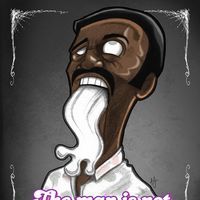
Castillo would have made a great poster child for Prozac... this book is incredibly morbid and death-obsessed, a misogynist's delight... some really effective horror writing in here as well, especially the concluding story "What the Beggar Said" (also, "The Right to Life" almost seems like something Thomas Ligotti would write). I also like the cover art...
I only knew of Castillo and this book by reputation as I do not read Spanish, so it is great to finally have this volume in translation.
Jessica Sequeira’s introduction questions some of the mythology surrounding Castillo. He was dead before he was 23 and given the nature of his stories it is tempting to describe his existence as similar to the burning with Pater’s “hard gemlike flame”- the truth is that he intended to live a lot longer.
Castillo's tales also burn bright and hard. I suspect, but do not know) that they might have appeared in newspapers prior to book form as they are short (averaging at about fifteen pages) immensely readable and might be described as ‘Roman frénétique’ in style.
Most are first-person narratives of a confessional type; “Alfonso Castro wrote for the last time in prison. Here is the interesting manuscript… “I am in a hospital for the mentally ill… but there are pieces with more philosophical musings.
Castillo draws unashamedly on the decadent writers such as Poe, Bourget, D’Annunzio and especially Baudelaire and Barbey d’Aurevilly. Women are usually Madonna’s, whores (or suspected whores) the men driven to murder or suicide, sometimes as a way of warding off ennui. There is even a ghost story. If this is ‘your type of thing’ then there is a lot to enjoy here; a man who drives his perfect lover to death through his own pride, a killer who enjoys recounting the lush emotions experienced during the commission of his crime, another seemingly inspired by ‘artificial paradises’ and the music of Wagner, or, in contrast, a suicide who cannot bring himself to feel love no matter what he does. It is all glorious nonsense, in the best possible sense!
The great shame is that he did not live longer to write more, as they are extremely well written for one so young and it would have been interesting to see if he was able to shed (or disguise) his influences and find a more distinctive voice of his own. That said, this volume is hugely entertaining and will grace any decadent bookshelf.
Judging from this translation, even at the age of eighteen Castillo was already a skilled craftsman: these stories are all written with precision, economy, and great confidence. The opening and closing pieces are the most fanciful and are my favourites; in between, the stories are generally variations on a basic premise: the protagonist tormentedly describes how he killed a (usually beautiful) femme fatale. The variations are interesting and clever, but one does get an uneasy feeling that Castillo was working out some adolescent resentments. The Symbolist/Decadent aspects of the stories lie primarily in the subject matter: Castillo's style is not at all rich and ornate. Interesting and worth reading, but not overwhelming.
I really, really enjoyed this book of very short stories of horror/the macabre. It was apparently the only book published by Bernardo Couto Castillo, a late 19th century Mexican writer who studied and traveled in Europe and died at the age of 21. It gave me a very Edgar Allen Poe vibe, the stories were creepy and disturbing while also leaving the reader with some philosophical food for thought. Despite his early death and having had only the one book published, I'm really surprised I'd never heard his name before. Thanks public library Halloween display!
Libro de cuentos fabuloso del chamaquillo Couto. Vale mucho la pena. Son cuentos cortos escritos por quien alcanzó a ser un muy joven escritor. Una biografía polémica... que merece mayor reconocimiento bibliográfico. Es un modernismo decadentismo rico y provocador, por cierto. Violentito también.
Oh, I was looking forward to reading this book. It is a beautiful-looking book, though it's innards are far from beautiful. Castillo deals with death in a myriad of forms, each one interesting. He did remind me of Poe a bit, and I can see the connection to the Decadents, but he definitely has a voice all his own, though itself extinguished too early, having died too soon. I give it four and a half stars, rounded down to four, since five-star books to me are life-changing. This wasn't that, but I can highly recommend it all the same.
Bernardo Couto Castillo fue uno de los grandes escritores mexicanos, con una precocidad increíble que le hace merecedor de ser considerado un enfante terrible. Sus cuentos de Asfodelos y post Asfodelos son obras maravillosas. El decadentismo de Bernardo Couto Castillo es maravilloso, su amor por la muerte se nota en cada historia.
Easier to enjoy if you consider he was dead at 21. Pretty typical of what you'd expect of a young person who has recently read Baudelaire. This pretty much works as an example of what is objectionable about most decadent symbolists writers. Women as object, women as threat, killing children, railing against your unwanted birth zzzzzz. Not much to redeem this otherwise.
Esta es una colección de cuentos bastante modernista. Para quien busca encontrar la pieza perdida de la literatura en "Asfodelos", los cuentos tal vez le parezcan un poco formulaicos, del montón. Pero para quien busca pasar el rato, encontrará ficción bien escrita y con buenos giros argumentales.