

What do you think?

Il re di bangkok
Il Re di Bangkok racconta la storia della Thailandia contemporanea attraverso la vita di Nok, un vecchio ambulante cieco che vuole andarsene dalla città. Seguendolo per le vie della megalopoli thailandese e lungo i sentieri della sua memoria, questo graphic novel ricostruisce un viaggio tra le baraccopoli dei lavoratori migranti, i campi di riso dell’Isaan, i villaggi turistici di Kho Phangan, e le rivolte popolari tra i grattacieli della capitale.
Basato su più di dieci anni di ricerca antropologica, Il Re di Bangkok parla di migrazioni e famiglie lontane, del progresso che consuma il Paese e di come le onde della storia sollevano, travolgono, o inghiottono le persone comuni.
«Tuo padre sta morendo e tu stai qui a drogarti con il suo amuleto al collo…»
«Non dormivo più. Ogni mattina all’alba tornavo nella mia baracca e collassavo…
Mio padre, l’uomo che si è sempre preso cura di me, non c’è più. Vedo la sofferenza di Gai, ma è come se fosse sott’acqua, attutita e distante. Non sento niente. Provo a ripetermi che ho fatto esattamente quello che dovevo: lavorare e mandare soldi. Ma ogni centesimo mi ha reso più distante, mi ha fatto cadere più a fondo. Il monaco aveva detto che tutto cambia, che niente rimane uguale per sempre, ma questa gabbia che mi sono costruito attorno sembra estendersi all’infinito. Gai continua a chiamarmi, vuole che torni da lei e da nostro figlio. Io vorrei soltanto scomparire, sciogliermi nel cemento che gettavo ogni giorno credendo di dare loro una vita migliore mentre costruivo solo muri più alti.»
Basato su più di dieci anni di ricerca antropologica, Il Re di Bangkok parla di migrazioni e famiglie lontane, del progresso che consuma il Paese e di come le onde della storia sollevano, travolgono, o inghiottono le persone comuni.
«Tuo padre sta morendo e tu stai qui a drogarti con il suo amuleto al collo…»
«Non dormivo più. Ogni mattina all’alba tornavo nella mia baracca e collassavo…
Mio padre, l’uomo che si è sempre preso cura di me, non c’è più. Vedo la sofferenza di Gai, ma è come se fosse sott’acqua, attutita e distante. Non sento niente. Provo a ripetermi che ho fatto esattamente quello che dovevo: lavorare e mandare soldi. Ma ogni centesimo mi ha reso più distante, mi ha fatto cadere più a fondo. Il monaco aveva detto che tutto cambia, che niente rimane uguale per sempre, ma questa gabbia che mi sono costruito attorno sembra estendersi all’infinito. Gai continua a chiamarmi, vuole che torni da lei e da nostro figlio. Io vorrei soltanto scomparire, sciogliermi nel cemento che gettavo ogni giorno credendo di dare loro una vita migliore mentre costruivo solo muri più alti.»
224 pages, Paperback
First published January 1, 2020
About the author
Claudio Sopranzetti
5 books22 followersClaudio was born in a small town in Central Italy. He received his BA from University of Rome in 2005 in Anthropology and Linguistics. After working for NGOs in Kenya and traveling around West Africa and Southeast Asia, he begun a PhD in Social Anthropology at Harvard University writing and researching about urban development, social movements, and history in Thailand, Cambodia, and Venezuela. In 2012 he published his first book, Red Journey: Inside the Thai Red-Shirt Movement with Silkworm Book and Washington University Press. In 2013, Claudio received his PhD in 2013. Currently he is based in Oxford University where he is a fellow of All Souls College, a research associate at the Future of Cities Center, and lectures at the Institute of Social and Cultural Anthropology.
Ratings & Reviews
Friends & Following
Create a free account to discover what your friends think of this book!
Community Reviews
Displaying 1 - 30 of 79 reviews
February 19, 2020
อ่านจบแล้วจุก...พูดไม่ออกเลยทีเดียว ความเหลื่อมล้ำมันค้ำคอ คือเล่มนี้มันสะท้อนปัญหาสังคมหลายอย่างที่หลายคนเคยอาจผ่านตาบ้างบนโลกโซเชียลมาบ้าง ตาสว่างทำให้เราเห็นถึงปัญหามากมายที่สะสมและตกค้างอยู่ในการเมืองและสังคมไทยตลอดหลายสิบปีที่ผ่านมา โดยเฉพาะสังคมในกรุงเทพฯ คนที่แทบไม่มีจะกินก็จนกันอยู่แบบนั้น คนที่รวยก็รวยกระจุกกันอยู่แค่นั้นจริงๆ คนที่แทบไม่มีจะกินนั้นต่างก็ออกมาเรียกร้องความเป็นธรรมเพื่อให้สามารถเลี้ยงตัวเองและมีวิทธิมีเสียงในสังคม แต่ซ้ำร้ายก็ยังมีคนหวงอำนาจและพยายามกดขี่คนเหล่านั้นให้จมมิดอยู่เป็นระลอก เห้อ สังคมไทย 🤦🏻♂️
ส่วนที่อ่านแล้วรู้สึกเจ็บปวดมากๆ ในเรื่องนี้คือช่วงท้ายๆ เราเห็นตัวละครหลักต่างก็เชื่อว่าหัวหอกของเขาจะเป็นผู้ที่นำคบไฟแห่งสิทธิและเสียงมาให้พวกเขานั้น กลับลอยตัวและทอดทิ้งพวกเขาไปในท้ายที่สุด ปล่อยให้ตัวละครหลักรู้สึกว่า ฉันสู้มาแทบตายเพื่อให้ฉันตาบอด เพื่อให้กลุ่มคนมีอันจะกินยังคงอยู่บนจุดสูงสุดของห่วงโซ่ต่อไปเรื่อยๆ หรอกหรือ (อ่านแล้วยอมรับว่าโกรธไปด้วย 555) มันสิ้นหวังไปหมดเลยอ่า แต่ที่น่าสิ้นหวังกว่านั้นคือมันเป็นเหตุการณ์ที่เกิดขึ้นจริง และสังคมไทยที่ผู้อ่านอยู่ในโลกแห่งความจริงนี้ก็น่าสิ้นหวังอยู่เช่นเดียวกัน เผลอๆ อาจจะสิ้นหวังกว่าเดิมด้วยซ้ำ
สุดท้ายนี้เรารู้สึกนับถือคือคณะผู้จัดทำหนังสือที่เป็นคนประเทศอื่น แต่เค้าเล่าเรื่องออกมาแล้วรู้เลยว่าพวกเขารีเสิชข้อมูลการเมืองไทยมาได้ดีมากๆ รู้ว่าปัญหาและต้นตอคืออะไร ความไทยในสังคมไทยมันมีอะไรบ้าง หรือชีวิตคนจนในไทยเป็นยังไง ประดุจว่าอยู่เมืองไทยมาหลายสิบปี 👍🏼👍🏼👍🏼 ส่วนผู้แปลก็แปลดีเช่นเคย เราชอบสำนวนการแปลเล่มนี้ของเขามาก อย่างไรก็ขอแสดงความยินดีที่คุณผู้แปลได้รับรางวัลเมื่อไม่นานมานี้ด้วยนะครับ ขอบคุณที่มุมานะแปลงานดีๆ มาให้อ่านกัน 👏🏻👏🏻👏🏻
ปล. อยากรู้มากเลยอ่า ว่าข้อความที่ถูกเซนเซอร์ไว้ในเรื่องมันคืออะไร 🤔
ส่วนที่อ่านแล้วรู้สึกเจ็บปวดมากๆ ในเรื่องนี้คือช่วงท้ายๆ เราเห็นตัวละครหลักต่างก็เชื่อว่าหัวหอกของเขาจะเป็นผู้ที่นำคบไฟแห่งสิทธิและเสียงมาให้พวกเขานั้น กลับลอยตัวและทอดทิ้งพวกเขาไปในท้ายที่สุด ปล่อยให้ตัวละครหลักรู้สึกว่า ฉันสู้มาแทบตายเพื่อให้ฉันตาบอด เพื่อให้กลุ่มคนมีอันจะกินยังคงอยู่บนจุดสูงสุดของห่วงโซ่ต่อไปเรื่อยๆ หรอกหรือ (อ่านแล้วยอมรับว่าโกรธไปด้วย 555) มันสิ้นหวังไปหมดเลยอ่า แต่ที่น่าสิ้นหวังกว่านั้นคือมันเป็นเหตุการณ์ที่เกิดขึ้นจริง และสังคมไทยที่ผู้อ่านอยู่ในโลกแห่งความจริงนี้ก็น่าสิ้นหวังอยู่เช่นเดียวกัน เผลอๆ อาจจะสิ้นหวังกว่าเดิมด้วยซ้ำ
สุดท้ายนี้เรารู้สึกนับถือคือคณะผู้จัดทำหนังสือที่เป็นคนประเทศอื่น แต่เค้าเล่าเรื่องออกมาแล้วรู้เลยว่าพวกเขารีเสิชข้อมูลการเมืองไทยมาได้ดีมากๆ รู้ว่าปัญหาและต้นตอคืออะไร ความไทยในสังคมไทยมันมีอะไรบ้าง หรือชีวิตคนจนในไทยเป็นยังไง ประดุจว่าอยู่เมืองไทยมาหลายสิบปี 👍🏼👍🏼👍🏼 ส่วนผู้แปลก็แปลดีเช่นเคย เราชอบสำนวนการแปลเล่มนี้ของเขามาก อย่างไรก็ขอแสดงความยินดีที่คุณผู้แปลได้รับรางวัลเมื่อไม่นานมานี้ด้วยนะครับ ขอบคุณที่มุมานะแปลงานดีๆ มาให้อ่านกัน 👏🏻👏🏻👏🏻
ปล. อยากรู้มากเลยอ่า ว่าข้อความที่ถูกเซนเซอร์ไว้ในเรื่องมันคืออะไร 🤔

February 15, 2020
สารคดีในรูปแบบนิยายภาพ (graphic novel) เกี่ยวกับเมืองไทยที่โหยหามานานนับตั้งแต่รู้จักงานของ Joe Sacco เรื่องนี้ดัดแปลงจากงานวิจัยด้านมานุษยวิทยาของ เคลาดิโอ โซปรานเซตติ ซึ่งก่อนหน้านี้ได้ตีพิมพ์เป็นหนังสือแล้ว (ฉบับภาษาอังกฤษใช้ชื่อ Owners of the Map) ที่มาคลุกคลีเก็บข้อมูลชีวิตของมอเตอร์ไซค์รับจ้างในกรุงเทพฯ ช่วงการชุมนุมของกลุ่มเสื้อแดงในปี พ.ศ. 2553
หนังสือเล่มนี้เล่าเรื่องของ “นก” ชายชาวอุดรธานีที่เดินทางเข้าเมืองหลวงในปี พ.ศ. 2525 มาไขว่คว้าชีวิตที่ดีกว่าเพื่อหาเงินส่งกลับบ้าน เขาทำงานทุกอย่างที่มีโอกาส ตั้งแต่เป็นแรงงานรับจ้างในโรงงาน สร้างเนื้อสร้างตัวจนมีรถมอเตอร์ไซค์รับจ้างเป็นของตัวเอง จากนั้นเข้าร่วมชุมนุมกับกลุ่มคนเสื้อแดง ผู้เขียนใช้เรื่องของนกเป็น “ภาพแทน” ประสบการณ์ร่วมของสมาชิกชนชั้นล่างจำนวนมากในกรุงเทพฯ เน้นถ่ายทอดความรู้สึกนึกคิด วิถีชีวิต แต่ระหว่างทางก็ทำให้เห็นอย่างชัดเจนว่า “การเมือง” นั้นสำคัญอย่างไรสำหรับคนที่ไม่ได้มีทางเลือกมากนักในชีวิต และปัญหาเชิงโครงสร้างและความอยุติธรรมมหาศาลของสังคมไทยนั้นกดทับกดขี่ เอารัดเอาเปรียบ พยุงและตอกตรึงความเหลื่อมล้ำในสังคมอย่างไรบ้าง อะไรที่ทำให้ นก ชายที่เคยไม่แยแสในการเมืองหรืออะไรก็ตามนอกเหนือจากงานและเงิน ลุกขึ้นมาแสดงออกทางการเมืองโดยร่วมชุมนุมกับกลุ่มคนเสื้อแดง
กระบวนการจัดทำหนังสือเล่มนี้น่าทึ่งไม่แพ้เนื้อหา ชอบลายเส้นแบบ “ดิบๆ” ที่สื่ออารมณ์ได้ดี ใบหน้าผู้คนพร่าเลือนราวกับจะตอกย้ำว่าพวกเขา “ไม่มีตัวตน” สำหรับอภิสิทธิ์ชนที่ครองอำนาจทางการเมือง แต่ขณะเดียวกันลายเส้นก็แสดงรายละเอียดของตึกรามบ้านช่อง สถาปัตยกรรมในกรุงเทพฯ แต่ละยุคสมัยได้อย่างชัดเจน เห็นชัดว่าทำการบ้านมาดีมาก
ทุกคนที่อ่านจบน่าจะรู้สึกจุก และเข้าใจได้เองโดยที่หนังสือไม่ต้องบรรยายว่า เหตุใดกระสุนหนึ่งนัดจากการสลายการชุมนุมที่ทำให้นก “ตาบอด” กลับทำให้เขา “ตาสว่าง” ไปชั่วชีวิต
หนังสือเล่มนี้เล่าเรื่องของ “นก” ชายชาวอุดรธานีที่เดินทางเข้าเมืองหลวงในปี พ.ศ. 2525 มาไขว่คว้าชีวิตที่ดีกว่าเพื่อหาเงินส่งกลับบ้าน เขาทำงานทุกอย่างที่มีโอกาส ตั้งแต่เป็นแรงงานรับจ้างในโรงงาน สร้างเนื้อสร้างตัวจนมีรถมอเตอร์ไซค์รับจ้างเป็นของตัวเอง จากนั้นเข้าร่วมชุมนุมกับกลุ่มคนเสื้อแดง ผู้เขียนใช้เรื่องของนกเป็น “ภาพแทน” ประสบการณ์ร่วมของสมาชิกชนชั้นล่างจำนวนมากในกรุงเทพฯ เน้นถ่ายทอดความรู้สึกนึกคิด วิถีชีวิต แต่ระหว่างทางก็ทำให้เห็นอย่างชัดเจนว่า “การเมือง” นั้นสำคัญอย่างไรสำหรับคนที่ไม่ได้มีทางเลือกมากนักในชีวิต และปัญหาเชิงโครงสร้างและความอยุติธรรมมหาศาลของสังคมไทยนั้นกดทับกดขี่ เอารัดเอาเปรียบ พยุงและตอกตรึงความเหลื่อมล้ำในสังคมอย่างไรบ้าง อะไรที่ทำให้ นก ชายที่เคยไม่แยแสในการเมืองหรืออะไรก็ตามนอกเหนือจากงานและเงิน ลุกขึ้นมาแสดงออกทางการเมืองโดยร่วมชุมนุมกับกลุ่มคนเสื้อแดง
กระบวนการจัดทำหนังสือเล่มนี้น่าทึ่งไม่แพ้เนื้อหา ชอบลายเส้นแบบ “ดิบๆ” ที่สื่ออารมณ์ได้ดี ใบหน้าผู้คนพร่าเลือนราวกับจะตอกย้ำว่าพวกเขา “ไม่มีตัวตน” สำหรับอภิสิทธิ์ชนที่ครองอำนาจทางการเมือง แต่ขณะเดียวกันลายเส้นก็แสดงรายละเอียดของตึกรามบ้านช่อง สถาปัตยกรรมในกรุงเทพฯ แต่ละยุคสมัยได้อย่างชัดเจน เห็นชัดว่าทำการบ้านมาดีมาก
ทุกคนที่อ่านจบน่าจะรู้สึกจุก และเข้าใจได้เองโดยที่หนังสือไม่ต้องบรรยายว่า เหตุใดกระสุนหนึ่งนัดจากการสลายการชุมนุมที่ทำให้นก “ตาบอด” กลับทำให้เขา “ตาสว่าง” ไปชั่วชีวิต
February 3, 2023
EthnoGRAPHIC Thailand
Review of the University of Toronto Press paperback (August 2021) translated by Chiara Natalucci from the Italian language original Il re di bangkok (April 2019)
The King of Bangkok is based on anthropologist Claudio Sopranzetti's long time research in Thailand centred around rural migrant labour and activism. The story uses a fictionalized protagonist Nok with his family of wife Gai and son Sun and his friend Hong. The stories told are non-fiction and are based on real life events. It spans 30 years of recent Thai history and is told in flashbacks by a present day Nok relating how he first came to Bangkok from his farming village in Northern Thailand and worked in various jobs in the South in order to send money home. The story culminates in the activism of the Thailand Red Shirt movement, and especially the resultant 2010 crackdown by the Thai military.
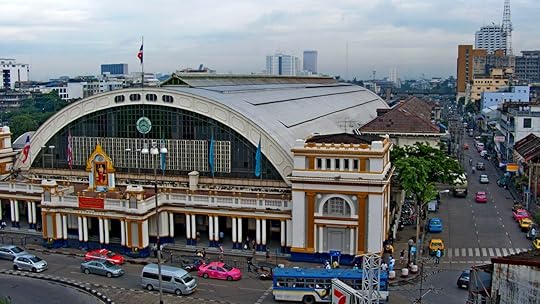
A view of the main railroad station in Bangkok, a stylized graphic version of which is used for the cover image of "The King of Bangkok". Image sourced from Thailand Travellers Blogspot.
The graphic novel was inventively drawn by artist Sara Fabbri in a stylized manner which did still allow for easy identification of the lead character. A framing device was used of separating the story into 5 chapters, each symbolized by the final 5 lottery tickets that Nok has to sell before finally returning to his home village.
The book is enhanced by a very thorough Appendix section which contains a historic timeline, an interview with the authors, a reading guide and a recommended further reading list. Although Thailand has gone through various periods of military dictatorships, the most recent parliamentary democracy has allowed for less censorship, so that The King of Bangkok was released in Thai as ตาสว่าง (2020) (The Thai title translates as "Bright Eyes", a Thai expression for one's political awakening) with only a minimal amount of text being redacted (3 lines which could have been interpreted as being critical of the monarchy, a crime in Thailand).
Trivia and Links
You can preview the first 27 pages of The King of Bangkok at its University of Toronto EthnoGRAPHIC webpage (see under "Preview This Book").
The King of Bangkok is part of the University of Toronto Press's EthnoGRAPHIC Series.
This groundbreaking series realizes ethnographic research in graphic novel form. The series speaks to a growing interest in comics as a powerful narrative medium and to the desire for a more creative and collaborative anthropology that engages with the public on contemporary issues. Books in the series are informed by scholarship and combine text and images in ways that are accessible, open-ended, aesthetically rich, and that foster greater cross-cultural understanding.
Other books in the series are:
Forecasts: A Story of Weather and Finance at the Edge of Disaster (not yet published, expected May 2023)
Messages from Ukraine (2022)
The King of Bangkok (2021)
Light in Dark Times: The Human Search for Meaning (2020)
Gringo Love: Stories of Sex Tourism in Brazil (2020)
Things That Art: A Graphic Menagerie of Enchanting Curiosity (2019)
Lissa: A Story about Medical Promise, Friendship, and Revolution (2017)
Review of the University of Toronto Press paperback (August 2021) translated by Chiara Natalucci from the Italian language original Il re di bangkok (April 2019)
The King of Bangkok is based on anthropologist Claudio Sopranzetti's long time research in Thailand centred around rural migrant labour and activism. The story uses a fictionalized protagonist Nok with his family of wife Gai and son Sun and his friend Hong. The stories told are non-fiction and are based on real life events. It spans 30 years of recent Thai history and is told in flashbacks by a present day Nok relating how he first came to Bangkok from his farming village in Northern Thailand and worked in various jobs in the South in order to send money home. The story culminates in the activism of the Thailand Red Shirt movement, and especially the resultant 2010 crackdown by the Thai military.
A view of the main railroad station in Bangkok, a stylized graphic version of which is used for the cover image of "The King of Bangkok". Image sourced from Thailand Travellers Blogspot.
The graphic novel was inventively drawn by artist Sara Fabbri in a stylized manner which did still allow for easy identification of the lead character. A framing device was used of separating the story into 5 chapters, each symbolized by the final 5 lottery tickets that Nok has to sell before finally returning to his home village.
The book is enhanced by a very thorough Appendix section which contains a historic timeline, an interview with the authors, a reading guide and a recommended further reading list. Although Thailand has gone through various periods of military dictatorships, the most recent parliamentary democracy has allowed for less censorship, so that The King of Bangkok was released in Thai as ตาสว่าง (2020) (The Thai title translates as "Bright Eyes", a Thai expression for one's political awakening) with only a minimal amount of text being redacted (3 lines which could have been interpreted as being critical of the monarchy, a crime in Thailand).
Trivia and Links
You can preview the first 27 pages of The King of Bangkok at its University of Toronto EthnoGRAPHIC webpage (see under "Preview This Book").
The King of Bangkok is part of the University of Toronto Press's EthnoGRAPHIC Series.
This groundbreaking series realizes ethnographic research in graphic novel form. The series speaks to a growing interest in comics as a powerful narrative medium and to the desire for a more creative and collaborative anthropology that engages with the public on contemporary issues. Books in the series are informed by scholarship and combine text and images in ways that are accessible, open-ended, aesthetically rich, and that foster greater cross-cultural understanding.
Other books in the series are:
Forecasts: A Story of Weather and Finance at the Edge of Disaster (not yet published, expected May 2023)
Messages from Ukraine (2022)
The King of Bangkok (2021)
Light in Dark Times: The Human Search for Meaning (2020)
Gringo Love: Stories of Sex Tourism in Brazil (2020)
Things That Art: A Graphic Menagerie of Enchanting Curiosity (2019)
Lissa: A Story about Medical Promise, Friendship, and Revolution (2017)

March 3, 2020
ความรู้สึกหลังอ่านก็ไม่ต่างจากใครหลายคนคือ "จุก"
ไม่ว่าจะยุคไหน เวลาไหน ประชาชนก็คือเบี้ย คือคนที่ได้รับผลกระทบจากอีลิท
ยิ่งเราอ่านไปเรื่อยๆจนท้ายสุดมันก็โคตรเศร้า โคตรน่าผิดหวังที่สู้แทบตายเพื่ออนาคตของประเทศแต่มันกลับศูนย์เปล่า
สิ่งที่เกิดขึ้นในอดีตมันก็คือปัจจุบันที่กำลังเกิดขึ้นเหมือนกัน
มันน่าเศร้าที่นกกลายเป็นคนตาบอด แต่ที่น่าเศร้ากว่าก็คือประเทศนี้ต่างหากที่ตกอยู่ความมืดมิดและไร้ความยุติธรรม
ไม่ว่าจะยุคไหน เวลาไหน ประชาชนก็คือเบี้ย คือคนที่ได้รับผลกระทบจากอีลิท
ยิ่งเราอ่านไปเรื่อยๆจนท้ายสุดมันก็โคตรเศร้า โคตรน่าผิดหวังที่สู้แทบตายเพื่ออนาคตของประเทศแต่มันกลับศูนย์เปล่า
สิ่งที่เกิดขึ้นในอดีตมันก็คือปัจจุบันที่กำลังเกิดขึ้นเหมือนกัน
มันน่าเศร้าที่นกกลายเป็นคนตาบอด แต่ที่น่าเศร้ากว่าก็คือประเทศนี้ต่างหากที่ตกอยู่ความมืดมิดและไร้ความยุติธรรม

October 24, 2020
ตลาด Graphic Novel ของเรานี่ออกจะเป็น niche market อยู่กลายๆ ที่เห็นส่วนใหญ่คงเป็นงานของพี่ทรงศีล ทิวสมบุญ ของเมืองนอกนี่แบบว่าน้อยของน้อย หายากมากในตลาดหนังสือเมืองไทย พอมีข่าวว่าเล่มนี้ออกมาสู่ท้องตลาด คนเลยค่อนข้างให้ความสนใจ เมื่อประกอบมีเนื้อหาเกี่ยวข้องกับการเมืองไทยด้วยแล้ว เลยยิ่งได้กระแสไปแบบคูณสอง ส่วนนึงคงเพราะมันมาถูกจังหวะ ในช่วงที่การเมืองเราค่อนข้างเข้มข้นขึ้นเรื่อยๆด้วยครับ
ตาสว่าง เป็น Graphic Novel ที่เล่าถึงชีวิตของ นก หนุ่มบ้านนอกที่เข้ามาทำงานใรกรุงเทพเพื่อหาเลี้ยงชีพ กาลเวลาล่วงเลย ทำให้เขาเห็นอะไรต่างๆมากมาย และถูกพายุของการเมืองพัดพาไปในทิศทางที่เขาเองก็คงไม่รู้ว่าสุดท้ายจะพัดพาเขาไปพบกับสิ่งใด
แม้หน้าหนังสือจะบอกว่ามันเป็นการเมืองนะ แต่ผมว่าจริงๆแล้วเนื้อหาหลักมันไม่ได้โฟกัสไปในเรื่องของการเมืองเป็นพอยต์หลักขนาดนั้น มันเน้นไปกับการฉายภาพชีวิตของคนหนึ่งๆที่แล่นไปตามกาลเวลาของสังคมในประเทศไทย พบเจอผู้คนมากมาย ความคิดความเชื่อที่ถูกสังคมเมืองหล่อหลอม จากคนซื่อๆตรงไปตรงมา กลับกลายเป็นคนเมืองเต็มตัว และโหยหาความสะดวกสบายและแสงสีของเมืองกรุง โดยมีฉากหลังผ่านๆคือการเมืองที่แปรเปลี่ยนไปในสังคมไทย ซึ่งในช่วงต้นนี้ เราจะเห็นเลยว่า นก นั้นไม่ได้สนใจอะไรในการเมือง เขาเข้ามาในเมืองกรุงเพียงเพื่อทำงานและหาเงินส่งกลับบ้าน ใครจะทำอะไรนั้นเขาไม่ได้สนใจมากนัก แต่เมื่อเวลาผ่านไป จากหนุ่มที่ไม่ได้สนใจอะไร เมื่ออยู่นานขึ้นย่อมเห็นมากขึ้น เขาเห็นความไม่ถูกต้องของสังคม การกดขี่ การเอารัดเอาเปรียบ โอกาสที่ไม่เท่าเทียมกันเลยของคนในสังคม ตาของเขาจึงเริ่มมองอะไรได้ไกลขึ้นกว่าตัวของเขาเองบ้าง และพบว่า ถ้าไม่สู้ก็จะไม่มีทางเปลี่ยนแปลง และได้อะไรที่ถูกแย่งชิงไปกลับมา
ในช่วงหลังของเนื้อเรื่องจึงเป็นการต่อสู้ของ นก เพื่อทวงคืนสิ่งที่เขาคิดว่าถูกแย่งชิงไปจากสังคม ผ่านเกมการเมืองในนามของคนเสื้อแดง และจบลงด้วยการปะทะและการสูญเสียตามที่เราได้รับรู้มา
เล่ามาขนาดนี้ มันก็เหมือนการเมืองเต็มขั้นเลยนี่ ทำไมถึงบอกว่าไม่เป็นการเมือง
ผมคิดว่าสิ่งที่โฟกัสมากที่สุดในหนังสือเล่มนี้คือ “ ชีวิต ” ของ คนๆหนึ่งมากกว่าการตัดสินหรืออธิบายการเมืองที่เกิดขึ้นในช่วงเวลาต่างๆ หนังสือนั้นจริงๆแล้วพยายามบอกเล่าว่าทุกคนๆ มีเรื่องราวเบื้องหลังมากมาย สิ่งที่ต้องประสบพบเจอแตกต่างกันออกไป ซึ่งสิ่งที่แตกต่างเหล่านี้ หล่อหลอมให้เขาต่อสู้ในขั้วทางการเมืองที่เขาเชื่อและคิดว่ามันเป็นสิ่งที่ถูกต้อง
เรามักมองคนที่เห็นต่างทางการเมือง อย่างแบนราบ ไม่ได้สนใจพื้นเพ และเรื่องราวเบื้องหลังของพวกเขามากนัก มองเขาเหมือนหุ่นกระบอกที่ถูกใครซักคนชักใย แต่จริงๆแล้ว ทุกคนก็มีเส้นทางกว่าจะมาเป็นอย่างที่เห็น หนังสือจึงพยายามมอบ “ ชีวิต “ กลับคืนมาให้กับหุ่นกระบอกเหล่านี้ และทำให้เห็นว่าพวกเขาก็เป็นคนเหมือนกับเรา อยู่ในสังคมเดียวกับเรา ใช้ชีวิตร่วมกับเรา อาการตาสว่างที่หนังสือเล่มนี้พยายามจะบอก สำหรับผมคือสิ่งเหล่านี้ ให้ชีวิตและมองพวกเขาอย่างเป็นมนุษย์คนหนึ่งอีกครั้ง ไม่ว่าพวกเขาจะอยู่ขั้วการเมืองเดียวกันกับเราหรือไม่ก็ตาม ...
ปล.อ่านจบแล้วนึกถึงเล่มอยู่กับบาดแผลของ อ.บุญเลิศ ที่ไปสัมภาษณ์ชีวิตของผู้ต่อสู้ทางการเมือง ไม่ว่าจะเหลืองหรือแดง หนังสือทั้งสองเล่มมีโทนเหมือนกันเลยครับ แค่เล่มหนึ่งนำเสนอในรูปแบบ Graphic Novel และอีกเล่มนำเสนอในรูปแบบของบทสัมภาษณ์ แต่ทั้งคู่เป็นงานด้านมานุษยวิทยาเช่นเดียวกันเลย แนะนำทั้งคู่เลยครับ
ตาสว่าง เป็น Graphic Novel ที่เล่าถึงชีวิตของ นก หนุ่มบ้านนอกที่เข้ามาทำงานใรกรุงเทพเพื่อหาเลี้ยงชีพ กาลเวลาล่วงเลย ทำให้เขาเห็นอะไรต่างๆมากมาย และถูกพายุของการเมืองพัดพาไปในทิศทางที่เขาเองก็คงไม่รู้ว่าสุดท้ายจะพัดพาเขาไปพบกับสิ่งใด
แม้หน้าหนังสือจะบอกว่ามันเป็นการเมืองนะ แต่ผมว่าจริงๆแล้วเนื้อหาหลักมันไม่ได้โฟกัสไปในเรื่องของการเมืองเป็นพอยต์หลักขนาดนั้น มันเน้นไปกับการฉายภาพชีวิตของคนหนึ่งๆที่แล่นไปตามกาลเวลาของสังคมในประเทศไทย พบเจอผู้คนมากมาย ความคิดความเชื่อที่ถูกสังคมเมืองหล่อหลอม จากคนซื่อๆตรงไปตรงมา กลับกลายเป็นคนเมืองเต็มตัว และโหยหาความสะดวกสบายและแสงสีของเมืองกรุง โดยมีฉากหลังผ่านๆคือการเมืองที่แปรเปลี่ยนไปในสังคมไทย ซึ่งในช่วงต้นนี้ เราจะเห็นเลยว่า นก นั้นไม่ได้สนใจอะไรในการเมือง เขาเข้ามาในเมืองกรุงเพียงเพื่อทำงานและหาเงินส่งกลับบ้าน ใครจะทำอะไรนั้นเขาไม่ได้สนใจมากนัก แต่เมื่อเวลาผ่านไป จากหนุ่มที่ไม่ได้สนใจอะไร เมื่ออยู่นานขึ้นย่อมเห็นมากขึ้น เขาเห็นความไม่ถูกต้องของสังคม การกดขี่ การเอารัดเอาเปรียบ โอกาสที่ไม่เท่าเทียมกันเลยของคนในสังคม ตาของเขาจึงเริ่มมองอะไรได้ไกลขึ้นกว่าตัวของเขาเองบ้าง และพบว่า ถ้าไม่สู้ก็จะไม่มีทางเปลี่ยนแปลง และได้อะไรที่ถูกแย่งชิงไปกลับมา
ในช่วงหลังของเนื้อเรื่องจึงเป็นการต่อสู้ของ นก เพื่อทวงคืนสิ่งที่เขาคิดว่าถูกแย่งชิงไปจากสังคม ผ่านเกมการเมืองในนามของคนเสื้อแดง และจบลงด้วยการปะทะและการสูญเสียตามที่เราได้รับรู้มา
เล่ามาขนาดนี้ มันก็เหมือนการเมืองเต็มขั้นเลยนี่ ทำไมถึงบอกว่าไม่เป็นการเมือง
ผมคิดว่าสิ่งที่โฟกัสมากที่สุดในหนังสือเล่มนี้คือ “ ชีวิต ” ของ คนๆหนึ่งมากกว่าการตัดสินหรืออธิบายการเมืองที่เกิดขึ้นในช่วงเวลาต่างๆ หนังสือนั้นจริงๆแล้วพยายามบอกเล่าว่าทุกคนๆ มีเรื่องราวเบื้องหลังมากมาย สิ่งที่ต้องประสบพบเจอแตกต่างกันออกไป ซึ่งสิ่งที่แตกต่างเหล่านี้ หล่อหลอมให้เขาต่อสู้ในขั้วทางการเมืองที่เขาเชื่อและคิดว่ามันเป็นสิ่งที่ถูกต้อง
เรามักมองคนที่เห็นต่างทางการเมือง อย่างแบนราบ ไม่ได้สนใจพื้นเพ และเรื่องราวเบื้องหลังของพวกเขามากนัก มองเขาเหมือนหุ่นกระบอกที่ถูกใครซักคนชักใย แต่จริงๆแล้ว ทุกคนก็มีเส้นทางกว่าจะมาเป็นอย่างที่เห็น หนังสือจึงพยายามมอบ “ ชีวิต “ กลับคืนมาให้กับหุ่นกระบอกเหล่านี้ และทำให้เห็นว่าพวกเขาก็เป็นคนเหมือนกับเรา อยู่ในสังคมเดียวกับเรา ใช้ชีวิตร่วมกับเรา อาการตาสว่างที่หนังสือเล่มนี้พยายามจะบอก สำหรับผมคือสิ่งเหล่านี้ ให้ชีวิตและมองพวกเขาอย่างเป็นมนุษย์คนหนึ่งอีกครั้ง ไม่ว่าพวกเขาจะอยู่ขั้วการเมืองเดียวกันกับเราหรือไม่ก็ตาม ...
ปล.อ่านจบแล้วนึกถึงเล่มอยู่กับบาดแผลของ อ.บุญเลิศ ที่ไปสัมภาษณ์ชีวิตของผู้ต่อสู้ทางการเมือง ไม่ว่าจะเหลืองหรือแดง หนังสือทั้งสองเล่มมีโทนเหมือนกันเลยครับ แค่เล่มหนึ่งนำเสนอในรูปแบบ Graphic Novel และอีกเล่มนำเสนอในรูปแบบของบทสัมภาษณ์ แต่ทั้งคู่เป็นงานด้านมานุษยวิทยาเช่นเดียวกันเลย แนะนำทั้งคู่เลยครับ

December 26, 2020
"เพราะกระสุนนัดเดียวนั้นเอง ที่ทำให้เขาทั้งตาบอดและตาสว่างในคราวเดียวกัน"
เรื่องราวของ "นก" หนุ่มอุดรที่เข้ามาแสวงหาชีวิตทีดีในเมืองหลวง แต่ชีวิตของเขากลับขึ้นๆ ลงๆ แปรผันตามสภาพการเมืองอย่างไม่อาจหลีกเลี่ยงได้ จนวันนึงที่เขาเข้าไปผัวผันกับการชุมนุมทางการเมือง และเกิดเหตุการณ์ที่ไม่คาดฝันขึ้น ทำให้เขาตามืดบอดลงมองไม่เห็นอนาคต แต่ในขณะเดียวกันเขาก็ตาสว่างและเข้าใจอะไรหลายๆ อย่างขึ้นมาทันที
เล่มนี้เป็นหนังสือเล่มใหญ่และหนา (และหนักมาก 5555) เป็นหนังสือที่เราไปเจอเข้าโดยบังเอิญที่ร้านหนังสือ ซื้อมาปุ๊บ กลับบ้านก็แกะอ่านเลย อันที่จริง เล่มนี้เป็นหนังสือที่หลายคนพูดถึงบ่อยในช่วงที่ผ่านมานะ เป็นหนังสือในกระแสที่เห็นตามเพจหรือตามโซเชี่ยลต่างๆ ค่อนข้างถี่เลยล่ะ เลยเป็นสาเหตุที่ทำให้เราซื้อเล่มนี้มาอ่านเลยโดยที่ไม่ได้คิดอะไรมาก เพราะอยากรู้เหมือนกันว่าเนื้อหาในเล่มเป็นยังไง
เล่มนี้เป็นนิยายภาพ (Graphic Novel) ค่ะ ค่อนข้างแปลกใหม่สำหรับเรา เพราะถ้าไม่เห็นคำอธิบายว่าหนังสือเล่มนี้ว่าเป็น "นิยายภาพ" เราจะคิดว่ามันคือหนังสือการ์ตูนธรรมดาๆ ที่การจัดเรียงภาพสวยแหวกแนวต่างจากการ์ตูนเล่มปกติที่คุ้นเคย ลองเสิร์ชหาความหมายของนิยายภาพดูแล้ว ขอสารภาพตามตรงว่า เรายังแยกความแตกต่างอย่างชัดเจนของนิยายภาพและหนังสือการ์ตูนไม่ออกเท่าไหร่ 5555 แต่เท่าที่ค้นดู รู้สึกว่า นิยายภาพจะเป็นการเล่าเรื่องที่ใช้ตัวอักษรนำแต่มีภาพประกอบการบรรยาย ส่วนหนังสือการ์ตูนจะเป็นการใช้ภาพวาดในการเล่าเรื่องโดยมีตัวอักษรประกอบแทน อืมมมม..
เอาล่ะ เข้าเรื่องดีกว่า!
พออ่านเล่มนี้จบก็รู้สึกว่า คำว่า "ตาสว่าง" ที่เป็นชื่อหนังสือ น่าจะไม่ใช่ตาสว่างแบบที่หลายคน(รวมถึงเรา)เข้าใจ แต่เป็นตาสว่างในรูปแบบเฉพาะที่ "นก" ตัวละครของเรื่องเป็นคนพบเจอมากกว่า ตาสว่างในเรื่องไม่ใช่การตื่นรู้จากการถูกกดขี่จากอำนาจเหนือหรือการตื่นรู้ถึงสิทธิเสรีภาพที่ตัวเองพึงมีในฐานะมนุษยชน แต่เป็นตาสว่างของนายนกที่เพิ่งเข้าใจว่าตัวเองเป็น "ใคร" และมีบทบาทอย่างไรต่อการเมืองไทยมากกว่า
สถานการณ์และเหตุการณ์ที่เกิดขึ้นในเรื่อง อ่านแล้วก็นึกภาพตามและเข้าใจได้เลย เพราะฉากหลังของเรื่องจะเป็นเมืองไทยช่วงกลางๆ ทศวรรษ 2520 ยาวเรื่อยมาจนถึงช่วงปี 2554 ที่มีการเลือกตั้งใหม่ แต่ภาพการเมืองนั้นไกลเหลือเกิน การกล่าวถึงการเมืองค่อนข้างผิวเผินและไม่เข้มข้นเท่าไหร่ เพราะหนังสือเล่มนี้โฟกัสไปที่ชีวิตของนายนก หนุ่มต่างจังหวัดที่เข้ามาหาชีวิตดีๆ ในเมืองหลวงมากกว่า คือโฟกัสไปที่ชีวิตของปัจเจกชน เล่าเรื่องราวชีวิตของปัจเจกชน สิ่งที่เขาเจอสิ่งที่เขาเผชิญ ปัญหาส่วนตัว เรื่องงานเรื่องครอบครัว โดยมีการเมืองที่ไกลลิบลับนั่นเป็นตัวแปรสำคัญในการกำหนดชะตาและความขึ้นลงของชีวิตนายนกคนนี้ แต่นั่นก็สะท้อนให้พวกเราเห็นว่า "การเมืองอยู่รอบตัวพวกเรา" จริงๆ และมันก็สามารถส่งผลกระทบต่อชีวิตพวกเราทุกคนได้อย่างที่เราคาดไม่ถึง
โดยสรุปคือ เป็นหนังสือการเมือง ที่ไม่ค่อยการเมืองเท่าไหร่ ไม่ได้วิเคราะห์วิจารณ์การเมืองไทยอย่างเข้มข้นแต่เป็นแค่ฉากหลังที่ทำให้นายนกตาสว่างหลังจากหลงอยู่ในเมืองกรุงมานานเท่านั้นเอง
เรื่องราวของ "นก" หนุ่มอุดรที่เข้ามาแสวงหาชีวิตทีดีในเมืองหลวง แต่ชีวิตของเขากลับขึ้นๆ ลงๆ แปรผันตามสภาพการเมืองอย่างไม่อาจหลีกเลี่ยงได้ จนวันนึงที่เขาเข้าไปผัวผันกับการชุมนุมทางการเมือง และเกิดเหตุการณ์ที่ไม่คาดฝันขึ้น ทำให้เขาตามืดบอดลงมองไม่เห็นอนาคต แต่ในขณะเดียวกันเขาก็ตาสว่างและเข้าใจอะไรหลายๆ อย่างขึ้นมาทันที
เล่มนี้เป็นหนังสือเล่มใหญ่และหนา (และหนักมาก 5555) เป็นหนังสือที่เราไปเจอเข้าโดยบังเอิญที่ร้านหนังสือ ซื้อมาปุ๊บ กลับบ้านก็แกะอ่านเลย อันที่จริง เล่มนี้เป็นหนังสือที่หลายคนพูดถึงบ่อยในช่วงที่ผ่านมานะ เป็นหนังสือในกระแสที่เห็นตามเพจหรือตามโซเชี่ยลต่างๆ ค่อนข้างถี่เลยล่ะ เลยเป็นสาเหตุที่ทำให้เราซื้อเล่มนี้มาอ่านเลยโดยที่ไม่ได้คิดอะไรมาก เพราะอยากรู้เหมือนกันว่าเนื้อหาในเล่มเป็นยังไง
เล่มนี้เป็นนิยายภาพ (Graphic Novel) ค่ะ ค่อนข้างแปลกใหม่สำหรับเรา เพราะถ้าไม่เห็นคำอธิบายว่าหนังสือเล่มนี้ว่าเป็น "นิยายภาพ" เราจะคิดว่ามันคือหนังสือการ์ตูนธรรมดาๆ ที่การจัดเรียงภาพสวยแหวกแนวต่างจากการ์ตูนเล่มปกติที่คุ้นเคย ลองเสิร์ชหาความหมายของนิยายภาพดูแล้ว ขอสารภาพตามตรงว่า เรายังแยกความแตกต่างอย่างชัดเจนของนิยายภาพและหนังสือการ์ตูนไม่ออกเท่าไหร่ 5555 แต่เท่าที่ค้นดู รู้สึกว่า นิยายภาพจะเป็นการเล่าเรื่องที่ใช้ตัวอักษรนำแต่มีภาพประกอบการบรรยาย ส่วนหนังสือการ์ตูนจะเป็นการใช้ภาพวาดในการเล่าเรื่องโดยมีตัวอักษรประกอบแทน อืมมมม..
เอาล่ะ เข้าเรื่องดีกว่า!
พออ่านเล่มนี้จบก็รู้สึกว่า คำว่า "ตาสว่าง" ที่เป็นชื่อหนังสือ น่าจะไม่ใช่ตาสว่างแบบที่หลายคน(รวมถึงเรา)เข้าใจ แต่เป็นตาสว่างในรูปแบบเฉพาะที่ "นก" ตัวละครของเรื่องเป็นคนพบเจอมากกว่า ตาสว่างในเรื่องไม่ใช่การตื่นรู้จากการถูกกดขี่จากอำนาจเหนือหรือการตื่นรู้ถึงสิทธิเสรีภาพที่ตัวเองพึงมีในฐานะมนุษยชน แต่เป็นตาสว่างของนายนกที่เพิ่งเข้าใจว่าตัวเองเป็น "ใคร" และมีบทบาทอย่างไรต่อการเมืองไทยมากกว่า
สถานการณ์และเหตุการณ์ที่เกิดขึ้นในเรื่อง อ่านแล้วก็นึกภาพตามและเข้าใจได้เลย เพราะฉากหลังของเรื่องจะเป็นเมืองไทยช่วงกลางๆ ทศวรรษ 2520 ยาวเรื่อยมาจนถึงช่วงปี 2554 ที่มีการเลือกตั้งใหม่ แต่ภาพการเมืองนั้นไกลเหลือเกิน การกล่าวถึงการเมืองค่อนข้างผิวเผินและไม่เข้มข้นเท่าไหร่ เพราะหนังสือเล่มนี้โฟกัสไปที่ชีวิตของนายนก หนุ่มต่างจังหวัดที่เข้ามาหาชีวิตดีๆ ในเมืองหลวงมากกว่า คือโฟกัสไปที่ชีวิตของปัจเจกชน เล่าเรื่องราวชีวิตของปัจเจกชน สิ่งที่เขาเจอสิ่งที่เขาเผชิญ ปัญหาส่วนตัว เรื่องงานเรื่องครอบครัว โดยมีการเมืองที่ไกลลิบลับนั่นเป็นตัวแปรสำคัญในการกำหนดชะตาและความขึ้นลงของชีวิตนายนกคนนี้ แต่นั่นก็สะท้อนให้พวกเราเห็นว่า "การเมืองอยู่รอบตัวพวกเรา" จริงๆ และมันก็สามารถส่งผลกระทบต่อชีวิตพวกเราทุกคนได้อย่างที่เราคาดไม่ถึง
โดยสรุปคือ เป็นหนังสือการเมือง ที่ไม่ค่อยการเมืองเท่าไหร่ ไม่ได้วิเคราะห์วิจารณ์การเมืองไทยอย่างเข้มข้นแต่เป็นแค่ฉากหลังที่ทำให้นายนกตาสว่างหลังจากหลงอยู่ในเมืองกรุงมานานเท่านั้นเอง
March 1, 2020
Must read!!!

March 4, 2020
เนื้อเรื่องเรียบเรียงมาได้ดี ตอนแรกคิดว่าจะเป็นการเมืองหนัก ๆ และเรื่องต้องห้าม แต่ก็ไม่เชิงจะเป็นอย่างนั้น ออกแนวตีแผ่ความรู้สึก และเรียบเรียงประวัติศาสตร์ในช่วงเวลานั้นมากกว่า (หนังสือไม่ได้ตีแผ่ความรู้สึกของคนทุกชนชั้นที่ได้รับผลกระทบ จึงเป็นมุมมองฝ่ายเดียว) ที่จริงไม่ชอบลายเส้นตรงส่วนตัวละครนักเพราะจำหน้าตาได้ยาก แต่ภาพประกอบโดยรวมนั้นดี

February 29, 2020
ประชาชนเป็นเพียงเบี้ยตัวเล็กๆ บนกระดานการต่อสู้ ที่ใหญ่เกินกว่าที่พวกเราจะจินตนาการได้
…การต่อสู้ของกลุ่มคนไม่กี่กลุ่ม บนยอดพีระมิด
อ่านจบ รู้สึกเศร้าอ่ะ
ความเป็นจริง มีรสชาติ ยากทานทน
หนังสือเล่มนี้ ไม่มีทางออกสำเร็จรูปให้กับเรา เรามีหน้าที่ต้องขบคิด ใคร่ครวญ ว่าจะทำอย่างไรต่อไป
…การต่อสู้ของกลุ่มคนไม่กี่กลุ่ม บนยอดพีระมิด
อ่านจบ รู้สึกเศร้าอ่ะ
ความเป็นจริง มีรสชาติ ยากทานทน
หนังสือเล่มนี้ ไม่มีทางออกสำเร็จรูปให้กับเรา เรามีหน้าที่ต้องขบคิด ใคร่ครวญ ว่าจะทำอย่างไรต่อไป

April 9, 2020
มองโลกการเมือง เศรษฐกิจ และสังคมผ่านแว่นตาของคนตัวเล็ก
สนุกมากครับ เพราะผู้เขียนนำเสนออย่างเข้าอกเข้าใจบนพื้นฐานของงานวิจัยและเก็บข้อมูลอย่างต่อเนื่องยาวนาน มันคือภาพสะท้อนของการต่อสู้ทางชนชั้น จากชาวนาชนบทที่พยายามเข้ามาแสวงโชคในเมืองใหญ่ (ซึ่งไม่ได้มีเฉพาะ กทม.)
หนังสืออ่านง่าย และบอกเล่าประวัติศาสตร์ไทยสมัยใหม่ผ่านลายเส้นที่หดหู่เศร้าหมอง น่าเสียดายที่ฉบับแปลภาษาไทยโดนเซนเซอร์ไปบางช่วงตอน จนอดสงสัยไม่ได้ว่าฉบับภาษาอังกฤษเขียนไว้ว่าอย่างไร
แนะนำครับ ส่วนตัวไม่สันทัดกับลายเส้นแนวนี้เท่าไหร่ แต่วิธีการเล่าเรื่องน่าสนใจจริงๆ
สนุกมากครับ เพราะผู้เขียนนำเสนออย่างเข้าอกเข้าใจบนพื้นฐานของงานวิจัยและเก็บข้อมูลอย่างต่อเนื่องยาวนาน มันคือภาพสะท้อนของการต่อสู้ทางชนชั้น จากชาวนาชนบทที่พยายามเข้ามาแสวงโชคในเมืองใหญ่ (ซึ่งไม่ได้มีเฉพาะ กทม.)
หนังสืออ่านง่าย และบอกเล่าประวัติศาสตร์ไทยสมัยใหม่ผ่านลายเส้นที่หดหู่เศร้าหมอง น่าเสียดายที่ฉบับแปลภาษาไทยโดนเซนเซอร์ไปบางช่วงตอน จนอดสงสัยไม่ได้ว่าฉบับภาษาอังกฤษเขียนไว้ว่าอย่างไร
แนะนำครับ ส่วนตัวไม่สันทัดกับลายเส้นแนวนี้เท่าไหร่ แต่วิธีการเล่าเรื่องน่าสนใจจริงๆ

August 17, 2020
“หลวงพ่อสอนว่า สิ่งต่าง ๆ ในชีวิตล้วนเปลี่ยนแปลง แต่ทักษิณทำให้เรารู้ว่า การเปลี่ยนแปลงไม่ได้เกิดขึ้นของมันเอง”
หนังสือภาพที่เรียบเรียงชีวิตคนต่างจังหวัดคนนึงที่เข้ามาอยู่ในกรุงเทพฯ เติบโตผ่านประวัติศาสตร์การรัฐประหาร 2535 และ 2549 โดยชีวิตของเค้ามันเป็น pattern ที่ typical ของคนรากหญ้าที่ต้องต่อสู้เพื่อปากท้อง และสุดท้ายก็กลายมาเป็นส่วนนึงของการต่อสู้ทางการเมืองในฐานะคนเสื้อแดง
ต้องบอกว่าถ้าหวังการเมืองเรื่องอุดมการณ์อย่างเข้มข้น เล่มนี้ให้คำตอบแบบจับต้องได้คือ เค้าสู้เพื่อปากท้อง, การเมืองแบบกินได้ และการต่อสู้เพื่อปกป้องสิ่งที่ได้รับมา
ผมคิดว่า “ตาสว่าง” ของหนังสือเล่มนี้ ไม่ใช่ “ตาสว่าง” ในความหมายที่หลายๆ คนเข้าใจ
ตาสว่างของผู้เขียนนั้นถูกตีความว่า ตัวละคร “นก” เข้าใจคุณค่าสูงสุด รู้ถึงที่ทางของตนเอง
ท้ายที่สุดเมื่อดวงตามืดบอดลง ไม่ต้องรับรู้แสงสีในกรุงเทพฯ จิตใจที่สงบนิ่งก็หวนย้อนถึงครอบครัวและบ้านเกิด
ผมชอบนะ กับการที่ผู้เขียนทำให้รัฐประหาร 2535 ดูเป็นเรื่องไกลตัว เป็นเรื่องของคนในเมืองหลวง คนต่างจังหวัดรากหญ้ามองเข้ามาด้วยสายตาของคนนอก
แต่รัฐประหาร 2549 และการสลายการชุมนุม 2553 กลับกลายเป็นส่วนหนึ่งของชีวิต เป็นเรื่องของตัวเอง ซึ่งมันก็เป็นเช่นนั้นจริงๆ สำหรับคนส่วนใหญ่
“จะให้เรากลับไปใช้ชีวิตแบบไหน ทักษิณหวังชนะการเลือกตั้งและกลับมามีอำนาจและถ้าจะให้ชนะเลือกตั้ง จำเป็นที่เราต้องหยุดชุมนุมประท้วง และโดยเฉพาะอย่างยิ่งหยุดเรียกร้องความยุติธรรมให้เราและผู้เสียชีวิต เรายอมเสี่ยงทุกอย่างเพื่อให้สามารถกำหนดอนาคตตนเองแต่ทักษิณกลับใช้เราเป็นเครื่องมือในเกมการเมือง”
มีตอนนึงที่กล่าวถึงคำพูดของทักษิณที่ว่า
“พี่น้องพายเรือมาส่งผมถึงที่หมาย ขอบคุณมาก และจากนี้ผมจะไปต่อเอง พี่น้องกลับได้”
ซึ่งผมคิดว่าคนเสื้อแดงหลายคนเจ็บช้ำน้ำใจดังที่ปรากฏในเรื่องนี้จริงๆ
เข้าใจได้ว่านี่คือการตีความ “ตาสว่าง” ด้านหนึ่ง
หนังสือเล่มนี้ลงไปแตะอุดมการณ์ทางการเมืองแบบกินได้ ที่สิทธิเสรีภาพจะนำมาซึ่งคุณภาพชีวิตในที่สุด
แต่อาจจะไม่ได้ตะลุยไปถึงการตาสว่างในความอยุติธรรม หรืออำนาจครอบงำ หรือที่มาที่ไป หรือแม้กระทั่งผู้อยู่เบื้องหลังการรัฐประหารแต่อย่างใด
เรียกได้ว่าเป็นการ simplify ชีวิตคนเสื้อแดงคนนึง ด้วย graphic novel แต่ไม่ได้สามารถเหมารวมและบอกได้ว่านี่เป็นตัวแทนชีวิตของคนเสื้อแดงทั้งหมด
หนังสือภาพที่เรียบเรียงชีวิตคนต่างจังหวัดคนนึงที่เข้ามาอยู่ในกรุงเทพฯ เติบโตผ่านประวัติศาสตร์การรัฐประหาร 2535 และ 2549 โดยชีวิตของเค้ามันเป็น pattern ที่ typical ของคนรากหญ้าที่ต้องต่อสู้เพื่อปากท้อง และสุดท้ายก็กลายมาเป็นส่วนนึงของการต่อสู้ทางการเมืองในฐานะคนเสื้อแดง
ต้องบอกว่าถ้าหวังการเมืองเรื่องอุดมการณ์อย่างเข้มข้น เล่มนี้ให้คำตอบแบบจับต้องได้คือ เค้าสู้เพื่อปากท้อง, การเมืองแบบกินได้ และการต่อสู้เพื่อปกป้องสิ่งที่ได้รับมา
ผมคิดว่า “ตาสว่าง” ของหนังสือเล่มนี้ ไม่ใช่ “ตาสว่าง” ในความหมายที่หลายๆ คนเข้าใจ
ตาสว่างของผู้เขียนนั้นถูกตีความว่า ตัวละคร “นก” เข้าใจคุณค่าสูงสุด รู้ถึงที่ทางของตนเอง
ท้ายที่สุดเมื่อดวงตามืดบอดลง ไม่ต้องรับรู้แสงสีในกรุงเทพฯ จิตใจที่สงบนิ่งก็หวนย้อนถึงครอบครัวและบ้านเกิด
ผมชอบนะ กับการที่ผู้เขียนทำให้รัฐประหาร 2535 ดูเป็นเรื่องไกลตัว เป็นเรื่องของคนในเมืองหลวง คนต่างจังหวัดรากหญ้ามองเข้ามาด้วยสายตาของคนนอก
แต่รัฐประหาร 2549 และการสลายการชุมนุม 2553 กลับกลายเป็นส่วนหนึ่งของชีวิต เป็นเรื่องของตัวเอง ซึ่งมันก็เป็นเช่นนั้นจริงๆ สำหรับคนส่วนใหญ่
“จะให้เรากลับไปใช้ชีวิตแบบไหน ทักษิณหวังชนะการเลือกตั้งและกลับมามีอำนาจและถ้าจะให้ชนะเลือกตั้ง จำเป็นที่เราต้องหยุดชุมนุมประท้วง และโดยเฉพาะอย่างยิ่งหยุดเรียกร้องความยุติธรรมให้เราและผู้เสียชีวิต เรายอมเสี่ยงทุกอย่างเพื่อให้สามารถกำหนดอนาคตตนเองแต่ทักษิณกลับใช้เราเป็นเครื่องมือในเกมการเมือง”
มีตอนนึงที่กล่าวถึงคำพูดของทักษิณที่ว่า
“พี่น้องพายเรือมาส่งผมถึงที่หมาย ขอบคุณมาก และจากนี้ผมจะไปต่อเอง พี่น้องกลับได้”
ซึ่งผมคิดว่าคนเสื้อแดงหลายคนเจ็บช้ำน้ำใจดังที่ปรากฏในเรื่องนี้จริงๆ
เข้าใจได้ว่านี่คือการตีความ “ตาสว่าง” ด้านหนึ่ง
หนังสือเล่มนี้ลงไปแตะอุดมการณ์ทางการเมืองแบบกินได้ ที่สิทธิเสรีภาพจะนำมาซึ่งคุณภาพชีวิตในที่สุด
แต่อาจจะไม่ได้ตะลุยไปถึงการตาสว่างในความอยุติธรรม หรืออำนาจครอบงำ หรือที่มาที่ไป หรือแม้กระทั่งผู้อยู่เบื้องหลังการรัฐประหารแต่อย่างใด
เรียกได้ว่าเป็นการ simplify ชีวิตคนเสื้อแดงคนนึง ด้วย graphic novel แต่ไม่ได้สามารถเหมารวมและบอกได้ว่านี่เป็นตัวแทนชีวิตของคนเสื้อแดงทั้งหมด

March 5, 2020
เมื่อคืนอ่านไปครึ่งเล่ม นอนพลิกตัวไปมากว่าจะหลับลง
พอตื่นขึ้นมาอ่านต่อจนจบ ก็พบว่าตัวเองต้องร้องไห้
ความรู้สึกคือมันจุก เหมือนเราย้อนไปมองเหตุการณ์ในอดีตที่เราทำผิดพลาดกันมา และแก้ไขอะไรมันไม่ได้ ขณะที่ในตอนนี้มันก็ดูเหมือนจะแย่ลงด้วยซ้ำ
หนังสือเล่มนี้เป็นนิยายภาพ หากท่านใดคาดหวังจะได่อ่านตัวหนังสือจุใจอาจผิดหวัง แต่ตัวเราเองคิดว่าเป็นภาพนี่แหละดีแล้ว ยิ่งเป็นภาพลายเส้นทำให้ทุกอย่างดูเบาลง และตีความได้กว้างขึ้น
พอตื่นขึ้นมาอ่านต่อจนจบ ก็พบว่าตัวเองต้องร้องไห้
ความรู้สึกคือมันจุก เหมือนเราย้อนไปมองเหตุการณ์ในอดีตที่เราทำผิดพลาดกันมา และแก้ไขอะไรมันไม่ได้ ขณะที่ในตอนนี้มันก็ดูเหมือนจะแย่ลงด้วยซ้ำ
หนังสือเล่มนี้เป็นนิยายภาพ หากท่านใดคาดหวังจะได่อ่านตัวหนังสือจุใจอาจผิดหวัง แต่ตัวเราเองคิดว่าเป็นภาพนี่แหละดีแล้ว ยิ่งเป็นภาพลายเส้นทำให้ทุกอย่างดูเบาลง และตีความได้กว้างขึ้น

January 6, 2026
จากงานศึกษาของนักวิชาการ สู่กราฟิกโนเวลที่สะท้อนชีวิตคนตัวเล็กตัวน้อย การต่อสู้ด้วยความใฝ่ฝันถึงคุณภาพชีวิตที่ดีกว่า ในสังคมเหลื่อมล้ำและท่ามกลางความทารุณของรัฐไทย อ่านง่าย เข้าใจง่าย และจับจิตจับใจ

August 28, 2021
#ตาสว่าง น่าจะเป็นหนังสือไม่กี่เล่มในไทยที่มีเซ็นเซอร์ข้อความเป็นระยะ ๆ
ส่วนที่เซ็นเซอร์ไม่ใช่คำหยาบคาย แต่เป็นเรื่องที่พูดในประเทศไทยไม่ได้(?) ชวนให้อยากรู้ว่าต้นฉบับภาษาอิตาลีเซ็นเซอร์ข้อความไว้หรือเปล่า เลยลองค้นดู ...ก็ยังไม่รู้ (แล้วทำไมไม่ถามไปที่สำนักพิมพ์ฟะ!)
อันชื่อหนังสือ il re di Bangkok เข้าใจว่าเป็นภาษาอิตาลี ลองใช้กูเกิ้ลแปลภาษา ได้ความหมายออกมาว่า #พระมหากษัตริย์กรุงเทพมหานคร อืมมมม ก็ไม่อยากพูดอะไรเยอะ สมัยนี้เปราะบางพูดอะไรนิดหน่อยก็อาจติดคุกติดตารางได้
นิยายภาพเรื่องนี้เล่าผ่านตัวละครสมมติ โดยมีฉากในเรื่องเป็นเหตุการณ์ที่เกิดขึ้นในประเทศไทยตั้งแต่ช่วงกลางทศวรรษ 2520 จนถึงช่วงปี 2554 ครอบคลุมทั้งในมิติของเศรษฐกิจ สังคม และการเมือง และด้วยความที่เป็นนิยายภาพ ทั้งคำพูดและภาพจึงมีรายละเอียดและนัยยะซ่อนไว้เป็นระยะ ๆ
รวมถึงส่วนที่เซ็นเซอร์นั่นด้วย
ภาพวาดในเรื่องดูแล้วอาจจะปวดหัวไปบ้าง (ไม่บ้างล่ะ ปวดหัวพอสมควร) แต่เนื้อหาและข้อมูลในเรื่องทำออกมากระชับอ่านง่าย สะท้อนปัญหาทั้งปัญหาสังคม เศรษฐกิจและการเมืองของประเทศเราได้ดีมาก รู้สึกเลยว่าผู้เขียนและคณะทำงานเก็บข้อมูล คิดพล็อตและเรียบเรียงเนื้อหาได้ดีจริง ๆ สนพ.@อ่านอิตาลีเองก็เข้าใจตั้งชื่อเรื่องว่า #ตาสว่าง ไม่แปลกที่หนังสือเล่มนี้จะขายดีมาก
เป็นอีกเล่มที่ควรมีเก็บไว้ครับ
ส่วนที่เซ็นเซอร์ไม่ใช่คำหยาบคาย แต่เป็นเรื่องที่พูดในประเทศไทยไม่ได้(?) ชวนให้อยากรู้ว่าต้นฉบับภาษาอิตาลีเซ็นเซอร์ข้อความไว้หรือเปล่า เลยลองค้นดู ...ก็ยังไม่รู้ (แล้วทำไมไม่ถามไปที่สำนักพิมพ์ฟะ!)
อันชื่อหนังสือ il re di Bangkok เข้าใจว่าเป็นภาษาอิตาลี ลองใช้กูเกิ้ลแปลภาษา ได้ความหมายออกมาว่า #พระมหากษัตริย์กรุงเทพมหานคร อืมมมม ก็ไม่อยากพูดอะไรเยอะ สมัยนี้เปราะบางพูดอะไรนิดหน่อยก็อาจติดคุกติดตารางได้
นิยายภาพเรื่องนี้เล่าผ่านตัวละครสมมติ โดยมีฉากในเรื่องเป็นเหตุการณ์ที่เกิดขึ้นในประเทศไทยตั้งแต่ช่วงกลางทศวรรษ 2520 จนถึงช่วงปี 2554 ครอบคลุมทั้งในมิติของเศรษฐกิจ สังคม และการเมือง และด้วยความที่เป็นนิยายภาพ ทั้งคำพูดและภาพจึงมีรายละเอียดและนัยยะซ่อนไว้เป็นระยะ ๆ
รวมถึงส่วนที่เซ็นเซอร์นั่นด้วย
ภาพวาดในเรื่องดูแล้วอาจจะปวดหัวไปบ้าง (ไม่บ้างล่ะ ปวดหัวพอสมควร) แต่เนื้อหาและข้อมูลในเรื่องทำออกมากระชับอ่านง่าย สะท้อนปัญหาทั้งปัญหาสังคม เศรษฐกิจและการเมืองของประเทศเราได้ดีมาก รู้สึกเลยว่าผู้เขียนและคณะทำงานเก็บข้อมูล คิดพล็อตและเรียบเรียงเนื้อหาได้ดีจริง ๆ สนพ.@อ่านอิตาลีเองก็เข้าใจตั้งชื่อเรื่องว่า #ตาสว่าง ไม่แปลกที่หนังสือเล่มนี้จะขายดีมาก
เป็นอีกเล่มที่ควรมีเก็บไว้ครับ

May 26, 2020
For those interested in the visualization and narrativization of trauma, (political in particular), this graphic novel is greatly recommended. This book contributes to the cultural archive of political trauma in Thailand. To me, it seems, there has been a surge in aesthetic texts grappling with the question of how to best represent and artistically capture traumatic experiences befalling those on the margins and this one does its job perfectly. If there is anything to be frustrated about, it is the ending, which, in my view, comes across as rather politically despondent as our protagonist is disillusioned with all that he used to cling to. In the face of chronic social inequality and structural oppression, deeply rooted in our country, I'd love to see more optimism. Yet, this is not my reason to dismiss this great book. The authors decide to end it this way for a reason, I believe. Anyway, five stars are what it truly deserves.
Read
June 11, 2020ไม่เคยอ่านอะไรแบบนี้มาก่อนเลย เป็นนิยายภาพที่สามารถเอาชีวิตและความคิดของชนชั้นแรงงานไทยมาเล่าเทียบเคียงกับเหตุการณ์ทางการเมืองได้อย่างสวยงามและเข้าใจง่ายมาก สร้างจากเรื่องจริงจากการสัมภาษณ์หลายๆ คนที่เข้ามาทำงานในกรุงเทพ ผู้แต่งเป็นคนอิตาเลียนที่เข้ามาศึกษาเกี่ยวกับเสื้อแดง คนขับแท็กซี่ วินมอเตอร์ไซค์ ในไทยเป็นสิบๆ ปี บางทีเราก็คิดว่าเราเข้าใจเขาประมาณนึง แต่หนังสือเล่มนี้ทำให้เราอยู่กับทุกก้าวของชีวิตจริงๆ รวมไปถึงความสัมพันธ์ของ "ชนชั้นรากหญ้า" กับทักษิณด้วย ส่วนกรุงเทพฯ คือศูนย์กลางของทุกอย่าง อยากหาเงินเลี้ยงลูกเมียก็ต้องมาที่นี่ เมืองนี้สร้างจากแรงงานของพวกเขาทั้งนั้น แต่เราล่ะหยุดทำเหมือนเขาไม่มีตัวตนได้หรือยัง บางทีเราชนชั้นกลางพูดถึงความสิ้นหวัง แต่ความสิ้นหวังของคนที่ต้องจากลูกเมียมาทำงานรายได้วันละ 300 คือมันไม่คอนเซปของคำว่าความหวังเลยด้วยซ้ำ เขาให้อะไรมาก็ต้องรับไป เพื่อที่จะมีชีวิตอยู่ต่อจริงๆ

March 1, 2020
compelling, poignant, sad and -at some parts- horrifying.
the only turn-off for me is the illustration though... sorry :(
the only turn-off for me is the illustration though... sorry :(

March 15, 2026
This is the first ethnography I've ever read, so I don't have anything to compare it to. I also didn't know what to expect because this was an assigned reading for my anthropology class. That being said, this was a great read. It was very touching and I learned a lot from it. I'd recommend it.

April 18, 2021
ชอบพาร์ทช่วงท้ายสุดละที่เกี่ยวกับการเมืองแบบเต็มที่หน่อยคือเข้มข้นเลย ว่าแล้วอยากให้มีนิยายภาพการเมืองเน้นๆแบบพาร์ทหลังนี้มาทั้งเล่ม (ถ้าเป็นคนไทยแต่งคือมันส์สุดได้กว่านี้แหละ คิดว่า)
ช่วงพาร์ทแรกก็จะเอื่อยๆหน่อย ความน้ำเน่าแบบไทยๆ ปัญหาเชิงโครงสร้างที่ประเทศนี้ไม่เคยจะดีขึ้นได้ คิดแล้วโคตรเบื่อกับความเป็นจริงนี้
เคยอ่านเล่มปัญหาในชนบทไทย สมัยลงเรียนรัฐศาสตร์ของ มสธ. คือเข้าใจเลยว่าที่แท้ชนบทต่างจังหวัดรอบนอกนี้โคตรจะเป็นผู้รับเคราะห์โดยแท้มาตั้งแต่สมัยมีเมืองหลวง มีการบริหารแบบรวมศูนย์อำนาจไปไว้ที่เดียว กระจายมาหน่อยก็ตามหัวเมือง(แบบน้อยนิด)ลดหลั่นกันไป แล้วชนบทก็ยิ่งถูกทิ้งไว้ข้างหลัง เพราะประเทศนี้ไม่ได้มีการบริหารแบบการกระจายอำนาจที่แท้จริง แม้แต่ตอนนี้ก็ยังคงให้องค์กรปกครองส่วนท้องถิ่น (อปท.คือหน่วยงานที่เข้าใกล้ปัญหาและเข้าถึงปชช.ได้มากสุด เข้าใจปัญหาว่าพื้นที่นั้นๆควรแก้อะไร หรือจะเสริมอะไรไปให้) คอยรองมือรองเท้าให้กับส่วนกลางอยู่ แถมยังเหยียบไว้ไม่ให้ได้โงหัวขึ้นแหนะ
คิดง่ายๆว่าคุณมีอัตราการจ่ายภาษีที่เท่ากันกับคนที่อยู่ในเมือง แต่งบประมาณการสร้างถนนหนทางคุณกลับไม่ได้รับกลับมาให้ในพื้นที่ของคุณ และเพราะความเจริญที่ไม่เท่ากัน มีช่องระยะห่างกันมากเกินไปนี้เอง ทำให้คนชนบทต้องกระเสือกกระสน เช่น พ่อเข้าไปหางานทำในเมือง , พ่อแม่ต้องส่งลูกไปเรียนที่โรงเรียนดีๆเบอร์ต้นๆของประเทศที่มักจะอยู่ในเมืองหลวง ทำให้ครอบครัวแยกกันอยู่ และแน่นอนว่าเกิดปัญหาในครอบครัวตามมา ระดับย่อยพัง แล้วระดับภาพรวมแบบสังคมจะเหลือหรือ
ตอนเรียนมัธยมหลายสิบปีก่อน อ.ที่สอนเคยเล่นขำๆกันในห้อง แกว่าอย่างเด็กที่รร.เตรียมอุดมถ้าเขาต้องการความรู้ 100 % อ.ของพวกเขาจะต้องให้ 120 150 รึ 200 % อะไรก็ว่าไป แต่รร.ต่างจังหวัดอย่างพวกเธอเอาไป 40 % พอ 555 เป็นการประชดที่โคตรจะร้ายกาจ ที่อ.จะสื่อให้เห็นว่าความเหลื่อมล้ำเป็นยังไง
แต่มาเห็นชัดอีกทีก็วันนึงที่เรียนมหา'ลัยปี1 เข้าเรียนคาบชีวเคมีจับกลุ่มกันทดลองกับเพื่อน แล้วมันมีอุปกรณ์ทดลองบางตัวคือเราไม่เคยได้ใช้ แต่เพื่อนที่มาจากรร.ในกทม.ได้เคยเห็นเคยใช้มาก่อนบ้างตอนเรียนมัธยม
... นี้ก็ตอกย้ำอีกว่าทำไมงบประมาณจัดสรรสื่อการเรียนส่งมาให้ได้ไม่เท่ากันกับรร.ประจำจังหวัดที่เราอยู่วะ
มันเลยมีคำพูดนึงที่เคยได้ยินมา อย่าเรียกว่าประเทศไทยเลย เรียกว่าประเทศกรุงเทพฯเลยจะดีกว่า
อ่านมาถึงตรงนี้แล้วคุณพอจะมองภาพออกไหมว่า
"หมึกยักษ์"ในเล่มนี้หมายถึงอะไร ที่คนแต่งเอ่ยถึงตั้งแต่เปิดเรื่อง แล้วมาเอ่ยถึงอีกทีตอนปิดเรื่อง...
ช่วงพาร์ทแรกก็จะเอื่อยๆหน่อย ความน้ำเน่าแบบไทยๆ ปัญหาเชิงโครงสร้างที่ประเทศนี้ไม่เคยจะดีขึ้นได้ คิดแล้วโคตรเบื่อกับความเป็นจริงนี้
เคยอ่านเล่มปัญหาในชนบทไทย สมัยลงเรียนรัฐศาสตร์ของ มสธ. คือเข้าใจเลยว่าที่แท้ชนบทต่างจังหวัดรอบนอกนี้โคตรจะเป็นผู้รับเคราะห์โดยแท้มาตั้งแต่สมัยมีเมืองหลวง มีการบริหารแบบรวมศูนย์อำนาจไปไว้ที่เดียว กระจายมาหน่อยก็ตามหัวเมือง(แบบน้อยนิด)ลดหลั่นกันไป แล้วชนบทก็ยิ่งถูกทิ้งไว้ข้างหลัง เพราะประเทศนี้ไม่ได้มีการบริหารแบบการกระจายอำนาจที่แท้จริง แม้แต่ตอนนี้ก็ยังคงให้องค์กรปกครองส่วนท้องถิ่น (อปท.คือหน่วยงานที่เข้าใกล้ปัญหาและเข้าถึงปชช.ได้มากสุด เข้าใจปัญหาว่าพื้นที่นั้นๆควรแก้อะไร หรือจะเสริมอะไรไปให้) คอยรองมือรองเท้าให้กับส่วนกลางอยู่ แถมยังเหยียบไว้ไม่ให้ได้โงหัวขึ้นแหนะ
คิดง่ายๆว่าคุณมีอัตราการจ่ายภาษีที่เท่ากันกับคนที่อยู่ในเมือง แต่งบประมาณการสร้างถนนหนทางคุณกลับไม่ได้รับกลับมาให้ในพื้นที่ของคุณ และเพราะความเจริญที่ไม่เท่ากัน มีช่องระยะห่างกันมากเกินไปนี้เอง ทำให้คนชนบทต้องกระเสือกกระสน เช่น พ่อเข้าไปหางานทำในเมือง , พ่อแม่ต้องส่งลูกไปเรียนที่โรงเรียนดีๆเบอร์ต้นๆของประเทศที่มักจะอยู่ในเมืองหลวง ทำให้ครอบครัวแยกกันอยู่ และแน่นอนว่าเกิดปัญหาในครอบครัวตามมา ระดับย่อยพัง แล้วระดับภาพรวมแบบสังคมจะเหลือหรือ
ตอนเรียนมัธยมหลายสิบปีก่อน อ.ที่สอนเคยเล่นขำๆกันในห้อง แกว่าอย่างเด็กที่รร.เตรียมอุดมถ้าเขาต้องการความรู้ 100 % อ.ของพวกเขาจะต้องให้ 120 150 รึ 200 % อะไรก็ว่าไป แต่รร.ต่างจังหวัดอย่างพวกเธอเอาไป 40 % พอ 555 เป็นการประชดที่โคตรจะร้ายกาจ ที่อ.จะสื่อให้เห็นว่าความเหลื่อมล้ำเป็นยังไง
แต่มาเห็นชัดอีกทีก็วันนึงที่เรียนมหา'ลัยปี1 เข้าเรียนคาบชีวเคมีจับกลุ่มกันทดลองกับเพื่อน แล้วมันมีอุปกรณ์ทดลองบางตัวคือเราไม่เคยได้ใช้ แต่เพื่อนที่มาจากรร.ในกทม.ได้เคยเห็นเคยใช้มาก่อนบ้างตอนเรียนมัธยม
... นี้ก็ตอกย้ำอีกว่าทำไมงบประมาณจัดสรรสื่อการเรียนส่งมาให้ได้ไม่เท่ากันกับรร.ประจำจังหวัดที่เราอยู่วะ
มันเลยมีคำพูดนึงที่เคยได้ยินมา อย่าเรียกว่าประเทศไทยเลย เรียกว่าประเทศกรุงเทพฯเลยจะดีกว่า
อ่านมาถึงตรงนี้แล้วคุณพอจะมองภาพออกไหมว่า
"หมึกยักษ์"ในเล่มนี้หมายถึงอะไร ที่คนแต่งเอ่ยถึงตั้งแต่เปิดเรื่อง แล้วมาเอ่ยถึงอีกทีตอนปิดเรื่อง...

March 15, 2022
สิ่งที่สัมผัสได้จากหนังสือเล่มนี้คือรู้สึกถึงความเป็นมนุษย์มาก ๆ
ส่วนตัวมีมุมมองการอ่านตาสว่างที่ค่อนข้างแตกต่างกับหลาย ๆ คน ด้วยอายุทำให้เราไม่ได้ประสบเหตุการณ์ทั้งหลายด้วยตนเองเลย แต่หาความรู้ตามความสนใจผ่านงานทางวิชาการมาตลอด ๆ เราเรียนรู้เรื่องเล่าในอดีตไม่กี่สิบปีในรูปแบบเดียวกับประวัติศาสตร์อันยาวนาน การบรรยายผลงานนิยานที่กึ่งวิชาการ งานกราฟิกที่ดัดแปลงจากเหตุการณ์จริง และการศึกษาด้านมานุษยวิทยาบนพื้นฐานประวัติศาสตร์การเมืองไทยร่วมสมัย ทำให้เราได้เข้าใจบริบทการเมืองในรูปแบบที่แตกต่าง จากรูปแบบวิชาการเป็นความเข้าใจผ่านกลุ่มคนทำงานที่แสนเปราะบางต่อการเปลี่ยนแปลงทางการเมือง พร้อมกับข้อสรุปของเกมการเมืองที่รู้อยู่แก่ใจ //ยังไม่สปอยก่อน// แต่เมื่ออ่านเมื่อไหร่ก็เจ็บปวด
การใช้หนังสือเล่มนี้ในการตัดสินคงไม่ถูกต้องนัก แต่ถ้าสนใจที่โฟกัสในทางเลือกและวิถีชีวิตของคนธรรมดาสามัญก็คงทำได้ดีทีเดียวเลย
ส่วนตัวมีมุมมองการอ่านตาสว่างที่ค่อนข้างแตกต่างกับหลาย ๆ คน ด้วยอายุทำให้เราไม่ได้ประสบเหตุการณ์ทั้งหลายด้วยตนเองเลย แต่หาความรู้ตามความสนใจผ่านงานทางวิชาการมาตลอด ๆ เราเรียนรู้เรื่องเล่าในอดีตไม่กี่สิบปีในรูปแบบเดียวกับประวัติศาสตร์อันยาวนาน การบรรยายผลงานนิยานที่กึ่งวิชาการ งานกราฟิกที่ดัดแปลงจากเหตุการณ์จริง และการศึกษาด้านมานุษยวิทยาบนพื้นฐานประวัติศาสตร์การเมืองไทยร่วมสมัย ทำให้เราได้เข้าใจบริบทการเมืองในรูปแบบที่แตกต่าง จากรูปแบบวิชาการเป็นความเข้าใจผ่านกลุ่มคนทำงานที่แสนเปราะบางต่อการเปลี่ยนแปลงทางการเมือง พร้อมกับข้อสรุปของเกมการเมืองที่รู้อยู่แก่ใจ //ยังไม่สปอยก่อน// แต่เมื่ออ่านเมื่อไหร่ก็เจ็บปวด
การใช้หนังสือเล่มนี้ในการตัดสินคงไม่ถูกต้องนัก แต่ถ้าสนใจที่โฟกัสในทางเลือกและวิถีชีวิตของคนธรรมดาสามัญก็คงทำได้ดีทีเดียวเลย

January 4, 2021
จังหวะดีมากที่อ่านเล่มนี้ต่อจาก ‘ปีศาจ’ ของเสนีย์ เสาวพงศ์ เพราะโทนเรื่องมีอะไรหลายๆอย่างเหมือนกันเลย แล้วก็เล่าเหตุการณ์ในไทยช่วงเวลาแทบจะเชื่อมต่อกัน และเป็นบทสรุปที่ดีมากว่าทำไมหลายๆอย่างประเทศเรามันเลวยังไงเมื่อ 60-70 ปีก่อน มันก็ยังคงเลวอยู่อย่างนั้น
ด้วยความที่เป็นนิยายภาพเลยอ่านได้ง่ายๆไม่นานก็จบ แต่เรื่องในหนังสือที่ทีมงานรวบรวมเรื่องราว รูปถ่ายแทบจะทุกอย่างจากเหตุการณ์จริงมานำเสนอนี่คงไม่ได้ทำกันง่ายๆเลย แล้วพออ่านจนจบก็ได้ตาสว่างจริงๆกับบางเรื่องที่ตัวเองเคยมืดบอดไป
ปรบมือแรงๆให้การทำงานหนักของคนทำหนังสือ ที่เป็นชาวอิตาลีแต่รู้จักเมืองไทยในบางแง่มุมดีกว่าเราเสียอีก
ด้วยความที่เป็นนิยายภาพเลยอ่านได้ง่ายๆไม่นานก็จบ แต่เรื่องในหนังสือที่ทีมงานรวบรวมเรื่องราว รูปถ่ายแทบจะทุกอย่างจากเหตุการณ์จริงมานำเสนอนี่คงไม่ได้ทำกันง่ายๆเลย แล้วพออ่านจนจบก็ได้ตาสว่างจริงๆกับบางเรื่องที่ตัวเองเคยมืดบอดไป
ปรบมือแรงๆให้การทำงานหนักของคนทำหนังสือ ที่เป็นชาวอิตาลีแต่รู้จักเมืองไทยในบางแง่มุมดีกว่าเราเสียอีก

March 16, 2026
Where does suffering come from? ignorance of how everything succumbs to change, not grasping the idea that even our desires at present and the huge gap it has compared to what we have is temporary (Impermanent). What is worth fighting for? in a society losing culture and tradition in pursuit of westernization in the name of globalization. This was by far the best thing I have read in a good while. The storyline moved inriched with emotion through the events while the graphics choices were the vehicle.
March 20, 2020
อ่านจบแล้วปวดใจ อ่านไปก็ถอนหายใจไปด้วย มันน่าเศร้าตรงที่ไม่ว่าจะผ่านมากี่สิบปี เสียงของคนตัวเล็กมักไม่เคยมีใครได้ยิน และในสังคมกดทับแบบนี้ สุดท้ายคนข้างบนก็มักลอยตัวจากปัญหาอยู่เสมอ และก็เหมือนจะเป็นแบบนี้ไปเรื่อยๆ ในประเทศแบบนี้

September 8, 2021
จบในคืนเดียว พริบตาเดียว
ภาพมีความโมเดิร์นอาร์ทประมาณนึง
เสริมภาพความวุ่นวายในตัวเรื่องได้อย่างดี
สุดท้ายแล้วนั้น อ่านแล้วคิดว่า อย่ายึดที่ตัวบุคคล คิดว่าทุกคนในทุกระดับในประเทศควรเรียกร้องเพื่อระบบที่ดี เราจะได้ไม่ต้องหวังพึ่งใคร แล้วถูกหักหลังแบบนี้ เล่มนี้ไม่แตะสถาบัน แล้วยังเซ็นเซอร์ด้วย เอาเป็นว่าเป็นอันรู้กัน
ภาพมีความโมเดิร์นอาร์ทประมาณนึง
เสริมภาพความวุ่นวายในตัวเรื่องได้อย่างดี
สุดท้ายแล้วนั้น อ่านแล้วคิดว่า อย่ายึดที่ตัวบุคคล คิดว่าทุกคนในทุกระดับในประเทศควรเรียกร้องเพื่อระบบที่ดี เราจะได้ไม่ต้องหวังพึ่งใคร แล้วถูกหักหลังแบบนี้ เล่มนี้ไม่แตะสถาบัน แล้วยังเซ็นเซอร์ด้วย เอาเป็นว่าเป็นอันรู้กัน

June 30, 2020
เล่าเรื่องความเหลื่อมล้ำและการต่อสู้ทางการเมืองของคนรากหญ้าได้อย่างเข้าอกเข้าใจ อ่านจบแล้วจุกมาก เพราะมันคือความจริงที่จนถึงตอนนี้เหง้าปัญหานี้ก็ยังไม่หมดไปจากสังคมไทย ชื่อเรื่อง "ตาสว่าง" นี้ตั้งได้ดีมาก เพราะมันแทนถึงการประจักษ์แจ้งในความจริง ขณะเดียวกันก็ยอกย้อนมากที่ความจริงนั้นช่างมืดมนและไร้ซึ่งความหวัง

January 8, 2023
I thought this was an excellent representation, inventively drawn.

October 1, 2020
สนุกดีนะคะ อธิบายการเมืองผ่านตัวละครที่เป็นวินมอเตอร์ไซค์ตั้งแต่ทศวรรษ 20 ถึง 2553 ทำให้เห็นมุมมองของประชาชนทั่วไป(ซึ่งเป็นประชาชนส่วนใหญ่ในประเทศ) ที่มีชีวิตเปลี่ยนแปลงไปตามเศรษฐกิจ สังคมและการเมือง เห็นชีวิตที่ขึ้นลงกับปัจจัยเหล่านี้ ทำให้เข้าใจการตัดสินใจของตัวละคร(ที่ถือว่าเป็นตัวอย่างของกลุ่มเสื้อแดง) คิดว่าหนังสือเล่มนี้เหมาะกับคนที่ไม่ชอบอ่านหนังสือที่มีตัวหนังสือเยอะๆหรือ การเมืองหนักๆ แต่อยากรู้เรื่องราวการเมืองก็สามารถอ่านได้นะคะ เพราะเข้าใจง่าย สนุกดี เป็นภาพการ์ตูนสีทั้งเล่มเลย อ่านไม่นานก็จบค่ะ ชื่อหนังสืออธิบายชีวิตของตัวละครหลักได้อย่างขื่นขมทีเดียว

July 18, 2021
อ่านแล้วนึกถึงบรรยายเมื่อสิบกว่าปีก่อนขึ้นมาเลย หนังสือไม่ได้กำลังให้คำตอบเบ็ดเสร็จหรือเป็นเรื่องเล่าสำเร็จรูปของประวัติศาสตร์การเมืองไทยระยะสั้น แต่คล้ายๆ กำลังเปิดบทสนทนาว่าเราจะทำความเข้าใจมันได้อย่างไรผ่านชีวิตของตัวละครที่เปราะบางสุดๆ ต่อความเปลี่ยนแปลงตลอดสามสี่ทศวรรษซึ่งท้ายที่สุดก็ไม่ได้เป็นประโยชน์ต่อคนส่วนใหญ่
ถ้าอ่านเทียบกับงานการ์ตูน 'อีกฝั่งหนึ่ง' ก็น่าจะเห็นอะไรเยอะ และถกเถียงกันต่อได้อีกมาก
ถ้าอ่านเทียบกับงานการ์ตูน 'อีกฝั่งหนึ่ง' ก็น่าจะเห็นอะไรเยอะ และถกเถียงกันต่อได้อีกมาก

May 31, 2021
ชัดเจน เรียบง่าย สะเทือนใจ
Graphics Novel ที่ถ่ายทอดความเป็นจริงที่น่าหดหู่ของสังคมและการเมืองไทยจากยุคก่อนพฤษภาทมิฬ 35 จนถึงการสลายการชุมนุมปี 53 ผ่านสายตาของคนชนชั้นแรงงานที่เป็นทั้งรากฐานของการขับเคลื่อนเศรษฐกิจ ในขณะเดียวกันก็เป็นกลุ่มคนที่มักถูกชนชั้นสูง กลาง ปัญญาชน และผู้มีอำนาจมองข้ามความเป็นมนุษย์
Graphics Novel ที่ถ่ายทอดความเป็นจริงที่น่าหดหู่ของสังคมและการเมืองไทยจากยุคก่อนพฤษภาทมิฬ 35 จนถึงการสลายการชุมนุมปี 53 ผ่านสายตาของคนชนชั้นแรงงานที่เป็นทั้งรากฐานของการขับเคลื่อนเศรษฐกิจ ในขณะเดียวกันก็เป็นกลุ่มคนที่มักถูกชนชั้นสูง กลาง ปัญญาชน และผู้มีอำนาจมองข้ามความเป็นมนุษย์

December 31, 2020
ตาสว่าง สำหรับผมแล้วค่อนข้างเป็นม้านอกสายตา อาจจะด้วยชื่อและการออกแบบปกที่ไม่ค่อยดึงดูดอะไรนัก จนนักวิชาการหลายๆคนออกมาพูดถึงทั้งคุณสฤณี อาชวานันทกุล หรือ ดร.ประจักษ์ ก้องกีรติ ผมจึงได้รู้จักกับหนังสือเล่มนี้
.
ตาสว่างเป็นผลงานของนักวิชาการด้านมานุษยวิทยาจากมหาวิทยาลัยออกซฟอร์ดที่ลงพื้นที่ศึกษาสังคมและการเมืองไทยนับ 10 ปีและถ่ายทอดออกมาเป็นนิยายภาพความยาว 200 กว่าหน้าพิมพ์สีสี่ขนาดใหญ่น่าสะสม
.
แม้จะมีจำนวนหน้าถึง 200 หน้าแต่ด้วยความเป็นนิยายภาพ ตัวหนังสือก็ถือว่าน้อยมาก อาจจะน้อยกว่าหนังสือมังงะญี่ปุ่นหลายๆเล่มด้วยซ้ำ การอ่านหนังสือเล่มนี้ให้จบจึงใช้เวลาน้อยมากไม่กี่ชั่วโมงก็จบแล้ว เลยมีแอบรู้สึกว่า อ่า...400 บาทใน 2-3ชั่วโมง ชั่งไวยิ่งนัก(ฮา) ในส่วนเนื้อหาต่อไปอาจจะมีการสปอยล์เนื้อหาในหนังสือแต่มันก็เป็นเรื่องประวัติศาสตร์การเมืองไทยทั่วๆไปซึ่งผมถือว่าทุกคนน่าจะทราบกันอยู่แล้วละกันนะ
.
ตาสว่างเป็นเรื่องที่เกิดขึ้นช่วงปี 2525 - 2559 เนื้อหาเล่าถึง นก หนุ่มชาวอุดรฯที่ออกจากชีวิตแสนน่าเบื่อในต่างจังหวัดมาแสวงหาโอกาสในกรุงเทพฯ แม้นจะมีแสงสีตระการตาบ้านเมืองเจริญรุ่งเรืองหากที่จิตใจคนนั้นกลับถอยหลังเอารัดเอาเปรียบเหยียดหยามกัน
.
ชีวิตของ นก สะท้อนเรื่องราวของชนชั้นแรงงานไทยออกมาได้อย่างเรียบง่ายและชัดเจน หากใครไม่ชอบอ่านสารคดีหนักๆอย่าง โฉมหน้าศักดินาไทย (เช่นแม่ผมเองเป็นต้น) หนังสือเล่มนี้ก็สะท้อนภาพชีวิตทาสของชนชั้นล่างออกมาได้อย่างดี
.
พวกเขานั้นไม่ได้อยากจะเข้ามาในกรุงเทพฯ แต่ทุกอย่างในประเทศดันมารวมศูนย์อยู่ที่เมืองหลวงนี่คือความเหลื่อมล้ำ หลายคนในเมืองกรุงอาจจะไม่เข้าใจชีวิตที่ต้องทำงานอย่างหนักเพื่อให้มีเงินแค่พอกินข้าว ตื่นเช้าในเพิงสังกะสีแทรกตัวขึ้นรถขนแรงงานที่เบียดเสียดเหมือนปลากระป๋องทำงานเช้าจรดค่ำ ในตึกๆหนึ่งกว่าจะสร้างเสร็จมีแรงงานที่ตายไปเท่าไหร่เราไม่มีทางรู้ จากอุบัติเหตุบ้างใหลตายบ้างซ้ำร้ายยังถูกชนชั้นกลางและชนชั้นสูงดูแคลน ปฎิบัติราวกับไม่ใช่มนุษย์ดังนั้นจะเรียกหนังสือเล่มนี้ว่าเป็น โฉมหน้าศักดินาไทย ฉบับย่อยง่ายเข้าใจง่ายก็ได้
.
⚠️⚠️เนื้อหาในส่วนต่อไปนี้อาจมีสปอยล์⚠️⚠️
.
เรื่องราวชีวิตของนกดำเนินไปควบคู่กับวิกฤติการณ์เมืองไทยหลายครั้ง พวกได้รับรู้ถึงการรัฐประหารหลายครั้งและการสั่งยิงประชาชนในเหตุพฤษภาทมิฬปี 35 วิกฤติต้มยำกุ้งที่ส่งผลต่อชีวิตทุกคน สิ่งเหล่านี้เหวี่ยง นก ไปมาโดยที่เขาไม่สามารถควบคุมอะไรได้ ทั้งที่เขาอยู่ในประเทศที่อ้างว่าเป็นประชาธิปไตย แต่สิทธิและเสียงของชนชั้นล่างก็ไม่เคยส่งไปถึง
.
การมาถึงของทักษิณทำให้พวกเขามีหวังด้วยนโยบายประชานิยมที่ให้ประโยชน์กับชนชั้นล่าง แต่การรัฐประหารปี 49 ก็มาพรากความหวังของพวกเขาไปอีก เมื่อคนเราได้ลิ้มรสสิทธิเสรีภาพก็ยากนักที่จะยอมให้ใครพรากมันไป ดังนั้นนกและเพื่อนของเขาที่ถูกลิดรอนสิทธิและได้รับผลกระทบมากที่สุดจึงก้าวเข้าสู่การต่อสู้ทางการเมืองครั้งใหญ่ใจช่วงปี 2550-2553
.
พวกเขาต่อสู้อย่างโดดเดี่ยว เพราะสื่อไม่ได้นำเสนอความทุกข์ยากของเขาในขณะที่ชนชั้นกลางก็ไม่ได้เดือดร้อนเพียงพอที่จะสนใจเรื่องการเมืองและเหยียดหยามว่าคนเสื้อแดงนั้นไร้การศึกษาและป่าเถื่อน ไม่มีใครออกมาปกป้องชนชั้นล่างในขณะที่พวกเขาถูกฆ่าในใจกลางกรุงเทพฯ
.
มีคนตายมากมายและนกต้องสูญเสียการมองเห็นจากการปราบม็อบด้วยกระสุนจริง แต่สิ่งที่เขาค้นพบก็คือเขาถูกหักหลังโดยคนที่เขาและเพื่อนๆต่อสู้เพื่อนำเขากลับมา เมื่อคนเหล่านั้นต่อรองกันลงตัวแต่ไม่ได้นับรวมพวกของนกไปในข้อตกลงด้วยนั้นทำให้ชีวิตของนกถูกการเมืองเหวี่ยงไปมาอีกครั้ง
.
นกที่”ตาบอด”จากเหตุรุนแรงทางการเมืองกลับทำให้เขา”ตาสว่าง”ครั้งสำคัญในชีวิต แต่การที่เขาตาสว่างในครั้งนี้ก็ทำให้เขาพบความจริงอันโหดร้ายและสิ้นหวังยิ่งนัก
.
จนถึงทุกวันนี้ผมเชื่อว่าหลายคนยังปิดหูปิดตาไม่ยอมรับความจริง นั่งดูและอ่านข่าวแต่สิ่งที่สบายใจและเมินเฉยต่อปัญหาที่แท้จริงเพียงเพราะว่าคุณไม่ได้รับผลกระทบมากพอและแสดงท่าทีลอยตัวเหนือปัญหา หนังสือเล่มนี้จะทำให้คุณเข้าใจว่าชนชั้นล่างที่คุณมักดูถูก เป็นคนที่ได้รับผลกระทบมากที่สุดจากการเมือง เป็นผู้เข้าใจคุณค่าของประชาธิปไตยมากที่สุด แต่กลับเป็นผู้ได้รับการเหลียวแลคนสุดท้ายในเส้นทางประชาธิปไตย
.
ในปี 63 นี้มีการเปลี่ยนแปลงทางการเมืองมากมายหลายอย่างเป็นหมุดหมายสำคัญเป็นจุดเริ่มต้นของหลายๆอย่างที่จะนำเราไปสู่ประชาธิปไตยที่แท้จริง แต่สิ่งที่สำคัญที่สุดคือเป้าหมายต้องให้ประโยชน์แต่คนทุกชนชั้นไม่หลงลืมใครไว้ข้างหลังอย่างที่ผ่านมา ไม่ใช่การประนีประนอมแต่กลับแบ่งผลประโยชน์กับระหว่างคนชั้นสูงและชนชั้นกลางแล้วก็แยกย้ายโดยทิ้งให้คนชั้นล่างเผชิญปัญหาอย่างเดิม มีแต่หนทางนี้เท่านั้นที่จะทำให้เราก้าวสู่ประชาธิปไตยที่แท้จริงได้
.
หนังสือเล่มนี้สำหรับผมอาจจะอยู่ที่ 3 ดาว แต่สำหรับใครที่เริ่มอยากเริ่มต้นทำความเข้าใจการเมืองไทยละก็ เล่มนี้เป็นหนังสือเริ่มต้นที่ผมแนะนำอ่านง่าย เข้าถึงง่าย เป็นการปูทางที่ดีสู่หนังสือวิชาการเนื้อหาหนักๆเล่มต่อไปครับผม
.
ตาสว่างเป็นผลงานของนักวิชาการด้านมานุษยวิทยาจากมหาวิทยาลัยออกซฟอร์ดที่ลงพื้นที่ศึกษาสังคมและการเมืองไทยนับ 10 ปีและถ่ายทอดออกมาเป็นนิยายภาพความยาว 200 กว่าหน้าพิมพ์สีสี่ขนาดใหญ่น่าสะสม
.
แม้จะมีจำนวนหน้าถึง 200 หน้าแต่ด้วยความเป็นนิยายภาพ ตัวหนังสือก็ถือว่าน้อยมาก อาจจะน้อยกว่าหนังสือมังงะญี่ปุ่นหลายๆเล่มด้วยซ้ำ การอ่านหนังสือเล่มนี้ให้จบจึงใช้เวลาน้อยมากไม่กี่ชั่วโมงก็จบแล้ว เลยมีแอบรู้สึกว่า อ่า...400 บาทใน 2-3ชั่วโมง ชั่งไวยิ่งนัก(ฮา) ในส่วนเนื้อหาต่อไปอาจจะมีการสปอยล์เนื้อหาในหนังสือแต่มันก็เป็นเรื่องประวัติศาสตร์การเมืองไทยทั่วๆไปซึ่งผมถือว่าทุกคนน่าจะทราบกันอยู่แล้วละกันนะ
.
ตาสว่างเป็นเรื่องที่เกิดขึ้นช่วงปี 2525 - 2559 เนื้อหาเล่าถึง นก หนุ่มชาวอุดรฯที่ออกจากชีวิตแสนน่าเบื่อในต่างจังหวัดมาแสวงหาโอกาสในกรุงเทพฯ แม้นจะมีแสงสีตระการตาบ้านเมืองเจริญรุ่งเรืองหากที่จิตใจคนนั้นกลับถอยหลังเอารัดเอาเปรียบเหยียดหยามกัน
.
ชีวิตของ นก สะท้อนเรื่องราวของชนชั้นแรงงานไทยออกมาได้อย่างเรียบง่ายและชัดเจน หากใครไม่ชอบอ่านสารคดีหนักๆอย่าง โฉมหน้าศักดินาไทย (เช่นแม่ผมเองเป็นต้น) หนังสือเล่มนี้ก็สะท้อนภาพชีวิตทาสของชนชั้นล่างออกมาได้อย่างดี
.
พวกเขานั้นไม่ได้อยากจะเข้ามาในกรุงเทพฯ แต่ทุกอย่างในประเทศดันมารวมศูนย์อยู่ที่เมืองหลวงนี่คือความเหลื่อมล้ำ หลายคนในเมืองกรุงอาจจะไม่เข้าใจชีวิตที่ต้องทำงานอย่างหนักเพื่อให้มีเงินแค่พอกินข้าว ตื่นเช้าในเพิงสังกะสีแทรกตัวขึ้นรถขนแรงงานที่เบียดเสียดเหมือนปลากระป๋องทำงานเช้าจรดค่ำ ในตึกๆหนึ่งกว่าจะสร้างเสร็จมีแรงงานที่ตายไปเท่าไหร่เราไม่มีทางรู้ จากอุบัติเหตุบ้างใหลตายบ้างซ้ำร้ายยังถูกชนชั้นกลางและชนชั้นสูงดูแคลน ปฎิบัติราวกับไม่ใช่มนุษย์ดังนั้นจะเรียกหนังสือเล่มนี้ว่าเป็น โฉมหน้าศักดินาไทย ฉบับย่อยง่ายเข้าใจง่ายก็ได้
.
⚠️⚠️เนื้อหาในส่วนต่อไปนี้อาจมีสปอยล์⚠️⚠️
.
เรื่องราวชีวิตของนกดำเนินไปควบคู่กับวิกฤติการณ์เมืองไทยหลายครั้ง พวกได้รับรู้ถึงการรัฐประหารหลายครั้งและการสั่งยิงประชาชนในเหตุพฤษภาทมิฬปี 35 วิกฤติต้มยำกุ้งที่ส่งผลต่อชีวิตทุกคน สิ่งเหล่านี้เหวี่ยง นก ไปมาโดยที่เขาไม่สามารถควบคุมอะไรได้ ทั้งที่เขาอยู่ในประเทศที่อ้างว่าเป็นประชาธิปไตย แต่สิทธิและเสียงของชนชั้นล่างก็ไม่เคยส่งไปถึง
.
การมาถึงของทักษิณทำให้พวกเขามีหวังด้วยนโยบายประชานิยมที่ให้ประโยชน์กับชนชั้นล่าง แต่การรัฐประหารปี 49 ก็มาพรากความหวังของพวกเขาไปอีก เมื่อคนเราได้ลิ้มรสสิทธิเสรีภาพก็ยากนักที่จะยอมให้ใครพรากมันไป ดังนั้นนกและเพื่อนของเขาที่ถูกลิดรอนสิทธิและได้รับผลกระทบมากที่สุดจึงก้าวเข้าสู่การต่อสู้ทางการเมืองครั้งใหญ่ใจช่วงปี 2550-2553
.
พวกเขาต่อสู้อย่างโดดเดี่ยว เพราะสื่อไม่ได้นำเสนอความทุกข์ยากของเขาในขณะที่ชนชั้นกลางก็ไม่ได้เดือดร้อนเพียงพอที่จะสนใจเรื่องการเมืองและเหยียดหยามว่าคนเสื้อแดงนั้นไร้การศึกษาและป่าเถื่อน ไม่มีใครออกมาปกป้องชนชั้นล่างในขณะที่พวกเขาถูกฆ่าในใจกลางกรุงเทพฯ
.
มีคนตายมากมายและนกต้องสูญเสียการมองเห็นจากการปราบม็อบด้วยกระสุนจริง แต่สิ่งที่เขาค้นพบก็คือเขาถูกหักหลังโดยคนที่เขาและเพื่อนๆต่อสู้เพื่อนำเขากลับมา เมื่อคนเหล่านั้นต่อรองกันลงตัวแต่ไม่ได้นับรวมพวกของนกไปในข้อตกลงด้วยนั้นทำให้ชีวิตของนกถูกการเมืองเหวี่ยงไปมาอีกครั้ง
.
นกที่”ตาบอด”จากเหตุรุนแรงทางการเมืองกลับทำให้เขา”ตาสว่าง”ครั้งสำคัญในชีวิต แต่การที่เขาตาสว่างในครั้งนี้ก็ทำให้เขาพบความจริงอันโหดร้ายและสิ้นหวังยิ่งนัก
.
จนถึงทุกวันนี้ผมเชื่อว่าหลายคนยังปิดหูปิดตาไม่ยอมรับความจริง นั่งดูและอ่านข่าวแต่สิ่งที่สบายใจและเมินเฉยต่อปัญหาที่แท้จริงเพียงเพราะว่าคุณไม่ได้รับผลกระทบมากพอและแสดงท่าทีลอยตัวเหนือปัญหา หนังสือเล่มนี้จะทำให้คุณเข้าใจว่าชนชั้นล่างที่คุณมักดูถูก เป็นคนที่ได้รับผลกระทบมากที่สุดจากการเมือง เป็นผู้เข้าใจคุณค่าของประชาธิปไตยมากที่สุด แต่กลับเป็นผู้ได้รับการเหลียวแลคนสุดท้ายในเส้นทางประชาธิปไตย
.
ในปี 63 นี้มีการเปลี่ยนแปลงทางการเมืองมากมายหลายอย่างเป็นหมุดหมายสำคัญเป็นจุดเริ่มต้นของหลายๆอย่างที่จะนำเราไปสู่ประชาธิปไตยที่แท้จริง แต่สิ่งที่สำคัญที่สุดคือเป้าหมายต้องให้ประโยชน์แต่คนทุกชนชั้นไม่หลงลืมใครไว้ข้างหลังอย่างที่ผ่านมา ไม่ใช่การประนีประนอมแต่กลับแบ่งผลประโยชน์กับระหว่างคนชั้นสูงและชนชั้นกลางแล้วก็แยกย้ายโดยทิ้งให้คนชั้นล่างเผชิญปัญหาอย่างเดิม มีแต่หนทางนี้เท่านั้นที่จะทำให้เราก้าวสู่ประชาธิปไตยที่แท้จริงได้
.
หนังสือเล่มนี้สำหรับผมอาจจะอยู่ที่ 3 ดาว แต่สำหรับใครที่เริ่มอยากเริ่มต้นทำความเข้าใจการเมืองไทยละก็ เล่มนี้เป็นหนังสือเริ่มต้นที่ผมแนะนำอ่านง่าย เข้าถึงง่าย เป็นการปูทางที่ดีสู่หนังสือวิชาการเนื้อหาหนักๆเล่มต่อไปครับผม
Displaying 1 - 30 of 79 reviews