

What do you think?

Journals: Captain Scott's Last Expedition
In January 1912, Britain's Captain Robert F. Scott reached the South Pole, only to find he had been beaten by Roald Amundsen's Norwegian expedition. Scott and his companions faced an 850-mile march to safety. All perished on the return. A few months later, a search party found Scott's body and the journals that told his tragic story.
Scott's own account was published to extraordinary acclaim in 1913. This new edition draws on ninety years of reflection on the Antarctic disaster to illuminate Scott's journals, publishing for the first time a complete list of the changes made to Scott's original text. Drawing on previously unused papers from the John Murray archive, Max Jones tells the story of this remarkable book and charts the changing fortunes of Scott's reputation. The first fully annotated edition, it also includes appendixes on J. M. Barrie's Biographical Introduction' and The Finding of the Dead, plus a glossary of names and a full index.
The story of Captain Scott and his team is sure to captivate modern readers just as much as it did almost one-hundred years ago.
Scott's own account was published to extraordinary acclaim in 1913. This new edition draws on ninety years of reflection on the Antarctic disaster to illuminate Scott's journals, publishing for the first time a complete list of the changes made to Scott's original text. Drawing on previously unused papers from the John Murray archive, Max Jones tells the story of this remarkable book and charts the changing fortunes of Scott's reputation. The first fully annotated edition, it also includes appendixes on J. M. Barrie's Biographical Introduction' and The Finding of the Dead, plus a glossary of names and a full index.
The story of Captain Scott and his team is sure to captivate modern readers just as much as it did almost one-hundred years ago.
592 pages, Paperback
First published January 1, 1913
About the author
Robert Falcon Scott
102 books26 followersRobert Falcon Scott (1868-1912) was a Royal Navy officer and explorer who led two expeditions to the Antarctic regions: the Discovery Expedition, 1901–04, and the Terra Nova Expedition, 1910–13. During this second venture, Scott led a party of five which made up the British part of what has become known as "the race to the South Pole." On January 17th, 1912 they reached the South Pole only to find that they had been preceded by Roald Amundsen's Norwegian expedition. The return journey that followed proved to be fatal, with Scott and the rest of his party dying from a combination of exhaustion, starvation and extreme cold. The bodies were discovered by a search party on November 12th, 1912. Their final camp became their tomb which is now encased in the Ross Ice Shelf.
Ratings & Reviews
Friends & Following
Create a free account to discover what your friends think of this book!
Community Reviews
Displaying 1 - 30 of 145 reviews

March 2, 2018
Acknowledgements
List of Illustrations
Abbreviations
Introduction, by Max Jones
Composition and Publication History
Select Bibliography
A Chronology of Robert Falcon Scott and Scott's Last Expedition
Preface (1913), by Clements R. Markham
British Antarctic Expedition, 1910
--Journals: Captain Scott's Last Expedition
Appendix
Editor's Appendix I: 'Biographical Introduction', by J. M. Barrie
Editor's Appendix II: 'The Finding of the Dead', by E. L. Atkinson
Editor's Appendix III: Significant Changes to Scott's Original Base and Sledging Journals
Explanatory Notes
Glossary of Names
Index
List of Illustrations
Abbreviations
Introduction, by Max Jones
Composition and Publication History
Select Bibliography
A Chronology of Robert Falcon Scott and Scott's Last Expedition
Preface (1913), by Clements R. Markham
British Antarctic Expedition, 1910
--Journals: Captain Scott's Last Expedition
Appendix
Editor's Appendix I: 'Biographical Introduction', by J. M. Barrie
Editor's Appendix II: 'The Finding of the Dead', by E. L. Atkinson
Editor's Appendix III: Significant Changes to Scott's Original Base and Sledging Journals
Explanatory Notes
Glossary of Names
Index

December 2, 2010
Well, I didn’t know what it would be like. I’m Australian, I’ve never seen fucken snow before. So I took a wrong turn at Albuquerque and here I am, in Geneva in the snow and I have to say I have a pretty good idea of how Scott felt now.
My knitting group meets about an eight minute walk away, I set out way way early and I’d done my research, but like Scott, mistakes were made.
For a start I brought the wrong dogs. They were rubbish sled-pullers. And when I decided en route that I had to kill one of them for food, I should have noticed that the Manor Food store was just across the street from me…Sushi or pizza would have been so much simpler.
I’ll bet Scott had a conversation something like this when he was setting out:
Scott’s mother: Walter Raleigh Scott, you come back here right now. Right now.
Scott hops off the sled, goes to front door.
Scott’s mother: What have you forgotten to say before you go?
Scott thinks about this. Ummm. Thanks for the sandwiches?
Scott’s mother: Exactly. It’s a mom’s job isn’t it? You boys just go out galavanting in the snow, having fun while moms are home making the sandwiches and endlessly hoovering. And don’t you forget it.
Scott can see his fellow explorers in the sled, possibly laughing at him. Ummm. Gotta go now Mom.
Scott’s mother: Not yet young man. And what have you forgotten? The same thing as last time and the time before?
Scott looks at the sled which is just full of stuff and shrugs. I dunno, Mom. What?
Scott’s mother: Your jumper, you big wally. Honestly. What would you all do without Mom?
Scott finally escapes as Mom yells her parting words: And don't you be two years late for dinner like last time. It's the last meal I'll be cooking for you, I'm just telling you that right now.
Well nobody said that to me and I was halfway down the street before I noticed I didn’t have a jumper on. The dogs refused to turn around, like it was their problem? I should have eaten the lot of them.
But finally I do arrive. So I’m at Starbucks, get out of my sled and start tying it up to a tree when somebody in a uniform says ‘What are you doing?’ I say ‘Going to my knitting group’ and he says ‘No, that’s not what I mean, I mean there, what’s that?’ I don’t speak French. It’s possible he said ‘What the fuck’s that?’ He looked a bit like that’s what he meant to say. Is this guy a complete idiot, I ask myself. ‘H-e-lllooo. It’s my sled? Snow? Sled?’ Even in Australia we get the snow sled thing. I start wondering if maybe he’s Austrian or something. (Little joke to solicit votes from any Swiss goodreaders looking at this.) At this point I handed him my parking permit for ‘sled and eight dogs’ ahem, albeit seven at this point. My pre-trip research indicated that Swiss love documentation. Indeed, he looked a bit surprised, as well he might. I bought it for five bucks at a fakeIDonline site. But still, he was happy now. He even tried patting the dogs, which was a mistake on his part.
Damn. I’m not feeling all that great, I’ve just been checking wiki and it transpires I completely got the eating dog thing arse about. I thought the part you had to eat was the liver. It turns out that’s the only bit you mustn’t eat. Fuck. The ambulance is on its way – I’ll –
My knitting group meets about an eight minute walk away, I set out way way early and I’d done my research, but like Scott, mistakes were made.
For a start I brought the wrong dogs. They were rubbish sled-pullers. And when I decided en route that I had to kill one of them for food, I should have noticed that the Manor Food store was just across the street from me…Sushi or pizza would have been so much simpler.
I’ll bet Scott had a conversation something like this when he was setting out:
Scott’s mother: Walter Raleigh Scott, you come back here right now. Right now.
Scott hops off the sled, goes to front door.
Scott’s mother: What have you forgotten to say before you go?
Scott thinks about this. Ummm. Thanks for the sandwiches?
Scott’s mother: Exactly. It’s a mom’s job isn’t it? You boys just go out galavanting in the snow, having fun while moms are home making the sandwiches and endlessly hoovering. And don’t you forget it.
Scott can see his fellow explorers in the sled, possibly laughing at him. Ummm. Gotta go now Mom.
Scott’s mother: Not yet young man. And what have you forgotten? The same thing as last time and the time before?
Scott looks at the sled which is just full of stuff and shrugs. I dunno, Mom. What?
Scott’s mother: Your jumper, you big wally. Honestly. What would you all do without Mom?
Scott finally escapes as Mom yells her parting words: And don't you be two years late for dinner like last time. It's the last meal I'll be cooking for you, I'm just telling you that right now.
Well nobody said that to me and I was halfway down the street before I noticed I didn’t have a jumper on. The dogs refused to turn around, like it was their problem? I should have eaten the lot of them.
But finally I do arrive. So I’m at Starbucks, get out of my sled and start tying it up to a tree when somebody in a uniform says ‘What are you doing?’ I say ‘Going to my knitting group’ and he says ‘No, that’s not what I mean, I mean there, what’s that?’ I don’t speak French. It’s possible he said ‘What the fuck’s that?’ He looked a bit like that’s what he meant to say. Is this guy a complete idiot, I ask myself. ‘H-e-lllooo. It’s my sled? Snow? Sled?’ Even in Australia we get the snow sled thing. I start wondering if maybe he’s Austrian or something. (Little joke to solicit votes from any Swiss goodreaders looking at this.) At this point I handed him my parking permit for ‘sled and eight dogs’ ahem, albeit seven at this point. My pre-trip research indicated that Swiss love documentation. Indeed, he looked a bit surprised, as well he might. I bought it for five bucks at a fakeIDonline site. But still, he was happy now. He even tried patting the dogs, which was a mistake on his part.
Damn. I’m not feeling all that great, I’ve just been checking wiki and it transpires I completely got the eating dog thing arse about. I thought the part you had to eat was the liver. It turns out that’s the only bit you mustn’t eat. Fuck. The ambulance is on its way – I’ll –

January 21, 2013
When I started reading this book at the end of January, it was cold out. I'd stand outside waiting for my bus in the morning, shifting from one foot to another, hoping to see the bus turn the corner down the street. I tend to read while I wait because it takes my mind off of things like obsessing over how many minutes late the bus is, or will it be one of the really long bendy-kinds or one of the shorter, older buses (in which case the heat might not work), or could I run back to my place to grab my Carmex without missing the bus. This is one of the books I read routinely during those waits, and it helped me find perspective.
Scott's journals were written during the fateful expedition to Antarctica in 1910-1912. He wrote extensively about their purpose in the region, what they hoped to accomplish, what they found, the animals in the region, the geography, the climate... and that's when I realized that I'm a fucking pansy. Standing out there waiting for my bus sometimes up to ten minutes, pouting to myself about how cold it is. And I even like the cold. I thrive in the winter. I wilt in the summer, but the winter is mine. I own that bitch.
But, yes, sometimes I even whine about the cold.
The expedition spent a considerable amount of time in the Antarctic, living in often 40-below-0 conditions. That's freaking cold. The 10 degrees that I was experiencing in the morning? Pshaw! That's nothing. These guys felt some real cold. I was ashamed of myself.
Even knowing the outcome of the expedition, I couldn't help cheering them on throughout. I wanted all of the sledge dogs and the ponies to be okay, though, again, knowing the outcome led me to believe that the animals were not going to be okay and that made me cry a bit inside because animals don't deserve that shit. They didn't get to sign up for those conditions. They'd get a biscuit a day for the work they did, not that the men got much more than that themselves at times, but still.
I was pleasantly surprised at the way Scott wrote about the animals. In the beginning there were some sicknesses and some accidents, and Scott treated them as equals, showing concern for their well-being, making sure that despite where they were they had the best possible circumstances. I'm not sure why this was surprising to me - maybe because I figured that men in an expedition of this nature (conquest!) wouldn't care about the little people along the way, or the little animals. But Scott seemingly did care. And that was touching.
He also cared about each of the men in his expedition, though I wonder if that's to be expected considering how they lived, what they lived through, that whole "live together, die alone" thing that Jack preached about in LOST. At the end of the journal are pages of letters Scott wrote to various wives or family members of some of his men, letting them know that they were on so-and-so's mind as the end came. He took time to do that, which I also find touching. It's almost -45 degrees out, and here's this guy, the leader of his expedition, writing thoughtful letters home, knowing that he would never see his own family, yet putting them before himself.
This isn't a quick read by any stretch of the imagination. There are appendices out the ass here, lists of animals names and which school donated them, there are letters, some photographs, a couple Indexes, Explanatory Note after Explanatory Note, and on and on and on. I didn't think it would ever end. But I trucked along because these men weren't able to end their expedition, and the least I could do is sit on poorly heated buses and read Scott's words so as to keep that memory alive.
This shit is real, yo.
Scott's journals were written during the fateful expedition to Antarctica in 1910-1912. He wrote extensively about their purpose in the region, what they hoped to accomplish, what they found, the animals in the region, the geography, the climate... and that's when I realized that I'm a fucking pansy. Standing out there waiting for my bus sometimes up to ten minutes, pouting to myself about how cold it is. And I even like the cold. I thrive in the winter. I wilt in the summer, but the winter is mine. I own that bitch.
But, yes, sometimes I even whine about the cold.
The expedition spent a considerable amount of time in the Antarctic, living in often 40-below-0 conditions. That's freaking cold. The 10 degrees that I was experiencing in the morning? Pshaw! That's nothing. These guys felt some real cold. I was ashamed of myself.
Even knowing the outcome of the expedition, I couldn't help cheering them on throughout. I wanted all of the sledge dogs and the ponies to be okay, though, again, knowing the outcome led me to believe that the animals were not going to be okay and that made me cry a bit inside because animals don't deserve that shit. They didn't get to sign up for those conditions. They'd get a biscuit a day for the work they did, not that the men got much more than that themselves at times, but still.
I was pleasantly surprised at the way Scott wrote about the animals. In the beginning there were some sicknesses and some accidents, and Scott treated them as equals, showing concern for their well-being, making sure that despite where they were they had the best possible circumstances. I'm not sure why this was surprising to me - maybe because I figured that men in an expedition of this nature (conquest!) wouldn't care about the little people along the way, or the little animals. But Scott seemingly did care. And that was touching.
He also cared about each of the men in his expedition, though I wonder if that's to be expected considering how they lived, what they lived through, that whole "live together, die alone" thing that Jack preached about in LOST. At the end of the journal are pages of letters Scott wrote to various wives or family members of some of his men, letting them know that they were on so-and-so's mind as the end came. He took time to do that, which I also find touching. It's almost -45 degrees out, and here's this guy, the leader of his expedition, writing thoughtful letters home, knowing that he would never see his own family, yet putting them before himself.
This isn't a quick read by any stretch of the imagination. There are appendices out the ass here, lists of animals names and which school donated them, there are letters, some photographs, a couple Indexes, Explanatory Note after Explanatory Note, and on and on and on. I didn't think it would ever end. But I trucked along because these men weren't able to end their expedition, and the least I could do is sit on poorly heated buses and read Scott's words so as to keep that memory alive.
This shit is real, yo.

October 29, 2023
Übersetzt von ???
Wer sich auch nur ein bisschen mit der Geschichte der Antarktis befasst, kommt um den Namen Robert Falcon Scott natürlich nicht umhin. Der Mann, welcher sich mit Amundsen ein Wettrennen rund um den Südpol und seine Erstentdeckung lieferte. Und alle kennen auch den tragischen Ausgang: Scott kam ca. 1 Monat nach Amundsen am Südpol an und verstarb auf dem Rückweg mit weiteren Weggefährten.
Zum einen Bewerte ich hier die Übersetzung ins Deutsche und kann leider nirgends herausfinden, wer diese Übersetzung durchgeführt hat, denn an vielen Stellen hat sie mich stark im Lesefluss gestört. Hier wird immer den „der Pony“ gesprochen, dabei sind offensichtlich die Pferde gemeint und es müsste ganz eindeutige „das Pony“ heissen. Außerdem werden sehr merkwürdig die Zeitangaben notiert: 1/4 7 bedeutet (vermutlich) 6:15 Uhr. In diesem Stil werden alle Uhrzeiten (und davon gibt es im Tagebuch natürlich einige) dargestellt, was mich bis zum Ende hin mehr und mehr gestört hat. Ich müsste mir die Originaltagebuchseiten einmal anschauen, um zu sehen ob Scott in dieser Art geschrieben hat und der Übersetzende hier einfach den Stil übernommen hat oder ob das einfach eine sehr eigenwillige Art des Übersetzenden ist.
Ansonsten ist das Tagebuch interessant zu lesen (besonders die dramatischen Tage der Rückkehr und des Todes), aber vom Schreibstil her schon sehr beschreibend, was bei einer solchen Expedition natürlich zu erwarten war. Hier und da schreibt Scott aber schon sehr nachdenklich, was auch für den Lesenden, welcher von Anfang an den Ausgang kennt, zum Mitfühlen sorgt.
„[…] Gleichviel: ich darf mich durch Amundsen Vorgehen nicht beirren lassen und bleibe bei meinem ursprüngliche Plan, als wenn ich nichts von Amundsen wüsste. Vorwärts also ohne Furcht und Zaudern!“
100 Jahre später mit all unserem Wissen, kann man natürlich vortrefflich alle Fehler Scotts erkennen, doch vergisst dabei schnell wie wenig man über Meteorologie, Kontinentaldrift, GPS, Skorbut und Co. wusste. Gleichwohl war Amundsen besser vorbereitet und hat auf die richtigen Mittel gesetzt, sowie die Planungen der Vorräte offenbar besser im Griff gehabt.
Es war alles in allem schon interessant Scotts Tagebucheinträge zu lesen, aber Erzählungen würde ich doch immer vorziehen. Falls ich mal eine Gute zu dem Thema in die Finger bekomme (a la Alfred Lansing 635 Tage im Eis #Shackleton) lasse ich es Euch wissen :)
LESEMONAT OKTOBER 2023: https://youtu.be/dCArg1FvswI
Wer sich auch nur ein bisschen mit der Geschichte der Antarktis befasst, kommt um den Namen Robert Falcon Scott natürlich nicht umhin. Der Mann, welcher sich mit Amundsen ein Wettrennen rund um den Südpol und seine Erstentdeckung lieferte. Und alle kennen auch den tragischen Ausgang: Scott kam ca. 1 Monat nach Amundsen am Südpol an und verstarb auf dem Rückweg mit weiteren Weggefährten.
Zum einen Bewerte ich hier die Übersetzung ins Deutsche und kann leider nirgends herausfinden, wer diese Übersetzung durchgeführt hat, denn an vielen Stellen hat sie mich stark im Lesefluss gestört. Hier wird immer den „der Pony“ gesprochen, dabei sind offensichtlich die Pferde gemeint und es müsste ganz eindeutige „das Pony“ heissen. Außerdem werden sehr merkwürdig die Zeitangaben notiert: 1/4 7 bedeutet (vermutlich) 6:15 Uhr. In diesem Stil werden alle Uhrzeiten (und davon gibt es im Tagebuch natürlich einige) dargestellt, was mich bis zum Ende hin mehr und mehr gestört hat. Ich müsste mir die Originaltagebuchseiten einmal anschauen, um zu sehen ob Scott in dieser Art geschrieben hat und der Übersetzende hier einfach den Stil übernommen hat oder ob das einfach eine sehr eigenwillige Art des Übersetzenden ist.
Ansonsten ist das Tagebuch interessant zu lesen (besonders die dramatischen Tage der Rückkehr und des Todes), aber vom Schreibstil her schon sehr beschreibend, was bei einer solchen Expedition natürlich zu erwarten war. Hier und da schreibt Scott aber schon sehr nachdenklich, was auch für den Lesenden, welcher von Anfang an den Ausgang kennt, zum Mitfühlen sorgt.
„[…] Gleichviel: ich darf mich durch Amundsen Vorgehen nicht beirren lassen und bleibe bei meinem ursprüngliche Plan, als wenn ich nichts von Amundsen wüsste. Vorwärts also ohne Furcht und Zaudern!“
100 Jahre später mit all unserem Wissen, kann man natürlich vortrefflich alle Fehler Scotts erkennen, doch vergisst dabei schnell wie wenig man über Meteorologie, Kontinentaldrift, GPS, Skorbut und Co. wusste. Gleichwohl war Amundsen besser vorbereitet und hat auf die richtigen Mittel gesetzt, sowie die Planungen der Vorräte offenbar besser im Griff gehabt.
Es war alles in allem schon interessant Scotts Tagebucheinträge zu lesen, aber Erzählungen würde ich doch immer vorziehen. Falls ich mal eine Gute zu dem Thema in die Finger bekomme (a la Alfred Lansing 635 Tage im Eis #Shackleton) lasse ich es Euch wissen :)
LESEMONAT OKTOBER 2023: https://youtu.be/dCArg1FvswI

April 6, 2014
I'm British, so my book reviews veer towards the pithy and the sarcastic. Also, because I'm British, I tend to complain about the weather whenever it's below 10°C or above 15°C. And then I went and read Captain Scott's journals. He and his team walked to the South Pole because science. And then they tried to walk back but died because the weather was unseasonably shit.
I can't write anything pithy about that. I can't be sarcastic. Scott and his team are, to use that modern cliché, heroes. Reading their journey is as harrowing as it is inspiring. I'm rarely, if ever, patriotic about my country. But Scott and his expedition wanted to get to the South Pole for science, not to get to the South Pole first, and they faced their death on their return voyage not with gnashing of teeth but with stiff upper lips and dignity. Reading about it I was proud to be British, proud to be a scientist, and proud that as recently as a hundred years ago people like Robert Scott, Captain Oates, Doctor Wilson, Lt. Bowers, and P.O. Evans walked this Earth, all the way to the South Pole.
I can't write anything pithy about that. I can't be sarcastic. Scott and his team are, to use that modern cliché, heroes. Reading their journey is as harrowing as it is inspiring. I'm rarely, if ever, patriotic about my country. But Scott and his expedition wanted to get to the South Pole for science, not to get to the South Pole first, and they faced their death on their return voyage not with gnashing of teeth but with stiff upper lips and dignity. Reading about it I was proud to be British, proud to be a scientist, and proud that as recently as a hundred years ago people like Robert Scott, Captain Oates, Doctor Wilson, Lt. Bowers, and P.O. Evans walked this Earth, all the way to the South Pole.

March 17, 2012
(March 17 2012) Last year I read one of the most incredible books of my life - The Worst Journey in the World (WJITW), an account by one of the surviving members of Scott's last expedition. Hardly a day has gone by since that I haven't thought about that expedition or those on it and so, with the hundredth anniversary of Scott's death approaching, I thought it was about time I read about it in the words of the man himself...
(March 29 2012) Well, I've now finally pulled myself together enough to try and write a review (though through still swollen eyes).
Firstly, I'm glad that I had read WJITW first, as it gave me a solid background in which to place this reading. Cherry-Garrard's exemplary book was a comprehensive, in-depth look at every aspect of the expedition, from the start to the bitter end; this being Captain Scott's journals it naturally comprises his daily thoughts and feelings and therefore lacks some of the wider details and descriptions that he would have no doubt added from the other records of the party had he returned and produced something for consumption by the public.
That said, even without that wider detail these journals are never less than compelling and, considering that they were only notes initially intended for himself, extremely eloquent. Naturally, living in constant contact with a group of people gives way to occasional small irritations and annoyances and the appendices were a rather rich source of these, many of which were cut from original publication in order to spare the feelings of those mentioned who had survived (Gran and Evans in particular may have found these difficult reading) and to portray Scott in a finer light. Personally, I don't think that these asides cast anyone in an unappealing light - anyone who can claim to have lived in such close confines with a large group of people and to have never been troubled by similar feelings is, quite frankly, a liar and quite possibly not human.
Knowing what would be the outcome of the expedition made this incredibly heartbreaking reading at times, particularly when the party was at its most optimistic. It was so easy to get swept along and almost start hoping for a different outcome, only to have your hopes dashed as time went on. This was particularly so for me whenever it came to Bowers. Having developed a rather serious case of hero worship of the man during WJITW, I roller-coastered back and forth between feeling immensely pleased that Scott found him so impressive (to the point of adding him at the last minute to the party making the last dash) and being horror-struck at knowing that his awesomeness would mean his untimely demise.
Once the party reached the Pole, discovering they had been beaten there by Amundsen, the journals took a more melancholy turn with February 1912 being difficult to read and March completely heart-rending. As the party got further and further into difficulty I had to take frequent reading breaks to blink away the tears and gather my strength for the next entries, and by the time I got to the last entry I was virtually inconsolable. The courage with which these men faced certain death is incredible, and the fact that Scott took the time as he lay dying (when lesser men would have been in the foetal position, weeping uncontrollable tears of self-pity) to write to the relatives of his comrades (offering comfort and endeavouring to see that their families would be taken care of) speaks volumes of his character. Those letters were also some of the most beautiful I have ever had the privilege of reading.
In his 'Message to the Public', discovered with his body, he finally writes:
Even if it's just in one tiny corner of his hometown, this Englishwoman's heart was well and truly stirred and my soul captured by their tale, and though they're now long gone Scott and his comrades will never be forgotten for as long as I live.
(March 29 2012) Well, I've now finally pulled myself together enough to try and write a review (though through still swollen eyes).
Firstly, I'm glad that I had read WJITW first, as it gave me a solid background in which to place this reading. Cherry-Garrard's exemplary book was a comprehensive, in-depth look at every aspect of the expedition, from the start to the bitter end; this being Captain Scott's journals it naturally comprises his daily thoughts and feelings and therefore lacks some of the wider details and descriptions that he would have no doubt added from the other records of the party had he returned and produced something for consumption by the public.
That said, even without that wider detail these journals are never less than compelling and, considering that they were only notes initially intended for himself, extremely eloquent. Naturally, living in constant contact with a group of people gives way to occasional small irritations and annoyances and the appendices were a rather rich source of these, many of which were cut from original publication in order to spare the feelings of those mentioned who had survived (Gran and Evans in particular may have found these difficult reading) and to portray Scott in a finer light. Personally, I don't think that these asides cast anyone in an unappealing light - anyone who can claim to have lived in such close confines with a large group of people and to have never been troubled by similar feelings is, quite frankly, a liar and quite possibly not human.
Knowing what would be the outcome of the expedition made this incredibly heartbreaking reading at times, particularly when the party was at its most optimistic. It was so easy to get swept along and almost start hoping for a different outcome, only to have your hopes dashed as time went on. This was particularly so for me whenever it came to Bowers. Having developed a rather serious case of hero worship of the man during WJITW, I roller-coastered back and forth between feeling immensely pleased that Scott found him so impressive (to the point of adding him at the last minute to the party making the last dash) and being horror-struck at knowing that his awesomeness would mean his untimely demise.
Once the party reached the Pole, discovering they had been beaten there by Amundsen, the journals took a more melancholy turn with February 1912 being difficult to read and March completely heart-rending. As the party got further and further into difficulty I had to take frequent reading breaks to blink away the tears and gather my strength for the next entries, and by the time I got to the last entry I was virtually inconsolable. The courage with which these men faced certain death is incredible, and the fact that Scott took the time as he lay dying (when lesser men would have been in the foetal position, weeping uncontrollable tears of self-pity) to write to the relatives of his comrades (offering comfort and endeavouring to see that their families would be taken care of) speaks volumes of his character. Those letters were also some of the most beautiful I have ever had the privilege of reading.
In his 'Message to the Public', discovered with his body, he finally writes:
"Had we lived I should have had a tale to tell of the hardihood, endurance and courage of my companions which would have stirred the heart of every Englishman. These rough notes and our dead bodies must tell the tale..."
Even if it's just in one tiny corner of his hometown, this Englishwoman's heart was well and truly stirred and my soul captured by their tale, and though they're now long gone Scott and his comrades will never be forgotten for as long as I live.

March 4, 2012
Note to self: if you ever go to the Antarctic and find that the Norwegians have beat you to the South Pole, don't worry about carrying thirty-five pounds of fossils back. Don't worry about it. Worry about not having packed enough food.
March 10, 2014
Last year, on my fortieth, my partner and I took a trip to Northumberland. On our return to London we whiled away several hours in a magical antique book store in Alnwick called Barter Books. I got absolutely lost in literary jewels and once I’d swamped myself behind a book tower and saw a disapproving look from my partner, I began the job of narrowing down what I was allowed to take home with me.
Scott’s Last Expedition in two volumes gifted with love from Dorothy to Herbert in 1954, according to the beautifully penned inscription, was my prize.
I began reading Scott’s diary of the Terra Nova Antarctic expedition last July. It became my bible. I journeyed on an overladen ship that left New Zealand on 29th November 1910 and I stayed with Captain Scott until his last journal entry on 29th March 1912.
Even when I wasn’t reading it, the old, blue book sat on the bedside table and the sights and sounds of the expedition lived with me. In the bright white, ice crystals bit my fingers and my eyes were dazzled and then snow blindness would cure and I could see the Soldier cajoling a wilful pony called Chris into a harness. The dogs barked excitedly before Meares mushed them across a glacier. Skuas shrieked and emperor penguins gabbled. I tasted Clissold’s seal soup. I marvelled at moonlit Mount Erebus. I watched the aurora dance in front of the Owner and I walked hundreds of miles through freezing blizzards of bleak, long white.
Funnily enough, I have never taken the slightest bit of interest in adventurers and expeditions and man’s races to be the first or the pioneers of the world. But I was drawn in by RF Scott’s appealing, personable and beautifully prose-filled descriptions of Antarctica. I fell head over heels in love with the place and the people and the excitement and optimism.
Scott’s portrayal of the expedition is remarkably revealing in what it tries to conceal. He presents an impression of a team of courageous, intrepid, altogether good sorts doing sterling work and following his own flawless planning and command without even the slightest disagreement, in the name of King and Country. But this is a hard task to maintain and he cannot hide his anxieties entirely so when they are revealed there is a poignant intimacy that the author of this wonderful journal is lowering his guard and speaking to you.
Scott’s unerring outward denial of responsibility and lack of expressed doubt regarding the efficacy of his planning, serves to intensify the tragic quality of the final throes.
This is a beautiful book. It is not a novel. It contains wind directions, gale force strengths, temperatures, coordinates and geographical features. It is a physical description as much, if not more, than anything else. It cannot be read in one go.
It is a man’s life and should be digested slowly so that day by day, the Antarctic seeps into your skin and you live the adventure. If you read this fascinating man’s journal, you will spot blue whales from the Terra Nova with Edward Wilson. You will pass a wall of blue ice in a small row boat, as it crashes into the Ross Sea. You will get to know the vital and brilliant men of one of the most controversial, daring and infamous adventures in history and in the last moments you will see the South Pole with Captain Robert Falcon Scott.
Scott’s Last Expedition is one of my greatest treasures. I cannot praise it enough. I love it dearly. I hope you will to.
Scott’s Last Expedition in two volumes gifted with love from Dorothy to Herbert in 1954, according to the beautifully penned inscription, was my prize.
I began reading Scott’s diary of the Terra Nova Antarctic expedition last July. It became my bible. I journeyed on an overladen ship that left New Zealand on 29th November 1910 and I stayed with Captain Scott until his last journal entry on 29th March 1912.
Even when I wasn’t reading it, the old, blue book sat on the bedside table and the sights and sounds of the expedition lived with me. In the bright white, ice crystals bit my fingers and my eyes were dazzled and then snow blindness would cure and I could see the Soldier cajoling a wilful pony called Chris into a harness. The dogs barked excitedly before Meares mushed them across a glacier. Skuas shrieked and emperor penguins gabbled. I tasted Clissold’s seal soup. I marvelled at moonlit Mount Erebus. I watched the aurora dance in front of the Owner and I walked hundreds of miles through freezing blizzards of bleak, long white.
Funnily enough, I have never taken the slightest bit of interest in adventurers and expeditions and man’s races to be the first or the pioneers of the world. But I was drawn in by RF Scott’s appealing, personable and beautifully prose-filled descriptions of Antarctica. I fell head over heels in love with the place and the people and the excitement and optimism.
Scott’s portrayal of the expedition is remarkably revealing in what it tries to conceal. He presents an impression of a team of courageous, intrepid, altogether good sorts doing sterling work and following his own flawless planning and command without even the slightest disagreement, in the name of King and Country. But this is a hard task to maintain and he cannot hide his anxieties entirely so when they are revealed there is a poignant intimacy that the author of this wonderful journal is lowering his guard and speaking to you.
Scott’s unerring outward denial of responsibility and lack of expressed doubt regarding the efficacy of his planning, serves to intensify the tragic quality of the final throes.
This is a beautiful book. It is not a novel. It contains wind directions, gale force strengths, temperatures, coordinates and geographical features. It is a physical description as much, if not more, than anything else. It cannot be read in one go.
It is a man’s life and should be digested slowly so that day by day, the Antarctic seeps into your skin and you live the adventure. If you read this fascinating man’s journal, you will spot blue whales from the Terra Nova with Edward Wilson. You will pass a wall of blue ice in a small row boat, as it crashes into the Ross Sea. You will get to know the vital and brilliant men of one of the most controversial, daring and infamous adventures in history and in the last moments you will see the South Pole with Captain Robert Falcon Scott.
Scott’s Last Expedition is one of my greatest treasures. I cannot praise it enough. I love it dearly. I hope you will to.

March 18, 2013
Interesting to read.
When Scott made his expedition the study of Radiology was new breaking open physics. Meteorology was much less well known and understood. Continental drift was mostly unheard of. They did not even know the cause and treatment for Scurvy. No GPS, no satellite weather, no radio, etc.
That they even contemplated this journey is remarkable, and that they almost completed it.
That said there were several factors that (I feel) Scott did not take into proper account prior to the journey. The difficulties he had with the ponies and the fact that they were behind his projected daily travel allotment almost from day 1 did not bode well. That accounted for the food shortage on the trip back (overly optimistic of the distance that could be traveled on both legs).
The real kicker was the fuel problem and this was something that was not foreseen, and could not have been foreseen.
I do not mean to sound to critical of Mr. Scott. I have the benefit of knowing the outcome before reading the journal and of looking back on this from 100 years on. He made the best decision he could with the information he had. Now we know so much more.
When Scott made his expedition the study of Radiology was new breaking open physics. Meteorology was much less well known and understood. Continental drift was mostly unheard of. They did not even know the cause and treatment for Scurvy. No GPS, no satellite weather, no radio, etc.
That they even contemplated this journey is remarkable, and that they almost completed it.
That said there were several factors that (I feel) Scott did not take into proper account prior to the journey. The difficulties he had with the ponies and the fact that they were behind his projected daily travel allotment almost from day 1 did not bode well. That accounted for the food shortage on the trip back (overly optimistic of the distance that could be traveled on both legs).
The real kicker was the fuel problem and this was something that was not foreseen, and could not have been foreseen.
I do not mean to sound to critical of Mr. Scott. I have the benefit of knowing the outcome before reading the journal and of looking back on this from 100 years on. He made the best decision he could with the information he had. Now we know so much more.

May 22, 2020
У своєму останньому зверненні Скотт запевняє, що провал його виправи спричинений не поганою підготовкою, а лиш тим, що їм страшенно не щастило.
З другим твердженням можна погодитись, адже негода, якої не знали ані попередники, ані навіть Амундсен, який стартував до полюса за якихось триста кілометрів на захід від Скотта, справді сильно вплинула на швидкість руху. На шляху до полюса їм довелося чотири дні простояти на місці у заметілі, а на зворотному шляху така сама страшна заметіль і мороз -40 зупинили Скотта і рештки його загону у таборі, в якому вони зрештою й загинули. У таборі, від якого залишалося якихось 11 миль до заготованого наперед табору з великим запасом продуктів, де на них уже чекав, як і було заплановано, зустрічний загін, який допоміг би їм дістатися до берега. 11 нещасних миль їм не вистачило, аби врятуватися. Якби не довелося так довго перечікувати негоду, їм би все вдалося. Забракло одного дня ходи.
Не щастило їм – це правда. Але вірити Скотту, що вони були готові до виправи так добре, як це тільки було можливо, теж не можна. Бо проблеми з організацією почалися ще на етапі вибору місця висадки. Амундсен, наприклад, висадився на 60 миль ближче до полюсу. Такої фори Скотту вистачило б надлишком, аби повернутися живим і майже здоровим. Але ні. На відміну від Амундсена, який весь шлях здолав на їздових собаках, Скотт, послухавшись Шеклтона, вирішив, що собаки для цього непридатні і взяв поні, на яких дійшов тільки до льодовика, а вже останню тисячу кілометрів до полюса (і, ясно, всю зворотну дорогу) вони йшли пішки, тягнучи на собі сани із припасами. З такою підготовкою як можна було розраховувати на успіх?
Та й не кажучи вже про пригоди в Антарктиді: «Терра Нова» ледве не затонула на другий же день після виходу з Нової Зеландії, а потім значно повільніше, ніж можна було очікувати, просувалася крізь смугу криги за полярним колом. Не порівняти із «Фрамом» Амундсена, який збудували саме для полярних виправ. Поні виявилися не готовими до такого клімату і стали дохнути швидше, ніж від них цього чекали. Те саме із собаками. Моторові сани якийсь час показували ознаки життя, але вийшли з ладу досить скоро, не давши відчутної користі.
Амундсен у своїх мемуарах описує, що їхній успіх однакової мірою залежав від гарної підготовки і від удачі. Скотт своїми щоденниками показує, що його провал рівною мірою був спричинений поганою підготовкою і невдачами.
Повною несподіванкою для мене стало, що команди Скотта в його антарктичних виправах на «Діскавері» (1901-1904) та «Террі Нові» (1910-1913) видавали найсправжнісінький часопис, який, як і годиться порядному англійському журналові, назвали «Таймс». «Саут Полар Таймс». За весь час випустили дванадцять номерів, які нещодавно в Англії навіть видали одним томом. Цікавий, мабуть, взірець хроніки.
Але загалом читати було важко. І не стільки через те, що це ж щоденник, а не мемуари (тут дуже багато буденних записів про температуру, тиск, якісь незначні події, які повторюються щоденно і встигають набриднути), скільки через розуміння невідворотного кінця. От ти читаєш, як вправно Отс обходився із тваринами, але ж знаєш, що ще от-от і він, знеможений, скаже товаришам останні слова: «Я піду прогуляюсь. Може, трохи затримаюсь».
Щоразу хочеться вірити, що ну от цього разу Брюсу Віллісу точно не доведеться підривати астероїд вручну, і він повернеться додому живим. Але він щоразу тисне на кнопку й каже: «Ми виграли, Ґрейсі». Те саме відчуття було й тут. Ти знаєш, що вони натиснуть на кнопку. Знаєш, що Еванс загине ще на льодовику, що Отс піде в мороз, аби не обтяжувати загін і дати йому хоча б якийсь шанс на повернення. Знаєш, що Скотта, Вілсона і Боверса за вісім місяців знайдуть скрижанілими в їхньому наметі. Але все одно отой черв’ячок підточує: може, цього разу буде інакше?
Ні, не буде.
П’ятеро полярників щоразу гинутимуть на зворотному шляху з полюсу. І щоразу Скотт тремтливою і знесиленою рукою виводитиме останні слова щоденника: «Бога ради, подбайте про наших близьких».
З другим твердженням можна погодитись, адже негода, якої не знали ані попередники, ані навіть Амундсен, який стартував до полюса за якихось триста кілометрів на захід від Скотта, справді сильно вплинула на швидкість руху. На шляху до полюса їм довелося чотири дні простояти на місці у заметілі, а на зворотному шляху така сама страшна заметіль і мороз -40 зупинили Скотта і рештки його загону у таборі, в якому вони зрештою й загинули. У таборі, від якого залишалося якихось 11 миль до заготованого наперед табору з великим запасом продуктів, де на них уже чекав, як і було заплановано, зустрічний загін, який допоміг би їм дістатися до берега. 11 нещасних миль їм не вистачило, аби врятуватися. Якби не довелося так довго перечікувати негоду, їм би все вдалося. Забракло одного дня ходи.
Не щастило їм – це правда. Але вірити Скотту, що вони були готові до виправи так добре, як це тільки було можливо, теж не можна. Бо проблеми з організацією почалися ще на етапі вибору місця висадки. Амундсен, наприклад, висадився на 60 миль ближче до полюсу. Такої фори Скотту вистачило б надлишком, аби повернутися живим і майже здоровим. Але ні. На відміну від Амундсена, який весь шлях здолав на їздових собаках, Скотт, послухавшись Шеклтона, вирішив, що собаки для цього непридатні і взяв поні, на яких дійшов тільки до льодовика, а вже останню тисячу кілометрів до полюса (і, ясно, всю зворотну дорогу) вони йшли пішки, тягнучи на собі сани із припасами. З такою підготовкою як можна було розраховувати на успіх?
Та й не кажучи вже про пригоди в Антарктиді: «Терра Нова» ледве не затонула на другий же день після виходу з Нової Зеландії, а потім значно повільніше, ніж можна було очікувати, просувалася крізь смугу криги за полярним колом. Не порівняти із «Фрамом» Амундсена, який збудували саме для полярних виправ. Поні виявилися не готовими до такого клімату і стали дохнути швидше, ніж від них цього чекали. Те саме із собаками. Моторові сани якийсь час показували ознаки життя, але вийшли з ладу досить скоро, не давши відчутної користі.
Амундсен у своїх мемуарах описує, що їхній успіх однакової мірою залежав від гарної підготовки і від удачі. Скотт своїми щоденниками показує, що його провал рівною мірою був спричинений поганою підготовкою і невдачами.
Повною несподіванкою для мене стало, що команди Скотта в його антарктичних виправах на «Діскавері» (1901-1904) та «Террі Нові» (1910-1913) видавали найсправжнісінький часопис, який, як і годиться порядному англійському журналові, назвали «Таймс». «Саут Полар Таймс». За весь час випустили дванадцять номерів, які нещодавно в Англії навіть видали одним томом. Цікавий, мабуть, взірець хроніки.
Але загалом читати було важко. І не стільки через те, що це ж щоденник, а не мемуари (тут дуже багато буденних записів про температуру, тиск, якісь незначні події, які повторюються щоденно і встигають набриднути), скільки через розуміння невідворотного кінця. От ти читаєш, як вправно Отс обходився із тваринами, але ж знаєш, що ще от-от і він, знеможений, скаже товаришам останні слова: «Я піду прогуляюсь. Може, трохи затримаюсь».
Щоразу хочеться вірити, що ну от цього разу Брюсу Віллісу точно не доведеться підривати астероїд вручну, і він повернеться додому живим. Але він щоразу тисне на кнопку й каже: «Ми виграли, Ґрейсі». Те саме відчуття було й тут. Ти знаєш, що вони натиснуть на кнопку. Знаєш, що Еванс загине ще на льодовику, що Отс піде в мороз, аби не обтяжувати загін і дати йому хоча б якийсь шанс на повернення. Знаєш, що Скотта, Вілсона і Боверса за вісім місяців знайдуть скрижанілими в їхньому наметі. Але все одно отой черв’ячок підточує: може, цього разу буде інакше?
Ні, не буде.
П’ятеро полярників щоразу гинутимуть на зворотному шляху з полюсу. І щоразу Скотт тремтливою і знесиленою рукою виводитиме останні слова щоденника: «Бога ради, подбайте про наших близьких».

March 29, 2022
This oscillated between dull and enraging (oh, today more dogs washed overboard! was like every entry in the beginning and my rage-), with a completely non-compelling narrator. It sounded like a 1930s BBC broadcast in the non-good way. I think I'd rather a secondary source account of events, I've found these diary tellings are not working for me.

July 25, 2011
"Had we lived, I should have had a tale to tell of the hardihood, endurance, and courage of my companions that would have stirred the heart of every Englishman. These rough notes and our dead bodies must tell the tale..."
The centenary of the expedition’s end was the big reason I chose to read this when I did (and the fact it had been on the shelf for the better part of three years following an unsuccessful attempt to read it in late 2009-early 2010). I just finished it after the better part of three weeks. It’s been a fascinating read.
The big reason it took so long is because of how detailed Scott made his entries, especially in the pre-polar journey. In fact I was surprised by the fact that the entire polar journey takes up only about 110 pages of the book. The last forty pages of the journal itself, detailing the journey back from the pole towards their fate are heartbreaking. In part that’s because I got the sense of actually getting to know the people involved thanks in large part to Scott’s entries in the lead up to the journey south.
Also, this edition (Oxford World Classics) does have the edits made to the journal for publication but has them listed in an appendix and not incorporated into the journal itself. They’re great to have and fascinating to read, but I do wish someone out there would publish the original unedited version.
The centenary of the expedition’s end was the big reason I chose to read this when I did (and the fact it had been on the shelf for the better part of three years following an unsuccessful attempt to read it in late 2009-early 2010). I just finished it after the better part of three weeks. It’s been a fascinating read.
The big reason it took so long is because of how detailed Scott made his entries, especially in the pre-polar journey. In fact I was surprised by the fact that the entire polar journey takes up only about 110 pages of the book. The last forty pages of the journal itself, detailing the journey back from the pole towards their fate are heartbreaking. In part that’s because I got the sense of actually getting to know the people involved thanks in large part to Scott’s entries in the lead up to the journey south.
Also, this edition (Oxford World Classics) does have the edits made to the journal for publication but has them listed in an appendix and not incorporated into the journal itself. They’re great to have and fascinating to read, but I do wish someone out there would publish the original unedited version.

March 10, 2020
Reading this was similar to watching an Alfred Hitchcock film, because we, the readers, know how awfully everything will turn out, but the participants don't. Therefore, every sledge accident or pony death seems to contribute one more little thing to Scott's ultimate demise (and it is especially depressing knowing how close they came to succeeding in spite of all this).
Just getting to Antarctica sounded horrible as they were nearly swamped in a gale; then had to wend their way through a labyrinth of ice bergs, which frequently trapped the boat. That journey seemed to take a couple of months from New Zealand. What I did not realize was that Scott and his party spent almost a year camped on the northern part of Antarctica, just waiting around for the weather to be warm enough to start for the Pole (and they had begun laying out supplies along the route in advance, so they would not have to carry it all at once).
However, once their base camp was established conditions seemed fairly tolerable as they had heat, plenty of food, lectures, Aurora Borealis light shows, and even champagne on special occasions. [During this time a rival Norwegian plotted to beat them to the pole.] As fascinating as a lot of this stuff is, the narrative here gets a little bogged down in scientific weather observations, and snow conditions. Fortunately, the Sir Richard Attenborough series Frozen Planet is running on BBC, which I started binge watching to help visualize a lot of this stuff (talk about another happy show).
There were times when some of the party had to march for 60 miles in temperatures of -79 F. After that, -12 seemed balmy. Despite all the incredible hardship, things seemed to be going well...until they didn't. And when it went wrong, it went wrong fast.
It's worth reading about the aftermath and the impact of this tragedy on Britain. The national outpouring of grief was likened to that of Lady Diana. And of course the book became a classic in the trenches of World War I. Perhaps not the book to read when the world is on the verge of a global pandemic. I think I may need to read about the Monkees or the Beatles now.
Just getting to Antarctica sounded horrible as they were nearly swamped in a gale; then had to wend their way through a labyrinth of ice bergs, which frequently trapped the boat. That journey seemed to take a couple of months from New Zealand. What I did not realize was that Scott and his party spent almost a year camped on the northern part of Antarctica, just waiting around for the weather to be warm enough to start for the Pole (and they had begun laying out supplies along the route in advance, so they would not have to carry it all at once).
However, once their base camp was established conditions seemed fairly tolerable as they had heat, plenty of food, lectures, Aurora Borealis light shows, and even champagne on special occasions. [During this time a rival Norwegian plotted to beat them to the pole.] As fascinating as a lot of this stuff is, the narrative here gets a little bogged down in scientific weather observations, and snow conditions. Fortunately, the Sir Richard Attenborough series Frozen Planet is running on BBC, which I started binge watching to help visualize a lot of this stuff (talk about another happy show).
There were times when some of the party had to march for 60 miles in temperatures of -79 F. After that, -12 seemed balmy. Despite all the incredible hardship, things seemed to be going well...until they didn't. And when it went wrong, it went wrong fast.
It's worth reading about the aftermath and the impact of this tragedy on Britain. The national outpouring of grief was likened to that of Lady Diana. And of course the book became a classic in the trenches of World War I. Perhaps not the book to read when the world is on the verge of a global pandemic. I think I may need to read about the Monkees or the Beatles now.

March 20, 2026
Tohle se mi se znalostí toho, jak Scottova výprava dopadla, četlo strašně těžko. Deníkové záznamy R. F. Scotta z výpravy na jižní pól totiž většinu času působí jako foglarovka střihnutá cimrmanovským Dobytím Severního pólu. Společné zpívání, popíjení kakaa a čaje, klukovská radost z dobrodružství, hraní fotbalu na ledovci, veselé večery s přáteli na základně... Celým deníkem prostupuje gentlemanské kamarádství, loajalita, láska k objevování, a neuvěřitelný optimismus skoro až do tragického konce.
Moje vydání je doplněné i autentickými, překvapivě kvalitními fotografiemi z výpravy. (O to náročnější pro mně bylo čtení záznamů z jejích posledních dní - když jsem si mohla spojit zúčastněné polárníky s konkrétními tvářemi.)
Na konci jsem skoro brečela. Po posledním deníkovém záznamu ještě následují opisy Scottových posledních dopisů. Ty byly určeny rodinám jeho společníků, kteří společně s ním zemřeli. Psal je až na samém konci, z posledních sil, když už sám umíral. Přesto jsou plné odvahy, respektu a lásky. Kdybych měla klobouk, tak smekám.
Moje vydání je doplněné i autentickými, překvapivě kvalitními fotografiemi z výpravy. (O to náročnější pro mně bylo čtení záznamů z jejích posledních dní - když jsem si mohla spojit zúčastněné polárníky s konkrétními tvářemi.)
Na konci jsem skoro brečela. Po posledním deníkovém záznamu ještě následují opisy Scottových posledních dopisů. Ty byly určeny rodinám jeho společníků, kteří společně s ním zemřeli. Psal je až na samém konci, z posledních sil, když už sám umíral. Přesto jsou plné odvahy, respektu a lásky. Kdybych měla klobouk, tak smekám.

April 27, 2012
A counter to the revisionist view of Scott as a blunderer. This is clearly a well organised, senior scientific expedition, not a rush to the pole. Mistakes were made - the reliance ob ponies, the lack of belief in dogs - but only with hindsight. The ultimate tragedy was, in the end, the result of extreme unseasonable weather and not any lack of planning or leadership. One cannot fail to be impressed by the stoicism and bravery, even after all the years in between. Well worth the read, albeit dry and slow in parts. After all, as with any diary, there were times when not much happened.
May 30, 2026
Feels a bit rude to give five stars to a man journaling his death but here we are. My first time hearing about the race to the south pole was at school age seven, and my only takeaway was disappointment that I wasn’t allowed to take my pet rabbit while scott could take ponies. Unfortunately I don’t think my beloved rabbit michael would’ve helped them much
I liked having the section at the back with all the stuff taken out of it & all the background information in the appendix! But it was the optimism that got me, I was finding myself hoping they’d make it
I liked having the section at the back with all the stuff taken out of it & all the background information in the appendix! But it was the optimism that got me, I was finding myself hoping they’d make it

December 31, 2018
I couldn't get enough of Captain Scott's final journey as a kid, being introduced to it by the BBC's Explorers series in the 1970s. So, it was high time that I turned to the journals of Scott himself, a priceless artefact and account of an unimaginable journey that culminated in death. New thinking on colonialism now leads us to be sceptical of stiff upper lip derring-do, so the fact that Antarctica was uninhabited makes Scott one of the last of the former heroes it is still OK to like - and this is reinforced by the strong scientific element to the expedition.
Preparation was meticulous and one certainly comes away from reading this feeling sympathetic and indignant that Scott has been painted in some quarters as a blunderer in comparison to Roald Amundsen, the man who beat him to the South Pole. There's no doubt that the weather did not work in his favour and the number of unpredictable elements the party came across was incredible. The final entries to the diary are unbearably poignant, especially the famous departure of Captain Oates. Antarctica remains a shockingly unforgiving environment - this is a fascinating study of attempts to come to terms of it from over a hundred years ago.
Preparation was meticulous and one certainly comes away from reading this feeling sympathetic and indignant that Scott has been painted in some quarters as a blunderer in comparison to Roald Amundsen, the man who beat him to the South Pole. There's no doubt that the weather did not work in his favour and the number of unpredictable elements the party came across was incredible. The final entries to the diary are unbearably poignant, especially the famous departure of Captain Oates. Antarctica remains a shockingly unforgiving environment - this is a fascinating study of attempts to come to terms of it from over a hundred years ago.

January 30, 2021
Amazing Diary - Incredible Story
This is not a story crafted for the reader, but the first person account of Scott‘s Terra Nova Expedition written in his ‚diary‘ by the man himself. A fascinating read; easily followed in episodes. The frequent references to nice weather and rather warm early on while at the same time recording temperatures ~ –10 degrees illustrates just how tough these guys were.
This is not a story crafted for the reader, but the first person account of Scott‘s Terra Nova Expedition written in his ‚diary‘ by the man himself. A fascinating read; easily followed in episodes. The frequent references to nice weather and rather warm early on while at the same time recording temperatures ~ –10 degrees illustrates just how tough these guys were.

April 29, 2021
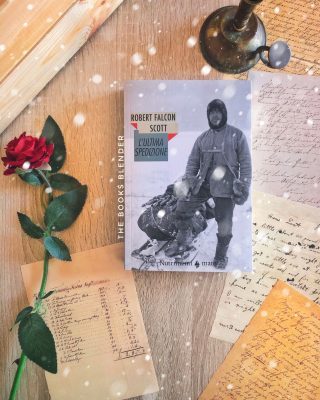
Recensione completa -> https://thebooksblender.altervista.or...

July 4, 2025
Heartbreaking, since we know how the expedition ended, and these journals were published posthumously. Robert Scott was an amazing leader. He and his crew showed incredible stoicism and courage as they faced their untimely demise.

December 5, 2019
Captain Scott's doomed expedition as recounted in his journals is gripping. His concern for the men and animals on his team is inspiring. His description of the conditions will have you turning up the thermostat in empathy. Still feeling chilled, physically and sympathetically.

November 11, 2011
I had already read Captain Robert Falcon Scott's unedited diary of his last expedition fairly recently, but this edition sounded interesting, as it includes photographs and commentary, and also notes on which parts of his diary were originally edited out for publication (though, oddly, some parts have been edited out for this publication as well). The story itself is haunting, the photographs make it even more so, and I found it pretty fascinating seeing the ways in which Scott and his men's story was changed slightly as a result of the entries that were cut in the first editions. The commentary itself is fairly balanced, pulling in quotes from several Scott biographers with differing views of Scott's character and worth--it's kind of amazing that there's still so much controversy over this expedition, even all these years later! Anyway, my take on things is that Scott was not perfect. He made a lot of mistakes, and was, perhaps, a little too shortsighted or stubborn about things, but I don't feel like it makes him any less admirable. It just makes him human.
Anyway, I probably prefer Scott's unedited diary to this edition, but this version is a great supplement. And The Lost Photographs of Captain Scott: Unseen Images from the Legendary Antarctic Expedition is another fascinating book for those interested.
Anyway, I probably prefer Scott's unedited diary to this edition, but this version is a great supplement. And The Lost Photographs of Captain Scott: Unseen Images from the Legendary Antarctic Expedition is another fascinating book for those interested.

October 5, 2025
I'm not sure how to rate something like this. It's difficult for a few reasons, but mainly because Scott never got to edit these journals for publication and so their contents have been filtered through other people's hands with competing, varying agendas. Although the version I read (the Oxford Press one) said it was faithful to Scott's work (and by and large it was), there were big chunks taken out that only appeared in one of the Appendices: not always a place readers go to. I would argue that those removed sections are essential to understanding the journals and incredibly unique in the sense that you don't often get to see what might possibly have been taken out if the author was to edit themselves.
Other than those removals, it is also hard to rate because the journals are not utterly polished and clean either. That sounds unfair – they are very interesting and there are spates of beautiful writing (I was particularly fond of the 'Impressions' in the earlier parts of the journals where Scott described daily moments in the hut) – but there is a definite sense that they might have been changed around and developed in further writing. I do wonder if there would have been quite as much pain-staking detail about the various lectures, for example. I absolutely love the concept of the lectures and it's fascinating to learn of the prevailing scientific ideas of the time but whether four pages on parasitology would have survived further drafting is doubtful.
Really, a lot of this was me unfairly comparing this to Worst Journey in the World which is an utterly gorgeous and highly polished account which put me through every emotion. At the core of this book, the notion of Scott being unable to edit these journals is what makes them fascinating and so I am not rating them because of what he might have done in the future.
Like Moby-Dick (my favourite book), this is definitely not something I would recommend to people. I read these journals because I am fascinated with the Terra Nova expedition and with Scott and the tangled historiography which followed his death and which still continues to this day. It's always important to go back and read actual people's words rather than seeing them filtered through other people's agendas (*cough* Roland Huntford *cough*). Now, reading primary sources still comes with an insane amount of agenda and contemporary and historical perspective and that's always something to be mindful of but going to the heart of history is never uninteresting.
For the bulk of this book, everything is very pedestrian and more geared to the minutiae of the expedition. That's all very interesting if you're a polar obsessive like me but it lacked some of the emotion and personal connection which Cherry's account has. That's intriguing in itself and actually more sharply illuminated when Scott expressed his more inner thoughts. Someone on here wrote in a review that his diaries give the idea that he was very highly strung and moody and that is entirely the impression that comes across. The amount of times, certainly in the first half of the journals, he will be like 'Oh it's a DISASTER!' and then the next day, 'It's all okay again.' Gemini diva vibes.
BUT that is why I think I connect more with Scott over Amundsen and some of the others. He is incredibly flawed and obviously makes mistakes (I would argue not as many as the 'bashing Scott' historiography likes to try and state) but like... That's somewhat understandable. It's unfortunate that it, like Franklin's expedition, led to tragedy (weirdly, I'm not as interested in Franklin as a person as I am in Scott though).
Many other reviews of this say how haunting it is. It definitely is. Everyone knows how this ends. But it is not only the writing which tracks Scott and his companion's last days trapped in their tent on the return from the Pole; there are moments of incredible chills throughout the whole thing. The ones that got me were the parts in the lead-up to the southern journey where Scott repeatedly said they should be fine and would not have a problem with hunger. Throughout the seasons before, also, there will be placid moments of *sledge diaries, comments on ice, science* broken by ephemera inserted into the diary of quotes about death and the progression of time and hardship.
'He is not worthy to live at all, who, for fear and danger of death shunneth his country's service or his own honour, since death is inevitable and the fame of virtue immortal'. -Sir Humphrey Gilbert (who, as the notes at the end say, died on a return voyage from North America)
Away from Scott, I did love the little looks at other expedition members too. Wilson is a gem (and about the only one who doesn't come in for some scathing attack. See below), and Bowers is just an absolute king. 'Indefatigable little Bowers' 🥹🥹🥹
I realise I sound like I have complained about this book but I still found it utterly compelling and that is why it is still more than worthy of 4 stars. It's just a strange one to try and 'review'.
The Appendices...
I would say that the Appendices of this version are just as interesting as the rest of the book and I'm glad I read them. I really enjoyed some of the Explanatory Notes which quoted from other expedition members' diaries (Wilson, especially). The Appendix which detailed the things cut from this version is ESSENTIAL to understanding the fullness of the journals. They give such a different impression from some of the other entries, with Scott ranting about various people and expressing his frustration.
I really don't know why they were cut from this version. I understand why they were suppressed at the time but this edition touted that it was ultimately faithful to the original text. Maybe it was just assumed that such comments would be cut in any edits Scott made anyway. But they are so important to giving a uniquely intimate insight into this expedition.
(Can we also briefly talk about JM Barrie's description of Scott? There was not much to amuse me about this book (apart from the explanatory note of 'snapdragon', a Christmas game plucking raisins from a dish of burning brandy: 'Prohibited by modern Antarctic health and safety regulations') but that short extract was almost ridiculous in its awe. It really gave 'Scott punched me in the face once; it was awesome' vibes.)
Other than those removals, it is also hard to rate because the journals are not utterly polished and clean either. That sounds unfair – they are very interesting and there are spates of beautiful writing (I was particularly fond of the 'Impressions' in the earlier parts of the journals where Scott described daily moments in the hut) – but there is a definite sense that they might have been changed around and developed in further writing. I do wonder if there would have been quite as much pain-staking detail about the various lectures, for example. I absolutely love the concept of the lectures and it's fascinating to learn of the prevailing scientific ideas of the time but whether four pages on parasitology would have survived further drafting is doubtful.
Really, a lot of this was me unfairly comparing this to Worst Journey in the World which is an utterly gorgeous and highly polished account which put me through every emotion. At the core of this book, the notion of Scott being unable to edit these journals is what makes them fascinating and so I am not rating them because of what he might have done in the future.
Like Moby-Dick (my favourite book), this is definitely not something I would recommend to people. I read these journals because I am fascinated with the Terra Nova expedition and with Scott and the tangled historiography which followed his death and which still continues to this day. It's always important to go back and read actual people's words rather than seeing them filtered through other people's agendas (*cough* Roland Huntford *cough*). Now, reading primary sources still comes with an insane amount of agenda and contemporary and historical perspective and that's always something to be mindful of but going to the heart of history is never uninteresting.
For the bulk of this book, everything is very pedestrian and more geared to the minutiae of the expedition. That's all very interesting if you're a polar obsessive like me but it lacked some of the emotion and personal connection which Cherry's account has. That's intriguing in itself and actually more sharply illuminated when Scott expressed his more inner thoughts. Someone on here wrote in a review that his diaries give the idea that he was very highly strung and moody and that is entirely the impression that comes across. The amount of times, certainly in the first half of the journals, he will be like 'Oh it's a DISASTER!' and then the next day, 'It's all okay again.' Gemini diva vibes.
BUT that is why I think I connect more with Scott over Amundsen and some of the others. He is incredibly flawed and obviously makes mistakes (I would argue not as many as the 'bashing Scott' historiography likes to try and state) but like... That's somewhat understandable. It's unfortunate that it, like Franklin's expedition, led to tragedy (weirdly, I'm not as interested in Franklin as a person as I am in Scott though).
Many other reviews of this say how haunting it is. It definitely is. Everyone knows how this ends. But it is not only the writing which tracks Scott and his companion's last days trapped in their tent on the return from the Pole; there are moments of incredible chills throughout the whole thing. The ones that got me were the parts in the lead-up to the southern journey where Scott repeatedly said they should be fine and would not have a problem with hunger. Throughout the seasons before, also, there will be placid moments of *sledge diaries, comments on ice, science* broken by ephemera inserted into the diary of quotes about death and the progression of time and hardship.
'He is not worthy to live at all, who, for fear and danger of death shunneth his country's service or his own honour, since death is inevitable and the fame of virtue immortal'. -Sir Humphrey Gilbert (who, as the notes at the end say, died on a return voyage from North America)
Away from Scott, I did love the little looks at other expedition members too. Wilson is a gem (and about the only one who doesn't come in for some scathing attack. See below), and Bowers is just an absolute king. 'Indefatigable little Bowers' 🥹🥹🥹
I realise I sound like I have complained about this book but I still found it utterly compelling and that is why it is still more than worthy of 4 stars. It's just a strange one to try and 'review'.
The Appendices...
I would say that the Appendices of this version are just as interesting as the rest of the book and I'm glad I read them. I really enjoyed some of the Explanatory Notes which quoted from other expedition members' diaries (Wilson, especially). The Appendix which detailed the things cut from this version is ESSENTIAL to understanding the fullness of the journals. They give such a different impression from some of the other entries, with Scott ranting about various people and expressing his frustration.
I really don't know why they were cut from this version. I understand why they were suppressed at the time but this edition touted that it was ultimately faithful to the original text. Maybe it was just assumed that such comments would be cut in any edits Scott made anyway. But they are so important to giving a uniquely intimate insight into this expedition.
(Can we also briefly talk about JM Barrie's description of Scott? There was not much to amuse me about this book (apart from the explanatory note of 'snapdragon', a Christmas game plucking raisins from a dish of burning brandy: 'Prohibited by modern Antarctic health and safety regulations') but that short extract was almost ridiculous in its awe. It really gave 'Scott punched me in the face once; it was awesome' vibes.)
September 13, 2009
I'd heard that Scott could write, and boy do I believe it now! I knew the story before starting this, having previously read several books about the expedition. But it was completely different reading about it in Scott's own words, and I can't help but admire the man immensely, despite his flaws. 100 years ago tomorrow, the blizzard that finally trapped him and his remaining companions in their tent 11 miles from their next depot picked up, and I will be thinking of these men a lot over the next week or so. Scott's final entry was written on March 29th of 1912, and what a final entry! Almost all his last thoughts and words seemed to be for and about the loved ones he knew he was leaving behind, and his letters to several are included at the end of this edition. It's a heartbreaking read, but very well worth it.

May 16, 2013
This classic and amazingly detailed diary is a wonderful read. Scott is a very talented author and the really captivating world of Antarctic exploration is examined in depth. But then everyone knows what is coming! The fatal end. But this doesn't make it any less touching when it does come and Scott and his companions turn out to be brave, self sacrificing and as caring as the drastic circumstances will allow.
People who are determined to put Scott down should read this book and then you begin to appreciate the intellectual depth of the man. The great humanity and his endless fascination with science and nature.
But more than anything the shear determination and gutsy dash home even though a failure cannot help but touch and inspire
People who are determined to put Scott down should read this book and then you begin to appreciate the intellectual depth of the man. The great humanity and his endless fascination with science and nature.
But more than anything the shear determination and gutsy dash home even though a failure cannot help but touch and inspire

September 12, 2008
I read this on a day by day basis, traveling with Scott on the journey. I was impressed with Scott's writing. Loved the parts that took place near McMurdo station, since I could envision them. Overall, it's an epic journey that is well documented.........highly recommended.

October 2, 2014
The best book I have ever read.
May 27, 2015
One of the great books about the great explorers

October 17, 2017
Trágico.

April 28, 2020
This was a tough one to rate, because at first glance it seems kind of low considering the amount of information contained in the book, and the incredible descriptions of such an interesting and alien land. With the journal entries themselves I have very little to criticise, and indeed the emotional impact of the whole thing is very heavy. Even when things are going well for them, we all know how the story will end -- it's so frightfully unfair that they should have come so close and then died because of circumstances that were, for the most part, completely out of their control. Nothing brings home the power of nature more than those final pages of entries.
I did, however, find this a chore to read at times. It was disappointing because there is so much about it that's fascinating, but there are so many footnotes and appendices and the footnotes have footnotes and the appendices have references and just... man. I got a bit lost sometimes, or I'd find a reading groove and then have to be flicking back and forth every other paragraph, and it wasn't enjoyable. I know there's a lot of context and a lot of things that might feel odd to not mention, but a lot of the footnotes weren't strictly related and considering this edition is a fairly recent one, I kind of wish it had been a little more streamlined and kept to only the essential footnotes. Anything else I could have found out myself if I was curious or confused, and that's my preferred way of reading such things (I made notes in the margin or in a notebook and Google everything later). Of course this is a very personal preference, though -- I'm sure others have no issues at all, but this kind of thing just does not work well with my reading style and as a result I found it hard-going at times.
Needless to say, in the interest of a fair review, this book is a goldmine of information. Practically everything you could wish to know about the expedition is contained and elaborated on in this book, and it includs biographical information on Scott both as an introduction and as an appendix; there's also an admittedly interesting history of the publication of his journals. There are extensive notes and references, as well as a number of photographs which are very good for helping to visualise the environment, as well as being fascinating glimpses at the very real people you're reading about. Scott's journals are through to an incredible degree, and he has his moments of dry (thoroughly British) humour; his writing, along with all the extra information, manages to give solid personalities to everyone present as well as the various ponies and dogs there. There's a strong sense of community which makes the inevitable ending all the more tragic.
As I mentioned, I recognise my major complaints are born of personal taste. Even so, I would recommend reading. It's a remarkable look at an important part of history, and if you're like me and prefer to contextualise things in your own time, it's certainly easy to do so. We are very fortunate that Scott kept such an intensely thorough account.
I did, however, find this a chore to read at times. It was disappointing because there is so much about it that's fascinating, but there are so many footnotes and appendices and the footnotes have footnotes and the appendices have references and just... man. I got a bit lost sometimes, or I'd find a reading groove and then have to be flicking back and forth every other paragraph, and it wasn't enjoyable. I know there's a lot of context and a lot of things that might feel odd to not mention, but a lot of the footnotes weren't strictly related and considering this edition is a fairly recent one, I kind of wish it had been a little more streamlined and kept to only the essential footnotes. Anything else I could have found out myself if I was curious or confused, and that's my preferred way of reading such things (I made notes in the margin or in a notebook and Google everything later). Of course this is a very personal preference, though -- I'm sure others have no issues at all, but this kind of thing just does not work well with my reading style and as a result I found it hard-going at times.
Needless to say, in the interest of a fair review, this book is a goldmine of information. Practically everything you could wish to know about the expedition is contained and elaborated on in this book, and it includs biographical information on Scott both as an introduction and as an appendix; there's also an admittedly interesting history of the publication of his journals. There are extensive notes and references, as well as a number of photographs which are very good for helping to visualise the environment, as well as being fascinating glimpses at the very real people you're reading about. Scott's journals are through to an incredible degree, and he has his moments of dry (thoroughly British) humour; his writing, along with all the extra information, manages to give solid personalities to everyone present as well as the various ponies and dogs there. There's a strong sense of community which makes the inevitable ending all the more tragic.
As I mentioned, I recognise my major complaints are born of personal taste. Even so, I would recommend reading. It's a remarkable look at an important part of history, and if you're like me and prefer to contextualise things in your own time, it's certainly easy to do so. We are very fortunate that Scott kept such an intensely thorough account.
Displaying 1 - 30 of 145 reviews