Jump to ratings and reviews
Rate this book

Cai a Noite em Caracas

Rate this book

Caracas, Venezuela: Num país que antes da crise era a terra dos sonhos, da beleza e da prosperidade e que agora está esgaçado pela corrupção, pela criminalidade e pela repressão, Adelaida procura apenas sobreviver.

A sua mãe, professora, grande companheira de toda a vida, acaba de morrer de uma doença prolongada. Adelaida, de trinta e oito anos, fica sem nada, sem ninguém, à deriva numa cidade em que tudo falta, menos a violência e a extorsão.

Poucos dias depois do funeral, Adelaida encontra a sua casa ocupada por um grupo de mulheres às ordens do regime. Decide procurar refúgio na casa da vizinha, mas quando bate à porta só recebe silêncio. Aurora Peralta, a quem todos chamam "a filha da espanhola", está morta no chão da sala. Em cima da mesa, está uma carta a informá-la da concessão do passaporte espanhol: um salvo-conduto para fugir do inferno.

Para sobreviver, Adelaida terá de deixar de ser quem é.

Cai a noite em Caracas é o retrato de uma mulher que, frente a uma situação extrema, terá de transformar-se, renegar o pasado para se agarrar a uma nova vida. É a história de muitas outras mulheres, muitos outros homens, crianças, velhos, encurralados num país em que a violência, a miséria e a traição marcam o ritmo diário da existência. Um romance extraordinário, que anuncia uma grande promessa na literatura em espanhol.

215 pages, Paperback

First published March 1, 2019

563 people are currently reading
9763 people want to read

About the author

Karina Sainz Borgo

14 books416 followers
Venezuelan journalist and writer based in Madrid, Spain. Her first novel It would be night in Caracas was translated into 26 languages

Ratings & Reviews

What do you think?
Rate this book

Friends & Following

Create a free account to discover what your friends think of this book!

Community Reviews

5 stars
1,616 (20%)
4 stars
3,254 (40%)
3 stars
2,411 (30%)
2 stars
529 (6%)
1 star
129 (1%)
Displaying 1 - 30 of 1,143 reviews
Profile Image for Jim Fonseca.
1,163 reviews8,490 followers
March 28, 2023
[Typos corrected 3/18/23]

Stephen King would be hard-pressed to come up with a story more terrifying than this one because it’s based in reality.

description

SPOILERS FOLLOW

Our story begins with a young woman, an editor who works online. Her mother has just died. She has used up most of her money buying her mother’s medication on the black market – the only way she could get it. She had no idea if they were real drugs on not, but what else can she do? Almost no one comes to the funeral – cemeteries are unsafe places. She worries that her mother’s body will be dug up immediately so people can steal her clothes and jewelry.

Now she’s alone. Her father was always absent and she has only has some elderly aunts in a distant rural town.

She lives in an apartment in the heart of Caracas so she has a bird’s eye view of the daily chaos. Crime is such that no one can go out after 6 pm. Kids can’t leave their houses to go to playgrounds. She hears gunshots every day and bursts of fire from automatic weapons. Anti-government demonstrations are so frequent that she has taped the edges of her windows to prevent tear gas from getting in.

She has her own bone to pick with the government. She had a lover, an older man, a journalist, who was murdered for his anti-government reporting.

Of all this terror, most frightening to me is her description of the role that the paramilitary types play. The government encourages these semi-official pro-government armed motorcycle gangs to come out and kick ass during anti-government demonstrations. They are free to kill and torture people. The government pays them with crates of food that they can sell on the black market. They set up roadblocks and charge 'tolls.' The military cannot control them.

description

A gang of paramilitary biker women – wives and girlfriends, who knows – take over the apartment that she owns. They simply arrive one day, break the lock, trash or steal all her stuff and move in while she is out. When our main character is foolish enough to protest, they knock her unconscious with a pistol.

Should she call the police? Let me tell you about the police. They raided another apartment in her building a week ago ‘looking for someone.’ They didn’t find the person but they left with a laptop, a microwave, a TV and suitcases full of stuff.

Another character enters the scene. He is a college-aged student, the brother of a friend of hers. The girlfriend has been told her brother is in prison and has been paying the prison officials to give him food – another shakedown. The girlfriend really has no idea if the brother is dead or alive or even in the prison – she just pays.

This young man comes to live with her for a time in her new location. (I won’t give away what she did to find housing except to say it involved the disposal of another body.) The young man was in prison where he was tortured until he agreed to join one of the paramilitary groups. Now he’s on the run from everyone. Should she believe him?

So, Stephen King, how do we end this horror story? Relatively happily if you don’t mind nightmares for the rest of your life.

description

The book review is over but I’ve added some facts about recent events in Venezuela from the web. We don’t hear much about the crisis in Venezuela because other world tragedies, like Ukraine, have pushed Venezuela off the front page or out of the media entirely.

Venezuela’s economy, society and government have largely disintegrated. This began under Chavez in 1999 and has continued under the current President/dictator Maduro.

People are starving: By 2017, a UN report said hunger had escalated to the point where almost 75% of the population had lost an average of over 19 pounds in weight.

A UN report estimated in March 2019 that 94% of Venezuelans lived in poverty.

By 2021 almost twenty percent of Venezuelans (5.4 million) had left their country. This is more people than have fled Ukraine and a higher percentage of the national population.

Venezuela led the world in murder rate, with 81 per 100,000 people killed in 2018. This is about 20 times the murder rate in the USA.

The inflation rate in Venezuela averaged 3,730% from 1973 until 2022, making paper money worthless at times. People barter and US dollars and euros are the currency, or online transactions based in those currencies.

The government has given up trying to control large rural areas of the country. Drug lords are the government there.

The author was born in Caracas (1982) and worked as a journalist until she emigrated to Spain about ten years ago. She has written a half-dozen novels, although Night and a collection of short stories appear to be the only books translated into English.

Top photo of violence in Caracas from timesofisrael.com
Photo from cnn.com
The author from caracaschronicles.com
Profile Image for Mischenko.
1,031 reviews94 followers
October 29, 2019
It Would Be Night in Caracas is a story about a woman named Adelaida who struggles living in Venezuela during turbulent times of uprising and violence. She’s just experienced a death in the family, and as time moves forward she eventually loses her home. It’s a nightmare, and now she has no choice but to make a difficult decision for her survival.

This book is harrowing and frightening at times; it’s not for the faint of heart. I thought in my mind repeatedly throughout the story: who could live like this? It made me cringe at times, and I came so close to quitting. With that said, I thought the book was written well for the most part, I just wasn’t captivated by the story. It’s timely and political, but didn’t grab my interest. There was also something that niggled me, like how the flashbacks and present weren’t matching up well, which made the story confusing for me a few times.

Despite all the misfortune that was happening in the story, the book didn’t evoke any feeling or emotion in me when it came to the characters. I was naturally angry at times with the violence, but there wasn’t any emotional attachment for me.

I’m glad I was able to finish the book because the ending was satisfying. I’m not going to say I enjoyed it because it’s simply not that kind of book, but I’m still glad to have read it. I’m sure there are plenty of other people who would like this book and appreciate its literary value. I’ll likely read more works by Karina Sainz Borgo in the future.

3***

I’d like to thank the author and publisher for offering this book in a giveaway. This is my own, honest opinion of the book.

You can also see this review @www.readrantrockandroll.com
Profile Image for Orsodimondo.
2,458 reviews2,430 followers
May 20, 2022
CON LA BOCCA E IL CUORE SENZA DENTI


Non eravamo più un paese, eravamo una fossa biologica.

La figlia è l’io narrante, è la protagonista, e si chiama come sua madre: Adelaida Falcón.
Adelaida Falcón madre muore di cancro dopo una vita da insegnante.
La mia famiglia eravamo mia madre e io. Il nostro albero genealogico cominciava e finiva con noi. Insieme formavamo un giunco, o una specie di aloe vera di quelle che riescono a crescere ovunque. Eravamo piccole e piene di venature, quasi innervate, forse per non soffrire se ci strappavano un pezzo o anche tutta la radice.


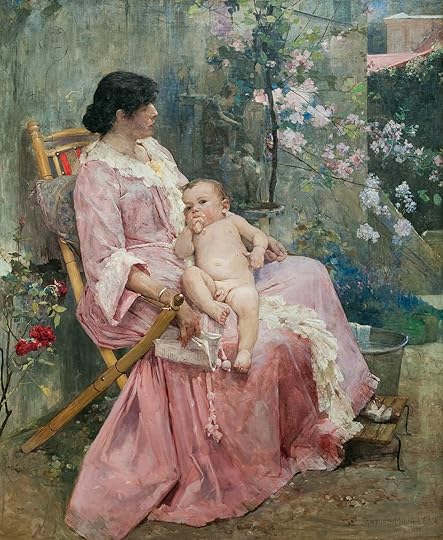
Arturo Michelena: La joven madre, 1889.

Adelaida Falcón figlia capisce che deve lasciare il suo paese, il Venezuela, perché lì è ormai notte perenne: i predatori e i rapaci sono a piede libero, e i più pericolosi e affamati lavorano per il governo, nel nome di un fantomatico Comandante Rivoluzionario. Hanno scelto il colore rosso per le loro T-shirt/divisa perché si ispirano al marxismo: ma il rosso è anche il colore del sangue, e loro sono abituati a versarne molto. A Caracas piovono corpi, i cadaveri atterrano dal quinto piano, cadono dal cielo.
Adelaida Falcón figlia, stanca di sopravvivere con la bocca e il cuore senza denti, per andarsene dal Venezuela sceglie di diventare la sua vicina di casa, morta probabilmente di crepacuore dopo aver seppellito la madre: diventa lei, assume la sua identità. Quella della “hija de la española”, che è il titolo originale.
Da Caracas a Madrid, per salvarsi, per sfuggire a morte certa, per ricominciare. Per una nuova vita.


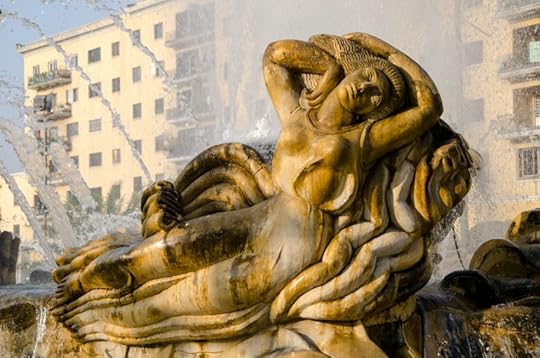
Francisco Narváez: Las Toninas, 1945).

Anche la scrittrice, Karina Sainz Borgo, tredici anni fa ha lasciato il Venezuela, quello di Chavez, e poi di Maduro, per non ritornare più, stanca di vivere nella notte.
Anche lei come Adelaida Falcón ha scelto la terra madre, la Spagna, Madrid.
Anche lei come la “hija de la española” lavora per case editrici e riviste.
Ne viene fuori una narrazione pulsante, tesa, angosciante come un incubo, un racconto che fa male, ferisce.


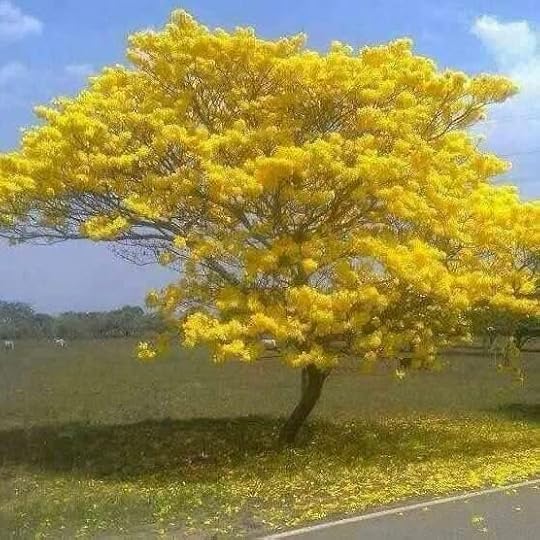
Araguaney, l’albero nazionale del Venezuela.

Ma nella sua storia di finzione (alcuni episodi e personaggi di questo romanzo sono ispirati a fatti reali, ma senza i requisiti dei dati oggettivi. Si discostano dalla realtà con una vocazione letteraria, non testimoniale.) il Venezuela è quello di Chavez e Maduro, ma anche altro, trasformata nel paradigma di una dittatura, non necessariamente solo sudamericana, un incrocio di tutte e un modello per tutte quelle capaci prima di tutto di omologare nella disperazione, e portano i paesi allo sbando tra lutti e macerie. Dittature, regimi militari in generale, basati su dispotismo violenza arbitrio prevaricazione (e sempre un’impressionante propensione alla tortura).
Anche il tempo è confuso: una contemporaneità senza date non vincolata ad aspetti rigidamente cronachistici o storici, una storia universale, allegorica.


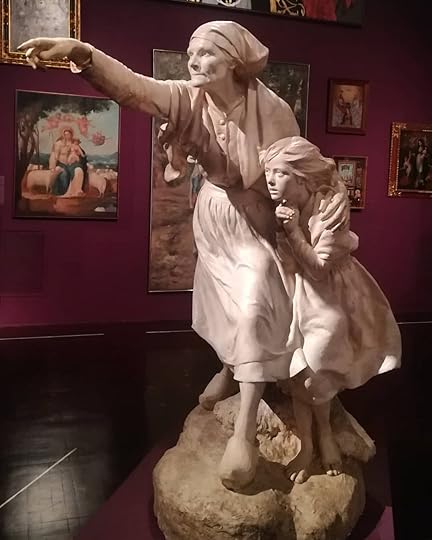
Lorenzo-González: La tempestad.

La nostra vita, mamma, è stata piena di donne che spazzavano per mettere ordine nella loro solitudine. Donne in nero che spremevano foglie di tabacco e spostavano con una pala i frutti caduti e spaccati a terra durante la notte. Io, in compenso, non so come togliere la polvere. Non ho cortili né manghi. Dagli alberi della mia via cadono solo bottiglie rotte. Non abbiamo avuto cortili, mamma, e non te ne faccio una colpa. Di notte, e a volte in mezzo all’oscurità, pettino con una scopa la mia terra, fino a farla sanguinare.


Karina Sainz Borgo
Profile Image for Paige.
152 reviews341 followers
August 1, 2019
Grieving over the recent loss of her mother, Adelaida struggles to persevere amid revolution in Venezuela. While alone and desperate, she is forced to make a harrowing decision in order to ensure her own safety.

In my opinion, this story can best be described as monotonous. The blurb misled me to believe it would be a penetrating page turner, but the story itself was underdeveloped. It said there would be twists and turns, but I couldn’t find them. Yes, there was looting and raids. Yes, it was during the revolution…but what about the story? The only thing intriguing in the novel was the setting itself and what it entailed: Venezuela during hyperinflation with the revolutionaries controlling imperative economical aspects. The main character relies on this setting for intrigue. But everything she did was droning and predictable; it was the impact around her that provoked any sense of substance. However, even that began to become repetitious and anticipated. The same thing seemed to happen again and again.

This was a missed opportunity for a great story to grow and flourish. The background was all there, but the story wasn't.

I also wanted to note the organization of this book. The flashbacks of the main character occur sporadically without pattern. It was very difficult to get used to at the beginning because there was no page break, tense change, notation of time, or anything to indicate that a flashback was occurring. At moments it made it difficult to read the story fluently. Then, the story starts to use page breaks 30% in, and I was relieved but only momentarily because it quickly stopped and reverted to sporadic flashback disruptions. Some of the flashbacks told memories that were not relevant. The flashbacks were my least favorite part of the book.

Thanks to NetGalley, HarperCollins, and Karina Sainz Borgo for this advanced copy in exchange for my honest review.
Profile Image for Maria Roxana.
590 reviews
June 23, 2022
Am ales această carte fiind intrigată de numele său care sigur că nu a fost ales deloc întâmplător...

Nu sunt genul de om căruia să îi placă să facă uz de cuvinte mari, să hiperbolizez ori să mă las impresionată (prea ușor) de cărțile pe care încerc să le aleg cu grijă căci timpul este destul de neîndurător, pare că nu mai are răbdare deloc, vorba prozatorului nostru. Însă ”La Caracas a fost noapte” nu reprezintă o pierdere de vreme, ba mai mult îmi iau libertatea de a o recomanda ca pe o lectură necesară pentru vremurile pe care le trăim. Niște vremuri în care războiul se confundă deja cu normalitatea, vremuri în care mediocritatea reprezintă un factor decizional, încercând să acapareze ceea ce credem că mai este normal, vremuri în care sunt oameni care duc războaiele altor oameni. Și pentru că menționam mai sus de utilizarea unor cuvinte mari, cartea aceasta este chiar dureroasă, scrisă atât de bine, încât am simțit nevoia unor pauze pe durata lecturii. O lectură pe care am continuat-o până către 2 dimineața. :)

M-a impresionat relația Adelaidei cu mama sa, poate pentru faptul că mi-a amintit foarte mult de relația mea cu mama. M-a durut realmente momentul în care ea a pierdut-o:
”Moartea se întâmplă mai întâi în limbaj, odată cu actul acela prin care smulgi ființele din prezent ca să le așezi din trecut. Le transformi în acțiuni sfârșite, în lucruri care au început și s-au terminat într-un timp extinct. Acel ceva ce a fost și nu va mai fi. Adevărul acesta era: mama mea n-avea să mai existe decât conjugată la alt timp. Îngropând-o pe ea, îmi încheiam și eu copilăria de fiică fără copii. În orașul acela ce sta să moară, noi două pierduserăm totul, inclusiv cuvintele la timpul prezent.”

Mi-e greu să îmi imaginez o lume fără mama, de aceea am simțit greu fiecare cuvânt pe care l-am redat mai sus. Și nici nu știi care dramă este mai mare în această carte, drama de a-și fi pierdut mama, ori drama de a trăi într-o lume bântuită de conflicte, de suferință, nesiguranță, și atât de multă singurătate?

"N-am perceput niciodată familia noastră ca fiind o familie mare. Familia noastră era mama și cu mine. (...) Eram mici și vânoase, pline de nervuri, ca să nu doară în caz că cineva ar fi smuls o bucată din noi sau ne-ar fi smuls chiar din rădăcină."

"Niciodată n-am fost de față la vreo naștere. Nici n-am născut, la rându-mi. N-am legănat în brațe nici un copil. N-am potolit nici un alt plâns în afară de al meu. În familia noastră nu se nășteau copii. Dar, în schimb, mureau femei bătrâne, răpuse pe tronul propriei autorități. Domneau chiar și pe marginea mormântului, aidoma cuiva care moare la poalele unui vulcan. Eu nu vedeam maternitatea ca fiind diferită de legătura care existase între mine și mama: o relație de intendență și bună – orânduire, o formă discretă de dragoste care se manifesta prin echilibrul acelui univers alcătuit din noi două."

Cartea aceasta e ca o luptă pentru supraviețuire, o carte în care se simte durerea, disperarea, dar mai ales singurătatea, dar care păstrează echilibrul, astfel că la final, experimentezi o formă de speranță. Povestea Adelaidei nu este doar a ei, ea a devenit deja a noastră. Citiți-o și poate îmi veți da dreptate.
Profile Image for Jennifer ~ TarHeelReader.
2,785 reviews31.9k followers
November 29, 2021
It took me a while to share my thoughts on It Would Be Night in Caracas.

This book is set in Venezuela during its revolution, and along with that, this is an important story because it put Venezuela back in my awareness. I was in college studying Spanish literature when Chavez assumed the presidency. If I hadn’t been in that particular class, I’m not sure I would have known this happened because I’ve heard very little about Venezuela since.

As far as the actual story, I enjoyed its emotional intensity, but it was choppy at times with flashbacks and organization that could be hard to follow. I was also left wanting more as far as other voices and perspectives to get a more clear perspective and understanding.

I’m grateful I read the book because it reminded me that one point of view is only one point of view, especially when it comes to political turmoil and uncertainty.

The great news is this book served as a jumping off point because I want to read more about Venezuela and immediately noticed there are few translated fiction books. I have a TBR list of mostly nonfiction, but if anyone has any fictional works in English to share with me, please let me know.

I received a gifted copy.
Profile Image for Alhena.
275 reviews
March 24, 2019
¿Cómo es posible que un manuscrito de una periodista (desconocida, al menos para mí) se venda en más de 20 países, antes de que nadie lo publique y las editoriales vean si tiene tirón?
¿Alguien se ha parado a pensarlo? No.

Se ha publicado "aprovechando" la situación tan complicada que se vive actualmente en Venezuela y lo presente que está en los medios. Me imagino que es por eso por lo que se espera que tenga tanta aceptación entre el público.
Pero no nos engañemos, no es un libro de calidad, es un libro oportunista.

El caso es que el libro empieza bien, llegas a sentir ese desasosiego por la muerte del único familar que recogen las primeras páginas. A partir de ahí, lo que encontramos es una mezcla de "islas" muy mal comunicadas: canciones populares, descripción de fotos familiares, personajes que van y no vuelven... Al menos los capítulos son cortos y facilitan la lectura.

Lo mejor, sin duda, es la sensación de inseguridad y miedo que crea la inestabilidad política, la violencia del día a día y sus consecuencias. Conocer, más o menos, lo que es vivir en la piel de una protagonista muy afortunada, pese a su situación.

¿Lo peor? el resto. Mucha casualidad en tan poco espacio de tiempo: 200 páginas para ¿tres? meses. El piso de la protagonista resulta ocupado y ¡tachán! el piso de su vecina tiene la puerta abierta. Con ella muerta dentro (no es spoiler, viene en la contraportada). Por si fuera poco "Encima de la mesa del salón, una carta le comunica que le han concedido el pasaporte español" (más de la contraportada), ya está, historia resuelta.

Un libro de domingo por la tarde, sin más. No es tan llamativo cómo lo pintan, ni destaca por su escritura.
No lo recomiendo, salvo que no sepas que leer y quieras tener entre tus manos algo de reciente publicación relacionado con el tema de actualidad: la crisis en Venezuela.
Pasará a mi apartado de "próximas donaciones".
793 reviews
June 7, 2019
I received an ARC of this book from HarperVia, an imprint of HarperCollins, at BEA 2019.

When I got this book, I was instantly skeptical. Anything published by a mainstream publisher in the U.S. about Venezuela makes me skeptical. When I saw the book, from a relatively unknown author, has been republished in TWENTY-TWO LANGUAGES, when it doesn't come out till OCTOBER in the U.S. gave away exactly what this book is: bourgeois propaganda designed to endear American audiences so they pressure their Representatives, Senators, and Presidential candidates to support a U.S military coup of the democratically elected left-wing government of Venezuela.

I'll give Karina Sainz Gorgo props where it's due. The book itself isn't poorly written. She's got a solid voice. The book is technically fiction, but its very clearly based on her life. She shows the fear of violence and the desperation of the people of Caracas, who are indeed struggling and dying (Caracas has routinely been one of the deadliest cities in the world for the last decade). However, who does this self-identified White Venezuelan blame for the misfortunes that her middle class business owning family encounter? The agents of the Bolivarian Revolution of course. Now, the chavistas have become notoriously corrupt, weaponizing their positions of power within the state bureaucracy to harass people. But this book is so blatantly one sided. The U.S. is not mentioned ONCE in this entire book, despite the fact that food and medicine crisis in Venezuela is a direct result of crippling economic and political sanctions imposed by the U.S. government and it's regional allies.

You know how this book really gives away that it's gusano propaganda? There's a throwaway line where the main character talks to a White Chilean, and asks who Augusto Pinochet is/was. The White Chilean responds with "a president". Pinochet was a military dictator who overthrew a democratically elected socialist government in Chile in 1973 with the assistance of the CIA, who then proceeded to mass arrest and execute anyone who was accused of undermining the peace (ie, social justice activists, labor leaders, and members of various left wing political parties and organizations). It was illegal to criticize Pinochet, and tens of thousands were sent to concentration camps for doing so. The U.S., meanwhile, supported Pinochet with billions in military and economic aid, because he privatized all of the country's resources and allowed American businesses to do whatever they wanted to the Chilean people. The idea that to the author, Pinochet, an unelected military dictator, is "a president", and Chavez and Maduro were/are "commander-presidents" despite the fact they have won every election held since 1999 in U.N./Carter Center monitored election processes tells you all you need to know about what this book is and what it seeks to accomplish.

The author also has characters gush about how everything was amazing in Venezuela before the socialists took power. Which is true, if you, like the author and her family, were a part of the property/business owning White middle/upper class of Venezuela. If you were a part of the overwhelmingly mestizo , black, and indigenous majority that put and keeps the socialists in power, it was a terrible time, a time when the White ruling class got away with violent labor abuse, and kept the nonwhite majority under their heels by denying nonwhite people the right to vote. The moment the nonwhite people could vote (the result of a several decade long agitation), they sent the socialists into government and have kept doing so for the last two decades.

HarperVia says they published this book in an attempt to help "publish international voices, offering readers a chance to encounter other lives and other points of view via the language of the imagination". I wonder if HarperVia would publish a book from an indigenous or black Venezuelan talking about building rural workers communes in the Venezuelan countryside, struggling with fulfilling the radical promises of the Bolivarian Revolution in the face of US imperialism. Or of a mestizo Venezuelan leading labor unrest against a gusano factory owner who is working with the CIA. Somehow, I doubt HarperVia would pre-publish a no-name author in 22 languages if that was the plot.

If you think I'm being too political, know that the author herself notes in the beginning that she wrote this story "because all stories about the ocean are political." So interestingly, she fully admits her story is political.

HarperVia and Sainz Borgo know what they are doing. The question is, will you fall for it?
Profile Image for Martin Iguaran.
Author 4 books353 followers
June 17, 2021
Cuando vi las reseñas de la novela, me sorprendió descubrir que estaban muy polarizadas: algunas personas le dieron 4 o 5 estrellas y otras 1 sola. La crítica más común es que se trataría de una novela "oportunista", lo que a priori no es una crítica sobre los méritos literarios del libro. Por otro lado, ¿Cuándo sería el momento adecuado para escribir sobre Venezuela? A la fecha que escribo esta reseña, el chavismo lleva más de 20 años en el poder y el éxodo venezolano también lleva años y años. No hay viso alguno de que Maduro vaya a dejar el poder pronto, y si dura tanto como otros tiranos (la dinastía Al-Assad en Siria lleva 50 años, Aleksander Lukashenko en Bielorrusia 27, Vladimir Putin en Rusia 20, los Castro en Cuba 60, los Kim en Corea del Norte más de 70) habría que esperar a 2050 o más para leer libros que retraten el infierno venezolano. La otra crítica al libro radica en la simplicidad de la trama. El problema es que la vida cotidiana del venezolano promedio se ha convertido en esperar: esperar en todas las colas imaginables. La cola del supermercado, de la farmacia, de la carnicería, a conseguir con suerte un kilo de arroz o un antibiótico vencido. Esas colas pueden durar horas, a veces días, y en ellas pierden sus días. Por lo tanto, ningún personaje ordinario en Venezuela puede hacer de agente secreto o de revolucionario; sería una falta total de verosimilitud.
Creo que la disparidad proviene del hecho de tratar un tema candente como Venezuela. Cuando le conté a una amiga que trabaja en la industria editorial que iba a leer este libro, se escandalizó. Me dijo: "¿Cómo vas a leer ese libro? ¡Lo escribió la derecha!". A lo cual le pregunté si lo había leído. Y me dijo que no. No lo había leído.
Me sorprendió su actitud, porque la consideraba una persona de mente abierta, pero entonces recordé que el chavismo, y la Revolución Bolivariana, disfrutan de mucho respaldo entre intelectuales-al menos en mi país-sencillamente porque se autodeclara de izquierda. La sola palabra "Revolución" seduce. ¿A quién no le gustaría borrar todas las injusticias de un plumazo? ¿Quién no desearía redimir a los pobres, castigar a los ricos, alumbrar un nuevo orden social más justo? El problema es que no podemos eliminar de golpe el egoísmo, la codicia, el narcisismo, la sed de poder, la megalomanía y todas las otras taras del ser humano. La Historia enseña que muchas Revoluciones tienden a devorar a sus propios hijos. Es duro reconocer que los libertadores, los revolucionarios, se pueden convertir en la nueva casta dominante: en los nuevos opresores.
No soy venezolano y no he vivido en el país, pero consulté a emigrados venezolanos-hay muchos en Argentina-por lo que se relata en el libro. Y me confirmaron su verosimilitud: los mercados vacíos, la escasez de artículos básicos, desde harina, carne hasta medicamentos, los cortes de luz, las desapariciones, la represión sin freno-a manos de escuadrones de la muerte como SEBIN, FAES, FANB, la Guardia Nacional, solo por nombrar algunos-la censura, los opositores presos, las torturas brutales, la corrupción, el culto a la personalidad al líder, la complicidad con el narcotráfico y la guerrilla, la inseguridad, la hiperinflación que ha convertido la moneda en papel inútil.
Un párrafo aparte merece el personaje de la Mariscala. Bruta, ignorante-casi no sabe leer y escribir-, violenta, se vanagloria de los crímenes que comete con obscenidad. La Mariscala sintetiza muy bien no solamente el totalitarismo (debajo de todos los discursos e imposturas, yace la fuerza bruta: "Yo tengo un arma y vos no") sino también podemos ver en el duelo entre la protagonista y ella un resumen de la clase de ciudadano que anhelan las dictaduras. ¿Qué ciudadano quiere un régimen dictatorial? ¿Uno educado, que esté al tanto de lo que sucede en el mundo, que ha leído, que conoce sus derechos y por lo tanto sabe qué reclamar? ¿O uno embrutecido por la propaganda, mantenido deliberadamente en la ignorancia, que no conoce sus derechos y por lo tanto se siente agradecido cuando el gobierno le entrega, como gran regalo, una caja con comida en mal estado?
El libro me parece bien escrito, se puede leer en pocos días. No me parece que sea un mero panfleto político contra el chavismo. La trama es sencilla y avanza con rapidez.
Profile Image for Irina Constantin.
230 reviews161 followers
July 17, 2024
E moarte și agonie, e tăișul sclipitor a memorie care niciodată nu mă înșeala, mi s-a întâmplat și cu alte cărți,  nu le-am abandonat niciodată,  m-au lăsat să "sângerez" abundent și bine mi-au făcut,  e un fel de masochism literar,  e un fel de a-mi regăsi identitatea într-o lume pierdută a umbrelor. Cartea asta mi-a dat în cap,  m-a făcut să-mi reamintesc de cuvintele "funest" și "funebru" de tot ce stă în firea mea întunecată, ascunsă, mai devreme sau mai târziu toți o să ne îngropam părinții,  așa cum am asistat fugitiv la un "spectacol " care nu părea sa ne aparțină,  cel al înmormântării bunicilor,  eram acolo pe marginea gropii,  era mama,  bunicii ni s-au dus , sau cel puțin pentru mine pierderea lor a însemnat luni întregi de depresie, abominatie, absențe nemotivate de la școală, facultate...
De ce brațele care ne-au ținut strâns într-o beatitudine nemărginită trebuie să piara la un moment dat?...Să-mi amintesc de toate exigențele adevărului suprem a fost prea dur pentru mine,  uneori nu pot să disting realitatea funesta de vis, de postura idealista, uneori mă îngrop singur sub maldare de pământ, cât durează o noapte,  uneori are mai multe ore, alte ori mai puține,  noaptea de iunie nu o poți egala cu cea de decembrie...
Am simțit gustul amar al pierderii, să-ți pierzi proprietatea poate e mai grav, să pierzi simțul realității  tăioase poate e mai ușor,  leșini,  nu-ți mai trebuie consecvență...     Adelaida tocmai și-a înmormântat mama, eminenta studentă la Litere nu mai are pe nimeni, și la instalarea nopții apartamentul îi va fi ocupat abuziv de niște revoluționare,  cu pistolul la tâmplă, Adelaida trebuie să se retragă încet din apartamentul care altă dată îi era acasă,  singurul adăpost pe care îl împărțea cu mama sa, astăzi plecata în lumea de apoi...Adelaida trebuie să găsească o șansă de scăpare, apartamentul vecinii sale moarte trebuie ocupat de-o ființă,  pentru a ajunge acolo,  Adelaida trebuie sa arunce cadavrul aproape umflat de trei zile de la etaj și apoi să-i dea foc...Până aici am ajuns cu lectura, după care am simțit că nu am mai putut, ca trebuie să mă opresc, ca orice sunet aleatoriu de ambulanță îmi incintă memoria în preajma amurgului...  Ceva a trosnit brusc în snipase,  era mult prea mult pntru mine, parcă nu mai ajunsesem niciodată la setea asta de disperare,  parca beam prima oară o gură de apă după zile întregi de străbătut pustiul....
Scrisa cu o luciditate continua, fără decalari, fără dramatisme inutile, La Caracas va fi mereu noapte nu te încarcă cu descrierii inutile, totul este scris într-un stil sobru, precis,e ca și cum ai merge să extragi pe cineva cunoscut de la morgă,  nu ți se pun prea multe întrebări,  doar ți se prezintă defunctul spre recunoaștere...Admirabil stilul scriitoarei, nu contest,  nu mă opun, merită fiecare secundă...
Profile Image for Fátima Linhares.
933 reviews340 followers
October 19, 2023
"Viver, um milagre que ainda não consigo entender e que morde com a dentada da culpa. Sobreviver faz parte do horror que viaja com quem foge."

Adelaida vive num país que está às escuras, minado pela corrupção e tirania. Quando a sua mãe, a outra parte de um binómio perfeito, falece, só lhe resta sobreviver. Não sabe bem como, até que se lhe apresenta uma oportunidade. Inesperadamente, a solução é simples, mas será capaz de a executar?


#outubrohispanoamericano
Profile Image for Meike.
Author 1 book4,945 followers
October 28, 2019
Literature from Venezuela, now also available in English: It Would Be Night in Caracas

This is a book about defeat, a study of resignation: It declares Venezuela to be doomed, a collapsed state in free fall, where people dig up fresh bodies to rob the things the deceased might have been buried with, where protesters are incarcerated in underground caves where they are viciously beaten and raped with guns, where people die because hyper-inflation makes it impossible to afford medication. The country with the biggest oil reserves in the world (!) has apparently turned into hell hole where citizens turn against their neighbors, because surrounded by dire poverty and raging violence, they feel like it's the only way to survive. It is a sad fact that in the West, the situation in Venezuela is hardly covered in the news: From time to time, we get little bits and pieces, but as there is no continuous coverage, it's hard to really imagine let alone understand what's going on under Maduro's authoritarian regime.

And that's one of the hard lessons of this book: I feel like I can't possibly judge how closely this fictional account mirrors reality, but as the author, Karina Sainz Borgo, shares many of her protagonist's traits (in her thirties, worked in journalism, fled her home country), I believe that there is a lot of truth in this harrowing story. The book is written from the perspective of Adelaida, a young woman who loses her mother because she was unable to get proper medical treatment - as the story progresses, we learn that this is not the only beloved person she and her friends have lost due to political turmoil. When Adelaida's flat is occupied by a group of woman who cooperates with the government (and can thus not be evicted), she takes over the apartment of her dead neighbors and starts to plan her flight. While waiting for her chance to get out, she meets her best friend's dissident brother and learns more about the former neighbors - immigrants who came from Spain when Venezuela still offered to fulfill the dream of a better life...

This novel breathes a particular kind of sadness: It's a form of grief, about the loss of a home and whole culture that goes down in brutal violence. Adelaida has abandoned all hope for her country, and while she wants to save herself, she has no idea what to do with her life once she gets out: It's not about getting somewhere, it's about the choice between leaving or dying. This is a very important story to tell about the experience of a refugee, and I wish it was told more effectively: To get the point across, it would have been inappropriate to employ melodramatic language or to turn this into some form of adventure novel, but why does the language have to be so bland? The book has a serious problem with pacing, it never really acquires speed and does not become immersive. Some passages are evocative and well-constructed, but overall, the book does not find a rhythm that encompasses the narrative as a whole.

Still, I am glad that this debut novel was already published in 22 countries, because we need to hear more voices telling the stories of countries the most influential part of the literary world (and the world as whole) tends to forget. Whatever the shortcomings of the book, there are some scenes the reader won't forget.
Profile Image for Loredana (Bookinista08).
779 reviews338 followers
December 4, 2023
Hmm... A doua jumătate a romanului mult mai bună decât prima. Multă introspecție și mult lirism. Probabil are de-a face cu pierderea identității vechi și asumarea identității noi. Oricum, bună carte! Dar tristă, din foarte multe privințe mi-a adus aminte de cele mai întunecate aspecte ale comunismului din țara noastră. E o lectură puternică, închegată, însă nu pentru cei mai slabi de înger. A, și bonus: am aflat multe lucruri despre Venezuela, pe care nici nu le-aș fi bănuit înainte. Nu numai despre sistemul de guvernare (sau haosul lui), ci și aspecte culturale și sociale.
Profile Image for Amy .
279 reviews243 followers
April 3, 2019
Venezolanos: A los que se fueron y a los que aún seguimos de este lado de la frontera sobrevivido al socialismo, léanlo.

A los demás: El 80% de la violencia que se relata este libro se vive en Venezuela actualmente. Se viene reseña muy larga cuando me recupere de esto.
Profile Image for Cláudia Azevedo.
394 reviews217 followers
February 17, 2024
3,5*
Esta é a voz de uma Venezuela destruída material e emocionalmente por atos de violência extrema e continuada, pela degradação dos valores sociais, pela corrupção escancarada e sufocante.
Karina Sainz Borgo foi uma boa surpresa. Descreve muito bem o ambiente de desespero de pessoas impedidas de viver uma vida normal, constantemente ameaçadas, num dia a dia de fome, tiros, saques, prisões, torturas e assassinatos. Nem a casa pode ser dada como garantida. Nenhum sentido de comunidade, nenhuma confiança, nenhum futuro.
Achei o início brutal, mas a história ficou um pouco confusa a páginas tantas e só por isso não dou mais estrelas.
Profile Image for Jenny (Reading Envy).
3,876 reviews3,709 followers
February 26, 2022
I'm trying to read books from the last few countries in my around the world project that I've been working on since 2012, and It Would Be Night in Caracas was recommended by several people for Venezuela.

The author is a journalist from Venezuela who relocated to Madrid, and the main character of the novel follows a similar path. The novel is so focused on her life and struggles without a lot of context so I had to do a lot of reading about Venezuela - its government, the poverty, the violence - it's all there in the background but not something I knew a lot about. And the way the main character encounters it is as a woman alone - at the beginning she has to bury her mother who died because there was no health care infrastructure, without family because they were either dead or unwilling to risk traveling. It isn't long before she decides she has to flee the country, and while a lot of convenient things have to happen for that to work, it is still harrowing.

Interestingly, Venezuela has been in the news this week because they blamed the U.N. and United States for what is happening in Ukraine. That initiated another internet rabbit hole, to find Venezuela closely aligned with Russia and Cuba.

The other thing I did was to spend some time in Google Maps, looking at some of the amazing rainforest landscapes found in the south of the country, and read recent stories about an American who has been held under espionage charges for several years.

You'll see below that this took me a while to read - it's because the violence would make me put it aside for a while.
Profile Image for Roman Clodia.
2,897 reviews4,650 followers
August 27, 2023
Santiago was wrong. The sewage had risen above our heads. It had buried us. Him, me, the rest. This was no longer a country. It was a septic tank.

This is a short, sharp nightmare of a book set in Venezuela. Brutal, horrifying, terrifying, it explores a scenario that seems similar to that in many dystopian novels, only this one is real. From the breakdown of social order, the paramilitary groups on the streets, to the corruption, torture and disappearances, compounded by a population as terrorised by food shortages and rampant inflation as the omnipresent threat of violence.

Borgo keeps this brief in length but uses structure and memory in Adelaide's 1st person narrative to paint a broader picture of survival in a society in a state of collapse. Intense, emotive, this is best experienced as a one-sitting read.
Profile Image for 8stitches 9lives.
2,853 reviews1,724 followers
October 15, 2019
It Would Be Night in Caracas is a moving and intensely gripping debut novel from critically-acclaimed Latin-American author Karina Sainz Borgo. It simultaneously tells the story of a woman and a country, both of whom are falling apart at the seams. It's a genuinely challenging book to read because of this but it has an important and eerily compelling tale to tell all the same. When it begins, the times in which it is set flit around in a disorienting manner, but this was almost certainly Borgo's intention in order to depict the chaos and discombobulation felt by both protagonist, Adelaida, and Venezuelans at the time of the economic collapse. It should, therefore, be no surprise that it is an often uncomfortable and eminently painful narrative with a very engaging set of characters and a keen sense of place; Venezuela is depicted in the most beautiful of ways and conversely in the ugliest.

At its heart, though, this is a deeply powerful and affecting political novel, and although it has many important messages and morals within, it is written in such a smooth, flowing style that these heavy topics it explores somehow don't weigh the plot down in any way at all; that is such a mighty impressive task and definitely no easy feat. With lyrical prose, vivid descriptions and an explosive climax, this is a timely and devastating ode to a mother country in true turmoil. I often don't agree when an emerging author is described as a literary master but this is actually rather accurate in this case. I cannot wait to read what Borgo will produce in the future. It's just unfortunate that it will take even longer before it is translated into English. Hopefully, it'll be worth the wait! Many thanks to HarperVia for an ARC.
Profile Image for Patricija || book.duo.
887 reviews642 followers
September 2, 2020
„Mes, kaip ir visi šioje šalyje, buvome pasmerkti išsižadėti savęs. Tai buvo išgyvenusiojo kaltė, paniekos ir gėdos jausmas, kažkuo panašus į tą, kuris kamavo palikusius šalį: išsisukti nuo kančių tapo kitokia išdavystės forma.“

5/5

Karakasas – vieta, kurioje paskutinius pinigus išleidi tam, kad nusipirktum vietą kapo duobei. Sau. Ir mamai. Nors nėra jokios garantijos, kad tiesiog nebūsite sudegintos gatvėje. Ar paliktos pūti prie konteinerio. Karakasas – vieta, kurioje netgi gėlės kovoja už išlikimą. Todėl valgo vabzdžius. Karakase nuo vaikystės išmoksti mylėti ne gyvus žmones, o vaiduoklius. Tuos, kuriuos iš tavęs jau atėmė ar tuos, kuriuos dar tik atims. Čia gyvenimą skaičiuoji ne metais, kuriuos jau nugyvenai, o laiku, kuris tau dar liko. Ir dažnai mintis pakeičia laikrodžio tiksėjimas. Arba šovinių prapliūpos. Karakase prieš tave susimokiusi net žemė. Nes tektoninių lūžių paveiktas kraštovaizdis gali bet kurią akimirką praryti tuos, kuriuos nešioja. Bet net ir tokio palaiminimo Karakase gyvenantys, rodos, nėra nusipelnę. Nes Karakase vis dar naktis.

Tai viena tų knygų, kurių maža apimtis gali apgauti. Suklaidinti. Viena tų knygų, kuriuose kiekvienas puslapis – dar vienas smūgis žemiau juostos. Tavo privilegijoms. Tavo nakties ramybei. Tavo sutrikdytam miegui, kurį sugadina pjaunantys žolę ar išvežantys šiukšles. Tavo galimybėms. Keliauti. Kalbėti. Mylėti. Netgi tiesiog grįžti į savo paties namus. Tuo pačiu tai nuostabus kokybiškos literatūros pavyzdys – ne tik dėl šokiruojančių temų, bet ir dėl nepriekaištingai dėliojamų sakinių, tobulo ryšio išlaikymo – tarp pradžios ir pabaigos, veikėjų, jų susipynusių likimų. Viso nuostabios, paveikios knygos paveikslo paskutinius štrichus nepriekaištingai sudėlioja vertėja Alma Naujokaitienė – jos vertimas tekstui prideda tik naujų spalvų, dar daugiau gylio, prasmių ir paveikumo.

Laikais, kada karas vis dažniau tampa butaforija, būdu parduoti knygą, „Karakase vis dar naktis“ nemanipuliuoja skaitytoju – jo jautrumu, patiklumu, kitokiu požiūriu į gyvenimą, kitaip brėžiamomis ribomis ten, kur kalbame apie teisėtumą, priimtinumą, padorumą. Nežaidžiama vakariečio skaitytojo kalte – kaltų čia daug. O ir turime tiek daug problemų, kad neverta gaišti laiko ir badytis pirštais. Nes Karakase vis dar naktis ir labiausiai reikia tų, kurie padėtų uždegti šviesą, o ne užkurti dar vieną laužą, kuriame bus deginami lavonai – kaltųjų ir nekaltų. Jie vis tiek sudega į tokius pačius pelenus.
Profile Image for Rafael.
69 reviews11 followers
March 19, 2019
2.5/5. Ni fu ni fa.

Mi sensación es que se trata de una novela escrita con “urgencia”. No sé si por oportunismo para no retrasarse a la cadena de acontecimientos que ocurren en Venezuela -y que tanto tirón mediático llevan años teniendo- o porque, directamente, Karina Sainz renunció a una mayor ambición. Es un libro fácil de leer (quizás por corto) y sin grandes pretensiones estilísticas. No imposta recursos que le son ajenos, como hacen muchos escritores jóvenes. Ideal para trajinárselo en una tarde de domingo.

Creo que el argumento tiene importantes deus ex machinas y atajos argumentales. Pero tal vez la intención de la autora nunca fue crear una novela crónica (como “La fiesta del chivo”, de Vargas Llosa) y más bien pretende ser una alegoría o casi una fábula en la que la providencia es más importante que la verosimilitud.

Aunque dista mucho del tono de “El extranjero”, de Camus, al principio me ha recordado a él por el modo angustioso en que describe la muerte de la madre. Ese sentimiento de soledad y desarraigo es lo más conseguido del libro. Y sugiere una sensación de mal rollo que luego se evapora al perderse entre comidas típicas venezolanas, pasajes biográficos de la protagonista y anécdotas culturales (cuadros, títulos de libros, etcétera) que quedan como pegotes sin mucha inteción -la historia de la casa del arquitecto, por ejemplo-.

Se retrata muy bien el miedo que la aleatoriedad de los regímenes totalitarios deben causar. Nunca he estado en Venezuela, pero el libro refleja a la perfección el estereotipo de esa clase revolucionaria y reguetonera que personifica el personaje de la Mariscala. Lorzas, sudor y camisetas rojas.

¿El mayor problema que le veo? La simpleza: todo le ocurre a una única persona en sólo una semana, en dos apartamentos contiguo. Echo de menos una mayor construcción de los hechos para dotarlos de un ápice de veracidad. La tram resulta un simple trámite, una excusa para que la protagonista se exponga a sí misma y sus circunstancias.

Tal vez hubiera preferido otro desenlace, otra historia que no implicara que sus nudos se deshicieran por arte de magia. Pero mucho me temo que, de ser así, este libro sería otro libro y ni el nombre le valdría.

SPOILER:
Es una locura cómo la protagonista es la niña del bautizo y el muerto del entierro: la viuda del héroe, la testigo de las últimas horas del sacrificado por el régimen, la víctima del allanamiento, la huérfana repentina, etcétera. Y, por supuesto, la solución a sus problemas se encuentra a dos metros de su casa, sin suponerle ningún esfuerzo o indagación.
¡Es más! La protagonista, por inspiración divina, decida agitar un cuadro de la pared y de él cae dinero para tramitar su visado. Y cuando está en peligro, casualmente la salva el hermano de su única amiga, que pasaba por allí. ¡Ah! Y todas las contraseñas de su vecina están cuidadosamente archivadas en una carpetita.
FIN DE SPOILER

En definitiva, una lectura agradable (aunque no lo parezca por mis comentarios), pero que sale malparada si se compara con las expectativas que se han vendido de ella.
Profile Image for Pedro.
825 reviews331 followers
June 5, 2023
La narradora, Adelaida Falcón, vive con su madre, "la española", agobiada por el clima social de Caracas, en medio de la catástrofe del experimento social del chavismo en Venezuela. Todo se desintegra, y no parece haber alternativas a la vista.

Luego de la muerte de su madre, y también su única amiga y compañera, se encuentra con que debe disputar la propiedad de su departamento, su hogar, su último refugio. Es la gota que rebalsa el vaso, y algo se rompe: traspasa la barrera que la mantiene en un estado de serena resignación, para pasar a un modo de agresiva supervivencia.

La narración de los hechos, cruentos y azarosos, es matizada con evocaciones de su vida pasada, conformando una historia en la que la desesperación llega a bordear la locura.

Una novela de acción, sin tiempo para tomar aire, con características que se ubican entra una búsqueda desesperada y una huida. La historia está muy bien contada, con variaciones en su ritmo: un inicio vertiginoso, seguido por un tramo central de menor intensidad, y un tramo final de gran incertidumbre y suspenso.

Me ha parecido una novela muy buena, y ha confirmado mi interés en leer la segunda novela de Sáinz Borgo, El tercer país.

Algunas situaciones podrían parecer exageradas; posiblemente la autora haya condensado hechos reales en torno a una persona y en un tiempo breve. De todos modos, forma parte de la licencia creativa. Como aclara la autora en un comentario final. “Esta es una obra de ficción. Algunos episodios y personajes de esta novela están inspirados en hechos reales, pero no atienden a la exigencia del dato. Se desprenden de la realidad con una vocación literaria, no testimonial”.

Karina Sáinz Borgo (1982) nació y se crio en Venezuela. En 2006, a los 24 años, se radicó en Madrid, donde trabaja como periodista cultural. La hija de la española es su primera novela.
Profile Image for Stella Popa.
383 reviews95 followers
July 8, 2022
„La Caracas va fi mereu noapte”
Karina Sainz Borgo 4/5 ⭐️
Coșmar distopic în Venezuela. Pregătirea jurnalistică a Karinei Sainz Borgo este prezentată într-o poveste despre pierdere și supraviețuire.
Romanul de debut al Karinei Sainz Borgo începe cu o epigrafă din Borges: „Vai, le-a fost deșartă, Credința că-n tărie-i voi urma.” Când i se oferă șansa de a acționa cu solidaritate sau bunăvoință, naratorul din „La Caracas va fi mereu noapte”, Adelaida Falcón, alege mai des interesul propriu. După cum se dovedește, aceasta nu este o caracteristică distinctivă. În Venezuela lui Sainz Borgo (jurnalista născută în Caracas), oportunismul a înlocuit mila.
La începutul romanului, mama Adelaidei a murit și ea este lăsată să planifice înmormântarea. Dar îngroparea mamei ei este complicată de faptul că, în Caracas, strictul necesar este fie limitat (orez, făină, rechizite medicale), fie inexistent. „Am putut doar să vedem cum dispare tot ce aveam nevoie: oameni, locuri, prieteni, amintiri, mâncare, liniște, pace, sănătate mentală.” Există două forme de monedă — bolívares și bolívares fuertes — dar este nevoie de ultima bancnotă în euro de pe piața neagră a Adelaidei pentru a închiria capela.
Ieșind din cimitir, Adelaida dă peste un grup de loialiști guvernamentali în cămăși roșii. Sunt cunoscuți ca Flota Motorizată a Patriei, iar patrulele lor controlează rațiile de alimente, ucid protestatari și operează cu imunitate sancționată de stat. Banda își îngroapă unul dintre morții și, conform unui nou ritual de înmormântare ciudat, o fată tânără măcina pe sicriul lui pe un cântec reggaeton.
În zilele și săptămânile de după moartea mamei sale, Adelaida simte că viața ei devine mică și încăpătoare. Sigilează ferestrele apartamentului pe care îl împărțiseră cu bandă adezivă, astfel încât gazele lacrimogene să nu se scurgă înăuntru. Ea își petrece timpul numărând împușcăturile de afară și împachetând lucrurile mamei ei. Noaptea sunt pene de curent. De la fereastră, Adelaida se uită la caraqueños de pe strada de dedesubt făcând lumină arzând valută.
Într-o zi, Adelaida ascultă cum cuplul de la etaj este jefuit; un membru al serviciilor secrete militare pleacă cu un cuptor cu microunde. „Pentru a supraviețui, a trebuit să facem lucruri pe care nu ni le-am imaginat niciodată”, spune ea. „Prădați pe alții sau tăceți; sari pe gatul altcuiva sau priveste în altă parte.”
Curând, patrulele loialiștilor, numite Fiii Revoluției, au înființat un avanpost vizavi de apartamentul Adelaidei. Cu tot accentul pus pe mame și fiice în roman - există și vecina ei de alături Aurora și o fată chiliană pe care o cunoaște din școala primară - tații și fiii poveștii fie sunt absenți, fie sunt simțiți doar în spațiul lor negativ. Santiago, fratele celui mai apropiat prieten al Adelaidei, este în închisoare pentru demonstrație. Își amintește despre Francisco, fostul ei iubit jurnalist și despre un tată pe care nu l-a cunoscut niciodată. Dar Flota Motorizată a Patriei și Fiii Revoluției sunt statul făcut în carne și oase.
În cele din urmă, Adelaida, întorcându-se acasă dintr-o încercare eșuată de a lua o rație de făină, constată că cheia ei nu funcționează; încuietoarea, vede ea, este nouă. Sunt Fiii Revoluției. O femeie pe nume La Mariscala răspunde la ușă purtând hainele mamei Adelaidei. „Acest apartament este al nostru acum”, spune intrusul. „Ca orice altceva, a fost întotdeauna al nostru, doar tu ne-ai luat-o.” Adelaida realizează că oportunitatea ei de a părăsi Venezuela depinde de decizia ei de a-și asuma această nouă identitate. Nu există migrație fără ștergere. Deși romanul ei este în mare parte alegoric, Sainz Borgo evită o narațiune care este prea redusă de simboluri; scrierea, ca și cea a lui Coetzee, este tensionată și complexă. În mâinile ei, întrebarea lui Borges despre curaj – și aversul ei, lașitatea – nu este o temă neon, ci mai degrabă un sistem dinamic format din alegeri.
La începutul romanului, la înmormântarea mamei sale, Adelaida își amintește ceva scris de romancierul columbian Juan Gabriel Vásquez: „Fiecare dintre noi aparține locului în care sunt îngropați morții noștri”. Declarația sună mai degrabă ca o întrebare care iese din gura Adelaidei. Ce ar putea însemna să fii într-un loc în care nu-i aparține? Cine ar putea fi ea? Deși în acea mașinărie misterioasă de a face sens care este un roman, ea găsește din greșeală o modalitate mai bună de a pune întrebarea: după ce ne îngropăm morții, suntem vreodată la fel?
Romanul alternează scenele haosului actual cu amintirile Adelaidei despre mama ei iubitoare, iar Sainz Borgo infuzează ambele secțiuni cu detalii sfâșietoare care rămân cu cititorul: țipetele unei broaște țestoase de companie în timp ce este fiartă până la moarte, farfuriile de moștenire zdrobite de răutate. Ea face o treabă fantastică de a prezenta disperarea personală a Adelaidei în cea mai mare agonie a țării. Cititorii vor aprecia modul în care Sainz Borgo pune o față umană asupra tragediei răsturnării Venezuelei.
Profile Image for Al Eister.
69 reviews14 followers
March 7, 2019
Una cosa es redactar y otra es escribir.
Profile Image for Corina Dabija.
172 reviews60 followers
April 25, 2022
Rostim cuvântul război cu deosebită frică. Urmărim știrile febril, acut, simțind fiori reci care ne trec pe spinare. Ne mințim cu nerușinare că tot acest dezastru este departe de noi, în alte țări, pe alte continente, la ani lumină de civilizația pântecului preaplin, în care ne-am transformat. Dar războiul a ieșit mereu în față, este acel semnal de alarmă pe care nu ar trebui să-l omitem, este acel moment de răspântie în care ne sunt puse la grea încercare toate valorile.
În momentele de pace pe care le trăim, căutăm să ne stabilizăm confortul, să ne alegem case luxoase, automobile, vacanțe memorabile. În acele clipe suntem de fapt cei mai vulnerabili, or războiul nu întreabă și nu iartă. Exact această idee este redată cu o plasticitate deosebită în romanul "La Caracas va fi mereu noapte" de Karina Sainz Borgo, tradus în 2022 la editura Polirom.
Karina Sainz Borgo este o autoare din Caracas, Venezuela, care în 2006 emigrează în Spania și care a dat o mare lovitură publicând prezentul roman, care s-a transformat, pe bună dreptate, într-un fenomen literar de anvergură.
Sunt într-un mare impas asupra începutului acestei cronici, deoarece cartea mi-a părut dureros de bună, actuală, ca un strop de sare pe o rană proaspăt deschisă. Adelaida Falcón, o femeie puțin trecută de 30 de ani, își înmormântează mama în plin război civil. Venezuela e capturată de Revoluție și de anarhie, este ruinată de mediocritățile care visează să acapareze puterea și pare că se mută cu pași vertiginoși spre marginea uitării istorice.
Adelaida, care poartă același nume și prenume ca și mama ei solitară, reflectă asupra vieții și a morții, transformându-și dialogul lăuntric într-un soi de discurs comemorativ:
"Niciodată n-am fost de față la vreo naștere. Nici n-am născut, la rându-mi. N-am legănat în brațe nici un copil. N-am potolit nici un alt plâns în afară de al meu. În familia noastră nu se nășteau copii. Dar, în schimb, mureau femei bătrâne, răpuse pe tronul propriei autorități. Domneau chiar și pe marginea mormântului, aidoma cuiva care moare la poalele unui vulcan. Eu nu vedeam maternitatea ca fiind diferită de legătura care existase între mine și mama: o relație de intendență și bună – orânduire, o formă discretă de dragoste care se manifesta prin echilibrul acelui univers alcătuit din noi două."
Apropo de această relație mamă – fiică, trebuie să menționez că autoarea reușește să transmită acea naturalețe a raporturilor din familiile mononucleare, în care doar un părinte ia asupra sa dificila misiune de construire a unui mediu propice pentru creșterea unui copil:
"N-am perceput niciodată familia noastră ca fiind o familie mare. Familia noastră era mama și cu mine. (...) Eram mici și vânoase, pline de nervuri, ca să nu doară în caz că cineva ar fi smuls o bucată din noi sau ne-ar fi smuls chiar din rădăcină".
Pe fundalul acestei drame covârșitoare, moartea mamei, unicul filon al iubirii și legăturii cu pământul, Adelaida trebuie să supraviețuiască unor grozăvii pe care țara i le-a introdus sub piele, cu care a deprins-o în acei ani tumultoși:
"În țara asta, dansăm și ne frecăm de morți. În transpirăm prin toți porii, îi expulzăm ca pe demoni sau ca pe dejecții".
Venezuela este în flăcări, iar Adelaida este capturată în mijlocul acestei vâlvătăi și trebuie să scape cu orice preț. Lupta sa pentru supraviețuire, compromisul pe care trebuie să îl facă cu sine însăși, toate se așază pe umerii săi, transformând trauma generațională într-un bagaj pe care însă nu-l poate depozita în cala avionului spre o viață mai bună.
Karina Sainz Borgo este descoperirea anului în materie de proză, pentru mine, și sunt ferm convinsă că merită toată atenția publicului, deoarece descrie durerea, resemnarea, doliul, moartea și viața în culori atât de diferite, încât răul și binele par să se disipeze, transformându-se în categorii valorice desuete și inutile. "La Caracas va fi mereu noapte" pentru că țara a închis ochii și pentru că dreptatea stă violată pe masa intereselor materiale, iar Adelaida Falcón fuge cu remușcări, ducând după sine acest bacil al morții.
Profile Image for María P..
186 reviews88 followers
April 4, 2019
He de reconocer que el comienzo de la novela me impactó mucho. La autora es capaz de transmitir la sensación de desasosiego y soledad que la protagonista siente ante la muerte de su madre. Me pareció una experiencia muy real, que acerca al lector a la vida de Adelaida. Sin embargo, es a partir de este suceso cuando la historia va perdiendo fuerza, pues tienen lugar numerosas situaciones y acontecimientos que no encajan, y que no tienen relación aparente. En general, la trama me ha parecido muy floja y simple, pues solo contamos con una protagonista a la que le sucede todo y que parece resolver todos sus problemas por golpes de suerte.
Si he de ser completamente sincera, para mí lo más interesante del libro es que se desarrolla en Venezuela, un país que actualmente está viviendo una situación muy convulsa. A raíz de esto, y sin que me malinterpretéis, creo que es un libro que ha llegado en el momento "adecuado". Durante toda la lectura tenía la sensación de que la historia estaba escrita con urgencia, y no puedo dejar de pensar que estamos ante un producto del marketing y del oportunismo.

Lo más positivo del libro es que retrata a la perfección el miedo y la angustia ante lo desconocido, ante la violencia y las injusticias que se desatan en las calle del país. Creo que podría ser un buen libro para conocer más de cerca cuál es la situación actual de Venezuela. Además, es una historia bastante fácil de leer, gracias a sus capítulos cortos y a sus apenas doscientas páginas. También se tratan temas muy interesantes como la supervivencia, las relaciones madre-hija, la identidad, las raíces o la lucha social. Otra cosa a destacar es el estilo narrativo de la autora, que me ha parecido muy bonito, incluso a veces casi poético.

En general, creo que se le podría haber sacado mucho más partido a esta historia, principalmente elaborando una trama y unos personajes más complejos.
Profile Image for Dovilė Filmanavičiūtė.
122 reviews2,634 followers
April 12, 2020
Mąstydama, ką užrašyti ant antkapio, suvokiau, kad pirmoji mirtis ištinka tada, kai kalbėdamas apie žmogų iš dabarties jį nubloški į praeitį. Paverti kažkuo užbaigtu ir galutiniu. Ir mano motina nuo šiol egzistuos kita forma. O palaidojus ją baigsis ir mano, bevaikės dukters, vaikystė. Šiame mieste merdėjimo transo apimti praradome viską, netgi esamojo laiko žodžius.

Velykų proga pabaigta, kad būtų galima pradėti ką nors iš naujo.

Labai tiršta ir skausminga gedulo, pabėgimo, savęs suvokimo, gelbėjimosi iš mirties gniaužtų, vagiant svetimą tapatybę, istorija iš Karakaso.

Tokia vaizdinga, kad norėčiau pamatyti ekranizaciją.

Kita.
Profile Image for Argos.
1,260 reviews491 followers
July 3, 2022
Venezuela’lı gazeteci-yazar Karina Sainz Borgo’nun ilk romanı Ölüleri Defnetmek (İngilizcesi “Karakas’ta Bir Gece”). Yazar romandan çok anlatı niteliğinde yazdığı metinde Venezuela’nın başkenti Caracas'ta Adelaida Falcón isimli bir kadının hayatından bir bölümü anlatıyor. Anlattığı olaylar sosyalist başkan Hugo Chavez ve sonrası döneme ait. Hikayenin kahramanı Adelaida yeni kaybettiği annesinin yasını tutmasına izin vermeyen olaylar zincirini anlatıyor. Kitaba iki açıdan yaklaşıyorum, ilki edebi, ikincisi politik.

Edebi olarak iyi bir dille yazan, çarpıcı tanımlamalar ve gözlemleri ile başarılı bir yazar Borgo. Ülkesi Venezuela’yı tanımlayan “Garip bir ülke. Kendi psikopatlılklarında güzel bir ülke. Güzellik ve vahşetle dolu zengin bir ülke” cümlesi etkileyici, nedense ülkemi düşündürttü. Anlatımlarında inandırıcılığını şüpheye düşüren aşırı bir şiddet dili kullanıyor. Öyleki korku romanı okuyor hissine kapılıyorsunuz. Anlatısı (romanı) duyduğu, okuduğu ve bir kısmını gördüğü olaylara dayandığından, kurguda bazı zayıflık ve çarpıklıklar var.

Politik olarak ise yazarın Bolivar Cumhuriyeti olarak adlandırılan 1998 sonrası Hugo Chavez ve ardından onun yerine geçen Maduro’nun yeminli düşmanı bir kişi olduğu hemen kendini gösteriyor. Bu iki siyaset adamının ülke yönetimlerini ben de eleştirdim ve eleştirmekteyim. Buna rağmen bu dönemde ülkede yaratılan olumsuzlukların yazarın anlattığı gibi tek sorumlusu olduklarına da inanmıyorum. Devrim sonrası Venezuela’nın tehlikeli ve ölümcül kargaşasında hayatta kalmak için insanların verdiği mücadeleyi, işkence, cinayet ve politik vulgarizmi yazar taraflıca yazmış. Öyle ki bu kara propaganda kitabını CIA yazdırsa ancak böyle yazdırırdı. Zaten gazeteci-yazar Borgo Şili’nin diktatörü Pinochet’den bahsederken bu faşist generalin CIA destekli darbesini hiç hatırlamadan “Augosto Pinochet hükümeti” diye bahsetmesi de onun siyasi duruşunu göstermektedir.

Bazılarının hemen ”edebiyat” ayrı “siyaset” ayrı dediklerini duyar gibi oluyorum. S. Zweig’ı, G. Orwell’i, U. LeGuin’i, E. Hemingway’i, W.G. Sebald’ı ve benzerlerini tam da bu nedenle iki kavramı aynı potada erittikleri için seviyorum. Propagandif yönü ağır bastığından vereceğim not en fazla 2 yıldız oldu.
Profile Image for Vaso.
1,753 reviews224 followers
August 8, 2022
Ο θάνατος της μητέρας της, φέρνει την Αδελαϊδα σε δύσκολη θέση. Η κατάσταση στη χώρα της είναι έκρυθμη, η βία κυριαρχεί, τα χρήματα έχουν χάσει την αξία τους, κανείς δεν κυκλοφορεί μετά τις 6 το απόγευμα. Έχοντας σπαταλήσει τις οικονομίες της για να πληρώσει την κλινική που νοσηλευόταν η μητέρα της και με έναν πατέρα απών, βρίσκεται σε δεινή οικονομική θέση.
Στο σπίτι της εισβάλει μια ομάδα γυναικών της επανάστασης υποτίθεται και την διώχνουν κακήν κακώς. Που να πάει? Η ανοιχτή πόρτα της γειτόνισσας, της φαίνεται σαν μάνα εξ ουρανού. Όπως και το γράμμα για την έκδοση Ισπανικού διαβατηρίου.

Η Αδελαϊδα, αναπολεί στιγμές του παρελθόντος και αναπόφευκτα τις συγκρίνει με το παρόν. Ένα παρόν σκληρό, άπονο... Ένα παρόν χωρίς μέλλον.

Πόσα άραγε μπορεί να αντέξει ένας άνθρωπος?

Πόσα να αντέξει ένας λαός?

" Μεγάλωσα περιβαλλόμενη από κόρες μεταναστών. Κορίτσια με σκούρο δέρμα και γαλανά μάτια, το άθροισμα των αιώνων σε μια χωή κρεβατοκάμαρας μιας χώρας μιγάδας και παράξενης. Όμορφη στις ψυχοπάθειές της. Γεναιόδωρη σε ομορφιά και βία, δυο εθνικά στοιχεία σε αφθονία. Το τελικό αποτέλεσμα ήταν αυτό το έθνος, το χτισμένο πάνω στο φάσμα των αντιφάσεών του, στο τεκτονικό ρήγμα ενός τοπίου έτοιμου πάντα να γκρεμιστεί πάνω στους κατοίκους του."
Displaying 1 - 30 of 1,143 reviews

Can't find what you're looking for?

Get help and learn more about the design.