राग पहाड़ी' का देशकाल, क उन्नीसवीं सदी के मध्य से लेकर बीसवीं सदी से पहले का कुमाऊँ है। कहानी शुरू होती है लाल-काले कपड़े पहने ताल के चक्कर काटती छह रहस्यमय महिलाओं की छवि से जो किसी भयंकर दुर्भाग्य का पूर्वाभास कराती हैं। इन प्रेतात्माओं ने यह तय कर रखा है कि वह नैनीताल के पवित्र ताल को फिरंगी अंग्रेजों के प्रदूषण से मुक्त कराने की चेतावनी दे रही हैं। इसी नैनीताल में अनाथ तिलोत्तमा उप्रेती नामक बच्ची बड़ी हो रही है। जिसके चाचा को 1857 वाली आज़ादी की लड़ाई में एक बाग़ी के रूप में फाँसी पर लटका दिया गया था। कथानक तिलोत्तमा के परिवार के अन्य सदस्यों के साथ-साथ देशी-विदेशी पात्रों के इर्द-गिर्द भी घूमता है जिसमें अमेरिकी चित्रकार विलियम डैम्पस्टर भी शामिल है जो भारत की तलाश करने निकला है। तिलोत्तमा गवाह है उस बदलाव की जो कभी दबे पाँव तो कभी अचानक नाटकीय ढंग से अल्मोड़ा समेत दुर्गम क़स्बों, छावनियों और बस्तियों को बदल रहा है, यानी एक तरह से पूरे भारत को प्रभावित कर रहा है। परम्परा और आधुनिकता का टकराव और इससे प्रभावित कभी लाचार तो कभी कर्मठ पात्रों की जि़न्दगियों का चित्रण बहुत मर्मस्पर्शी ढंग से इस उपन्यास में किया गया है जिसका स्वरूप 'राग पहाड़ी' के स्वरों जैसा है। चित्रकारी के रंग और संगीत के स्वर एक अद्भुत संसार की रचना करते हैं जहाँ मिथक-पौराणिक, ऐतिहासिक-वास्तविक और काल्पनिक तथा फंतासी में अन्तर करना असम्भव हो जाता है। यह कहानी है शाश्वत प्रेम की, मिलन और विछोह की, अदम्य जिजीविषा की।
10-12 years ago, there was a ritual in small towns of India. Every night, there'd be a power cut for a couple of hours and the whole neighborhood would gather together sit around and talk. Grandparents would gather all the children and tell them stories. Some horror, some about random things that happened during their times.
Namita's writing style sure reminds me of those days. Calm, serene, informative and fun. Loved this short trip to those days. ❤️
'राग पहाड़ी' नमिता गोखले द्वारा हिमालयी उपन्यासों के श्रृंखला में अंग्रेजी में लिखित उपन्यास 'Things to Leave Behind' का हिन्दी अनुवाद है। उपन्यास का अंग्रेजी से हिन्दी में अनुवाद पुष्पेश पंत ने किया है। लेखिका का संबंध पहाड़ से तो है ही, साथ ही साथ अनुवादक पुष्पेश का जन्म भी कुमाऊँ की पहाड़ियों में हुआ है जिससे पहाड़ से जुड़े इस कथानक के अनुवाद में कही दिक्कत नहीं दिखती। जैसा की अक्सर अनुवाद के पुस्तकों में दखने को मिलती है।
इससे पहले नमिता ने हिमालय क्षेत्र खासकर उत्तराखंड के कुमाऊँ पर केन्द्रित अपनी पहले तीन रचनाएँ प्रस्तुत की है। जिसमें माउंटेन इकोज़, अ हिमालयन लव स्टोरी, दि बुक ऑफ़ शैडॉज़ शामिल है। इसी कड़ी में 'थिंग्स टू लीव बिहाइंड' (राग पहाड़ी) चौथी रचना है।
हिन्दी में अनुदित इस पुस्तक की बात करें तो एक पाठक के तौर पर मुझे जिसने सबसे पहले आकर्षित किया वह किताब के कवर डिजाइन ने। हाल ही में राजकमल प्रकाशन के और अन्य हिन्दी प्रकाशनों के मध्य नज़र इस पुस्तक के कवर ने वाकई आकृष्ठ किया है। दूसरा अनुवाद के दौरान हिन्दी में इसका अनुदित शीर्षक - राग पहाड़ी।
अब आते है पुस्तक के कंटेंट पर। कुमाऊँ, अल्मोड़ा, नैनीताल होते मुंबंई के बीच घुमते कथानक का समय 1840 से 1912 के आसपास का है। जिनमें 1857 की लड़ाई, इस वक्त के देशकाल काल का वातावरण खासकर के कुमाऊँ अंचल का। उसमें मुख्य महिला पात्र, उनके जीवन में आने वाली घटनाएँ, द्विज ब्राह्मणों के पाखंड उनकी सुचिता, जाति के प्रश्न, गैर जातिय संबंध, घर की घेरेबंदी, प्रेम-वासना, साथ ही साथ घर की देहरी लांग वक्त के साथ चलने की ख्वाहिश आदि भी शामिल है।
पात्र, घटनाएँ एवं स्थान लेखिका के बचपन की स्मृतियों पर आधारित है जिससे कही न कही कथावस्तु एक दूसरे से कहीं कहीं मिल नहीं पाती। या लगता है कि इसे बिना पूरा किए आगे बढ़ जाया गया है। जिससे कही- कही कुछ क्लियर नहीं होता। पहाड़ाे के दृश्यालेख समय-काल के अनुसार है। जो आज के पहाड़ से भिन्न और सुंदर है। साथ ही साथ पात्रों के संवादों में आए पुस्तकों के लेखक सह नाम नोट करने लायक है। रेफरेंस के लिए भी, जिन्हें पहाड़ों पर पढ़ना अच्छा लगता है।
इस किताब नें मुझ पर खासा असर नहीं किया। बावजूद पुस्तक कवर डिजाइन के मोह ने इस पुस्तक को पढ़ावा डाला। खैर, 221 पृष्ठों में सिमटी 'राग पहाड़ी' के धुन को आप दो-तीन सीटिंग में खत्म कर ही सकते है।
Based in hills of kumaon and spanning three generations of Indians and their British rulers it should have been pleasantly enjoyable. Instead it managed to irk me by meandering aimlessly. A description would commence and then be left abruptly with no correlation to the story. There are puerile repetitions and stereotypical simplifications. There is no story as such, however book talks of a royal physician, his wife, his nephew, nephew's wife, nephew's crush who is British, wife's mother and father who is a surveyor, mother's uncle and aunt and her mother. I know you can't make any sense. Neither could I. Going by the pedigreed appreciations on the jacket, it's entirely my fault that I couldn't enjoy the book.
There are books that you read cover to cover in one sitting because the build-up is so strong. Then there are others that flow like a stream, sometimes steady and sometimes with a rush impossible to stem. Things to leave behind is a type of latter and felt as timeless as it.
Historical Fiction:
The story is set in the India of 1800s. East India Company is expanding its root in the Indian subcontinent. Britishers are everywhere. They have become a new class set apart from the highest of castes in India. Among them are some who are trying to unravel the secrets the hills of India hold. During one of his expeditions, P Barron discovers the hidden sanctuary of Naini Tal. So far only worshipped, it becomes a new station for the Britishers to repose.
Fierce Woman Protagonist:
Set in and around this scenic town, this is the tale of Tilottama. She is an orphan raised by her aunt and uncle. In the first part, we see her getting married, enjoying the new found freedom, growing detached from her husband, striving to get educated, giving birth to her daughter Deoki, and becoming more and more eccentric.
I loved Tilo’s character. Her fierceness, her unabashed abhorrence of Brahmin customs, her zeal to learn and to know had me admiring her even she failed in her homely duties. Namita Gokhale has created a character far beyond the time the book is set in. I related to her when she would plan a million things she could not execute for the society if tolerant only to a level. Her indifference to her husband’s absence proved her self-reliance. I found her an enigmatic personality until the very end.
Bounding over time and places:
The book starts slow with a lot of information on historical, unrelated events but once the character introductions are in place, and the pace is set, it goes on beautifully.
The story here takes a time leap and introduce us to the next generation. To the confident Jayesh, to lovely Deoki, and to pious Rosemary. The threads of their lives are deeply entangled with each other and dyed in colors of wanting, longing, and unrequited love. Circumstances find them all living under the same roof of Eden Ashram, a quite sanatorium set beside the green waters of Panna Lake. The dynamics of this awkward trio changes with the appearance of William Dempster, a painter at the Ashram.
Caste Struggle:
Namita Gokhale has documented here many customs followed by Brahmin families of those times. The cleansing rituals using cow urine, the segregation of kitchen area from the rest of the house, the rules to be followed while cooking, the inhibition that women could not roam in the markets, attempts to even be away from shadows of those belonging to the lower caste, all show us the divide present in Indian society. It was a matter of pride to be double born Brahmin and the story kind of tries to put into perspective, that it is okay to not be all pious. In the end, it is family and relationships that matter.
Women of 1800s:
Through Tilo’s and Deoki’s life, Namrata has also tried to put forward the duplicity of Indian society where men are allowed to transgress and even have affairs, but the ignored, lonely women are shamed for even looking at an unknown man.
Coming to Rosemary, I don’t know how to describe her character. However, I believe these lines from the book give a perfect description. “Rosemary, on the other hand, struck him as a manifestation of negative space, essential to the composition of the dynamics around her. Her passivity repelled him, but he could not but appreciate her gentle yet stubborn goodness.”
Spiritualism:
There is another aspect of the book that I found confusing to comprehend. There is a smattering of spiritual realism. Some incidents are left unexplained and attributed to some mystical powers. I don’t understand if these are written that way to describe the world of those times or if the author believed them to be true.
Recommendation:
This is the perfect book with a laid-back story to enjoy on peaceful days. You can forget yourself in the hills of Kumaon and enjoy the lakes and forests with the characters. I have this strong desire to travel to those hills and visit the Tals to experience the beauty described first hand. I loved reading the book. Highly recommended.
Naineetal and Almora in the late 19th century, against the backdrop of rising anti-colonialism, through the eyes of a Kumaoni Brahmin woman. Great read.
It’s fascinating to read stories of the people you call your ancestors. Ancestors are not really some old medieval people but very real and touchable dreams of our past. This book takes me back to my ancestral home in Almora, nestled in the hills of Kumaon. I don’t know how I picked up this book but it kept me on hook right from the very first page. So thankful that my beloved Almora is inscribed in pages, with all its good and ugly sides. The romance of forests, history of the country and timeless mountains of Uttarakhand.
स्वच्छन्द र निस्फिक्री जीवन बिताउने चाहना राख्ने एक किशोरी ।
नाम : तिलोत्तमा उप्रेती । स्थान : भारत–नेपालको सीमावर्ती कुमाउँ क्षेत्र ।
समय : उन्नाइसौँ शताब्दीको उत्तराद्र्ध ।
लेखक, प्रकाशक र साहित्यिक महोत्सवहरूकी निर्देशक नमिता गोखलेको उपन्यास थिङ्स टू लिभ बिहाइन्ड (बिर्सन पर्ने कुराहरू)की यी पात्र आफूले बिताइरहेको समयभन्दा धेरै अगाडि जन्मिएझैँ लाग्छ । र, आफ्ना साथीसँगीभन्दा निकै फरक पनि । यिनै तिलोत्तमाको जीवनसँग जोडिएर आउने भारतीय, नेपाली र अंग्रेज पात्रहरूसँगै अघि बढ्दै गएको यो उपन्यासले अन्तत: त्यो समयको समग्र शासन
व्यवस्था र सामाजिक पृष्ठभूमिलाई नै छर्लंग पारिदिन्छ ।
अ हिमालयन लभ स्टोरी र द बुक अफ स्याडोज्मा पहाडी जीवनको खुलेर वर्णन गरिसकेकी गोखलेले यो उपन्यासलाई तिनकै शृंखला मानेकी छन् । भारत स्वतन्त्र हुनुभन्दा धेरैअघि कुमाउँमा चलिरहेको अन्र्तद्वन्द्व र त्यहाँका बासिन्दाले देखे/भोगेको दैनिक जीवनलाई उनले आफ्नो कथावस्तु बनाएकी छन् । यसले गर्दा प्राय: भारतका ठूला सहर र नाम चलेका सेनानीहरूलाई केन्द्रमा राखेर तयार गरिने पुस्तक र चलचित्रभन्दा उनको उपन्यास भिन्न र स्मरणयोग्य बनेको छ ।
लखनउमा जन्मिए पनि बाल्यकालका धेरै वर्ष नैनीतालमा बिताएकी गोखलेले पहाडी रहनसहन र विशेष गरी यहाँका महिलाप्रति आफ्नो अगाध स्नेह रहेको कुरा अन्तर्वार्ताहरूमा बारम्बार व्यक्त गरेकी छन् । भन्छिन् मात्र होइन, यहाँ त उनले त्यो माया पानैपिच्छे छताछुल्ल पारेकी पनि छन् । उनको उपन्यासका हरेक पृष्ठमा छङछङ बग्ने झरना र घुमाउरा खोला, रंगीबिरंगी जंगलीफूल, शान्त नीला तलाउ, हिउँले छोपेका हिमालले पढ्दाखेरि आफू कुनै रमणीय संसारमा डुलिरहेको अनुभूति गराउँछन् । यसमा पनि त्यस्तै छ । यसको परिवेश नै मुख्य पात्रझैँ भूमिकामा छ । यसले कृतिको दोब्बर शोभा बढाएको छ । प्रत्येक हरियो पात र शीतको थोपाको सविस्तार वर्णन गरेर गोखलेले उपन्यासलाई कुनै चित्रकला वा कविताझैँ सुन्दर बनाएकी छन् । मनै प्रसन्न पार्ने उनको शब्द छनोट र वाक्य बनावटका नमुनाले पनि कृतिमा प्राण थपिएको छ ।
परिवेशको व्याख्याजत्तिकै ध्यान दिएर गोखलेले आफ्ना पात्रलाई पनि सजीव तुल्याएकी छन् । उनका महिला पात्र र विशेष गरी तिलोत्तमामा जुन प्रकारको वैचारिक शक्ति र साहस छ, अन्य पुस्तकका पात्रमा भेटाउन गाह्रै पर्छ । तिलोत्तमाकी छोरी देवकी र उनीहरूकी धार्मिक प्रवर्तक साथी रोजमेरीको चरित्र चित्रण पनि निकै ध्यान दिएर गरिएको छ । त्यति अगाडिको समयलाई छानेर र त्यस बेलाको सामाजिक अवस्थालाई ध्यानमै राखेर पनि उनले आफ्ना महिला पात्रलाई बलशाली बनाएकी छन् ।
गोखलेका महिला पात्र बडो रोचक छन् र प्रेरणादायी पनि । केन्द्रीय पात्रमा नारी नै भए पनि त्यतिबेलाको समाजलाई प्रतिविम्बित गरेको बहाना बनाउँदै निरीह र अबलाका रूपमा चित्रण गर्ने प्रवृत्तिलाई उनले चुनौती दिएकी छन् । यो फरक प्रयास बुझ्न र पढ्न निकै मजा आउँछ ।
उपन्यासको विशेषता भने यसको इतिहास र विगतको समाजलाई जीवन्त तुल्याउन गरेको प्रयास नै हो । प्रशस्त खोज, अनुसन्धान र शोध गरेर मात्र लेखिएको प्रतीत हुने यो उपन्यासमा भारतमाथि अंग्रेजले गर्ने राज, सीमा क्षेत्रमा त्यसले पर्ने प्रभाव, नेपाल–भारतबीचको राजकीय र सामाजिक अन्तर्सम्बन्ध अनि त्यो बेलाको धर्म–संस्कृति र मनोविज्ञान सरल ढंगमा बुझ्नका लागि कृति उपयोगी छ । अझ नेपालका राजा–रजौटा, चिकित्सक जीवनचन्द्र पन्त र डोटेली सहयोगीहरूको पनि प्रसंग जोडिएकाले नेपाली पाठकका लागि उपन्याससँग बेग्लै आत्मीयता जोडिनेछ ।
यस उपन्यासमा कहीँ–कहीँ भने ऐतिहासिक घटनाक्रम र पात्रहरूको खुलेरै वर्णन गरिएको छ, जुन इतिहासमै अत्यधिक चाख राख्ने पाठकबाहेक अरूलाई पट्यार लाग्न सक्छ । किनभने, विद्यालयमा इतिहासकै पाठ्यक्रममा समावेश भएजस्ता अनुच्छेद पढ्न कमैलाई मन लाग्ला । कुनै–कुनै ठाउँमा आख्यान र इतिहासको तारतम्य नमिल्दा केही पृष्ठ निरस पनि बन्न पुगेका छन् । फेरि, कथा पूर्णतया: इतिहासका पात्र वा घटनामा पनि सीमित छैन, कहीँ मिथक र किंवदन्ती आएर जोडिन्छन् भने कतै गोखलेले आफ्नै सम्झनाहरूले काम चलाउँछिन् । कहिलेकाहीँ लम्बिएका यस्ता स्पष्टीकरणले कथामा क्षणिक रोकावट ल्याए पनि गोखलेको कलम फेरि उनका पात्र र कुमाउँका मनोरम स्थलहरूलाई वर्णन गर्न थालिहाल्छ र उपन्यास पुन: मन्दगतिमा अघि बढ्छ ।
सुन्दर लेखाइ र समसामयिक साहित्यभन्दा बेग्लै स्वाद दिने यो उपन्यास ऐतिहासिक चिरफार र विश्लेषण मन पराउनेहरूका लागि उत्कृष्ट उपहार हुनेछ ।
I'm very glad that I picked up this book randomly at the airport. As someone who grew up in the Himalayan hills, this book felt like a piece of home I carried with me when traveling so far away from home. I am always longing to read good historical fiction written by Indian authors, to get a vision of times past, and the lives my ancestors might have lived. This novel is well researched and well written. It really does transport you to the Kumaon hills in the British raj. The matters of cast, religion, nationalism are all discussed delicately through the varied view points of various characters. I am surprised to see so few ratings here, this book definitely deserves to be read by more people. The book has it's flaws. I particularly felt that the steady rhythm of story gets a bit lost in the last quarter or so of the book where too many things start happening too quickly. And over the course of the book some characters and their plotlines fail to find their place in the bigger picture. Hence, a 4/5 rating instead of a 5/5. I would still recommend this book highly, and would be on the lookout for other works by Namita Gokhale. We are always in a need of more and better Indian authors.
The book will not move you to tears. It will take time leaps in a matter of few paragraphs and the characters would not seek your sympathy. That said, it is a well written book that perfectly records the times of British Raj.
The caste system and its perils, the interactions between the goras and the natives, the condition of women in those times, the Indian freedom struggle, modern medicine against Ayurveda: all the above topics have been chronicled in the book. It takes you to that era and helps you appreciate it.
Somehow it reminds me of Shivani's work.. and gives me a feeling of been there and done that.. I have read her earlier work on Kumanu's women and was expecting more from the book and a tab disappointed :( .
Ordinarily, I have a lot of notes from the books I read, be it random thoughts or highlights of lines that leave me awestruck. But once in a while comes a book that gives you no time to think because it won’t wait for you and it is delicious and lovely and evocative and stunning. Things to Leave Behind is one such wonder. I live for books that are rooted in some reality that I can partake in, a sense of history that I am aware of or am somehow connected to, people that I can imagine meeting or even being. Plus I am immensely partial to the hills. So when I came across Namita Gokhale’s rendition of an expansive history and inter-generational story from 1840 to 1912 set in the backdrop of the phantasmagorical Kumaoni hills, I was intrigued. This particular time period meant that it involved the Revolt of 1857, the changing nature of British Rule, the beginning of missionary activity, rift between the moderates and the extremists, social reform movements, the emergence of the printing press et cetera. In this environment, Gokhale sets out to map the history of a family with tumultuous love stories, volatile caste equations and most importantly, irreverent, eccentric but absolutely adorable women. The premise seemed too good to be true and what a delight it turned out to be.
This book is synonymous with detail. From the onset you know that the writer is not going to compromise with either the flourish of the language or the detailing of the culture. Even the most nuanced of human gestures like the squeezing of the hand is dealt with slowly and silently so when you read, you absorb the deliberation in that gesture.
The Kumaoni landscape is a character in itself. Everything unique to this culture is presented as it is, there is no embellishment done to present it to the reader. The culture is regional and so is the tone of the novel. When I tried to look up the word Jhampanee (used frequently in the text), Google asked if I was actually looking for Japanese! The only way to fully understand where Gokhale is coming from is to be aware of the space and time. She does her job and expects the reader to do hers. There is no pandering to the western eye. The love for Himalayan scenery is a consistent presence in the book. The descriptions are extravagant and take great pains to be as authentic as possible. There is something so melancholic and haunting about a nyoli bouncing off hills slopes. There are birdsongs and forest walks and ghost stories and folklore that is specific to the ethos of the place.
What I appreciate the most about this book is that even though there is an abundance of women, (Durga, Tillotama, Saruli, Deoki, Rosemary) there is no categorisation. So it’s not that Rosemary and Tillotama are virtuous and Deoki and Durga aren’t. Rather, these values of supposed virtuosity and vice and intelligence and restraint are present in each one of them. All of them confront the dynamics of desire and the conflict between modernity and tradition and respond in very specific ways. In popular culture, well rounded female characters are portrayed as too unconventional, those who cannot function in families or organised communities and this creates a trope. Gokhale completely dismantles this. Tillotama is eccentric and curious but never hysterical. Deoki is the loving wife but also the only one to unabashedly engage with her desires. Rosemary is rigid and morally righteous but resolutely nonjudgemental. All these women have a quiet dignity and agency and even when they are coming from a place of great oppression, they are still shown to be their own masters. The female gaze is evident throughout the narrative.
The latter half of the novel reminds me of The Inheritance of Loss but without the patina of colonial nostalgia and English elitism. Here, there is a close engagement with caste relations, its strengthening and its undoing. The characters don’t wake up one day and decide to shun their ascribed identity. There are meanderings replete with intense individual reckoning that leads to tenuous caste and religious identities. Gokhale comes from Kumaon so she describes such processes with the sensitivity and criticism that it deserves. There is a subtle and very provincial critique of caste hierarchies and its changing nature. The dismantling is oblique and powerful but extremely local.
The struggle for Independence in India is a topic almost entirely discussed in history books in very dispassionate and objective ways. We forget that human lives, to a certain extent, go on as usual even in a time of momentous flux. This book is a reminder that the personal and the political always come together.
This year I decided to explore Indian literature by reading one book from each Indian state. And the first state of my reading journey is 'Uttarakhand.' I picked "Namita Gokhale's" book "Things to Leave Behind." And this book is a whirlwind of emotions that immerses me in a fictional world that feels real.
Set in the pre-independence era between 1840-1912 timeline, the book portrays the impact of changing political and social structures on the character's life. The author weaved a story with the characters who evolved, survived and broke against the double standard of society and the deeply rooted caste system. When I was young and visited Nainital, I was surprised to see two roads going parallel to the same destinations. When I asked my father, he told me the British made this lower road for Indians because they didn't like having Indians walk beside them. And Gokhale mentioned this in the story, "As they used the lower road, reserved for dogs and Indians."
It was not only the British who treated Indians as untouchable; the caste system and other forms of superior complexity were deeply rooted in Indian society. Namita Gokhale mentioned many customs still persistent in our society, like cow urine cleansing, trying to get away from lower castes, and the different designated areas for lower castes.
Among all the historical events, folklore, and Kumaon region culture, I appreciated Namita's effort to present the women's tussle with the patriarchal society at that time. I liked the stubborn Deoki, and my heart sympathized with Rosemary, but my favorite was Tilottama Uprety, who made me time travel between the past and future. Tilottama, who lived by her uncle Badri Dutt's words,
"Remember this, my dear Tillu, never be afraid and do what you want." "Not what you like, but what you want."
With the moving story and plot, Tilottama evolved into a fierce and strong character. I loved how she found solace in the books and educated herself, which helped her build good mental health despite unfavorable circumstances. And, as they say, a well-educated woman questions social norms; Tilottama did the same; despite being a religious lady, she never shied away from challenging superstitions. Her strong traits were also visible in her daughter, Deoki, who grew up as a strong and independent woman.
Reading and seeing the world through Tilottama's eyes made me realize that she portrays the true meaning of feminism and women's empowerment at that time, and her hunger for learning is commendable. Lile Tilottama lives by her uncle's word; I am living by her words,
"Don't look back, Tillie. Look forward to things yet to come."
Coming to Deoki, Tillie's daughter, was stubborn and determined to win back her husband, Jayesh, when he fell for another woman. However, she discovered her true beauty and seductive aura on her journey when a visiting artist made her his muse and painted her.
Overall, I thoroughly enjoyed this book, which tells the story of women exploring themselves and changing roles beyond societal norms. And, as a native of Uttarakhand, I admired Namita Gokhale's ability to capture the true essence of the Kumaon region, from Nayoli to Aipan, Thandi sadak of Nainital, the history of Naini Lake, and the beautiful green belt of Ramgarh and Almora. I highly recommend this book to all who love to read stories with periodic and historical backdrops and solid characters.
"It is her link to the past, anchor to the present, her gift to the future." With the advent of the fervour of Nationalism, Indians through their iron determination were relentless in their pursuit of Independence. Set in the pre-independent India, the writing of Namita Gokhale is indeed laudable. The story of Tilottama aka Tilli stands out from the other characters. She imbibed the habit of reading in the wake of her marriage, her inclination for English was unparalleled; more often than not she read herself from the Almora Annals. Gokhale chronicles the background of Tilottama by poignantly canvassing her side. Tilottama's mother Durga had committed suicide by drowning herself;her uncle Badri Dutt Uprety was hanged by the neck till death because of his involvement in the Sepoy Mutiny of 1857. Her uncle's advice, "never be afraid, and do what you want. Not what you like, but what you want." It had left an indelible mark on her mind. She had grown up with rebellious attributes. The story took a sweeping turn when tilottama's daughter Deoki was married to Jayesh Chandra Pant who came from the family of Physicians. Jayesh's family business was manufacturing Ayurvedic Pills , fondly called "Ananda Anardana" and even went on to compose musical verses. The Pant family had been making a fortune in business. The plot from here introduced Rosemary Boden who used to run a missionary for leprosarium. She considered herself a native of this land. Jayesh stumbled upon Rosemary and fell in love with her; it was love at first sight. Since, their first encounter Jayesh had been wondering about her. This largely shows how the stigma surrounding religion puts umpteen embargoes for the people to vouch for their choices. Jayesh reached Bombay and again fell for a Prostitute. The coziness between the two had deepened his depression. On returning from bombay, he wholeheartedly declared to embrace Christianity. Jayesh became Jayesh Jonas, and started residing at the leprosarium. The brighter side of this writing is weaving the emotions of characters - passionate, deranged, grappled with survival and emerging triumphant. Another insane twist is the inescapable romanticism between Deoki Diana(who got converted to Christianity in an attempt to bring her husband back) and Dempster(an American Painter). Dempster's mesmerizing description of mountains : "the trees and the foliage and the flowers could well have been from a European pastoral scene, and yet, at another level,they were not..." His untrammelled desire for Deoki kept on intensifying. He had artfully painted his imagination, Deoki Diana. The art captured both the complexities of profound love and anguish. Tilottama's realisation as she waded through the flurry of thoughts - not to dwell on the past rather firmly gaze upon the future. This infinitesimal moment created a subtle tinge of clarity.
Things to Leave Behind by Namita Gokhale flirts with magic and myths, but the stale storyline is devoid of both.😔
"These are the days of Upper Mall Road (for Europeans and their horses) and Lower Mall Road (‘for dogs, servants and other Indians’)"....
Yup, if you have upper and lower mall roads in your city (as we do in Lahore) you kmow the reason now !!🤣
1856.Naineetal,Uttarakhand.The himalayan region of Kumaon is witnessing the arrival of British Raj on its terrain. But more than the politics of it, the book focuses on the mountain folk, their beliefs, the unchanging ways of life. The superstitions are plenty. Almost entire storylines burgeon from them. 🤯
The Naineetal lake, mythologized as the site where devi Sati’s eyes had fallen, the legend of Gangnath Baba and the amusing anecdote of the fakir who could stop a train and on and on. So engrossed is the writer to let us in on the region's mythology that the characters and their arc are almost ignored and sometimes forced into the narrative.☹
Timeline starts at 1856 and ends somewhere in the early 1900, yet time feels stilted. I was trying REALLY hard to immerse into the magic but the chopped rhythm, lackluster figures made it impossible to invest in them.😔
It is however a timeless piece detailing the rigid caste and religious hierarchy that still dominates so much of India today. I find out so much about the strict Brahmin code about cleanliness, cooking, marrying and living..💀
The characters of Jeewan Chandra Pant (a local herbalist) and his nephew Jayesh get the best lines, but everyone is too 2-dimensional to appear real.😕
I would suggest reading it for the 'ambiance' and not to expect too much from the narrative. If this is Gokhale's 'most ambitious' book yet, I don't think I will be delving into more of her writing!! 😓
The story revolves around multiple characters residing in the picturesque Kumaon region of India. It starts off from 1856 and pans out over many years ahead . . Pros : 1.Loved reading about the bucolic towns of Nainital, Almora, Kathgodam (Kumaon) which are all now a part of Uttarakhand. Thoroughly enjoy stories set against the backdrop of cosy hill areas abundant with lakes and lush greenery 🥰 2.The story is historically rich and gives you multiple little factoids that are very quite fascinating. For ex : the bit about Ramchandar Chatterjee the first Indian to take a hot air balloon flight in 1889 🎈 3.The mother daughter duo of Tillotamma and Deoki. Tilli is not very likeable from the go. She comes off as eccentric but starts to grow on you and ultimately is the only character who really stays back with you. Her daughter Deoki is equally endearing . . Cons : 1.Too many characters and incomplete abandoned narratives. So many plot lines felt like they just ended abruptly and really didn’t do much in terms of carrying the story forward 2.Some where along half way mark the story started to became tedious and flat. Got me restless and itching to finish 3.Two of the characters - Rosemary and Jayesh to me seemed insufferable. Drowning in self pity and some false sense of righteousness 🤦♀️ . . ⭐️⭐️ / 5 stars for me
The blurb focuses on Tilottama and Deoki, but they often get sidelined by unnecessary side characters and historical tangents that don't seem to correlate with the main plot. The main characters aren't even like main characters. There is no build up, no character growth or development. The story's focus is constantly blurred by what I call a 'khichadi' of unnecessary details. You’ll be trying to follow the main plot, only to be interrupted by back stories of various rebels and muteeneers, British officials, Rana kings, uncles and their wives who have no real impact on the arc. There is no cohesive tie between their stories. Even the historical events, like the sale of Nainital, isn't actually a plot point, but just a long winded intro. It makes it very difficult for a reader to stay invested in the characters when the book is so busy listing facts and names and random events.
The setting of Kumaon and Nainital should have been a star, but I found the world building really thin. I was able to bridge the gap because I am Nepali and the backdrop felt familiar to me, but the book itself didn't provide that immersive experience I was looking for. The book even didn't paint a vivid, living picture of Nainital. I actually didn't understand the point behind this book.
Myth, folklore, history and a broad, intergenerational sweep come together in this rich, visual tale. The author creates wondrous settings, characters, and situations, strung together with vivid visual and sensory details of the picturesque hills, plains and lakes of Kumaon and the twin cities of Almora and Nainital.
Set in the late 19th century—when the British wrested the Kumaon Hills from the Kingdom of Nepal and established Nainital as a summer retreat and convalescence hill town—it explores the Kumaoni way of life, the status and lives of women, and the caste system. Many of the main characters are borderline quirky, and because there is no attempt at forced resolutions or happily-ever-afters the story stays real and believable.
What I liked: Strong story interest Descriptions of nature, locales, characters Strong women characters
What I didn’t like: Rambles on a bit in the first half
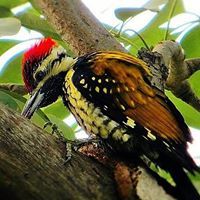
A tad disappointing: the book had all the ingredients for a multi-generational epic – eccentric characters, some strong-willed and some wimpy; a time of historical changes, insurrection, gallows; the seething cauldron of caste and religion and the seminal reforms in hidebound cultural practices; sylvan hills; pristine lakes; mysticism; unbridled passion, illicit affairs; palace intrigues; domestic squabbles, individual heroism, clan rivalries etc. But the book just meanders along and concludes in a most unsatisfactory manner. The stylized Himalayan Magpie pair with their iridescent plumage on the cover turns out to be a red-herring. However, I was glad to see mention of my alma mater’s boathouse in phansi ghadera; we spent many afternoons pumping the oars and working off our pent-up teenager energy.
A wonderful book about the regions of Nainital and Almora in the period 1840 to 1912. The story is fictional intergenerational with some great local characters plus the foreigners travellers and settlers. Since the period involves the 1857 mutiny it is also dealt with but not in great detail. Since Namita Gokhale is herself a Kumaoni Brahmin she writes authentic historical facts plus captures the beautiful hills and the flora in flowing descriptive narrative. Some facts and events as they occurred like the political events, introduction of electricity, rail network and aeroplane introduction are written as small nuggets. The book really develops in the second half with conflicts about religiosity, philosophy and relations of the locals with whites and Christianity. Female characters especially tilotama are strong and occupy the largest space. A wonderful read.
It was good reading this book that spans across generations set in the hills in the Raj just after the mutiny. I struggled to understand who the book is about or why I should remember any detail related to how ppl are introduced etc because the plot didn't need to me tie down any relationships between protagonists. It was an enjoyable read, good literature and an easy tone. I loved some female characters who dared to go beyond their limits set by the society back then.
I'd recommend one to read this book if one has time to spare and can ponder on the modern civilization around the hills, spread of Christianity in the 1800s etc.
The book plays flirts with the fantastic even as it aligns itself to global histories and moments. Gokhale's book is refreshing in how it localises and globalises the history of Kumaon at once in the span of 40 years that she covers in the story. Reading the book felt like walking slowly in the landscape of Kumaon and breathing in the scents, touching the trees, and recording the colours of the land, its skies, its waters, and its people.
Set in the middle of the nineteenth century in Kumaon, Namita Gokhale captures with a lilting melody in her prose the almost poetic and slow-paced life in the mountains, the social mores, the deep-rooted beliefs and the way of life that was disrupted when the British arrived in Naineetal. Through Tillie, Deoki and Rosemary, we catch a glimpse of what might have been everyday life back then.
A story based in Kumaon,during British era, of superstitions, the rigid caste divide, of strong women who try to rebel within the possible confines of their lives.I loved the way the story was written, a nice refreshing read!
I enjoyed her descriptions of India and learning about how tightly wound cast traditions were/are but i found parts of the story where my mind drifted off as it didn’t hold my full attention. The way she interweaves the lives of all the women was thoughtfully done, however I wanted more from them.
The book begins very well but loses its path halfway through. Random encounters that have nothing to do with the story take precedence over the storyline and I felt very sad because I was enjoying the original storyline so much more!
The book is mostly a 3 for me. One extra point for the way it describes the places it covers - the Kumaon area, the Himalayas and Varanasi (towards the end).