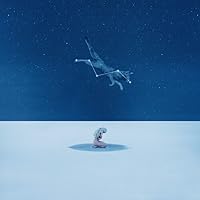
Tras haber cometido pequeños hurtos, una niña de nueve años es enviada por sus padres al campo con la intención de reconducirla al buen camino. Es una niña de ciudad, y el campo se le revela como un mundo hostil y cruel. Pero esa niña, preocupada por saber qué lugar ocupa en el universo, muy pronto irá estableciendo lazos muy fuertes, desgarrados y reflexivos a la vez, con los elementos que la rodean y empezará a presentir la violencia que rige la naturaleza y la vida de los seres humanos. Durante el corto verano islandés, que transcurre entre aguaceros y días apacibles, la niña conoce de cerca la crudeza de la lucha por la vida y se enfrenta a ella entre las brumas de los ensueños propios de su edad. Un día, en la soledad de un páramo, sorprende a un cisne que, para proteger a sus polluelos, está matando a un cordero. ¿Por qué tanta crueldad unida a tanta belleza?
الف. ابتدای کتاب ذکر شده است که نام اصلی رمان «قو» است و مترجم و ناشر به دلایلی ناگزیر از تغییر نام کتاب شدهاند. ذکر این نکته خوب است ولی من اصلا از نام جدید کتاب (ساندویچ دزد) خوشم نیامد. ب. میلان کوندرا مقدمهای برای کتاب نوشته است که در ابتدای کتاب آمده ولی توصیه میکنم آن را پس از خواندن رمان بخوانید. ج. یک فیلم هم از این کتاب اقتباس شده است که من موفق نشدم آن را پیدا کنم. اگر شما یافتید به من هم اطلاع دهید The swan (2017) 6.6 Meta:58 ******************************************************************************** عزیزم، ما به اندازهی به یاد آوردن خاطرات، از فراموش کردنشان هم لذت میبریم. ص10 کتاب برگشتن دیگر با آمدن فرق دارد. حتی اگر جاده یک جاده باشد؛ همان جاده که از خانه آمده و به خانه برمیگردد. ص 12 کتاب پدرش گفته بود:«کسی نمیتواند صاحب دریا شود، درست مثل عشق آدمها به هم میماند، هیچ کس نمیتواند صاحب تو شود، حتی اگر با تو ازدواج کند و تو را مال خودش بداند یا تو او را مال خودت بدانی.» صفحات 13 و 14 کتاب دختر کوچولو آرزو کرد کاش جاده هیچ وقت تمام نمیشد و او مجبور نبود آن را ترک کند و به طرف مزرعه برود، ای کاش جاده به هیچ جا ختم نمیشد و سفرش فقط یک طرح ساده روی کاغذ بود: او، کشاورز، سگها، خورشید، گوسفندها، خانههای روستایی و دشتهای حومهی شهر. اگر این طور بود، او همه را با هم از روی کاغذ پاک میکرد. ص 20 کتاب تا آن وقت ترجیح داده بود به جای همراهی با انسانها با آن حیوانات دمخور شود. کنجکاوی و بو کشیدنهای مدام آنها با پوزهی مرطوبشان خیلی بیشتر از دست انداختن و فضولی کردن آدمها، انسانی بود. ص 43 کتاب هیچ چیز به اندازهی اندیشیدن به مرگ در یک روز خوب، فوقالعاده به نظر نمیرسید... مرگ به شکل حیرت آوری به زندگی نزدیک است، خیلی نزدیک به او تعقیبش میکند، هر لحظه با آن زاده میشود. بعضی وقتها تمام زندگیت را مرگ هدایت میکند. تو میتوانی از زندگی قدم بیرون بگذاری و به مرگ وارد شوی، اما هیچ راهی برای برگشت به زندگی نیست، مگر یک بار، وقتی از شکم مادرت به دنیا میآیی. صفحات 56 و 57 کتاب به طبیعت اطرافمان نگاه کن. اوه، این خلقت آزاد همیشه راه خودش را میرود و هیچ وقت برای کاری که میکند از ما، هومو ساپینسهای ذلیل، اما از خود راضی، اجازه نمیگیرد. ص 64 کتاب بله اگر ما همیشه خوشحال بودیم دیگر چیزی به اسم زمان وجود خارجی نداشت، هیچ ساعتی، هیچ خاطرهای و هیچ دفتر خاطراتی هم در کار نبود. ص 85 کتاب ببین روح که یک دفعه از بدن بیرون نمیرود. روح از همان لحظهای که به دنیا میآیی با کوبیدن خودش به دیوار بدن و ضربه زدن به آن دارد دنبال یک راهی برای فرار میگردد. تو در تمام مدتی که زندهای قرار است بمیری. بدترین چیز دربارهی مردن، خود مردن نیست. بدترین چیز این است که هشیاری یکدفعه ناپدید میشود، اگاهی نسبت به خودمان و بقیه از بین میرود. این سختترین پایان برای ماست. ما نمیخواهیم دانستن را از دست بدهیم. ص 99 کتاب
همین اول بگم که واقعا دوست دارم بدونم چرا مترجم و ناشر اسم کتاب رو از "قو" به ساندویچ دزد تغییر داده! حالا چرا این اسم حتی اگه مجبور به تغییر عنوان کتاب بودن؟! به این دلیل به سراغ این کتاب رفتم که میلان کوندرا در کتاب "Encounter Essays" از این کتاب به عنوان کتاب مورد علاقهی خودش نام برده. "قو" برای من کتاب خوبی بود؛ عجیب، سرد، گاهی زیبا و گاهی بهشدت ناراحتکننده! دیدن جهان از چشم یک دختر بچهی ۹ ساله که هنوز یک دختر بزرگ و همچنین خیلی هم کودک نیست، برام جالب بود. همچنین رویارویی این دختر که از شهر به روستایی در ایسلند میره، با طبیعت و انسانهای غریبه و حیوانات و مواجههاش با موضوعاتی مثل تنهایی، روابط جنسی، عشق، کار، خشونت و مرگ برام جذاب بود! و صد البته یک تم سورئال ریزی هم در دل داستان جریان داره که داستان رو حتی جذابتر میکنه چیزی که بیشتر از همه در داستان منو به خودش جذب کرد، شرح عالی طبیعت ایسلند توسط نویسنده هست.
🪷از متن:
🌱ما به اندازهی به یاد آوردن خاطرات، از فراموش کردنشان هم لذت میبریم.
🌱تنها بودن در میان غریبهها بودن است.
🌱زندگی تا چه حد ناپایدار، اما شگفت آورست!
🌱تو باید هر کاری را خودت انجام بدهی. هیچ رفیقی برای تو بزرگتر و واقعیتر از خودت نیست.
🌱ابدیت و حسرت همیشه باهم همراهاند. افسوس است که حس زمانمندی را در انسان بیدار میکند،نه شادی.
🌱آدم باید به خاطر احساساتش زندگی کند،بخاطر تنش هم کار.
🌱تو در تمام مدتی که زندهای قرار است بمیری. بدترین چیز درباره مردن خود مردن نیست، بدترین چیز این است که هوشیاری یکدفعه ناپدید میشود. آگاهی نسبت به خودمان و بقیه از بین میرود. این سختترین پایان برای ماست. ما نمیخواهیم دانستن را از دست بدهیم.
💠در پایان باید اشاره کنم مترجم به نظر میرسه تونسته سانسور رو دور بزنه و منظور نویسنده رو در صحنههای خاص به خوبی منتقل کنه! جاهایی تعجب میکردم!
A strange and also disturbing novella about a young girl sent to a farm to work over the summer. (Apparently in Iceland it was common for delinquent children to be sent to rural areas as a kind of punishment and good for all children to learn about Iceland's traditions in this way). My first thought was of course sexual abuse and there are some incidents (she shares a bedroom with an adult male farmhand!). The girl in many ways is treated just like an adult, but with a very active imagination. When she reads a book and the farmer’s wife asks what it’s about, the girl tells a convincing story but totally different from the book she’s just read. There’s much about nature and how traditions in the rural areas are changing with modernity and also with changing women’s roles. None of the characters are given names. The main character is always ‘the girl’, and there’s ‘the farmer’ and ‘the farmers wife’, ‘the farmhand’, ‘the daughter’ and so on. It’s an odd book but I found it had to put down or look away. The end is the girl finding freedom or nature taking its course or perhaps something more mythical.
Paceļ roku tas supervaronis, kam ne reizi nav nācies piedomāt, lai nesajauktu divus DD - Denu Dimiņu un Daci Deniņu, jo īpaši, kad vienlaikus jāpiemin abi. 🫣
Īstenībā ir tā, ka vakar bibliotēkā gribēju paņemt Aminori izdoto grieķu rakstnieka Kosta Tachis "Trešo laulību", un pie jaunumiem stāvēja arī islandiešu Gudberga Bergsona "Gulbis". Savukārt, Mālu krogs Sidgundā ir uzbūvējis terasi, attiecīgi bija vairāk viesu un ilgāk jāgaida pasūtījums. Tā nu es rāmā mierā, ārpuspilsētas noskaņā izlasīju gandrīz pusi romāna par 9gadīgu meiteni, kas par kādu pārkāpumu tiek nosūtīta „labošanas darbos” uz Islandes laukiem.
Jā, protams, tas ir pieaugšanas stāsts bez izskaistinājumiem, bet es šoreiz par ko citu. Par dabu un psaules uztveri. Lasīju un mani pārņēma tās pašas sajūtas un iespaidi, kas saistījās ar Valodu māja izdoto norvēģu autora Gabriela Skota darbu "avots" par zvejnieku Markusu. Varētu teikt, ka meiteni un Markusu nesaista pilnīgi nekas, viņu attieksme pret dabu ir pretēja - Markuss priecājas par visu, kas ir apkārt, meiteni lauki biedē un aromāti izsauc nelabumu. Bet abus vieno tēlainība, var teikt, nevainīgs skats un interpretācija redzamajām. Jā, abi ilgojas pēc jūras. Meiteni un Markusu (ko daudzi tur par ciema dīvaini) vieno pasaules uztvere. Un abas grāmatas vieno autoru valoda un tēlojums.
Islande ir gandrīz divreiz lielāka par Latviju, un tik daudzveidīga savā ģeogrāfijā. Bērns, kas ir dzīvojis pilsētā (?) pie jūras, nav bijis salas dienvidos, laukos, kas ir pavisam cita pasaule, ar putniem, govīm, zirgiem. Ļaudīm. Šoreiz izvairīšos no pārinodarījumu apspriešanas (škebīgi), bet palikšu pie naivās, neviltotās pasaules uztveres un dabas.
📝"Kad viņi no pauguriem nonāca pretim līdzenumam, meitenei likās, ka viņa nosmaks no šiem plašumiem. Viņai piezagās baisma. Daba bija tik šaušalīgi liela, bet viņa pati sīksīciņa."
Siamo in Islanda. Una bambina di nove anni, messa in in punizione dai genitori per aver fatto piccoli furti nella sua città, è costretta a soggiornare e lavorare in campagna per un periodo imprecisato di tempo in una fattoria molto poco accogliente nell'entroterra islandese. Potrà ritornare alla sua casa e alla sua famiglia solo quando la gente del luogo avrà dimenticato i suoi piccoli "misfatti" (ai nostri occhi assolutamente lievi)
La bambina, affidata a persone fredde e sconosciute e in un luogo remoto, si scontra con una natura ostile e dura. Nella casa l'unica persona che vede spesso è un bracciante stagionale, il quale le presta l'attenzione sbagliata: sfruttando l'innocenza della bambina, ne approfitta con approcci sessuali diretti.
Il soggiorno campagnolo si trasforma così in una sorta di iniziazione alla vita adulta, che la ragazzina affronta standosene in silenzio e rifugiandosi nella fantasia, tramite la quale ricostruisce in un modo a lei gradito la realtà che non le piace, riuscendo perfino a stravolgere con la mente le storie dei libri che sta leggendo.
Quello che l'autore ci mostra è quindi il mondo islandese con gli occhi di una bambina sognante, con le sue metafore, le sue poetiche trasfigurazioni:
"la notte sposa il monte ad ogni tramonto, quando scivolavano insieme nel loro letto di nubi"
Con l'estate la bambina crescerà rapidamente e sperimenterà anche la fine dell'infanzia; nel momento in cui, verso la fine del libro, vede un cigno che uccide un agnello per difendere il suo piccolo, comprenderà che non si può cambiare la realtà, che il dolore non è evitabile, che le cose succedono anche se non ci piacciono, che la morte esiste ed è reale.
"La cosa peggiore della morte non è la morte, è piuttosto il fatto che nello stesso istante svanisca anche la coscienza, di noi stessi e degli altri. E' questo che troviamo più difficile da accettare. Rifiutiamo la fine del sapere"
Il libro è molto evocativo, evanescente, ricco di descrizioni, paesaggi e sensazioni e molto profondo, in certi passaggi; nessuno dei personaggi ha un nome, quasi a voler a tutti i costi spersonalizzare l'esperienza delle persone coinvolte. La trama, nel romanzo, è messa in secondo piano rispetto alle descrizioni degli ambienti, della Natura, degli animali, dei paesaggi suggestivi e delle sensazioni della bambina. Purtroppo questo, unito ad una scrittura molto essenziale, lenta e a volte un po' fredda, tende a rendere la scrittura un po' poco coinvolgente. Sarebbe a mio parere bastato un poco più di "mestiere" per rendere questo libro molto molto bello.
Devetogodišnja neimenovana devojčica je uhvaćena u krađi. Ukrala je neke sendviče, a zatim ih glupo pojela u radnji. Njena kazna je da bude poslata da radi na udaljenoj farmi (pročitala sam da je to uobičajena kazna na Islandu). Roman počinje njenim putovanjem na farmu. Devojčica ne deluje previše uznemireno zbog odlaska, samo što smatra će joj mnogo nedostajati more. “Niko ne može posjedovati more više od ljudske ljubavi, kao što niko ne može posjedovati tebe čak i ako te oženi i uzme te za svoju, a ti njega za svoju”, kaže njen otac, a ova izjava daje ton knjizi. Svi ostali likovi su isto neimenovani. Farmer je direktan i oštar, ali ljubazan. Njegova žena je pomalo slična njemu, ali brižnija. Tu su još i njihova ćerka i pomoćnik farmera, kao i neki drugi seljaci. Ovo je čudna knjiga u kojoj se mešaju poetski opisi prirode sa nekim uznemirujućim scenama, kao što su flertovanje sa smrću i devojčice i ćerke, opis klanja teleta, koji radosno posmatraju sva deca specijalno pozvana da prisustvuju samom činu klanja, kao i seksualno zlostavljanje koje je ovde prikazano suptilno, ali i nepojmljivo naivnom devetgodišnjem detetu. Ne znam da li mi se knjiga dopala. S jedne strane je veoma lep stil i opisii prirode, a s druge neki meni neshvatljivi odnosi i mentalitet. “U zaboravu uživamo isto koliko i u sećanjima.” “Umireš čim se rodiš. Smrt nije najgora stvar u tvojoj smrti, već to što istovremeno nestaje i tvoja svest, svesnost o tebi i drugima. To je najteža stvar sa kojom moramo da se nosimo. Ne želimo da prestanemo da znamo.” “Da li uvek poželite još jedan slatkiš nakon što pojedeš neki lepi i ukusni?... Tako je i sa devojčicama i dečacima. I zato je mnogo bolje da nemate devojku ili dečka. Tako ti usta neće istrunuti.”
Ļoti gaidīju šo D.D. tulkojumu kopš izdzirdu, ka tas top. Stāsts par meiteni, kas tiek nosūtīta uz laukiem “laboties”. Caur laukos piedzīvoto viņa saldskābi pieaug. Fonā tehnoloģiju tēma un kā tā ienāk sadzīvē un sāk nomainīt visu veco. Sākumā nenolasījās, ka darbība notiek mūsdienās, droši vien grāmatas tapšanas laikā - deviņdesmitajos.
Patika, iedvesmoja, skaista valoda.
Atskārtu, ka šogad esmu lasījusi tapšanas laikā 28 gadus vecās Sāras Baumes “plūst virst krist vīst”, kas rakstīja savu pirmo romānu no 57 gadus veca vīrieša skatpunkta un tagad tobrīd 59 gadus vecā Gudberga Bergsona stāstu no 9 gadus vecas meitenes skatpunkta. Agrāk apzināti izvairījos no šādiem “meliem”, resp., tak neizliecies, ka zini, ko jūt deviņgadīga meitene tu, vecais āpsi (un otrādi). Ar prieku atzīstu, ka lasot šīs sajūtas nebija.
A beautiful but disturbing book seen through the eyes of an imaginitive and very unusual child. The closely observed and poetically described responses to nature transform this novel into a work of art. While there are some passages that are difficult to read for their cruelty or even repulsiveness, the window we have into the girl's soul is transformative.
I really have no idea where my self of nearly thirteen years ago must have wandered to not only have come across a work like this when they did, but commit to reading it. Coupled with the fact that I managed to land myself a copy that was actually printed in Iceland back in 2010 a mere six years after said reprint, and you have a reading experience that, had it gone well, would almost seem to be a great work of good fortune. That, though, was then, while this is now, and while I have some ideas about what strains of effort (translation) and what groundings in personality (female perspective) my decade plus younger self might have been searching for, by the time I got to this work, I had both read enough and experienced enough to not confuse the openings of opportunity with the voids of fox holes. For this brief, naturalistic work is certainly told from the perspective from a nine-year-old girl, but what horrors and what pleasures she derives from her pastoral environment are as riddled with sex and death as are the preoccupations of those more accustomed to warning against being raped and being murdered than to warning against raping and murdering. In view of both the vague sequence of events and the the title, the ending may or may not have hearkened back to a certain Ancient Greek story of rapine with a rather substantial history of art to its name, but all in all, this was too drearily familiar in its obsessions with the odious when conflated with prepubescent femaleness for my taste, and the fact that it was so short is its strongest saving grace.
This is a work with heavy literary pretensions and predictable methods of conveying such to the reader. Everything, from the character personalities to the shifting landscape, is covered with a thick gloss of not-what-it-appears-to-be, everything young, beautiful, and inspiring choked to the gills with anxiety, mundanity, and stagnation. You have a nine-year-old girl, but actually she's a thief, actually she can't deal with the fertility on the farm she's been sent to as part of her sentence, actually she has constant thoughts of drowning herself or other committing to other paths of slow but final dissolution. You have a farmhand who's always thinking and always writing, but he struggles with alcohol, he's on the morose side of romantic, he sticks his tongue in the little girl's mouth and fills her prepubescent head with things that may or may not technically be considered grooming, etc, etc. Alongside those two are nearly drowned horses, sexually dissatisfied daughters, stoic fathers, and a world where the past is the only place of glory, the present is mediocrity sinking under into amber, and the future is all foreign culture and strange technology where the only solution is to forsake your roots or be left behind. It's likely that there was stuff going down in Iceland leading up to this work's publication in 1991, but all in all, it's more of what I've seen elsewhere, and I'm rather tired of the sexual assault of girl children being used as a metaphor for profundity.
I've accrued my three lowest rated books of the year so far in the last week, so if this review seems a little dull, writing it sure feels that way. In any case, the thing about at last fully committing to one's own personal collection rather than jumpstarting off of group challenges as initiative means there are less motivating comments from others, but it means I could get to this work without shoving it into one ill conceived corner or another. I haven't read near enough Icelandic literature that is neither Saga (the author takes a crack at those at least once) nor mystery/thriller to get any sort of accurate conception of the literature, but I'd hope there's something out there that's both won awards and isn't such a white male discontent (WMD) in its attitude. Canon and talent and translation and all that, but I range far and widely enough to not settle for less, especially with the works that were published within my lifetime. In any case, perhaps someone will come along and try to convince me that I'm wrong about this work, but if my critical skills aren't honed enough to know what's what when it comes to books by now, I might as well just give up and never read another printed page again.
Tas plašums in mežonīgums aprij tādu bērnišķīgu nevainību, pasaules iepazīšana ir sāpīga (kā augoši kauli) un man besī, ka joprojām ir viņi, kas dara pāri viņām (arī daiļliteratūrā).
mjög vel skrifuð bók og ég kunni vel að meta nákvæman og næman stílinn. mér finnst magnað hversu vel höfundur lýsir því að vera barn - sögumaðurinn fangar vel pælingar og sjónarhorn sem ég kannast mjög vel við úr æsku en hef samt mjög lítið staldrað við síðan þær voru í hausnum á mér á sínum tíma. rosa huglæg og draumkennd bók en á sama tíma raunsæ og sönn lýsing á því að vera barn í sveitinni. bók sem ég þarf að muna að lesa aftur þegar ég verð eldri.
Tas bija kaut kas dīvains. Šķiet, ka vēl nebija lasīta grāmata, kurā nav neviena personvārda. Nesaslēdzās tas, ka tas ir stāsts par deviņgadnieci, bet var jau būt, ka islandieši ļoti agri nobriest domās, vērojumos un spriedumos, miksējot tos ar naivu bērnišķību (vai arī tas jāuztver kā kārtējais “pieaugšanas stāsts”?). Islandes dabu gan sajutu.
Tja, þessi byrjaði mjög sterkt en það var svo margt sem fjaraði út. Byrjunin var ljóðræn, lýsingarnar hnittnar, framvindan rúllaði fersklega og sagan sjálf virkaði skemmtileg. Svo eftir þriðjung eða fjórðung fannst mér allir þessir þættir súrna og verða að litlu. Guðbergur minnir mig á Mesut Özil; býr yfir gæðum en er full glysgjarn, hættir að nenna þessu og er með almenna stæla. Býr að vinsældum einhverstaðar langt út í heimi.
Icelandic author Guðbergur Bergsson offers something far from usual story of a young girl spending a summer in the country. A stark existentialism weaves through his tale of a nine-year-old girl sent to a country farm, in a typical Icelandic stroke of justice, where she is to serve time for shoplifting. None of the characters is named. Our protagonist is "the girl." She lives on a farm with "the farmer", "the farmhand", "the daughter", and so on. When a group of children from neighboring farms gathers to watch a young calf be slaughtered for veal to help "the daughter" recover from an abortion, "the girl" tells the calf, "Now you are supposed to die and will not exist in ten minutes time, just imagine it." Not your usual story of a child spending the summer in the country.
Yet this odd tale is not easily dismissed. Bergsson is an Icelandic literary phenom having won the Icelandic Literary Prize for the Swan and another work as well as the Swedish Academy's Nordic prize. He is the author twenty books including poetry and children's literature. He is also a noted edged translator of Spanish works into Icelandic including Don Quixote.
Bergsson places us in the confusing prepubescent world of a city girl thrust into a bucolic setting that is no rural idyll. The neighbors watch one another through telescopes while promising to see one another more often. Folks pair up for a romp in the grass with abandon during a rare community gathering. All of this is seen and not understood by the young girl who is trying to make sense of her world.
I find it hard not to ponder, even as I found it difficult to work through the slim volume. An oddly enchanting novel.
There is no storyline whatsoever. I wanted to do a book report on this one for school, but I'm finding it hard to describe the story as there is none. Nothing happened. The characters don't have depth. There are some moments in the book which cross the line between special and perverted. The writing (or at least the Dutch translation) is not smooth, lose your attention for a second and you can do the page all over. There have been many times in which I had to read the sentence again because I didn't feel like the grammar was correct. It was, but man, the grammar felt like two high schoolers having their first dance, when I prefer a professional tango. I can't point my finger to it, but it was just plain difficult. And I don't mean difficult words or advanced grammar, but very long sentences (coming from someone who always loses marks because my sentences are too long). It could have read so much smoother. So I didn't like it, but I didn't hate it either. It just didn't make me feel anything (apart from being grossed out at some points). One star is reserved for those that I hate though, hence why I still gave two stars.
Canto como el cisne ante la belleza. Ante el paisaje, abierto y entregado a nuestra carne. Canto como la niña muda, la niña extranjera que descubre la muerte en la mirada de un ternero. Cuánta bellísima inocencia. Y cómo escuece la herida, la de la distancia impuesta, la del animal que devora al débil, la de la yegua que busca incansable sus orígenes. 'El cisne' es un poema o una imagen, una transfiguración, algo tan bello, de una pureza tan clara y sin embargo cruel, que aún ahora me acompaña el temblor de entregarme a él. Leedlo, si podéis. Dejad que os seduzca su canto.
Geçen yıl CNR kitap fuarından almıştım bu kitabı. Puanı düşük diye okumayı erteleyip durmuştum. İskandinav Edebiyat ödüllü bir kitap. İzlanda Edebiyat ödülünü de almış. Ama bana hitap eden bir kitap değilmiş. Beğenmedim :/ Kitabın kahramanı hırsızlık yaptığı için, çalışsın diye köye gönderilen 9 yaşında bir kız çocuğu. Kurgunun bir amacı yok. Belki finalle toparlar diye devam ettim ama ı ıı, olmadı.
A lot odder than I was expecting. A very interesting book that I think I need to reflect on more before I can review it properly. I see that the Goodreads description describes the ending as 'almost surreal'. The 'almost' is misleading there.
Úff. Alltof ljóðrænn og tyrfinn texti fyrir minn smekk. Erfitt að horfa upp á þessa litlu stelpu vera beitt kynferðislegu ofbeldi uppi í sveit, og allt eitthvað svo ógeðslegt. Einhverjir sveittir og ógeðslegir menn að áreita hana.
Ég skil ekki hver hefur gaman af svona bók.
This entire review has been hidden because of spoilers.
Busqué este libro tras leer "Un encuentro" de Milan Kundera. Fue grande mi sorpresa al descubrir que sus páginas escondían el viaje de conocimiento de una pequeña niña islandesa de 9 años, contrario al comentario de Kundera, me he encontrado con el desencanto de la pérdida de la inocencia.
Reconozco que la estrategia de no asignar un nombre definido a la protagonista favorece el fenómeno de empatía por parte del lector, a mis ojos Bergsson nos muestra la inocencia de los niños de la ciudad ante la realidad que se vive en el campo y las provincias. Siendo un habitante de la ciudad, no puedo más que identificarme con la reticencia de la protagonista ante la visión prágmatica y a veces simplicista de los demás personajes. Asimismo entiendo que el jornalero sea el personaje en el que la protagonista encuentra mayor identificación.
Veo en el jornalero la muerte del romanticismo bucólico que vivimos los citadinos ante la realidad del trabajo arduo, y del esfuerzo diario que implica vivir en el campo. No tiene cabida sus ilusiones, su único escape, el alcohol, un jóven introvertido. Fortuna audaces juvat, sentencia Virgilio, el pobre jornalero quizá nunca comparta el contenido de sus diarios con otra mujer más que con la niña, porque ese romanticismo bucolico ha muerto, murió en el ocaso del siglo XX, ya no hay lugar para románticos como nosotros, nacimos tarde.
El libro es muy ligero de leer, la historia tarda un poco en atrapar, pero una vez que uno se adapta al estilo del autor, es muy díficil no concluir el libro. Recomendado para aquellos que les gustan las historias de crecimiento y maduración; me gustaría haberlo leído a los 13 cuando leí Demian de Hesse, sin embargo aún varios lustros después es ampliamente disfrutable.
This entire review has been hidden because of spoilers.
Behållningen är känslan som stiger fram, av det isländska landskapet. Boken har en klart kritisk syn på det moderna samhället, maskinerna som tar över, datoriserandet, allt som får oss att avskilja oss från naturen. När Dottern är ute och rider med hörlurar i öronen och lyssnar på sin 'fickbandspelare', ansåg Daglönaren ironiskt att "det var tråkigt att det ännu inte fanns små japanska TV-apparater som det var möjligt att montera på sadelknappen för folk på hästryggen" (s.119). Det är ett kritiskt skämt. Så här 30 år senare går nästan alla omkring med sin privata TV-telefon i fickan, och är oftast helt uppslukade av den.
Huvudkaraktär är den nioåriga 'Flickan', som hamnar i en mycket oroande miljö. Men det är ingen barnbok. Inget känns rätt för en nioåring. Naturen är inte romantisk. Miljön kan verka realistisk, men inget övrigt. Inga karaktärer har namn, bara sociala rollnamn: Bonden, Dottern, Flickan, Daglönaren, osv. Symbolism? Inte särskilt lyckad. Författaren (född 1932) hörde till Islands modernistiska förnyare, och 'Svanen' prisbelönades på Island 1991.
Författaren studerade litteratur vid Barcelonas universitet och översatte sedan spansk litteratur till isländska. Boken känns inspirerad av magisk realism. Men jag tycker inte att 'Svanen' har hållit för tidens tand.
Acho que o Kundera foi muito feliz quando comentou que o autor captou "os mistérios existenciais de uma menina a caminho da puberdade", porque o livro é basicamente sobre isso mesmo. É a respeito de uma menina de 9 anos que é enviada para trabalhar em uma fazenda do interior durante o verão e lá começa a aprender mais sobre a vida. Isso inclui coisas bonitas, mas também coisas terríveis, como o que faz com ele o jovem conhecido como "ganha-dinheiro" (na verdade, um indivíduo triste e muito solitário). A natureza e o mundo animal (cavalos, principalmente) desempenham um importante papel na história, não apenas como paisagem, mas como aquilo que desencadeia as ações e influencia os sentimentos dos personagens. Creio que isso é uma característica comum a muitas histórias nórdicas, reforçando certo estado de lirismo e de poesia na trama, o que, porém, não me fisgou nesse livro.
"Kuolema on niin eriskummallisen lähellä elämää. Se seuraa elämän mukana, se syntyy elämän kanssa. Toisinaan se ohjaa ihmisen elämää. Ja on mahdollista astua elämästä kuolemaan, mutta siitä ei voi palata takaisin elämään paitsi yhden kerran: ainoastaan silloin kun syntyy. Tajutessaan tämän hän tunsi itkun lämpöä silmissään ilman, että itki. Maailmankaikkeus leijui hänen luokseen."
Runollinen, sanallinen, rikas kuvaus elämästä Islannin maaseudulla, mitä katsellaan yhdeksänvuotiaan tytön silmin. Ajatukset ovat välillä ikäiselleen sopivan ihmetteleviä, mutta monta kertaa liian filosofisia pohdintoja ollakseen uskottavia lapsen mietteiksi. Jokin tässä kuitenkin kiehtoi ja jäi alitajuntaan, sillä iltalukeminen tuli yöllä uniin: näin unta sanoista.
'De zwaan' van Gudberger Bergsson volgt een meisje van 9, afkomstig van de westkust van IJsland, dat door haar familie voor de zomer naar het binnenland wordt gestuurd. In deze voor haar nieuwe wereld blijft ze overeind door haar fantasieën over dieren en monsters in de meedogenloze natuur. Een prachtige beschrijving van het leven op het platteland: zwijgzame mensen, die ogenschijnlijk bezig zijn met hun eigen (praktische) zaken, maar tegelijk elkaar in de gaten houden, over elkaar roddelen en hun eigen dromen verborgen houden. En dat weerspiegeld in de dieren: paarden, koeien, schapen en de zwaan uit de titel. Erg mooi.
I dont rly get the point. It'd a fast, easy read. The language felt good, even tho I read a translation (shame). It is interesting to see an adult rural live from a city girl perspective, who is an outsider to both. Nature is described in beautiful way. There's a lot of imagination. Still, what's the point? I read a lot of non fiction. There, the point is obvious. With fiction, I always struggle w the point of it all.
Savdabīga pieredze. Nomācošs un skarbs pieaugšanas stāsts. Emocionāli skarošs stāsts. Vide it kā atdzīvojas un paveras Islandes skaudrā daba, kurā cilvēka sīkstums un spēks ieņem savu vietu. Vietām absurdi, bet reizē dziļi līdz saknēm. Man par daudz seksuālo instinktu un dziņu, bet aiz tā meitenes pieaugšanas stāsts, saskaroties ar dzīves nenoteiktību, skarbumu un sāpīgumu. Pelēcīgi drūmi un asos vējos nesaudzēti.
Kādas mazas - deviņgadīgas - meitenes pieaugšanas stāsts lielā vientulībā, jo no ģimenes viņa aizsūtīta uz laukiem "laboties" pēc tam, kad kaut ko sastrādājusi, bet par ko mēs tā arī neuzzinām. Tāda tipiska ziemeļnieku grāmata - skarba, bez jūtināšanās, ļoti savdabīga, taču es līdz beigām izlasot, kaut kā saguru. Vairāk tāda meditatīva lasīšana, kur ārējie notikumi ir tikai kā fons iekšējiem procesiem.
Beetje een vreemd boek. Gekregen van een vriendin, omdat het zich op IJsland afspeelt en daar hebben we allebei wat mee. Maar het boek zelf was niet helemaal aan mij besteed. Deed een beetje denken aan "Het smelt" van Lize Spit, maar dan zonder een duidelijke lijn van waar het verhaal op afstevent.