What do you think?
Rate this book

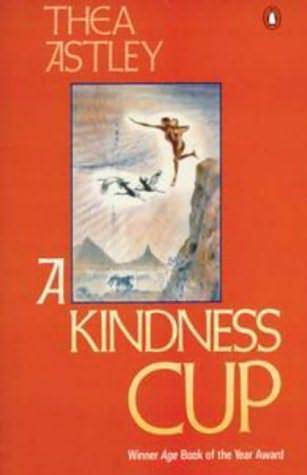
144 pages, Paperback
First published January 1, 1974
This book is brutal. And wonderfully written.
What really struck home for me was its analysis of white guilt. A Kindness Cup is the story of a North Queensland town sometime in the late nineteenth century. Tom Dorahy is heading home for a town reunion, having left the town years ago. He is not a peaceable man, however, and is determined to lift the lid on the town’s terrible birthstain. Twenty years before, the townsfolk massacred a local aboriginal band, on the flimsiest of pretexts, and the perpetrators were protected by a morally idiotic judiciary. Tom Dorahy is determined that now, in his invulnerable old age, he will not let evil things rest.
I think it would be impossible for any reasonable person not to admire Dorahy, a brave and conscientious man who withstands the universal opposition of a community that would reject him. Though it must be said that insecurity does terrible things to the personality. There are probably many who would agree with the villains of this novel that Dorahy should let sleeping dogs lie.
But A Kindness Cup is about more than the History Wars. It is also about the complexity and irony of human motivation. We cannot doubt that Dorahy is concerned for the aboriginal people who were killed, but his main motive seems to be revenge. Revenge on the soulless croppers who dominated the town of his youth, revenge on the philistines who dismissed his culture and morality. His friends—Boyd, Gracie, Lucy, the Jenners and most of all Lunt—resist his crusade despite their agreement with his ethical viewpoint. Dorahy is ultimately vindicated, though the price others pay for his moral purity is high, and it is not clear how indigenous people benefit from his particular course of action.
Thea Ashley was not a proponent of silence, as this novel makes clear. But she was a clearsighted observer and highly sensitive to the moral complexities of life. There are so many fine Australian novels about the blood and pain of our recent history. This is one of the bloodiest, most painful, and best.
Nort, Mr Dorahy inscribed meticulously on Buckmaster's ill-spelled prose. Nort, he gently offered, as Trooper Lieutenant Fred Buckmaster gave his evidence before the select committee. (p.6)