

What do you think?

Les trois dames de la Kasbah
Sous le soleil aveuglant d'Alger la blanche, Kadidja et ses deux filles vivent dans la Kasbah où elles vendent leurs charmes. Les jeunes matelots français en escale découvrent avec elles les plaisirs de l'Orient, mais aussi ses dangers...
- GenresFiction
144 pages, Pocket Book
First published January 1, 1884
About the author
Pierre Loti
472 books89 followersLouis Marie-Julien Viaud was a writer, who used the pseudonym Pierre Loti.
Viaud was born in Rochefort, Charente-Maritime, France, to an old Protestant family. His education began in Rochefort, but at the age of seventeen, being destined for the navy, he entered the naval school in Brest and studied on Le Borda. He gradually rose in his profession, attaining the rank of captain in 1906. In January 1910 he went on the reserve list.
His pseudonym has been said to be due to his extreme shyness and reserve in early life, which made his comrades call him after "le Loti", an Indian flower which loves to blush unseen. Other explanations have been put forth by scholars. It is also said that he got the name in Tahiti where he got a sun burn and was called Roti (because he was all red like a local flower), he couldn't pronounce the r well so he stuck with Loti. He was in the habit of claiming that he never read books (when he was received at the Académie française, he said, "Loti ne sait pas lire" ("Loti doesn't know how to read"), but testimony from friends and acquaintances proves otherwise, as does his library, much of which is preserved in his house in Rochefort. In 1876 fellow naval officers persuaded him to turn into a novel passages in his diary dealing with some curious experiences at Istanbul. The result was Aziyadé, a novel which, like so many of Loti's, is part romance, part autobiography, like the work of his admirer, Marcel Proust, after him. (There is a popular cafe in current-day Istanbul dedicated to the time Loti spent in Turkey.) He proceeded to the South Seas as part of his naval training, and several years after leaving Tahiti published the Polynesian idyll originally named Rarahu (1880), which was reprinted as Le Mariage de Loti, the first book to introduce him to the wider public. This was followed by Le Roman d'un spahi (1881), a record of the melancholy adventures of a soldier in Senegambia.
Loti on the day of his reception at the Académie française on 7 April, 1892. In 1882, Loti issued a collection of four shorter pieces, three stories and a travel piece, under the general title of Fleurs d'ennui (Flowers of Boredom).
In 1883 he entered the wider public spotlight. First, he publish the critically acclaimed Mon frere Yves (My Brother Yves), a novel describing the life of a French naval officer (Pierre Loti), and a Breton sailor (Yves Kermadec), described by Edmund Gosse as "one of his most characteristic productions".[1] Second, while taking part as a naval officer in the undeclared hostilities that preceded the outbreak of the Sino-French War (August 1884 to April 1885), Loti wrote an article in the newspaper Le Figaro about atrocities that occurred during the French bombardment of the Thuan An forts that guarded the approaches to Hue (August 1883), and was threatened with suspension from the service, thus gaining wider public notoriety.
In 1886 he published a novel of life among the Breton fisherfolk, called Pêcheur d'Islande (Iceland Fisherman), which Edmund Gosse characterized as "the most popular and finest of all his writings."[1] It shows Loti adapting some of the Impressionist techniques of contemporary painters, especially Monet, to prose, and is a classic of French literature. In 1887 he brought out a volume "of extraordinary merit, which has not received the attention it deserves",[1] Propos d'exil, a series of short studies of exotic places, in his characteristic semi-autobiographic style. The novel of Japanese manners, Madame Chrysanthème— a precursor to Madame Butterfly and Miss Saigon and a work that is a combination of narrative and travelog— was published the same year.
During 1890 he published Au Maroc, the record of a journey to Fez in company with a French embassy, and Le Roman d'un enfant (The Story of a Child), a somewhat fictionalized recollection of Loti's childhood that would greatly influence Marcel Proust. A collection
Viaud was born in Rochefort, Charente-Maritime, France, to an old Protestant family. His education began in Rochefort, but at the age of seventeen, being destined for the navy, he entered the naval school in Brest and studied on Le Borda. He gradually rose in his profession, attaining the rank of captain in 1906. In January 1910 he went on the reserve list.
His pseudonym has been said to be due to his extreme shyness and reserve in early life, which made his comrades call him after "le Loti", an Indian flower which loves to blush unseen. Other explanations have been put forth by scholars. It is also said that he got the name in Tahiti where he got a sun burn and was called Roti (because he was all red like a local flower), he couldn't pronounce the r well so he stuck with Loti. He was in the habit of claiming that he never read books (when he was received at the Académie française, he said, "Loti ne sait pas lire" ("Loti doesn't know how to read"), but testimony from friends and acquaintances proves otherwise, as does his library, much of which is preserved in his house in Rochefort. In 1876 fellow naval officers persuaded him to turn into a novel passages in his diary dealing with some curious experiences at Istanbul. The result was Aziyadé, a novel which, like so many of Loti's, is part romance, part autobiography, like the work of his admirer, Marcel Proust, after him. (There is a popular cafe in current-day Istanbul dedicated to the time Loti spent in Turkey.) He proceeded to the South Seas as part of his naval training, and several years after leaving Tahiti published the Polynesian idyll originally named Rarahu (1880), which was reprinted as Le Mariage de Loti, the first book to introduce him to the wider public. This was followed by Le Roman d'un spahi (1881), a record of the melancholy adventures of a soldier in Senegambia.
Loti on the day of his reception at the Académie française on 7 April, 1892. In 1882, Loti issued a collection of four shorter pieces, three stories and a travel piece, under the general title of Fleurs d'ennui (Flowers of Boredom).
In 1883 he entered the wider public spotlight. First, he publish the critically acclaimed Mon frere Yves (My Brother Yves), a novel describing the life of a French naval officer (Pierre Loti), and a Breton sailor (Yves Kermadec), described by Edmund Gosse as "one of his most characteristic productions".[1] Second, while taking part as a naval officer in the undeclared hostilities that preceded the outbreak of the Sino-French War (August 1884 to April 1885), Loti wrote an article in the newspaper Le Figaro about atrocities that occurred during the French bombardment of the Thuan An forts that guarded the approaches to Hue (August 1883), and was threatened with suspension from the service, thus gaining wider public notoriety.
In 1886 he published a novel of life among the Breton fisherfolk, called Pêcheur d'Islande (Iceland Fisherman), which Edmund Gosse characterized as "the most popular and finest of all his writings."[1] It shows Loti adapting some of the Impressionist techniques of contemporary painters, especially Monet, to prose, and is a classic of French literature. In 1887 he brought out a volume "of extraordinary merit, which has not received the attention it deserves",[1] Propos d'exil, a series of short studies of exotic places, in his characteristic semi-autobiographic style. The novel of Japanese manners, Madame Chrysanthème— a precursor to Madame Butterfly and Miss Saigon and a work that is a combination of narrative and travelog— was published the same year.
During 1890 he published Au Maroc, the record of a journey to Fez in company with a French embassy, and Le Roman d'un enfant (The Story of a Child), a somewhat fictionalized recollection of Loti's childhood that would greatly influence Marcel Proust. A collection
Ratings & Reviews
Friends & Following
Create a free account to discover what your friends think of this book!
Community Reviews
Displaying 1 - 7 of 7 reviews

December 10, 2016
Ενα αισθησιακό τραγούδι απ’ τ’ Αλγέρι
Τον Πιερ Λοτί, έναν συγγραφέα - ταξιδευτή και εραστή μιας Ανατολής που έχει χαθεί ανεπιστρεπτί, μας επανασυστήνουν οι εκδόσεις Θίνες
«Μια φορά κι έναν καιρό ήταν τρεις γυναίκες που κατοικούσαν στο Αλγέρι, μέσα στην κάσμπα. Οι τρεις αυτές γυναίκες ονομάζονταν Καντίτζα, Φατμά και Φιζά. Η Καντίτζα ήταν η μητέρα• η Φατμά και η Φιζά οι δύο κόρες της. Και οι τρεις ετούτες κυράδες ένιωθαν μεγάλη πλήξη, γιατί, ενόσω διαρκούσε το φως της μέρας, δεν είχαν τίποτα να κάνουν. Αφού ολοκλήρωναν το φτιασίδωμα του προσώπου τους με άσπρο και ροζ χρώμα και των ματιών τους με μαύρο χρώμα και χένα, κάθονταν κατάχαμα σε μια πολύ βαθιά μικρή αυλή, όπου βασίλευε μυστηριώδης σιωπή και υπόγεια δροσιά».
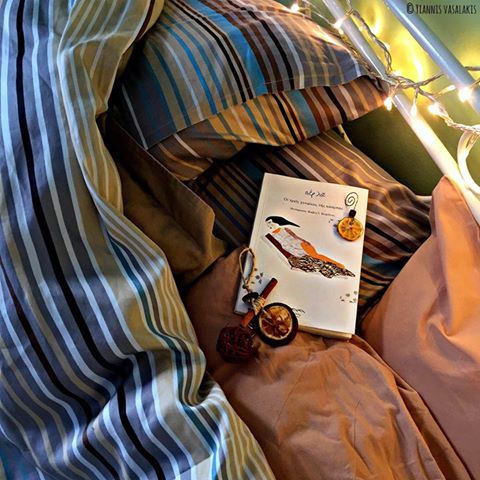
Ετσι άρχίζει ο Πιερ Λοτί (1850-1923) να υφαίνει την ιστορία των «Τριών γυναικών της κάσμπας», της πρώτης από τις δύο νουβέλες που δίνει και το όνομά της στον μικρό τόμο που εξέδωσαν οι νεοσύστατες εκδόσεις Θίνες. Σε ένα σκηνικό παραμυθένιο, με φόντο την εξωτική ακρόπολη του Αλγερίου στα τέλη του προηγούμενου αιώνα. Εκεί όπου ένα γαλλικό πλοίο έχει μόλις αγκυροβολήσει στο λιμάνι και έξι ναύτες του σε άδεια εξόδου χάνονται στα στενοσόκακα της κάσμπας. «Πιασμένοι από το μπράτσο» περιδιαβαίνουν σε έναν κόσμο ποτισμένο με πατσουλί, ιδρώτα και μπαχαρικά, ξοδεύουν όλο τους τον μισθό σε πιοτό και γυναίκες και καταλήγουν στο σπίτι τριών εκδιδόμενων γυναικών. Για να προσγειωθούν «ύστερα από τις ηδονές, τα πυρετικά φιλιά και τους καπνούς του λιβανιού» στη σκληρή πραγματικότητα. Μια παρόμοια απότομη αλλαγή συμβαίνει και στη «Σουλεϊμά», τη δεύτερη νουβέλα του βιβλίου, όπου ο συγγραφέας αφηγείται σε πρώτο πρόσωπο την ιστορία μιας γυναίκας που γνωρίζει στο Αλγέρι όταν εκείνη ήταν ακόμη ένα ξυπόλητο, ανέμελο κορίτσι. Επιστρέφοντας στη σκοτεινή ευρωπαϊκή πατρίδα του νοσταλγεί το φως της Ανατολής, όταν όμως έπειτα από δέκα χρόνια ξανασυναντά τη Σουλεϊμά, ανακαλύπτει πως εκείνη έχει υπό τραγικές συνθήκες μεγαλώσει και πλέον βρίσκεται αντιμέτωπη με τη μοίρα της.
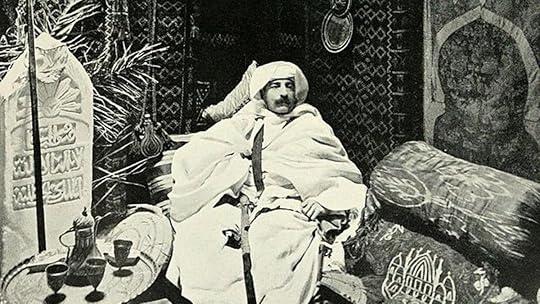
Βαθμοφόρος του πολεμικού ναυτικού επί 42 χρόνια, ο γάλλος οριενταλιστής λογοτέχνης Πιερ Λοτί ταξίδεψε από τα δεκαεννιά του χρόνια στα πιο απίθανα μέρη του κόσμου. Από τα τέσσερα σημεία του ορίζοντα, όπως μας κάνει γνωστό στη διαφωτιστική εισαγωγή του τόμου ο μεταφραστής Φοίβος Πιομπίνος, έφερνε στο σπίτι του ετερόκλητα αντικείμενα, σχέδια και γραπτά, ακόμη και τοπικές φορεσιές με τις οποίες ντυνόταν, προσπαθώντας να επανασυστήσει την ατμόσφαιρα των ηλιόλουστων αναμνήσεών του στο ομιχλώδες Ροσφόρ, τη γενέτειρά του. Τη συμπάθειά του μονοπώλησε σχεδόν εξ ολοκλήρου ο μουσουλμανικός κόσμος και ιδιαίτερα ο οθωμανικός: η μεροληπτική, μάλιστα, αυτή αγάπη του για την Τουρκία τον κατέστησε ενεργό μισέλληνα. Ανήσυχος, δραπέτευε όσο περισσότερο μπορούσε προς τις χώρες της Ανατολής που ενέπνευσαν σχεδόν όλα του τα έργα.
Ο Λοτί δεν αγαπούσε τον αιώνα που ζούσε. Από τα τέλη του 19ου αιώνα βλέπει παλιούς πολιτισμούς να χάνονται λόγω της αποικιοκρατίας. Ενώ ζωγραφίζει με χρώματα ονειρικά τα μέρη τα οποία περιηγήθηκε, στην προκειμένη περίπτωση τη γαλλική Αλγερία, εκφράζει συνάμα τη θλίψη του για την αλλοτρίωση του κόσμου της Ανατολής και την επιβολή του δυτικού τρόπου ζωής που καταστρέφει σταδιακά τη γραφική ωραιότητά του. Και στις «Τρεις γυναίκες» και στη «Σουλεϊμά» είναι διάχυτη η μελαγχολία του για την εξαφάνιση της εξιδανικευμένης Αλγερίας και τη σκληρή προσγείωση στην πραγματική νέα Αλγερία των τελών του 19ου αιώνα. Και αυτό έναν αιώνα και βάλε πριν από την ισοπεδωτική επέλαση της παγκοσμιοποίησης του 21ου.
Δημοσιεύτηκε στο «Βιβλιοδρόμιο» της εφημερίδας ΤΑ ΝΕΑ στις 10.12.2016
Τον Πιερ Λοτί, έναν συγγραφέα - ταξιδευτή και εραστή μιας Ανατολής που έχει χαθεί ανεπιστρεπτί, μας επανασυστήνουν οι εκδόσεις Θίνες
«Μια φορά κι έναν καιρό ήταν τρεις γυναίκες που κατοικούσαν στο Αλγέρι, μέσα στην κάσμπα. Οι τρεις αυτές γυναίκες ονομάζονταν Καντίτζα, Φατμά και Φιζά. Η Καντίτζα ήταν η μητέρα• η Φατμά και η Φιζά οι δύο κόρες της. Και οι τρεις ετούτες κυράδες ένιωθαν μεγάλη πλήξη, γιατί, ενόσω διαρκούσε το φως της μέρας, δεν είχαν τίποτα να κάνουν. Αφού ολοκλήρωναν το φτιασίδωμα του προσώπου τους με άσπρο και ροζ χρώμα και των ματιών τους με μαύρο χρώμα και χένα, κάθονταν κατάχαμα σε μια πολύ βαθιά μικρή αυλή, όπου βασίλευε μυστηριώδης σιωπή και υπόγεια δροσιά».
Ετσι άρχίζει ο Πιερ Λοτί (1850-1923) να υφαίνει την ιστορία των «Τριών γυναικών της κάσμπας», της πρώτης από τις δύο νουβέλες που δίνει και το όνομά της στον μικρό τόμο που εξέδωσαν οι νεοσύστατες εκδόσεις Θίνες. Σε ένα σκηνικό παραμυθένιο, με φόντο την εξωτική ακρόπολη του Αλγερίου στα τέλη του προηγούμενου αιώνα. Εκεί όπου ένα γαλλικό πλοίο έχει μόλις αγκυροβολήσει στο λιμάνι και έξι ναύτες του σε άδεια εξόδου χάνονται στα στενοσόκακα της κάσμπας. «Πιασμένοι από το μπράτσο» περιδιαβαίνουν σε έναν κόσμο ποτισμένο με πατσουλί, ιδρώτα και μπαχαρικά, ξοδεύουν όλο τους τον μισθό σε πιοτό και γυναίκες και καταλήγουν στο σπίτι τριών εκδιδόμενων γυναικών. Για να προσγειωθούν «ύστερα από τις ηδονές, τα πυρετικά φιλιά και τους καπνούς του λιβανιού» στη σκληρή πραγματικότητα. Μια παρόμοια απότομη αλλαγή συμβαίνει και στη «Σουλεϊμά», τη δεύτερη νουβέλα του βιβλίου, όπου ο συγγραφέας αφηγείται σε πρώτο πρόσωπο την ιστορία μιας γυναίκας που γνωρίζει στο Αλγέρι όταν εκείνη ήταν ακόμη ένα ξυπόλητο, ανέμελο κορίτσι. Επιστρέφοντας στη σκοτεινή ευρωπαϊκή πατρίδα του νοσταλγεί το φως της Ανατολής, όταν όμως έπειτα από δέκα χρόνια ξανασυναντά τη Σουλεϊμά, ανακαλύπτει πως εκείνη έχει υπό τραγικές συνθήκες μεγαλώσει και πλέον βρίσκεται αντιμέτωπη με τη μοίρα της.
Βαθμοφόρος του πολεμικού ναυτικού επί 42 χρόνια, ο γάλλος οριενταλιστής λογοτέχνης Πιερ Λοτί ταξίδεψε από τα δεκαεννιά του χρόνια στα πιο απίθανα μέρη του κόσμου. Από τα τέσσερα σημεία του ορίζοντα, όπως μας κάνει γνωστό στη διαφωτιστική εισαγωγή του τόμου ο μεταφραστής Φοίβος Πιομπίνος, έφερνε στο σπίτι του ετερόκλητα αντικείμενα, σχέδια και γραπτά, ακόμη και τοπικές φορεσιές με τις οποίες ντυνόταν, προσπαθώντας να επανασυστήσει την ατμόσφαιρα των ηλιόλουστων αναμνήσεών του στο ομιχλώδες Ροσφόρ, τη γενέτειρά του. Τη συμπάθειά του μονοπώλησε σχεδόν εξ ολοκλήρου ο μουσουλμανικός κόσμος και ιδιαίτερα ο οθωμανικός: η μεροληπτική, μάλιστα, αυτή αγάπη του για την Τουρκία τον κατέστησε ενεργό μισέλληνα. Ανήσυχος, δραπέτευε όσο περισσότερο μπορούσε προς τις χώρες της Ανατολής που ενέπνευσαν σχεδόν όλα του τα έργα.
Ο Λοτί δεν αγαπούσε τον αιώνα που ζούσε. Από τα τέλη του 19ου αιώνα βλέπει παλιούς πολιτισμούς να χάνονται λόγω της αποικιοκρατίας. Ενώ ζωγραφίζει με χρώματα ονειρικά τα μέρη τα οποία περιηγήθηκε, στην προκειμένη περίπτωση τη γαλλική Αλγερία, εκφράζει συνάμα τη θλίψη του για την αλλοτρίωση του κόσμου της Ανατολής και την επιβολή του δυτικού τρόπου ζωής που καταστρέφει σταδιακά τη γραφική ωραιότητά του. Και στις «Τρεις γυναίκες» και στη «Σουλεϊμά» είναι διάχυτη η μελαγχολία του για την εξαφάνιση της εξιδανικευμένης Αλγερίας και τη σκληρή προσγείωση στην πραγματική νέα Αλγερία των τελών του 19ου αιώνα. Και αυτό έναν αιώνα και βάλε πριν από την ισοπεδωτική επέλαση της παγκοσμιοποίησης του 21ου.
Δημοσιεύτηκε στο «Βιβλιοδρόμιο» της εφημερίδας ΤΑ ΝΕΑ στις 10.12.2016

December 13, 2022
Entre récit de voyage et conte philosophique, deux nouvelles qui reflètent bien la fascination de Pierre Loti pour les femmes rencontrées lors de ses escales en pays étrangers.

November 7, 2012
3,5 étoiles.
Deux nouvelles, extraites du recueil Fleurs d'ennui, par lesquelles je découvre Pierre Loti dont on m'a conseillé Le pêcheur d'Islande : j'ai à présent hâte de lire ce roman, charmée par le style de cet auteur et grand voyageur. Ce dernier aspect de sa vie se retrouve dans ces deux textes par les magnifiques descriptions des lieux, des villes ou des déserts, de la vie, des habitants et de l'ambiance de l'Algérie. J'ai eu le sentiment de découvrir ces contrées et de partager l'amour que Pierre Loti leur porte.
Dans le premier conte oriental, Les trois dames de la Kasbah, deux tons narratifs semblent se rencontrer : l'un dramatique - pour dire l'ennui des jours identiques et de l'enfermement, le tragique de ce destin féminin dans la Kasbah - et l'autre humoristique - la longue balade de six matelots ivres, se perdant dans la ville. J'ai aussi eu le sentiment de lire une certaine critique sociale, tant vis-à-vis des étrangers, notamment français, que des autochtones.
Le second texte est à tendance plus autobiographique (l'auteur y intervient en tant que narrateur et assume ces souvenirs comme personnels) et reflète les sentiments très ambivalents de Pierre Loti : nostalgie des lieux, soif du voyage irrépressible, peur de la solitude et de la mort, force des souvenirs et attirance pour la beauté des femmes et des paysages ensoleillés. Bien que le texte soit annoncé comme décousu par l'auteur lui-même, cela ne m'a personnellement pas dérangée et j'ai apprécié suivre l'époque dans ses déambulations à travers le monde et le temps, dans ce récit très touchant.
Deux nouvelles, extraites du recueil Fleurs d'ennui, par lesquelles je découvre Pierre Loti dont on m'a conseillé Le pêcheur d'Islande : j'ai à présent hâte de lire ce roman, charmée par le style de cet auteur et grand voyageur. Ce dernier aspect de sa vie se retrouve dans ces deux textes par les magnifiques descriptions des lieux, des villes ou des déserts, de la vie, des habitants et de l'ambiance de l'Algérie. J'ai eu le sentiment de découvrir ces contrées et de partager l'amour que Pierre Loti leur porte.
Dans le premier conte oriental, Les trois dames de la Kasbah, deux tons narratifs semblent se rencontrer : l'un dramatique - pour dire l'ennui des jours identiques et de l'enfermement, le tragique de ce destin féminin dans la Kasbah - et l'autre humoristique - la longue balade de six matelots ivres, se perdant dans la ville. J'ai aussi eu le sentiment de lire une certaine critique sociale, tant vis-à-vis des étrangers, notamment français, que des autochtones.
Le second texte est à tendance plus autobiographique (l'auteur y intervient en tant que narrateur et assume ces souvenirs comme personnels) et reflète les sentiments très ambivalents de Pierre Loti : nostalgie des lieux, soif du voyage irrépressible, peur de la solitude et de la mort, force des souvenirs et attirance pour la beauté des femmes et des paysages ensoleillés. Bien que le texte soit annoncé comme décousu par l'auteur lui-même, cela ne m'a personnellement pas dérangée et j'ai apprécié suivre l'époque dans ses déambulations à travers le monde et le temps, dans ce récit très touchant.

May 21, 2017
anche se ci separano più di due secoli loti riesce ad essere attuale e a farci immergere in un mondo incantato ma allo stesso tempo contemporaneo e reale.

Read
April 4, 2021Mon avis ici : https://leslecturesdecec.blogspot.com...

July 16, 2025
En soi super cool /10 mais j’ai pas DUTOUT accroché à l’écriture

February 25, 2014
Surprenant.
Displaying 1 - 7 of 7 reviews