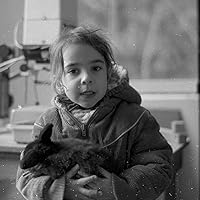
Family photographs--snapshots and portraits, affixed to the refrigerator or displayed in gilded frames, crammed into shoeboxes or cataloged in albums--preserve ancestral history and perpetuate memories. Indeed, photography has become the family's primary means of self-representation. In Family Frames Marianne Hirsch uncovers both the deception and the power behind this visual record. Hirsch provocatively explores the photographic conventions for constructing family relationships and discusses artistic strategies for challenging those constructions. When we capture our family photographically, we are often responding to an idealized image. Contemporary artists and writers, Hirsch shows, have exposed the gap between lived reality and a perceived ideal to witness contradictions that shape visual representations of parents and children, siblings, lovers, or extended families. Exploring fiction, "imagetexts," and photographic essays, she elucidates their subversive devices, giving particular attention to literal and metaphorical masks. While permitting false impressions and misreadings, family photos have also proved a powerful means for shaping personal and cultural memory. Hirsch highlights a striking the wide variety of family pictures surviving the Holocaust and the wrenching displacements of late-twentieth-century history. Whether personal treasures, artistic constructions, or museum installations, these images link private memory to collective history.
Marianne Hirsch is William Peterfield Trent Professor of English and Comparative Literature, and Co-Director of the Center for the Critical Analysis of Social Difference, at Columbia University. She is the author of Family Frames: Photography, Narrative, and Postmemory, among other books. Leo Spitzer is Kathe Tappe Vernon Professor of History Emeritus at Dartmouth College, and the author of many books, most recently Hotel Bolivia: A Culture of Memory in a Refuge from Nazism."
Postmemory is a “very particular form of memory precisely because its connection to its object or source is mediated not through recollection but through an imaginative investment and creation.” "Postmemory characterizes the experiences of those who grow up dominated by narratives that preceded their birth, whose own belated stories are evacuated by the stories of the previous generation shaped by traumatic events that can be neither understood nor recreated."