

What do you think?

Μεγάλος αδερφός
Ο μεγάλος αδερφός είναι οδηγός ταξί, κλεισμένος έντεκα ώρες την ημέρα στην «καμπίνα» του. Μόνιμα συνδεδεμένος στο ραδιόφωνο, ντρέπεται για τη ζωή του και τον κόσμο που ανοίγεται από την άλλη μεριά του παρμπρίζ. Ο μικρός αδερφός του βρίσκεται στη Συρία για ιδεολογικούς λόγους κι εδώ και αρκετούς μήνες εργάζεται ως νοσηλευτής σε μια μουσουλμανική ανθρωπιστική οργάνωση, χωρίς να δίνει κανένα σημάδι ζωής.
Αυτή η ατέρμονη σιωπή βασανίζει τον πατέρα και τον αδερφό του και τους κάνει ν’ αναρωτιούνται για τα πραγματικά κίνητρα της φυγής του. Όταν ο μικρός αδερφός επιστρέφει, είναι πλέον αλλαγμένος.
Σ’ αυτό το εντυπωσιακό πρώτο του μυθιστόρημα, ο Mahir Guven εναλλάσσει το ιδιαίτερο χιούμορ με το βάρος που διαμορφώνεται από το ζήτημα της τρομοκρατίας. Εξερευνά τον γεμάτο μοναξιά κόσμο των οδηγών ταξί που αγωνίζονται για την καθημερινή επιβίωση. Δεν ξεχνά όσους έφυγαν στη Συρία για να κάνουν την τζιχάντ: τη στρατολόγηση, τις μάχες, αλλά και την ανέφικτη επιστροφή στη Γαλλία.
Ξεπροβάλλει έτσι η οδυνηρή ιστορία μιας γαλλοσυριακής οικογένειας που προσπαθεί να χωρέσει σε μια κοινωνία όπου δεν της προσφέρονται παρά μόνο οι ελάχιστες ευκαιρίες.
Αυτή η ατέρμονη σιωπή βασανίζει τον πατέρα και τον αδερφό του και τους κάνει ν’ αναρωτιούνται για τα πραγματικά κίνητρα της φυγής του. Όταν ο μικρός αδερφός επιστρέφει, είναι πλέον αλλαγμένος.
Σ’ αυτό το εντυπωσιακό πρώτο του μυθιστόρημα, ο Mahir Guven εναλλάσσει το ιδιαίτερο χιούμορ με το βάρος που διαμορφώνεται από το ζήτημα της τρομοκρατίας. Εξερευνά τον γεμάτο μοναξιά κόσμο των οδηγών ταξί που αγωνίζονται για την καθημερινή επιβίωση. Δεν ξεχνά όσους έφυγαν στη Συρία για να κάνουν την τζιχάντ: τη στρατολόγηση, τις μάχες, αλλά και την ανέφικτη επιστροφή στη Γαλλία.
Ξεπροβάλλει έτσι η οδυνηρή ιστορία μιας γαλλοσυριακής οικογένειας που προσπαθεί να χωρέσει σε μια κοινωνία όπου δεν της προσφέρονται παρά μόνο οι ελάχιστες ευκαιρίες.
312 pages, Paperback
First published October 5, 2017
Ratings & Reviews
Friends & Following
Create a free account to discover what your friends think of this book!
Community Reviews
Displaying 1 - 30 of 170 reviews

August 17, 2019
Older Brother’ takes us into the lives of an immigrant Muslim family living in Paris, and it provides an enlightening and thought provoking experience, taking us right to the heart of how it feels to be Franco-Syrian, feeling as if you don’t really belong anywhere, either in your adopted country or indeed your mother country Syria.
The father is an atheist communist who left his home in Syria to study in France, but he met his future wife and never went back. A taxi driver by trade, this puts him in direct opposition to his elder son who drives for an app based car service. The younger son is a nurse in a local hospital, but he feels like he’ll never be really accepted, and he grows tired of constant rejections, leading him to join a Muslim humanitarian organisation who help injured civilians in the war in Syria. He believes his medical skills will be put to better use there, and it will also give him chance to see where his family originated from.
As we meet the family, the mother has died and there’s friction between this family of males - the father has completely different views to his sons on everything, and it grates that his eldest son is in direct competition working for Über, when he himself has spent decades working unsocial hours in his taxi cab just to keep these boys fed and clothed.
When the youngest son leaves home, he goes without telling his brother and father, and they’re left wondering where he is, (though they both have their suspicions that he may be in Syria,) but has he gone to tend the sick and injured, or is it to become a Jihadi fighter?
It drives them both crazy wondering if he’s still alive, and older brother is torn between desperately wanting to see his younger brother, and wanting to kill him for what he’s putting them through.
When the younger brother returns home unannounced some three years later, we learn in detail exactly how he’s spent that time, and it makes for a riveting read, but it also spells danger for the older brother, who is hiding him in his apartment, because if the authorities find out, he could be accused of harbouring a terrorist!
This is such a beautifully written book that manages to throw light on many issues including class, immigration, violence and war, as well as the more down to earth ones such as family and brotherhood, but serious as these issues are, the author manages to imbue the older son’s character with an abundance of humour, displaying itself in some witty and keenly expressed observations. Told in alternating chapters entitled ‘Older Brother’ and ‘Younger Brother’ it comes highly recommended!
* Thank you to Netgalley and Europa Editions for my ARC for which I have given an honest unbiased review in exchange *
The father is an atheist communist who left his home in Syria to study in France, but he met his future wife and never went back. A taxi driver by trade, this puts him in direct opposition to his elder son who drives for an app based car service. The younger son is a nurse in a local hospital, but he feels like he’ll never be really accepted, and he grows tired of constant rejections, leading him to join a Muslim humanitarian organisation who help injured civilians in the war in Syria. He believes his medical skills will be put to better use there, and it will also give him chance to see where his family originated from.
As we meet the family, the mother has died and there’s friction between this family of males - the father has completely different views to his sons on everything, and it grates that his eldest son is in direct competition working for Über, when he himself has spent decades working unsocial hours in his taxi cab just to keep these boys fed and clothed.
When the youngest son leaves home, he goes without telling his brother and father, and they’re left wondering where he is, (though they both have their suspicions that he may be in Syria,) but has he gone to tend the sick and injured, or is it to become a Jihadi fighter?
It drives them both crazy wondering if he’s still alive, and older brother is torn between desperately wanting to see his younger brother, and wanting to kill him for what he’s putting them through.
When the younger brother returns home unannounced some three years later, we learn in detail exactly how he’s spent that time, and it makes for a riveting read, but it also spells danger for the older brother, who is hiding him in his apartment, because if the authorities find out, he could be accused of harbouring a terrorist!
This is such a beautifully written book that manages to throw light on many issues including class, immigration, violence and war, as well as the more down to earth ones such as family and brotherhood, but serious as these issues are, the author manages to imbue the older son’s character with an abundance of humour, displaying itself in some witty and keenly expressed observations. Told in alternating chapters entitled ‘Older Brother’ and ‘Younger Brother’ it comes highly recommended!
* Thank you to Netgalley and Europa Editions for my ARC for which I have given an honest unbiased review in exchange *

September 22, 2019
UBER CONTRO ISIS
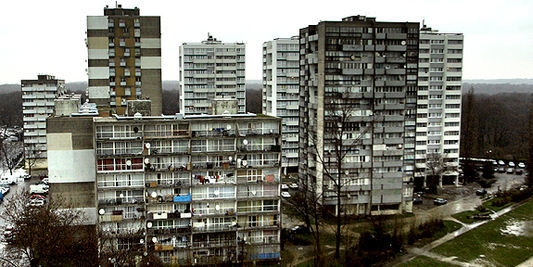
Bobigny, banlieu nella Parigi est.
Sono arrivato all’ultima pagina, in fondo al romanzo, e…
fino a qui tutto bene.
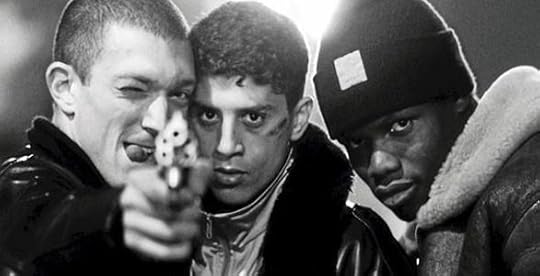
Citazione necessaria, perché L’odio, il film di Mathieu Kassovitz, incredibilmente anticipatore (è del 1995, e le banlieu parigine si infiammarono dieci anni dopo), ritorna: quelle immagini riappaiono davanti agli occhi della mia memoria. Alla fine, al principio, e durante.
E siccome è un ottimo romanzo d’esordio sino all’ultima pagina, allora è vero, sì, fino a qui tutto bene.
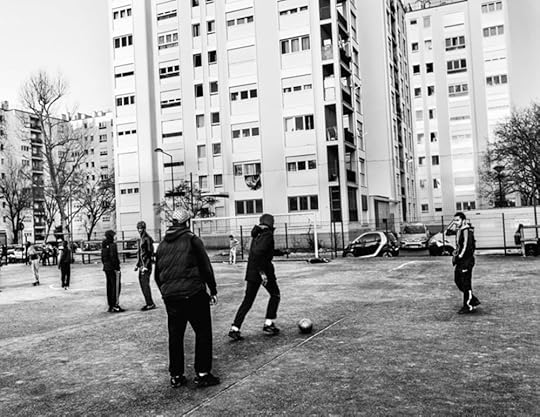
Nelle banlieu si cresce a calcio e canne.
Due voci si alternano, quella del fratello maggiore (grande), voce più frequente che tende un po’ a seguire la voga del chiacchiericcio a ruota libera dei narratori contemporanei (Goffredo Fofi dixit), e quella del minore (fratello piccolo), due anni di meno.
Il secondo sembra scrivere un diario destinato al maggiore.
Che si chiama Azad, che vuol dire libero.
Mentre il nome del minore è Hakim, che significa saggio, giusto.
Ma i loro nomi non contano, li apprendiamo nelle ultime quattro pagine dell’epilogo, per tutto il tempo rimangono fratello grande e fratello piccolo, come se Guven volesse rendere universale il suo racconto, non soggettivizzarlo.
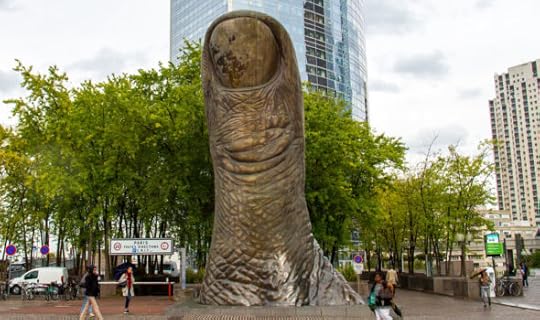
Alla Defense l’opera di César.
Sono figli di un siriano e di una francese di Bretagna.
Ma la mamma è morta troppo presto, e conseguenze sulla famiglia ci sono state, il padre ha dovuto sobbarcarsi entrambi i ruoli parentali ma con incerto successo.
Anche perché il padre ha opinioni rigide, e incrollabili valori: il comunismo, il lavoro duro, sguardo basso avanti tutta verso una vita normale, eccetera.
Cose che coi giovani vanno poco d’accordo.
L’uomo è profondamente laico, ha proprio un rigetto per la religione, sicuramente per quella islamica, ma probabilmente per tutte quante.
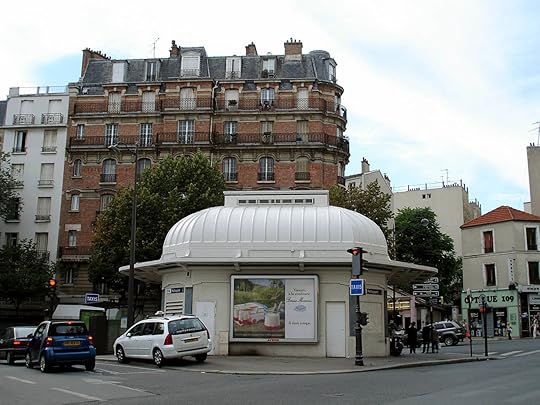
Parigi: la stazione Pelleport della linea 3bis.
Fratello grande alla religione si avvicina più per noia che per interesse, e soprattutto per capire che fine ha fatto fratello minore, che invece in moschea ci va eccome, prega, crede. Ma crede in un Islam di pace, è lontanissimo dai furori e dalla violenza degli integralisti.
Infermiere in un ospedale sente di volere di più, salvare vite umane sì, ma dove rischiano davvero di durare poco, come nelle zone in guerra.
È l’idealista della famiglia, perciò si aggrega a una ong, Peace&Islam, e sceglie di raggiungere la Siria, massacrata da Bashar al-Assad, il presidente dittatore, massacrata dai russi suoi protettori, dagli occidentali d’appoggio non è ben chiaro a chi, dai ribelli, una guerra di tanti contro tutti.
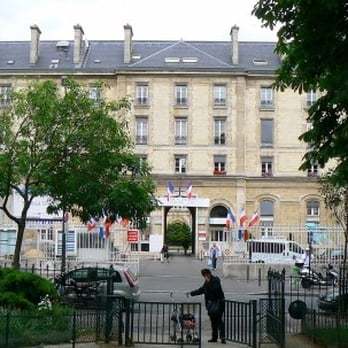
Parigi: l’ospedale Tenon.
Fratello grande rimane a fare il tassista per Uber con grande scorno di suo padre che è invece un tassista più che tradizionale, radicalmente contro Uber, app che ruba il suo lavoro, lo sminuisce, abbassa i guadagni, distrugge la clientela, eccetera…
Ma il vero problema è fratello minore: ha fatto finta di andare nel Mali, ma è andato in Siria proprio nel periodo di Charlie Hebdo e del Bataclan. Se torna a casa rischia la galera, a prescindere che sia stato infermiere medico o mujahidin.
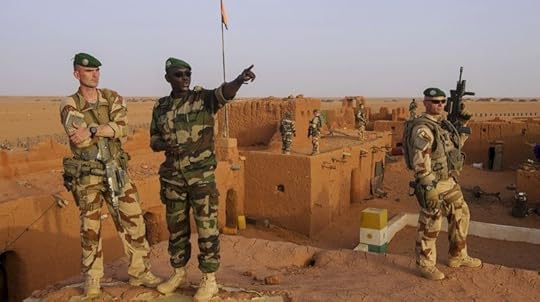
L’esercito francese nel Ciad.
Il racconto del minore ci conduce nel suo viaggio verso la patria del padre, lo Sham (la Siria), sul fronte di guerra, e lo si vorrebbe più abbondante e dettagliato.
Il racconto sproloquio del maggiore è a tutto tondo, per quanto soprattutto concentrato sul migrare e l’adattarsi o meno, sull’accettazione o meno, l’insoddisfazione e l’inquietudine, il lavoro e la progressiva perdita di certezza del diritto al lavoro, sulla bamba e la ganja, la famiglia e i legami di sangue.
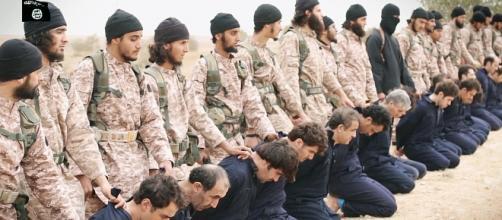
Siria: combattenti dell’ISIS.
Scrittura che incide la carne per quanto nervosa e diretta, cresciuta e pasciuta nelle strade delle periferie. Gran lavoro della traduttrice Yasmina Melaouah, che tuttavia, essendo abituata a tradurre Mathias Enard, avrà fatto questo surplace.
PS
Fino a lì tutto bene: perché MK non si è più ripetuto a quei livelli. I fiumi di porpora è un ottimo film nel suon genere, ma non è all’altezza de La haine - L’odio.
Invece come attore è migliorato in modo esponenziale. A riprova bastino le quattro magnifiche stagioni della serie Le bureau de legendes, che magari noi (Romanzo criminale la serie a parte)
Bobigny, banlieu nella Parigi est.
Sono arrivato all’ultima pagina, in fondo al romanzo, e…
fino a qui tutto bene.
Citazione necessaria, perché L’odio, il film di Mathieu Kassovitz, incredibilmente anticipatore (è del 1995, e le banlieu parigine si infiammarono dieci anni dopo), ritorna: quelle immagini riappaiono davanti agli occhi della mia memoria. Alla fine, al principio, e durante.
E siccome è un ottimo romanzo d’esordio sino all’ultima pagina, allora è vero, sì, fino a qui tutto bene.
Nelle banlieu si cresce a calcio e canne.
Due voci si alternano, quella del fratello maggiore (grande), voce più frequente che tende un po’ a seguire la voga del chiacchiericcio a ruota libera dei narratori contemporanei (Goffredo Fofi dixit), e quella del minore (fratello piccolo), due anni di meno.
Il secondo sembra scrivere un diario destinato al maggiore.
Che si chiama Azad, che vuol dire libero.
Mentre il nome del minore è Hakim, che significa saggio, giusto.
Ma i loro nomi non contano, li apprendiamo nelle ultime quattro pagine dell’epilogo, per tutto il tempo rimangono fratello grande e fratello piccolo, come se Guven volesse rendere universale il suo racconto, non soggettivizzarlo.
Alla Defense l’opera di César.
Sono figli di un siriano e di una francese di Bretagna.
Ma la mamma è morta troppo presto, e conseguenze sulla famiglia ci sono state, il padre ha dovuto sobbarcarsi entrambi i ruoli parentali ma con incerto successo.
Anche perché il padre ha opinioni rigide, e incrollabili valori: il comunismo, il lavoro duro, sguardo basso avanti tutta verso una vita normale, eccetera.
Cose che coi giovani vanno poco d’accordo.
L’uomo è profondamente laico, ha proprio un rigetto per la religione, sicuramente per quella islamica, ma probabilmente per tutte quante.
Parigi: la stazione Pelleport della linea 3bis.
Fratello grande alla religione si avvicina più per noia che per interesse, e soprattutto per capire che fine ha fatto fratello minore, che invece in moschea ci va eccome, prega, crede. Ma crede in un Islam di pace, è lontanissimo dai furori e dalla violenza degli integralisti.
Infermiere in un ospedale sente di volere di più, salvare vite umane sì, ma dove rischiano davvero di durare poco, come nelle zone in guerra.
È l’idealista della famiglia, perciò si aggrega a una ong, Peace&Islam, e sceglie di raggiungere la Siria, massacrata da Bashar al-Assad, il presidente dittatore, massacrata dai russi suoi protettori, dagli occidentali d’appoggio non è ben chiaro a chi, dai ribelli, una guerra di tanti contro tutti.
Parigi: l’ospedale Tenon.
Fratello grande rimane a fare il tassista per Uber con grande scorno di suo padre che è invece un tassista più che tradizionale, radicalmente contro Uber, app che ruba il suo lavoro, lo sminuisce, abbassa i guadagni, distrugge la clientela, eccetera…
Ma il vero problema è fratello minore: ha fatto finta di andare nel Mali, ma è andato in Siria proprio nel periodo di Charlie Hebdo e del Bataclan. Se torna a casa rischia la galera, a prescindere che sia stato infermiere medico o mujahidin.
L’esercito francese nel Ciad.
Il racconto del minore ci conduce nel suo viaggio verso la patria del padre, lo Sham (la Siria), sul fronte di guerra, e lo si vorrebbe più abbondante e dettagliato.
Il racconto sproloquio del maggiore è a tutto tondo, per quanto soprattutto concentrato sul migrare e l’adattarsi o meno, sull’accettazione o meno, l’insoddisfazione e l’inquietudine, il lavoro e la progressiva perdita di certezza del diritto al lavoro, sulla bamba e la ganja, la famiglia e i legami di sangue.
Siria: combattenti dell’ISIS.
Scrittura che incide la carne per quanto nervosa e diretta, cresciuta e pasciuta nelle strade delle periferie. Gran lavoro della traduttrice Yasmina Melaouah, che tuttavia, essendo abituata a tradurre Mathias Enard, avrà fatto questo surplace.
PS
Fino a lì tutto bene: perché MK non si è più ripetuto a quei livelli. I fiumi di porpora è un ottimo film nel suon genere, ma non è all’altezza de La haine - L’odio.
Invece come attore è migliorato in modo esponenziale. A riprova bastino le quattro magnifiche stagioni della serie Le bureau de legendes, che magari noi (Romanzo criminale la serie a parte)

September 12, 2019
Chilling
In a highly politicised world, Older Brother is a painfully intense tour de force of fractured ambitions and cultural division. An outstanding novel that is chilling in its capacity to foretell violence, and anxious in its observation of how hardships and marginalisation are propagated amongst hard-working and under-appreciated people. What seems impartial in one person’s eyes can be an affront in another. This book touches on many issues of modern society along with the turmoil and prejudices of immigrants integrating into a new society and culture, and the threat of how that materialises.
The novel is told alternately through the eyes of two brothers – one older and one younger. We are never told their names until the last few pages which I felt maintained the belief that these men could be symptomatic of marginalised Arabs in France but finally jolted with the realisation that a specific identifiable individual did exist.
The two brothers are half French and half Syrian, with their Syrian Father immigrating to France before they were born, and marrying a Breton woman, who has since passed away. The older brother is an Uber taxi driver which puts him into direct conflict with his father who has spent his whole life in France as a traditional taxi driver, now witnessing how this new competition is affecting his livelihood. Ironically each job is precarious and has them working every hour they can. It is tough grinding out a living, trying to integrate into society, fulfilling ambitions and dreams, but it can always get a lot worse.
The younger brother is a hospital nurse, religious, intelligent, but disillusioned that the route for him to be a doctor was closed. Disillusioned knowing that he possessed capabilities that exceeded the doctors that were respected and paid much higher than he. Disillusioned that he couldn’t put his skills to better use. Eventually, he decides to pursue a humanitarian opportunity in war-torn Syria, without telling his family.
The father and the older brother struggle to comprehend what has happened the younger man: has he fulfilled his ambition to work for a humanitarian agency or has he been caught up in the Muslim conflict as a Jihadi fighter. When he returns home to France after three years, we learn how he had spent his time and what his plans are now he is back in France. The French authorities are also aware of the threat he possesses. The tension rises towards the end of the novel and a dramatic dilemma is waiting to be faced.
This book is unfortunately very indicative of the world we live in today and in particular in France where different Arab cultures struggle along with European culture and the ever-present threat of violent conflict. Older Brother is beautifully written and manages to cloak the novel with foreboding and gloom, although moments of dark humour add to its multiple layers.
This is a complex and compelling novel that I would recommend reading and I'd like to thank Europa Editions and NetGalley for providing me with an ARC version in return for an honest review.
In a highly politicised world, Older Brother is a painfully intense tour de force of fractured ambitions and cultural division. An outstanding novel that is chilling in its capacity to foretell violence, and anxious in its observation of how hardships and marginalisation are propagated amongst hard-working and under-appreciated people. What seems impartial in one person’s eyes can be an affront in another. This book touches on many issues of modern society along with the turmoil and prejudices of immigrants integrating into a new society and culture, and the threat of how that materialises.
The novel is told alternately through the eyes of two brothers – one older and one younger. We are never told their names until the last few pages which I felt maintained the belief that these men could be symptomatic of marginalised Arabs in France but finally jolted with the realisation that a specific identifiable individual did exist.
The two brothers are half French and half Syrian, with their Syrian Father immigrating to France before they were born, and marrying a Breton woman, who has since passed away. The older brother is an Uber taxi driver which puts him into direct conflict with his father who has spent his whole life in France as a traditional taxi driver, now witnessing how this new competition is affecting his livelihood. Ironically each job is precarious and has them working every hour they can. It is tough grinding out a living, trying to integrate into society, fulfilling ambitions and dreams, but it can always get a lot worse.
The younger brother is a hospital nurse, religious, intelligent, but disillusioned that the route for him to be a doctor was closed. Disillusioned knowing that he possessed capabilities that exceeded the doctors that were respected and paid much higher than he. Disillusioned that he couldn’t put his skills to better use. Eventually, he decides to pursue a humanitarian opportunity in war-torn Syria, without telling his family.
The father and the older brother struggle to comprehend what has happened the younger man: has he fulfilled his ambition to work for a humanitarian agency or has he been caught up in the Muslim conflict as a Jihadi fighter. When he returns home to France after three years, we learn how he had spent his time and what his plans are now he is back in France. The French authorities are also aware of the threat he possesses. The tension rises towards the end of the novel and a dramatic dilemma is waiting to be faced.
This book is unfortunately very indicative of the world we live in today and in particular in France where different Arab cultures struggle along with European culture and the ever-present threat of violent conflict. Older Brother is beautifully written and manages to cloak the novel with foreboding and gloom, although moments of dark humour add to its multiple layers.
This is a complex and compelling novel that I would recommend reading and I'd like to thank Europa Editions and NetGalley for providing me with an ARC version in return for an honest review.

April 27, 2020
çok beğendim. gümbür gümbür taşmış sanki yazarın kalbinden.
işid bizim anamızı ağlatmışken memlekette eli yüzü düzgün bir tane işid romanı çıkmadı... gezi gibi. son on yıldır dön dolaş aynı şeyleri yazan ve insanı heyecanlandırmayan edebiyat gerçeğimizden konuşmak gerekmiyor mu artık?
ben en son tol'da böyle heyecanlanmıştım, bu kitabı okuduğumdaki gibi.
babaları esat zulmünden fransa'ya göçmüş iki kardeşin hikayesi. anneleri fransız. bu iki kardeşten biri gün geliyor suriye'ye gidiyor ki neden zayıf olduğu, nasıl etkilendiği çok iyi anlatılmış.
geride kalanların çektikleri, babanın ki dinim komünizm diyen bir baba, coğrafya kaderdir cümlesine isyanı, suriye meselesi ortaya çıkınca mimlenmeleri, dışlanmaları.
ve tüm bunların merkezinde göçmenlik, ayrımcılık, şoförlükten başka yapacak iş kalmayan bir göçmenler ordusu...
sondaki plot twist de gayet iyi.
kardeş sevgisini öyle cümlelerle anlatıyor ki bazen, sırf argo sırf küfür ama o öyle olur gerçekten diyorsunuz.
mükemmel bir çeviri bu arada. hem arap hem fransız argosunu muhteşem çevirmiş türkçeye ebru erbaş. dipnotlar da çok yerinde.
yazarın trajik hayat öyküsünü de araştırabilirsiniz isterseniz. anahtar kelime: paşa güven.
işid bizim anamızı ağlatmışken memlekette eli yüzü düzgün bir tane işid romanı çıkmadı... gezi gibi. son on yıldır dön dolaş aynı şeyleri yazan ve insanı heyecanlandırmayan edebiyat gerçeğimizden konuşmak gerekmiyor mu artık?
ben en son tol'da böyle heyecanlanmıştım, bu kitabı okuduğumdaki gibi.
babaları esat zulmünden fransa'ya göçmüş iki kardeşin hikayesi. anneleri fransız. bu iki kardeşten biri gün geliyor suriye'ye gidiyor ki neden zayıf olduğu, nasıl etkilendiği çok iyi anlatılmış.
geride kalanların çektikleri, babanın ki dinim komünizm diyen bir baba, coğrafya kaderdir cümlesine isyanı, suriye meselesi ortaya çıkınca mimlenmeleri, dışlanmaları.
ve tüm bunların merkezinde göçmenlik, ayrımcılık, şoförlükten başka yapacak iş kalmayan bir göçmenler ordusu...
sondaki plot twist de gayet iyi.
kardeş sevgisini öyle cümlelerle anlatıyor ki bazen, sırf argo sırf küfür ama o öyle olur gerçekten diyorsunuz.
mükemmel bir çeviri bu arada. hem arap hem fransız argosunu muhteşem çevirmiş türkçeye ebru erbaş. dipnotlar da çok yerinde.
yazarın trajik hayat öyküsünü de araştırabilirsiniz isterseniz. anahtar kelime: paşa güven.
February 7, 2020
It is the one of those stories when two brothers of mixed heritage are trying to find their place in the world and navigate a society with predetermined stereotypes. They are born in Paris from French mum and Syrian atheist dad who fled from the regime in the 80s. But unfortunately their mum dies when they are still young which makes them even more unrooted. One goes to Syria, one stays and drives Uber taxi competing with his dad’s traditional license.
What makes this story stand out is the way how it is told. The older brother is the main speaker, but he alternates his voice with the younger brother’s memories about his time in Syria. I always slightly weary of the fictional tales about such experiences. They are rarely convincing. Here as well I had my reservations. But the voice of the older brother, the brother who stays behind, edgy, self-deprecating and sincere, kept me reading. And the literary trick Guven used to finish this novel made the whole incredibly poignant.
In its urgency of language and realism, the novel reminded me of Celine, but with much gentler soul.
As a byproduct, I’ve learned about the destiny of Romain Gary. He is not mentioned in the novel by name, but described as an emigrant who worn the Goncourt twice. So I’ve traced him by this. In general, it is impossible for the one author to get a prize more than once. But Gary wrote his another winning book after a different name. It was only revealed after his death between his papers. He committed suicide after the death of his wife. I want to read some of his books now.
What makes this story stand out is the way how it is told. The older brother is the main speaker, but he alternates his voice with the younger brother’s memories about his time in Syria. I always slightly weary of the fictional tales about such experiences. They are rarely convincing. Here as well I had my reservations. But the voice of the older brother, the brother who stays behind, edgy, self-deprecating and sincere, kept me reading. And the literary trick Guven used to finish this novel made the whole incredibly poignant.
In its urgency of language and realism, the novel reminded me of Celine, but with much gentler soul.
As a byproduct, I’ve learned about the destiny of Romain Gary. He is not mentioned in the novel by name, but described as an emigrant who worn the Goncourt twice. So I’ve traced him by this. In general, it is impossible for the one author to get a prize more than once. But Gary wrote his another winning book after a different name. It was only revealed after his death between his papers. He committed suicide after the death of his wife. I want to read some of his books now.

June 6, 2019
4.5 stars
The 'thing' about this book is the voice of Older Brother (unnamed until the very end). It's vibrant and alive, as it veers from memories of petty drugs crimes to long days as an Uber driver, as it recomposes a French-Syrian family: the lovably irascible Syrian communist father who gave up his doctorate when he fell in love with a Breton woman, most of all the narrator's younger brother - dreamy, spiritual, who dreams of helping people, who leaves his job as a hospital nurse to become a medic in Syria...
Beautifully written, merging philosophical asides with an indictment of our profits-driven gig economy, throwing light on issues of class and politicised identity, of violence and war, while having a snarky, sharp sense of ironic humour, this is a rich book, absolutely contemporary, but also touching on perennial topics: family, brotherhood, loyalty, failure - even storytelling.
As for the ending... I don't want to say anything as it would be a spoiler - but I'll be very interested in what others think.
Emotive, involving, thoughtful, pitch-perfect in its voices, and sophisticated enough to embrace complexity - this deals with big, hard, 'now' politics with insight, compassion and heart.
Many thanks to Europa Editions for an ARC via NetGalley.
The guy's crazy. Totally insane. Abnormal. Touched in the head. But he's my brother... Life is hard. It's a pitiful thing to say, but I'm not ashamed. Otherwise, why is it always preferable to death?
The 'thing' about this book is the voice of Older Brother (unnamed until the very end). It's vibrant and alive, as it veers from memories of petty drugs crimes to long days as an Uber driver, as it recomposes a French-Syrian family: the lovably irascible Syrian communist father who gave up his doctorate when he fell in love with a Breton woman, most of all the narrator's younger brother - dreamy, spiritual, who dreams of helping people, who leaves his job as a hospital nurse to become a medic in Syria...
Beautifully written, merging philosophical asides with an indictment of our profits-driven gig economy, throwing light on issues of class and politicised identity, of violence and war, while having a snarky, sharp sense of ironic humour, this is a rich book, absolutely contemporary, but also touching on perennial topics: family, brotherhood, loyalty, failure - even storytelling.
As for the ending... I don't want to say anything as it would be a spoiler - but I'll be very interested in what others think.
Emotive, involving, thoughtful, pitch-perfect in its voices, and sophisticated enough to embrace complexity - this deals with big, hard, 'now' politics with insight, compassion and heart.
Many thanks to Europa Editions for an ARC via NetGalley.

September 11, 2020
8 Eylül'de, kardeşimin doğum gününde başladım Ağabey'i okumaya, tatlı bir tesadüfle kitap da 8 Eylül'de başlıyordu. Daha evvelden görmüş, ama ne yalan söyleyeyim, 'çağdaş' etiketini görünce, yerli edebiyatımızda, başka hiçbir konu yokmuş, bu ülkede hiçbir şey yaşanmıyormuşçasına tekrar edip duran boşanma sonrası yalnızlığı, taşralı yalnızlığı veya beyaz yakalının yalnızlığı öykülerinden, arka kapağında "içimizden biri", "sokaktaki insanın hikâyesi" olduğu, sıradan insanın derinliğini anlattığı bir şekilde belirtilen ve korkarım ki pek bir şey anlatmayan şu romanlardan biri olduğunu düşünmüş, elime bile almamıştım. Kıymetli Renin'in önerisi üzerine edinip okumaya başladım ve bu kitaba böylesi bir ön yargıyla yaklaşmanın büyük bir hata olduğunu idrak ettim. :)
Her şeyden önce, melez kimliği ve onun olmazsa olmazı köksüzlüğü, tam olarak ne buralı ne de oralı olabilmeyi çok çok güzel anlatmış Mahir Güven. Muhakkak bir göçmen ailenin çocuğu olarak kendi deneyiminden de beslenmiştir, fakat kendi yaşantısını genellemek veya alışılageldik göçmenlik anlatılarında kırk kere anlatılan mevzulara kırk birincisini eklemek gibi hatalara düşmemiş.
Göçmenlik, radikalleşme, yükselen sağ hareketlerin seyri, ırkçılık, İslamofobi, diasporanın ana vatanla ilişkisi ve bütün bunların insan duygularıyla, çocukluk yaşantılarımızla, hikâyelerimizle ilişkisi öyle güzel işlenmiş, öyle detaylarla romanın akışına yedirilmiş ki hayran kaldım. İlk roman olduğunu göz önünde bulundurunca Mahir Güven maharetine daha da hayran bırakıyor.
Kitabın bir diğer güzelliği ise tüm bunları, isimlerini kitabın sonunda öğrenebildiğimiz Ağabey ve Kardeş'in abi-kardeş ilişkisi, çocukluk anıları, ebeveynleriyle benzeşen ve ayrılan yönleri üzerinden, kardeşliğin tüm o "ne seninle ne de sensiz"liğini her satırda hissedebileceğimiz bir üslupla anlatması. Ağabey/abla olmakla insanın üzerine yükleniveren örnek olma, koruma, sorumlu olma gibi payelerden dolayı büyük kardeşlerin birbirlerini gözlerinden tanıdığına inanan biri olarak, Ağabey'in kardeşi ile ilgili düşüncelerini okurken sık sık kendi kardeşimle ilişkimizi düşündüm, güldüm, hüzünlendim. Bıraksalar akşama kadar yazmak isterim ama burada sonlandırıyor, internette Mahir Güven hakkında bulabileceğim ne varsa okumaya gidiyorum. :)
Her şeyden önce, melez kimliği ve onun olmazsa olmazı köksüzlüğü, tam olarak ne buralı ne de oralı olabilmeyi çok çok güzel anlatmış Mahir Güven. Muhakkak bir göçmen ailenin çocuğu olarak kendi deneyiminden de beslenmiştir, fakat kendi yaşantısını genellemek veya alışılageldik göçmenlik anlatılarında kırk kere anlatılan mevzulara kırk birincisini eklemek gibi hatalara düşmemiş.
Göçmenlik, radikalleşme, yükselen sağ hareketlerin seyri, ırkçılık, İslamofobi, diasporanın ana vatanla ilişkisi ve bütün bunların insan duygularıyla, çocukluk yaşantılarımızla, hikâyelerimizle ilişkisi öyle güzel işlenmiş, öyle detaylarla romanın akışına yedirilmiş ki hayran kaldım. İlk roman olduğunu göz önünde bulundurunca Mahir Güven maharetine daha da hayran bırakıyor.
Kitabın bir diğer güzelliği ise tüm bunları, isimlerini kitabın sonunda öğrenebildiğimiz Ağabey ve Kardeş'in abi-kardeş ilişkisi, çocukluk anıları, ebeveynleriyle benzeşen ve ayrılan yönleri üzerinden, kardeşliğin tüm o "ne seninle ne de sensiz"liğini her satırda hissedebileceğimiz bir üslupla anlatması. Ağabey/abla olmakla insanın üzerine yükleniveren örnek olma, koruma, sorumlu olma gibi payelerden dolayı büyük kardeşlerin birbirlerini gözlerinden tanıdığına inanan biri olarak, Ağabey'in kardeşi ile ilgili düşüncelerini okurken sık sık kendi kardeşimle ilişkimizi düşündüm, güldüm, hüzünlendim. Bıraksalar akşama kadar yazmak isterim ama burada sonlandırıyor, internette Mahir Güven hakkında bulabileceğim ne varsa okumaya gidiyorum. :)

December 13, 2020
Ben Ağabey'in hikayesini anlattığı mahallelerin birinde yaşıyorum. Paris'in en büyük banliyösü Seine Saint Denis'de, Drancy'de. Geçen hafta burada bir devlet okulunun anaokuluna giden çocuğumun okulunda veli olarak mutfak saatine katıldım. Çok yoksul bir banliyönün kenar mahalle okulu. 23 tane öğrenci, hepsi 4-5 yaşlarında, hepsinin gözlerinden ateş fışkırıyor, meraklı, öğrenmeye can atan, zehir gibi çocuklar. Üç beş tanesi hariç hepsi çok yoksul ailelerin çocukları, üç beş tanesi hariç hepsi göçmen ailelerin çocukları. Bu çocukların yüzde doksanının zar zor liseyi bitireceğini, gözlerindeki ferin nasıl solacağını, fışkıran zekalarının Paris'ın beyaz ve ırkçı ama görünmeyen duvarlarına çarparak nasıl reddedileceğini, içlerindeki hevesin nasıl söneceğini düşündüm. Buna karşı bir şey yapamanın kahrını, mahallenin yine de neşeyle dayanan gençlerini, dinledikleri müziklerin güzelliğini, mizahlarını, sıkışmışlıklarını, kabalıklarını, cigaralarını, kapşonlu montlarını, seslerini, enerjilerini, nezaketlerini, itirazlarını düşündüm. Yine de evladımın sınıfındaki her çocuğun bu ırkçı kapitalizm tarafından yutulmayacağına inandım, birkaçı mutlaka başka şeylere inanacak, dirayet gösterecekti.
Bu roman işte bizim mahallenin ve bir tür dirayetin romanı. Mahallenin çocuklarının hikayesi, mahallenin ritmiyle, bam bam bam diye vurarak, belki rap söyler gibi, ancak bu kadar güçlü anlatılabilirdi. Mahallenin sadece diline değil ritmine ve müziklerine de sadık kalmış Mahir Güven. İki erkek kardeşin hikayesine odaklanarak Fransız olmayı, Fransız olamamayı, göçmenliği, parasızlığı, yalnızlığı, kimsesizliği, ailenin boğucu ve güç verici yanlarını, gençliği, kardeşliği, kardeşini çok sevip ondan nefret etmeyi, yoksun kalmayı, banliyö çocuğu olmayı ama aynı zamanda goygoyu, eğlenceyi, futbolu, mavrayı, başka türlü dayanışma ağlarını, yine de hayata neşeyle devam etmeyi, bir yolunu bulmayı, farkında olup kahırdan ölmemeyi de anlatmış. Göçmenlik de ırkçılık da yalnızlık da ölüm de dram değil sadece, bir devam etme, araziye uyma, bir tür isyan etme, hadi tam isyan etmesen de kendi yolunla, kendi yolundan gitme hikayesi, hem zor acılı ama hem de neşeli şenlikli. İnsanlar aldanan, aldatılan, zavallı göçmenler, yoksullar değil, tercihler yapan, belirli şeyleri seçen, elbette çok sert kısıtılılıklar içinde ama seçimler yapan gerçek özneler. Ağabey Seine Saint-Denis'nin ara sokaklarından Suriye'nin bombalar yağan köylerine, IŞİD'den Fransız polisine, Kürt özgürlük hareketinden 11. Parisin ara sokaklarına nefesini, sözünü, ritmini bir an kaybetmiyor. Kitap aynı zamanda bir inanç hikayesi; inandığına nasıl inanırsın, ne kadar inanırsın, neye neden inanırsın, inandıkların için ne yaparsın, inandıkların seni nasıl birine dönüştürür, inandıkların için nereye gidersin, nereye kadar gidersin, mutlak bir inanma hikayesi olan romanın arka planında hep bu sorular durmaksızın, güçlü bir vurguyla dönüyor. Fişek gibi cidden, patlayan bir metin, insana okurken kitabı bırakıp tur attıracak kadar güçlü. Sonundaki twist de çok nefisti, ortalarında bir yerde böyle olacağını tahmin etsem de kitap boyunca böyle mi değil mi diye düşünmekten bir an bile vazgeçmediğim için üzerimde bırakması gereken etkiyi bıraktı. Kitabın çevirmenini buradan ayrıca alkışlıyorum, jargon ve banliyö argosu dolu bir metni müthiş bir yetenekle, ritmi hiç bozmadan çevirmeyi başarmış, çok büyük bir beceri bence.
Karakterlerin isimlerini kitabın sonunda öğreniyoruz, roman boyunca karakterlerin isimlerini çok düşündüm ve çok merak ettim çünkü isim çok önemli mesele benim için, ismine layık olmak. Mahir Güven ağabeyin ve kardeşin ismini ne güzel düşünmüş, ismine layık iki kardeşi ne güzel anlatmış, kendisi de ismine layık olduğunu bu müthiş güçlü metinle de ortaya koymuş, umarım çocuğum, kardeşimin adını taşıyan İlksev Hayal de göçmen olarak zor koşullarda geldiği bu ülkede, Fransa'da, ismine layık olur, hikayesine sadık kalır. Onun buradaki deneyimi de aynı Ağabey romanının karakterlerine verdiği gibi ona hem bir melankoli ama hem de bir güç, dayanıklılık, neşe, ayakta kalma kapasitesi ve dirayet de katar. Kim demiş ki göçmenlik sadece bir ezilme deneyimi olacak diye?
Şu bölümü çok uzun olmasına rağmen alıntılayacağım çünkü ben de kendi kardeşim için yazsam bambaşka kelimelerle de olsa tam da böyle bir şey yazmak isterdim: 'Kardeşim, yeni yetmelik ateşinin fitillediği sokak kavgalarında badimdi benim, yumruklarımın gücünden çok, sıvışmak için bacaklarımın çevikliğine güvenirken, ertesi günün ikindisinde bomboş cepler ve tütün katranı dolu ciğerlerle, 5 numaralı hattın son durağındaki McDonald's personelinden cheeseburger dilenerek nihayetlenen hızlı gecelerdi, bir Che Guevara'nın topun ağlarla kucaklaşacağına dair verdiği güvenceyle ilerleyerek penaltı noktasına konuşlanan ayaklarımdı, 2006'da ZZ'nin Brezilya'ya karşı çıkardığı efsane maçtı, tabanvayla kat edilen kilometreler, pazaryerlerinde, Pablo Picasso Metro Durağı'ndaki kebapçının önünde antin kuntin mevzularla, geyikle, dedikoduyla, lagalugayla, kolpayla, goygoyla, düşle, yalanla, icatla geçirilen saatlerdi. İlk scooter yarışlarının adrenaliniydi. Sonra araba yarışlarında kazanılan zaferler ve indirilen Euro'lardı. Ay tepede, güvercin takla ve babam orkestra gibi horlarken bana kapıyı açandı kardeşim. O beni her zaman ve her yerde takipte, yakın markajda tutan adamdı çünkü ne anası ne babası vardı ve tek kılavuzu benim, diye düşünürdüm. Boyu henüz omzumda ve daha üç tel bıyığı terlememişken karakoldan sinemaya kadar kıçımdan ayrılmazdı. Geceleri alemlerde cıvırlara zanıyan abaza ergen gözleri ve ilk zook danslarında kalkan at yarrağı. Ben komutan genç hergele, parmaklarımın arasında dumanı tüten bir fişek, araba ve çıtır manita meraklısı, o ise akıllı çocuk ve sadık üsteğmen, kitabına gömülmüş, örnek aldığı peygamberlerin hayatını hafızlardı. Kardeşim kendi yolunu başkalarının hayatıyla ilgilenerek bulmuş bir adamdı. Dünyanın dertlerinin hırpaladığı bir yumuşak yürekti. Dün Abbe Pierre için dua etmiş, bugün Suriye ve Filistin için dua ediyor olabilir ve bir sonraki gün de herhangi birinin gözyaşlarını silmeye koşabilirdi. Böyleydi benim kardeşim. Eksik taşağım. Öbür yarım. Sağ ya da ölü, benimle, her yerde, her zaman, her an, her hareketimde, her sözümde. Aldanmadı o. Kimse aldanmaz. Bir yola girdi. Sadece bir yol. Başka bir yola da girebilirdi. Bu onun seçimiydi. Sonunda dönüp baktığında görecek ki hepsi de mezara ya da cennete taşır. Bana en büyük insanlık dersi oydu.' Ağabey, sayfa 254.
Bu roman işte bizim mahallenin ve bir tür dirayetin romanı. Mahallenin çocuklarının hikayesi, mahallenin ritmiyle, bam bam bam diye vurarak, belki rap söyler gibi, ancak bu kadar güçlü anlatılabilirdi. Mahallenin sadece diline değil ritmine ve müziklerine de sadık kalmış Mahir Güven. İki erkek kardeşin hikayesine odaklanarak Fransız olmayı, Fransız olamamayı, göçmenliği, parasızlığı, yalnızlığı, kimsesizliği, ailenin boğucu ve güç verici yanlarını, gençliği, kardeşliği, kardeşini çok sevip ondan nefret etmeyi, yoksun kalmayı, banliyö çocuğu olmayı ama aynı zamanda goygoyu, eğlenceyi, futbolu, mavrayı, başka türlü dayanışma ağlarını, yine de hayata neşeyle devam etmeyi, bir yolunu bulmayı, farkında olup kahırdan ölmemeyi de anlatmış. Göçmenlik de ırkçılık da yalnızlık da ölüm de dram değil sadece, bir devam etme, araziye uyma, bir tür isyan etme, hadi tam isyan etmesen de kendi yolunla, kendi yolundan gitme hikayesi, hem zor acılı ama hem de neşeli şenlikli. İnsanlar aldanan, aldatılan, zavallı göçmenler, yoksullar değil, tercihler yapan, belirli şeyleri seçen, elbette çok sert kısıtılılıklar içinde ama seçimler yapan gerçek özneler. Ağabey Seine Saint-Denis'nin ara sokaklarından Suriye'nin bombalar yağan köylerine, IŞİD'den Fransız polisine, Kürt özgürlük hareketinden 11. Parisin ara sokaklarına nefesini, sözünü, ritmini bir an kaybetmiyor. Kitap aynı zamanda bir inanç hikayesi; inandığına nasıl inanırsın, ne kadar inanırsın, neye neden inanırsın, inandıkların için ne yaparsın, inandıkların seni nasıl birine dönüştürür, inandıkların için nereye gidersin, nereye kadar gidersin, mutlak bir inanma hikayesi olan romanın arka planında hep bu sorular durmaksızın, güçlü bir vurguyla dönüyor. Fişek gibi cidden, patlayan bir metin, insana okurken kitabı bırakıp tur attıracak kadar güçlü. Sonundaki twist de çok nefisti, ortalarında bir yerde böyle olacağını tahmin etsem de kitap boyunca böyle mi değil mi diye düşünmekten bir an bile vazgeçmediğim için üzerimde bırakması gereken etkiyi bıraktı. Kitabın çevirmenini buradan ayrıca alkışlıyorum, jargon ve banliyö argosu dolu bir metni müthiş bir yetenekle, ritmi hiç bozmadan çevirmeyi başarmış, çok büyük bir beceri bence.
Karakterlerin isimlerini kitabın sonunda öğreniyoruz, roman boyunca karakterlerin isimlerini çok düşündüm ve çok merak ettim çünkü isim çok önemli mesele benim için, ismine layık olmak. Mahir Güven ağabeyin ve kardeşin ismini ne güzel düşünmüş, ismine layık iki kardeşi ne güzel anlatmış, kendisi de ismine layık olduğunu bu müthiş güçlü metinle de ortaya koymuş, umarım çocuğum, kardeşimin adını taşıyan İlksev Hayal de göçmen olarak zor koşullarda geldiği bu ülkede, Fransa'da, ismine layık olur, hikayesine sadık kalır. Onun buradaki deneyimi de aynı Ağabey romanının karakterlerine verdiği gibi ona hem bir melankoli ama hem de bir güç, dayanıklılık, neşe, ayakta kalma kapasitesi ve dirayet de katar. Kim demiş ki göçmenlik sadece bir ezilme deneyimi olacak diye?
Şu bölümü çok uzun olmasına rağmen alıntılayacağım çünkü ben de kendi kardeşim için yazsam bambaşka kelimelerle de olsa tam da böyle bir şey yazmak isterdim: 'Kardeşim, yeni yetmelik ateşinin fitillediği sokak kavgalarında badimdi benim, yumruklarımın gücünden çok, sıvışmak için bacaklarımın çevikliğine güvenirken, ertesi günün ikindisinde bomboş cepler ve tütün katranı dolu ciğerlerle, 5 numaralı hattın son durağındaki McDonald's personelinden cheeseburger dilenerek nihayetlenen hızlı gecelerdi, bir Che Guevara'nın topun ağlarla kucaklaşacağına dair verdiği güvenceyle ilerleyerek penaltı noktasına konuşlanan ayaklarımdı, 2006'da ZZ'nin Brezilya'ya karşı çıkardığı efsane maçtı, tabanvayla kat edilen kilometreler, pazaryerlerinde, Pablo Picasso Metro Durağı'ndaki kebapçının önünde antin kuntin mevzularla, geyikle, dedikoduyla, lagalugayla, kolpayla, goygoyla, düşle, yalanla, icatla geçirilen saatlerdi. İlk scooter yarışlarının adrenaliniydi. Sonra araba yarışlarında kazanılan zaferler ve indirilen Euro'lardı. Ay tepede, güvercin takla ve babam orkestra gibi horlarken bana kapıyı açandı kardeşim. O beni her zaman ve her yerde takipte, yakın markajda tutan adamdı çünkü ne anası ne babası vardı ve tek kılavuzu benim, diye düşünürdüm. Boyu henüz omzumda ve daha üç tel bıyığı terlememişken karakoldan sinemaya kadar kıçımdan ayrılmazdı. Geceleri alemlerde cıvırlara zanıyan abaza ergen gözleri ve ilk zook danslarında kalkan at yarrağı. Ben komutan genç hergele, parmaklarımın arasında dumanı tüten bir fişek, araba ve çıtır manita meraklısı, o ise akıllı çocuk ve sadık üsteğmen, kitabına gömülmüş, örnek aldığı peygamberlerin hayatını hafızlardı. Kardeşim kendi yolunu başkalarının hayatıyla ilgilenerek bulmuş bir adamdı. Dünyanın dertlerinin hırpaladığı bir yumuşak yürekti. Dün Abbe Pierre için dua etmiş, bugün Suriye ve Filistin için dua ediyor olabilir ve bir sonraki gün de herhangi birinin gözyaşlarını silmeye koşabilirdi. Böyleydi benim kardeşim. Eksik taşağım. Öbür yarım. Sağ ya da ölü, benimle, her yerde, her zaman, her an, her hareketimde, her sözümde. Aldanmadı o. Kimse aldanmaz. Bir yola girdi. Sadece bir yol. Başka bir yola da girebilirdi. Bu onun seçimiydi. Sonunda dönüp baktığında görecek ki hepsi de mezara ya da cennete taşır. Bana en büyük insanlık dersi oydu.' Ağabey, sayfa 254.

May 31, 2019
An emotionally raw, intense novel that has a great deal to say about immigration and integration, modern working conditions in western Europe (gig employment) as well as the conflict in Syria. We are introduced to a Syrian father, an atheist opponent of the regime who emigrated to France as a young man, married a Breton woman and fathered two boys (half Syrian, half French, their integration into French society is never very secure). She died during their childhood and since then their father has supported them by driving a taxi, an occupation now threatened by platforms such as Uber. Ironically the elder son has started driving for this very company and through his narration we see just how precarious a living it is. The younger son is a hospital nurse, disillusioned and unfulfilled, and looking to do more with his life he is attracted both to religion and to the idea of working for a humanitarian aid agency. He goes off the radar for years until one day his brother thinks he sees him in a Paris railway station. Why would he return without contacting them - would his return be a good or a bad thing?
The narration alternates between the two brothers - the younger brother’s experiences in Syria and the older brother’s life as an Arab in a France feeling threatened by terrorist attacks. The latter can apply equally to Arabs in other European countries, like the UK, but in France there is the added nuance of the perceived difference between Middle Eastern Arabs and the many Arabs from north African countries. As an example of the quality of the writing and insights in this book:
He was an Arab, Moroccan, fortyish or so, and I told him to cut it out with the French, which calmed him down like I knew it would, because there’s nothing worse than talking to a Maghrebi in French. It reminds them of colonialism, and makes them feel like they’re imitating their former oppressors. Anyway, after that he gritted his teeth and started listening to me. I didn’t even have to say anything much; he could read all my doubts and anxieties in my face: Syria, ISIS, the Islamic State. Terrorist. Words of fear. We didn’t even need to say them anymore; they hovered like bees in the air; you couldn’t see them but you could feel them, flying and stinging invisibly, landing on brains in flower to feed off the pistil, make honey, and take it back to the desert.
The atmosphere is tense as the brothers’ loyalties are tested, just a wrong word can lead to disaster. I worried throughout about whether the family would survive. I’m sure the ending will divide opinion and I look forward to reading others’ views, but it seemed fitting to me. I can scarcely believe this novel is the author’s first, can’t recommend it highly enough and shall urge all my friends to read it.
With thanks to Europa Editions via NetGalley for the opportunity to read an ARC.
The narration alternates between the two brothers - the younger brother’s experiences in Syria and the older brother’s life as an Arab in a France feeling threatened by terrorist attacks. The latter can apply equally to Arabs in other European countries, like the UK, but in France there is the added nuance of the perceived difference between Middle Eastern Arabs and the many Arabs from north African countries. As an example of the quality of the writing and insights in this book:
He was an Arab, Moroccan, fortyish or so, and I told him to cut it out with the French, which calmed him down like I knew it would, because there’s nothing worse than talking to a Maghrebi in French. It reminds them of colonialism, and makes them feel like they’re imitating their former oppressors. Anyway, after that he gritted his teeth and started listening to me. I didn’t even have to say anything much; he could read all my doubts and anxieties in my face: Syria, ISIS, the Islamic State. Terrorist. Words of fear. We didn’t even need to say them anymore; they hovered like bees in the air; you couldn’t see them but you could feel them, flying and stinging invisibly, landing on brains in flower to feed off the pistil, make honey, and take it back to the desert.
The atmosphere is tense as the brothers’ loyalties are tested, just a wrong word can lead to disaster. I worried throughout about whether the family would survive. I’m sure the ending will divide opinion and I look forward to reading others’ views, but it seemed fitting to me. I can scarcely believe this novel is the author’s first, can’t recommend it highly enough and shall urge all my friends to read it.
With thanks to Europa Editions via NetGalley for the opportunity to read an ARC.

August 10, 2019
Exceptional insight into the immigration experience, but here there's a twist -- the immigration actually happened years before when a Syrian man went to France to study and never left. His wife dies before the events notated here, and the family history spools out via their two sons, in alternating chapters, with individual voices. The Older Brother works as an Uber driver, in direct opposition to his father who has been driving a taxi to support his family, and is considering selling his medallion that is rapidly losing value in the face of the very industry that employs Older Brother. Younger Brother, more idealistic and spiritual, works as a nurse in the OR but aims for higher contribution. How their stories evolve is truly eyeopening for many reasons, as is the view of life for immigrants in France. With so many novels addressing this particular issue, I hope that this one manages to rise above the crowd and gain the recognition and attention it deserves.
February 28, 2022
Ağabey her şeyden önce bir abi-kardeş öyküsü. Paris'in banliyösünde yaşayan, ne Fransız ne Suriyeli ya da hem Fransız hem Suriyeli iki kardeşin var olmaya, birey olmaya çalışırken savruldukları yaşamlarını anlatıyor. Aile olmanın, korumanın-kollamanın, kıyamamanın öyküsü. Sonrasında ise göçmenlik, aidiyet sorunu, işsizlik, dışlanma gibi günümüzde pek çok ülkede ve ülkemizde
yaşanan sorunların, Charlie Hebdo saldırısıyla yükselişe geçen İslamofobinin Suriye iç savaşı ile harmanlanmış öyküsü.İki kardeşin ağzından, Ağabey ve Kardeş, yazılmış ve bölümlere ayrılmış. Ağabey argosuz konuşmadığı için ilk başlarda zorlandım hatta sözlüğe baktığım bile oldu.Ancak sonrasında öykü insanı öyle sarıyor ki dili unutuyorsunuz neredeyse.
yaşanan sorunların, Charlie Hebdo saldırısıyla yükselişe geçen İslamofobinin Suriye iç savaşı ile harmanlanmış öyküsü.İki kardeşin ağzından, Ağabey ve Kardeş, yazılmış ve bölümlere ayrılmış. Ağabey argosuz konuşmadığı için ilk başlarda zorlandım hatta sözlüğe baktığım bile oldu.Ancak sonrasında öykü insanı öyle sarıyor ki dili unutuyorsunuz neredeyse.

October 25, 2022
2021 yılında Fransa’da üç prestijli ödül almış bir ilk roman.
Kurgusu çok iyi, akıcı, sürükleyici bir anlatım. Ağır argo kullanımı, iğreti veya zorlama duygusu yaratmıyor, metnin içinde sırıtmıyor. Bilinen bir hikayeyi, çok taraflı dile getiriyor, kavramları, inançları, önyargıları tartışıyor. Yazar, hayatın ince bir çizgide, bıçak sırtında şekillendiğini ve sadece tek tarafın iradesiyle yönlenmediğini başarılı bir kurgu içinde ve güzel bir hikaye ile anlatmış.
Metin ile ilgisini kuramadığım ve fikren katılmadığım bir kaç siyasi cümle dışında, edebi bir metin olarak beğendim.
Kurgusu çok iyi, akıcı, sürükleyici bir anlatım. Ağır argo kullanımı, iğreti veya zorlama duygusu yaratmıyor, metnin içinde sırıtmıyor. Bilinen bir hikayeyi, çok taraflı dile getiriyor, kavramları, inançları, önyargıları tartışıyor. Yazar, hayatın ince bir çizgide, bıçak sırtında şekillendiğini ve sadece tek tarafın iradesiyle yönlenmediğini başarılı bir kurgu içinde ve güzel bir hikaye ile anlatmış.
Metin ile ilgisini kuramadığım ve fikren katılmadığım bir kaç siyasi cümle dışında, edebi bir metin olarak beğendim.
September 22, 2024
Bello, bello, bello! Una storia di immigrazione di seconda generazione, raccontata con uno stile fresco (che la traduttrice ha saputo rendere in maniera sublime), con personaggi ben delineati e ambientazioni reali e realistiche. Accattivante e assolutamente consigliato.
Jusqu'ici, tout va bien. Dalla prima all'ultima pagina.
Jusqu'ici, tout va bien. Dalla prima all'ultima pagina.

April 3, 2020
Κείμενο στο Smassing Culture
Το θρησκευτικό μίσος στο μικροσκόπιο
Το Παρίσι είναι μία από τις κατεξοχήν πολυπολιτισμικές πόλεις της Ευρώπης. Από τις εποχές τις αποικιοκρατίας ακόμα, είναι πολλοί οι μετανάστες που βρήκαν καταφύγιο στη γαλλική πρωτεύουσα δημιουργώντας οικογένειες και πλέον τα παιδιά δεύτερης και τρίτης γενιάς λογίζονται κανονικά ως Γάλλοι πολίτες. Μία από αυτές τις περιπτώσεις είναι ο Mahir Guven (1986) ο οποίος γεννήθηκε στη Νάντη από Τουρκάλα μητέρα και Κούρδο πατέρα από το Ιράκ. Ο Μεγάλος Αδερφός (εκδόσεις Ίκαρος, 2019) αποτελεί το πρώτο του μυθιστόρημα στο οποίο πραγματεύεται μεταξύ άλλων την καθημερινότητα των μεταναστών στο Παρίσι σε μία περίοδο ιδιαιτέρως ταραγμένη λαμβάνοντας υπόψη ότι γράφτηκε λίγο καιρό μετά τις επιθέσεις του 2015.
Κύριος χαρακτήρας και αφηγητής είναι ο Μεγάλος Αδερφός, ο οποίος παραμένει χωρίς όνομα σχεδόν μέχρι το τέλος της ιστορίας. Γεννημένος και αυτός και ο αδερφός του στην Γαλλία, από Σύρο πατέρα και Γαλλίδα μάνα από μικροί ζουν μια διαφορετική ζωή από τα παιδιά των γηγενών. Ο πατέρας παρά την απέχθειά του για τη θρησκεία, είναι αυταρχικός με την προσκόλλησή του σε οπισθοδρομικές παραδόσεις να του απαγορεύει να αφομοιωθεί ολοκληρωτικά από την γαλλική κοινωνία. Η μητέρα πέθανε όσο τα αδέρφια ήταν μικρά, και εν μέρει το ρόλο της πήρε η γιαγιά από την πλευρά του πατέρα, η οποία ήρθε σε μεγάλη ηλικία από την Μέση Ανατολή. Εκείνη είναι που θα διδάξει το Κοράνι και τις διδαχές του Ισλάμ στα δύο αδέρφια, κάτι που θα την φέρει πολύ συχνά σε μεγάλες συγκρούσεις με τον γιο της.
Όπως και ο πατέρας, έτσι και ο Μεγάλος Αδερφός ξεκινάει να εργάζεται ως ταξιτζής έως ότου πιάνει δουλειά σε μία εταιρεία τύπου Uber. Αυτό θα τον φέρει αντιμέτωπο ξανά με τον πατέρα μου που είναι παραδοσιακός υπέρμαχος των ταξί απέναντι σε αυτές τις εταιρείες. Με όχημα αυτή τη δουλειά όμως, ο Μεγάλος Αδερφός παρουσιάζει καταστάσεις που βιώνουν καθημερινά οι οδηγοί καθώς και καταστάσεις που βιώνουν οι Μουσουλμάνοι στην ζωή τους στα Παρισινά προάστια. Στην ουσία η οδήγηση, μαζί με το χασίς το οποίο παίζει μεγάλο ρόλο στη ζωή του, αποτελούν τις μόνες διεξόδους του Μεγάλου Αδερφού από την ρουτίνα που έχει πέσει.
Από την άλλη υπάρχει ο Μικρός Αδερφός ο οποίος από μικρός έδειχνε να έχει έντονες πνευματικές αναζητήσεις τόσο από την Καθολική πλευρά της μαμάς του όσο και από την Μουσουλμανική της γιαγιάς, από την πλευρά του πατέρα του. Η εφηβεία στα προάστια καθώς και οι συχνές παρουσίες στο Τζαμί θα τον οδηγήσουν σε μία ιδιαίτερη σχέση με το Ισλάμ, την ίδια ώρα που ο Μεγάλος Αδερφός προτιμάει τις επαφές με την βρώμικη πλευρά των προαστίων και τα κακοποιά στοιχεία.
Ο Μικρός Αδερφός αποφασίζει να πάει στην Συρία εν μέσω πολέμου με σκοπό να περιθάλπει τραυματίες και όσους έχουν ανάγκη, κάτι που θα πράξει στα κρυφά. Σε αυτό το σημείο ίσως βρίσκεται και ένα από τα ενδιαφέροντα κομμάτια του βιβλίου. Ο Μικρός Αδερφός θα αρχίσει να συναναστρέφεται με μέλη του Ισλαμικού Κράτους με τον Mahir Guven να μην τους παρουσιάζει ως παράφρονες κακοποιούς, αλλά ως απλούς ανθρώπους στους οποίους έχει φωλιάσει το παράλογο μίσος του φονταμενταλισμού και του θρησκευτικού ρατσισμού, μία απεικόνιση που σίγουρα απέχει αρκετά από τις περισσότερες, και παρουσιάζει τεράστιο ενδιαφέρον.
Ο Mahir Guven όντας και ο ίδιος παιδί μεταναστών στη Γαλλία, παρουσιάζει με μεγάλη άνεση τη ζωή στη γαλλική πρωτεύουσα χωρίς να προσπαθεί να κάνει ανάλυση και ψυχανάλυση της καθημερινότητας των μεταναστών δεύτερης και τρίτης γενιάς. Αφήνει τις περιγραφές του να το πράξουν αυτό. Ξεκάθαρο ενδιαφέρον επίσης, υπάρχει και στο πώς ο συγγραφέας μιλάει για το Ισλάμ, τόσο για την παρουσία του στη Δύση όσο και στην Ανατολή, όπως κάνει από το στόμα του Μικρού Αδερφού. Δεν ωραιοποιούνται καταστάσεις, αντιθέτως υπάρχει διάχυτος ένας ρεαλισμός τόσο για την πνευματικότητα της θρησκείας όσο και για την ζωή όσων ζουν με βάση τις διδαχές της, αλλοιωμένες ή μη, επηρεασμένοι σε μεγάλο βαθμό από τη δύναμη των θρησκευτικών ηγετών.
Εν κατακλείδι, με τον Μεγάλο Αδερφό ο Mahir Guven παρουσιάζει στο ντεμπούτο του, μία απόλυτα ρεαλιστική ιστορία που καταφέρνει να βάλει τον αναγνώστη για λίγο στην ζωή των μεταναστών δεύτερης και τρίτης στη Δύση, χωρίς να αποφεύγει κάποια cliché αλλά με άπλετο ρεαλισμό. Σίγουρα αποτελεί μία από τις ευχάριστες εκπλήξεις του 2019 και δημιουργεί προσδοκίες για τον συγκεκριμένο δημιουργό.
Το θρησκευτικό μίσος στο μικροσκόπιο
Το Παρίσι είναι μία από τις κατεξοχήν πολυπολιτισμικές πόλεις της Ευρώπης. Από τις εποχές τις αποικιοκρατίας ακόμα, είναι πολλοί οι μετανάστες που βρήκαν καταφύγιο στη γαλλική πρωτεύουσα δημιουργώντας οικογένειες και πλέον τα παιδιά δεύτερης και τρίτης γενιάς λογίζονται κανονικά ως Γάλλοι πολίτες. Μία από αυτές τις περιπτώσεις είναι ο Mahir Guven (1986) ο οποίος γεννήθηκε στη Νάντη από Τουρκάλα μητέρα και Κούρδο πατέρα από το Ιράκ. Ο Μεγάλος Αδερφός (εκδόσεις Ίκαρος, 2019) αποτελεί το πρώτο του μυθιστόρημα στο οποίο πραγματεύεται μεταξύ άλλων την καθημερινότητα των μεταναστών στο Παρίσι σε μία περίοδο ιδιαιτέρως ταραγμένη λαμβάνοντας υπόψη ότι γράφτηκε λίγο καιρό μετά τις επιθέσεις του 2015.
Κύριος χαρακτήρας και αφηγητής είναι ο Μεγάλος Αδερφός, ο οποίος παραμένει χωρίς όνομα σχεδόν μέχρι το τέλος της ιστορίας. Γεννημένος και αυτός και ο αδερφός του στην Γαλλία, από Σύρο πατέρα και Γαλλίδα μάνα από μικροί ζουν μια διαφορετική ζωή από τα παιδιά των γηγενών. Ο πατέρας παρά την απέχθειά του για τη θρησκεία, είναι αυταρχικός με την προσκόλλησή του σε οπισθοδρομικές παραδόσεις να του απαγορεύει να αφομοιωθεί ολοκληρωτικά από την γαλλική κοινωνία. Η μητέρα πέθανε όσο τα αδέρφια ήταν μικρά, και εν μέρει το ρόλο της πήρε η γιαγιά από την πλευρά του πατέρα, η οποία ήρθε σε μεγάλη ηλικία από την Μέση Ανατολή. Εκείνη είναι που θα διδάξει το Κοράνι και τις διδαχές του Ισλάμ στα δύο αδέρφια, κάτι που θα την φέρει πολύ συχνά σε μεγάλες συγκρούσεις με τον γιο της.
Όπως και ο πατέρας, έτσι και ο Μεγάλος Αδερφός ξεκινάει να εργάζεται ως ταξιτζής έως ότου πιάνει δουλειά σε μία εταιρεία τύπου Uber. Αυτό θα τον φέρει αντιμέτωπο ξανά με τον πατέρα μου που είναι παραδοσιακός υπέρμαχος των ταξί απέναντι σε αυτές τις εταιρείες. Με όχημα αυτή τη δουλειά όμως, ο Μεγάλος Αδερφός παρουσιάζει καταστάσεις που βιώνουν καθημερινά οι οδηγοί καθώς και καταστάσεις που βιώνουν οι Μουσουλμάνοι στην ζωή τους στα Παρισινά προάστια. Στην ουσία η οδήγηση, μαζί με το χασίς το οποίο παίζει μεγάλο ρόλο στη ζωή του, αποτελούν τις μόνες διεξόδους του Μεγάλου Αδερφού από την ρουτίνα που έχει πέσει.
Από την άλλη υπάρχει ο Μικρός Αδερφός ο οποίος από μικρός έδειχνε να έχει έντονες πνευματικές αναζητήσεις τόσο από την Καθολική πλευρά της μαμάς του όσο και από την Μουσουλμανική της γιαγιάς, από την πλευρά του πατέρα του. Η εφηβεία στα προάστια καθώς και οι συχνές παρουσίες στο Τζαμί θα τον οδηγήσουν σε μία ιδιαίτερη σχέση με το Ισλάμ, την ίδια ώρα που ο Μεγάλος Αδερφός προτιμάει τις επαφές με την βρώμικη πλευρά των προαστίων και τα κακοποιά στοιχεία.
Ο Μικρός Αδερφός αποφασίζει να πάει στην Συρία εν μέσω πολέμου με σκοπό να περιθάλπει τραυματίες και όσους έχουν ανάγκη, κάτι που θα πράξει στα κρυφά. Σε αυτό το σημείο ίσως βρίσκεται και ένα από τα ενδιαφέροντα κομμάτια του βιβλίου. Ο Μικρός Αδερφός θα αρχίσει να συναναστρέφεται με μέλη του Ισλαμικού Κράτους με τον Mahir Guven να μην τους παρουσιάζει ως παράφρονες κακοποιούς, αλλά ως απλούς ανθρώπους στους οποίους έχει φωλιάσει το παράλογο μίσος του φονταμενταλισμού και του θρησκευτικού ρατσισμού, μία απεικόνιση που σίγουρα απέχει αρκετά από τις περισσότερες, και παρουσιάζει τεράστιο ενδιαφέρον.
Ο Mahir Guven όντας και ο ίδιος παιδί μεταναστών στη Γαλλία, παρουσιάζει με μεγάλη άνεση τη ζωή στη γαλλική πρωτεύουσα χωρίς να προσπαθεί να κάνει ανάλυση και ψυχανάλυση της καθημερινότητας των μεταναστών δεύτερης και τρίτης γενιάς. Αφήνει τις περιγραφές του να το πράξουν αυτό. Ξεκάθαρο ενδιαφέρον επίσης, υπάρχει και στο πώς ο συγγραφέας μιλάει για το Ισλάμ, τόσο για την παρουσία του στη Δύση όσο και στην Ανατολή, όπως κάνει από το στόμα του Μικρού Αδερφού. Δεν ωραιοποιούνται καταστάσεις, αντιθέτως υπάρχει διάχυτος ένας ρεαλισμός τόσο για την πνευματικότητα της θρησκείας όσο και για την ζωή όσων ζουν με βάση τις διδαχές της, αλλοιωμένες ή μη, επηρεασμένοι σε μεγάλο βαθμό από τη δύναμη των θρησκευτικών ηγετών.
Εν κατακλείδι, με τον Μεγάλο Αδερφό ο Mahir Guven παρουσιάζει στο ντεμπούτο του, μία απόλυτα ρεαλιστική ιστορία που καταφέρνει να βάλει τον αναγνώστη για λίγο στην ζωή των μεταναστών δεύτερης και τρίτης στη Δύση, χωρίς να αποφεύγει κάποια cliché αλλά με άπλετο ρεαλισμό. Σίγουρα αποτελεί μία από τις ευχάριστες εκπλήξεις του 2019 και δημιουργεί προσδοκίες για τον συγκεκριμένο δημιουργό.

March 21, 2026
Yıldızlı 5.
O kadar ustaca yazılmış, o kadar çağının gerçeklerini yakalamış bir roman ki. Bundan sonra, romancılarımız yeteri kadar zamanın ruhunu yakalayamıyor dediğimde örnek olması için Ağabey'i söyleyeceğim. Çok güçlü, gürül gürül akan bir dili ve gerçekliği var.
Fransız banliyölerinin argo dili bu kadar mı iyi yazılır? Fransa'da Suriyeli bir göçmen olmak, Suriye iç savaşı ve Charlie Hebdo saldırısının Müslüman göçmenlerin hayatını cehenneme çevirmesi, baba Fransızlık'a tutunmaya çalışırken oğlanların arada kalmış kimlik arayışı. Müthiş anlatılmış. Çağının ruhunu yakalarken edebi olarak da ortaya çok güçlü bir metin çıkaran yazarlara hayranım.
Bu aralar arka arkaya Suriye üzerine çok fazla okuyor ve izliyorum. Hepsi de birbirinin tamamlayıcısı oluyor. Işid'ten, iç savaştan, cihadciliktan, bunun Batı ikiyüzlülüğünde neye tekabül ettiğinden son derece haberdar ve elini korkak alıştırmadan yazmaya cesaret etmiş Mahir Güven.
Roman 2020'de Türkçe'ye çevrildiğinde epey takdir edilerek okundu önemli bir çevrede. O günlerde girmişti radarıma ama o zamanlar ben ben değildim dönemleri benim için bir parça:) Vakit bu vakitmiş. İyi ki okudum, muhteşem çeviri için Ebru Erbaş'ın da kalemine zihinine sağlık.
O kadar ustaca yazılmış, o kadar çağının gerçeklerini yakalamış bir roman ki. Bundan sonra, romancılarımız yeteri kadar zamanın ruhunu yakalayamıyor dediğimde örnek olması için Ağabey'i söyleyeceğim. Çok güçlü, gürül gürül akan bir dili ve gerçekliği var.
Fransız banliyölerinin argo dili bu kadar mı iyi yazılır? Fransa'da Suriyeli bir göçmen olmak, Suriye iç savaşı ve Charlie Hebdo saldırısının Müslüman göçmenlerin hayatını cehenneme çevirmesi, baba Fransızlık'a tutunmaya çalışırken oğlanların arada kalmış kimlik arayışı. Müthiş anlatılmış. Çağının ruhunu yakalarken edebi olarak da ortaya çok güçlü bir metin çıkaran yazarlara hayranım.
Bu aralar arka arkaya Suriye üzerine çok fazla okuyor ve izliyorum. Hepsi de birbirinin tamamlayıcısı oluyor. Işid'ten, iç savaştan, cihadciliktan, bunun Batı ikiyüzlülüğünde neye tekabül ettiğinden son derece haberdar ve elini korkak alıştırmadan yazmaya cesaret etmiş Mahir Güven.
Roman 2020'de Türkçe'ye çevrildiğinde epey takdir edilerek okundu önemli bir çevrede. O günlerde girmişti radarıma ama o zamanlar ben ben değildim dönemleri benim için bir parça:) Vakit bu vakitmiş. İyi ki okudum, muhteşem çeviri için Ebru Erbaş'ın da kalemine zihinine sağlık.
May 21, 2019
Broer is een roman die stevig verankerd is in het moderne tijdsgewricht. Een roman over de Übers van deze wereld. Een roman over migrantenkinderen en Fransen. Een roman over hard werken en een onzeker bestaan. Een roman over radicalisering en terrorisme. Maihr Guven vat het allemaal samen in een pakkende roman over een migrantengezin in Frankrijk.
Broer is een Uber-taxichauffeur in Parijs. Heen-en-weer door Parijs heeft hij alle tijd zich druk te maken om zijn leven en de wereld. Kortom: gedoe en lange dagen. Hij maakt zich vooral druk om zijn financiële bestaan en zijn naar Syrië verdwenen broertje. Broertje was een verpleger in een Parijs ziekenhuis omdat hij als immigrantenzoon nooit arts kon worden. Zijn dagen bracht hij echter steeds vaker door met zijn moslimvrienden en maakte hij zich steeds meer zorgen om de situatie in Syrië. En op een dag was-ie opeens weg: naar Syrië om daar uit naïef idealisme als verpleger en ongediplomeerd arts te werken voor een Islamitische hulpverleningsorganisatie op de rand van terrorisme. Vader en broer blijven onwetend achter. Tot broertje net zo plots weer terug in Parijs is en de problemen nog groter.
Broer wordt afwisselend verteld door broer en broertje die het hoofd als tweede-generatie Syrische immigranten in Parijs boven water moeten houden. Terwijl broer gedurende lange dagen door Parijs rijdt vertelt de roman zijn geschiedenis en over zijn relatie met broertje. De broertje-hoofdstukken laten de lezer zien waarom hij – naïef – naar Syrië vertrok en daar in een andere wereld belandde dan hij verwacht had: middenin een vuile oorlog. Er weer weg gaan wordt onmogelijk, behalve op één manier.
De broers laten zien wat overleven is voor immigrantenkinderen in het Frankrijk van nu. Ook hun vader komt in beeld: hij is een traditionele taxichauffeur, zijn taxivergunning hoopt hij voor veel geld te kunnen doorverkopen; het is zijn pensioen. Maar in deze Uber-tijden is een vergunning niet meer nodig; een auto en de app zijn voldoende voor een net zo onzeker bestaan van lange, aaneengeregen dagen. Het verhaal van broertje vertelt nog sterker dan het verhaal van broer de achterstelling van migrantenkinderen: hij had arts kunnen worden, maar niet als migrant in Frankrijk, daar kan hij maar verpleger worden. En even begrijp je wel waarom hij kiest voor het idealisme in oorlogsgebied.
Broer is een scherpe schets van het huidige Frankrijk waarin migranten hard werken en weinig kansen krijgen. Mahir Guven zit hier op het scherpst van de snede en laat zien wat Frankrijk écht is voor de vele migranten(kinderen). Maar ook wat verlokkend is aan Syrië voor naïeve, jonge jongens. En hoe ze dan terechtkomen in oorlogsgebied zonder weg terug. Broer is een rake debuutroman over het nu. Opvallend is ook de taal: strak geformuleerd en doorspekt met slang (en een verklarende woordenlijst). Zowel Mahir Guven als de vertaalster Carolien Steenbergen luisterden tijdens het werken aan de roman naar Franse en Nederlandse rap om de taal en de slang te vatten en dat maakt Broer een overtuigend relaas, ook in vertaling.
Broer is een Uber-taxichauffeur in Parijs. Heen-en-weer door Parijs heeft hij alle tijd zich druk te maken om zijn leven en de wereld. Kortom: gedoe en lange dagen. Hij maakt zich vooral druk om zijn financiële bestaan en zijn naar Syrië verdwenen broertje. Broertje was een verpleger in een Parijs ziekenhuis omdat hij als immigrantenzoon nooit arts kon worden. Zijn dagen bracht hij echter steeds vaker door met zijn moslimvrienden en maakte hij zich steeds meer zorgen om de situatie in Syrië. En op een dag was-ie opeens weg: naar Syrië om daar uit naïef idealisme als verpleger en ongediplomeerd arts te werken voor een Islamitische hulpverleningsorganisatie op de rand van terrorisme. Vader en broer blijven onwetend achter. Tot broertje net zo plots weer terug in Parijs is en de problemen nog groter.
Broer wordt afwisselend verteld door broer en broertje die het hoofd als tweede-generatie Syrische immigranten in Parijs boven water moeten houden. Terwijl broer gedurende lange dagen door Parijs rijdt vertelt de roman zijn geschiedenis en over zijn relatie met broertje. De broertje-hoofdstukken laten de lezer zien waarom hij – naïef – naar Syrië vertrok en daar in een andere wereld belandde dan hij verwacht had: middenin een vuile oorlog. Er weer weg gaan wordt onmogelijk, behalve op één manier.
De broers laten zien wat overleven is voor immigrantenkinderen in het Frankrijk van nu. Ook hun vader komt in beeld: hij is een traditionele taxichauffeur, zijn taxivergunning hoopt hij voor veel geld te kunnen doorverkopen; het is zijn pensioen. Maar in deze Uber-tijden is een vergunning niet meer nodig; een auto en de app zijn voldoende voor een net zo onzeker bestaan van lange, aaneengeregen dagen. Het verhaal van broertje vertelt nog sterker dan het verhaal van broer de achterstelling van migrantenkinderen: hij had arts kunnen worden, maar niet als migrant in Frankrijk, daar kan hij maar verpleger worden. En even begrijp je wel waarom hij kiest voor het idealisme in oorlogsgebied.
Broer is een scherpe schets van het huidige Frankrijk waarin migranten hard werken en weinig kansen krijgen. Mahir Guven zit hier op het scherpst van de snede en laat zien wat Frankrijk écht is voor de vele migranten(kinderen). Maar ook wat verlokkend is aan Syrië voor naïeve, jonge jongens. En hoe ze dan terechtkomen in oorlogsgebied zonder weg terug. Broer is een rake debuutroman over het nu. Opvallend is ook de taal: strak geformuleerd en doorspekt met slang (en een verklarende woordenlijst). Zowel Mahir Guven als de vertaalster Carolien Steenbergen luisterden tijdens het werken aan de roman naar Franse en Nederlandse rap om de taal en de slang te vatten en dat maakt Broer een overtuigend relaas, ook in vertaling.

March 19, 2020
Yabancısı olmadığımız coğrafya ve dertleri üzerine Fransa da n bir feryat okuduğumu düşünüyorum.
Göçmen olmak, ait olma çabası ve kimlik arayışı en nihayetinde tüm ailenin kayboluşunu Paris in arka sokaklarından iki kardeşin ağzından okuyoruz.
Ben çok beğendim, hem çok etkili hem çok çabuk okuyup yakın tarihimizi sorgulamak için birebir!
Tavsiye ediyorum, keyifli okumalar!
Göçmen olmak, ait olma çabası ve kimlik arayışı en nihayetinde tüm ailenin kayboluşunu Paris in arka sokaklarından iki kardeşin ağzından okuyoruz.
Ben çok beğendim, hem çok etkili hem çok çabuk okuyup yakın tarihimizi sorgulamak için birebir!
Tavsiye ediyorum, keyifli okumalar!
August 4, 2019
A very informative story that shows to keen outsiders how complex the relationship within families can be and how destructive allegiance to an ideal can prove. Big brother is a taxi driver and everyday he dreams about the direction his life has taken and his inability to go beyond the confines of his metal coffin. Little brother, once a surgeon, now fighting in Syria for a belief he has come to accept as the true way to happiness and fulfillment. What happens when family, ambition, and belief collide is the essence of this wonderful novel. One of the best opening lines I have ever read..." Death is the only true thing, the rest is just a list of details." is followed by many insightful observations..."Muslims were shit, less than zeros in a society that teaches about equality and tolerance and respect"....."And then you just keep going up toward the next summit. It's simple. You just have to breathe a little bit sometimes to catch your breath"....."Life hangs on the word if".....Many thanks to the good people at netgalley for a gratis copy of Older Brother in return for an honest review and that is what I have written. Recommended.

December 21, 2019
Another excellent Europa novel. This one is the story of a Syrian father and his two adult sons who live in France but struggle with money, ideology, and harassment. The novel is told alternately in the voices of the older and the younger brother as they each get caught up in lives they didn’t choose to live. I thought the writing was really good.

December 29, 2020
Ebru Erbaş’ın muazzam çevirisi mutlaka belirtilmeli.

January 4, 2022
Stariji brat se vozi ulicama Pariza u svom taksiju, mlađi brat radi kao pomoćni liječnik u klinici. Mlad si i imaš život pred sobom. Dok stariji brat ide očevim stopama, mlađi jednog dana nestaje u Siriji i pada u kandže džihada. Sve dok odjednom, nakon godina šutnje, opet nije pred vratima. Gdje počinje radikalizacija, gdje prestaje bratska ljubav? Hrabar prvijenac koji zumira u srž našeg vremena.
Dobrar stil pisanja.
Dobrar stil pisanja.
January 14, 2024
Akıllı çocuk, yaman topçu, çok okuyor, metafiziğe de ilgisi var ama bir hata etti ve işid'e katıldı meselesi açıkçası benim hoşuma gitmedi. Elbette böyleleri vardır gerçekte de, ama benim okumak istediğim tip bu apolojizme sığacak biri değil ve kitap boyunca buna bir şerh düşülmesini bekledim, olmadı. O yüzden kitabı bitirince içimde bir sıkıntı kaldı. Demek bunlar birtakım heveslere kapılan öfkeli çocuklardı dedirtmeye çok müsait bir tehlike arz ediyor bence. Bu çok şahsi bir görüş tabii.
Kitabın ana hattının kenarında yürüyen taksi ve über meselesinin neye hizmet ettiğini çözemedim. Sayfalarca taksi-über kavgası, para hesabı vs. okuyoruz. Belki günümüzün yeni insanının yeni dertlerini deşmek istedi yazar ama merkeze nasıl hizmet etti, neye derman oldu bilemedim. Ağabey'in gerçekten kaçış olarak sığındığı cigara mevzusu da bir yerden sonra kabak tadı verdi. Bunlar yerine daha derine derinlemesine inmeyi tercih edebilirdi. Bireysel, toplumsal, hatta pastoral gerçeklere bile.
Abi-kardeş ilişkisine ufak hayat enstantaneleriyle yaklaşması iyi oldu ama bu konuda da bir türlü gerekli derinliğe, psikolojik,insani duruma pek inemedi. Nedense Avrupa'da yaşayan Kürt-Türk yazarların en çok üzerinde durduğu mesele aile oluyor (Fatma Aydemir'in Cinler'i bir diğer örnek). Talep meselesi galiba ama bundan da sıkıldık artık. Mahir Güven'in bu kitapta Batı Avrupa'nın çok etnisiteli site, sosyal konut, kenar mahalle düzeyinde altkültüre aşinalığı ona büyük bir şans sağlayabilirdi. Bunun yanında o altkültüre, onların da tükettiği kültür ürünlerine (rap şarkıları vs.) girebilirmiş, çok ilişmedi.
Eh evet, kitabın belli bir hikayesi, çizgisi var. O çizgi üzerinde yürüyor, çok da havai fişek patlatamadan, netfliksimsi bir twistle zayıf da olsa eh işte son denebilecek bir sonla hikayesini bitiriyor. Yazarın iyi bir potansiyeli var, belki daha sonra yazacaklarında daha iyi şeyler dener, umarım bu kadar parlatıldıktan sonra ben oldum deyip burada kalmaz. Zira kimse ben benim dememelidir.
Kitabın ana hattının kenarında yürüyen taksi ve über meselesinin neye hizmet ettiğini çözemedim. Sayfalarca taksi-über kavgası, para hesabı vs. okuyoruz. Belki günümüzün yeni insanının yeni dertlerini deşmek istedi yazar ama merkeze nasıl hizmet etti, neye derman oldu bilemedim. Ağabey'in gerçekten kaçış olarak sığındığı cigara mevzusu da bir yerden sonra kabak tadı verdi. Bunlar yerine daha derine derinlemesine inmeyi tercih edebilirdi. Bireysel, toplumsal, hatta pastoral gerçeklere bile.
Abi-kardeş ilişkisine ufak hayat enstantaneleriyle yaklaşması iyi oldu ama bu konuda da bir türlü gerekli derinliğe, psikolojik,insani duruma pek inemedi. Nedense Avrupa'da yaşayan Kürt-Türk yazarların en çok üzerinde durduğu mesele aile oluyor (Fatma Aydemir'in Cinler'i bir diğer örnek). Talep meselesi galiba ama bundan da sıkıldık artık. Mahir Güven'in bu kitapta Batı Avrupa'nın çok etnisiteli site, sosyal konut, kenar mahalle düzeyinde altkültüre aşinalığı ona büyük bir şans sağlayabilirdi. Bunun yanında o altkültüre, onların da tükettiği kültür ürünlerine (rap şarkıları vs.) girebilirmiş, çok ilişmedi.
Eh evet, kitabın belli bir hikayesi, çizgisi var. O çizgi üzerinde yürüyor, çok da havai fişek patlatamadan, netfliksimsi bir twistle zayıf da olsa eh işte son denebilecek bir sonla hikayesini bitiriyor. Yazarın iyi bir potansiyeli var, belki daha sonra yazacaklarında daha iyi şeyler dener, umarım bu kadar parlatıldıktan sonra ben oldum deyip burada kalmaz. Zira kimse ben benim dememelidir.
December 15, 2019
A long lasting question in the novel ‘Broer’ by Mahir Guven (Grand frère/ Older brother) is whether the younger brother, trained to be a doctor, has become a terrorist and: is he a security risk? Guven gives several approaches to an answer.
The other matter is the position of an muslim immigrant family from the Middle East (Syria) in a western European society: Paris, France. The way government and other officials treat those immigrants, as people of secundary interest while the immigrants try to adapt if not assimilate, in this novel leads to a conflict within the family – how to deal with an economic perspective that benefits one but implicates that it is at the expense of the other…
The brothers come to life by adressing each other in alternate chapters.
The way Guven plays it out, is magnificent. You get to know the main characters pretty well, they a sort of share their doubts – of themselves, about the brother – and their motives, persuations.
The novel certainly derives its importance partly from the actuality in which the treatment of immigraters can be (felt as) harsh. And than the author’s treatment of this subject matter, for me, makes it come even more close to the heart. The themes may be complex, stilistically the narrative is distinctively clear. Highly recommended. JM
The other matter is the position of an muslim immigrant family from the Middle East (Syria) in a western European society: Paris, France. The way government and other officials treat those immigrants, as people of secundary interest while the immigrants try to adapt if not assimilate, in this novel leads to a conflict within the family – how to deal with an economic perspective that benefits one but implicates that it is at the expense of the other…
The brothers come to life by adressing each other in alternate chapters.
The way Guven plays it out, is magnificent. You get to know the main characters pretty well, they a sort of share their doubts – of themselves, about the brother – and their motives, persuations.
The novel certainly derives its importance partly from the actuality in which the treatment of immigraters can be (felt as) harsh. And than the author’s treatment of this subject matter, for me, makes it come even more close to the heart. The themes may be complex, stilistically the narrative is distinctively clear. Highly recommended. JM

September 18, 2023
byłoby 5 gwiazdek, gdyby nie mizoginiczne wstawki, bo jest to bardzo dobra książka. ciekawy portret współczesnej francji, opis życia drugiego pokolenia imigrantów, różnic pokoleniowych, walki między taksówkarzami a kierowcami ubera.

Did Not Finish
October 8, 2019DNF 50%
This may be one of the cases in which I can tell that it's not the book, it's me.
Older Brother has a lot to offer: a narratives that blends gritty humour with a razor-sharp socio-political commentary, achieving a striking realism that makes for some thought-provoking reading material.
Sadly Mahir Guven's style didn't quite work for me. The narratives in this book have an intentionally cacophonous effect, and their haphazardness emphasises the chaotic world in which the two brothers, our narrators, live.
On most days, if asked, I would say that I am not a fan of the 'stream-of-consciousness' method of narration, so while I did appreciate why this type of technique was being implemented (especially if we consider that ), I still found it a bit hard going. At times I thought it perfectly captured the contrasting emotions felt by the characters, but for the most part I struggled to get into the novel's frenzied rhythm.
Some of the descriptions and metaphors stood out for the wrong reasons: “Tears lurked in my eyes like Viet Cong soldiers, threatening to burst out” and “The Viet Congs hiding behind his pupils leapt out and streamed down his nose and over his lips” being some of the most unnecessarily overdone ones.
NetGalley's edition of this novel contain quite a few mistakes that were distracting (at times I wondered if they were intentional or not) and I didn't agree with/understand some of the translator's choices; for example in the English version both brothers refer to their father as 'Pop' (which sounds very very American) while in Guven's original French one the brothers call their father 'daron' (which can mean old man or father). To me 'Pop' didn't really suit the French setting....
Still, if you don't mind a chaotic narrative style that verges on being 'stream of consciousness' you might want to check this out.
“Getting closer to death has put me and life on a fist-name basis. I flirt with one while thinking of the other.”
This may be one of the cases in which I can tell that it's not the book, it's me.
Older Brother has a lot to offer: a narratives that blends gritty humour with a razor-sharp socio-political commentary, achieving a striking realism that makes for some thought-provoking reading material.
Sadly Mahir Guven's style didn't quite work for me. The narratives in this book have an intentionally cacophonous effect, and their haphazardness emphasises the chaotic world in which the two brothers, our narrators, live.
On most days, if asked, I would say that I am not a fan of the 'stream-of-consciousness' method of narration, so while I did appreciate why this type of technique was being implemented (especially if we consider that ), I still found it a bit hard going. At times I thought it perfectly captured the contrasting emotions felt by the characters, but for the most part I struggled to get into the novel's frenzied rhythm.
Some of the descriptions and metaphors stood out for the wrong reasons: “Tears lurked in my eyes like Viet Cong soldiers, threatening to burst out” and “The Viet Congs hiding behind his pupils leapt out and streamed down his nose and over his lips” being some of the most unnecessarily overdone ones.
NetGalley's edition of this novel contain quite a few mistakes that were distracting (at times I wondered if they were intentional or not) and I didn't agree with/understand some of the translator's choices; for example in the English version both brothers refer to their father as 'Pop' (which sounds very very American) while in Guven's original French one the brothers call their father 'daron' (which can mean old man or father). To me 'Pop' didn't really suit the French setting....
Still, if you don't mind a chaotic narrative style that verges on being 'stream of consciousness' you might want to check this out.

May 13, 2019
Sometimes we need to turn to fine literature to try to make sense and gain an understanding of the motivation and circumstances of those involved in what we see from our perspective as nihilistic and irrational violent behaviour. In this regard one might immediately think of Conrad's the Secret Agent or Updike's Terrorist. Now exploring multiple themes that include alienation, identity, integration, loyalty and finding a sense of self worth we have Mahir Guven's powerful and disturbing first novel which although set in France poses questions that effect a number of western countries.
The story is told from the the perspectives of two brothers, Older and Younger who are part of a Franco-Syrian family who's atheist communist father left Syria in the 1980's after being maimed and tortured. Their mother who was a Breton died suddenly while the brothers were children leaving a large void in their lives. The older brother like his father becomes a taxi driver but unlike him he is now part of the Uber gig economy which pitches him on the opposite side to his father driving his traditional taxi. Also the older brother has been entrapped as a police informer.
The younger brother works as a nurse in a French hospital and has turned to religion (interestingly the first steps were made through the Catholicism of his Breton grandmother) and finding alienation in the world around him now volunteers for a Muslim humanitarian organisation to help wounded civilians in the Syrian conflict. Once in Syria he quickly becomes attached to a Jihadist group, performing the role of a doctor although not qualified or trained to perform the tasks undertaken.
Finally after several years absence without any news the older brother spots the younger brother returning to Paris and as more of the story unfolds we see the transformation the younger brother has undergone (or has he?). There is humour and irony here together with a deep sense of foreboding as we reach the dramatic finale. This is not only a gripping read but also wonderfully insightful which I hope gains a wide readership.
The story is told from the the perspectives of two brothers, Older and Younger who are part of a Franco-Syrian family who's atheist communist father left Syria in the 1980's after being maimed and tortured. Their mother who was a Breton died suddenly while the brothers were children leaving a large void in their lives. The older brother like his father becomes a taxi driver but unlike him he is now part of the Uber gig economy which pitches him on the opposite side to his father driving his traditional taxi. Also the older brother has been entrapped as a police informer.
The younger brother works as a nurse in a French hospital and has turned to religion (interestingly the first steps were made through the Catholicism of his Breton grandmother) and finding alienation in the world around him now volunteers for a Muslim humanitarian organisation to help wounded civilians in the Syrian conflict. Once in Syria he quickly becomes attached to a Jihadist group, performing the role of a doctor although not qualified or trained to perform the tasks undertaken.
Finally after several years absence without any news the older brother spots the younger brother returning to Paris and as more of the story unfolds we see the transformation the younger brother has undergone (or has he?). There is humour and irony here together with a deep sense of foreboding as we reach the dramatic finale. This is not only a gripping read but also wonderfully insightful which I hope gains a wide readership.

July 14, 2019
Older Brother is an interesting study of what it is to be a Muslim in modern day France.
The two brothers have Syrian heritage but moved to France many years before the current Syrian conflict. Their father is an atheist communist, and they have French Breton ancestry on their mother's side. So in fact, the two brothers are only Muslim through people's assumptions rather than their own upbringing. However, this is enough to create a distance between them and their French neighbours.
The older brother drives for Uber. His father has invested his pension fund into an official taxi licence and has to sit watching helplessly as the Uber wave washes away the value of the official licences. The younger brother is a trained nurse who has volunteered with a shadowy NGO to offer healthcare to embattled Muslim populations around the world. Perhaps he is in Syria.
The story foll0ws the brothers as they reunite in Paris - the younger brother having fled from Raqqa after finding the Islamic dream was really a nightmare. But France does not welcome returning jihadists, suspecting that many are sleeper agents pursuing a suicide-terror agenda.
The novel explores themes of conflicted loyalties - the loyalty to a brother or to a state; loyalty to a heritage or to a future. There are questions of trust; how far can you trust someone when their story keeps changing? Is this someone gradually coming clean or someone further obfuscating? And as older brother is expected to side with the state and the law, he finds that the state and the law do not reciprocate.
The story is compelling and complex. The pacing, however, starts off quite slowly. There are parts of the older brother's voice that feel quite clunky and it isn't clear whether this is supposed to reflect a narrator who is not completely comfortable speaking French or whether it is a sign of poor translation from French to English. Overall, though, these are minor considerations in a novel that is readable, suspenseful and addresses important and current social issues.
The two brothers have Syrian heritage but moved to France many years before the current Syrian conflict. Their father is an atheist communist, and they have French Breton ancestry on their mother's side. So in fact, the two brothers are only Muslim through people's assumptions rather than their own upbringing. However, this is enough to create a distance between them and their French neighbours.
The older brother drives for Uber. His father has invested his pension fund into an official taxi licence and has to sit watching helplessly as the Uber wave washes away the value of the official licences. The younger brother is a trained nurse who has volunteered with a shadowy NGO to offer healthcare to embattled Muslim populations around the world. Perhaps he is in Syria.
The story foll0ws the brothers as they reunite in Paris - the younger brother having fled from Raqqa after finding the Islamic dream was really a nightmare. But France does not welcome returning jihadists, suspecting that many are sleeper agents pursuing a suicide-terror agenda.
The novel explores themes of conflicted loyalties - the loyalty to a brother or to a state; loyalty to a heritage or to a future. There are questions of trust; how far can you trust someone when their story keeps changing? Is this someone gradually coming clean or someone further obfuscating? And as older brother is expected to side with the state and the law, he finds that the state and the law do not reciprocate.
The story is compelling and complex. The pacing, however, starts off quite slowly. There are parts of the older brother's voice that feel quite clunky and it isn't clear whether this is supposed to reflect a narrator who is not completely comfortable speaking French or whether it is a sign of poor translation from French to English. Overall, though, these are minor considerations in a novel that is readable, suspenseful and addresses important and current social issues.
October 24, 2019
It takes a lot for a book centred on the tortured relationships between fathers and sons and between brothers to grab me - I’m a little tired of how they have shaped the mainstream literary canon and I find that I frequently don’t see anything original, even when great authors rework them. So I really was taken by surprise in how much I found this engaging and worthwhile. I think it was really the voice of the older brother that did it for me - a lot of attempts to project masculinity on the page (particularly working class masculinity) come off as anywhere from insincere to secondhand embarrassment-inducing. This didn’t trigger that for me at all, though - from the first page, I felt the older brother narrator was a fully drawn out character just from the tone/gaze of the narration style. It also fully matches with the chaotic nature of the setting and the ambiguous/conflicted relationships both narrators - the older and younger brothers - have with each other, with their father, the banlieues, the French state, religion etc.
Following on this, I really think the book was an excellent exploration of how life is embodied when there are - or you perceive that there are - very few options available. The binaries structuring the worldviews of the characters in the book - Franco/Arab, banlieuesard/Parisian, laïcité/Salafism, medicine/war, crime/lawfulness, are complicated by the realities the characters navigate (in reality they themselves blur these lines), but these epistemological dichotomies continue to limit the options the characters feel they can take.
The last third of the book quickly accelerated in pace and the ending is appropriately emotional. The human element is where books really shine for me, and I think this one highlighted how creating rich characters isn’t about page or word count but about allowing for the emergence of distinct voices and fully committing to depicting the way that they see and inhabit the world.
Following on this, I really think the book was an excellent exploration of how life is embodied when there are - or you perceive that there are - very few options available. The binaries structuring the worldviews of the characters in the book - Franco/Arab, banlieuesard/Parisian, laïcité/Salafism, medicine/war, crime/lawfulness, are complicated by the realities the characters navigate (in reality they themselves blur these lines), but these epistemological dichotomies continue to limit the options the characters feel they can take.
The last third of the book quickly accelerated in pace and the ending is appropriately emotional. The human element is where books really shine for me, and I think this one highlighted how creating rich characters isn’t about page or word count but about allowing for the emergence of distinct voices and fully committing to depicting the way that they see and inhabit the world.

April 28, 2020
"Tek hakikat ölümdür. Gerisi bir dizi ayrıntıdan ibaret. Hayatta başınıza ne gelirse gelsin tüm yollar mezara çıkar. Bunu bir kez tespit ettikten sonra tek gereken, kendine bir yaşama sebebi bulmak."
Mahir Güven Ağabey'de Paris’in kenar semtlerinde büyümüş, biri VTC (bir nevi Uber) şoförü diğeri hemşire, anneleri Fransız babaları Suriyeli iki erkek kardeşin hikayesini yazmış. Aynı evde, aynı şartlarda büyüyen iki kardeşin hayatta seçtikleri farklı yolları, bu yollara çıkış nedenlerini onların ağzından anlatıyor. Suriye, terör, İslamofobi, göçmenler, işsizlik ve prekarya gibi güncel konular/tartışmalar ekseninde aile, kültür, kimlik, aidiyet kavramlarını sorguluyor.
Kitabın özgün bir dili var, zira yazar içinden geldiği ve anlattığı dünyanın dilini kullanmış. Yer yer sert, yer yer anlaşılması zor ama bir o kadar da keyifli bir metin çıkmış ortaya.
Çok beğendim, hararetle tavsiye ederim.
Mahir Güven Ağabey'de Paris’in kenar semtlerinde büyümüş, biri VTC (bir nevi Uber) şoförü diğeri hemşire, anneleri Fransız babaları Suriyeli iki erkek kardeşin hikayesini yazmış. Aynı evde, aynı şartlarda büyüyen iki kardeşin hayatta seçtikleri farklı yolları, bu yollara çıkış nedenlerini onların ağzından anlatıyor. Suriye, terör, İslamofobi, göçmenler, işsizlik ve prekarya gibi güncel konular/tartışmalar ekseninde aile, kültür, kimlik, aidiyet kavramlarını sorguluyor.
Kitabın özgün bir dili var, zira yazar içinden geldiği ve anlattığı dünyanın dilini kullanmış. Yer yer sert, yer yer anlaşılması zor ama bir o kadar da keyifli bir metin çıkmış ortaya.
Çok beğendim, hararetle tavsiye ederim.

March 17, 2021
Okurken Suriye Savaşı hakkında Türkçe hiç kurgu eseri okumadığımı fark ettim. Herşey bize bu kadar yakın yaşanırken Suriye'de olanları anlatan bir kurgu esere sahip olmamamız üzdü beni. Fransa'da Türk kökenli bir yazar bu savaşı o kadar gerçekçi anlatmış ki Diyar-ı Şam'daymışım gibi hissettim.
Fransa'nın göçmen banliyösünde Suriyeli bir baba ve Fransız annenin iki oğlunun göçmenliği, ne Suriyeli ne Fransız olarak arada kalmışlığı, annesizliği ve sonunda Suriye Savaşı ile birlikte toplumda mimlenip dışlanmalarını anlatan bir kitap. Çok katmanlı ve çokça acıyı içinde barındıran bir kitap. Okurken bazı yerlerde duyguların ve yaşananların yoğunluğu beni derinden etkiledi. Gerçek çok ağır geldi.
Sonunu özellikle beğendiğim bu kitabı özellikle okumamız gerektiğini düşünüyorum. Edebiyatımızda eksik kalan Suriye Savaşı gerçeğini çok başarılı anlatan bir eser.
Son olarak kitabın çevirmeni Ebru Hanım'ı tebrik etmek isterim. Çok başarılı bir çeviri olmuş.
Fransa'nın göçmen banliyösünde Suriyeli bir baba ve Fransız annenin iki oğlunun göçmenliği, ne Suriyeli ne Fransız olarak arada kalmışlığı, annesizliği ve sonunda Suriye Savaşı ile birlikte toplumda mimlenip dışlanmalarını anlatan bir kitap. Çok katmanlı ve çokça acıyı içinde barındıran bir kitap. Okurken bazı yerlerde duyguların ve yaşananların yoğunluğu beni derinden etkiledi. Gerçek çok ağır geldi.
Sonunu özellikle beğendiğim bu kitabı özellikle okumamız gerektiğini düşünüyorum. Edebiyatımızda eksik kalan Suriye Savaşı gerçeğini çok başarılı anlatan bir eser.
Son olarak kitabın çevirmeni Ebru Hanım'ı tebrik etmek isterim. Çok başarılı bir çeviri olmuş.
Displaying 1 - 30 of 170 reviews