

What do you think?

Drifts
A restlessly brilliant novel of creative crisis and transformation
Beguiling and compulsively readable, Drifts is an intimate portrait of reading, writing, and creative obsession. At work on a novel that is overdue to her publisher, spending long days alone with her restless terrier, corresponding ardently with fellow writers, the novel's narrator grows obsessed with the challenge of writing the present tense, of capturing time itself. Entranced by the work of Rilke, Dürer, Chantal Akerman, and others, she photographs the residents and strays of her neighborhood, haunts bookstores and galleries, and records her thoughts in a yellow notebook that soon subsumes her work on the novel. As winter closes in, a series of disturbances—the appearances and disappearances of enigmatic figures, the burglary of her apartment—leaves her distracted and uncertain . . . until an intense and tender disruption changes everything.
A story of artistic ambition, personal crisis, and the possibilities and failures of literature, Drifts is a dramatic step forward for one of our most daring writers.
Beguiling and compulsively readable, Drifts is an intimate portrait of reading, writing, and creative obsession. At work on a novel that is overdue to her publisher, spending long days alone with her restless terrier, corresponding ardently with fellow writers, the novel's narrator grows obsessed with the challenge of writing the present tense, of capturing time itself. Entranced by the work of Rilke, Dürer, Chantal Akerman, and others, she photographs the residents and strays of her neighborhood, haunts bookstores and galleries, and records her thoughts in a yellow notebook that soon subsumes her work on the novel. As winter closes in, a series of disturbances—the appearances and disappearances of enigmatic figures, the burglary of her apartment—leaves her distracted and uncertain . . . until an intense and tender disruption changes everything.
A story of artistic ambition, personal crisis, and the possibilities and failures of literature, Drifts is a dramatic step forward for one of our most daring writers.
328 pages, Hardcover
First published May 19, 2020
About the author
Kate Zambreno
34 books824 followersKate Zambreno is the author of the novels Green Girl (Harper Perennial) and O Fallen Angel (Harper Perennial). She is also the author of Heroines (Semiotext(e)'s Active Agents) and Book of Mutter (Semiotexte(e)'s Native Agents). A collection of talks and essays, The Appendix Project, is forthcoming from Semiotext(e) in April 2019, and a collection of stories and other writing, Screen Tests, is forthcoming from Harper Perennial in June 2019. She is at work on a novel, Drifts, and a study of Hervé Guibert. She teaches at Columbia University and Sarah Lawrence College.
Ratings & Reviews
Friends & Following
Create a free account to discover what your friends think of this book!
Community Reviews
Displaying 1 - 30 of 311 reviews

May 31, 2020
Well, first let's address the elephant in the room: this is by no stretch of even the most liberal definition of the term a novel - and call me cynical, but the author and publishing company attempting to foist it off as such belies their knowledge that if they marketed it as what it IS, few would want to read it. I was expecting something along the line of Rachel Cusk's meta-fictional Outline trilogy, since this seemed to similarly deal with the foibles of an author/writing teacher's inabilities to do either.
But here there isn't even any pretense that the narrator isn't the author, that the partner John isn't HER partner, that their (pretentiously named) dog Genet isn't their dog Genet, that her writer friend Sofia isn't the woman the book is dedicated to, etc., as the acknowledgements page makes clear. Some may claim this is so-called 'auto-fiction', except there doesn't appear to be ANY fictional elements.
The first section (60% of the whole) congenially follows along as she muses over various authors and artists (the intelligentsia's usual suspects: Rilke, Rodin, Kafka, Dürer, Walser, Chantal Akerman, Chris Marker, etc.), while trying to finish a book entitled 'Drifts', and is a lot of collage a la Maggie Nelson (who indeed also gets namechecked), along with occasional photos and illustrations a la Sebald (ditto). This is readable and semi-interesting, quick moving as there is a LOT of white space - but it also made me restless, since there was never much point to anything, and a lot of it is so much solipsistic navel-gazing.
However, what is obliquely referred to as 'an intense and tender disruption' in the synopsis turns out to be (SPOILER ALERT) Zambreno's own first pregnancy - and the final 40% is basically a pregnancy journal, with the author/narrator going on and on ad nauseum about such. Readers of the female gender might find this of more interest than I did, but it is like reading a novelization of What to Expect When You're Expecting. Zambreno can write, no doubt about that, but this 'bait and switch' infuriated me and killed any kindly feelings I had towards the book.
PS: As if it wasn't bad enough she named her poor dog Genet, we learn in the acknowledgements that the resulting daughter of said pregnancy was saddled with the name LEO - no doubt after Tolstoy ... or who knows, Di Caprio?!! Child abuse! :-(
But here there isn't even any pretense that the narrator isn't the author, that the partner John isn't HER partner, that their (pretentiously named) dog Genet isn't their dog Genet, that her writer friend Sofia isn't the woman the book is dedicated to, etc., as the acknowledgements page makes clear. Some may claim this is so-called 'auto-fiction', except there doesn't appear to be ANY fictional elements.
The first section (60% of the whole) congenially follows along as she muses over various authors and artists (the intelligentsia's usual suspects: Rilke, Rodin, Kafka, Dürer, Walser, Chantal Akerman, Chris Marker, etc.), while trying to finish a book entitled 'Drifts', and is a lot of collage a la Maggie Nelson (who indeed also gets namechecked), along with occasional photos and illustrations a la Sebald (ditto). This is readable and semi-interesting, quick moving as there is a LOT of white space - but it also made me restless, since there was never much point to anything, and a lot of it is so much solipsistic navel-gazing.
However, what is obliquely referred to as 'an intense and tender disruption' in the synopsis turns out to be (SPOILER ALERT) Zambreno's own first pregnancy - and the final 40% is basically a pregnancy journal, with the author/narrator going on and on ad nauseum about such. Readers of the female gender might find this of more interest than I did, but it is like reading a novelization of What to Expect When You're Expecting. Zambreno can write, no doubt about that, but this 'bait and switch' infuriated me and killed any kindly feelings I had towards the book.
PS: As if it wasn't bad enough she named her poor dog Genet, we learn in the acknowledgements that the resulting daughter of said pregnancy was saddled with the name LEO - no doubt after Tolstoy ... or who knows, Di Caprio?!! Child abuse! :-(

May 19, 2021
Kate Zambreno’s novel revolves around a writer – who both is and isn’t a stand-in for the author – trying to finish a long overdue novel, she’s surrounded by notebooks, endlessly procrastinating. She talks about her days, her thoughts, her reading, her obsession with writers and artists from Kafka, Rilke, Peter Hujar, Chantal Akerman and Sarah Charlesworth to May Sarton and Robert Walser, the conditions that made their work possible, the lives they lived. She walks her small dog Genet around her increasingly-unaffordable, Brooklyn neighbourhood, cataloguing the rubbish that washes up on its edges, chats to the people on her block, spends too much time online or emailing to compare notes with fellow authors. If you’ve read any Zambreno before then this is exactly what you might expect from her: fragmentary, sometimes intimate and intense, always intellectually curious, highly referential and in dialogue with a range of literary and artistic influences. It’s a combination of interrogation, celebration and lament, dealing with the mundane as much as the dramatic, presented as a series of snapshots from the daily existence of a mind and a body set adrift on a sea of time. Zambreno’s emphasis on the interior self, her wry humour and delight in absurdity, the protagonist’s sense of isolation and restricted space make this oddly fitting for these pandemic times - there’s so much here that’s familiar about the rhythm of the central character’s days, the way in which small incidents and encounters take on renewed meaning standing out against a backdrop of stillness. Zambreno’s approach recalls elements of Maggie Nelson, Chris Kraus, Sheila Heti, and the kind of books published by small presses like Dorothy or Semiotext(e), if you like this type of fiction then like me you’ll be totally caught up in the Zambreno’s flow of words and images, if not you may find it frustratingly self-indulgent or find it too hard to overlook its more precious aspects.
July 9, 2020
More like the musings of a friend than a novel, ”Drifts” is deliberately fragmented. I enjoy this friend, and her thoughts on writing, pregnancy, and famous artists, but these days I’m looking for a world I can get lost in.

January 20, 2020
Time is a slippery thing. Zambreno reckons with the problematic relationship writers have with time. Periods of time necessary for research, writing, reading, and reflection don’t always sync up with the constraints of deadlines, teaching, care for relatives and pets, unexpected events, and just life as we know it. Meditating on long dead writers and artists, corresponding with friends and fellow writers, connecting with her dog Genet, Zambreno puzzles out the challenge of being a writer today. Not in an ideal light, but through the honest filter of time as we live it. I fell into the rhythm of this book and became a confidante to its weight and movement. Drifts is such an apt title and like the waves on the cover, I buffered myself along her mind and soul’s wonderings. Also, added photo of reading this book when I could steal time—IE: an accidental nap of Zadie’s. The weight of holding a child and reading this book is another wrinkle to the plot. I’ll read anything Zambreno will write with gratitude and solidarity.

January 23, 2021
it’s weird to read a book that keeps talking about how difficult it is to write, how the author isn’t writing, and yet it’s published and successful. and it’s not like the interrogation of not writing seems to me very deep, or illuminating... she talks a lot about putting the book together from her notes, and she never seems to elaborate on or analyse the thoughts that are in the notes. so she repeats her basic ideas about not writing as a practice, but doesn’t elaborate on them... and then she obviously is writing because she does end up publishing this book.
the stuff that is named/discussed in this book and what is left under the surface is very interesting to me, re. money, class, race. the constant refrain of “what if we give up living in the city and buy a cheap farmhouse upstate”. when they drive to a cabin for a break, and it seems to belong to her family - she sits in her grandmother’s old chair.
there’s something odd about reading a 2015/2016 autofiction novel, published in 2020, which talks glancingly about the 2016 election but otherwise doesn’t really engage with politics at all, beyond a feminism focused on the emancipation of the female artist. which doesn’t really interest me. there’s a lot of stuff in the second half about whether it’s possible to be an artist while pregnant, or while a mother... but it doesn’t seem to break new ground for me. which this kind of book doesn’t necessarily need to, but it’s so high-minded, so dedicated to talking about the particular in terms of the conceptual, that it felt lacking.
i often liked best the parts where she talks about books she’s reading, art she’s experiencing, and there were threads that were dropped that i would have greedily followed - for example when she says she’s been thinking about rilke’s leukaemia, wittgenstein’s cancer. the stuff about rilke in here was really good - i loved this way of reading another writer reading about another writer, and his experiences, and those of his wife and friends.
the stuff that is named/discussed in this book and what is left under the surface is very interesting to me, re. money, class, race. the constant refrain of “what if we give up living in the city and buy a cheap farmhouse upstate”. when they drive to a cabin for a break, and it seems to belong to her family - she sits in her grandmother’s old chair.
there’s something odd about reading a 2015/2016 autofiction novel, published in 2020, which talks glancingly about the 2016 election but otherwise doesn’t really engage with politics at all, beyond a feminism focused on the emancipation of the female artist. which doesn’t really interest me. there’s a lot of stuff in the second half about whether it’s possible to be an artist while pregnant, or while a mother... but it doesn’t seem to break new ground for me. which this kind of book doesn’t necessarily need to, but it’s so high-minded, so dedicated to talking about the particular in terms of the conceptual, that it felt lacking.
i often liked best the parts where she talks about books she’s reading, art she’s experiencing, and there were threads that were dropped that i would have greedily followed - for example when she says she’s been thinking about rilke’s leukaemia, wittgenstein’s cancer. the stuff about rilke in here was really good - i loved this way of reading another writer reading about another writer, and his experiences, and those of his wife and friends.

May 25, 2020
I love this book so much. Brilliant.

August 9, 2020
DNF. I'm so sick of reading about depressed brooklynites talk about how depressed they are and how it must be late stage capitalism. (Despite the fact that they clearly benefit from capitalism.) honestly, this whole book was annoying. She compares herself to a variety of writers who cant write, and the whole book is a diary of how she could be writing. Also tone-deaf when she talked about her maid.

June 11, 2020
A few short passages from Drifts:
Everyone says it’s so healthy to have friends, she writes to me, but I find it sometimes more isolating. The self-harm of social media – we both understand it and yet feel compelled by it, these pictures and narratives of success and happiness, however fictional.
Cornell copying down into his journal a line from a Rilke biography: “In the letters written between 1910 and 1914 we find Rilke (continually) expressing a longing for human companionship and affection, and then, often immediately afterwards asking whether he could really respond to such companionship if it were offered to him, and wondering whether, after all, his real task might lie elsewhere.”
At the end of September, a prominent writer of so-called autofiction, with a half-million-dollar advance on his last book, wins the so-called genius grant. All day, friends contact me to complain. This writer’s name had become synonymous for the type of first-person narrative we also wrote, and yet no one found our struggles worthy of reward. Why do these prizes and awards only seem to breed more prizes and awards? Yes, something about breeding, something I didn’t quite grasp. Maybe our work was too much about acknowledging failure, about doubt. We saw something beautiful and comradely in our doubt. Maybe prize committees prize confidence, the ooze of it.
How much I understand that sentiment – although every book I’ve published embarrasses me.
I used to dismiss so many artists who wanted fame – but then the ones who want fame are the ones who are remembered, more often than not. Like Robert Mapplethorpe, who played the game, unlike Peter Hujar, who did not. I wonder sometimes about my identification with writers and artists who were failures. Anna wrote back that yes, in a person’s lifetime, the successful ones are the ones who want to be, who are in the right place in the right time with the right look and the right agent and the right personality, but after we’re all dead, she thought, it’s anyone’s game who’s remembered. Which of course is how she would think about it, as a competition, still, ever after death.
Everyone says it’s so healthy to have friends, she writes to me, but I find it sometimes more isolating. The self-harm of social media – we both understand it and yet feel compelled by it, these pictures and narratives of success and happiness, however fictional.
Cornell copying down into his journal a line from a Rilke biography: “In the letters written between 1910 and 1914 we find Rilke (continually) expressing a longing for human companionship and affection, and then, often immediately afterwards asking whether he could really respond to such companionship if it were offered to him, and wondering whether, after all, his real task might lie elsewhere.”
At the end of September, a prominent writer of so-called autofiction, with a half-million-dollar advance on his last book, wins the so-called genius grant. All day, friends contact me to complain. This writer’s name had become synonymous for the type of first-person narrative we also wrote, and yet no one found our struggles worthy of reward. Why do these prizes and awards only seem to breed more prizes and awards? Yes, something about breeding, something I didn’t quite grasp. Maybe our work was too much about acknowledging failure, about doubt. We saw something beautiful and comradely in our doubt. Maybe prize committees prize confidence, the ooze of it.
How much I understand that sentiment – although every book I’ve published embarrasses me.
I used to dismiss so many artists who wanted fame – but then the ones who want fame are the ones who are remembered, more often than not. Like Robert Mapplethorpe, who played the game, unlike Peter Hujar, who did not. I wonder sometimes about my identification with writers and artists who were failures. Anna wrote back that yes, in a person’s lifetime, the successful ones are the ones who want to be, who are in the right place in the right time with the right look and the right agent and the right personality, but after we’re all dead, she thought, it’s anyone’s game who’s remembered. Which of course is how she would think about it, as a competition, still, ever after death.

January 24, 2021
This “novel” has many glowing reviews. Lots of people seemed to love it, noting how affecting it was and how it hit on the social psyche of the modern millennial writer. I ... did not think those things.
Our narrator is a writer, she’s supposed to be writing a book, but she can’t write the book, so she’s going to tell us about other writers who write and how they write, but she’s unable, the social stratum prohibits her from connecting with the words, they linger in the ether — mystical and unknown, why can’t she write? Her dog (named Genet) must be taken for a walk, the dog’s bowel movements must be analysed in disgusting detail, maybe this analysis will proffer the words needed to write the novel, the novel she wants to inhabit her persona, her legacy, she wants this novel to be important, the novel is her, she is the novel, the novel is the dog’s poop, the novel is life, what is a novel?
That is what it was like to read this book. It was excruciatingly self-absorbed and pretentious. I understand that this would fall under the category of meta-fiction. A book about writing a book. But she doesn’t even do that!!! She doesn’t write! She sure talks about it, but then goes off on strenuous and ridiculous tangents. This was not a novel. There was nothing to this, it’s just incoherent ramblings about a woman who thinks far too highly about herself and her talent as a writer. She’s won awards you know. Some newspaper in Sweden wrote a blurb on her. So that now entitles her to tell you about her process.
I’m mad guys, real mad. There was a scene where she’s getting an ultrasound, because she’s pregnant, and she says out loud to the empty room, legs up in stirrups, “but I have to write my book!” I muttered a quiet “Jesus Christ” and had to take a break.
I will say though, because I need to find something positive out of this experience, our narrator gives a good reading list. She mentions a lot of great filmmakers (Akerman and Ozu) and authors (Rilke and Woolf) that are actually worth watching and reading.
So, read it if you must. I sincerely hope you enjoy it. I, well, I’ve run out of words. What are words?
Our narrator is a writer, she’s supposed to be writing a book, but she can’t write the book, so she’s going to tell us about other writers who write and how they write, but she’s unable, the social stratum prohibits her from connecting with the words, they linger in the ether — mystical and unknown, why can’t she write? Her dog (named Genet) must be taken for a walk, the dog’s bowel movements must be analysed in disgusting detail, maybe this analysis will proffer the words needed to write the novel, the novel she wants to inhabit her persona, her legacy, she wants this novel to be important, the novel is her, she is the novel, the novel is the dog’s poop, the novel is life, what is a novel?
That is what it was like to read this book. It was excruciatingly self-absorbed and pretentious. I understand that this would fall under the category of meta-fiction. A book about writing a book. But she doesn’t even do that!!! She doesn’t write! She sure talks about it, but then goes off on strenuous and ridiculous tangents. This was not a novel. There was nothing to this, it’s just incoherent ramblings about a woman who thinks far too highly about herself and her talent as a writer. She’s won awards you know. Some newspaper in Sweden wrote a blurb on her. So that now entitles her to tell you about her process.
I’m mad guys, real mad. There was a scene where she’s getting an ultrasound, because she’s pregnant, and she says out loud to the empty room, legs up in stirrups, “but I have to write my book!” I muttered a quiet “Jesus Christ” and had to take a break.
I will say though, because I need to find something positive out of this experience, our narrator gives a good reading list. She mentions a lot of great filmmakers (Akerman and Ozu) and authors (Rilke and Woolf) that are actually worth watching and reading.
So, read it if you must. I sincerely hope you enjoy it. I, well, I’ve run out of words. What are words?

March 1, 2024
“In the summer of 2015, I was supposed to be at work on Drifts, a book I had been under contract….The title of the book came from a feeling, and I wanted to write through this feeling. What I really wanted to write was my present tense, which seemed impossible. How can a paragraph be a day, or a day a paragraph? But I couldn't often exist in the room, or even in this paragraph, now.”
The narrator, an author, finds herself distracted on her days off and in contrast, during the week, her adjunct teaching position leaves her little time to write. Anna, a friend, reminds her, “Art is time…a novel especially, it must be slow; it must take the time it needs. All that summer, I attempt time.”
The author takes notes in her journal while reading about other artists and their work and adds her observations during the course of the day. Reading Franz Kafka diary entries, she thinks “That ecstatic feeling, once he wrote ‘The Judgment’ in one sitting, from ten o'clock at night till six o'clock the next morning. Finally he had conquered time, staying up all night writing. His legs so stiff he couldn't pull them out from the desk when he was finished. The fearful strain and joy he experienced then.”
The narrator notes the moments of inspiration and the many more instances of laziness and apathy. She chronicles her moods, the feelings of anxiety and the isolation that writing brings. While studying a book of Albrecht Dürer’s engravings, the author becomes enthralled by Dürer’s Melencolia l.
“Often I have stared at the facing pages, measuring the clutter and chaos of Melencolia I, on the left, with the order and clarity of the scholar on the right, his well-lit and industrious studioli with his content and sleepy animals at his feet. How cluttered the scene on the left, the space conjured there- it feels like my mind now. The angel of melancholy is surrounded by tools of mathematics and precision: a sphere, a lamp, a measuring instrument, a cutting tool (a scythe perhaps), some wood, a numbered chart, an hourglass, a hammer, a bell, other tools. The angel has keys around her waist, the putto, or blind baby cherub, is writing in the open notebook on his lap. The scales hanging from a wall, a big rhomboid structure in the background, a landscape in the distance, a rainbow, underneath a funny flying rat carrying the sign that reads MELENCOLIA I. The angel's expression is furrowed, her hand on her cheek, her body hunched over, the posture a mood. The hourglass represents the urgencies of time.”
She discusses Dürer’s work with her husband, John. “Perhaps it's impossible to record the self at the immediate moment of contemplation, John emails me from work. Perhaps, he jokes, the study is really named Melencolia I, the ‘I’ as in first person, as opposed to Melencolia One.”
Always fearing the loss of autonomy, the author delayed having a child.
“When I go to the café near my house, I watch the mothers at the outside table with their toddlers, sharing a pastry. It alarms me, the claustrophobia of this romance. To be alone all day with a child. To be tending to their thoughts, not one's own.”
She was quite shocked and frightened then to discover she was pregnant. After the birth of her daughter, one day reexamining Dürer’s Melencolia l, she comes to a new understanding of the piece.
“And how long did it take to make my way back into my office afterward, to sit at my desk and stare at the oversize book, open up there for more than two years now, the facing images I'm still staring at in this moment? Dürer's Melencolia I- how I've thought of her these years. This room I now share with the changing table and bureau and crib and books and toys. When did I realize that it is her baby in Melencolia I- her baby, their mess, the day.”
The narrator, an author, finds herself distracted on her days off and in contrast, during the week, her adjunct teaching position leaves her little time to write. Anna, a friend, reminds her, “Art is time…a novel especially, it must be slow; it must take the time it needs. All that summer, I attempt time.”
The author takes notes in her journal while reading about other artists and their work and adds her observations during the course of the day. Reading Franz Kafka diary entries, she thinks “That ecstatic feeling, once he wrote ‘The Judgment’ in one sitting, from ten o'clock at night till six o'clock the next morning. Finally he had conquered time, staying up all night writing. His legs so stiff he couldn't pull them out from the desk when he was finished. The fearful strain and joy he experienced then.”
The narrator notes the moments of inspiration and the many more instances of laziness and apathy. She chronicles her moods, the feelings of anxiety and the isolation that writing brings. While studying a book of Albrecht Dürer’s engravings, the author becomes enthralled by Dürer’s Melencolia l.
“Often I have stared at the facing pages, measuring the clutter and chaos of Melencolia I, on the left, with the order and clarity of the scholar on the right, his well-lit and industrious studioli with his content and sleepy animals at his feet. How cluttered the scene on the left, the space conjured there- it feels like my mind now. The angel of melancholy is surrounded by tools of mathematics and precision: a sphere, a lamp, a measuring instrument, a cutting tool (a scythe perhaps), some wood, a numbered chart, an hourglass, a hammer, a bell, other tools. The angel has keys around her waist, the putto, or blind baby cherub, is writing in the open notebook on his lap. The scales hanging from a wall, a big rhomboid structure in the background, a landscape in the distance, a rainbow, underneath a funny flying rat carrying the sign that reads MELENCOLIA I. The angel's expression is furrowed, her hand on her cheek, her body hunched over, the posture a mood. The hourglass represents the urgencies of time.”
She discusses Dürer’s work with her husband, John. “Perhaps it's impossible to record the self at the immediate moment of contemplation, John emails me from work. Perhaps, he jokes, the study is really named Melencolia I, the ‘I’ as in first person, as opposed to Melencolia One.”
Always fearing the loss of autonomy, the author delayed having a child.
“When I go to the café near my house, I watch the mothers at the outside table with their toddlers, sharing a pastry. It alarms me, the claustrophobia of this romance. To be alone all day with a child. To be tending to their thoughts, not one's own.”
She was quite shocked and frightened then to discover she was pregnant. After the birth of her daughter, one day reexamining Dürer’s Melencolia l, she comes to a new understanding of the piece.
“And how long did it take to make my way back into my office afterward, to sit at my desk and stare at the oversize book, open up there for more than two years now, the facing images I'm still staring at in this moment? Dürer's Melencolia I- how I've thought of her these years. This room I now share with the changing table and bureau and crib and books and toys. When did I realize that it is her baby in Melencolia I- her baby, their mess, the day.”
October 20, 2021
Just a bit too long for what it's attempting, but overall thought this was terrific. I'm endlessly drawn to attempts at piecing together the texture & flow of everyday life through unassimilable fragments & details.

May 28, 2020
zambreno! you did it again! i always want to hate you. for being so close to me and all of "frances farmer's sisters." in the middle of all yr books, we grrrls say "well! i could do that! those are my thoughts! stop it! quit!" we disregard the idea that (1) it has been taken from us, but we never actually wrote it, really and for real there's (2) (and this really means something), zambreno took our ticking "mystical rhythmic poet x dead blonde starlet" hearts and got it legitimized. threw it out there. now it's approved by like, entertainment weekly and some shit! which our dad's* read! so yeah, zambreno, thanks for carrying our torch. even though we resent it. we love you. you did it again. xolb
June 15, 2020
this book feels like the space between the dots of an ellipsis

Did Not Finish
January 15, 2024DNF at 40%
I think this is too much No Plot, Just Vibes for me. I couldn’t connect with the protagonist or plot because it felt devoid of purpose.
I think this is too much No Plot, Just Vibes for me. I couldn’t connect with the protagonist or plot because it felt devoid of purpose.
June 23, 2020
I love Drifts so much. It was the book I needed to read at this time of my life, a writer who appears to be doing everything but writing and then...how these roundabout engagement with writing is a kind of writing in itself. Her sustained contemplation of life, absorbed in the very rhythms of work, commute, nature, stray animals and neighbors, the beauty of other people, the shining quality of commitment, the attention to who makes our environment habitable, liveable and loveable. I love how often her dog Genet features so persistently in her book, always finding a sunny and soft nook, always there and it’s enough.
There’s also how the act of looking and contemplating art is sustained over years and the book is one object that spans countless notes, walks, bodily changes and years - it is a drifting time object.
I looked forward a lot to these moments I spent with Kate Zambreno’s Drifts, wandering and drifting with her, peripatetic and full of longing. This book is particularly special to those of us whose days are punctuated by moments with our dogs. My dog has passed but I always recall these brief interludes in writing and thought that gives me such reprieve, just a look my way, a hand on fur, the constant unquestioning and tender companionship of a dog. How special and warm and that was the feeling that lingered close while I was reading Drifts.
There’s also how the act of looking and contemplating art is sustained over years and the book is one object that spans countless notes, walks, bodily changes and years - it is a drifting time object.
I looked forward a lot to these moments I spent with Kate Zambreno’s Drifts, wandering and drifting with her, peripatetic and full of longing. This book is particularly special to those of us whose days are punctuated by moments with our dogs. My dog has passed but I always recall these brief interludes in writing and thought that gives me such reprieve, just a look my way, a hand on fur, the constant unquestioning and tender companionship of a dog. How special and warm and that was the feeling that lingered close while I was reading Drifts.

September 25, 2023
«Eso es lo único que quiero que haga una obra de arte, que registre el tiempo, que imagine otras soledades inmensas, incluidas las nuestras».
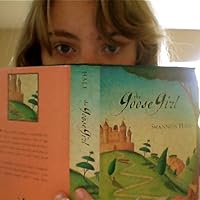
March 14, 2020
This book book follows a woman at work on a novel that never ends, and her mediations on what it means to be an artist, to reconcile life and creativity, to be both observer and participant in every day life. I read this book in almost one sitting, propelled by the narrator's looping thoughts and exacting observations about the strangers she sees on her neighborhood walks. This is definitely a book for writers, and I recognized myself in a lot of her meditations on writing and the writing process. She quotes a lot from famous/not-so-famous artists and writers, and while I enjoyed some of these sections, I did find them a bit repetitive, especially when she was referencing someone I'd never heard of, or art I can't visualize. Overall though, I thought this was a fascinating look at the way observation molds itself into art, and I'm grateful for the trance-like experience I had while reading this book. It made me want to write, to pay attention, to the think about how I fill the container of my days. And that's what the best books-about-time/art/creativity do, in my opinion.
June 8, 2020
I loved this book so so much. I never caught myself checking how many pages were left; I wanted to spend as much time as possible with this book. Kate Zambreno’s fierceness is breathtaking! I can’t wait to read all her works. I also loved how much time and space was given to addressing pregnancy and motherhood as a writer.

June 16, 2021
The start of this novel was glorious. The rest: A mess. (5.5/10)

March 29, 2022
I'm feeling rather star generous tonight (4.22.22) and I have decided to retroactively add 1 star to this. Yesterday at work I did a really cool buy, and I only knew about half the stuff in it because I learned about it in this book. So I am thankful to Zambreno for exposing me to so many things and I clearly retained the info and curiosity because I wanted to call dibs on everything in there!
Another one of those books that make me feel like an uncultured swine who has never read a book in her life. This book is supposedly a “novel” and “fiction” but honestly it doesn’t even go into metafiction or autofiction it is straight up the author’s notebooks transcribed and rearranged. Why bother marking it as fiction? It even has the “resemblance to person places are purely coincidental etc” disclaimer on the copyright page. It was just a present-tense memoir like the Argonauts, you could even call this the Heterosexual Argonauts, a fact that the book itself admits. Zambreno mostly sits on the porch, looks at her dog, worries about the neighborhood stray cats, thinks about various writers and artists, and then the latter 3rd of the book is a pregnancy diary.
I have kept a journal continuously since I read the Diary of Anne Frank in first grade. I always have 2 notebooks going, 1 of which is my Journal with a capital J that has diary entries written in paragraphs, and the other which is lists, random thoughts, to-do, calendars, ideas, etc. I always have both in my backpack, but the diary gets filled in once a month while the notebook gets written in every single day. I often throw out the second category notebooks when I am done with them because they look like shit. Recently I realized that the list notebook is actually a far better depiction of my life and mind than the diaries. If I were some kind of historian studying me in the future after I’m dead, the list notebook would provide soooo much more information into my life and thoughts and self. Drifts helped me articulate why that is. When I write in a journal even if it’s the day of, I’m still memoir-izing and editorializing and streamlining things that happened that day. It’s in the past and I’m reflecting on it. Even if it was only that day I’m already smoothing it over and making it into a narrative for myself. In contrast, the list notebook or the notes app on my phone have thoughts jotted down in the present, or to-do lists for the future. It is in the present and unfiltered. Even if I try to be very honest in my journals, something is lost by the sheer fact of documenting it after the fact. It’s filtered by time. I thought back to Outlines by Rachel Cusk. That book talked about what is lost when you summarize or describe something and how you’re only ever able to give an outline of what happened/what is. In Drifts, Zambreno is trying to write something that is free of this.
I really liked when Kafka says he hasn’t written a word in months but has gone swimming every day for 3 months straight. I struggle to keep all my interests afloat, like right now I can’t knit at all due to wrist injury and I’m sad about it, but I’ve also read way way more so it’s ok to not be doing everything at 100% all of the time. In summer I read way less and go swimming much more too. Zambreno keeps procrastinating but a friend reassures her that all her Doing and Reading and Consuming of media/art is also writing because it’s going to inform her writing. Writers- they’re just like us!
I had always loved the format of journals or epistolary novels ever since I was little and reading those Royal Diaries books. It’s been a lifelong fascination that continues to this day. There’s nothing better than reading facsimiles of famous people’s notebooks and journals. 70% of this book is name-dropping or referencing other artists, but often I didn’t actually need to be familiar with their work because Zambreno was more interested in the lives of the artists than the work they produced. She read their journals, biographies, and correspondence. I have always been interested in this, I always want to know what the normal boring routine was for every historical figure. Zambreno and I have similar interests in that regard, where we find dailiness interesting instead of boring. Repetition and routine are soothing. For the first 100 days of covid I wrote down what I did that day every single day, even though the days were so boring and basically the same I still insisted on doing it. I wish we got to see more pics of Zambreno’s notebooks and handwriting.
Though I liked reading her thoughts, at times she was kinda insufferable. Her husband reads Simone Weil out loud to her on the train. I think if I saw that happening I would get a severe headache. Zambreno is fulfilling some white women stereotypes by being obsessed with dogs and her own period, but that’s life, I also love dogs and my days are ruled over by my menstrual cycle, I just know that neither of those facts are very interesting to other people. However the point of this book is to capture mundane dailiness etc, the “grief and ongoingness of everyday life”. Half of the book I was like….cheer up why don't ya!
Sometimes people care so much about living an aesthetic artful life they forget to LIVE! Uncharitably I thought of when I was in high school and would be like ‘I want to be a writer’ but later in life realized I actually don’t have anything to say. Or when people want to be artists and care more about ‘being an artist’ than the art itself. I guess the problem with wanting to live a monastic life of contemplation for art is that your life is then so boring you have no experiences to draw from. Maybe this is just me, but I’ve had periods where I’m like ‘I am going to seclude myself and dedicate myself to becoming smarter and reading a lot’. I did a lot of this when I had the time/freedom to in 2020 bc of unemployment and quarantine. Most people can’t ever get away like this but whatever privilege conversations go without saying it’s all been said before. Anyway, I’ve found that I actually read and think much more during busier seasons of life, probably because there is more stimulus to make connections to. When I’m trying to be monastic everything slips right out of my head. I’m just not someone who does well in solitude and nothingness I guess.
Zambreno compares her marriage to that of Rilke and his wife Clara. They said that marriage is being the guardian of each other’s solitude or something like that. I do not get this at all lol. I feel my relationship with my partner is about getting us to be more open to the world and actively avoiding retreating. I see that with my parents too, they are always getting each other out there. But that’s probably because isolation is much easier to fall into and you have to make an effort to join with the world.
I can’t believe adjunct professors don’t get the day off to GIVE BIRTH! Fucked up.
I soured a bit on this book when she started complaining about Ben Lerner getting a genius grant (75). Of course while reading this I was like “this is just like 10:04” because I read that in January. And I know that this autofiction genre is indebted to works like The Rings of Saturn. They’re all someone walking around not really doing much but musing on art and literature with pics inserted. Drifts and 10:04 are both specifically about walking around NYC on the precipice of a pregnancy. “This writer’s name had become synonymous for the type of first-person narration we also wrote, and yet no one found our struggles worthy of reward.” It’s naked resentment, but for what, because he’s a white guy? I personally found 10:04 more compelling than this, and I wouldn’t have been ranking them against each other if she hadn’t said this so bitterly!
What I liked about 10:04 and the Argonauts was that the Argonauts was a memoir and 10:04 was a novel, even tho they’re all the same sort of thing as this. 10:04 made real life feel like a novel. I don’t get why this book was even marketed as a novel at all! Just be a theory laden memoir! Also, 10:04 was always situating itself in the larger world in time and space while Drifts is very solipsistic. Drifts is very apolitical aside from vague references to the 2016 election. I’m thinking back to my Sally Rooney review where I mentioned that I did not mind the character Alice hand wringing about the political value of novels, even though I knew Alice was a vehicle for Rooney to insert herself, and I knew I would find it annoying if it were an essay/memoir coming from Rooney directly, but because it was done through a character I was fine with it. I guess because there was absolutely no pretense of this being fiction I was harsher on the narrator/author. Outlines by Rachel Cusk is another similar one, where it’s a writer writing about how hard it is to write, but still that also felt like a novel.
“Drifts is my fantasy of a memoir about nothing. I desire to be drained of the personal. To not give myself away” (38). It’s difficult to write a memoir that doesn’t devolve into an Identity Book and it’s hard when the landscape of art and literature is so identity driven.
Though I’m complaining, I actually did love the fragmentary form of this and thought it was a pleasure to read. The book is heavily referential. Sometimes when I read stuff like this I google as I go, but it disrupts the flow so I kept soldiering on and kept a long list of stuff to google later. The first paragraph is stuff I am familiar with, not that I’ve read all of these but that I am familiar enough with the person/work that I don’t have to google to know what she is referring to. The second, much longer list is everything I don’t know about. I spent an afternoon googling every single name on the second list. There is so much to read. I’ve been working on this master list of stuff I want to read before Kai and I have a baby and sometimes I feel overwhelmed knowing I will likely never get to all the things I want to get to. That one Sylvia Plath quote “I can never read all the books I want; I can never be all the people I want and live all the lives I want, I can never train myself in all the skills I want. And why do I want? I want to live and feel all the shades, tones and variations of mental and physical experience possible in life”. She summed it up right there. However Plath is depressed about this and I try not to not get down about it and see it as wonderful how you can never ever run out of things to learn about.
Know: Rainier Maria Rilke, Nietzsche, Fernando Pessoa, Kafka, Wittgenstein, Goethe, Hegel, Susan Sontag, Elena Ferrante, Ingeborg Bachmann’s Malina, Camus, Marcus Aurelius, Sylvia Plath, St. Francis of Assissi, Beckett, Julian Cortozar, Italo Calvino, Foucault, That one pic of a kurdish child on a beach, Marguerite Duras, W G Sebald, Disgrace by JM COatzee, Amina Cain, Roland Barthes, Chantal Akerman, John Wayne, Dale Carnegie, Edgar Allen Poe, Roberto Bolaño (specifically Antwerp which I did not know about), Basquiat, Sei Shonagon Pillow Book, Rudyard Kipling, Flaubert (A Sentimental Education which I don’t know) Charles Baudelaire, Edward Hopper, Simone Weil, Rasputin, Vermeer, Van Gogh, Girls (the show), Bartleby The Scrivener (the character), Clarice Lispector, Walter Benjamin, Louis L’Amour, Dashiell Hamnet, Gilles Deleuze, Nosferatu, Virginia Woolf, Knausgaard, John Waters, David Bowie, Helene Cixious, Edith Wharton, The Argonauts by Maggie Nelson, Chris Kraus, Maeve Binchy, Hannah Arendt, Gabriel Garcia Marquez, The Matrix (movie), Adrienne Rich, Emperor of Maladies by Siddharth Murkerjee (Probably, this was mentioned in passing as a book her dad is reading as a huge history of cancer and could be something else), Ben Lerner (not named), KUWTK, the Mona Lisa, Le Corbusier, I assumed the dog was named after Jean Genet,
Don't Know: David Markson “Wittgenstein’s Mistress, May Sarton journal of a Solitude (Poet), The notebooks of Malte Laurid Briggs (Rilke’s novel), Robert Walser (she talked about him so much I have now put a book on my shelf), Michelangelo Antonioni (Filmmaker) Joseph Cornell (artist), Maurice Blanchot (theorist), Rodin (Sculptor I felt dumb for not knowing bc I kept seeing a million books at work and was liek oh he’s really famous I just don’t know anything about art), Eugene Atget (photographer), Taxi (show), Petar Hujar specifically photo of Candy Darling (photography) upon googling I realized he took the photo that is on the cover of A Little Life, Albrecht Dürer (though because the images were shown and discussed so much I am now very familiar), Sarah Charlesworth (artist/photographer, specifically Stills a series of photos of people falling off buildings), On Kawara (artist, one of my favorite meditative/calming tasks since I was a kid is to draw calendars/ways to mark time in as many configurations as I can, it has never occurred to me that could be considered art), Agnes Varda the Beaches of Agnes (documentary filmmaker), Dog Essay in the new yorker, couldn’t find the right one, The Walk by Walser again, Bouchra Kahlili (artist), Eileen Myles (poet), San Soleil by Chris Marker (found footage documentary), Vertigo by Hitchcock (didn’t know this particular movie), Hotel Monterey (specific Akerman film), Nan Goldin Ballad of Sexual Dependancy (photographer), The Philadelphia Story (movie), Lou Andreas Salome (psychoanalyst/writer, wrote essays on the eroticism of the anus, was pals with a zillion megafamous people she was gonna build a commune with Nietzsche, rumored to have dated Freud, dated Rilke too wtf), Clara Westoff (Rilke’s wife, who was also an artist), William Gass (novelist), Diane Arbus (photographer), illegible but looks like “connie Mueller” though I tried googling that and got nothing, Emile Cioran the Trouble With Being Born (philsopher), Jean Rhys Good Morning, Midnight (novelist), Julian Schnabel (painter), Robert Maplethorpe (photographer), The Man Who Would Be King (movie), Elizabeth Hardwicke Sleepless Nights (writer), Wanda Barbara Loden (movie, director), Portrait of Jason Shirley Clarke (movie, director), Sandor Krasna (character? In the aforementioned Sans Soleil), Yvonne Ranier (dancer), Hans Castorp (main character of The Magic Mountain which I do own a copy of but haven’t read), Stage Door (movie starring Katherine Hepburn), illegible but looks like it says Giuillermo and surgeon, Sofia Samatar (author’s bff and a poet/writer), Cesar Aira (writer), Diego Velazquez (painter tho upon googling I did recognize the Las Meninas), The Americans (tv show), Boardwalk Empire (tv show), Alexander von Humboldt (naturalist/explorer in the 1800s, Humboldt Park in chicago is named after him, Johan Moritz Rugendas (painter), Portrait of a Woman (painting by Rogier van der Weyden, upon googling realized it is the painting that is always used on the cover of books by Julian of Norwich), Event Factory by Renee Gladman (book), Marianne Moore (poet, Cornell correspondent), Saint Sebaldus (hermit missionary saint from the 700s), Tokyo Story (movie), Norbert Davis (pulp crime novelist), Ghost Image by Herve Guibert (fragmentary novel, he was pals w Foucault), Chris Burden (performance artist), Vito Acconci (performance artist), Wonderful Wonderful Times by Elfriede Jelinek (novel), Sleepwalk by Sara Driver (movie), Sara Stridsburg the Faculty of Dreams (book about Valerie Solanas who wrote the SCUM Manifesto & tried to kill Andy Worhol), The Good Wife (tv show), Paula Modersohn-Becker (painter), Paul Cezanne (painter, my last art class was in 5th grade so don’t blame me), Titian (renaissance painter), Tintoretto (ditto), Moyra Davey (artist), Elsa Morante (writer), Anne Sexton (poet), Bonfire of the Vanities by Tom Wolfe (novel), Enrique Vila Matas (writer), Norman Malcom (philosopher), Pipilotti Rist (installation artist), The Gospel in Brief (Tolstoy book of the Gospels), Clutch (friend mentioned, but then I googled and realized this is the same person as author of Time Is The Thing A Body Moves Through by T Fleishmann so I guess this could’ve gone on the former list)
Another one of those books that make me feel like an uncultured swine who has never read a book in her life. This book is supposedly a “novel” and “fiction” but honestly it doesn’t even go into metafiction or autofiction it is straight up the author’s notebooks transcribed and rearranged. Why bother marking it as fiction? It even has the “resemblance to person places are purely coincidental etc” disclaimer on the copyright page. It was just a present-tense memoir like the Argonauts, you could even call this the Heterosexual Argonauts, a fact that the book itself admits. Zambreno mostly sits on the porch, looks at her dog, worries about the neighborhood stray cats, thinks about various writers and artists, and then the latter 3rd of the book is a pregnancy diary.
I have kept a journal continuously since I read the Diary of Anne Frank in first grade. I always have 2 notebooks going, 1 of which is my Journal with a capital J that has diary entries written in paragraphs, and the other which is lists, random thoughts, to-do, calendars, ideas, etc. I always have both in my backpack, but the diary gets filled in once a month while the notebook gets written in every single day. I often throw out the second category notebooks when I am done with them because they look like shit. Recently I realized that the list notebook is actually a far better depiction of my life and mind than the diaries. If I were some kind of historian studying me in the future after I’m dead, the list notebook would provide soooo much more information into my life and thoughts and self. Drifts helped me articulate why that is. When I write in a journal even if it’s the day of, I’m still memoir-izing and editorializing and streamlining things that happened that day. It’s in the past and I’m reflecting on it. Even if it was only that day I’m already smoothing it over and making it into a narrative for myself. In contrast, the list notebook or the notes app on my phone have thoughts jotted down in the present, or to-do lists for the future. It is in the present and unfiltered. Even if I try to be very honest in my journals, something is lost by the sheer fact of documenting it after the fact. It’s filtered by time. I thought back to Outlines by Rachel Cusk. That book talked about what is lost when you summarize or describe something and how you’re only ever able to give an outline of what happened/what is. In Drifts, Zambreno is trying to write something that is free of this.
I really liked when Kafka says he hasn’t written a word in months but has gone swimming every day for 3 months straight. I struggle to keep all my interests afloat, like right now I can’t knit at all due to wrist injury and I’m sad about it, but I’ve also read way way more so it’s ok to not be doing everything at 100% all of the time. In summer I read way less and go swimming much more too. Zambreno keeps procrastinating but a friend reassures her that all her Doing and Reading and Consuming of media/art is also writing because it’s going to inform her writing. Writers- they’re just like us!
I had always loved the format of journals or epistolary novels ever since I was little and reading those Royal Diaries books. It’s been a lifelong fascination that continues to this day. There’s nothing better than reading facsimiles of famous people’s notebooks and journals. 70% of this book is name-dropping or referencing other artists, but often I didn’t actually need to be familiar with their work because Zambreno was more interested in the lives of the artists than the work they produced. She read their journals, biographies, and correspondence. I have always been interested in this, I always want to know what the normal boring routine was for every historical figure. Zambreno and I have similar interests in that regard, where we find dailiness interesting instead of boring. Repetition and routine are soothing. For the first 100 days of covid I wrote down what I did that day every single day, even though the days were so boring and basically the same I still insisted on doing it. I wish we got to see more pics of Zambreno’s notebooks and handwriting.
Though I liked reading her thoughts, at times she was kinda insufferable. Her husband reads Simone Weil out loud to her on the train. I think if I saw that happening I would get a severe headache. Zambreno is fulfilling some white women stereotypes by being obsessed with dogs and her own period, but that’s life, I also love dogs and my days are ruled over by my menstrual cycle, I just know that neither of those facts are very interesting to other people. However the point of this book is to capture mundane dailiness etc, the “grief and ongoingness of everyday life”. Half of the book I was like….cheer up why don't ya!
Sometimes people care so much about living an aesthetic artful life they forget to LIVE! Uncharitably I thought of when I was in high school and would be like ‘I want to be a writer’ but later in life realized I actually don’t have anything to say. Or when people want to be artists and care more about ‘being an artist’ than the art itself. I guess the problem with wanting to live a monastic life of contemplation for art is that your life is then so boring you have no experiences to draw from. Maybe this is just me, but I’ve had periods where I’m like ‘I am going to seclude myself and dedicate myself to becoming smarter and reading a lot’. I did a lot of this when I had the time/freedom to in 2020 bc of unemployment and quarantine. Most people can’t ever get away like this but whatever privilege conversations go without saying it’s all been said before. Anyway, I’ve found that I actually read and think much more during busier seasons of life, probably because there is more stimulus to make connections to. When I’m trying to be monastic everything slips right out of my head. I’m just not someone who does well in solitude and nothingness I guess.
Zambreno compares her marriage to that of Rilke and his wife Clara. They said that marriage is being the guardian of each other’s solitude or something like that. I do not get this at all lol. I feel my relationship with my partner is about getting us to be more open to the world and actively avoiding retreating. I see that with my parents too, they are always getting each other out there. But that’s probably because isolation is much easier to fall into and you have to make an effort to join with the world.
I can’t believe adjunct professors don’t get the day off to GIVE BIRTH! Fucked up.
I soured a bit on this book when she started complaining about Ben Lerner getting a genius grant (75). Of course while reading this I was like “this is just like 10:04” because I read that in January. And I know that this autofiction genre is indebted to works like The Rings of Saturn. They’re all someone walking around not really doing much but musing on art and literature with pics inserted. Drifts and 10:04 are both specifically about walking around NYC on the precipice of a pregnancy. “This writer’s name had become synonymous for the type of first-person narration we also wrote, and yet no one found our struggles worthy of reward.” It’s naked resentment, but for what, because he’s a white guy? I personally found 10:04 more compelling than this, and I wouldn’t have been ranking them against each other if she hadn’t said this so bitterly!
What I liked about 10:04 and the Argonauts was that the Argonauts was a memoir and 10:04 was a novel, even tho they’re all the same sort of thing as this. 10:04 made real life feel like a novel. I don’t get why this book was even marketed as a novel at all! Just be a theory laden memoir! Also, 10:04 was always situating itself in the larger world in time and space while Drifts is very solipsistic. Drifts is very apolitical aside from vague references to the 2016 election. I’m thinking back to my Sally Rooney review where I mentioned that I did not mind the character Alice hand wringing about the political value of novels, even though I knew Alice was a vehicle for Rooney to insert herself, and I knew I would find it annoying if it were an essay/memoir coming from Rooney directly, but because it was done through a character I was fine with it. I guess because there was absolutely no pretense of this being fiction I was harsher on the narrator/author. Outlines by Rachel Cusk is another similar one, where it’s a writer writing about how hard it is to write, but still that also felt like a novel.
“Drifts is my fantasy of a memoir about nothing. I desire to be drained of the personal. To not give myself away” (38). It’s difficult to write a memoir that doesn’t devolve into an Identity Book and it’s hard when the landscape of art and literature is so identity driven.
Though I’m complaining, I actually did love the fragmentary form of this and thought it was a pleasure to read. The book is heavily referential. Sometimes when I read stuff like this I google as I go, but it disrupts the flow so I kept soldiering on and kept a long list of stuff to google later. The first paragraph is stuff I am familiar with, not that I’ve read all of these but that I am familiar enough with the person/work that I don’t have to google to know what she is referring to. The second, much longer list is everything I don’t know about. I spent an afternoon googling every single name on the second list. There is so much to read. I’ve been working on this master list of stuff I want to read before Kai and I have a baby and sometimes I feel overwhelmed knowing I will likely never get to all the things I want to get to. That one Sylvia Plath quote “I can never read all the books I want; I can never be all the people I want and live all the lives I want, I can never train myself in all the skills I want. And why do I want? I want to live and feel all the shades, tones and variations of mental and physical experience possible in life”. She summed it up right there. However Plath is depressed about this and I try not to not get down about it and see it as wonderful how you can never ever run out of things to learn about.
Know: Rainier Maria Rilke, Nietzsche, Fernando Pessoa, Kafka, Wittgenstein, Goethe, Hegel, Susan Sontag, Elena Ferrante, Ingeborg Bachmann’s Malina, Camus, Marcus Aurelius, Sylvia Plath, St. Francis of Assissi, Beckett, Julian Cortozar, Italo Calvino, Foucault, That one pic of a kurdish child on a beach, Marguerite Duras, W G Sebald, Disgrace by JM COatzee, Amina Cain, Roland Barthes, Chantal Akerman, John Wayne, Dale Carnegie, Edgar Allen Poe, Roberto Bolaño (specifically Antwerp which I did not know about), Basquiat, Sei Shonagon Pillow Book, Rudyard Kipling, Flaubert (A Sentimental Education which I don’t know) Charles Baudelaire, Edward Hopper, Simone Weil, Rasputin, Vermeer, Van Gogh, Girls (the show), Bartleby The Scrivener (the character), Clarice Lispector, Walter Benjamin, Louis L’Amour, Dashiell Hamnet, Gilles Deleuze, Nosferatu, Virginia Woolf, Knausgaard, John Waters, David Bowie, Helene Cixious, Edith Wharton, The Argonauts by Maggie Nelson, Chris Kraus, Maeve Binchy, Hannah Arendt, Gabriel Garcia Marquez, The Matrix (movie), Adrienne Rich, Emperor of Maladies by Siddharth Murkerjee (Probably, this was mentioned in passing as a book her dad is reading as a huge history of cancer and could be something else), Ben Lerner (not named), KUWTK, the Mona Lisa, Le Corbusier, I assumed the dog was named after Jean Genet,
Don't Know: David Markson “Wittgenstein’s Mistress, May Sarton journal of a Solitude (Poet), The notebooks of Malte Laurid Briggs (Rilke’s novel), Robert Walser (she talked about him so much I have now put a book on my shelf), Michelangelo Antonioni (Filmmaker) Joseph Cornell (artist), Maurice Blanchot (theorist), Rodin (Sculptor I felt dumb for not knowing bc I kept seeing a million books at work and was liek oh he’s really famous I just don’t know anything about art), Eugene Atget (photographer), Taxi (show), Petar Hujar specifically photo of Candy Darling (photography) upon googling I realized he took the photo that is on the cover of A Little Life, Albrecht Dürer (though because the images were shown and discussed so much I am now very familiar), Sarah Charlesworth (artist/photographer, specifically Stills a series of photos of people falling off buildings), On Kawara (artist, one of my favorite meditative/calming tasks since I was a kid is to draw calendars/ways to mark time in as many configurations as I can, it has never occurred to me that could be considered art), Agnes Varda the Beaches of Agnes (documentary filmmaker), Dog Essay in the new yorker, couldn’t find the right one, The Walk by Walser again, Bouchra Kahlili (artist), Eileen Myles (poet), San Soleil by Chris Marker (found footage documentary), Vertigo by Hitchcock (didn’t know this particular movie), Hotel Monterey (specific Akerman film), Nan Goldin Ballad of Sexual Dependancy (photographer), The Philadelphia Story (movie), Lou Andreas Salome (psychoanalyst/writer, wrote essays on the eroticism of the anus, was pals with a zillion megafamous people she was gonna build a commune with Nietzsche, rumored to have dated Freud, dated Rilke too wtf), Clara Westoff (Rilke’s wife, who was also an artist), William Gass (novelist), Diane Arbus (photographer), illegible but looks like “connie Mueller” though I tried googling that and got nothing, Emile Cioran the Trouble With Being Born (philsopher), Jean Rhys Good Morning, Midnight (novelist), Julian Schnabel (painter), Robert Maplethorpe (photographer), The Man Who Would Be King (movie), Elizabeth Hardwicke Sleepless Nights (writer), Wanda Barbara Loden (movie, director), Portrait of Jason Shirley Clarke (movie, director), Sandor Krasna (character? In the aforementioned Sans Soleil), Yvonne Ranier (dancer), Hans Castorp (main character of The Magic Mountain which I do own a copy of but haven’t read), Stage Door (movie starring Katherine Hepburn), illegible but looks like it says Giuillermo and surgeon, Sofia Samatar (author’s bff and a poet/writer), Cesar Aira (writer), Diego Velazquez (painter tho upon googling I did recognize the Las Meninas), The Americans (tv show), Boardwalk Empire (tv show), Alexander von Humboldt (naturalist/explorer in the 1800s, Humboldt Park in chicago is named after him, Johan Moritz Rugendas (painter), Portrait of a Woman (painting by Rogier van der Weyden, upon googling realized it is the painting that is always used on the cover of books by Julian of Norwich), Event Factory by Renee Gladman (book), Marianne Moore (poet, Cornell correspondent), Saint Sebaldus (hermit missionary saint from the 700s), Tokyo Story (movie), Norbert Davis (pulp crime novelist), Ghost Image by Herve Guibert (fragmentary novel, he was pals w Foucault), Chris Burden (performance artist), Vito Acconci (performance artist), Wonderful Wonderful Times by Elfriede Jelinek (novel), Sleepwalk by Sara Driver (movie), Sara Stridsburg the Faculty of Dreams (book about Valerie Solanas who wrote the SCUM Manifesto & tried to kill Andy Worhol), The Good Wife (tv show), Paula Modersohn-Becker (painter), Paul Cezanne (painter, my last art class was in 5th grade so don’t blame me), Titian (renaissance painter), Tintoretto (ditto), Moyra Davey (artist), Elsa Morante (writer), Anne Sexton (poet), Bonfire of the Vanities by Tom Wolfe (novel), Enrique Vila Matas (writer), Norman Malcom (philosopher), Pipilotti Rist (installation artist), The Gospel in Brief (Tolstoy book of the Gospels), Clutch (friend mentioned, but then I googled and realized this is the same person as author of Time Is The Thing A Body Moves Through by T Fleishmann so I guess this could’ve gone on the former list)

May 6, 2023
december 2024: revisited this one in hopes i'd have a better time with it, sad to report that i didn't love it this time around either. the description of this book makes it sound like something i would be obsessed with, but it's fallen flat both times i've read it.
maybe i would've liked this more if it was marketed as more of a memoir or a journal, rather than a novel? it's very fragmentary bits and pieces from kate zambreno's notebooks documenting the peripheral activities surrounding writing. she is contracted to write a novel, but is struggling, continuously moving her notes around but not actually writing. we hear about her life as an adjunct professor in nyc, as well as musings on the lives of other artists and writers (most of whom i had no familiarity with). i did really appreciate the snippets of zambreno's correspondence with contemporary authors such as danielle dutton, bhanu kapil, amina cain, and suzanne scanlon. the latter part of the book details her pregnancy, and i found those sections felt more cohesive than the beginning of the book.
the book lacked connective tissue - which, i think, is the point:
"but i am working, taking notes and thinking. not just laziness i've decided, but what blanchot calls desoeuvrement, translated variously as 'inoperativeness,' 'inertia,' 'idleness,' 'unworking,' or my favorite, 'worklessness.' a spiritual stance, more active, like decreation. the state where the writing of the fragment replaces the work."
did she achieve her goal of writing a memoir about nothing? yes. was i riveted by it? no.
this is the ultimate no plot, just vibes book. i didn't hate it, but felt very lukewarm about it. there is better autofiction out there, and better books about motherhood out there.
may 2023: autofiction on writing, time, and motherhood that didn’t fully connect with me
maybe i would've liked this more if it was marketed as more of a memoir or a journal, rather than a novel? it's very fragmentary bits and pieces from kate zambreno's notebooks documenting the peripheral activities surrounding writing. she is contracted to write a novel, but is struggling, continuously moving her notes around but not actually writing. we hear about her life as an adjunct professor in nyc, as well as musings on the lives of other artists and writers (most of whom i had no familiarity with). i did really appreciate the snippets of zambreno's correspondence with contemporary authors such as danielle dutton, bhanu kapil, amina cain, and suzanne scanlon. the latter part of the book details her pregnancy, and i found those sections felt more cohesive than the beginning of the book.
the book lacked connective tissue - which, i think, is the point:
"but i am working, taking notes and thinking. not just laziness i've decided, but what blanchot calls desoeuvrement, translated variously as 'inoperativeness,' 'inertia,' 'idleness,' 'unworking,' or my favorite, 'worklessness.' a spiritual stance, more active, like decreation. the state where the writing of the fragment replaces the work."
did she achieve her goal of writing a memoir about nothing? yes. was i riveted by it? no.
this is the ultimate no plot, just vibes book. i didn't hate it, but felt very lukewarm about it. there is better autofiction out there, and better books about motherhood out there.
may 2023: autofiction on writing, time, and motherhood that didn’t fully connect with me

July 21, 2020
I am Kate Zambreno's biggest fan!! Maybe some of that has to do with the fact that her writing is always highly referential to other authors and artists and films she loves and those happen to consistently be the same authors and artists and films I love (literally in the span of one page she name-drops three books I've read this year and one I have sitting next to me that I was planning on reading right after this). But also, her sort of narrative-nonfiction writing, which in this case is more-or-less just a curated diary from the months leading up to and during her pregnancy, is so insightful and funny and comfortingly mundane. Her work is so personal and direct, like a friend catching you up on what's been going on in her life, but still packed with all these difficult ideas about searching for meaning and fulfillment and guidance in art (and whether those are even reasonable things to be looking for in art).
This is called a novel on the cover and in interviews about the book she talks about "the narrator" as a character, but it is, absolutely, 100%, an autobiographical nonfiction book—like, verbatim entries from her diary with real names used for her dog and partner and friends, real events from her life, real references to my friend who was her student(!)—and then all those real diary entries and notes and musings on art are just curated into a vaguely three-act structure. If you want to do intellectual backflips you could maybe interpret that as a novel, but generally I would say do not go into this expecting fiction because this book is, like, very openly and easily verifiably nonfiction.
This is called a novel on the cover and in interviews about the book she talks about "the narrator" as a character, but it is, absolutely, 100%, an autobiographical nonfiction book—like, verbatim entries from her diary with real names used for her dog and partner and friends, real events from her life, real references to my friend who was her student(!)—and then all those real diary entries and notes and musings on art are just curated into a vaguely three-act structure. If you want to do intellectual backflips you could maybe interpret that as a novel, but generally I would say do not go into this expecting fiction because this book is, like, very openly and easily verifiably nonfiction.

July 19, 2020
Not even remotely a “novel” but magnificently random, weird and meandering. I love that it feels nonlinear although it follows Kate Zambreno’s life up until the birth of her kid.
My honest heart would rate this a three, but I really really loved the weirdness of the way this was written. The little pictures. The notes from the cafe. The discussion about strange situations and jarring occurrences such as people leaping to their deaths from tall buildings, strangers talking about sex with corpses while she’s distracted by the fact that they’ve tied their dog up outside.. I like the juxtaposition of her thoughts: she’s on the stand testifying against the man that robbed her and husband but she’s thinking about the wetness of the blood in her panties because her period just started..
It’s a trippy fucking book. I loved that about it. There’s magic in the mundanity of life, if you really take a look around and put your pen to paper.
My honest heart would rate this a three, but I really really loved the weirdness of the way this was written. The little pictures. The notes from the cafe. The discussion about strange situations and jarring occurrences such as people leaping to their deaths from tall buildings, strangers talking about sex with corpses while she’s distracted by the fact that they’ve tied their dog up outside.. I like the juxtaposition of her thoughts: she’s on the stand testifying against the man that robbed her and husband but she’s thinking about the wetness of the blood in her panties because her period just started..
It’s a trippy fucking book. I loved that about it. There’s magic in the mundanity of life, if you really take a look around and put your pen to paper.

July 8, 2020
Keeping a notebook myself, I'd end up with an almost exact copy of Drifts itself. Zambreno's notes are full of noteworthy quotes, intriguing references and images you would like to keep in mind.
I soon realised it wouldn't be fair to keep one while reading this book, this gathering of notes. As Zambreno suggested herself in the subtitle, I should make it a novel. Struggling to create a novel herself, Zambreno drifted me towards writing again. It sure wouldn't go easy. And it will be hard to catch anything at all in this present tense of possibility. But if I'll get there I will make note of it.
I soon realised it wouldn't be fair to keep one while reading this book, this gathering of notes. As Zambreno suggested herself in the subtitle, I should make it a novel. Struggling to create a novel herself, Zambreno drifted me towards writing again. It sure wouldn't go easy. And it will be hard to catch anything at all in this present tense of possibility. But if I'll get there I will make note of it.
June 18, 2020
I fell into the current of this narrative and stayed bobbing and floating from beginning to end mesmerized by the Mix of bodily Experience and cultural touchstones. Paula Modershon Becker whose letters I have read a friend to the poet Rilke. A painter who died 18 days after giving birth to her daughter. The perils of. Reaction and birth hung over the text from beginning to end. I loved it.

June 14, 2020
Pies bla bla bla Rilke bla bla bla Ciąża bla bla bla „jak napiszę tę książkę” bla bla bla

November 11, 2023
https://kansasbooks.blogspot.com/2023...
“Hubo un tiempo en que pensó que una casa, una esposa y una hija harían de su vida algo más tangible. Sin embargo, ahora desea retirarse más profundamente a su interior, a su monasterio interno, repleto de grandes campanas. Le gustaría olvidarse de todos, olvidar a su esposa y a su hija. Uno ha de vivir dentro de su obra y quedarse ahí. Solo cuando la vida se ha convertido en un trabajo puede convertirse en arte. No estamos hechos para tener dos vidas, escribe apasionadamente en medio de de su irritación, solo puede haber una. Y aun asi es incapaz de concentrarse, de terminar nada parecido a una obra. ¿Es enfermiza su voluntad? ¿Carece de fuerza? Pasan los días y aun asi no sucede nada. No consigue ser real. Es el miedo, confiesa, no consigue ser real.”
La escritora, en este caso Kate Zambreno, se obsesiona por salir del estancamiento en que la ha sumido su escritura y en una especie de acto desesperado usa a Rilke como una especie de alter ego y la desesperación que sintió a la hora de crear una novela que no le salía, para conectar con él. La autora, le cita y le saca a relucir una y otra vez a lo largo de toda la novela, a través de sus cartas y de su desesperación como una manera de buscar refugio en alguien que hubiera pasado por lo mismo. Imagino que será la pesadilla del escritor cuando sabe que tiene que entregar una novela pactada con la editorial y nota que el tiempo pasa y no hay forma de que la obra avance. Realmente se puede decir que Derivas se resume en esto: la frustración de una autora por parir una obra que parece estancada y que tiene fecha de entrega.
"Cuando me siento a escribir, empiezo a desviarme hacia otro pensamiento completamente distinto. Pienso en Sebald, que dijo en una entrevista que, cuando se sentaba a escribir, no sabía hacia dónde se dirigía, seguía sus pensamientos y sus conexiones como un perro en el campo."
Me apetecía mucho leer esta Derivas porque Book of Mutter me entusiasmó y me sentí muy identifcada con ella y aunque Derivas es casi el mismo concepto, aquí a partir del primer tercio de la novela se me comenzó a desinflar la idea general sobre la que Kate Zambreno había montado Derivas. Donde en Book of mutter noto pasión a la hora de abordar la pérdida y la ausencia como temática principal para crear un texto, aquí en Derivas noto una obra forzada en la que los referentes en los que apoya para sentar la base, no son suficientes, por lo menos, para mantener mi interés hasta el final. Walser, Sebald, Joseph Cornell, Susan Sontag junto a retazos de fragmentos de películas de Chris Marker, Sans Soleil, o de Chantal Akerman se entremezclan con fragmentos de la vida diaria de Kate Zambreno mientras interactúa con amigos: “Una sola frase. Suzanne cancelando el chat que teníamos planeado. No desaparezcas, le escribo, pero lo hace, durante periodos largos, se esconde, o tal vez sea yo la que me esconda. Las personas a las quiero desaparecen, y yo las persigo, y tal vez esa la razón por la que soy escritora.” sale a pasear con su perro, lee y escribe, da clases en la universidad y en definitiva, intenta plasmar su día a día en el papel como si fueran fragmentos de una película de Jonas Mekas. A partir de la mitad de la novela, la maternidad pasa a ocupar la otra temática importante de Derivas, ya que la autora al quedarse embarazada pasa a centrarse en los cambios de su cuerpo y la angustia por el futuro que esta maternidad le supone.
“Las escritoras que son madres me dicen que no podré escribir durante los dos primeros años. O puede que incluso los cuatro primeros. La directora del departamento de la universidad me aconseja que invierta los ahorros que asume que tengo en una niñera, como hizo ella, si quiero alguna esperanza de escribir o de ser una persona autonoma. Me parece imposible.”
Derivas es una acumulación de detalles que definen a Kate Zembrano pero no sé hasta qué punto suenan tan vitales y auténticos como me lo parecieron en Book of mutter. Me interesó la primera parte pero a partir de ahí noto que todo parece una colección de observaciones más bien forzadas, dispersas. Tiene sus momentos, fragmentos que suenan reales, pero en su conjunto sentí que toda la parte del embarazo, la segunda mitad, le vino bien a Kate Zembrano para completar una obra que no sabía como terminar de dilucidar. Kate Zembrano es una autora muy interesante y entiendo que la autoficción es como una revolución personal e íntima en la que el autor se desnuda frente al lector pero en Derivas el ensamblaje con el que la quiere construir se dispersa y al final los pequeños fragmentos de vida y que van a conformar una obra, no me transmiten. Nada que ver con Book of mutter.
“Necesidad imperiosa de comunicar
Necesidad imperiosa de desaparecer (replegarse)"
♫♫♫ "Slow Revolution" - Sonic Youth ♫♫♫

November 9, 2022
“Niet zomaar verdwijnen, schrijf ik haar, maar dat doet ze wel, vaak voor langere tijd, ze houdt zich schuil, of misschien hou ik me schuil. De mensen van wie ik hou verdwijnen, en ik jaag ze na, en misschien ben ik ook daarom wel schrijver.”
June 28, 2025
I found the diary-like fragments about the lives and works of Rilke, Kafka, and Wittgenstein both inspiring and moving. In them, Kate Zambreno reflects on art, her everyday life, writing, and teaching in a way that I found truly touching. She also expresses her conflicted feelings about motherhood and her own physicality.
Displaying 1 - 30 of 311 reviews