

What do you think?

Ψηλά τις καρδιές
Τι συμβαίνει όταν αφιερώνεις τη ζωή σου σ’ ένα σκοπό και αυτός καταρρέει; Πώς συνεχίζεις να ζεις, όταν αντιλαμβάνεσαι πως όλα σου τα όνειρα υπήρξαν μάταια; Τριάντα χρόνια μετά την πτώση του Τείχους του Βερολίνου, ο Μαξίμ Λέο δεν έχει τις απαντήσεις στα ερωτήματα που τον βασανίζουν. Έχει όμως την τόλμη να κάνει σήμερα τις ερωτήσεις που ήθελε να κάνει καθώς μεγάλωνε, παιδί στην Ανατολική Γερμανία.
Στη μητέρα του, την Άννε, πιστό μέλος του Κόμματος, που συγκινείται κάθε φορά που μιλάει για το όνειρο που έσβησε. Στον πατέρα του, τον Βολφ, ατίθασο καλλιτέχνη που ένιωθε να πνίγεται στη Λαοκρατική Δημοκρατία της Γερμανίας, αλλά ασφυκτιά ακόμα περισσότερο στην καπιταλιστική Δύση. Στον παππού του, τον Γκέρχαρντ, τιμημένο ήρωα πολέμου στη γαλλική αντίσταση και κατόπιν υψηλόβαθμο στέλεχος του «νέου αντιφασιστικού κράτους», ο οποίος σήμερα έχει χάσει τη φωνή του. Και τέλος, στον άλλο του παππού, τον Βέρνερ, έναν πρώην ναζιστή που ήξερε πάντα να προσαρμόζεται ανώδυνα.
Η Ανατολική Γερμανία τούς ενώνει και τους χωρίζει. Τους απωθεί και τους έλκει σαν νεανικός πόθος και σαν ανοιχτή πληγή. Ο Μαξίμ Λέο, με τρυφερότητα, ειλικρίνεια και χαρακτηριστική λιτότητα στα εκφραστικά του μέσα, μας δείχνει την καθημερινή ζωή στην Ανατολική Γερμανία, μέσα απ’ τις διηγήσεις τριών γενιών μιας οικογένειας που δέχονται απανωτά τα χτυπήματα της Ιστορίας, προσπαθώντας να μη λυγίσουν και να κρατήσουν ψηλά τις καρδιές.
Στη μητέρα του, την Άννε, πιστό μέλος του Κόμματος, που συγκινείται κάθε φορά που μιλάει για το όνειρο που έσβησε. Στον πατέρα του, τον Βολφ, ατίθασο καλλιτέχνη που ένιωθε να πνίγεται στη Λαοκρατική Δημοκρατία της Γερμανίας, αλλά ασφυκτιά ακόμα περισσότερο στην καπιταλιστική Δύση. Στον παππού του, τον Γκέρχαρντ, τιμημένο ήρωα πολέμου στη γαλλική αντίσταση και κατόπιν υψηλόβαθμο στέλεχος του «νέου αντιφασιστικού κράτους», ο οποίος σήμερα έχει χάσει τη φωνή του. Και τέλος, στον άλλο του παππού, τον Βέρνερ, έναν πρώην ναζιστή που ήξερε πάντα να προσαρμόζεται ανώδυνα.
Η Ανατολική Γερμανία τούς ενώνει και τους χωρίζει. Τους απωθεί και τους έλκει σαν νεανικός πόθος και σαν ανοιχτή πληγή. Ο Μαξίμ Λέο, με τρυφερότητα, ειλικρίνεια και χαρακτηριστική λιτότητα στα εκφραστικά του μέσα, μας δείχνει την καθημερινή ζωή στην Ανατολική Γερμανία, μέσα απ’ τις διηγήσεις τριών γενιών μιας οικογένειας που δέχονται απανωτά τα χτυπήματα της Ιστορίας, προσπαθώντας να μη λυγίσουν και να κρατήσουν ψηλά τις καρδιές.
332 pages, Paperback
First published January 1, 2009
Ratings & Reviews
Friends & Following
Create a free account to discover what your friends think of this book!
Community Reviews
Displaying 1 - 30 of 242 reviews
July 30, 2018
A certain Wall may have crumbled back in 1989, but life in East Germany is impossible to forget for Maxim Leo. Born in 1970, Leo studied Political Science in both Berlin and Paris before becoming an Editor for the Berliner Zeitung newspaper, and has been praised for his journalism.
'Red Love' is an honest and poignant work, told in an utterly convincing manner, that depicts what life was really like during the post-war years and later the collapse of that huge chunk of concrete that split a city in two. But strictly speaking this is not an out and out book about the GDR, it's more a deeply personal look at his family starting right back in the days of pre-WW2. Both his Grandfathers, Werner and Gerhard's stories feature heavily, as well as his parents, Wolf and Anne, who both ended up seeing things differently in the Socialist State.
It is difficult for me to image the GDR even existed, all these years on, I only vaguely remember it being all over the news back in 1989. Prior to that, hardly a word came out from behind the wall. And yet when journalist Maxim Leo was living in East Berlin through the Seventies and Eighties the GDR was not only real, it was omnipresent. As a totalitarian Country it governed how Leo was schooled, what he thought, what job he was allowed to go for, and what he was allowed to think and say. Like a seriously overbearing parent it must have been stifling and terrifying, but also reassuring in a strange way. As long as you just play along with the GDR rulebook, regardless of your own true feelings, then there shouldn't have been anything to worry about. Ideally, you would be taken care of. But what sort of life was that?
Leo tells the story of how his family coped, or failed to cope, with this bizarre historical anomaly. Each member of his family had a different stance towards the East German state. There were those who loved it with every kiss, those who resisted it, and those, like Leo’s mother Anne, who didn't really know what to think. The only impossible thing was to ignore it altogether. It's in your living room, and there whilst you slept, like in the words of Wolf Leo "The GDR was always there in bed with us.”
The story starts with Leo’s grandparents who, in their own ways, were both ardent fans of the East German regime. The two sides of Leo’s family could not have been more different. Gerhard, his maternal grandfather, a Jew, was forced to flee Germany before the war to escape the hell of the Nazis. Leo’s paternal grandfather, Werner, by contrast, had originally supported the Nazis so enthusiastically that he not only hung his own windows with swastikas, but pestered others to do likewise. While Gerhard joined the French Resistance during WW2 and had all kinds of astonishing adventures fighting against his former Germans, Werner joined the Wehrmacht and fought for the Fatherland in the doomed Ardennes battle. Gerhard returned to Germany a war hero, and became a strong embodyment for the Resistance whilst Werner returned a beaten man, having spent two years toiling in a prisoner-of-war camp in France. But both men had one thing in common, a passion for East German Communism. For one it was a matter of patriotism, For the other it was a chance to rejuvenate himself, and start again. Despite his Nazi past, all he ever wanted was to belong to something bigger than himself, I guess the GDR seemed that bigger something.
Leo’s parents, had more of a fractured relationship with the GDR. His mother, Anne, found it almost impossible to reject the ideology of the hero father she dearly loved. But growing up began to see that the Communist ideal and the Communist reality were different ideologies. As a journalist she wanted to criticise the regime, but because of her devotion to her father every bad thing said felt like a betrayal of sorts, she came across as someone almost constantly stuck.
Leo’s father, Wolf, on the other hand, rebelled against his Nazi background almost from the very beginning. A colourful, defiant and strong willed artist, Wolf pushed the boundaries of what he was and was not allowed to do. He produced subversive art, and made incendiary talks at the Artists Association. This caused all kinds of family arguments which Maxim bore witness to.
As for Maxim, he was growing up, trying to be his own person, and had no idea which side he would side with. Just wanting to live a normal life with the family he loved, without this 'barricade' that his grandfather often spoke of. When the Berlin Wall came down in 1989 he felt no happiness or relief, just a kind of empty anxiety, totally overcome by what he was witnessing, and that he still has trouble identifying in the 21st century. He had no real love for his old homeland, and yet it was all he had ever known, before practically overnight it dissolved before his eyes.
This was a moving account of people who love one another in some kind of way, but are doomed never to truly co-exist, and it is also an unbearably affecting description of a world that is now confined to the history books. His family represents a microcosm of East Germany, struggling with the same opposing sets of ideals that eventually broke the Camel's back. As Maxim Leo tells with painful clarity, those who lived in this dysfunctional family are still living with the repercussions today and beyond.

September 1, 2020
رحلة في تاريخ ألمانيا الحديث لثلاثة أجيال متعاقبة. يحاول من خلالها المؤلف فهم وتفسير الحاضر من خلال التعرف على ماضي عائلته.
يروي الكاتب حكاية الحرب العالمية من منظورين مختلفين. منظور الجد للأم الهارب من الوطن بسبب أصله اليهودي. ومنظور الجد للأب الذي حارب في صفوف الجيش النازي وعاد منه مدمراً إلى وطن مدمر.
ثم يحكي عن الحياة الرمادية التي عاشها جيله، جيل ألمانيا الشرقية الذي عاش منعزلا ً عن العالم في ظل النظام الاشتراكي وراء جدار قبيح لثلاثين عاماً.
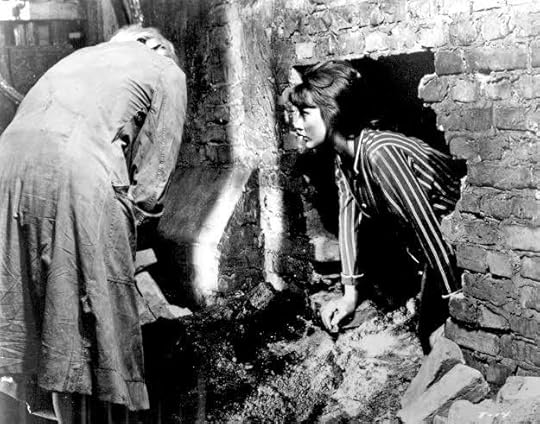
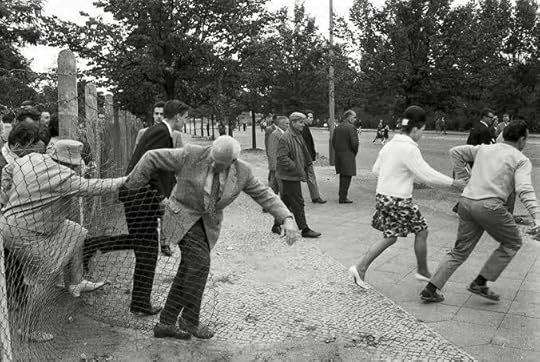
free image sharing
محاولات الألمان الشرقيون للهروب من ألمانيا الشرقية
يتساءل الكاتب، ما الذي يدفع جيل الحرب الذي ضاع عمره في المعتقلات او على خطوط القتال، إلى التمسك بنظام لا يقل فاشية واستبداداً-النظام الشيوعي-عن الفكر النازي الذي دمر وطنهم؟
هل كان الوفاء والأخلاص الأعمى للفكر الشيوعي؟ أم كان مجرد انتقام من وطن وشعب خذل المظلمين منهم-الشيوعيين واليهود-عندما قام بتسليم سلطة بلادهم إلى ديكتاتور مثل هتلر لكي يفعل بهم ما فعل؟
ربما كان نوعاً من التدمير الذاتي.
عندما سقط الجدار بعد ثلاثين عام، كان احساس الحرية لدى الألمان الشرقيون احساساً مخيفاً. فهم لم يعتادوا أن يفكروا ويقرروا مصيرهم بأنفسهم. لم يعرفوا معنى أن يكون لديهم خيارات في الحياة غير ما اختاره لهم الحزب الحاكم. كان ضوء الألوان صادما لهم، بعد أن ألفت عينهم اللون الرمادي.

كان الكتابة جيدة حتى الثلث الأخير الذي يروي السنوات الأخيرة قبل سقوط الجدار. كانت الكتابة في هذا الجزء رتيبة ومملة إلى حد ما.
يروي الكاتب حكاية الحرب العالمية من منظورين مختلفين. منظور الجد للأم الهارب من الوطن بسبب أصله اليهودي. ومنظور الجد للأب الذي حارب في صفوف الجيش النازي وعاد منه مدمراً إلى وطن مدمر.
ثم يحكي عن الحياة الرمادية التي عاشها جيله، جيل ألمانيا الشرقية الذي عاش منعزلا ً عن العالم في ظل النظام الاشتراكي وراء جدار قبيح لثلاثين عاماً.
free image sharing
محاولات الألمان الشرقيون للهروب من ألمانيا الشرقية
يتساءل الكاتب، ما الذي يدفع جيل الحرب الذي ضاع عمره في المعتقلات او على خطوط القتال، إلى التمسك بنظام لا يقل فاشية واستبداداً-النظام الشيوعي-عن الفكر النازي الذي دمر وطنهم؟
هل كان الوفاء والأخلاص الأعمى للفكر الشيوعي؟ أم كان مجرد انتقام من وطن وشعب خذل المظلمين منهم-الشيوعيين واليهود-عندما قام بتسليم سلطة بلادهم إلى ديكتاتور مثل هتلر لكي يفعل بهم ما فعل؟
ربما كان نوعاً من التدمير الذاتي.
عندما سقط الجدار بعد ثلاثين عام، كان احساس الحرية لدى الألمان الشرقيون احساساً مخيفاً. فهم لم يعتادوا أن يفكروا ويقرروا مصيرهم بأنفسهم. لم يعرفوا معنى أن يكون لديهم خيارات في الحياة غير ما اختاره لهم الحزب الحاكم. كان ضوء الألوان صادما لهم، بعد أن ألفت عينهم اللون الرمادي.
كان الكتابة جيدة حتى الثلث الأخير الذي يروي السنوات الأخيرة قبل سقوط الجدار. كانت الكتابة في هذا الجزء رتيبة ومملة إلى حد ما.

November 28, 2019
Πριν 2 – 3 χρόνια, λόγω πολιτικών πεποιθήσεων, θα είχα εκνευριστεί μ’ αυτό το βιβλίο. Τώρα που βλέπω πράγματα που είχα επιλέξει να μη βλέπω, αν και τα πιστεύω μου -ουσιαστικά- δεν έχουν αλλάξει, μπορώ να πω ότι καταλαβαίνω την οικογένεια Λέο. Παρακολουθώντας τις τρεις γενιές της οικογένειας βλέπεις την ιστορία της Γερμανίας από το Β’ ΠΠ μέχρι και την πτώση του Τείχους του Βερολίνου. Η' μάλλον, χάρη στη ζωντανή γραφή του συγγραφέα, είναι σαν να τη ζεις και εσύ.
Όσα και να λένε πολλοί για τους Γερμανούς, η αλήθεια είναι ότι η ιστορία τους είναι γενικά σκοτεινή. Και ενώ υπήρξαν γεγονότα που θα μπορούσαν να μοιράσουν φως και ελπίδα στους ανθρώπους (τέτοια θεωρώ ότι θα μπορούσε να είναι η Ανατολική Γερμανία, σταυρώστε με), δυστυχώς κάποιοι άνθρωποι και οι πρακτικές τους τα προκάλεσαν πόνο και απογοήτευση. Και είναι πραγματικά δυσβάσταχτο να βλέπεις να τσακίζεται το όνειρο και η ελπίδα για ένα καλύτερο και ανθρώπινο μέλλον. Πού και ποιόν να πιστέψεις τελικά;
Είχα ρωτήσει έναν αρχιτέκτονα από την Ανατολική Γερμανία αν γιορτάζει την πτώση του Τείχους. Κάποτε ναι, είπε, τώρα όχι. Και τι να γιορτάσεις; «Μπορεί να ενώθηκε η Γερμανία, αλλά και τώρα βλέπουμε εχθρούς. Άλλοι είναι -ας πούμε- υπαρκτοί, άλλοι όχι, και, το χειρότερο, άλλοι είναι μέσα μας: είναι ο ίδιος μας ο εαυτός». Ίσως είχε δίκιο ο Μπρεχτ όταν έλεγε – για άλλη ιστορική στιγμή, βέβαια - ότι η Γερμανία το μεγαλύτερο κακό το προκάλεσε στους ίδιους τους Γερμανούς.
Εν ολίγοις, πρόκειται για ένα βιβλίο γεμάτο όνειρα για ένα καλύτερο αύριο αλλά και απογοήτευση. Πολλές φορές φαντάστηκα τον Μαξίμ Λέο να σβήνει και να ξαναγράφει τις λέξεις, τις προτάσεις, τα κεφάλαια. Τι να πρωτοπείς και πώς να το πεις; Το βιβλίο θα μπει νομίζω στο τοπ 10 της βιβλιολίστας μου, χα λα ρά. 2019, έχεις ένα μήνα και κάτι να με κάνεις ν' αλλάξω γνώμη.
Note to self: Να ξαναδώ το Goodbye, Lenin!.
Υ.Γ. Θυμήθηκα και εκείνο το στίχο του Θανάση (του Παπακωνσταντίνου, ντε):
'Ανθρωπέ μου, τι ξεφτίλα να σου χαλάνε το όνειρο
και συ να τους αφήνεις.
Όσα και να λένε πολλοί για τους Γερμανούς, η αλήθεια είναι ότι η ιστορία τους είναι γενικά σκοτεινή. Και ενώ υπήρξαν γεγονότα που θα μπορούσαν να μοιράσουν φως και ελπίδα στους ανθρώπους (τέτοια θεωρώ ότι θα μπορούσε να είναι η Ανατολική Γερμανία, σταυρώστε με), δυστυχώς κάποιοι άνθρωποι και οι πρακτικές τους τα προκάλεσαν πόνο και απογοήτευση. Και είναι πραγματικά δυσβάσταχτο να βλέπεις να τσακίζεται το όνειρο και η ελπίδα για ένα καλύτερο και ανθρώπινο μέλλον. Πού και ποιόν να πιστέψεις τελικά;
Είχα ρωτήσει έναν αρχιτέκτονα από την Ανατολική Γερμανία αν γιορτάζει την πτώση του Τείχους. Κάποτε ναι, είπε, τώρα όχι. Και τι να γιορτάσεις; «Μπορεί να ενώθηκε η Γερμανία, αλλά και τώρα βλέπουμε εχθρούς. Άλλοι είναι -ας πούμε- υπαρκτοί, άλλοι όχι, και, το χειρότερο, άλλοι είναι μέσα μας: είναι ο ίδιος μας ο εαυτός». Ίσως είχε δίκιο ο Μπρεχτ όταν έλεγε – για άλλη ιστορική στιγμή, βέβαια - ότι η Γερμανία το μεγαλύτερο κακό το προκάλεσε στους ίδιους τους Γερμανούς.
Εν ολίγοις, πρόκειται για ένα βιβλίο γεμάτο όνειρα για ένα καλύτερο αύριο αλλά και απογοήτευση. Πολλές φορές φαντάστηκα τον Μαξίμ Λέο να σβήνει και να ξαναγράφει τις λέξεις, τις προτάσεις, τα κεφάλαια. Τι να πρωτοπείς και πώς να το πεις; Το βιβλίο θα μπει νομίζω στο τοπ 10 της βιβλιολίστας μου, χα λα ρά. 2019, έχεις ένα μήνα και κάτι να με κάνεις ν' αλλάξω γνώμη.
Note to self: Να ξαναδώ το Goodbye, Lenin!.
Υ.Γ. Θυμήθηκα και εκείνο το στίχο του Θανάση (του Παπακωνσταντίνου, ντε):
'Ανθρωπέ μου, τι ξεφτίλα να σου χαλάνε το όνειρο
και συ να τους αφήνεις.

November 14, 2016
3.5 stars
An engaging and well written personal account that gives outsiders a glimpse of everyday life In East Berlin before the fall of the Berlin Wall in 1989
image:
Having recently returned from a trip to Berlin I was eager to read a personal account of life in East Berlin before the wall came down and I chose to read Red Love: The Sroy of and East German family by Maxim Leo and was not disappointed by my choice as it was a rewarding read and touched upon so many names of places and stories I had seen and heard during my trip.
While I had seen images of the Berlin Wall in books and on television I was completely taken aback when I actually saw what remains of it as it was so unlike the image I had in my head.
The book was a terrific insight into life behind the wall and the hopes and dreams of one German family. The story traces this family's history from the WWI through the Second World War and up to the fall of the Berlin Wall and what an interesting history it is. The book is insightful and held my attention throughout. I did find myself getting confused at times with the different family members but not so much so that it would interfere with the understanding of the book.
image:
An engaging and well written personal account that gives outsiders a glimpse of everyday life In East Berlin before the fall of the Berlin Wall in 1989
image:
Having recently returned from a trip to Berlin I was eager to read a personal account of life in East Berlin before the wall came down and I chose to read Red Love: The Sroy of and East German family by Maxim Leo and was not disappointed by my choice as it was a rewarding read and touched upon so many names of places and stories I had seen and heard during my trip.
While I had seen images of the Berlin Wall in books and on television I was completely taken aback when I actually saw what remains of it as it was so unlike the image I had in my head.
The book was a terrific insight into life behind the wall and the hopes and dreams of one German family. The story traces this family's history from the WWI through the Second World War and up to the fall of the Berlin Wall and what an interesting history it is. The book is insightful and held my attention throughout. I did find myself getting confused at times with the different family members but not so much so that it would interfere with the understanding of the book.
image:

February 25, 2020
Όταν γίνεται έκρηξη της επιθυμίας για ελευθερία, δεν υπάρχουν καθεστώτα, υπάρχει ατομική βούληση που αγνοεί τι ακριβώς θέλει, διότι αν το γνώριζε θα έχανε το νόημα του και θα αποκτούσε μια δοκιμιακή ευρύτερη έννοια στο συλλογικό πνεύμα.
Ο Maxim Leo είναι συντάκτης της Beeliner Zeitung. Γεννήθηκε το 1970, στο Ανατολικό Βερολίνο στη μέση της πρόσφατης ζωής της ΛΔΓ.
Με το βιβλίο του «Ψηλά τις καρδιές», καλύπτει περισσότερες απο τέσσερις δεκαετίες.
Μας ταξιδεύει στην παραμονή του Α’ΠΠ και με αναδρομική αφήγηση περνάει σαν άνεμος ιστορικός μέσα απο τις γενιές των προγόνων του.
Κάνει μια επιμελέστατη έρευνα για τις ρίζες της οικογένειας του πριν και κατά τη διάρκεια της ύπαρξης της ΛΔΓ, με μια ωμή τιμιότητα και μια σκληρή κριτική, αναφορικά με καταστάσεις, γεγονότα, πράξεις, λόγια, πολέμους, τείχη διαχωρισμού ανθρωπίνων δικαιωμάτων και ψεύτικων υπογραφών σε συμβόλαια κομματικής και πολιτικής ματαιοδοξίας.
Είτε ενδιαφέρεστε για την ιστορία της πρώην Λαϊκής Δημοκρατίας της Γερμανίας, είτε όχι, είναι σχεδόν αδιάφορο για την ανάγνωση του συγκεκριμένου μυθιστορήματος.
Το λογοτεχνικό ύφος και η αφήγηση του συγγραφέα δεν έχει καμία σχέση με την ύφανση της ταραχώδους οικογενειακής του ιστορίας, ειδικά απο τη δεκαετία του 1930, μέσω του Β’ΠΠ, την μεταπολεμική ανασυγκρότηση και μέχρι την πτώση του τείχους του Βερολίνου.
Πρόκειται για προσωπικά όνειρα και ελπίδες, για ρομαντικές επιδιώξεις ανθρώπων που αγάπησαν και αγαπήθηκαν πολύ, ανθρώπων που δεν πρόλαβαν να δώσουν την ζεστή αγκαλιά, και τα τρυφερά τους χάδια σε συγγενείς, φίλους, γνωστούς, εραστές, ρημαγμένα σχέδια ζωγραφικής ηλιόλουστων τοπίων γης που δεν ανήκε σε κανέναν , πάνω σε βρεγμένα με αφοσίωση στο κράτος χαρτιά
και ανίκητες ματιές στη μάχη της λαγνείας και της σιγουριάς.
Άνθρωποι προδομένοι μεταξύ τους και άνθρωποι προδομένοι με την κοινωνία.
Πρόκειται για την γνωστή μεθυστική δύναμη των ασυμβίβαστων ονείρων κάποιων οραματιστών στα οποία υπόκειται ένας ολόκληρος λαός που δεν πρόκειται να ξυπνήσει.
Ένας κόκκινος δράκος και ένας άσπρος βασανιστής, ανάμεσα τους το τείχος, που έτσι ξαφνικά ανεγέρθηκε, έτσι ξαφνικά γκρεμίστηκε και έτσι ξαφνικά πέρασε ολόκληρη η ζωή και χάθηκε.
Έτσι ξαφνικά οι πολιτικές και κομματικές παρατάξεις,
τα οικονομικά συμφέροντα, οι γεωγραφικές αποστάσεις απο το ατομικό συμφέρον των δυνατών, οι θαλάσσιες εκτάσεις που οδηγούν σε λιμάνια εκμετάλλευσης πλούτου και σε βυθούς γεμάτους θησαυρούς, αρχίζουν να παίζουν ένα σκληρό παραισθησιογόνο και ψυχεδελικό παιχνίδι που δεν τελειώνει ποτέ, ονομάζεται ψυχρός πόλεμος και ορίζεται απο την ίδια την ανυπαρξία του.
Ο συγγραφέας με ρεαλισμό και αμεσότητα αποκαλύπτει μια κομμουνιστική χίμαιρα με πολύ απαλές αποχρώσεις σε χλιαρές δολοφονίες και άμεσα καταγεγραμμένο υλικό για τους καπιταλιστές των σοσιαλιστικών προδιαγραφών και όλων των πιστών στα συστήματα του κράτους που πλημμύριζαν κρυφές ελπίδες και μια αυξανόμενη επιθυμία για μια ευρύτερη ποικιλία εμπειριών στην ζωή και την εργασία απο αυτή που τους προσέφερε με ισονομία και ισοτιμία το κράτος τους.
Η αποκορύφωση ήρθε όταν έγιναν αλλεπάληλες εκρήξεις επιθυμίας για ελευθερία και δημοκρατική δικτατορία, με αποτέλεσμα την πτώση του τείχους και την κατάρρευση της ΛΔΓ εκείνο το καλοκαιρινό φθινόπωρο του 1989.
Καλή ανάγνωση.
Πολλούς ασπασμούς.
Ο Maxim Leo είναι συντάκτης της Beeliner Zeitung. Γεννήθηκε το 1970, στο Ανατολικό Βερολίνο στη μέση της πρόσφατης ζωής της ΛΔΓ.
Με το βιβλίο του «Ψηλά τις καρδιές», καλύπτει περισσότερες απο τέσσερις δεκαετίες.
Μας ταξιδεύει στην παραμονή του Α’ΠΠ και με αναδρομική αφήγηση περνάει σαν άνεμος ιστορικός μέσα απο τις γενιές των προγόνων του.
Κάνει μια επιμελέστατη έρευνα για τις ρίζες της οικογένειας του πριν και κατά τη διάρκεια της ύπαρξης της ΛΔΓ, με μια ωμή τιμιότητα και μια σκληρή κριτική, αναφορικά με καταστάσεις, γεγονότα, πράξεις, λόγια, πολέμους, τείχη διαχωρισμού ανθρωπίνων δικαιωμάτων και ψεύτικων υπογραφών σε συμβόλαια κομματικής και πολιτικής ματαιοδοξίας.
Είτε ενδιαφέρεστε για την ιστορία της πρώην Λαϊκής Δημοκρατίας της Γερμανίας, είτε όχι, είναι σχεδόν αδιάφορο για την ανάγνωση του συγκεκριμένου μυθιστορήματος.
Το λογοτεχνικό ύφος και η αφήγηση του συγγραφέα δεν έχει καμία σχέση με την ύφανση της ταραχώδους οικογενειακής του ιστορίας, ειδικά απο τη δεκαετία του 1930, μέσω του Β’ΠΠ, την μεταπολεμική ανασυγκρότηση και μέχρι την πτώση του τείχους του Βερολίνου.
Πρόκειται για προσωπικά όνειρα και ελπίδες, για ρομαντικές επιδιώξεις ανθρώπων που αγάπησαν και αγαπήθηκαν πολύ, ανθρώπων που δεν πρόλαβαν να δώσουν την ζεστή αγκαλιά, και τα τρυφερά τους χάδια σε συγγενείς, φίλους, γνωστούς, εραστές, ρημαγμένα σχέδια ζωγραφικής ηλιόλουστων τοπίων γης που δεν ανήκε σε κανέναν , πάνω σε βρεγμένα με αφοσίωση στο κράτος χαρτιά
και ανίκητες ματιές στη μάχη της λαγνείας και της σιγουριάς.
Άνθρωποι προδομένοι μεταξύ τους και άνθρωποι προδομένοι με την κοινωνία.
Πρόκειται για την γνωστή μεθυστική δύναμη των ασυμβίβαστων ονείρων κάποιων οραματιστών στα οποία υπόκειται ένας ολόκληρος λαός που δεν πρόκειται να ξυπνήσει.
Ένας κόκκινος δράκος και ένας άσπρος βασανιστής, ανάμεσα τους το τείχος, που έτσι ξαφνικά ανεγέρθηκε, έτσι ξαφνικά γκρεμίστηκε και έτσι ξαφνικά πέρασε ολόκληρη η ζωή και χάθηκε.
Έτσι ξαφνικά οι πολιτικές και κομματικές παρατάξεις,
τα οικονομικά συμφέροντα, οι γεωγραφικές αποστάσεις απο το ατομικό συμφέρον των δυνατών, οι θαλάσσιες εκτάσεις που οδηγούν σε λιμάνια εκμετάλλευσης πλούτου και σε βυθούς γεμάτους θησαυρούς, αρχίζουν να παίζουν ένα σκληρό παραισθησιογόνο και ψυχεδελικό παιχνίδι που δεν τελειώνει ποτέ, ονομάζεται ψυχρός πόλεμος και ορίζεται απο την ίδια την ανυπαρξία του.
Ο συγγραφέας με ρεαλισμό και αμεσότητα αποκαλύπτει μια κομμουνιστική χίμαιρα με πολύ απαλές αποχρώσεις σε χλιαρές δολοφονίες και άμεσα καταγεγραμμένο υλικό για τους καπιταλιστές των σοσιαλιστικών προδιαγραφών και όλων των πιστών στα συστήματα του κράτους που πλημμύριζαν κρυφές ελπίδες και μια αυξανόμενη επιθυμία για μια ευρύτερη ποικιλία εμπειριών στην ζωή και την εργασία απο αυτή που τους προσέφερε με ισονομία και ισοτιμία το κράτος τους.
Η αποκορύφωση ήρθε όταν έγιναν αλλεπάληλες εκρήξεις επιθυμίας για ελευθερία και δημοκρατική δικτατορία, με αποτέλεσμα την πτώση του τείχους και την κατάρρευση της ΛΔΓ εκείνο το καλοκαιρινό φθινόπωρο του 1989.
Καλή ανάγνωση.
Πολλούς ασπασμούς.

April 12, 2020
Μια οικογενειακή σάγκα ανθρώπων που ήθελαν να πιστέψουν στη ΛΔΓ , από τον Πρώτο Παγκόσμιο πόλεμο ως και την πτώση του Τείχους.
Δεν χορταινω αυτή την αίσθηση του εκκρεμούς: να πηγαίνω στην ανατολική Γερμανία κι αμέσως να ξαναφευγω. Είναι συναρπαστικό και πνιγηρό ταυτόχρονα, ευχάριστο και αποπροσανατολιστικο, μεγαλειώδες και θλιβερό
Δεν χορταινω αυτή την αίσθηση του εκκρεμούς: να πηγαίνω στην ανατολική Γερμανία κι αμέσως να ξαναφευγω. Είναι συναρπαστικό και πνιγηρό ταυτόχρονα, ευχάριστο και αποπροσανατολιστικο, μεγαλειώδες και θλιβερό

December 1, 2019
#nonfictionnovember
#germanlitmonth
And their children? They were hurled into their fathers’ dreamlands, and had to dream along whether they wanted to or not. (...) They saw the poverty, the lies, the claustrophobia, the suspicion. (...) And the grandchildren? They were glad when it was all over. They didn’t even have a guilty conscience at kicking the state. What did I get from the great dream? Smallminded prohibitions, petty principles and jeans that looked like elongated Youth Front shirts. The energy of the state had been used up in three generations. The GDR remained the country of old men, of the founding fathers, and their logic no longer made sense to anybody.
Por mais que leia sobre a Segunda Guerra Mundial, acabo por descobrir coisas que ainda não sabia, mas isso acontece sobretudo a ler os relatos dos vencidos e já não tanto os dos vencedores. Maxim Leo teve muita sorte quando quis reconstituir o passado dos seus dois avós, porque Gerhard tinha editado uma autobiografia e Werner tinha guardado um diário e todo o tipo de papelada. Tendo estado confinado na Alemanha do Leste até à queda do Muro de Berlim, Maxim conta-nos como é que os seus pais, nascidos na zona ocidental, acabaram no lado de lá, por força das circunstâncias no caso de um e por pura convicção política no caso de outro.
As minudências do Partido Comunista, da polícia política e da espionagem foram os aspectos que menos me interessaram, mas não deixou de ser uma leitura fascinante no mês em que se comemoram os 30 anos da queda do Muro.
#germanlitmonth
And their children? They were hurled into their fathers’ dreamlands, and had to dream along whether they wanted to or not. (...) They saw the poverty, the lies, the claustrophobia, the suspicion. (...) And the grandchildren? They were glad when it was all over. They didn’t even have a guilty conscience at kicking the state. What did I get from the great dream? Smallminded prohibitions, petty principles and jeans that looked like elongated Youth Front shirts. The energy of the state had been used up in three generations. The GDR remained the country of old men, of the founding fathers, and their logic no longer made sense to anybody.
Por mais que leia sobre a Segunda Guerra Mundial, acabo por descobrir coisas que ainda não sabia, mas isso acontece sobretudo a ler os relatos dos vencidos e já não tanto os dos vencedores. Maxim Leo teve muita sorte quando quis reconstituir o passado dos seus dois avós, porque Gerhard tinha editado uma autobiografia e Werner tinha guardado um diário e todo o tipo de papelada. Tendo estado confinado na Alemanha do Leste até à queda do Muro de Berlim, Maxim conta-nos como é que os seus pais, nascidos na zona ocidental, acabaram no lado de lá, por força das circunstâncias no caso de um e por pura convicção política no caso de outro.
As minudências do Partido Comunista, da polícia política e da espionagem foram os aspectos que menos me interessaram, mas não deixou de ser uma leitura fascinante no mês em que se comemoram os 30 anos da queda do Muro.

June 7, 2014
Maxim Leo certainly has some interesting family stories to tell. Born in 1970, Leo is a journalist who lived for his first nineteen years behind the wall in East Berlin, the son of bohemian parents, Wolf and Anne, and the grandson of at least one True Believing Marxist, Gerhard. He used family conversations, diaries, and memoirs, as well as the East German secret police (Stasi) files which are now open and freely available to anyone wishing to check his own files.
Perhaps the unusual thing about Maxim Leo’s story is that he persisted in learning its details and writing it down. Legions of Germans have similarly fascinating stories from family members who lived through some of the 20th century’s most cataclysmic history, but they will slide into obscurity.
Leo’s maternal grandfather, Gerhard, is a riveting figure. He escaped to France at the age of 10 with his parents. His father, a principled and accomplished attorney, had unwittingly run afoul of Goebbels. Gerhard grew up to fight in France with the Partisans in World War II, and his stories are among the most dramatic in the book. His colleagues in the Resistance were communists, and Gerhard adopted, never wavering, a political commitment that he learned from them in these formative years. Hence Gerhard's daughter Anne grew up in a fervent Marxist home. Like her father, she enjoyed privilege in the GDR, or East Germany, with little interference from the Stasi. Gerhard’s wife, Norah, was barely mentioned.
Leo’s paternal grandfather, Werner, is less known, having disappeared, leaving his wife, Sigrid, to raise Wolf on her own. He rather cheerfully adopted Nazism when he became a soldier in World War II. Then, by random chance finding himself in East Berlin after the war, he became a teacher, cheerfully turning young minds into loyal defenders of its communist political system. When the wall came down, Werner was happy to spend time in his little country cottage. In other words, Werner was blowing in the wind, not too thoughtful. He, too, is an interesting type. Even though she raised Wolf, Sigrid gets little description.
Living in the workers’ paradise, Leo fails to qualify for the top educational track leading to the Abitur diploma. His mother, the loyal communist but in the intellectual elite, is utterly dejected because her son is fated to be a worker. What delicious irony!
Leo describes the events leading up to the fall of the wall in 1989 – the best part of the book, perhaps because Leo lived them himself. This information is not second hand. The Marxists in the family have a struggle ahead, to come to terms with the fact that the perfect society they envisioned is not ever to be realized.
While the stories are good ones – and particular to the Marxist families who established and embraced the ethos of East Germany – there are several glaring flaws in this book. It may fail to endure as a memoir on several counts. The reader must already be familiar with the events of Germany beginning in the 30s, up through unification of the two Germanys. There is scarcely any effort to establish that context, which must surely limit the value of the book to anyone not well grounded in the history. (That includes the current younger generations, for whom this is all ancient history.) As years pass, that unfamiliarity will become ever more common. Written originally for a German audience, the book even uses numerous political party abbreviations without explanation.
The memoir could have benefitted from more linear sequencing, for a story unfolding through a dramatic historical period. I found myself annoyed with abrupt time shifts among the various personages. And I really wondered about the missing women. Leo worked diligently to interview his grandfathers, but not his grandmothers. Hiss. Boo.
Perhaps the unusual thing about Maxim Leo’s story is that he persisted in learning its details and writing it down. Legions of Germans have similarly fascinating stories from family members who lived through some of the 20th century’s most cataclysmic history, but they will slide into obscurity.
Leo’s maternal grandfather, Gerhard, is a riveting figure. He escaped to France at the age of 10 with his parents. His father, a principled and accomplished attorney, had unwittingly run afoul of Goebbels. Gerhard grew up to fight in France with the Partisans in World War II, and his stories are among the most dramatic in the book. His colleagues in the Resistance were communists, and Gerhard adopted, never wavering, a political commitment that he learned from them in these formative years. Hence Gerhard's daughter Anne grew up in a fervent Marxist home. Like her father, she enjoyed privilege in the GDR, or East Germany, with little interference from the Stasi. Gerhard’s wife, Norah, was barely mentioned.
Leo’s paternal grandfather, Werner, is less known, having disappeared, leaving his wife, Sigrid, to raise Wolf on her own. He rather cheerfully adopted Nazism when he became a soldier in World War II. Then, by random chance finding himself in East Berlin after the war, he became a teacher, cheerfully turning young minds into loyal defenders of its communist political system. When the wall came down, Werner was happy to spend time in his little country cottage. In other words, Werner was blowing in the wind, not too thoughtful. He, too, is an interesting type. Even though she raised Wolf, Sigrid gets little description.
Living in the workers’ paradise, Leo fails to qualify for the top educational track leading to the Abitur diploma. His mother, the loyal communist but in the intellectual elite, is utterly dejected because her son is fated to be a worker. What delicious irony!
Leo describes the events leading up to the fall of the wall in 1989 – the best part of the book, perhaps because Leo lived them himself. This information is not second hand. The Marxists in the family have a struggle ahead, to come to terms with the fact that the perfect society they envisioned is not ever to be realized.
While the stories are good ones – and particular to the Marxist families who established and embraced the ethos of East Germany – there are several glaring flaws in this book. It may fail to endure as a memoir on several counts. The reader must already be familiar with the events of Germany beginning in the 30s, up through unification of the two Germanys. There is scarcely any effort to establish that context, which must surely limit the value of the book to anyone not well grounded in the history. (That includes the current younger generations, for whom this is all ancient history.) As years pass, that unfamiliarity will become ever more common. Written originally for a German audience, the book even uses numerous political party abbreviations without explanation.
The memoir could have benefitted from more linear sequencing, for a story unfolding through a dramatic historical period. I found myself annoyed with abrupt time shifts among the various personages. And I really wondered about the missing women. Leo worked diligently to interview his grandfathers, but not his grandmothers. Hiss. Boo.

July 18, 2020
برأيي: من الأفضل أن يكون العنوان الفرعي
"تقرير صحفي عن أسرة ألمانية شرقية"
بدلاً من:
"حكاية أسرة ألمانية شرقية"
مجرد سرد طويل وممل لأحداث وتفاصيل مؤرخة بدقة عن أفراد أسرة الكاتب الذي مثّل جدّاه خلال الحرب العالمية الثانية قطبي الصراع، فجده لأبيه ألماني نازي وجده لأمه ألماني يهودي معارض، وكلاهما وقعا بعد نهاية الحرب في فخ الدولة الإشتراكية التي مثلتها ألمانيا الشرقية.
ولقد أجبر هذا "التقرير" كاتبنا أن يصل في سرد تاريخ عائلته النضالي إلى أجداد والديه.
أظن أن الكتاب نال جائزة الكتاب الأوربي فقط بسبب صبغته السياسية الواضحة في معاداة النازية والإشتراكية وتمجيد النضال اليهودي، إذ ليس له علاقة بالأدب أو بجنس الروايات أو "الحكايات" لا من قريب ولا من بعيد!...
لم تشدني الأحداث كثيراً ولم أحب الأسلوب الصحفي التوثيقي
لا حبكة... ولا تشويق...
أيّ ملل!!
ربما فقط غربة أفراد الأسرة -خاصة الكاتب ووالديه الذين اضطروا لمعايشة واقع "ما بعد الحرب" بجميع سلبياته ومساوئه- خلال سنوات التقسيم وعجزهم عن تحديد انتماء صحيح أو خيانة مواقفهم (رغم كونها خيانة إيجابية ستقودهم إلى الأفضل بحسب مقارنة الكاتب بين الألمانيتين) هو النقطة الوحيدة اللافتة في كل ما كتب.
أستغرب أنني أستطعت تجاوز 200 صفحة وعجزت عن الصفحات الستين الأخيرة فقفزت إلى الخاتمة مباشرة.
قررت فجأة أنه لا يستحق يومياً إضافياً لإنهائه.
"تقرير صحفي عن أسرة ألمانية شرقية"
بدلاً من:
"حكاية أسرة ألمانية شرقية"
مجرد سرد طويل وممل لأحداث وتفاصيل مؤرخة بدقة عن أفراد أسرة الكاتب الذي مثّل جدّاه خلال الحرب العالمية الثانية قطبي الصراع، فجده لأبيه ألماني نازي وجده لأمه ألماني يهودي معارض، وكلاهما وقعا بعد نهاية الحرب في فخ الدولة الإشتراكية التي مثلتها ألمانيا الشرقية.
ولقد أجبر هذا "التقرير" كاتبنا أن يصل في سرد تاريخ عائلته النضالي إلى أجداد والديه.
أظن أن الكتاب نال جائزة الكتاب الأوربي فقط بسبب صبغته السياسية الواضحة في معاداة النازية والإشتراكية وتمجيد النضال اليهودي، إذ ليس له علاقة بالأدب أو بجنس الروايات أو "الحكايات" لا من قريب ولا من بعيد!...
لم تشدني الأحداث كثيراً ولم أحب الأسلوب الصحفي التوثيقي
لا حبكة... ولا تشويق...
أيّ ملل!!
ربما فقط غربة أفراد الأسرة -خاصة الكاتب ووالديه الذين اضطروا لمعايشة واقع "ما بعد الحرب" بجميع سلبياته ومساوئه- خلال سنوات التقسيم وعجزهم عن تحديد انتماء صحيح أو خيانة مواقفهم (رغم كونها خيانة إيجابية ستقودهم إلى الأفضل بحسب مقارنة الكاتب بين الألمانيتين) هو النقطة الوحيدة اللافتة في كل ما كتب.
أستغرب أنني أستطعت تجاوز 200 صفحة وعجزت عن الصفحات الستين الأخيرة فقفزت إلى الخاتمة مباشرة.
قررت فجأة أنه لا يستحق يومياً إضافياً لإنهائه.

February 11, 2022
Ο Maxim Leo είναι δημοσιογράφος και σε αυτό του το βιβλίο προσπαθεί να γράψει την ιστορία της οικογένειάς του, καταγράφοντας και αναλύοντας την ιδεολογία των μελών της και τον τρόπο που εκείνοι έζησαν τις καταστάσεις.
Ο ίδιος γεννήθηκε και μεγάλωσε στο Βερολίνο της Ανατολικής Γερμανίας και έζησε την πτώση του τείχους του Βερολίνου από πολύ κοντά.
Όμως τι σήμαινε για τους γονείς του ο διαχωρισμός σε Δυτική Γερμανία και Λαοκρατική Δημοκρατία της Γερμανίας?
Πόσο εύκολο να είσαι γιος ενός πρώην στρατιώτη των ναζί που προσαρμόζεται ανάλογα με τις καταστάσεις κι η κοπέλα που αγαπάς να είναι αφιερωμένη στο κόμμα του αντιφασίστα πατέρα της?
Που ήταν το πιο σώφρον να ζεί κανείς?
Μαζί με τους επαναστάτες κομμουνιστές ή με τους πράκτορες της Στάζι?
Ο συγγραφέας αναζητώντας τα καλά κρυμμένα μυστικά της οικογένειάς του, καταφέρνει, παρόλες τις δυσκολίες να κρατήσει ίσες αποστάσεις κια να καταγράψει τα γεγονότα και τις μνήμες τους χωρίς να παρέμβει καθόλου με την προσωπική του εκτίμηση.
Μια αυτοβιογραφική δημοσιογραφική έρευνα για μια εποχή που προσωπικά δεν είχα διαβάσει και με βοήθησε να κατανοήσω τις δυσκολίες που αντιμετώπισαν οι άνθρωποι τότε, ιδιαιτέρως αν ήταν πολιτικοποιημένοι και πόσο η στάση τους επηρέασε τις επιλογές τους καθώς και τη μετέπειτα πορεία τους.
Ο ίδιος γεννήθηκε και μεγάλωσε στο Βερολίνο της Ανατολικής Γερμανίας και έζησε την πτώση του τείχους του Βερολίνου από πολύ κοντά.
Όμως τι σήμαινε για τους γονείς του ο διαχωρισμός σε Δυτική Γερμανία και Λαοκρατική Δημοκρατία της Γερμανίας?
Πόσο εύκολο να είσαι γιος ενός πρώην στρατιώτη των ναζί που προσαρμόζεται ανάλογα με τις καταστάσεις κι η κοπέλα που αγαπάς να είναι αφιερωμένη στο κόμμα του αντιφασίστα πατέρα της?
Που ήταν το πιο σώφρον να ζεί κανείς?
Μαζί με τους επαναστάτες κομμουνιστές ή με τους πράκτορες της Στάζι?
Ο συγγραφέας αναζητώντας τα καλά κρυμμένα μυστικά της οικογένειάς του, καταφέρνει, παρόλες τις δυσκολίες να κρατήσει ίσες αποστάσεις κια να καταγράψει τα γεγονότα και τις μνήμες τους χωρίς να παρέμβει καθόλου με την προσωπική του εκτίμηση.
Μια αυτοβιογραφική δημοσιογραφική έρευνα για μια εποχή που προσωπικά δεν είχα διαβάσει και με βοήθησε να κατανοήσω τις δυσκολίες που αντιμετώπισαν οι άνθρωποι τότε, ιδιαιτέρως αν ήταν πολιτικοποιημένοι και πόσο η στάση τους επηρέασε τις επιλογές τους καθώς και τη μετέπειτα πορεία τους.

August 2, 2018
رواية أم سيرة ذاتية، لا يهم... كتاب بديع بجميع المقاييس، يحكي تاريخ المجتمع الألماني إبان تقسيمه، وكيف عاش الألمان في الطرفين...
كتاب غني واستثنائي، والترجمة لا يعلى عليها
كتاب غني واستثنائي، والترجمة لا يعلى عليها

July 22, 2018
"Wolf says it's all about the facade, that the state didn't really demand genuine belief. You didn't have to bend the knee or sell yourself, you just had to go along with the big spectacle of socialism."
If there is something that fascinated me this year then that would be Cold War period and most importantly life in GDR. All this because of a movie, a movie! Seriously.
Red Love: A Story of an East German family written by Maxim Leo delves into the lives of three generations who spent their life, or at least a major portion of their life in GDR. For some people the country provided them with hope, for some, it became their identity and some lived in complete detachment.
I had this notion that people who lived in GDR must have detested it, but that notion of mine was proved wrong here. After reading this book, I realized that not all who lived there were unhappy with the country or the party.
The central players in this book are Leo's parents, Anne and Wolf, and both his grandfathers, Gerhard and Werner. Each one of them with their different experiences in GDR. This book contained more of the family history and less of Leo's own childhood, which can be disappointing but not completely, I enjoyed the book anyway. Grandmothers, other women, and some other people were not given much space in the story, they came into the story to make an appearance and to prove their existence but they were removed from the story just as they showed up. I don't know what happened to them.
Leo's maternal grandfather, Gerhard, was a Jews descendant or say part Jews, with Jews father and Aryan mother. They left Germany when he was of age 10 and moved to France. After his father's death, he tried to find his place in the world and later joined The Partisans and fought against the Nazis in the World War II. After the war was over, he permanently became part of the communist party mostly because the people who helped him during the war were mostly communists and his communist friends influenced him a lot. Later during the formation of GDR, he went along with the communist party and moved to East Germany even though earlier he belonged to the West. During the end of the book, we get to know even though he lived in East Germany and was an influential person in GDR, he lived his best years in France.
"New faith for old suffering: that was the ideal behind the foundation of the GDR."
Leo's paternal grandfather, Werner, on the other hand, fought for the Nazis in World War II, he adopted Nazism and served in the war. He belonged to a working-class family and wanted to be successful and influential and show people that children from working class can also reach great heights. Later he moved to East Germany and advocated a communist political party system. For the most part, he went along with the flow and mostly followed things as they came. I guess he did what was best for his survival, he just wanted to live and along the way also find his position in the society.
"I'm surprised that Werner allowed his professional future to be determined by a tram. The stage workshops were in Kreuzberg at the time. If other tram had come first, Werner would have remained a West Berliner, my parents would have never met, and I would have never have been born."
The first generation that lived in GDR and also had invested in the foundation of GDR. For them, GDR was the symbol of protection, peace, and a fresh start.
"Heroes, survivors from the big wide world who have found their new home in the little GDR. Because they aren't prosecuted here, because they are safe here."
GDR gave them the hope that now they could be anything they want and that they could live without any threat to their lives.
"I think that for both my grandfathers the GDR was a kind of dreamland, in which they could forget all the depressing things that had gone before. It was a new start, a chance to begin all over again."
For Leo's mother, Anne, things were different, she didn't play any part in the foundation of GDR, for her GDR was just something that happened, even though she was born in West Germany, she had to move to the East because of her father's ideologies. She grew up in a communist family and GDR became her identity, she couldn't see herself without GDR. Later in life we see her deflect from those ideologies, but even then she won't completely give up on them, she learned to balance and live in GDR without contradicting the Party even though she had different thoughts and they didn't align with the Party's ideologies.
"The feeling that she must not harm the GDR because it is the safe haven that offers peace and protection to her persecuted parents."
For her, things became a little easy in East Germany also because she belonged to an influential family. She tried to speak her thoughts but stopped before things turned nasty for her. It was really necessary to create a facade if you had to live in the country without getting punishments for breaking the laws or going against GDR.
A few decades later Anne finds that letter in her Stasi File. She learns that an operational procedure had been launched against her. But later case is dropped a short time late. "Father of the woman in question is a member of the Central Committee of the SED*," it says in the file. And this is an end to the matter because investigations aren't usually carried out into important party workers and their families.
*SED - Socialist Unity Party.
Leo's father, Wolf, an artist who didn't really liked ideologies of the Party though he was not really sure if the system was wrong or not, but one thing he discovered earlier in life that you don't really have to believe in the system to live in GDR only that you have to show them that you do. Like every other artist who dealt with multiple censorships and governmental control publication, he also suffered from that though he resisted it every chance he got, he tested the water to see how far he can go without getting into trouble or breaking a law.
"I don't think Wolf was an especially political person at the time. He wasn't yet convinced that the system was wrong. He was more concerned with himself, with his needs, with his dignity. He didn't like being told what to do. He was allergic to other people's rules, he wanted to determine his own life. When he felt pressure from outside he grew stubborn."
For Wolf, neither the system was in his favor nor the fall of the wall in 1989. At least the system gave him something to resist against, the fall of the wall came with, no resistance, and nothing to fight against, with the fall of the wall he saw his own downfall.
Anne found herself again and with a new found spirit because after GDR was collapsed. Now she could express her true self without hurting sentiments of her communist family and without going against the party.
There was this section in the book where Leo was not selected for Higher Education and had to go for work while some other students went to college to get further education and be the intellectuals and the influencers in the country. I'm not still sure why he was denied admission in the first place but what I learned is that The Party had a lot of power to make decisions and if they felt a family is hindering or going against their ideologies they made them suffer and comrades didn't have the power to fight them. Another thing I learned from the desperation of Leo's parents to get him into the university is that life in GDR for workers was not very good and they suffered the most. Leo's family was full of intellectuals and his parents' friends were intellectual and had a good place in the society. So, that shows why they made sure he went to college and a good thing that he did.
Now, I wonder what was it like to live in GDR when people concerned were workers and not the influentials.
I liked to read the history of his grandparents mostly because it gave an insight into their lives and why they made those decisions they made and how they played their part in the WWII. Also how their decisions affected their family. It also helped in providing the distinction of how life was different for three different generations living together in the same country. And not only that reader get to see how GDR transitioned from being one of the most strict government to one which was much mellower and one day weak enough to witness its downfall.
This book was a really good memoir and was very engaging. I haven't read many books so as to compare them with each other but this I believe is one of the best out there. Worth reading.

May 4, 2014
The story of the modern Germany through one family.
Using material obtained from his parents and grandparents as well as his own story, Maxim Leo paints a tale of hope through to ossification that ultimately lead to the implosion of the first 'workers and peasants' state on German soil'.
It’s a really good read which has been translated very well. The book contains many pictures which really bring the characters to life. Readers should bear in mind however, that if they are unfamiliar with modern German history you might find some parts difficult to follow.
Using material obtained from his parents and grandparents as well as his own story, Maxim Leo paints a tale of hope through to ossification that ultimately lead to the implosion of the first 'workers and peasants' state on German soil'.
It’s a really good read which has been translated very well. The book contains many pictures which really bring the characters to life. Readers should bear in mind however, that if they are unfamiliar with modern German history you might find some parts difficult to follow.

October 31, 2021
Μια ιστορία δεν αρκεί να λέγεται, σημασία έχει και το πώς λέγεται. Στην περίπτωση του "Ψηλά τις καρδιές" ο Μαξίμ Λέο ακουμπά πάνω στην ιστορία της οικογένειάς του και μαζί με αυτή μας περιηγεί σε όλη την περιπέτεια της Ανατολικής Γερμανίας. Μια πολύπλευρη αποτύπωση της ΛΔΓ, μέσα από τις διαφορετικές μαρτυρίες των μελών της οικογένειας του Λέο, με διαφορετικές αποχρώσεις τόσο με βάση την ατομική πορεία του καθενός όσο και με βάση την απόσταση ανάμεσα στις διαφορετικές γενιές. Για τους παππούδες που έζησαν τη φρίκη του Β' Παγκοσμίου Πολέμου και του ναζισμού η μετάβαση, ή πιο σωστά το συλλογικό χτίσιμο της ΛΔΓ, ήταν "η γέννηση του ονείρου μετά από το τραύμα" (sic) ενώ αντίθετα για τον Μαξίμ και τη γενιά του κατέληξε να είναι απλώς "φράσεις σε πίνακες" (sic). Ένας ωραίος συνδυασμός λογοτεχνίας και ιστορίας, τροφή για σκέψη το πώς η προσπάθεια δημιουργίας μιας σοσιαλιστικής συμπεριληπτικής κοινωνίας οδήγησε σε ένα αρτηριοσκληρωτικό γραφειοκρατικό καθεστώς.

May 28, 2016
Red Love is quite simply a masterpiece, a lovingly written book that shines as a mesmerizing piece of literature but also as a gripping History lesson. Leo’s memories of his youth in East Germany unfold in a melancholy and moving way, narrating the intimate story of his fascinating family, and bringing his childhood back to life. They also do much more than that: they brilliantly capture the complex realities of a country built over the ashes of Nazi Germany and the war, and therefore of the people who contributed to its erection - as well as of the people who later, understandingly, pushed for its demise. Leo’s personal journey through his past is lyrically written, and opens the door on daily life in a Germany that was then forbidden to the rest of the western world. By doing so, Leo reflects in a meticulous, almost tender way, on the state’s destiny and politics, which get bleaker and chillier as years pass by. We discover a very different East Germany than the one associated to so many clichés we have. Leo has no nostalgia for the communist dictatorship, but through his eyes, and through the often stunning destinies of the members of his family, we do understand what happened in his homeland with clarity and – that is maybe the most surprising – with powerful emotions. Red Love, as the title implies, is indeed, in many ways, all about love, including the love of literature.

December 13, 2014
Not everybody in the GDR thought the place was totally horrible; many of the residents just wanted to get along with their lives. Despite the obvious problems they just went with the system.
Maxim Leo's parents are about the same age as me, so they also grew up in the 1950's, hearing about WW-II from their own parents who were about the same vintage as mine. What I remember most from that era was the tendency for vets to talk little about their wartime experiences, as if they did not want to bring them back up.
Maxim's mother was of Jewish descent, and her father escaped to France where he sided with the resistance and survived -- after being captured by the Germans -- only by extreme good luck. Maxim's father was not Jewish, and his dad was a German soldier who ended up as a POW, returning home about two years after the end of the war. Both of Maxim's grandfathers became Communists, each because of deep seated hatreds for the fascists. Having the nazis be dead was not nearly enough for the grandfathers: They wanted the entire nazi concept to be obliterated. The GDR did do a good job of this, successfully blaming the Third Reich on the West Germans to an extent that East Germans were able to disassociate themselves from the whole thing.
But all was not well in Maxim's family. His parents had both been born in the West, and even though they largely accepted the East as "being the way things are" they could not agree with everything. They found they could go along to some degree, but not to the point where they knew fully well that the Party was blatantly distorting the truth, especially when the distortions were absurd. Both parents had occasional brushes with the Stasi, but managed to stay just enough within the limits to avoid being arrested. They were quite good at this balancing act.
As the Wall came down and the GDR ceased to exist, Maxim's family had some very mixed emotions. Life in the GDR was fairly quiet, people had low cost housing, and they knew how to work with that system, limitations and all. The West was opulent, aggressive, loud and expensive. It took some getting used to, despite the relief at losing the Stasi. Probably much the same experience as someone would have when they are released after a long stay in prison: Better? Yes. Overwhelming? That, too.
A very interesting and well written story.
The Stasi experiences were interesting for Maxim's mother. She was a journalist who gradually developed an understanding how the Party had manipulated the truth. Her choices were either (a) put up with it and be quiet, or (b) speak up and suffer. She did some of both and finally had to quit her job. This reminded me greatly of the job I recently retired from, at a large and well known company. They did not have a Stasi, instead they used the annual performance review to serve the same purpose. Your options were to go along with management (the corporate Party) or get a bad review, with consequences.
Maxim Leo's parents are about the same age as me, so they also grew up in the 1950's, hearing about WW-II from their own parents who were about the same vintage as mine. What I remember most from that era was the tendency for vets to talk little about their wartime experiences, as if they did not want to bring them back up.
Maxim's mother was of Jewish descent, and her father escaped to France where he sided with the resistance and survived -- after being captured by the Germans -- only by extreme good luck. Maxim's father was not Jewish, and his dad was a German soldier who ended up as a POW, returning home about two years after the end of the war. Both of Maxim's grandfathers became Communists, each because of deep seated hatreds for the fascists. Having the nazis be dead was not nearly enough for the grandfathers: They wanted the entire nazi concept to be obliterated. The GDR did do a good job of this, successfully blaming the Third Reich on the West Germans to an extent that East Germans were able to disassociate themselves from the whole thing.
But all was not well in Maxim's family. His parents had both been born in the West, and even though they largely accepted the East as "being the way things are" they could not agree with everything. They found they could go along to some degree, but not to the point where they knew fully well that the Party was blatantly distorting the truth, especially when the distortions were absurd. Both parents had occasional brushes with the Stasi, but managed to stay just enough within the limits to avoid being arrested. They were quite good at this balancing act.
As the Wall came down and the GDR ceased to exist, Maxim's family had some very mixed emotions. Life in the GDR was fairly quiet, people had low cost housing, and they knew how to work with that system, limitations and all. The West was opulent, aggressive, loud and expensive. It took some getting used to, despite the relief at losing the Stasi. Probably much the same experience as someone would have when they are released after a long stay in prison: Better? Yes. Overwhelming? That, too.
A very interesting and well written story.
The Stasi experiences were interesting for Maxim's mother. She was a journalist who gradually developed an understanding how the Party had manipulated the truth. Her choices were either (a) put up with it and be quiet, or (b) speak up and suffer. She did some of both and finally had to quit her job. This reminded me greatly of the job I recently retired from, at a large and well known company. They did not have a Stasi, instead they used the annual performance review to serve the same purpose. Your options were to go along with management (the corporate Party) or get a bad review, with consequences.

October 16, 2020
4.5!!!Ο συγγραφέας ξεκινώντας απο την ζωή των παππούδων του και έπειτα των γονιών του απο μικρή ηλικία, καταφέρνει να διαμορφώσει το πλαίσιο για να περιγράψει το πως το καθεστώς της Ανατολικής Γερμανίας επηρέασε στο συνολό της την οικογενειά του.
Φοβερή απόδοση των λεπτομέρειων των γεγονότων και της ψυχογραφίας των πρωταγωνιστών.Ο συγγραφέας καταφέρνει να κρατήσει τις αποστάσεις στην αφήγηση και να μην εκφράζει προσωπική άποψη για τα γεγονότα που αφορούν τους συγγενείς του.
Βιβλίο που καταδεικνύει το ποσο διαφορετικά μπορεί να επιδράσουν στην ζωή του ατόμου πράγματα και καταστάσεις με τις οποίες καλείται να ζήσει ενώ δεν το έχει επιλέξει και πόσο διαφορετικά τις αντιμετωπίζει το κάθε άτομο.
Το τρίτο μέρος κλείνει με την αφήγηση του συγγραφέα για το πόσο το καθεστώς επηρέασε την δική του ζωή και το πόσο ανακουφισμένος ένιωσε με το τέλος της Ανατολικής Γερμανίας.
Φοβερό βιβλίο!Σίγουρα άξιο ανάγνωσης και σε φέρνει σε διαδικασία γόνιμης σκέψης.
Φοβερή απόδοση των λεπτομέρειων των γεγονότων και της ψυχογραφίας των πρωταγωνιστών.Ο συγγραφέας καταφέρνει να κρατήσει τις αποστάσεις στην αφήγηση και να μην εκφράζει προσωπική άποψη για τα γεγονότα που αφορούν τους συγγενείς του.
Βιβλίο που καταδεικνύει το ποσο διαφορετικά μπορεί να επιδράσουν στην ζωή του ατόμου πράγματα και καταστάσεις με τις οποίες καλείται να ζήσει ενώ δεν το έχει επιλέξει και πόσο διαφορετικά τις αντιμετωπίζει το κάθε άτομο.
Το τρίτο μέρος κλείνει με την αφήγηση του συγγραφέα για το πόσο το καθεστώς επηρέασε την δική του ζωή και το πόσο ανακουφισμένος ένιωσε με το τέλος της Ανατολικής Γερμανίας.
Φοβερό βιβλίο!Σίγουρα άξιο ανάγνωσης και σε φέρνει σε διαδικασία γόνιμης σκέψης.

January 6, 2018
ليكن قلبكم مستعدًا.....مكسيم ليو
إلى أي مدى لابد أن تستعد قلوبنا؟ وأي قدر من الخسارة قد يحتمل؟ وأي رصيد من الحكايات القديمة تستوعب تلك القلوب المفعمة بالحياة لكي لاتفقد تالك الحياة؟
هي حكاية تأتينا من ألمانيا بشقيها القديم، الشرقية منها والغربية، فنرى السياسة والمباديء عندما تُفرق بين الأب وبينته والزوج وزوجته، ليدفع في النهاية طرف بعيد كل البعد الثمن، فينشأ فاقد لجره الآدمي ويضطر أن يبحث عما يثبته في تلك الأرض.
غوص عميق في تاريخ المجتمع الألماني إبان تقسيمه، وكيف عاش كلا الطرفين، وكيف تدفع الديكتاتوريات العقيمة بمواطنيها لفعل كل ماهو دنيء لكي يظلوا مواطنين صالحين من وجهة نظر النظام الحاكم.
المؤلم في الرواية، ليست مجرد قصة الأسرة الألمانية الشرقية، بل لأن تلك القصة مكررة بطريقة تخشى منها فقد من تحب لأنه اختلف يومًا معك على وجهة نظر في طريقة تناول موضوع ما وهه ما رأيناه مؤخرا.
الرواية جميلة، حية نابضة بالحنين، والترجمة كانت متقنة وموفقة للغاية.
إلى أي مدى لابد أن تستعد قلوبنا؟ وأي قدر من الخسارة قد يحتمل؟ وأي رصيد من الحكايات القديمة تستوعب تلك القلوب المفعمة بالحياة لكي لاتفقد تالك الحياة؟
هي حكاية تأتينا من ألمانيا بشقيها القديم، الشرقية منها والغربية، فنرى السياسة والمباديء عندما تُفرق بين الأب وبينته والزوج وزوجته، ليدفع في النهاية طرف بعيد كل البعد الثمن، فينشأ فاقد لجره الآدمي ويضطر أن يبحث عما يثبته في تلك الأرض.
غوص عميق في تاريخ المجتمع الألماني إبان تقسيمه، وكيف عاش كلا الطرفين، وكيف تدفع الديكتاتوريات العقيمة بمواطنيها لفعل كل ماهو دنيء لكي يظلوا مواطنين صالحين من وجهة نظر النظام الحاكم.
المؤلم في الرواية، ليست مجرد قصة الأسرة الألمانية الشرقية، بل لأن تلك القصة مكررة بطريقة تخشى منها فقد من تحب لأنه اختلف يومًا معك على وجهة نظر في طريقة تناول موضوع ما وهه ما رأيناه مؤخرا.
الرواية جميلة، حية نابضة بالحنين، والترجمة كانت متقنة وموفقة للغاية.
July 14, 2025
Αυτοβιογραφικό βιβλίο του Γερμανού δημοσιογράφου Maxim Leo, ο οποίος περιγράφει την πορεία της οικογένειάς του ξεκινώντας λίγο πριν από τον Β' ΠΠ έως την πτώση του τείχους του Βερολίνου το 1989, με φόντο τη ζωή στην ανατολική πλευρά της μεταπολεμικής, ψυχροπολεμικής Γερμανίας.
Εξαιρετική η αφήγηση του Leo, ο οποίος αποτυπώνει με αρκετή -από πολιτική άποψη- αντικειμενικότητα, μια άκρως ενδιαφέρουσα ιστορία, αφήνοντας όμως ένα μόνιμο bitersweet feeling.
Το αποτύπωμα των χαρακτήρων μετά το 1989 παρουσιάζεται σε έναν ιδανικό επίλογο.
Βαθμολογία: 5/5
Εξαιρετική η αφήγηση του Leo, ο οποίος αποτυπώνει με αρκετή -από πολιτική άποψη- αντικειμενικότητα, μια άκρως ενδιαφέρουσα ιστορία, αφήνοντας όμως ένα μόνιμο bitersweet feeling.
Το αποτύπωμα των χαρακτήρων μετά το 1989 παρουσιάζεται σε έναν ιδανικό επίλογο.
Βαθμολογία: 5/5

November 28, 2013
This is one of the finest biographical histories of recent years. It's not, strictly speaking an autobiography because the author uses material obtained from his parents and grandparents from before he was born.
Red Love is about three generations of one German family; grandparents who grew up under the Third Reich, parents who lived throughout almost the entire period of the German Democratic Republic and the author himself who was nineteen when the Berlin Wall came down.
Between them they paint a picture of an ultimately failing state which differed only from Nazi Germany in so much as the GDR killed fewer people. Both states were ruthlessly authoritarian. The book also makes it clear why so many idealistic communists were suspected of disloyalty by the GDR government. But it doesn't say so. It's so skilfully written that the reader reaches an understanding of life in the GDR without being preached at.
This is a superbly translated book and wonderfully written and one which all those who wish to understand the evolution of modern Germany should read.
David Lowther. Author of The Blue Pencil (thebluepencil.co.uk)
davidlowtherblog.wordpress.com
Red Love is about three generations of one German family; grandparents who grew up under the Third Reich, parents who lived throughout almost the entire period of the German Democratic Republic and the author himself who was nineteen when the Berlin Wall came down.
Between them they paint a picture of an ultimately failing state which differed only from Nazi Germany in so much as the GDR killed fewer people. Both states were ruthlessly authoritarian. The book also makes it clear why so many idealistic communists were suspected of disloyalty by the GDR government. But it doesn't say so. It's so skilfully written that the reader reaches an understanding of life in the GDR without being preached at.
This is a superbly translated book and wonderfully written and one which all those who wish to understand the evolution of modern Germany should read.
David Lowther. Author of The Blue Pencil (thebluepencil.co.uk)
davidlowtherblog.wordpress.com

Read
February 20, 2019يزور الكاتب "مكسيم ليو" جده "غرهارد" الذي أصيب بجلطة دماغية، ويرقد في المستشفى.
هناك يخبره الطبيب أن الجد أصبح عاجزاً عن الكلام. وبينما هو يتأمله ينتاب الحفيد شعور طاغٍ: جمهورية ألمانيا الديمقراطية لم تنته حقيقة إلا في هذه اللحظة، رغم مرور ثمانية عشر عاماً على سقوط جدار برلين.
يقرر الكاتب العودة إلى الماضي، ونبش الذكريات، ليفهم حقيقة ما حصل في عائلته إذا أن كلاً من أمه وأبيه ينتمي إلى طرف معاكس، وبقي هذا الشيء مثار خلافات دائمة بين العائلتين، وجعل الجميع غرباء عن بعضهم البعض.
وهو يروي حكاية العائلة يسرد الكاتب تاريخ ألمانيا الشرقية ماراً بالأحداث الكبرى التي حصلت. ليخبرنا عن كيفية عيش العائلات التي وجدت نفسها على طرفي نقيض، ومعنى أن تعيش في بلد يختفي فجأة، ويصبح من كان عدواً جزءاً من الوطن الجديد.
https://raseef22.com/culture/2018/06/...
هناك يخبره الطبيب أن الجد أصبح عاجزاً عن الكلام. وبينما هو يتأمله ينتاب الحفيد شعور طاغٍ: جمهورية ألمانيا الديمقراطية لم تنته حقيقة إلا في هذه اللحظة، رغم مرور ثمانية عشر عاماً على سقوط جدار برلين.
يقرر الكاتب العودة إلى الماضي، ونبش الذكريات، ليفهم حقيقة ما حصل في عائلته إذا أن كلاً من أمه وأبيه ينتمي إلى طرف معاكس، وبقي هذا الشيء مثار خلافات دائمة بين العائلتين، وجعل الجميع غرباء عن بعضهم البعض.
وهو يروي حكاية العائلة يسرد الكاتب تاريخ ألمانيا الشرقية ماراً بالأحداث الكبرى التي حصلت. ليخبرنا عن كيفية عيش العائلات التي وجدت نفسها على طرفي نقيض، ومعنى أن تعيش في بلد يختفي فجأة، ويصبح من كان عدواً جزءاً من الوطن الجديد.
https://raseef22.com/culture/2018/06/...
July 3, 2014
Fascinating topic. It would have been nice if the English translation had had a few extras like acronym guides, timelines, maybe a family tree. I was a bit unclear as to which side was which in certain parts. Leo wrote this book in German and I'm sure his original audience was intimately familiar with the characters and event, but someone more removed (i.e. me, an American in her early 30s) could have used a quick refresher/primer.

December 1, 2019
Very disappointed in this book. It had been billed as a memoir on growing up in East Germany, but it was far more a family history, going right back to the author's grandparents and parents during the Nazi era. I had bought it to get an insight into living in the GDR but there was very little about the day to day life of that curious state.
December 1, 2014
This book could have been so much better.
There is so much information and cool stories of the entire family, yet it is written so thinly.
It reads like a high school story. It does however give you the realisation that the people who built east germany had a history in the war as well.
There is so much information and cool stories of the entire family, yet it is written so thinly.
It reads like a high school story. It does however give you the realisation that the people who built east germany had a history in the war as well.

June 28, 2015
The book is a family history that spans three generations over four decades. Leo failed to bring full dimension to his characters (his family members), in my opinion. Or perhaps some depth was lost in the translation. Disappointing.

October 15, 2020
Ο συγγραφέας του βιβλίου "Ψηλά τις καρδιές" γεννήθηκε και μεγάλωσε στο Ανατολικό Βερολίνο. Σπούδασε πολιτικές επιστήμες και εργάζεται ως δημοσιογράφος. Αποφασίζει να γράψει για την τύχη της οικογένειάς του. Επιχειρεί να καταγράψει την δραστηριότητα κάθε μέλους της στην πολιτική ζωή και παρουσιάζει την ιδεολογία τους. Η Γερμανία τότε χωριζόταν σε δύο πλευρές στην Δυτική Γερμανία και στην Λαοκρατική Δημοκρατίας της Γερμανίας. Η πρώτη φιλελεύθερη και δημοκρατική, η δεύτερη σοσιαλιστική και δικτατορική. Σαράντα χρόνια διατηρήθηκε η Λαοκρατική Δημοκρατία. Χάθηκε όπως ξαφνικά, όπως ξαφνικά δημιουργήθηκε. Ο Μαξίμ Λεό μέσα από αυτές τις σελίδες του έργου του επιθυμεί να καταδείξει τις δύο πλευρές της Λαοκρατικής Δημοκρατίας, της χώρας αυτής που από την μια στους κόλπους της έτρεφε τους αδίστακτους πράκτορες της Στάζι και από την άλλη την χώρα αυτή που κατοικούσαν οι θαρραλέοι επαναστάτες. Η Άννε, ο Βολφ, ο Γκερχαρντ, ο Βέρνερ, η Ζίγκριντ, η Νόρα είναι οι ήρωές του και οι άνθρωποι που έζησαν στην ανατολική Γερμανία, που ονειρεύτηκαν και απογοητεύτηκαν. Σε κάθε περίπτωση όμως έζησαν βιώνοντας πολλές εμπειρίες. Η Άννε η μητέρα του συγγραφέα συγκινείται με το όνειρο που χάθηκε. ο πατέρας του Βόλφ από την άλλη μεριά πνίγεται σε αυτή την χώρα. Οι παππούδες του κι αυτοί φωτογραφίζουν τις δύο πλευρές: ο ένας στέλεχος του αντιφασιστικού κράτους (Γκέρχαντ), ο άλλος πρώην αντιναζιστής. Μια οικογένεια διχασμένη, όπως η τότε κοινωνία. Ο Λέο προσπαθεί να κατανοήσει όλα όσα συνέβησαν και να ερμηνεύσει τις αιτίες. Το βιβλίο αυτό δεν θα μπορούσε να χαρακτηριστεί κάτι άλλο πέρα από μαρτυρία και συγκεκριμένα ατομική διανθισμένη με τα χαρακτηριστικά μιας δημοσιογραφικής έρευνας. Στα συν του βιβλίου το φωτογραφικό υλικό.

April 16, 2019
من أكتر الحقب السياسية إثارة بالنسبة لي هي الحقبة التي عاشتها ألمانيا بعد الحرب العالمية الثانية من تجاذبات سياسية واقتصادية مرعبة.
هنا في هذه الرواية نقرأ هذه التجاذبات الشديدة ولكن على النطاق الضيق، نطاق العائلة التي كان أفرادها ينتمون إلى جهات سياسية وحزبية لا تعتبر نفسها إلا أعداء في وطن واحد.
لا أذكر خلال قرائتي لهذه الرواية إلا اللحظات العصيبة التي عشتها كمشاهد لفيلم “The lives of the others” هناك في ألمانيا الشرقية ما حدث كان أصدق وأقسى ما عبر عنه مكسيم ليو هنا في هذه الرواية عند الحديث عن مشاعر جَدَّيه:
"هكذا نتوصل لتفسير الإخلاص الجامح الذي بقي يربط غرهارد وفرنر بهذا البلد حتى النهاية المريرة. ما كان في مقدورهما كشف الستر عن الحلم الكبير باعتباره الكذبة الكبيرة، لأن هذا سيؤدي إلى انكشاف كذبتي حياتيهما."
وما أكثر تلك الكذبات الكبيرة المرعبة التي عشناها

August 26, 2020
Όπως με όλα τα testimonia από τις εκδόσεις ΔΩΜΑ, έτσι και με αυτό έμαθα καινούργια πράγματα, συμπλήρωσα κενά και συνειδητοποίησα πόσο κοντά μας είναι εκείνη η εποχή. Το 1989 ήμουν 4 χρονών και το μόνο που θυμάμαι είναι εικόνες στην τηλεόραση από την πτώση του τείχους και τους γονείς μου να χαίρονται χωρίς φυσικά να καταλαβαίνω το γιατί. Διαβάζοντας το «Ψηλά τις καρδιές» κατάλαβα πως το να χαίρεσαι με την πτώση του τείχους ή να μην νιώθεις τίποτα και να είσαι μουδιασμένος αποτελούν όλα πιθανά συναισθήματα και αντιδράσεις. Στα 36 μου συνειδητοποίησα λοιπόν πόσο απίστευτα συναισθηματικά φορτισμένη ή στην περίπτωση του Μαξίμ Λεό ετεροχρονισμένα φορτισμένη ήταν η πτώση του τείχους για κάποιους ανθρώπους.

November 3, 2018
Just over 40 years ago in early October 1978, I arrived in Leipzig in the GDR with 3 other British language students on an exchange programme lasting several months. It was the start of a continuing fascination with the country and its people, full of nuances and contradictions. Since the "Wende" and reunification I've tried to learn more and to reconcile my memories with newly surfacing information, but there's been a lot of two-dimensional rubbish printed that either glorifies or vilifies the GDR, none of it shedding light on why so many DDR-Bürger were at the same time proud and intensely critical of their country.
This book was a gift, but I left it unread for 10 months simply because the title of this English version put me off. Red Love seems an odd choice as it conjures an image of superficial stereotypes of naive Westerners falling in tragic and unsuccessful love with Easterners. I'm glad I did get to read it though, because the book is not just a very valuable personal record about life in a family at the heart of the GDR but also gives us important insights into the way people's very complex and multilayered attitudes were shaped by the Nazi era and their experiences as Germans, as Socialists or Communists, as Jews during that period.
Maxim Leo uses his own family history to show how each generation reacted differently to the way the GDR turned out. The pre-war grandparents feel the ultimate objective of a peaceful, progressive, fair society that has shaken off the evils of Nazism, outweighs the restrictions and the authoritarianism of present reality, while their wartime children, now parents too, recognise the desirability of those goals but chafe at the lies and the controls they live under. Finally the post war grandchildren who no longer feel burdened by Nazism and question why reality has to be so very different from the propaganda ideals they are taught.
Maxim's mother Anne is for me the most interesting person because she grows up in a very establishment Communist family and to the end believes the GDR should be the model of social justice it claims to be, but she becomes increasingly disillusioned as reality forces her to question her beliefs. Her readings in the library "poison room" show her that there had been an alternative way, that of the KPO which had sought to combine socialism with liberal freedoms but was brutally purged by the Stalinist party leadership. People in the GDR normally never learned about the KPO but its philosophy perhaps comes closest to what many wanted and expected.
This is a very personal history and with the exception of excerpts from Stasi files, Leo's sources are very subjective written accounts by his forebears or his own equally subjective memory and interpretation of family activities and conversations. That means it may not be the full factual truth, but in a sense that's unimportant because he aims to look at attitudes and beliefs and emotions here. Whether those beliefs were correct matters less than the fact that they drove people's actions and behaviour.
Do read it, but if possible in German. It's a good translation but not perfect and I sometimes felt I missed things because of the words chosen by the translator.
This book was a gift, but I left it unread for 10 months simply because the title of this English version put me off. Red Love seems an odd choice as it conjures an image of superficial stereotypes of naive Westerners falling in tragic and unsuccessful love with Easterners. I'm glad I did get to read it though, because the book is not just a very valuable personal record about life in a family at the heart of the GDR but also gives us important insights into the way people's very complex and multilayered attitudes were shaped by the Nazi era and their experiences as Germans, as Socialists or Communists, as Jews during that period.
Maxim Leo uses his own family history to show how each generation reacted differently to the way the GDR turned out. The pre-war grandparents feel the ultimate objective of a peaceful, progressive, fair society that has shaken off the evils of Nazism, outweighs the restrictions and the authoritarianism of present reality, while their wartime children, now parents too, recognise the desirability of those goals but chafe at the lies and the controls they live under. Finally the post war grandchildren who no longer feel burdened by Nazism and question why reality has to be so very different from the propaganda ideals they are taught.
Maxim's mother Anne is for me the most interesting person because she grows up in a very establishment Communist family and to the end believes the GDR should be the model of social justice it claims to be, but she becomes increasingly disillusioned as reality forces her to question her beliefs. Her readings in the library "poison room" show her that there had been an alternative way, that of the KPO which had sought to combine socialism with liberal freedoms but was brutally purged by the Stalinist party leadership. People in the GDR normally never learned about the KPO but its philosophy perhaps comes closest to what many wanted and expected.
This is a very personal history and with the exception of excerpts from Stasi files, Leo's sources are very subjective written accounts by his forebears or his own equally subjective memory and interpretation of family activities and conversations. That means it may not be the full factual truth, but in a sense that's unimportant because he aims to look at attitudes and beliefs and emotions here. Whether those beliefs were correct matters less than the fact that they drove people's actions and behaviour.
Do read it, but if possible in German. It's a good translation but not perfect and I sometimes felt I missed things because of the words chosen by the translator.

July 5, 2018
في صبيحة من صباحات مكسيم ليو كاتب مذكراته هنا يصبح على ابتعاد هويته المتكونة عبر تاريخ طويل في أحد مدن المانيا (دوسردوف) المدينة التي تعلق بها ليو لأرتباطه ارتباطاً مباشراً مع أهل أمه أصبحت هذه المدينة في طرف آخر من الطرف الذي يعيشه مع والديه في صدف الحياة التي جعلته في ألمانيا الشرقية ليبتعد عن مكانه ويعيش مكاناً آخر أحتوى العديد من المشاهد والذكريات التي حفظها لتاريخ عائلته لأجداده من أمه وأبيه وتواريخ والديه وتواريخ متداخلة أخرى جعلت من المذكرات راوية لمشاهد تاريخية حدثت في ذلك الجزء من العالم ..
أنا متعلق جداً بالمذكرات والسير الشخصية التي أندمج معها كثيراً والتي أعتقد دوماً انها تصورني بشيء ما ولا أعرف سبباً لذلك .
أنا متعلق جداً بالمذكرات والسير الشخصية التي أندمج معها كثيراً والتي أعتقد دوماً انها تصورني بشيء ما ولا أعرف سبباً لذلك .
Displaying 1 - 30 of 242 reviews