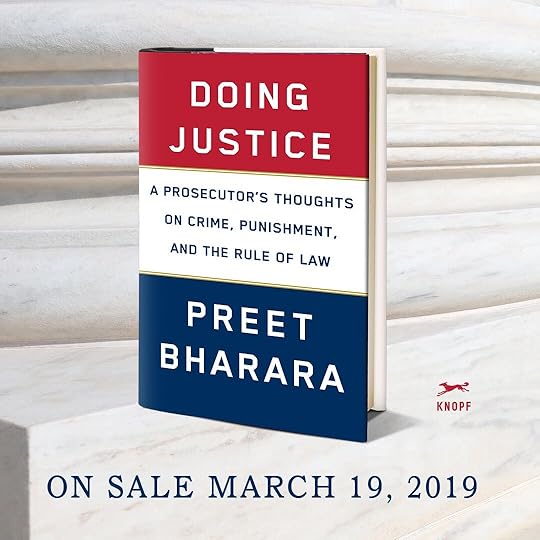
The first third of the book didn't thrill me.> But the rest of the book was ace! Most interesting was how and why prosecutors make decisions and how they proceed with cases. Nothing is free from corruption or politics. It seems that a great deal of time is spent 'flipping' other criminals, getting them to be snitches, grasses, or as the author calls them, "co-operators". A slightly uncomfortable (to me) expression was talking about when these informants came to "proffer". I don't think of the word "proffer" in terms of giving up all their cronies misdeeds and blabbing about anything they think might get them an advantage, I had more associated "proffering" with offering something in a very respectful way.
I was talking about this with a lawyer friend of mine over lunch the other day, he knows the author which is why the subject came up. My friend said about snitches, that they rush to be the first to give up as much information and names as they can, because the first one gets the biggest advantage, perhaps charged with a lesser crime, or a shorter sentence. Last man in to
dish the dirt on their hitherto mates and partners in crime may not be telling the police anything they don't know already and may not get more than a small advantage, or perhaps none.
It's all a bit sleazy isn't it?
The author does present some very interesting cases studies and his thoughts on the criminals, their crimes, the procedure and ultimate punishment (or not). I enjoyed reading those a lot.
What didn't thrill me, in the first third of the book, were chapters I loathed, like the hagiographic one, a paean of praise for a policeman who had really done his duty to the best of his ability and was a good father too. Isn't that what they are supposed to be, do they need praise for that? Are we so used to the media going on about bad cops and abusive fathers that when one is a decent human being he needs praise? Actually the reason for the chapter was because the author had established an award in Officer McCabe's name but I could not see that he was outstaning in any unexpected way.
Then there was the chapter on the murderous Menendez brothers and how the author was best friends with their friend and no one could believe they could do such a thing. Well yeah, friends and wives of serial killers are almost always shocked too. These monsters fool us into thinking they are human just like us by looking, acting and sounding like us. If they looked outwardly like the monsters and killers they are, we'd all turn them in.
I was also not at all enamoured of the author's feeding into the Mafia-romance that films and books present all the time. They are a vast criminal organisation that exists only so they can live well, be rich and have all the best material goods that life has to offer by depriving people of what they legitimately own, have worked for and wish to enjoy peacefully. They do this by intimation, burglary and worse and murder. So why are we talking about these criminals by their cheery nicknames?
However, the book is otherwise excellent and really well-written, it would just have been better (to me) with those chapters cut out.