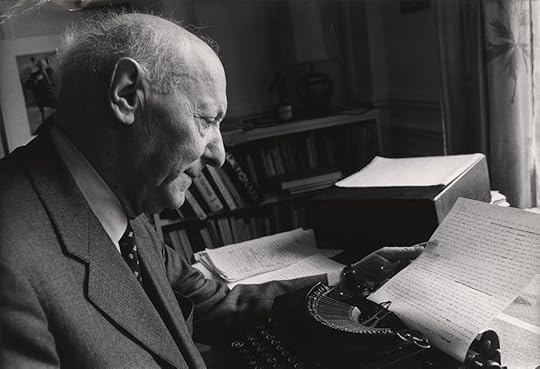
יצחק בשביס-זינגר, חתן פרס נובל לספרות (1978), מזמין את קוראיו למפגש עם פשוטי עם ברחוב היהודי בפולין על סף המאה ה-20. עולם חי ותוסס זה מוצג במבט אירוני, משועשע ומהורהר כאחד: תערובת של יצרים, חלומות וערכים מניעה את הדמויות וחושפת את הגרעין האנושי שפועם בלב כולם - החל באנשי העולם התחתון וכלה ביושבי בית המדרש.
הוא היה קוסם נערץ. ידע ללכת על חבל, לפרוץ מנעולים, להפנט אנשים. נשים אהבו אותו, גברים חיפשו את קרבתו. אבל זה לא הספיק לו. הוא שאף לפרוץ למרחב, לזכות בתהילת עולם. האם יצליח להמריא, או ייפול לשפל תחתיות? יאשה מָאזוֹר הוא אמן שמורד במוסכמות ונאבק עם עצמו תוך כדי חיפוש אחר שורש ה"אני" האישי והיצירתי שלו. מבחינה זו הוא בן דמותו של המחבר. סיפור חייו מתפתח על קו הגבול בין מותר ואסור, בתבנית של מסע נפשי בשלושה מסלולים: אמן שהרחיק לכת, הרפתקן שאהבתו לאישה העבירה אותו על דעתו, אדם שחיפש את האלוהים שבלבו. לאן יוביל אותו המסע הנפתל? האם יפתור את חידת חייו הסבוכה? הספר מופיע עתה בתרגום חדש ועדכני של בלהה רובינשטיין, בתרגומו הקודם נשא את השם: "עושה הנפלאות מלובלין".
Isaac Bashevis Singer was a Polish American author of Jewish descent, noted for his short stories. He was one of the leading figures in the Yiddish literary movement, and received the Nobel Prize in Literature in 1978. His memoir, "A Day Of Pleasure: Stories of a Boy Growing Up in Warsaw", won the U.S. National Book Award in Children's Literature in 1970, while his collection "A Crown of Feathers and Other Stories" won the U.S. National Book Award in Fiction in 1974.
How lucky I am only to be reading Singer now, with some nine or ten of his novels still before me. The Magician of Lublin is my third. I feel somehow blessed.
I've come across a theme shared here with another Singer novel, Enemies: A Love Story. In that later book the protagonist, Herman Broder, is torn between three women. A Holocaust survivor, Broder has lost all belief in God. He finds a reason for living in each of the three women. The rest of his life is one long panic attack. The wife he had thought consumed in Hitler's ovens shows up in New York, where he now lives, alive and kicking.
In The Magician of Lublin, our protagonist, Yasha, has some of the same problems. No belief in God—though he does believe in immortality—and a bevy of women all of whom he's sleeping with and among whom he's torn. I've just read Elena Ferrante's first three Neapolitan novels. What if we were to follow the Nino Sarratore character in those books, another rake lost amid women. His mental life would probably share some of the many self-involved ratiocinations we read about Broder and Yasha. Their libertine ways constitute their utmost spiritual confusion.
For both Singer characters women constitute refuges in which they can briefly make some sense of their lives. Apart from women all is suffering, though Broder's pain is more manic. Yasha's by contrast is more melancholic. They know they are scoundrels and they are wracked by guilt, but the world such as it is will allow them no other solution but women, and that is fleeting. Each weighs one woman against the other as if to see with whom he might be safest.
The difference in the two books, and between the two characters, is in the idea of the viability of God. For Herman Broder there is absolutely no God. For how could a loving God permit the Holocaust? Broder is utterly, in the Nietzschean sense, godless. Yasha Mazur, by contrast, though he rejects the idea of a God, though he knows that on any rational basis the existence in a supreme being is absurd, nevertheless, clings to what we might call a wishful, childlike hope that against all odds God may indeed prove to be real.
I won't give away the plot. Suffice it to say that Singer's Warsaw of the late 19th century is a marvel of rich detail. I've come across nothing else like it in print.
But can we know what God wants us to do ? Isn't it a case of Man sewing throughout his lifetime the clothes that fit him ? We ask a million questions, however the answers lie only within. You have to do as you see fit. Some say the discipline of orthodox religion points out the road; every bird, every snowflake, every acorn lying on the grass is proof of God's existence. Others deny the whole thing and swear God never existed. Singer's tale of a religiously-lapsed Jewish magician/acrobat is not so much about tricks or a series of interlocking events as about a man torn between Good and Evil. Though Yasha lives on the edge of Polish society and associates with the most dubious of characters, he has a conscience, he loves women and is kind to animals, but always manipulates them to his own ends. He is more and more plagued by self-doubt and indecision as he grows older, until he can no longer act. His life of flimflam grifting, adultery, and hocus-pocus unravels when he ventures to break the 8th commandment---Thou Shalt Not Steal. He himself knows that he has at last gone too far. His four women, his course of dubious activity, his pride in his ability---all then fall away. In the end, Yasha takes a drastic and unexpected measure in order to control his desires and his straying from the path of the righteous. He achieves the fame which eluded him for so many years as a magician. The struggle within him continues unabated. Yasha remains a thinker, a questioner, a wonderer, not a blind accepter of given wisdom.
THE MAGICIAN OF LUBLIN epitomizes, in the form of a novel, the basic elements of Jewish thinking. Or at least, it asks and tries to answer the most basic questions of that tradition. It is certainly an interesting novel, but it is also a masterpiece of Jewish philosophy. Man is born to question. If you don't question, you are not even alive. But don't expect to get "THE" answer because it doesn't exist. God may have set down certain guidelines, but the rest is debatable. Nobel Prize winner, Isaac Bashevis Singer, as always, presents a vivid picture of the lost world of the East European Jews in all its gritty piety and desperate poverty., the world swallowed up by Evil, no matter how many prayers were said. For as it is written, (at least to paraphrase a certain well-known spaghetti western), "when a man with a prayer meets a man with a gun, the man with a prayer is a dead man". Singer was lucky enough to escape, but not unmarked, no, not at all.
As I started, so I will finish. In view of the meaningless destruction of a whole world wrought by the Holocaust, how can we know what God wants us to do ? This book contains a particular answer, but the quest continues.
I'm missing something here. I had absolutely no empathy with or sympathy for the main character, I have no picture of him in my head, I didn't believe in him, I didn't understand him. I didn't care about him or any of those around him.
My conclusion is that this is not well written. It paints a rich picture of the Poland of the period; though I have no idea if it is historically accurate, it was at least interesting. That seems to be the strength of the author and the point of his work. In this book, at least, he has signally failed to create a character. I'd love to see the movie, Alan Arkin is a great actor, and I couldn't help thinking that it would work better on the screen.
In short, disappointed. If you want to read a good book about an artist who can't keep his dick in his pants, even more unpleasant, but nonetheless makes you feel for him every step of the way, try Simenon's The Heart of the Man.
I have just spent a long weekend with my parents, and having finished the two books I brought with me, I picked this out from one of their many shelves, as Singer is a Nobel prizewinner that I had never read. I suspect that they picked up this 1980 Penguin edition after seeing the film version that the cover photo is taken from - I have never seen the film so had no preconceptions.
I found the first half of the book a little dull, perhaps because the main protagonist is not easy to like - Yasha is an itinerant magician, showman and illusionist in late 19th century Poland, so somewhat reminiscent of Tyll, but with a different political context and a different philosophical and religious underpinning. Yasha has a devoted wife in his home town of Lublin, and at least three regular mistresses, one of whom is his assistant, servant and travelling companion Magda, and another is Emilia, a professor's widow in Warsaw. Yasha's parents were devout Jews, but he has largely abandoned his religion.
Emilia is short of money, and wants to travel to Italy, for her daughter Halina's health, and Yasha has made rash promises that he will fund the trip, convert to Catholicism and marry her. His inability to find the money leads him into temptation, and in the second half the book turns into a classic religious morality tale .
I found this an intriguing taster and quite an impressive piece of writing, but I suspect it may be a while before I read any more of Singer's work.
Una novela bellisimamente narrada por Isaac Singer, que nos transporta a la Varsovia del siglo XIX y ambientada por costumbres y tradiciones judías nos cuenta la historia de Yasha Mazur, un judio alejado de la religión que a sus 40 años se ve atravesado por una fuerte crisis existencial que lo lleva a perder el control de sí mismo y queda al borde de transgredir cualquier límite.
Yasha es un artista que recorre Varsovia con su show itinerante de escapismo y acrobacias, y mientras en su casa la esposa queda esperando a que regrese, él se entrega a una vida lujuriosa con cada una de las amantes que lo esperan en los distintos pueblos por donde pasa su gira. Pero en algún momento, la culpa por el destrato a su mujer y las distintas promesas hechas a cada una de sus amantes, entre otras cosas, comienzan a acorralarlo y el vacío y la incertidumbre se apoderan de él, entonces se comienza a interpelar acerca de esa contrariedad que tiene con la religión en la que fue educado desde chico por su padre, y se pregunta si no estará en la Torá la solución a sus problemas.
Una novela profunda y cautivadora, que toca la filosofía, la religión, y consigue transmitir con mucha intensidad los vaivenes del alma de este mago que en un momento dado no sabe qué hacer con su vida.
Esta es la primera vez que leo a este autor, ganador del Premio Nobel de literatura en 1978, pero he quedado tan enamorado del tono narrativo de la novela que antes de terminar esta lectura ya he comprado varios libros más de él. Muy recomendable.
Esta novela me hizo apreciar con claridad por qué disfruto tanto leer: no sólo sentí empatía hacia nuestro protagonista, Yasha Mazur, sino que también me sentí identificada con él en varias ocasiones. En mi opinión, el beneficio más importante de la lectura es precisamente poder ponerse, aunque sea momentáneamente, en los zapatos del otro, sin importar que él sea de otro sexo, raza, nacionalidad o religión. La historia me atrapó desde el primer capítulo. Pienso que el autor hace un excelente trabajo describiendo tanto a Yasha como al medio en que él se mueve; me fue muy fácil imaginar cómo eran Lublin y Varsovia de esa época. También me agradó bastante conocer algo más sobre las creencias, costumbres y fiestas judías. Sin embargo, lo que más me gustó es cómo el autor nos lleva a través del relato de forma que las cosas que le van sucediendo a Yasha no se presentan como grandes desventuras o tragedias, sino como consecuencias lógicas de su propio comportamiento. El final, aunque no es concluyente, es perfecto. Quizá es tan bueno precisamente porque uno se queda pensando qué haría Yasha después. En conclusión: es uno de mis libros favoritos en lo que va de este año, y desde luego voy a buscar más obras de Isaac Bashevis Singer.
Libro acquistato a "Dicembre 2023" - Per una volta questo grande scrittore, premio Nobel per la Letteratura, non incontra il mio totale consenso: il romanzo che ho appena terminato di leggere purtroppo manca, a mio modesto parere, di quella profondità introspettiva che ho riscontrato nella maggior parte delle sue opere che finora ho letto: con questo non voglio affermare che si tratta di una composizione scialba e insufficiente ma “Il Mago di Lublino” incentrato sulla figura del funambolico protagonista, Masha Yazur, uomo dalle mille risorse e dalle mille facce, dongiovanni impenitente e imbroglione ma in realtà eternamente irrisolto, incapace di dare una svolta positiva alla sua vita, finisce per ingarbugliarsi da solo tra apparenti pentimenti, ripensamenti, voli pindarici e sogni ad occhi aperti. Il romanzo fila veloce come una vela al vento in un giorno di tramontana ma al di là di una lettura che non conosce pause e intoppi, manca a mio modesto parere, di quel quid qualitativo che ho riscontrato in “La Famiglia Moskat”, “La Fortezza” e “Lo Schiavo” e che trasforma un piacevole romanzo da intrattenimento in un capolavoro.
"Se a sorte de um homem depende do infortúnio de outros, então não existe sorte para ninguém. Se Deus não existe, então o homem tem de se comportar como um deus."
Yasha é um judeu de quarenta anos. Hipnotista, mágico de truques de cartas, de espectáculos no arame e para quem não há fechadura nem coração de mulher invioláveis. "Era um labirinto de personalidades - religioso e herege, bom e mau, falso e sincero. Era capaz de amar muitas mulheres ao mesmo tempo." Casado com Esther, é amante de Magda e de Zeftel; está obcecado por Emilia e tem fantasias para seduzir a filha desta, com 14 anos, quando ela for mais velha. Ama as cinco e é amado por todas (será?). Apesar de bom malabarista, acaba a "trocar as mãos pelos pés" e a ser culpado e vítima de um acontecimento que o leva a questionar a sua vida dissoluta.
O Mago de Lublim é um romance muito bonito sobre paixão e desejo; consciência e culpa; castigo e redenção.
=================================
"A essência da literatura é a guerra entre a emoção e o intelecto, entre a vida e a morte. Quando a literatura se torna demasiado intelectual - quando começa a ignorar as paixões, as emoções - torna-se estéril, tola, e, na verdade, sem substância.." — Isaac Bashevis Singer
Isaac Bashevis Singer nasceu em Leonci, Polónia, no dia 21 de Novembro de 1902 e morreu em Miami, Estados Unidos da América, no dia 24 de Julho de 1991. Ganhou o Prémio Nobel da Literatura em 1978, «por sua apaixonante narrativa artística que, com suas raízes na cultura tradicional polaca e judaica, traz a condição universal e humana para a vida".»
c'est bien écrit souvent drôle et globalement très bien fait d'où les trois étoiles plutôt que deux, mais, et je suis désolée car ce doit être approximativement la 784e fois que je l'écris depuis que je possède ce compte Goodreads, je me contrecarre les glandes surrénales de lire des livres centrés sur des protagonistes masculins égoïstes, immatures, obsédés par le cul, instrumentalisant la vie de femmes plus intelligentes, sensibles et généreuses qu'eux, récoltant année après année les fruits d'actions qu'on juge louables mais qu'ils n'ont entreprises que par confort, tirant d'infinies excuses de leur médiocrité tandis que les femmes de leur entourage payent le prix de leur cruauté, de leur indifférence et de leur inhumanité.
certes, certaines phrases, certains angles de vue de ce roman pourraient pousser un étudiant de M2 à pondre un mémoire mi-optimiste mi-orienté pour prouver que ce bouquin dénonce en fait de façon subtile et brillante les travers de la masculinité à travers son médiocre protagoniste, mais honnêtement j'ai mes doutes. certes, d'un côté, on a la narration qui insiste sur le fait que le héros est un magicien de pacotille, qu'il n'a absolument aucun pouvoir magique et a donc construit sa réputation sur un très bon sens de l'esbroufe, mais de l'autre, on a quand même toute une glorification de ses talents de passe-passe, d'agilité, de sens de la prestidigitation, de son ingéniosité, son génie, qui me laisse dire qu'il n'y a vraiment pas assez de nuance pour que je puisse voir là un chef-d'oeuvre d'ambiguïté. le simple cynisme n'est pas critique sociale constructive, la simple ironie n'est pas subversion, et la présentation d'un personnage masculin médiocre et menteur par un écrivain ne vaut pas critique de ses comportements toxiques. fin du Ted talk
Jascha kann sich nicht entscheiden zwischen seiner Ehefrau und seinen drei Geliebten, die unterschiedlicher nicht sein können. Die kinderlose Esther, seine Haushälterin Magda, die gebildete und vornehme Emilia und die halbkriminelle Swetel buhlen um seine Gunst, obwohl sie doch wissen, dass sie nicht die Einzige für Jascha sind. Der tourt derweil auf seinem Weg nach Warschau von Bett zu Bett und vergnügt sich, immer wieder von Schuldgefühlen und dem Hadern an seinen Glaubensgrundsätzen geplagt. In Warschau soll der Akrobat und Zauberkünstler eigentlich sein Bühnenprogramm vorbereiten, aber auch hier wird er von seiner Zerissenheit verfolgt und sobald er meint sich entschieden zu haben, kommt alles doch ganz anders. Der Nobelpreisträger Isaac Bashevis Singer beschreibt den Bruch zwischen Tradition und Moderne eindrucksvoll anhand seines Protagonisten Jascha, der sich von seinen Zweifeln nur durch eine völlige Abkehr von der Welt befreien kann. Das Buch hat mich nicht sonderlich berührt.
Story of a "sinful" man, Yasha Mazur, a magician-acrobat that leads a senseless live, has next to a wife a mistress in every city. The framework: the Russian-occupied piece of Poland, in the last quarter of the 19th century, and specifically the Jewish environment. Yasha has denied his Jewish roots, but his perception that he is no longer in control of his complex, chaotic life, and some misfortunes bring him to repentance. He let's himself being walled in (like the hermits in ancient times) and is ironically proclaimed a (Jewish) saint.
The story strongly reminded me of Dostoevsky andr Tolstoy, but with a jewish flavour of course. Well told, but sometimes long-winded. In retrospect, I also noticed a strong parallel with characters from the Flemish writer Gerard Walschap (Gerard Walschap): people struggling with the metaphycical aspects of life. (2.5 stars)
So, when you're a lout, a layabout, adulterer and all-around rotten egg sinner, what do you do for penance? Well, if you're Yasha, the Magician of Lublin, you do something pretty out of the ordinary and realize that, as you're skimming through life thinking your behavior isn't affecting anyone, better think again.
I'm not sure, however, that Singer wrote this book as a parable on unintended consequences, though that's certainly a large take-away from this story.
So many of us go through life interacting with other people as if they're objects, playthings or anything but what they are -- human beings. That's Yasha's story, and as he relaizes how much me meant, for both good and bad for the people he mixed with, he realizes that one's behavior does in fact affect other people. That's the magic Singer is writing about, not the little parlor tricks.
No prettying things up in this book- it's pretty raw and bleak. As they say "Like a dash of cold water"! It is about a manipulative and deceitful magician's struggle with his evil side. This book should be depressing, but you are glad you survived, in whatever condition. I say "you", and not the protagonist because the writing is so good that, oddly enough, you identify so strongly with the main character that you feel like you lived this book!
The Magician of Lublin paints an extraordinary picture of Warsaw at the turn of the century while examining issues related to Jewish faith and identity.
Per me sta diventando un'abitudine prendere in mano un qualsiasi romanzo dei fratelli Singer e buttarmi sul divano con la certezza di immergermi in un mondo divertente, emozionante, filosofico, denso di parole e di pensieri. Il lato negativo è che poi ho l'impressione di rialzarmi dal divano più vecchio di quando mi ci sono buttato. Il lato positivo è che sono in qualche modo più felice. Il mago di Lublino è, per me, un grande, grande romanzo. Yasha Mazur, mago, acrobata, agnostico, amante delle donne, della vita e della filosofia si prepara a partire per la prossima stagione teatrale. Proiettati sullo schermo della sua mente vediamo scorrere i suoi dubbi, i suoi progetti, le sue donne con le loro speranze e i loro dolori, gli ebrei con le loro convinzioni e tradizioni, sullo sfondo di una Polonia in divenire, presa in bilico tra la vecchia società rurale e la modernità, mentre ... gli operai sventrano marciapiedi di legno e sostituiscono ciottoli rotondi con cubetti di porfido..." Non sono sicuro di sapere di cosa parla, come spesso succede l'opera di un grande autore può parlare di cose molto diverse a seconda del lettore. A me parla, in qualche modo, dell'impossibilità di essere felici ed essere uomini. Perché la felicità è un concetto astratto mentre l'uomo è fatto di sangue e ossa, nasce e muore. Il vero problema, alla fine, è sempre quello: l'essere senziente e l'essere animale sono condizioni antitetiche che nell'uomo convivono creando conflitto. Da questo conflitto nascono tutte le filosofie, tutte le scienze e tutte le arti. E, ovviamente tutte le religioni. Perché tralasciando la storia delle religioni e le forme che hanno preso è innegabile che da sempre nell'uomo c'è un sentimento del sacro con il quale in qualche modo ognuno di noi deve fare i conti. All'inizio del romanzo il nostro Yasha è un grido di vita dell'uomo. Fa cose che solo gli uomini posso fare e possono capire (arte, magia, illusionismo), è felicemente e consapevolmente agnostico pur essendo a suo modo in contatto con qualcosa di più grande di lui al quale non sa dare il nome. Vive l'amore come solo un uomo sa fare e la sessualità come tutti gli altri animali. Si trova in una strana, fortunata situazione di equilibrio del conflitto uomo/animale. Ma purtroppo per lui l'equilibrio dura poco, perché si scontra sia con leggi dell'uomo che con leggi di dio, uno scontro che lo porterà dolorosamente da Grande Mago escapista al quale nessuna serratura può resistere al più inetto degli aspiranti ladri, dall'agnostico poligamo al mistico astinente, da colui che grida "sono Uomo!" a colui che si nasconde dal ruggito implacabile di un dio che urla "sono Unico". La storia di una caduta, quindi, la più triste e dolorosa. dalla tournèe alla costrizione. Dalla filosofia alle scritture. Dall'amore al nulla. Dall'uomo al nessuno. Sono certo che ci possano essere tante altre letture, che il romanzo sia in grado di parlare alle sensibilità più variegate, indipendentemente da quello che muoveva il grande autore mentre lo scriveva. Per me è un monito per ricordarmi che la vita è bella, che è fatta di gioie, di noia e di dolori, e che finisce. E di bere quando ho sete, correre quando ho voglia, di cercare la bellezza ovunque si nasconda ed amare gli altri non perché sono buono ma perché siamo fatti così. Di continuare ad interrogarmi sui grandi perché senza voler per forza avere risposte, e combattere i falsi dei e i falsi profeti che proveranno sempre a renderci meno di quello che siamo. Voto.:10
What fun to be transported back 150 years in time to the colouful world of Russian Poland and its vibrant and eclectic communities. The magician, who is a serial love rat, cheat, thief and general ne’er do well, also has boundless charm and great talent. This is – at least at first – a picaresque tale, a kind of East European Fielding or Smollett. But as the betrayals multiply and the dramatic consequences of the magician’s deceit unfold, the tale becomes darker. In the end, it develops in a direction which I was not expecting. For there is depth to this, and it is not just a jolly romp: and when it gets darker it doesn’t get depressing, but it transforms into something altogether more life affirming and hopeful. For don’t we all make terrible blunders in our lives and in our loves, and don’t we all want to feel that everything is, in the end, redeemable?
Il “Mago di Lublino” è Yasha Mazur, mezzo ebreo e mezzo gentile, ipnotista, prestigiatore, funambolo ed equilibrista sul filo, abilità quest’ultima che è quasi la metafora del carattere del personaggio, sempre precariamente in bilico fra le diverse pulsioni, sia nella vita quotidiana sia nell’intimo della sua tormentata personalità.
L’indole di inveterato libertino lo porta per quasi tutto il romanzo a rincorrere le molteplici relazioni coniugali ed extraconiugali imbastite lungo gli itinerari in cui il suo spettacolo itinerante esercita l’attività, a Lublino, Varsavia, Piakh e altrove.
Ma l’instabilità di Yasha investe anche la sua sfera più intima e la particolare dimensione spirituale e religiosa che lo induce più volte ad accogliere appassionatamente i dettami e i rituali della fede ebraica per poi ripensarci e rinnegarla nell’arco della stessa giornata.
Sebbene le vicissitudini e le elucubrazioni interiori del protagonista fino all’imprevista redenzione finale occupino, come in una parabola, tutto l’arco della narrazione rappresentandone il tema preponderante, il fascino maggiore del romanzo di Singer, per quanto mi riguarda, risiede nella suggestiva ricostruzione dello sfondo dell’epoca. Una comunità brulicante di vita, in parte polacca cristiana, in parte ebraica, ugualmente impregnata di odori, sapori, colori cui l’autore dedica ampio spazio con dovizia di particolari facendoci penetrare con intensità in quel mondo popolare ottocentesco, nei villaggi come nelle bettole delle città, nei quartieri degli speziali e nei richiami incessanti dei venditori come nelle litanie dei religiosi.
Extremely enjoyable novel by Isaac Singer about the lecherous and then pious life of a secularist Jewish showman in early 20th century Poland.
As usual Singer is masterful in picturing the past. At this time even without being encyclopedic and perfectionist as he was in, say, "Shadows on the Hudson". Albeit I use to like long novels full of details without any aspect or detail left, I have to say how at the moment I prefer something like "The Magician of Lublin". There is no single boring or out-of-place moment while reading this plausible fable.
The protagonist, Yasha, is at the same time determinate and doubtful, self-indulgent and self-critical, strong and weak. He made a career as a magician and gained a reputation as an entertainer, but doesn't know if leaving Poland for becoming a better paid showman. He doesn't care about religion, but feel the fascination of his Jewish roots wondering about the meaning of existence. Besides, and this is the worst of his contraddictions, he has many lovers in virtually all the towns he visits, but is not able to quit any kind of relationship.
Hence, no surprise that it takes just a little mistake by his side for falling down (literally and metaphorically). Then suddenly Yasha's life start to change making still a popular man out of him, but with a completely different kind of success.
Un roman dostoievskian din care nu au cum să lipsească criza de conștiință și criza de credință care dău peste cap viață lui Iașa, scamator ajuns la succes, care are o viață aparent tihnită, mulțumitoare, guvernată de rigoare în ciuda numeroaselor relații. Iașa se transformă pe parcursul romanului și în cele din urmă ajunge un eremit în propria casă. Succesul nu îl ocolește nici în această nouă ipostază: oamenii îl consideră sfânt și vin de pretutindeni să îi ceară sfatul și binecuvântarea. Însă, povestirile sunt spațiul perfect în care se desfășoară Isaac Bashevis-Singer. Spumoase, pline de viață, cu o galerie de personaje incredibile. Avem de a face cu două tipuri de povestiri: primele plasate în Europa secolului al XIX-lea și începutul celui de-al XX-lea, în care comunitatea evreiască este închisă și guvernată de reguli stricte, dar și de superstiții, în care spectrul pogroamelor pândește la orice colț, și o a doua categorie în care personajele sunt emigranți în America, care chiar dacă se bucură de succes, nu își găsesc locul: fie tânjesc după un paradis promis (Ereț-Israel, care se dovedește un paradis iluzoriu), fie tânjesc după lumea veche.
Yasha Mazur, magician, lover, free spirit in prewar Poland, "could never understand how other people managed to live in one place and spend their entire lives with one woman without becoming melancholy." He had a dutiful and loving Jewish wife in his hometown, but most of the year he traveled the country. A woman in every town, a young female assistant for his act, an industrious agent, all assure Yasha money, variety and freedom from melancholy.
He could open any lock, escape from any enclosure, walk a high wire. His master plan was to escape Poland by converting to Catholicism and marrying one of his lovers. They would move to Italy and he would perform in the capitals of Europe amassing riches and fame.
Singer makes you admire this fellow with his carefree outlook, his allegiance to no particular God, woman, or country. Yasha reminded me a bit of Franz Liszt, the first world famous, touring musician.
But like Liszt, his wanderlust masked the deep melancholy and fractured conscience that was Yasha's true character causing a life of indecision, worry, and depression. The Magician of Lublin is a moral tale about the consequences of rejecting the faith of one's family and the country of one's origin. Or it could be seen as a creative example of the human condition.
Oh the writing! So evocative of location and times. So perceptive with regard to the protagonist, his friends, and the women. It is as if the entire story walks a tightrope and when the inevitable fall comes, everyone falls with this energetic, lovable, inspiring freedom seeker into the pit of darkness and retribution.
Morality tales about the dangers of hubris and personal struggles with faith are, I assume, a lot more compelling if one, oneself, is religious. I was personally hoping to get some kind of portrait of Jewish Warsaw out of this book, but sadly we spend so much time seeing things from Yasha "can't keep it in his pants" Mazur's point of view that it mostly amounts to a lot of judgemental thoughts about his various women. I usually relish a morally bankrupt main character, but Yasha is such a basic f***boy (who mistakenly fancies himself very complex) that not even that aspect is any fun.
Come faccio a sapere io qual è il Dio giusto? Nessuno è mai stato in cielo. E comunque non prego mai
Conosco poco i fratelli Singer, ma quel poco che ho letto di loro, mi è sempre piaciuto e confermo il mio apprezzamento anche per Il mago di Lublino Per me, il personaggio di Yasha è un Amleto polacco. Il suo "essere o non essere" lo potremmo declinare con un "recuperare le origini ebraiche o lasciarsele alle spalle diventando cristiano", ma anche "restare in Polonia e continuare questa vita o lasciare tutto e partire per l'Italia". Yasha ondeggia per buona parte del libro dall'una all'altra possibilità. Quando sembra avere deciso, accadde qualcosa e lui di butta sull'altra alternativa per poi ricredersi alla prima occasione. Come Amleto, ad un certo punto, comincia a prendere delle decisioni, ma, più che atti di volontà, le sue scelte somigliano di più ad azioni dovute a cause di forza maggiore. Si fa trascinare verso il finale cupo, ma in cui io vedo uno spiraglio di speranza e di "redenzione".
Despite the title, or perhaps because of it, this tale of a skirt-chasing, tightrope-walking, lock-picking, card-sharp of a magician isn't as jolly as it would seem.
ალბათ, იმით, რომ სულ სხვანაირ წიგნს ველოდი (ვინ იცის, რატომ) და სულ სხვანაირი კი შემრჩა. ვფიქრობ, ცოტათი უფრო მაგიურს ველოდებოდი.
ბატონი კუნცმახერის სასიყვარულო ისტორიებს დიდად ვერ თანავუგრძნე, მეტიც, ცოტათი მომბეზრდა კიდეც, მე მეფოკუსის ხათრით მოვედი და ეს მარტო თავის საყვარლებზე რომ ჰყვებოდა.
თხრობა ძალიან საინტერესო და ჩამთრევია, თავად იაშა კი დიდად ვერ გავისიგრძეგანე - ცოტა მარილი მომაკლდა. ეს მაიმუნი, ყვავი და თუთიყუშიც მგონი მთლად ტყუილად ჰყავდა.
ისევე, როგორც ქალები. ვერც ერთი ვერ დავამუღამე, ცოლიან-საყვარლიან-შეყვარებულიანად. არ ვიცი, უცნაურია. იქნებ რაღაც გამომრჩა კითხვისას და მთლად სხვა ხასიათზე შემომეკითხა?!
აი, გარდასახვა კი ნამდვილად საინტერესო გახლდათ, უბრალოდ, მგონია რომ ასე 70 გვერდით ადრე რომ მომხდარიყო, უფრო მესიამოვნებოდა.
მოკლედ, მე ქუდიდან ნამდვილი ბაჭიების ამოყვანას ველოდი და სახელოში შემალული ვალეტ აგური შემრჩა.
Me encanta como el autor va describiendo todo el ambiente de cada lugar en la que se desarrollando la historia, realmente te transmite la tristeza y la melancolía de Polonia. Que personalmente, por su historia, considero un país lúgubre.
Yasha con esa lucha interna entre sus raíces religiosas y el ateísmo auto proclamado, te lleva de la mano entre las calles de la ciudad, en cada apreciación que hace sobre el origen de todo y las consecuencias de los actos.
Esa lucha que particularmente considero el centro en el que va girando todo lo que pasa a Yasha y a las personas de su vida, te invitan a reflexionar el peso de la religión y el sentido de pertenencia de una persona en la sociedad. Todos esos estándares y reglas de comportamiento impuestos por determinada religión y sus explicaciones a todo lo que se sucede resumidas en una palabra: DIOS.
El desenlace que toma la historia, me sorprendió. No porque fuera inesperado o inexplicable, sino porque me pareció un poco extremo dada la personalidad del Protagonista, sin embargo al reflexionar la historia una vez concluida, entiendes como poco a poco las raíces y sus creencias familiares, lo llaman de una forma que él no puede ignorar, no porque de repente se encienda la fe religiosa en su espíritu, sino porque ofrecen una expiación a la clase de hombre que él mismo se considera.
Este es el primer libro que llega a mis manos de este autor. Apenas me entere de que existe una película basada en esta historia.
I may be being a little harsh, in another mood I would have given this book 4 stars. I suppose the rating reflects, to be honest, a little disappointment with this tale. That disappointment arose after reading the first few pages which I thought rather wonderful - and I felt here was a book I was going to fall in love with.
Unfortunately, although the story is unusual and the writing fine - that love dissipated as the book progressed. The story just lost interest, for me at least. Someone else might still love it all the way through. Hence 3 stars - perhaps we are always harsher when love has failed.
Set in 19th century Poland, and translated into English from Yiddish. I would judge well translated. At times with a feel of magical realism, but never quite stretching into the fantastical, merely hinting at it. Actually, I found that to be one of the book’s virtues how it hints at, but never quite describes the truly magical.
Even though I only gave it 3 stars, I will try more Singer as although this book disappointed me - there are flashes of brilliance here, both as a writer and a storyteller. Enough to make me think there might be a novel by Singer that I really do fall in love with.