ആരുടെയൊക്കെയോ വികസനത്തിനായി സ്വന്തം മണ്ണില് നിന്ന് ആട്ടിയോടിക്കപ്പെടുകയും ജീവനോപാധികള് മുഴുവന് തകര്ക്കപ്പെടുകയും ചെയ്യുന്നവരുടെ ജീവിതം ആവിഷ്കരിക്കുകയാണ് ബുധിനിയിലൂടെ സാറാജോസഫ്.
സാറാ ജോസഫ് ജനനം: 10.02.1946-ന് തൃശ്ശൂർ ജില്ലയിൽ കുരിയച്ചിറ. പിതാവ്: ലൂയിസ്. മാതാവ്: കൊച്ചുമറിയം. ചേലക്കോട്ടുകര മാർ തിമോത്തിയൂസ് ഹൈസ്കൂളിൽ വിദ്യാഭ്യാസം. ഗവൺമെന്റ് കോളജിൽ അധ്യാപികയായി വിരമിച്ചു. കേരളത്തിലെ ഫെമിനിസ്റ്റ് പ്രസ്ഥാനത്തിന്റെ പ്രധാന സംഘാടകയും പ്രവർത്തകയും. കേരള സാഹിത്യ അക്കാദമി മെമ്പറായിരുന്നു. ആലാഹയുടെ പെൺമക്കൾ എന്ന നോവലിന് കേരള സാഹിത്യ അക്കാദമി പുരസ്കാരവും 2003-ലെ കേന്ദ്ര സാഹിത്യ അക്കാദമി അവാർഡും ചെറുകാട് അവാർഡും 2004-ലെ വയലാർ അവാർഡും മാറ്റാത്തിക്ക് പ്രഥമ ഒ. ചന്തുമേനോൻ പുരസ്കാരവും ലഭിച്ചു. അബുദാബി അരങ്ങ് അവാർഡ്, കുവൈറ്റ് കലാ പുരസ്കാരം, 2017-ൽ പത്മപ്രഭാ പുരസ്കാരം, മുട്ടത്തുവർക്കി പുരസ്കാരം. ഊരുകാവലിന് ഒ.വി. വിജയൻ പുരസ്കാരം, ബഷീർ പുരസ്കാരം, ശ്വാസ്വതി നാഷണൽ അവാർഡ്, പ്രഥമ കലൈഞ്ജർ കരുണാനിധി സാഹിത്യപുരസ്കാരം എന്നിവയും ലഭിച്ചിട്ടുണ്ട്. കൃതികൾ: ആലാഹയുടെ പെൺമക്കൾ, മാറ്റാത്തി, ഒതപ്പ്, ഊരുകാവൽ, ആതി, ആളോഹരി ആനന്ദം, ബുധിനി, തേജോമയം, നന്മതിന്മകളുടെ വൃക്ഷം, ഷെൽട്ടർ, സാറായിയുടെ മരുദേശങ്ങൾ, മനസ്സിലെ തീ മാത്രം, കാടിന്റെ സംഗീതം, നന്മതിന്മകളുടെ വൃക്ഷം, പാപത്തറ, നിലാവ് അറിയുന്നു, ഒടുവിലത്തെ സൂര്യകാന്തി, കാടിതു കണ്ടായോ കാന്താ, പുതുരാമായണം-രാമായണ കഥകൾ വീണ്ടണ്ടും പറയുമ്പോൾ, ഒരു പരമരഹസ്യത്തിന്റെ ഓർമ്മയ്ക്ക്, ഭഗവദ്ഗീതയുടെ അടുക്കളയിൽ എഴുത്തുകാർ വേവിക്കുന്നത്, നമ്മുടെ അടുക്കള തിരിച്ചുപിടിക്കുക, ആത്മരോഷങ്ങളും ആകുലതകളും, ഭൂമിരാക്ഷസം, ആരു നീ.
Sarah Joseph (Malayalam: സാറ ജോസഫ്) (born 1946) is a novelist and short story writer in Malayalam. She won the Kendra Sahitya Akademi Award for her novel Aalahayude Penmakkal (Daughters of God the Father). She also received the Vayalar Award for the same novel. Sarah has been at the forefront of the feminist movement in Kerala and is the founder of Manushi – organisation of thinking women. She along with Madhavikutty (Kamala Surayya) is considered leading women storytellers in Malayalam
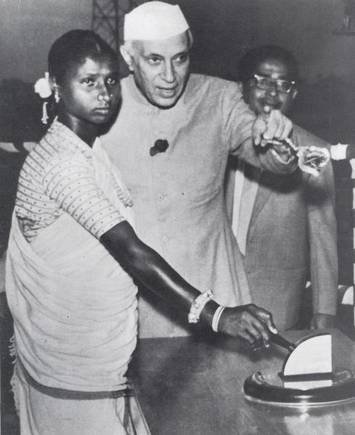
Budhini by Sarah Joseph, translated from the Malyalam by Sangeeta Sreenivasan has everything going for it: it is a narrative that positions how indigenous people are being forced out of their natural habitats, their home, their roots and culture to make way for 'the greater good of the nation' through the story of Budhini Mejhan and her community of Santhals in Dhanbad. Additionally, the central figure Budhini is a real life person who at the age of 15 ys was ostracised for her community for having put a garland around pandit Jawahar Lal Nehru's neck and a tikka on his forehead at the inauguration of the Panchet Dam on the Damodar river. The charge? that she violated Santhal traditions.
This is an imagined story, a fictionalised narrative of Budhini, one that raises a pertinent note: What are the real life back stories of people who catch popular fancy through media portrayals. There is of course the larger point of how progress and development for some rides on the forced displacement and migration of lesser privileged communities who are made to live under cycles of oppression from Governments and administrations, from private companies and corporates that exploit their labour and then throw them away when their health fails them.
The narrative does take readers into the Santhal way of life: their belief systems, their music and social culture, their bond with nature but somehow there is something amiss. At times, things felt bogged down and uneven making one feel disconnected rather than deeply touched and connected. Could that be because the book traces the socio political oppressive cycles rather than creating a more intimate tone? You would have to read for yourself to know!
I’ve often wondered how Truth is always painful. Pain and truth—two words synonymous and intertwined to one another. ‘Budhini’ as a book is definitely fictionalised, but its hard to deny that such a story might have happened somewhere in our close vicinity. Budhini as a woman isn’t fictional, she lived and breathed, but her story here is drawn from imagination, characters sketched to stage play her destiny. In all, ‘Budhini’ isn’t just the story of an ostracized girl called Budhini, it is the story of all uprooted inhabitants, all indigenous humans snatched away from their soil and made to teleport to a barren land to sustain themselves.
Dam projects were a major breakthrough in urbanisation, in the face of modern development. But that doesn’t necessarily mean the benefit of it was equitably distributed, rather it was looted by urban residents and the middle class. In the end, the Santhal who were banished from their lands weren’t given their requisite dues. No one, not even the ‘gormen’ gave the price of children who were traded, price of children and women who almost died of hunger, and the price of a humongous number of simple, innocent villagers who were shown a method to barely sustain themselves, not allowing them to live. Displacement and uncalled dislodging caused generations of them to slowly suffer. What about them, and what of their homeland.
Based on such, is the story of Budhini. Prime Minister Jawaharlal Nehru comes to inaugurate the Panchet dam, and she puts a tilak on his forehead, gives him a ceremonial garland—a traditional welcome. Nehru came and went on. The ‘gormen’ moved on to some other project, leaving behind the young Budhini to be helplessly crushed under rebuke, abuse and discrimination, and finally to be kicked out of the society.
‘Budhini’ told from the perspective of a journalist who is trying to trace back the roots of Budhini after learning that she is alive, is a story that nudges us to peek at the dark undersides of gaudy development. It urges us to measure that modernization comes at what cost? When a human is born on this earth, each of us are made of flesh and bones. But then how come some lives become more valuable that the others. How come some lives are added to the pile of mistaken ‘mass casualties’ and some lives are safeguarded with armours. Pointing fingers at the disastrous scenario of forceful displacement and migration, ‘Budhini’ evokes Santhal life with a sheer amount of heart-churning innocence. So sad, so spiky with human helplessness is this book. Oppression, administrative exploitation and cruelty infested with lies; it is all in here. Santhal—“people of the soil’’—themselves are made to sow seeds of their loss of identity, in the soil that is their own. Sara Joseph makes us see that simple lives are lost everyday by actions that always seem to cater to the ‘greater good’ or the ‘bigger picture of modern India’. Countless people left homeless, generations after generations scavenging on their ancestry that had died the moment their roots had been chopped off. Government or the people, the responsibility lies to whom? Perhaps we will never know.
ആരാണ് ബുധിനി ? "ജവഹർലാൽ നെഹ്റുവിന്റെ ഭാര്യ". ഈ വാചകം കേട്ടപ്പോൾ തന്നെ അത്രയധികം ആകാംക്ഷയായിരുന്നു.. നെഹ്റുവിന് ശരിക്കും അങ്ങനെയൊരു ഭാര്യയുണ്ടോ എന്ന ചോദ്യത്തിനുള്ള ഉത്തരം തേടിയാണീ പുസ്തകവുമായുള്ള യാത്ര തുടങ്ങിയത്.
നെഹ്റുവിന്റെ കൂടെ ഡാം ഉദ്ഘാടനം ചെയ്തതിനു ശേഷം സാന്താൾ വംശം എന്തിനാണ് ബുധിനിയെ ഊരുവിലക്കിയത് ? എന്തിനാണ് മൃഗീയമായ ക്രൂരതകൾക്കിടയാക്കിയത്? എന്തിനാണ് സമൂഹം ജാതീയമായ ഏറ്റുമുട്ടലുകളാൽ നരകതുല്യമായത്? അങ്ങനെ അങ്ങനെ ഒട്ടനവധി മേഖലകളിലൂടെ ഈ നോവൽ സഞ്ചരിക്കുന്നു.
ബുധിനി ഒരാളുടെ കഥയല്ല.. ഒരു രാഷ്ട്രത്തിന്റെ തന്നെ കഥ പറയുന്നു. സ്വാതന്ത്ര്യത്തിനു മുമ്പും പിമ്പുമുള്ള, നമ്മൾക്ക് ഒട്ടുമേ പരിചിതമല്ലാത്ത മറ്റൊരു ഇന്ത്യാ ചരിത്രമാണ് ബുധിനി.
രാജ്യമോ ? ഏതാണ് എന്റെ രാജ്യം? - എന്ന ചോദ്യത്തിലാണ് നോവലവസാനിക്കുന്നത്.. സ്വന്തം രാജ്യത്ത് ജീവിക്കുന്നതിൽ അനിശ്ചിതത്വം അനുഭവപ്പെടുന്ന ഏതൊരാൾക്കും ഈ ചോദ്യത്തിന്റെ ആഴം മനസ്സിലാവും.. അസ്വസ്ഥതകളാൽ മുന്നോട്ട് പോവുന്ന ഈ നോവലിന്റെ കാമ്പ് മനസ്സിലാവും.
വികസനത്തിനു വേണ്ടി മുന്നോട്ട് കുതിക്കുന്ന ഓരോ മനുഷ്യനും വായിച്ചിരിക്കേണ്ടുന്ന ഒരു പുസ്തകം, കാരണം വികസനത്തിനു വേണ്ടി ജീവിതം തന്നെ നഷ്ടപ്പെടുന്നവരുടെ കഥകളാണിത്.
ഇന്ത്യയിൽ നെഹ്റുവിന് ഒരു ഗോത്ര ഭാര്യയുണ്ടായിരുന്നു. അവളുടെ പേരാണ് ബുധിനി മേജ്ഹാൻ!
ഈ അറിവ് എനിക്ക് പുതിയതായിരുന്നു. അതറിഞ്ഞപ്പോൾ തന്നെ ഞാൻ ഇന്റർനെറ്റിൽ പരതി. ആ വാർത്ത സത്യമാണല്ലോ എന്നത് എന്നിൽ അല്പം ഞെട്ടലും ഉണ്ടാക്കി.
1959 ഡിസംബർ 6 ന് മഹാരാഷ്ട്രയിലെ പാഞ്ചേത്ത് ഡാം ഉദ്ഘാടന വേളയിൽ, ദാമോദർ വാലി കോർപറേഷനിൽ ജോലി ചെയ്തിരുന്ന രണ്ടു തൊഴിലാളികൾ കൂടെ അവിടെ സന്നിഹിദരാവാൻ കമ്മിറ്റി തീരുമാനിക്കുന്നു. അതിന്റെ ഭാഗമായി 15 വയസ്സുള്ള സാന്താലി ഗോത്രത്തിൽ നിന്നുള്ള ഒരു പെൺകുട്ടി തന്റെ പരമ്പരാഗത വസ്ത്രങ്ങൾ ധരിച്ചു കൊണ്ട് അന്നത്തെ പ്രധാനമന്ത്രിയായിരുന്ന നെഹ്റുവിന്റെ കഴുത്തിൽ മാലയിട്ടു സ്വീകരിച്ചു. ആ പെൺകുട്ടിയെ കൊണ്ട് തന്നെ ഡാമിന്റെ ഉദ്ഘാടനവും നെഹ്റു നടത്തി.. അന്നത് വലിയ വാർത്തയായിരുന്നു.. ആ കുട്ടിയുടെ ചിത്രങ്ങൾ എല്ലായിടത്തും അച്ചടിച്ചു വന്നു.. എന്നാൽ ഡാമിന്റെ ഉദ്ഘാടനം കഴിഞ്ഞു തിരികെ നാട്ടിലെത്തിയ ഗ്രാമത്തിലെ മൂപ്പന്മാർ ആ ഗ്രാമവാസികളോട് പറഞ്ഞത് നെഹ്റുവിനെ മാല അണിയിച്ചതിലൂടെ ബുധിനി അദ്ദേഹത്തെ വിവാഹം കഴിച്ചുവെന്നാണ്.
അതോടെ സാന്താലി അല്ലാത്ത ഒരാളെ വിവാഹം കഴിച്ചതിനാൽ ബുധിനി ആ നാട്ടിൽ തന്നെ ഒറ്റപ്പെട്ടവളായി.. അവളെ അവർ അന്ന് തന്നെ നാടുകടത്തി, ജോലി ചെയ്തിരുന്ന കോർപ്പറേഷനിൽ നിന്ന് പിരിച്ചും വിട്ടു.
ജീവനും വാരിപിടിച്ച് അവൾ നാടുനീളെ അലഞ്ഞു. ആരും അവൾക്ക് തുണയായില്ല. ആരും അവളെ അംഗീകരിച്ചില്ല. അന്തവിശ്വാസവും അനാചാരങ്ങളും കൊണ്ട് ഇരുട്ട് നിറഞ്ഞ മനസ്സുള്ളവരായിരുന്നു അവൾക്കു ചുറ്റും..
ബുധിനി മേജ്ഹാൻ എന്ന ആ സാന്താലി പെൺകുട്ടിയുടെ ജീവിത കഥയാണ് ഈ നോവൽ. സാന്താൾ ഗോത്രത്തിന്റെ നിലനിൽപ്പിനായുള്ള പോരാട്ടങ്ങളും ദുരിതപൂർണമായ ജീവിതത്തിന്റെയും പരിസ്ഥിതിയുടെ മേലുള്ള മനുഷ്യന്റെ കടന്നു കയറ്റത്തിന്റെ അവസ്ഥകളും ഇതിൽ ചിത്രീകരിച്ചിട്ടുണ്ട്..
ആഴത്തിലുള്ള വായനയിലൂടെ ഏറെ അറിവ് തന്ന ഒരു പുസ്തകം. . . . 📚Book - ബുധിനി ✒️Writer- സാറാ ജോസഫ് 📜Publisher- dcbooks
𝘽𝙪𝙙𝙝𝙞𝙣𝙞, originally written in Malayalam by 𝙎𝙖𝙧𝙖 𝙅𝙤𝙨𝙚𝙥𝙝 later translated in English by 𝙎𝙖𝙣𝙜𝙚𝙚𝙩𝙝𝙖 𝙎𝙧𝙚𝙚𝙣𝙞𝙫𝙖𝙨𝙖𝙣.
It is not just a story of 15-year-old Budhini Mejhan but it is a cry of the whole tribal clan of Jharkhand, the Santals, the ones who lost everything and were left behind.
India as a country is developing everyday since the last seven decades and the progress though full of contradictions fascinates everyone. But, the list of of the abandoned ones is unceasing. Joseph's eloquent work of fiction gives the insight into a state of a country which has recently regained its freedom after a century of subjugation and humiliation under the colonial masters and is now seen treading the path of development at a steady pace. Back then, around 1960s, there were draught struck areas with no water supply contrasting with the areas getting flooded by the vehement outrage of rivers every year. To strike the balance government worked diligently in erecting the required infrastructure to redeem the natives of their apathy and one such step was the formation of 'Damodar Valley Corporation' (DVC).
The homeland of the Santals was alongside the river bank of Damodar, famously referred as "the sorrow of Bengal".They worked round the year under the shadow of flood which was destined to interfere with the daily life of the tribals at least once a year. This book is the story of how they and their homeland was washed out of the map of India in the process of development. Santals had their customary laws and regulations, which were deeply rooted in superstition and patriarchy. Budhini, the fifteen year old santal girl, is seen being persecuted under the tyranny of the native patriarchs who are seen asserting their power which they wield from the social construct of the tribal society.
A work that reveals the unscrupulous nature of our ever discriminating caste system and how under the veil of development the tribals (Santals) are being marginalised both by the State and the superior caste commanding dominating positions in the social milieu.
I felt a rage inside my heart while reading the book and writing this review. Every time I read such strong works, I question my privileges and feel helpless. There is so much more about this book that I want to write and express but being overwhelmed I'm unable to articulate the words to pen down the exact imagery of discrimination, social abuse, exploitation, suppression and deprivation which prevail in our country. You'll understand what I'm trying to convey if you've read this book and if not, please read. It's necessary!
സാറാ ജോസഫിന്റെ എഴുത്തുകൾക്ക് ഒരു മാസ്മരികതയുണ്ട്. അതുതന്നെയാണ് അവരുടെ സൃഷ്ടികളിൽ വ്യത്യസ്തത സൃഷ്ടിക്കുന്നതും. വികസനത്തിന്റെ കുത്തൊഴുക്കിൽ തഴയപ്പെടുന്ന ഒരു ജനതയുടെ കഥ പറയുന്ന നോവലാണ് ബുധിനി. സ്വാതന്ത്ര്യത്തിനു ശേഷമുള്ള ആധുനിക ഇന്ത്യയുടെ ആദ്യ പ്രധാനമന്ത്രിയായ ജവാഹർലാൽ നെഹ്റുവിന്റെ വികസന പ്രവർത്തനങ്ങളുടെ സുപ്രധാന ഘടകമായിരുന്നു അണക്കെട്ടുകളുടെ നിർമ്മാണം. അണകെട്ടുകളെ ആധുനിക ഇന്ത്യയുടെ അമ്പലങ്ങളായാണ് (Dams: Temple of Modern India) നെഹ്റു വിശേഷിപ്പിച്ചത്. ഈയൊരു വികസനകുത്തൊഴുക്കിൽ പൊലിയപെട്ട ഒരു ജനതയുടെ കഥ പറയുന്നതിനോടൊപ്പം, നെഹ്റുവിന്റെ ഭാര്യയെന്ന് സമൂഹം മുദ്രകുത്തി ഭ്രഷ്ട് കല്പിച്ച ബുധനി എന്ന സ്ത്രീയുടെ ജീവിതം മുതലാളിത്തത്തിന്റെ കപടതയെ തുറന്നു കാട്ടുന്നു. ചരിത്രയാഥാർഥ്യങ്ങളെ ലോകത്തിനു മുൻപിൽ തുറന്നു കാട്ടുന്ന ഈ ഗ്രന്ഥം ഇന്നിന്റെ വികസനമാതൃകകളെ വെല്ലുവിളിക്കുന്നുണ്ട്. കാരണം വികസനത്തിന്റെ തേരോട്ടത്തിൽ ഇന്നും ഒരു സമൂഹം ഭ്രഷ്ട് കല്പിക്കപെടുന്നുണ്ട്. അതുതന്നെയാണ് ഈ നോവലിന്റെ വർത്തമാനകാല സാംഗത്യവും. ഏറെ വായനാനുഭവം സമ്മാനിച്ച ഒരു ഗ്രന്ഥം. സാറാ ജോസഫിനു ആശംസകൾ.
ഒരു വാക്കുകൂടി, ബുധിനി എന്നത് ഒരു സാങ്കല്പിക കകഥാപാത്രമല്ല. ഭാരതത്തിന്റെ ഉൾനാടൻ ഗ്രാമങ്ങളിൽ ഈ കഥകളൊന്നും അറിയാതെ ബുധിനി ഇന്നും ജീവിക്കുന്നുണ്ട്. എഴുതപ്പെടാത്ത പോകുന്ന കോടാനുകോടി ജനങ്ങളിൽ ഒരുവളാകമായിരുന്ന ബുധിനിയെ ചരിത്രത്തിൽ അടയാളപ്പെടുത്തിയതിനു ഒരുപാടു നന്ദി..
This is an important novel as it is one of the few that deal with Santhal life, along with the effects of displacement as a result of dam constructions, through the life of Budhini Mejhan.
Budhini is the wife of Nehru, a term which her villagers started to use after she garlanded Nehru as he was inaugrating the Panchet dam across the Damodar river. The Sorrow of Bengal, is how Damodar was referred to in those days because of the frequent floods and the setting up of dam and its management under the DVC (Damodar Valley Corporation) appeared to be a good idea. It can control the floods, while also providing electricity and it was the model that India had to follow in its quest for modernity.
After the garland incident, Budhini is ostracized from the village, as garlanding a person is akin to marriage and marrying a non-Santhal is a strict no as per the village traditions. On the other hand, she is removed from her work in the DVC, because the management over there were angry with her supposed claims that she is the wife of Nehru, a Brahmin. With no respite, she had to run away and starting leading a new life with husband Dutta.
The story starts with Rupi Murmu and Suchithra, visiting the villages and attempting to trace Budhini's life story and it is through their research and meeting with many people, we get the tragic story of Budhini. Along with it, we also get to view the changes in Santhal lifestyles with the advent of modernization. One such change is described via the usage of കുപ്പിവളകൾ instead of the traditional മൺവളകൾ by the womenfolks. Another change is the different type of new പലഹാരങ്ങൾ that they got to taste. പലഹാരങ്ങൾ, അസൻസോളിൽ നിന്നുമുള്ള സമൂസകൾ. വീട്ടിൽ ഇറച്ചി കൊണ്ട് ഉണ്ടാക്കുന്ന ജിൽപിത പോലത്തെ പലഹാരം അല്ല ഇത്. സമൂസക്കു സാൽ മരത്തിന്റെ സുഗന്ധമില്ലാ. ജിൽപിത സാൽ മരത്തിന്റെ ഇലയിൽ അരിമാവും ഇറച്ചിയും കുഴച്ചു പരത്തി ചുട്ടെടുക്കുന്നതാണ്.
The villagers had to migrate to other neighbourhoods, the initially resisted the move because they believed that it would earn the wrath of ബൊങ്കകൾ. The changes to their land is depicted in a wonderful passage: സൂക്ഷിച്ചു നോക്ക്, കാട് നടന്നു നീങ്ങുകയാണ്. എല്ലാവരും അത് തന്നെയാണ് കണ്ടത്. ഓരോ ദിവസവും ഇരുട്ടി വെളുത്തു വരുമ്പോഴേക്കും കാട് ഏറെ ദൂരം നടന്നു അകന്നിട്ടുണ്ടാകും. ആദ്യം വയൽ കടന്നാൽ കാടായിരുന്നു, പിന്നെ കുന്നിഞ്ചെരിവ് എത്തണം എന്നായി കാട് കാണാൻ, അതും കഴിഞ്ഞു കാട് കുന്നും കേറി പോകുന്നത് കണ്ടു. കുന്നിന്റെ നെറുകയിൽ അല്പം നിലം ഉറപ്പിച്ചെന്നു തോന്നി, ഇപ്പോ ഇതാ കാട് കുന്നിറങ്ങി പോകുന്നു. ഗ്രാമത്തെ ആവരണം ചെയ്തിരുന്ന നീല തിരശീല ചുരുട്ടി വെക്ക പെട്ടു. കാര്ബോന നഗ്നയായി.
Even with all the interesting details, including a myth about the Kalyaneshwari Temple in West Bengal, whose deity is believed to bless childless women, the narrative feels disconnected and does not immerse one deep into the story. The situation Budhini faces is tragic and affecting, however the various timeline jumps and subplots involving other characters reduce the impact and leaves one unsatisfied.
Budhini is the story of Budhini Mejhan, a Santhal tribal girl, who at the age of 15, was ostracized by her community for having committed the sin of "marrying Pt. Jawaharlal Nehru, the first Prime Minister of independent India"!! All that Budhini had done (as instructed by the Damodar Valley Corporation (DMC) officials) was to garland Nehru to welcome him when he arrived for the inauguration of the Panchet dam across the Damodar river on 06.12.1959. Such a simple gesture for the world...But that one moment turned Budhini's world upside down and within a few hours, the world that she knew as hers was lying in tatters all around her. For the Santhals, garlanding a man was tantamount to wedding and Nehru being a Diku (non-Santhal), Budhini had broken the community rules. Humiliated and thrown out of the village for this crime and abandoned by DMC, Budhini had to go through hell to ensure her mere survival and had to face abject poverty and depravation. The DMC or the Government did nothing to take the Santhals into confidence and to allay their misconceptions. It would be many years until at least an iota of honour and dignity was bestowed back upon her. India had very conveniently forgotten Budhini and dumped her in the wastelands of progress and development.
Budhini also throws light on the devastating effects of 'gigantism' that had afflicted India's Post-independence development projects. Following the then prevalent western notions of progress, India, through its Five Year Plans had invested heavily in huge dam projects. Nehru had called dams 'the temples of modern India'. But very soon these huge projects started to run into serious difficulties. In addition to the usefulness of such dams not being worth its investment (in terms of money, human resource and time), they also were the harbingers of ecological doom and massive displacement. For instance, the Panchet dam alone had resulted in the displacement of 75000 families (note the emphasis on 'families'). Tribal communities bore the brunt of the so called 'development' as they constituted 40 per cent of those dislocated. They ceased to be tribals..lost their ancestral Gods and Spirits, their agricultural lands and right to access the forest produce. Involuntary resettlement turned out to be messy affairs. The condition of families in their new settlements usually ended up being miserable, with lower standards of living. Very few actually succeeded in doing well after the shift. In those times, there was no 'land in return for land' policy. Cash compensation was often a pittance and most of them had no idea what to do with that money. At last but not the least, resettlement broke family ties and disrupted their livelihoods. In other words, big dams and other similar mammoth projects of development were crusades of barbarism which accompanied the destruction of others' places of worship to build one's own temple.
Budhini has recently been translated into English and is garnering rave reviews.
'ഇന്ത്യയുടെ ആത്മാവ് കുടികൊള്ളുന്നത് ഗ്രാമങ്ങളിലാണ്'
'ആധുനിക ഇന്ത്യയുടെ ക്ഷേത്രങ്ങളാണ് അണക്കെട്ടുകൾ'
കേട്ടുപഴകിയ ഈ ചരിത്ര വാക്യങ്ങളുടെ അർത്ഥത്തെപ്പറ്റിയും അർത്ഥമില്ലായ്മയെ പറ്റിയും ബുധിനി നമ്മെ ഇരുത്തി ചിന്തിപ്പിക്കുന്നു.
ഇന്ത്യയുടെ ആത്മാവ് കുടികൊള്ളുന്ന ഗ്രാമങ്ങളെ അപ്പാടെ വിഴുങ്ങിയ, കണക്കില്ലാത്ത ജീവനുകളുടെ ബലിപ്പറമ്പായ അണക്കെട്ടുകൾ, ഖനികൾ , നവഭാരത നിർമ്മാണത്തിൽ പൊട്ടിപ്പൊടിഞ്ഞുപോയ മൺ കട്ടകളായി തീർന്ന അനേകമനേകം ആത്മാക്കൾ; ഇതെല്ലാമാണ് ബുധിനി എന്ന നോവലിലൂടെ, ബുധിനിയുടെ ജീവിതത്തിലൂടെ സാറ ജോസഫ് വരച്ചിടുന്നത്.
മണ്ണിനോടും, കാടിനോടും, പ്രകൃതിയോടും ചേർന്ന് തുടിക്കുന്ന ഗോത്രഹൃദയങ്ങളുടെ തായ്വേരുകളെ പറിച്ചെറിഞ്ഞു കൊണ്ടുള്ള വികസനപ്രവർത്തനങ്ങൾ കരിതേച്ചിട്ടല്ലാത്ത രാഷ്ട്ര ചരിത്രങ്ങൾ വിരളമാണ് എന്ന് നമ്മെ വീണ്ടും ഓർമ്മിപ്പിക്കുകയാണ് ബുധിനി. ദാമോദർ വാലി അണക്കെട്ടിന്റെ ഉദ്ഘാടന ചടങ്ങിൽ നെഹ്റുവിനെ പൂമാല അണിയിച്ചതിന്റെ പേരിൽ ഗോത്രത്തിന് പുറത്തുനിന്ന് വിവാഹം കഴിച്ചുവെന്ന് കുറ്റം ചുമത്തപ്പെട്ട പുറത്താക്കപ്പെട്ട ബുധിനി വെറും കെട്ടുകഥയല്ല. താൻ ചെയ്യാത്ത കുറ്റങ്ങളുടെ പേരിൽ ക്രൂരത ഏറ്റുവാങ്ങേണ്ടി വരുന്ന പെണ്ണിൻറെ കഥ കഴിഞ്ഞ കഥയുമല്ല; ഇന്നലെയുടെയും ഇന്നിന്റെയും വരുംനാളുകളുടെയും ഒക്കെ താളുകളിൽ ഒരു ബുധിനിയുണ്ടാകും തന്റെതല്ലാത്ത കുറ്റങ്ങളുടെ വിഴുപ്പും ചുമന്ന് അലയുന്ന ഒരിര.
തുടക്കത്തിലെ ഈ വരികൾ ലോകമെമ്പാടുമുള്ള ഗോത്രവിഭാഗങ്ങളുടെ നിലവിളി തന്നെയാണ്. മണ്ണിൻ്റെയും, മഴയുടെയും, പുഴയുടെ, മരങ്ങളുടെയും താളങ്ങളിൽ ജീവൻ തുടിച്ചുയരുന്ന ജനപദങ്ങളുടെ ജീവിതം പുനരധിവാസങ്ങളിൽ, പറിച്ചെറിയലുകളിൽ, പരിഷ്കാര - വികസന പെരുമഴകളിൽ അലിഞ്ഞില്ലാതായി തീരുമ്പോൾ വികസിത സമൂഹം പണ്ട് കാലത്തെ ബ്രിട്ടീഷ് ആധിപത്യവുമായി സമനിലയിലാകുന്നു എന്ന യാഥാർത്ഥ്യം അരക്കിട്ടുറപ്പിക്കുന്നുണ്ട് ഈ നോവൽ.
മണ്ണുമായി, പ്രകൃതിയുമായി മനുഷ്യനുള്ള ബന്ധം പറിച്ചെറിയാനാകാത്തതാണ് എന്ന് മനസ്സിലാക്കാത്തിടത്തോളം കാലം വികസനം എന്നത് വെറും അർത്ഥശൂന്യമായ ഒരു വാക്കാണ് എന്നുള്ള നിരന്തരമായ ഓർമ്മപ്പെടുത്തലുകൾ ഓരോ അധ്യായങ്ങളും കരുതി വയ്ക്കുന്നു.
ബ്രിട്ടീഷുകാർ ഇന്ത്യ വിട്ടു പോയപ്പോൾ കിട്ടിയ സ്വാതന്ത്ര്യം ആർക്ക് എങ്ങനെ എത്രത്തോളം ലഭിച്ചു എന്നുള്ള ചോദ്യവും ബുധിനിയുടെ ഓരോ താളുകളിലും മുഴച്ചു നിൽക്കുന്നു. ഗോത്ര നിയമങ്ങളുടെ അനീതിയിൽ അനാചാരത്തിൽ കാലിടറി വീഴുന്ന ബുധിനി, നീച ജാതിക്കാരി എന്ന കുറ്റം പേറി ആക്രമണങ്ങൾ ഏറ്റു വാങ്ങുന്ന ബുധിനി, നീച ജാതിക്കാരിയെ രക്ഷിച്ചതിന്റെ പേരിൽ അഗ്രഹാരത്തിൻ്റെ പഴി ഏറ്റുവാങ്ങുന്ന ദത്താജി എന്നിങ്ങനെ അസ്വാതന്ത്ര്യത്തിൻ്റെ ഇരകൾ നീളുന്നു.
അസ്വസ്ഥപ്പെട്ട മനസുമായല്ലാതെ ബുധിനി നാം വായിച്ച് മടക്കുന്നില്ല. രാജ്യമോ ? ഏതാണ് എൻ്റെ രാജ്യം ? എന്നു ചോദിക്കുന്ന ബുധിനിമായിൽ എപ്പോഴെങ്കിലുമൊക്കെ നമ്മുടെ ശബ്ദവും കലർന്നിരിക്കുന്നതായി തോന്നിപ്പോകും.
വായിക്കപ്പെടേണ്ടതാണ്, വീണ്ടും വീണ്ടും ചർച്ച ചെയ്യപ്പെടേണ്ടതാണ്, ചർച്ചകളിൽ ഒതുങ്ങാതെ പ്രവർത്തികളിലേക്ക് നീളേണ്ടതാണ് ഈ താളുകൾ.
സ്വന്തം മണ്ണ് കാൽക്കീഴിലൂടെ ഒലിച്ചു പോകുമ്പോൾ നിസ്സഹായതയോടെ നോക്കിനിൽക്കേണ്ടി വരുന്ന ആദിവാസി ജനത, അന്യജാതിക്കാരനെ വരിച്ചു എന്ന കുറ്റത്തിന് ദുരഭിമാനക്കൊലയെ അനുസ്മരിപ്പിക്കുംവിധം
ഒരു കൊച്ചു കുട്ടിയെ ക്രൂശിക്കുന്ന അപരിഷ്കൃത
ജനത, വികസനമെന്ന പേരിൽ സ്വന്തം ജനങ്ങളെ കുരുതി കൊടുക്കുന്ന സർക്കാർ.. ഇങ്ങനെയുള്ള ഒരു വലിയ കാൻവാസിലാണ് സാറാജോസഫിന്റെ പുതിയ നോവലായ ബുധിനി വരച്ചു ചേർക്കപ്പെടുന്നത്.
നോവലിൽ ഒരിടത്ത് പ്രധാന കഥാപാത്രം സോമനാഥ് ഹെബ്രോo പറയുന്നുണ്ട് "നിയമങ്ങളെ അവർ ഒരു അശ്ലീല വാക്കുകൊണ്ട് നേരിടും.. വികാസ്. ബുൾഡോസറുകളേ ക്കാളും മണ്ണുമാന്തികളേക്കാളും ഭയങ്കരമാണത്."
വികസനം എന്നത് ഒരു അശ്ലീല വാക്കാണ് അവർക്ക്. സ്വന്തം മണ്ണിൽ നിന്നും ആട്ടിയകറ്റപ്പെടുന്നവരോട് സർക്കാറിന് പറയാനുള്ള മുടന്തൻ ന്യായം..വികസനം.
പക്ഷേ ആരുടെ വികസനം എന്ന് തിരിച്ചു ചോദിക്കരുത്.
***
**
തങ്ങളുടെ രക്ഷയെക്കാളുപരി തങ്ങളെ രക്ഷിക്കുന്ന ബോംഗകൾ എന്ന ആത്മാക്കൾ,
അവർക്ക് എന്തു പറ്റും എന്ന് ആശങ്കപ്പെടുന്ന ഒരു ജനത.
മരിച്ചവർ ബോംഗകൾ ആയിരുന്നു എന്നും അവർ ഗ്രാമത്തെ സംരക്ഷിക്കുന്ന വരാണ് എന്നുമാണ് സാന്താൾ ഗോത്രവർഗ്ഗത്തിൻറെ വിശ്വാസം.
കാടുകൾ ബോംഗകളുടെ സ്വസ്ഥ സ്ഥാനങ്ങളാണ്. ചിലപ്പോൾ കാൽ വെക്കുന്ന പാറക്കടിയിൽ ഒരു ബോംഗ ഉണ്ടാവാം. അരുവിയിൽ നിന്നെടുക്കുന്ന ഒരു കുമ്പിൾ വെള്ളത്തിൽ വേറെ ഒരു ബോംഗ ഉണ്ടാവാം.
നക്സൽ അനുഭാവി സോമനാഥ ഹെബ്രോം, നാടക പ്രവർത്തനത്തിലൂടെ ജന്മിത്വത്തിനെതിരെ പോരാടിയ
ദയാനന്ദ ടുഡു, അണക്കെട്ടുകൾ ക്കെതിരെ ജനങ്ങളെ
ഒന്നിപ്പിച്ച വിശ്വനാഥ് ഹസ്ദ എന്ന സാന്താൾ നേതാവ് എന്നിവരുടെ ജീവിതങ്ങളിലൂടെയും കഥ പുരോഗമിക്കുന്നു. ആത്മഹത്യചെയ്ത നക്സൽ പ്രസ്ഥാനത്തിന്റെ സാരഥി കാനു സന്യാലിനെക്കുറിച്ചും നോവൽ പരാമർശിക്കുന്നുണ്ട്
**
ഛത്തിസ്ഗഡിലൂടെ യാത്രചെയ്തു ബുധിനിയുമായി ബന്ധമുള്ള ഓരോ ഗ്രാമീണനും ആയുള്ള കൂടിക്കാഴ്ചകളിലൂടെ ആണ് സാറാജോസഫ് പൊള്ളിക്കുന്ന ഈ അനുഭവകഥ വരച്ചിടുന്നത്.
*
"ബുധിനി മാ,
നമ്മുടെ രാജ്യം നിങ്ങളോട് തെറ്റാണ് ചെയ്തത്. അത് തിരുത്താൻ ..."
"രാജ്യമോ ഏതാണ് എൻറെ രാജ്യം ?
ബുധിനിയുടെ ആ ചോദ്യം ലോകമെമ്പാടുമുള്ള ഭരണ വർഗ്ഗത്തോടുള്ള അരികുവൽക്കരിക്കപ്പെട്ടവരുടെ ചോദ്യമായിരുന്നു.
വികസനത്തിന്റെ പേരിൽ, ജാതി വർഗീയതയുടെ പേരിൽ കുടിയൊഴിപ്പിക്കപ്പെടുന്നവർ ചോദിക്കുന്നു ഏതാണ് എൻറെ രാജ്യം ?
" ഞങ്ങൾക്ക് മാതൃരാജ്യം ഇല്ല" എന്ന് അംബേദ്കർ മഹാത്മജിയോട് വിലപിച്ചതിൻറെ കാരണവും മറ്റൊന്നല്ല.
അധികാര വര്ഗ്ഗങ്ങളുടെ അവസാനിക്കാത്ത പടയോട്ടത്തിൽ എന്നും വീണുപോകുന്ന ചോദ്യമാണിത്.
Inspired by real people and events, the author introduces the reader to Budhini, a 15-year old girl and her clan, who fall prey to hardships in the name of developing a new age, independent India. The author feels that Budhini, also the alleged 'tribal' wife of Nehru, had to be revived from the criminal forgetfulness of the country as the girl wasn't just a mud block that broke during the 'great' nation-building process. She deserved to rise again in the nation's memory along with the hundreds of villages, vast farmlands, forests, and temple complexes that drowned in the Panchet reservoir and everything else that lost to several other large-scale industries erected on tribal land. (sic)
This book takes me back to the land I call home. It makes me realize that I and they, who also call this land home, are two opposite sides of the same coin. It has made me greatly respect the way of life of the indigenous tribes and exposes the kind of treatment they have received throughout history. The book reveals the narrow-mindedness of the Bengali bhadralok that I belong to and their blindness due to religious faith. Irrespective of my background, I strongly condemn the exploitation of indigenous tribes in the name of development.
As an Indian millennial woman belonging to the "General" category, I feel this book is a must-read for those who crib about the concept of reservation. No, try and understand if they even deserve to be categorized, just to be classified and fit into the general society, just because they have a fundamentally different way of life, just because someone was guilty of ruining their homes.
Lastly, I am very much impressed with the author's and the translator's work of retaining the essence and the atmosphere of my home, although it has been written in Malayalam and later translated. The book still captures the reality, as if my Dadu himself narrated the story.
This entire review has been hidden because of spoilers.
ഇന്ത്യയുടെ മഹാക്ഷേത്രങ്ങൾ അണക്കെട്ടുകളാണ് എന്ന് നമ്മുടെ ആദ്യത്തെ പ്രധാനമന്ത്രിയായിരുന്ന ജവഹർലാൽ നെഹ്റു പറഞ്ഞിരുന്നു. ഡാം ഉദ്ഘാടനം ചെയ്യാനായി നെഹ്റു എത്തിയ ഒരു ആദിവാസി ഊരിൽ അദ്ദേഹത്തിന് ഒരു ഭാര്യ ഉണ്ടായിരുന്നതായി ഈ പുസ്തകത്തിൽ നിന്നിറിഞ്ഞപ്പോൾ സത്യമാണോ മിഥ്യയാണോ എന്ന് എനിക്ക് തന്നെ ആശയക്കുഴപ്പമായി. ഇതൊരു പക്ഷേ നെഹ്റുവിനു അറിയാമായിരുന്നോ എന്നുപോലും സംശയമാണ്
ബംഗാളിന്റെ ദുഃഖം എന്നറിയപ്പെടുന്ന നദിയായിരുന്നു ദാമോദർ. ഈ നദിക്ക് കുറുകെ കെട്ടിയ പാഞ്ചേത് ഡാമിന്റെ ഉദ്ഘാടന സമയത്ത് നെഹ്റുവിനെ സ്വീകരിക്കുന്നതിന്റെ ഭാഗമായി ഡാം അധികൃതർ പറഞ്ഞപ്രകാരം മാലയിട്ടതിന്റെ പേരിൽ ജീവിതകാലം മുഴുവൻ നരകിക്കേണ്ടിവന്ന ബുധിനി എന്ന പെൺകുട്ടിയുടെ കഥയാണ് ഇവിടെ പറയുന്നത്. ഡാമിന്റെ നിർമ്മാണവുമായി ബന്ധപ്പെട്ട് 100 ഗ്രാമങ്ങളും 75000 കുടുംബങ്ങളും ഇല്ലാതായെന്ന് കണക്കുകൾ സൂചിപ്പിച്ചാലും അതിനേക്കാൾ കൂടുതൽ ആളുകൾ ഗോത്രാചാരങ്ങളും ഊരുവിലക്കുകളും കാരണം ജീവിതം നഷ്ടപ്പെട്ടിട്ടുണ്ട്. വികസനവഴിയിൽ കുടിയിറക്കപ്പെടുന്നവരുടെ കഥ എന്നും ഇതിനെ വേണമെങ്കിലും സൂചിപ്പിക്കാം.
ഇന്ത്യയോ അത് ആരുടെ രാജ്യമാണ്? എന്ന് ബുധിനി അവസാനം ചോദിക്കുന്ന ചോദ്യം ഒരുപാട് ചിന്തിപ്പിക്കുന്നതാണ്.
തലമുറകളായി ജനിച്ചു ജീവിച്ചു മരിച്ചു പോരുന്ന മണ്ണും കൃഷിയും കാടും ജീവിതരീതികളും ഉപേക്ഷിക്കാൻ നിർബന്ധിതരാവുന്നു മനുഷ്യരുടെ പ്രതിനിധിയാണ് ബുധിനി സമൂഹത്തിന്റെ മുഖ്യധാരയിൽ നിന്ന് നിഷ്കാസിതയായ പറിച്ചു നടപ്പെട്ട ഒരു പാഴ് ജന്മം . “പുരുഷ” ബോധത്തിന്റെ മേമ്പൊടിയുള്ള അധികാരത്തിന്റെ, വിശ്വാസങ്ങളുടെ, നിയമങ്ങളുടെ ഇര . പ്രധാനമന്ത്രി നെഹ്റു സ്നേഹത്തോടെ നൽകിയ ഒരു ആനുകൂല്യം - തടയാനാവാതെ ഒഴുകുന്ന ദാമോദർ നദിക്കു അണക്കെട്ടു ഇട്ടു ഇരുണ്ട ജീവിതങ്ങളിൽ പുരോഗതിയുടെ വെളിച്ചം തെളിക്കുന്ന ഔദ്യോഗിക കർമ്മം - ഒരു പതിനഞ്ചുകാരിയുടെ ജീവിതത്തെ കീഴ്മേൽ മറിക്കുന്നു . അവൾക്കൊപ്പം ഭൂമിയും പരിസ്ഥിതിയും ജീവിതരീതികളും ഇരുട്ടിന്റെ തമോഗർത്തത്തിൽ അധപതിക്കുന്നു. ഒരു പറ്റം ജനങ്ങൾക്ക് വെളിച്ചവും പുരോഗതിയും ലഭ്യമാക്കാൻ മറ്റൊരു ജനതയ്ക്ക് അവരുടെ ജീവിതവും പ്രാചീനമായ ജീവിതരീതികളും ബലി കഴിക്കേണ്ടി വരുന്നു
പുരോഗതിയുടെ ലാഭ നഷ്ട്ട കണക്കുകളിൽ തദ്ദേശീയ ആദിവാസി സമൂഹങ്ങൾക്ക് ലോകത്തെമമ്പാടും വന്നിട്ടുള്ള തിരിച്ചുപോക്കില്ലാത്ത ദൗർഭാഗ്യത്തിന്റെയും, ജീർണ്ണതയുടേയും നേർചിത്രമാണ് ബുധിനി
Budhini by Sarah Joseph, is a moving historical fiction inspired by the life of Budhini Mejhan, whose tragic story exposes the intersection of patriarchy, caste, tribal customs, and state sponsored development. At just fifteen, Budhini's simple act of garlanding Prime Minister Jawaharlal Nehru during the inauguration of the Panchet Dam is misinterpreted as marriage by her Santal community. she is ostracized, stripped of her livelihood, and forced into a lifetime of displacement. Through the parallel narrative of Rupi Murmu, a young journalist determined to recover Budhini's forgotten history, the novel transforms a neglected episode into a powerful meditation on memory, justice, and survival
ഒരു ഡാം പ്രോജക്ട് പലപോയും അത് പണിയുവാൻ ഉദ്ദേശിക്കുന്ന സ്ഥലത്തെ പ്രകൃതിയെയും അവസാവ്യവസ്ഥയെയും തകർത്തു കൊണ്ടാണ് തുടക്കം കുറിക്കുന്നത് തന്നെ. M.P വീരേന്ദ്ര കുമാർ എഴുതിയ ഹൈമാവതഭൂവിൽ എന്ന പുസ്തകത്തിൽ നമ്മുടെ നാട്ടിൽ നിർമ്മിച്ച ഡാം പ്രോജക്ട് എങ്ങനെ മനുഷ്യനും പ്രകൃതിക്കും ഭാരം ആയി എന്ന് അദ്ദേഹം വിശദികരികുനുണ്ട്. സാറാ ജോസഫ് എഴുതിയ ' ബുധിനി' എന്ന ഈ നോവലും ചർച്ച ചെയ്യുന്നത് ദാമോദർ ഡാം എങ്ങനെ മനുഷ്യനും പ്രകൃതിക്കും ഒരു ഭാരം ആയി എന്ന് തന്നെ. ഒരു നാട്ടിൻ്റെ ആവാസ വ്യവസ്ഥയെ പോലും തകർക്കുക അണ് ഈ ഡാം ചെയ്തത് എന്ന് പറയാം. അതിൽ ഭുധിനി എന്ന ഒരു സ്ത്രീക്കും ഉണ്ടായിരുന്നു നഷ്ടങ്ങളുടെ കഥ പറയാൻ. ഡാം ഉൽഘാടന ദിവസം ജവഹർലാൽ നെഹ്റുവിനെ സ്വീകരിക്കാൻ വേണ്ടി അദ്ദേഹത്തിന് പൂമാല ചാർത്തിയ ബുധിനിയെ സമൂഹം ഒരു അന്യ സമുദായത്തിലെ പുരുഷനെ വിവാഹം ചെയ്തു എന്ന് പറഞ്ഞ് പുറത്താക്കുക അയിരുന്നു. നെഹ്റു അറിയാതെ സമൂഹം നെഹ്റുവിൻ്റെ ഭാര്യ ആയി മുദ്രകുത്തിയ ബുധിനിയുടെ കഥ അണ് ഈ നോവൽ.
Budhini by Sarah joseph , a very touching novel that throws light on the forgotten life of a young girl who was called the "unofficial tribal wife of Nehru" and how she lost everything in the blink of an eye. The story also gives us a glimpse of the inglorius face of modernisation and commercialisatiom. Through the novel, the author takes us through the lives of indigenious humans who were uprooted from their soils to pave way for " greater good".
Although at the end , i have been left in a pensive mood.I strongly felt this is an important work to understand the need for sustainabilty and the foresight in ecomonic and industrial development
ഒരു ബിന്ദുവിൽ നിന്നുമുള്ള പ്രപഞ്ചോല്പത്തിയെ വിവരിക്കുന്ന തിയറിക്ക് സമാനമായി ബുധിനിയിൽ നിന്ന് വികാസം പ്രാപിച്ചു വിവിധ തലങ്ങളിലേക്ക് വ്യാപരിച്ചുവെങ്കിലും, മികച്ച വായനാനുഭവത്തിനൊപ്പം മറക്കപ്പെട്ട അല്ലെങ്കിൽ ഒഴിവാക്കപ്പെട്ട ഒരു ചരിത്രവിവരണം കൂടി വെളിവിലേക്ക് എഴുതിചേർത്തു എന്നതാണ് ഞാൻ ബുധിനിയിൽ പോസിറ്റീവ് ആയി കാണുന്നത്. അവശേഷിക്കുന്നത് ഒരു ചോദ്യമാണ്, എഴുതപ്പെട്ടതോ എഴുതപ്പെടാത്തതോ, ഏതാണ് ചരിത്രം?
Interesting how the author wove fiction in reality and created this piece which really raises a lot of issues on women rights, casteism, the problem with development. Lots of tribal issues during displacement due to these developmental projects. Beautiful discription of how tribals live their life with nature, small observations which really touched me. Too many narratives in one book, needs a second read too deep dive.
An important work, to understand the unsustainable development and short -sighted economic activity. While it is a fictionalised account of Budhini, it provides insights, based on actual situations caused by Hydroelectric power projects and Coal plants, into the lives of those affected the most - our indegenous tribes.
A story which tells the lives of those men and women who sacrificed their land and simple happiness of living with nature, for the sake of development of the then newly formed nation, India. The life of an innocent girl Budhini, set in a forest in northern India, who was left to the mercy of others, mired by customs, traditions and beliefs. Translated work from Malayalam to English.
: ആരാണ് ബുധിനി? : നെഹ്റുവിന്റെ 'സാന്താൾ' ഗോത്ര വധു. : എന്താണ് ബുധിനിക്ക് സംഭവിച്ചത്? : ബിത്ത്ലാഹ! അഥവ ഊരുവിലക്ക്. : എന്തിന്? : വായിക്കുക..
അപരിചിതമായ കഥാ പരിസരം, തീർത്തും അന്യമായ ഗോത്ര സംസ്കാരം, നെഹറുവിൻ്റെ സ്വാതന്ത്ര്യാനന്ദര വികസനം, വികസനം മൂലം ജീവിതം നഷ്ടമായവർ, ഡാം നിർമ്മാണം, അതിലുണ്ടാവുന്ന പ്രത്യാഘാതങ്ങൾ, പിന്നെ ബുധിനിയും.. അങ്ങനെ ഒരുപാട് കാര്യങ്ങൾ പ്രതിപാധിക്കുന്ന ഒരു മികച്ച കൃതി.
A well researched novel with history and lives of extremely marginalised people of our country forming the plot and characters. It will take a good 50 pages to pick up the flow, but keep at it and finish it and you would enjoy it.
Based on a true events. This story left us a message that "how important is to consider nature/environment and people (who will directly or indirectly affect due to the developments) before approving any massive projects (like building a dam).