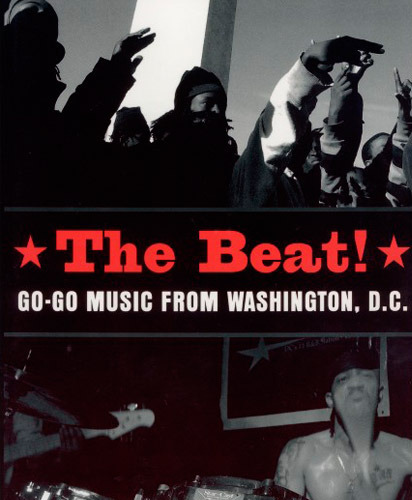
The Beat! was the first book to explore the musical, social, and cultural phenomenon of go-go music. In this edition, updated by a substantial chapter on the current scene, authors Kip Lornell and Charles C. Stephenson, Jr., place go-go within black popular music made since the middle 1970s—a period during which hip-hop has predominated. This styling reflects the District's African American heritage. Its super-charged drumming and vocal combinations of hip-hop, funk, and soul evolved and still thrive on the streets of Washington, DC, and in neighboring Prince George's County, making it the most geographically compact form of popular music. Go-go—the only musical form indigenous to Washington, DC—features a highly syncopated, nonstop beat and vocals that are spoken as well as sung. The book chronicles its development and ongoing popularity, focusing on many of its key figures and institutions, including established acts such as Chuck Brown (the Godfather of Go-Go), Experience Unlimited, Rare Essence, and Trouble Funk; well-known DJs, managers, and promoters; and filmmakers who have incorporated it into their work. The Beat! provides longtime fans and those who study American musical forms a definitive look at the music and its makers.
TMOTTGoGo is not the only magazine devoted to go-go. Go Go Swings takes into account not only the music but fashion as well. Though it is not published on-line and comes out on a less reliable schedule, Go Go Swings aims to reach the same audience as Kato’s publication: a hip, young, black and urban (mostly from D.C. and Prince George’s County) readership who are aware of what they eat, how they look, where they work and what music they consume.
Four stars as someone who played in the go-go scene and loves the music. For an "outsider," I dont know that it would be more interesting than having an uncle regale you with stories of his past. That said, this is a fairly complete listing of bands from the DC go-go scene. It doesn't really get as much into the music itself (it does describe what go-go is), and is more a history. For heads, this will be a great read, and a good reference. Oddly, the most valuable thing in this book, to me, was the list of go-go bands throughout its history, from Chuck to Mambo. The date of publication means that bands from the last few years are missing, which is unfortunately not a big deal, because go-go is gone from the radio completely and shows are actually hard to find, thanks to gentrification. 93.9 and 95.5 used to both play go-go regularly, and shows were advertised by the DJs before commercial breaks. Now it's just Radio One (or whoever owns them) bullshit.
Again, for heads, this is a fantastic read. It would be informative, but I dont think particularly engaging, for outsiders.
Go-go is something more people should know. But this book was more academic than I expected. I would like something that starts more introductory. This book jumps right in with music theory and names I'm expected to know. It does also seem repetitive and jumps around a bit.
Learned so much about go-go, but parts of this book are pretty repetitive and/or clunkily written. Took me a loooooong time but I’m glad I finished it finally!