

What do you think?

The Story of a Goat: A Novel
As he did in the award-winning One Part Woman, in his newest novel, The Story of a Goat, Perumal Murugan explores a side of India that is rarely considered in the West: the rural lives of the country’s farming community. He paints a bucolic yet sometimes menacing portrait, showing movingly how danger and deception can threaten the lives of the weakest through the story of a helpless young animal lost in a world it naively misunderstands.
s the novel opens, a farmer in Tamil Nadu is watching the sun set over his village one quiet evening when a mysterious stranger, a giant man who seems more than human, appears on the horizon. He offers the farmer a black goat kid who is the runt of the litter, surely too frail to survive. The farmer and his wife take care of the young she-goat, whom they name Poonachi, and soon the little goat is bounding with joy and growing at a rate they think miraculous for such a small animal. Intoxicating passages from the goat’s perspective offer a bawdy and earthy view of what it means to be an animal and a refreshing portrayal of the natural world. But Poonachi’s life is not destined to be a rural idyll—dangers can lurk around every corner, and may sometimes come from surprising places, including a government that is supposed to protect the weak and needy. Is this little goat too humble a creature to survive such a hostile world?
With allegorical resonance for contemporary society and examining hierarchies of caste and color, The Story of the Goat is a provocative but heartwarming fable from a world-class storyteller who is finally achieving recognition outside his home country.
152 pages, Kindle Edition
First published December 1, 2016
About the author
Perumal Murugan
100 books444 followersPrimary profile for this author.
Do NOT merge author profiles in different languages/spelling.
Per GR policy, books published in another language/script should have the name on that book as secondary author, with Perumal Murugan as primary author.
Perumal Murugan is a well-known contemporary Tamil writer and poet. He was written six novels, four collections of short stories and four anthologies of poetry. Three of his novels have been translated into English to wide acclaim: Seasons of the Palm, which was shortlisted for the prestigious Kiriyama Award in 2005, Current Show, and most recently, One Part Woman. He has received awards from the Tamil Nadu government as well as from Katha Books.
Do NOT merge author profiles in different languages/spelling.
Per GR policy, books published in another language/script should have the name on that book as secondary author, with Perumal Murugan as primary author.
Perumal Murugan is a well-known contemporary Tamil writer and poet. He was written six novels, four collections of short stories and four anthologies of poetry. Three of his novels have been translated into English to wide acclaim: Seasons of the Palm, which was shortlisted for the prestigious Kiriyama Award in 2005, Current Show, and most recently, One Part Woman. He has received awards from the Tamil Nadu government as well as from Katha Books.
Ratings & Reviews
Friends & Following
Create a free account to discover what your friends think of this book!
Community Reviews
Displaying 1 - 30 of 1,275 reviews

July 29, 2018
I'll write the review when I stop crying.

July 12, 2020
I find the writing very interesting with the plot focussing on the lives of the farmers and their livestock.
It's a very simple story with some elements of magical realism telling about the hardships an old couple had to face upbringing a tiny weak black unique kid called Poonachi.
This is the story of how Poonachi changed the lives of the old couple being the unbelievable miracle as she turned out to be.
The main highlights of the story include family bond, love and longing, how the simple village lives struggle through times of hardships and how the people bond with their livestock.
I loved the second half more. It's heartbreaking at times. At times, it's uncomfortable to read some particular parts dealing with some very realistic details. Otherwise it's a good read.
Perumal Murugan's books are always memorable even if they are not the best stories ever told.
It's a very simple story with some elements of magical realism telling about the hardships an old couple had to face upbringing a tiny weak black unique kid called Poonachi.
This is the story of how Poonachi changed the lives of the old couple being the unbelievable miracle as she turned out to be.
The main highlights of the story include family bond, love and longing, how the simple village lives struggle through times of hardships and how the people bond with their livestock.
I loved the second half more. It's heartbreaking at times. At times, it's uncomfortable to read some particular parts dealing with some very realistic details. Otherwise it's a good read.
Perumal Murugan's books are always memorable even if they are not the best stories ever told.

October 28, 2018
“Once, in a village, there was a goat. No one knew where she was born. The birth of an ordinary life never leaves a trace, does it?”
Poonachi or The Story of a Black Goat is written by Perumal Murugan and translated by N. Kalyan Raman.
If you have read books like Animal Farm, Heart of a Dog, Jungle Book, Maus, Stuart Little, etc you'd be very well aware of the concept of anthropomorphism, where basically, animals are ascribed with human behavior and characteristics; Poonachi also falls in this particular genre.
Poonachi is a story of a black goat who is anthropomorphized specifically to the women in Indian society or at times, women in general.
“They talk about the highs of toddy and liquor, but those are not highs at all. Real intoxication comes from talking. The moment it crosses a limit, we forget everything.”
In the beginning, it feels just like reading a fable and made me reminisce with my childhood times where I grew up reading Jataka Tales, Panchatantra, Baital Pachisi, Hitopadesha...all these folktales instill morals inside a tender mind of a child which imprints a permanent mark that lasts for a lifetime. Except, in this case, it's considered to be an Adult novel, but I'm pretty sure it still has the same effect, you choose to view the world a little differently once you read these kinds of books.
Poonachi is a blend of all the uncanny ways human civilization have adapted to function since eons to the present and the emotions of an innocent animal who undergoes exploitation by human beings for their own good. At parts, it feels like it's not Poonachi who's describing herself and the utter agonies of her story but it's you, yourself reading all your struggles through it.
Perumal Murugan has successfully captured the essence of being a woman in the form of a goat, her struggles and dreams represent the innocence of daughters in our society, and as she grows old the weight of responsibilities and expectations grows tenfolds from the people of the society and how she sacrifices everything that's of hers in order to subdue that burden.
The book majorly provides the insights of Rural India with the perspective of goat and simultaneous representation of the scene where a Farmer goes through an inevitable cycle of debt, hunger crisis, and survival.
The basic human instincts in order to survive and changing oneself inconvenience to it ultimately leading to selfish motives of a man are properly showed by her owner, the old lady...who is major part seen as an extremely compassionate and kind woman who treats Poonachi no less than a daughter but at times cursing her for even being born.
Several social and political references have been provided, for instance-
“Speak softly, sir. The regime has ears on all sides.'
'There's an old saying that the regime is deaf.'
'It's deaf only when we speak about our problems. When we talk about the regime, its ears are quite sharp.”
(Tsk-tsk, somethings never change! )
This is the first book written by Murugan, my first time reading him and a translated novel. Being new to Tamil literature, I would like to say Kalyan Raman did a commendable job with all those translations. Some parts did sound a bit funny and odd to read but it went well since I haven't read the original Tamilian text, I do understand how difficult it is to get the translations right, he did retain some Tamil words as it is in the book, which kept the original essence intact.
My heart felt heavy at the end after I finished reading this book.
P.S. It breaks my heart to see how these innocent creatures are treated, just a gentle reminder: Please be kind to animals and make this world a better place to live.
Poonachi is an important book, I'd recommend it for everyone to read once.
Poonachi or The Story of a Black Goat is written by Perumal Murugan and translated by N. Kalyan Raman.
If you have read books like Animal Farm, Heart of a Dog, Jungle Book, Maus, Stuart Little, etc you'd be very well aware of the concept of anthropomorphism, where basically, animals are ascribed with human behavior and characteristics; Poonachi also falls in this particular genre.
Poonachi is a story of a black goat who is anthropomorphized specifically to the women in Indian society or at times, women in general.
“They talk about the highs of toddy and liquor, but those are not highs at all. Real intoxication comes from talking. The moment it crosses a limit, we forget everything.”
In the beginning, it feels just like reading a fable and made me reminisce with my childhood times where I grew up reading Jataka Tales, Panchatantra, Baital Pachisi, Hitopadesha...all these folktales instill morals inside a tender mind of a child which imprints a permanent mark that lasts for a lifetime. Except, in this case, it's considered to be an Adult novel, but I'm pretty sure it still has the same effect, you choose to view the world a little differently once you read these kinds of books.
Poonachi is a blend of all the uncanny ways human civilization have adapted to function since eons to the present and the emotions of an innocent animal who undergoes exploitation by human beings for their own good. At parts, it feels like it's not Poonachi who's describing herself and the utter agonies of her story but it's you, yourself reading all your struggles through it.
Perumal Murugan has successfully captured the essence of being a woman in the form of a goat, her struggles and dreams represent the innocence of daughters in our society, and as she grows old the weight of responsibilities and expectations grows tenfolds from the people of the society and how she sacrifices everything that's of hers in order to subdue that burden.
The book majorly provides the insights of Rural India with the perspective of goat and simultaneous representation of the scene where a Farmer goes through an inevitable cycle of debt, hunger crisis, and survival.
The basic human instincts in order to survive and changing oneself inconvenience to it ultimately leading to selfish motives of a man are properly showed by her owner, the old lady...who is major part seen as an extremely compassionate and kind woman who treats Poonachi no less than a daughter but at times cursing her for even being born.
Several social and political references have been provided, for instance-
“Speak softly, sir. The regime has ears on all sides.'
'There's an old saying that the regime is deaf.'
'It's deaf only when we speak about our problems. When we talk about the regime, its ears are quite sharp.”
(Tsk-tsk, somethings never change! )
This is the first book written by Murugan, my first time reading him and a translated novel. Being new to Tamil literature, I would like to say Kalyan Raman did a commendable job with all those translations. Some parts did sound a bit funny and odd to read but it went well since I haven't read the original Tamilian text, I do understand how difficult it is to get the translations right, he did retain some Tamil words as it is in the book, which kept the original essence intact.
My heart felt heavy at the end after I finished reading this book.
P.S. It breaks my heart to see how these innocent creatures are treated, just a gentle reminder: Please be kind to animals and make this world a better place to live.
Poonachi is an important book, I'd recommend it for everyone to read once.

July 19, 2022
A story where the primary character is a goat – but an absolutely serious read which says things largely as it is. Exploitation, cruelty, apathy, deprivation, death – it is all there, but there is also love and inevitably heartbreak.
A feeble black goat is left by a traveller in the care of an old man. He and his wife who have a few other goats, raise “Poonachi” with great love and care. There are procedures to navigate as all animals need to be registered with the government, and the goats’ ears are pierced and a tag included for identification. There are comments in the narrative on all the poor have to face – they are often subtle & indirect. While the male goats are slaughtered for their meat very soon, the female goats are mainly reared for delivering litter after litter – being in captivity most of the time. The old man and his wife manage to raise Poonachi overcoming many dangers – a wild cat, getting lost & poor health among other things. A day arrives when Poonachi is a mother herself. If anything, life seems to get harder and more painful.
A very different & unusual story. The village atmosphere the book creates is extremely vivid and authentic. The book alternates between the point of view of the old couple and Poonachi, and does that smoothly. I did expect the book would explore a wider range of animal emotions though – the coverage is fairly simplistic. The last sections are especially painful to read, and you need to brace yourself for some stark realism. But then, what we do to animals in the real world is absolutely disgraceful and far worse than this or any book can cover.
The translation is excellent – creates broad based appeal with good background, while leaving some small snippets of local dialect.
A feeble black goat is left by a traveller in the care of an old man. He and his wife who have a few other goats, raise “Poonachi” with great love and care. There are procedures to navigate as all animals need to be registered with the government, and the goats’ ears are pierced and a tag included for identification. There are comments in the narrative on all the poor have to face – they are often subtle & indirect. While the male goats are slaughtered for their meat very soon, the female goats are mainly reared for delivering litter after litter – being in captivity most of the time. The old man and his wife manage to raise Poonachi overcoming many dangers – a wild cat, getting lost & poor health among other things. A day arrives when Poonachi is a mother herself. If anything, life seems to get harder and more painful.
A very different & unusual story. The village atmosphere the book creates is extremely vivid and authentic. The book alternates between the point of view of the old couple and Poonachi, and does that smoothly. I did expect the book would explore a wider range of animal emotions though – the coverage is fairly simplistic. The last sections are especially painful to read, and you need to brace yourself for some stark realism. But then, what we do to animals in the real world is absolutely disgraceful and far worse than this or any book can cover.
The translation is excellent – creates broad based appeal with good background, while leaving some small snippets of local dialect.

May 11, 2020
[3.5 stars]
I had never heard of this book or author before. However, my library was recommending this online as the 'book of the week' and seeing that it was translated from Tamil, I was curious to give it a go. I'm always looking for good translated literature and had never read something translated from Tamil before. I was also intrigued by the idea of reading a book mainly from the perspective of a goat, with this drawing comparisons to Animal Farm in that in functions as a sort of parable or allegory told through the eyes of an animal.
The novel blends this metaphorical storytelling with fantastical elements, as well as draws on religious themes and imagery at times. I'm sure reading this with a much deeper contextual knowledge of Indian historic, politics and culture would be more impactful, but I still found the story both endearing and heart-breaking. You can see the pointed nature of the author criticizing the government in how they are portrayed in this story as well which I find fascinating. Doing some research, I found that this author had some controversy around his previous novel, so I would be curious to know how this one was received as he originally claimed to be done with being an author after his criticism.
Overall, this is a quick (only 192 pages) read that is able to capture very deep, human emotions as presented by the story of a goat, as the title suggests. I was uncomfortable at times, which I believe was intentional on the author's part. While it may not be the most impactful read ever, it had strong moments that make the read worth it. Would recommend for fans of fairytales, parables, and mystical fiction, and those that like a weird bent to their literature as this has some inexplicable elements that you must suspend your disbelief for in order to move forward in the story.
I had never heard of this book or author before. However, my library was recommending this online as the 'book of the week' and seeing that it was translated from Tamil, I was curious to give it a go. I'm always looking for good translated literature and had never read something translated from Tamil before. I was also intrigued by the idea of reading a book mainly from the perspective of a goat, with this drawing comparisons to Animal Farm in that in functions as a sort of parable or allegory told through the eyes of an animal.
The novel blends this metaphorical storytelling with fantastical elements, as well as draws on religious themes and imagery at times. I'm sure reading this with a much deeper contextual knowledge of Indian historic, politics and culture would be more impactful, but I still found the story both endearing and heart-breaking. You can see the pointed nature of the author criticizing the government in how they are portrayed in this story as well which I find fascinating. Doing some research, I found that this author had some controversy around his previous novel, so I would be curious to know how this one was received as he originally claimed to be done with being an author after his criticism.
Overall, this is a quick (only 192 pages) read that is able to capture very deep, human emotions as presented by the story of a goat, as the title suggests. I was uncomfortable at times, which I believe was intentional on the author's part. While it may not be the most impactful read ever, it had strong moments that make the read worth it. Would recommend for fans of fairytales, parables, and mystical fiction, and those that like a weird bent to their literature as this has some inexplicable elements that you must suspend your disbelief for in order to move forward in the story.

July 6, 2020
Reread: July 2022.
“Once, in a village, there was a goat. No one knew where she was born. The birth of an ordinary life never leaves a trace, does it?”
This beginning hints at what you will get from this book. It is the story of an ordinary goat, or is it?
Poonachi is a little black goat who lands up at the house of a poor old couple. Her life isn’t a cakewalk, but Poonachi seems to win against the struggles that routinely come her way. Can life ever be straightforward though? With a hegemonic government, poor rains, and lack of resources, life begins revealing its darker shades. Only time will tell if Poonachi will thrive or wither with the change of circumstances.
Murugan shows us that great storytelling doesn’t need to be jazzy storytelling. The language in the book is simple and straightforward, yet used to great effect. There is a subtle hint of magical realism, but most of the content is socio-cultural fiction. The book is short and quick-paced, so you can complete it within 2-3 hours.
The content isn’t as direct as the language. Allegorical in its essence, the book is a medley of political satire and social commentary, while being a reflection on how simple minds also have corrupted thinking. It is somewhat reminiscent of ‘Animal Farm’, though, in this case, it is the humans who are “beings more equal than others.”
The book also spotlights how humans treat animals utterly selfishly. As one line in the book goes,
“No matter how much you give to this heart, it will never be enough.”
We grab and we grab and we grab, until there’s nothing left for anyone, including ourselves. Some of these scenes hit hard and make for very uncomfortable reading; go into the book with a strong heart and stomach.
I liked the first half more that the second half, possibly because it appealed more to my personal taste and my current mood, with Poonachi’s innocence and resilience shining through. The second half is more despondent and depressing, and doesn’t stop the sense of impending doom right till the end, which is exactly as you would assume but not what you would want.
The book was originally written in Tamil. The English translation by N. Kalyan Raman seems to capture the spirit of the book well. It doesn’t make the writing flowery, nor does it wash out the essence of the original language, with a few Tamil colloquialisms retained even in the translation.
Poonachi’s story is a metaphorical ode to greed and this is something common to most people and all governments. Thus it ought to work well with anyone looking for a quirky tale with unusual characters but facing realistic problems. Let me quote a line from the translator’s note:
“Through a feat of storytelling that is both masterly and nuanced, Murugan makes us reflect on our own responses to hegemony and enslavement, selflessness and appetite, resistance and resignation, living and dying.”
Recommended for sure, though it is not for everyone. Given a choice between reading the likes of Alka Joshi/Thrity Umrigar and Perumal Murugan, I would go for the latter without even blinking my eyes.
3.75 stars. (Same feelings as earlier, but was distracted easily this time. Plus, I am a stingy rater nowadays.)
*****************************
1st read: July 2020.
Rating: 4.25 stars.
———————————————
Connect with me through:
My Blog | The StoryGraph | Facebook | Twitter
“Once, in a village, there was a goat. No one knew where she was born. The birth of an ordinary life never leaves a trace, does it?”
This beginning hints at what you will get from this book. It is the story of an ordinary goat, or is it?
Poonachi is a little black goat who lands up at the house of a poor old couple. Her life isn’t a cakewalk, but Poonachi seems to win against the struggles that routinely come her way. Can life ever be straightforward though? With a hegemonic government, poor rains, and lack of resources, life begins revealing its darker shades. Only time will tell if Poonachi will thrive or wither with the change of circumstances.
Murugan shows us that great storytelling doesn’t need to be jazzy storytelling. The language in the book is simple and straightforward, yet used to great effect. There is a subtle hint of magical realism, but most of the content is socio-cultural fiction. The book is short and quick-paced, so you can complete it within 2-3 hours.
The content isn’t as direct as the language. Allegorical in its essence, the book is a medley of political satire and social commentary, while being a reflection on how simple minds also have corrupted thinking. It is somewhat reminiscent of ‘Animal Farm’, though, in this case, it is the humans who are “beings more equal than others.”
The book also spotlights how humans treat animals utterly selfishly. As one line in the book goes,
“No matter how much you give to this heart, it will never be enough.”
We grab and we grab and we grab, until there’s nothing left for anyone, including ourselves. Some of these scenes hit hard and make for very uncomfortable reading; go into the book with a strong heart and stomach.
I liked the first half more that the second half, possibly because it appealed more to my personal taste and my current mood, with Poonachi’s innocence and resilience shining through. The second half is more despondent and depressing, and doesn’t stop the sense of impending doom right till the end, which is exactly as you would assume but not what you would want.
The book was originally written in Tamil. The English translation by N. Kalyan Raman seems to capture the spirit of the book well. It doesn’t make the writing flowery, nor does it wash out the essence of the original language, with a few Tamil colloquialisms retained even in the translation.
Poonachi’s story is a metaphorical ode to greed and this is something common to most people and all governments. Thus it ought to work well with anyone looking for a quirky tale with unusual characters but facing realistic problems. Let me quote a line from the translator’s note:
“Through a feat of storytelling that is both masterly and nuanced, Murugan makes us reflect on our own responses to hegemony and enslavement, selflessness and appetite, resistance and resignation, living and dying.”
Recommended for sure, though it is not for everyone. Given a choice between reading the likes of Alka Joshi/Thrity Umrigar and Perumal Murugan, I would go for the latter without even blinking my eyes.
3.75 stars. (Same feelings as earlier, but was distracted easily this time. Plus, I am a stingy rater nowadays.)
*****************************
1st read: July 2020.
Rating: 4.25 stars.
———————————————
Connect with me through:
My Blog | The StoryGraph | Facebook | Twitter
February 8, 2023
I couldn't stop reading this.
Update February 13 2023
Read Around the World Challenge 2023 -- Read a book set in or written by an author born in each of 50 countries on the Asian continent: Book 4 / 50: India 🇮🇳
I found Perumal Murugan's wonderful novel, which I heard about on the Author's Goodreads page, on Libby! Check your local library's availability and read great books for free!
Poonachi is a sleek black female kid that arrives as a gift to the old man farmer and his wife from a mysterious giant in the mists one night. Despite many challenges, from not getting enough milk from her foster mother goat, to fending off the sexual aggression of the male goats in the herd, to avoiding all the terrible fates that can befall a small kid, Poonachi grows into an attractive, healthy young goat. She learns about daily life and miracles, about love and betrayal, about pain and death, too much of those last.
This is more than a really good story told with animals used as an effective metaphorical element, though it has that tone of seriousness, that sober mood. However, this book's imagination is big, and sometimes, Poonachi carries us into the territory of fables or magical realism.
She shares, through the narrator, complex existential considerations of her surroundings, and she communicates (mostly with people) and understands (mostly herself and other members of her herd). This quasimagical sentience that Poonachi displays offers the reader a distinctive and moving experience at the climax of the narrative. There is no denouement, which rarely works to strengthen an ending IMHO, but here it hits like a wrecking ball.
This book will make you cry at least once, or you don’t have tear ducts.
Rating: 🐐🐐🐐🐐🐐 / 5 little goats
Recommend? Definitely!
Finished February 8 2023
Read this if you like:
🐐 Animal stories
👤 Existentialism
✨️ Magical realism
🐣 Farm stories
🧔🏽♂️ Diverse voices and stories
Update February 13 2023
Read Around the World Challenge 2023 -- Read a book set in or written by an author born in each of 50 countries on the Asian continent: Book 4 / 50: India 🇮🇳
I found Perumal Murugan's wonderful novel, which I heard about on the Author's Goodreads page, on Libby! Check your local library's availability and read great books for free!
Poonachi is a sleek black female kid that arrives as a gift to the old man farmer and his wife from a mysterious giant in the mists one night. Despite many challenges, from not getting enough milk from her foster mother goat, to fending off the sexual aggression of the male goats in the herd, to avoiding all the terrible fates that can befall a small kid, Poonachi grows into an attractive, healthy young goat. She learns about daily life and miracles, about love and betrayal, about pain and death, too much of those last.
This is more than a really good story told with animals used as an effective metaphorical element, though it has that tone of seriousness, that sober mood. However, this book's imagination is big, and sometimes, Poonachi carries us into the territory of fables or magical realism.
She shares, through the narrator, complex existential considerations of her surroundings, and she communicates (mostly with people) and understands (mostly herself and other members of her herd). This quasimagical sentience that Poonachi displays offers the reader a distinctive and moving experience at the climax of the narrative. There is no denouement, which rarely works to strengthen an ending IMHO, but here it hits like a wrecking ball.
This book will make you cry at least once, or you don’t have tear ducts.
Rating: 🐐🐐🐐🐐🐐 / 5 little goats
Recommend? Definitely!
Finished February 8 2023
Read this if you like:
🐐 Animal stories
👤 Existentialism
✨️ Magical realism
🐣 Farm stories
🧔🏽♂️ Diverse voices and stories

July 23, 2019
I wished I would have liked the story more, I really do. I think it is a good story about a goat only the problem is it isn't in my opinion written for the western world. This story would do well in India, but it lacks and also the structure is hard to read for when you are Western (it might be the translation??). There for it only gets 3 points.
This is a ARC from the publisher, which I got for a honest review.

This is a ARC from the publisher, which I got for a honest review.

May 31, 2019
പെരുമാൾ മുരുഗന്റെ "Poonachi: Or the Story of a Black Goat" ഒറ്റവാക്കിൽ ഒരു മിനി മാസ്റ്റർപീസ് ആണ്. അയാളുടെ "One Part Woman", അതിനെത്തുടർന്നെഴുതിയ രണ്ടു പുസ്തകങ്ങൾ എല്ലാം കയ്യിലുണ്ടെങ്കിലും ഞാൻ വായിച്ചിട്ടില്ല - അവ വായിയ്ക്കാനുള്ള പ്രേരണ തരുംവിധമാണ് ഈ നോവലിന്റെ ആഖ്യാനവും ഇംഗ്ലീഷ് പരിഭാഷയും. ഒറ്റയ്ക്ക് താമസിയ്ക്കുന്ന ഒരു വൃദ്ധനും വൃദ്ധയ്ക്കും ഒരാടിനെ ലഭിയ്ക്കുന്നു. ആടിനെ വൃദ്ധന് നൽകുന്നത് ഒരു ആജാനുബാഹുവായ മനുഷ്യനാണ് - അത് ബകാസുരനാണ് എന്നവർ കരുതുന്നു. ആട് ഒറ്റത്തവണ ഏഴു കുട്ടികളെ പ്രസവിയ്ക്കും എന്നാണ് അപരിചിതൻ അയാളോട് പറഞ്ഞിരിയ്ക്കുന്നത് - അങ്ങനെയൊന്ന് അന്നാട്ടിലോ അവരുടെ അനുഭവത്തിലോ കേട്ടുകേൾവിപോലുമില്ലാത്ത കാര്യമാണ്. ഈ ആട്ടിൻകുട്ടിയാകട്ടെ ഒരു പുഴുവിനെപ്പോലെ ദുർബ്ബലയുമാണ്. എന്നാലും ദമ്പതികൾ അതിനെ നന്നായി നോക്കിവളർത്തുന്നു. ഇത്തരത്തിൽ ഒരു നാടോടിക്കഥ പോലെയാണ് നോവൽ ആരംഭിയ്ക്കുന്നത്, എന്നാൽ ആദ്യഭാഗത്തെ ഫാബുലിസത്തിന്റെ (A form of magic realism in which fantastical elements are placed into an everyday setting) ഒരു ചെറിയ അംശമൊഴിച്ചാൽ നോവൽ ഗ്രാമീണ ജീവിതത്തിന്റെ വിശദാംശങ്ങളിലും, ദൈനംദിന വ്യവഹാരങ്ങളിലുമാണ് ഊന്നുന്നത്. ആടിന്റെ ജീവിതം, അതിന്റെ ചിന്താലോകം, അതിന്റെ കൂട്ടുകാർ, ആട് പ്രായപൂർത്തിയാകുന്നത്, അതിനെ ഒരു വൃദ്ധനായ ആടിനെക്കൊണ്ട് ഇണചേർക്കുന്നത്, അവരുടെ കൂട്ടത്തിലെ കുസൃതികളായ ആടുകളെ വരിയുടയ്ക്കുന്നത്, ആടിനെ ആക്രമിയ്ക്കുന്ന വന്യജീവികൾ, വൃദ്ധരുടെ ആധികൾ, മകളുടെ വീട്ടിലേയ്ക്കു അവരുടെ യാത്രകൾ, ആടുകളെയും മറ്റു മാടുകളെയും ചുറ്റിപ്പറ്റിയുള്ള ഗ്രാമീണ ഇക്കോണമി, ഇവയ്ക്കൊക്കെ പശ്ചാത്തലമായി വരുന്ന ദമ്പതികളുടെയും നാട്ടുകാരുടെയും സംസാരങ്ങൾ (banter ) - ഇങ്ങനെ വളരെ വിശദവും സജീവവുമായ ഒരു ലോകമാണ് ക്ലാസ്സിക്കുകളെ ഓർമ്മിപ്പിയ്ക്കുന്ന രീതിയിൽ മുരുഗൻ വരച്ചിടുന്നത്.
തമിഴിൽ നിന്ന് ഇംഗ്ളീഷിലേയ്ക്ക് വന്നതിൽ ഞാൻ ഈ വർഷം വായിച്ച രണ്ടാമത്തെ പുസ്തകമാണ് ഇത് - Ambai എഴുതിയ "A Kitchen in the Corner of the House" ആണ് മറ്റേത് - രണ്ടും പരിഭാഷയിൽ നല്ല നിലവാരം പുലർത്തിയെന്നതാണ് കാര്യം. ഇവിടെ ഓർക്കാവുന്നത് "മനുഷ്യന് ഒരാമുഖം", "ആസിഡ്" തുടങ്ങിയ പുസ്തകങ്ങളുടെ പരിഭാഷയാണ് - ആദ്യത്തേത് പദാനുപദമാണെകിൽ, രണ്ടാമത്തേത് ബാലിശമായ ഉള്ളടക്കം. ആരാച്ചാർ ഇംഗ്ലീഷിൽ കുഴപ്പമില്ലായിരുന്നു, പക്ഷെ അപ്പോഴും പൊതുവെ നിലവാരമുള്ള ഒന്നിനും പരിഭാഷ വരുന്നില്ല എന്നതും, അവയുടെ മാർക്കെറ്റിങ്ങും, റൈറ്റ്സ് മാനേജ് ചെയ്യുന്നതിലെ പോരായ്മകളും എല്ലാമായി ദിനേന പുസ്തകമിറങ്ങുന്ന മലയാളത്തിന്റെ അവസ്ഥ ദയനീയമാണ്. മറ്റു ഭാഷകളിൽ നിന്ന് വരുന്ന ലൈറ്റ് റീഡുകൾ പോലും അതിശക്തമാണ് എന്ന് ഇക്കൊല്ലത്തെ മാത്രം വായനകൊണ്ട് എനിയ്ക്കു പറയാൻ കഴിയും - ജപ്പാനിൽ നിന്നും കൊറിയയിൽ, അറബിയിൽ നിന്നുമൊക്കെ വരുന്ന നോവെല്ലകൾ പുസ്തകലിസ്റ്റുകളിലും അവാർഡ് ഫൈനലുകളിലും എത്തുന്നത് നമ്മൾ കാണുന്നുണ്ടല്ലോ, ഇവ വളരെ വൈവിധ്യമുള്ള വിഷയങ്ങൾ കൈകാര്യം ചെയ്യുന്നവയുമാണ്. അവയുമായി മത്സരം പ്രയാസമാണ് എന്ന് സാരം. മികച്ച എഴുത്തുകാരെ മികച്ച രീതിയിൽ പരിഭാഷപ്പെടുത്തുക എന്നതൊരു വെല്ലുവിളിയാണ്.
മുരുഗനിലേയ്ക്ക് തിരിച്ചു വരുമ്പോൾ ഞാൻ ശ്രദ്ധിച്ച ഒരു കാര്യം എഴുത്തുകാരൻ ഈ നോവലിൽ രാഷ്ട്രീയം പറയുന്ന വിധമാണ്. ഒരു തരം ഡിസ്റ്റോപ്പിയൻ സർക്കാരാണ് ഇതിൽ - ആടുകളുടെ ജനനമരണ രെജിസ്ട്രേഷൻ, ആടുകൾക്ക് നമ്പറിടുന്നത്, അതിലെ ചുവപ്പുനാടകൾ - നമ്മുടെ എഴുത്തുകാർ കൂവുന്ന കോഴിയേയും മറ്റു മൃഗങ്ങളെയും ഒക്കെ വച്ച് രാഷ്ട്രീയം പറയാൻ ശ്രമിയ്ക്കുന്ന ബാലിശതയുടെ മറ്റൊരു, കുറച്ചു കൂടി നിലവാരമുള്ള പതിപ്പ് (ഈ കല്ലുകടി മുരുകന്റെ നോവലുകൾക്ക് പൊതുവേയുണ്ടെന്ന് ഒരാൾ പറയുകയുണ്ടായി, അതില്ലെങ്കിൽ ഫൈവ് സ്റ്റാർ റീഡാണ് പൂനാച്ചി). എന്നാൽ സത്യത്തിൽ മുരുഗൻ പറയുന്നത് ഒരു തമിഴ് നാടോടിക്കഥയുടെ വ്യാഖ്യാനവുമാണ് (കഥനടക്കുന്ന കാലം നോവലിൽ കൃത്യമല്ലെങ്കിലും) - പെൺകുട്ടി ദേവതയാകുന്ന കഥ. ഈ ഒരു കഥ ഓർക്കാൻ കഴിയുന്ന വായനക്കാരന് ആടും അതിന്റെ ദൈനംദിന ജീവിതവും, പ്രേമവും, കാമവും, അതിന്റെ ഉടമസ്ഥരും എല്ലാം ചേർന്ന് ഒരു പെൺകുട്ടിയുടെ വളർച്ചയുടെ ഘട്ടങ്ങളും ജീവിതഗതിവിഗതികളും എല്ലാമായി കാണാവുന്നതാണ്. നാടോടിക്കഥയെ അനുസ്മരിപ്പിയ്ക്കുന്ന അന്ത്യവുമാണ് ഈ നോവലിന്.
കൂട്ടത്തിൽ, തൊട്ടയല്പക്കത്ത് ഒരെഴുത്തുകാരൻ നമ്മുടെ കൊട്ടിഘോഷിയ്ക്കപ്പെടുന്ന എഴുത്തുകാരേക്കാളും തലയെടുപ്പോടെ നിൽക്കുന്നു എന്നറിയാൻ ഇംഗ്ളീഷ് പരിഭാഷയിൽ പുസ്തകം വായിയ്ക്കേണ്ടി വന്നു എന്നത് സത്യത്തിൽ ഇവിടെ കോളമെഴുതുന്നവർക്കും നിരൂപകർ എന്ന് നടിയ്ക്കുന്നവർക്കും ഒക്കെ ലജ്ജ തോന്നേണ്ട കാര്യമാണ് എന്ന് ഓർമ്മിപ്പിച്ചുകൊണ്ട് നിറുത്തുന്നു. വിവാദം ഉണ്ടായ പുസ്തകത്തെക്കുറിച്ചു (മാത്രം) ഏറെ വായിയ്ക്കുകയുമുണ്ടായി. അതാണ് മലയാളിയുടെ പൊക്കിൾക്കൊടി, അതില്ലെങ്കിൽ പോഷകം കിട്ടാതെ മലയാളി ചത്തുപോകും. അല്ലെങ്കിൽ എഴുത്തുകാരൻ ചാകണം - അപ്പോൾ പിന്നെ എഴുത്തിന്റെ നിലവാരം വിഷയവുമല്ല.
തമിഴിൽ നിന്ന് ഇംഗ്ളീഷിലേയ്ക്ക് വന്നതിൽ ഞാൻ ഈ വർഷം വായിച്ച രണ്ടാമത്തെ പുസ്തകമാണ് ഇത് - Ambai എഴുതിയ "A Kitchen in the Corner of the House" ആണ് മറ്റേത് - രണ്ടും പരിഭാഷയിൽ നല്ല നിലവാരം പുലർത്തിയെന്നതാണ് കാര്യം. ഇവിടെ ഓർക്കാവുന്നത് "മനുഷ്യന് ഒരാമുഖം", "ആസിഡ്" തുടങ്ങിയ പുസ്തകങ്ങളുടെ പരിഭാഷയാണ് - ആദ്യത്തേത് പദാനുപദമാണെകിൽ, രണ്ടാമത്തേത് ബാലിശമായ ഉള്ളടക്കം. ആരാച്ചാർ ഇംഗ്ലീഷിൽ കുഴപ്പമില്ലായിരുന്നു, പക്ഷെ അപ്പോഴും പൊതുവെ നിലവാരമുള്ള ഒന്നിനും പരിഭാഷ വരുന്നില്ല എന്നതും, അവയുടെ മാർക്കെറ്റിങ്ങും, റൈറ്റ്സ് മാനേജ് ചെയ്യുന്നതിലെ പോരായ്മകളും എല്ലാമായി ദിനേന പുസ്തകമിറങ്ങുന്ന മലയാളത്തിന്റെ അവസ്ഥ ദയനീയമാണ്. മറ്റു ഭാഷകളിൽ നിന്ന് വരുന്ന ലൈറ്റ് റീഡുകൾ പോലും അതിശക്തമാണ് എന്ന് ഇക്കൊല്ലത്തെ മാത്രം വായനകൊണ്ട് എനിയ്ക്കു പറയാൻ കഴിയും - ജപ്പാനിൽ നിന്നും കൊറിയയിൽ, അറബിയിൽ നിന്നുമൊക്കെ വരുന്ന നോവെല്ലകൾ പുസ്തകലിസ്റ്റുകളിലും അവാർഡ് ഫൈനലുകളിലും എത്തുന്നത് നമ്മൾ കാണുന്നുണ്ടല്ലോ, ഇവ വളരെ വൈവിധ്യമുള്ള വിഷയങ്ങൾ കൈകാര്യം ചെയ്യുന്നവയുമാണ്. അവയുമായി മത്സരം പ്രയാസമാണ് എന്ന് സാരം. മികച്ച എഴുത്തുകാരെ മികച്ച രീതിയിൽ പരിഭാഷപ്പെടുത്തുക എന്നതൊരു വെല്ലുവിളിയാണ്.
മുരുഗനിലേയ്ക്ക് തിരിച്ചു വരുമ്പോൾ ഞാൻ ശ്രദ്ധിച്ച ഒരു കാര്യം എഴുത്തുകാരൻ ഈ നോവലിൽ രാഷ്ട്രീയം പറയുന്ന വിധമാണ്. ഒരു തരം ഡിസ്റ്റോപ്പിയൻ സർക്കാരാണ് ഇതിൽ - ആടുകളുടെ ജനനമരണ രെജിസ്ട്രേഷൻ, ആടുകൾക്ക് നമ്പറിടുന്നത്, അതിലെ ചുവപ്പുനാടകൾ - നമ്മുടെ എഴുത്തുകാർ കൂവുന്ന കോഴിയേയും മറ്റു മൃഗങ്ങളെയും ഒക്കെ വച്ച് രാഷ്ട്രീയം പറയാൻ ശ്രമിയ്ക്കുന്ന ബാലിശതയുടെ മറ്റൊരു, കുറച്ചു കൂടി നിലവാരമുള്ള പതിപ്പ് (ഈ കല്ലുകടി മുരുകന്റെ നോവലുകൾക്ക് പൊതുവേയുണ്ടെന്ന് ഒരാൾ പറയുകയുണ്ടായി, അതില്ലെങ്കിൽ ഫൈവ് സ്റ്റാർ റീഡാണ് പൂനാച്ചി). എന്നാൽ സത്യത്തിൽ മുരുഗൻ പറയുന്നത് ഒരു തമിഴ് നാടോടിക്കഥയുടെ വ്യാഖ്യാനവുമാണ് (കഥനടക്കുന്ന കാലം നോവലിൽ കൃത്യമല്ലെങ്കിലും) - പെൺകുട്ടി ദേവതയാകുന്ന കഥ. ഈ ഒരു കഥ ഓർക്കാൻ കഴിയുന്ന വായനക്കാരന് ആടും അതിന്റെ ദൈനംദിന ജീവിതവും, പ്രേമവും, കാമവും, അതിന്റെ ഉടമസ്ഥരും എല്ലാം ചേർന്ന് ഒരു പെൺകുട്ടിയുടെ വളർച്ചയുടെ ഘട്ടങ്ങളും ജീവിതഗതിവിഗതികളും എല്ലാമായി കാണാവുന്നതാണ്. നാടോടിക്കഥയെ അനുസ്മരിപ്പിയ്ക്കുന്ന അന്ത്യവുമാണ് ഈ നോവലിന്.
കൂട്ടത്തിൽ, തൊട്ടയല്പക്കത്ത് ഒരെഴുത്തുകാരൻ നമ്മുടെ കൊട്ടിഘോഷിയ്ക്കപ്പെടുന്ന എഴുത്തുകാരേക്കാളും തലയെടുപ്പോടെ നിൽക്കുന്നു എന്നറിയാൻ ഇംഗ്ളീഷ് പരിഭാഷയിൽ പുസ്തകം വായിയ്ക്കേണ്ടി വന്നു എന്നത് സത്യത്തിൽ ഇവിടെ കോളമെഴുതുന്നവർക്കും നിരൂപകർ എന്ന് നടിയ്ക്കുന്നവർക്കും ഒക്കെ ലജ്ജ തോന്നേണ്ട കാര്യമാണ് എന്ന് ഓർമ്മിപ്പിച്ചുകൊണ്ട് നിറുത്തുന്നു. വിവാദം ഉണ്ടായ പുസ്തകത്തെക്കുറിച്ചു (മാത്രം) ഏറെ വായിയ്ക്കുകയുമുണ്ടായി. അതാണ് മലയാളിയുടെ പൊക്കിൾക്കൊടി, അതില്ലെങ്കിൽ പോഷകം കിട്ടാതെ മലയാളി ചത്തുപോകും. അല്ലെങ്കിൽ എഴുത്തുകാരൻ ചാകണം - അപ്പോൾ പിന്നെ എഴുത്തിന്റെ നിലവാരം വിഷയവുമല്ല.

December 3, 2019
“The Story of a Goat,” translated from Tamil by N. Kalyan Raman, jumps nimbly from fantasy to realism to parable. How much it resonates with you will depend on the breadth of your sympathies and your interest in adult tales that include the thoughts and feelings of animal characters. The effect is not so much escapist fantasy as existential reflection.
Murugan’s plot involves a poor old man and his wife — neither named — who live in an arid farming village in southern India. In the opening scene, an extraordinarily tall stranger walks up to the old man and announces that he has been wandering from village to village looking for the right person to receive his black baby goat. “She is no ordinary kid,” the giant man says. “She is truly a miracle.”
So far, so fairy tale, but the story drifts back into the quotidian details of village life. The old man takes this tiny kid home. His wife names it Poonachi and devotes herself to the difficult job of keeping such a small, sickly creature alive. They don’t have much to spare, but the effort revives them both. “It had been a long time since there was such pleasant chit-chat between the couple,” Murugan writes. “Because of the kid’s sudden entry into their lives, they ended up talking about the old days.”
You may be tempted to think this novel doesn’t interest you, doesn’t relate to the sophisticated architecture of your experience, but the elegance of Murugan’s simple tone will lull you deeper into. . . .
To read the rest of this review, go to The Washington Post:
https://www.washingtonpost.com/entert...
Murugan’s plot involves a poor old man and his wife — neither named — who live in an arid farming village in southern India. In the opening scene, an extraordinarily tall stranger walks up to the old man and announces that he has been wandering from village to village looking for the right person to receive his black baby goat. “She is no ordinary kid,” the giant man says. “She is truly a miracle.”
So far, so fairy tale, but the story drifts back into the quotidian details of village life. The old man takes this tiny kid home. His wife names it Poonachi and devotes herself to the difficult job of keeping such a small, sickly creature alive. They don’t have much to spare, but the effort revives them both. “It had been a long time since there was such pleasant chit-chat between the couple,” Murugan writes. “Because of the kid’s sudden entry into their lives, they ended up talking about the old days.”
You may be tempted to think this novel doesn’t interest you, doesn’t relate to the sophisticated architecture of your experience, but the elegance of Murugan’s simple tone will lull you deeper into. . . .
To read the rest of this review, go to The Washington Post:
https://www.washingtonpost.com/entert...

June 15, 2018
In the past couple of years, Murugan has become a reliable and favourite author.. And hence didn't hesitate to pick this from a choice of 5 books in the Amazon ebook promotion scheme for prime members wherein one is allowed to pick a free kindle book every month.
I have also enlisted for a literary bingo game where numbers are called every week, and one has to read a book fitting in the corresponding fact/clue.
This week the theme was discrimination, and this book fit in perfectly.
As the title declares, Poonachi is the story of a black goat who came to be raised by an old couple under mysterious circumstances .
We are exposed to lots of discrimination and troubled lives.
The government is troubling the Asuras ( I assume them to be lower caste community in Tamil Nadu as Murugan is fond of penning down caste based oppression stories) and Poonachi represents discrimination based on color and gender, along with caste.
This is not at all a happy story ..
It is depressing and morose, but is a powerful story which makes one think and retrospect and be filled with turmoil, if one lets oneself be dragged into the injustices existing in the society.
I have also enlisted for a literary bingo game where numbers are called every week, and one has to read a book fitting in the corresponding fact/clue.
This week the theme was discrimination, and this book fit in perfectly.
As the title declares, Poonachi is the story of a black goat who came to be raised by an old couple under mysterious circumstances .
We are exposed to lots of discrimination and troubled lives.
The government is troubling the Asuras ( I assume them to be lower caste community in Tamil Nadu as Murugan is fond of penning down caste based oppression stories) and Poonachi represents discrimination based on color and gender, along with caste.
This is not at all a happy story ..
It is depressing and morose, but is a powerful story which makes one think and retrospect and be filled with turmoil, if one lets oneself be dragged into the injustices existing in the society.

June 13, 2018
The book has a promising start, the premise and the way the author speaks through the goats, their personification seemed good. Despite his best judgement to not write about religion and politics and hairy topics like that which he foretells in the preface, there is some socio-political subtext in the world that he writes about. However it all goes south as it gets real old real fast. The rampant personification and the amount of human emotions that the author piles on the animals, that too in a world where humans already exist and interact with them seems hammy. Despite being unabashed in showing the heartache, it seems not believable. The characters of the owners were much more believable than any of the others. It's a book that had tremendous potential at the start but fizzles out by the end. It's a short and fast read so I didn't really mind finishing it, but it wasn't something that had me hooked.

January 28, 2019
(3.5 stars)
“A large populace reads your work only as translations. Don’t you think this creates a loss of your original text?” This question was put forth to author Perumal Murugan at the recently-held Jaipur Literature Festival.
Murugan, perhaps accustomed to the query, did not need to pause before he answered in Tamil, “Barely a quarter of the ideas in my head get transferred to paper as I write. So there is a kind of loss inherent in the very act of writing--why should it then come as a surprise during translating?”
“It can also contain the possibility of enhancement. A tightening of structure, erasure of fluff, coat of beauty. I would request you to read the translation as a literary text that is complete in itself. Do not accuse the process of translation of diminishing the value of the original text. It is all you have, all you need.”
This was interpreted excellently into English by N Kalyan Raman, the translator of Murugan’s latest novel, Poonachi. Raman himself added, “We should stop assuming a priori that translation is a loss, just because Robert Frost said so.”
Quite. Forgetting all about the Tamil version, we now have the English rendition at hand. A slim, thoughtful, sweetly-etched life story of a tiny black goat. Judged only by the style and flow of the translation, it is a smooth, pleasant and heartwarming read. The undercurrents and insinuations, accusations and symbols, though, are both joyful and laborious to untangle. And while its experimentations of merging a fable with contemporary satire are curiosity-rousing, they are also responsible for the muddles they give rise to.
The novel leads us to a hamlet, where an elderly couple ekes out a meagre living. One day, Poonachi enters their ordinary life and creates an astonishing change. The miniscule black goat, likened to a wriggling worm, takes up a huge space in their home and heart(h). This bonding between humans and animal is an emotional and intimate relation ingenuously conveyed. The little kid strengthens the couple’s ties with its neighbours, and even between the couple themselves. This arouses a tenderness in readers’ hearts, a gentleness and magnanimity rarely discovered in today’s works. As we are lulled by this simple world brimming with affection and bonhomie, the gears start turning beneath our delicately-placed feet. That there is something sinister afoot becomes evident only after the kid has nudged itself gently into the readers’ souls.
Suddenly, the reader is made aware of the unforgiving world outside this idyllic microcosm. As the old lady stands in line for hours to procure government identification for Poonachu, the sorrows of the state come pouring in. No one knows exactly what the identification does, or why a citizen has to face such misery before even getting a glimpse of a taunting, unhelpful, threatening government official. The harping about the state’s good intentions, convoluted reasons of having to stand in an unforgiving queue, the constant glorification of the regime are discomfortingly reminiscent of many countries around the world right now, including our own.
This is where we realise the story has evolved from an animal fable to a political satire. “I look even at politics through a literary lens,” explained Murugan at the festival. “But nothing is free of politics, and so it is embedded in my work, too.” This portrayal of an obsessive, watchful, oppressive state is quite similar to Orwell’s 1984, or the more recent state surveillance in Murakami’s 1Q84. It also has a jagged connection to Ishiguro’s The Buried Giant, of terror submerged beneath a seemingly tranquil façade.
The rows upon rows of villagers tottering in line to get their cattle verified, and being flogged and punished ruthlessly if they dare faint of hunger or heat, is a direct parallel to citizens outside the novel, of suffering piled on to the already deprived. Our minds will wander, angrily and fruitlessly, to fellow country people who trudge for days to fulfill an official diktat, but are spurned and ridiculed, and their work left undone. We will be enraged by recollections of students who must pay fines to get their certificates corrected even though the error was not their fault; of officials turning defensive and inserting obstacles in the procedure where there are none.
If anyone dares to protest this injustice, they are reprimanded, “Speak softly, Sir. The regime has ears.” Murugan examines these ears and exposes their worthlessness, puts them up for everyone to understand their injustice and begin to rally against them. The helplessness of the couple will ricochet back, ultimately, to the readers themselves.
This simmering resentment, anger and introspection are veiled by the childlike tale of the goat that touches the lives of everyone she meets. She is anthropomorphised, much like Premchand’s or Tagore’s animals, and serves as a careful representation of a girl morphing into a woman.
The rural milieu, its very flavour and atmosphere, is captured gorgeously by the writer through knowledgeable insights; it is a timeless representation of fresh pools, tender buds and cud-chewing cattle of a far-flung village. Yet the writer is more than aware of rural hardships, and has stopped short of romanticizing it.
The lilting story is disturbed only by the author’s insistence on treating the kid as a human--what then of the humans themselves? It ends up as a hotchpotch, an animal baa-ing for attention while its owner clamours for the same space, of an animal not remaining one and a human rendered useless.
Murugan has humorously described why his protagonist is a goat. “I am fearful of writing about humans; even more fearful of writing about gods,” he says, a jab at the huge furor that followed his One Part Woman, which talks of both gods and humans. “It is forbidden to write about cows or pigs,” he says, another sly reference to the growing religious intolerance in the country over meaty issues.
So choosing the goat is fine, but why is she burdened with a girl’s depictions of menstruation, sex and childbirth? A girl in her place would have been far more evocative, if the goat doesn’t serve a special purpose. It is a stirring read, reminding us of the goats sacrificed during our festivals, yes, but this is a not a tale seeking sympathy for a goat’s assassination. It is a call for innocence and parity, of naivety destroyed by a haranguing society, of a society trapped in nonsensical rules--the goat here isn’t symbolic enough for it all to shine through.
The satire, beginning promisingly, also ebbs and fizzles and dilutes itself, turning every which way in the author’s apparent haste to end the novel. The ending, though, is superb. Just a simple sentence, but centuries of myths and cultural complexities layered in it that makes for extensive, and very interesting, background reading.
A novel that is all heart, and yet the flesh is weak, and the fur matted almost as much as Poonachi’s.
First published here: http://kathmandupost.ekantipur.com/ne...
“A large populace reads your work only as translations. Don’t you think this creates a loss of your original text?” This question was put forth to author Perumal Murugan at the recently-held Jaipur Literature Festival.
Murugan, perhaps accustomed to the query, did not need to pause before he answered in Tamil, “Barely a quarter of the ideas in my head get transferred to paper as I write. So there is a kind of loss inherent in the very act of writing--why should it then come as a surprise during translating?”
“It can also contain the possibility of enhancement. A tightening of structure, erasure of fluff, coat of beauty. I would request you to read the translation as a literary text that is complete in itself. Do not accuse the process of translation of diminishing the value of the original text. It is all you have, all you need.”
This was interpreted excellently into English by N Kalyan Raman, the translator of Murugan’s latest novel, Poonachi. Raman himself added, “We should stop assuming a priori that translation is a loss, just because Robert Frost said so.”
Quite. Forgetting all about the Tamil version, we now have the English rendition at hand. A slim, thoughtful, sweetly-etched life story of a tiny black goat. Judged only by the style and flow of the translation, it is a smooth, pleasant and heartwarming read. The undercurrents and insinuations, accusations and symbols, though, are both joyful and laborious to untangle. And while its experimentations of merging a fable with contemporary satire are curiosity-rousing, they are also responsible for the muddles they give rise to.
The novel leads us to a hamlet, where an elderly couple ekes out a meagre living. One day, Poonachi enters their ordinary life and creates an astonishing change. The miniscule black goat, likened to a wriggling worm, takes up a huge space in their home and heart(h). This bonding between humans and animal is an emotional and intimate relation ingenuously conveyed. The little kid strengthens the couple’s ties with its neighbours, and even between the couple themselves. This arouses a tenderness in readers’ hearts, a gentleness and magnanimity rarely discovered in today’s works. As we are lulled by this simple world brimming with affection and bonhomie, the gears start turning beneath our delicately-placed feet. That there is something sinister afoot becomes evident only after the kid has nudged itself gently into the readers’ souls.
Suddenly, the reader is made aware of the unforgiving world outside this idyllic microcosm. As the old lady stands in line for hours to procure government identification for Poonachu, the sorrows of the state come pouring in. No one knows exactly what the identification does, or why a citizen has to face such misery before even getting a glimpse of a taunting, unhelpful, threatening government official. The harping about the state’s good intentions, convoluted reasons of having to stand in an unforgiving queue, the constant glorification of the regime are discomfortingly reminiscent of many countries around the world right now, including our own.
This is where we realise the story has evolved from an animal fable to a political satire. “I look even at politics through a literary lens,” explained Murugan at the festival. “But nothing is free of politics, and so it is embedded in my work, too.” This portrayal of an obsessive, watchful, oppressive state is quite similar to Orwell’s 1984, or the more recent state surveillance in Murakami’s 1Q84. It also has a jagged connection to Ishiguro’s The Buried Giant, of terror submerged beneath a seemingly tranquil façade.
The rows upon rows of villagers tottering in line to get their cattle verified, and being flogged and punished ruthlessly if they dare faint of hunger or heat, is a direct parallel to citizens outside the novel, of suffering piled on to the already deprived. Our minds will wander, angrily and fruitlessly, to fellow country people who trudge for days to fulfill an official diktat, but are spurned and ridiculed, and their work left undone. We will be enraged by recollections of students who must pay fines to get their certificates corrected even though the error was not their fault; of officials turning defensive and inserting obstacles in the procedure where there are none.
If anyone dares to protest this injustice, they are reprimanded, “Speak softly, Sir. The regime has ears.” Murugan examines these ears and exposes their worthlessness, puts them up for everyone to understand their injustice and begin to rally against them. The helplessness of the couple will ricochet back, ultimately, to the readers themselves.
This simmering resentment, anger and introspection are veiled by the childlike tale of the goat that touches the lives of everyone she meets. She is anthropomorphised, much like Premchand’s or Tagore’s animals, and serves as a careful representation of a girl morphing into a woman.
The rural milieu, its very flavour and atmosphere, is captured gorgeously by the writer through knowledgeable insights; it is a timeless representation of fresh pools, tender buds and cud-chewing cattle of a far-flung village. Yet the writer is more than aware of rural hardships, and has stopped short of romanticizing it.
The lilting story is disturbed only by the author’s insistence on treating the kid as a human--what then of the humans themselves? It ends up as a hotchpotch, an animal baa-ing for attention while its owner clamours for the same space, of an animal not remaining one and a human rendered useless.
Murugan has humorously described why his protagonist is a goat. “I am fearful of writing about humans; even more fearful of writing about gods,” he says, a jab at the huge furor that followed his One Part Woman, which talks of both gods and humans. “It is forbidden to write about cows or pigs,” he says, another sly reference to the growing religious intolerance in the country over meaty issues.
So choosing the goat is fine, but why is she burdened with a girl’s depictions of menstruation, sex and childbirth? A girl in her place would have been far more evocative, if the goat doesn’t serve a special purpose. It is a stirring read, reminding us of the goats sacrificed during our festivals, yes, but this is a not a tale seeking sympathy for a goat’s assassination. It is a call for innocence and parity, of naivety destroyed by a haranguing society, of a society trapped in nonsensical rules--the goat here isn’t symbolic enough for it all to shine through.
The satire, beginning promisingly, also ebbs and fizzles and dilutes itself, turning every which way in the author’s apparent haste to end the novel. The ending, though, is superb. Just a simple sentence, but centuries of myths and cultural complexities layered in it that makes for extensive, and very interesting, background reading.
A novel that is all heart, and yet the flesh is weak, and the fur matted almost as much as Poonachi’s.
First published here: http://kathmandupost.ekantipur.com/ne...
July 24, 2022
Poonachi is a story of a black female goat. An old couple receives a barely alive, teeny day-old kid from a stranger. They name her Poonachi and care for her. The story follows the life of Poonachi, her human owners, and others in the small village in Tamil Nadu.
The story has a linear format and seems simple enough at the first glance. We see the layers it gathers over the course, that too, without becoming dramatic, loud, or overbearing. It isn't a story about a goat but about the life of the poor and the choices they are sometimes forced to make.
The book is also about human emotions- the good, bad, and everything in between. It is about the unspoken animal emotions we forget to consider when it doesn't suit our purposes. The Poonachi, the old man, and the old woman are the main characters, and through them, we see/ know all we need to know.
The translation is restrained and compact but lacks the native flavor. A few sentences are awkward and sound odd. Don't let that put you off, though. This is a book worth reading.
The story has a linear format and seems simple enough at the first glance. We see the layers it gathers over the course, that too, without becoming dramatic, loud, or overbearing. It isn't a story about a goat but about the life of the poor and the choices they are sometimes forced to make.
The book is also about human emotions- the good, bad, and everything in between. It is about the unspoken animal emotions we forget to consider when it doesn't suit our purposes. The Poonachi, the old man, and the old woman are the main characters, and through them, we see/ know all we need to know.
The translation is restrained and compact but lacks the native flavor. A few sentences are awkward and sound odd. Don't let that put you off, though. This is a book worth reading.

August 15, 2018
I got an author signed copy of this book at the Bengaluru Poetry Festival. Although I do not understand Tamil or Tamil Poetry much I sat through Perumal Murugan's session and picked up this book. Reading Poonachi was a thought provoking experience, the writing is simple and unpresumptuous but the premise of the book is what shook me to the core. We humans do a lot of unfathomable things and this story makes you see it through the eyes of a goat. Also the kindly care Poonachi receives from the old couple; the transition of behaviour and emotions in the family, community and village is something which is beautifully described. I wish I could read the original Tamil version!

January 22, 2020
தலைப்பு குறிப்பிடுவது போல இது ஒரு ஆட்டின் கதை மட்டுமல்ல. ஆட்டின் கதையின் மூலமாக மனித போராட்டங்கள், அறநெறிகளின் கட்டுப்பாடு மற்றும் சிக்கல்கள் என பல கதைகள் வெளிவந்து வாசகரை உலுக்குகின்றன. எதற்காக வாழ்கிறோம்? குழந்தைகளாய் பூத்து மகிழ்வதற்கா? மற்றவர்களின் வெற்றுப் புகழாரத்திற்கா? உற்றவரின் கலங்கமில்லாத காமத்திற்கா? தன்னினுள் இருந்து வெளிவரும் உயிர்ப்பேற்றை கொண்டாடி அனுபவிப்பதற்கா? இவ்வாறெல்லாம் வாழும்போது அன்றாட தேவைகளை பூர்த்தி செய்ய போராடுவதற்கா? இந்த போராட்டங்களின் பெயரில் விலைபோவதற்கா, வதைப்பதற்கா இல்லை வதைப்படுவதற்கா? இதனையெல்லாம் யோசிக்க ஆரம்பித்த சில நேரங்களில் கதை முடிந்துவிடுகிறது. பூனாச்சியின் நிலைமை தான் மனிதநேயத்திற்கும் காத்திருக்கும் நாம் நம் மனித இயல்புகளின் நிறைக்குறைகளை பண்பாடு போன்ற பல தடுப்புகளை கடந்து அவற்றை உணரமுடிந்தால்.
"இந்த மனசு இருக்குதே அதுக்கு எத்தன குடுத்தாலும் போதாது."
"இந்த மனசு இருக்குதே அதுக்கு எத்தன குடுத்தாலும் போதாது."

January 3, 2020
After receiving a gushing review from my favourite New York Times book reviewer, Parul Shegul,, I had my local indy @thecityandthecitybooks order this in for me and it was the first title I finished in 2020. It did not disappoint.
A mysterious man carries a baby goat on his shoulders and offers him to an old shepherd, promising an animal certain to carry litters of seven. Skeptical but grateful, the old man takes the baby goat back to his wife, who names her Poonachi. The kid is a challenge to raise but the wife grows quite attached to the goat, mothering her to good health. What follows is an intimate parable, told through the views of the shepherd, his wife and Poonachi, each telling their suffering as the goat grows into adulthood and fulfills the fate promised by the mysterious man. Despite this, Poonachi does not bring good fortune as drought means her gift is a great burden.
Told in very simple prose, this story is nonetheless a deep and emotional examination into the meaning of family and love and the suffering that often accompanies these. One feels for all the protagonists, who cannot overcome forces beyond their control, despite carrying with them a miracle meant as a gift. Instead this gift adds to their sadness, feels like an extra misfortune in a life filled with them. Even good luck dooms in the end.
A mysterious man carries a baby goat on his shoulders and offers him to an old shepherd, promising an animal certain to carry litters of seven. Skeptical but grateful, the old man takes the baby goat back to his wife, who names her Poonachi. The kid is a challenge to raise but the wife grows quite attached to the goat, mothering her to good health. What follows is an intimate parable, told through the views of the shepherd, his wife and Poonachi, each telling their suffering as the goat grows into adulthood and fulfills the fate promised by the mysterious man. Despite this, Poonachi does not bring good fortune as drought means her gift is a great burden.
Told in very simple prose, this story is nonetheless a deep and emotional examination into the meaning of family and love and the suffering that often accompanies these. One feels for all the protagonists, who cannot overcome forces beyond their control, despite carrying with them a miracle meant as a gift. Instead this gift adds to their sadness, feels like an extra misfortune in a life filled with them. Even good luck dooms in the end.

May 28, 2020
Heartbreaking.
Short read which will move you in ways that you will find extraordinary. You will relate to Poonachi’s struggles and her journey; you will sympathise and empathise, and shed a tear here and there.
You will go and hug your pet because you will not be sure if that’s how your pet feels. You will want to embrace yourself because you will not be sure if this is merely an anthropomorphic work of art or you’re just caged in a world which is impossible to change.
It’s amazing how this slim book packs a critical punch and exposes the cracks in the functioning of the government, the feminist discourse, the bonds in the private familial sphere, lost love, and crazily enough, the extent of cruelty that can be exhibited towards an animal by a human being. Murugan has presented a devastatingly raw picture of how hunger, lust, love, and, at times, maternal affection, triumph over everything else.
Would recommend.
Short read which will move you in ways that you will find extraordinary. You will relate to Poonachi’s struggles and her journey; you will sympathise and empathise, and shed a tear here and there.
You will go and hug your pet because you will not be sure if that’s how your pet feels. You will want to embrace yourself because you will not be sure if this is merely an anthropomorphic work of art or you’re just caged in a world which is impossible to change.
It’s amazing how this slim book packs a critical punch and exposes the cracks in the functioning of the government, the feminist discourse, the bonds in the private familial sphere, lost love, and crazily enough, the extent of cruelty that can be exhibited towards an animal by a human being. Murugan has presented a devastatingly raw picture of how hunger, lust, love, and, at times, maternal affection, triumph over everything else.
Would recommend.

December 26, 2019
The most exciting literature in India is produced in regional languages. So glad I got to read this translation! Need to dig up more of Perumal Murugan's work asap.

February 15, 2021
Šią knygą galima skaityti įvairiai: kaip alegoriją, kaip paprastą pasakojimą apie gyvūnų-žmonių-gamtos ryšį, apie Indijoje klęstinčią biurokratiją ir korupciją, apie skurdžią pietų Indijos kaimiečių kasdienybę, jų išmintį ir kvailumą, brutalų (ne)išgyvenimą...arba, miksuojant pirmus du būdus, kaip magiškojo realizmo romaną.
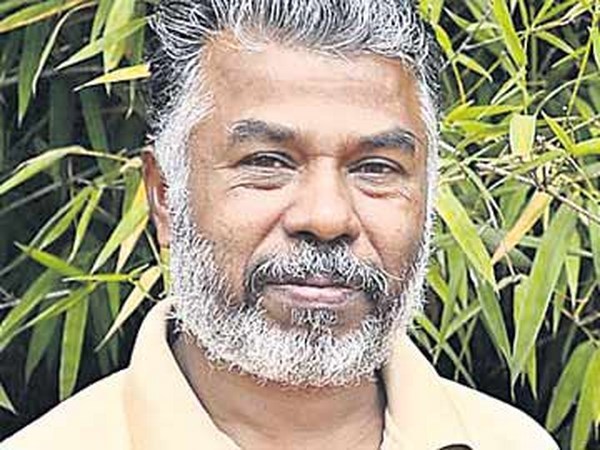
Autorius, skirtingai nuo daugelio populiarių ir žinomų pasaulyje Indijos rašytojų, rašo ne anglų kalba, bet gimtąja tamilų. O ir gyvena mažame agrikultūriniame miestelyje Indijos pietinėje Tamil Nadu valstijoje. Po jo kontroversiškojo romano "One Part Woman" (2013), Perumal Murugan Indijoje buvo persekiojamas, knyga deginama. Galiausiai, po teismo autorius pareiškė savo FB puslapyje, kad “Perumal Murugan, the writer is dead.” Tačiau jis toliau kūrė poeziją, kuri, anot rašytojo, ir padėjo jam išgyventi šį sunkų persekiojimo periodą. Ir štai po penkerių metų pasirodė naujas romanas-pasaka "The Story of a Goat'' ("Poonachi").
Knygos siužetas paprastas - dviems neturtingiems senukams, laikantiems kelias ožkas, keistas nepažįstamasis padovanoja silpnutę naujagymę ožkytę, kurią jie pavadina Poonachi. Beje, Indijoje šis romanas išleistas būtent tokiu pavadinimu. Niekas netiki, kad ši vargšiukė išgyvens. Taip prasideda ši liūdna, skausminga, išmintinga ir labai gražiai ožkos pasakojama istorija apie mus.
"People keep destroying everything and shoving every last bit into their mou؛ths. How then can anything or anyone survive here apart from human beings? In the end, can even people survive for very long?"
https://www.youtube.com/watch?v=HWtrm...
https://www.youtube.com/watch?v=2R14p...
Autorius, skirtingai nuo daugelio populiarių ir žinomų pasaulyje Indijos rašytojų, rašo ne anglų kalba, bet gimtąja tamilų. O ir gyvena mažame agrikultūriniame miestelyje Indijos pietinėje Tamil Nadu valstijoje. Po jo kontroversiškojo romano "One Part Woman" (2013), Perumal Murugan Indijoje buvo persekiojamas, knyga deginama. Galiausiai, po teismo autorius pareiškė savo FB puslapyje, kad “Perumal Murugan, the writer is dead.” Tačiau jis toliau kūrė poeziją, kuri, anot rašytojo, ir padėjo jam išgyventi šį sunkų persekiojimo periodą. Ir štai po penkerių metų pasirodė naujas romanas-pasaka "The Story of a Goat'' ("Poonachi").
Knygos siužetas paprastas - dviems neturtingiems senukams, laikantiems kelias ožkas, keistas nepažįstamasis padovanoja silpnutę naujagymę ožkytę, kurią jie pavadina Poonachi. Beje, Indijoje šis romanas išleistas būtent tokiu pavadinimu. Niekas netiki, kad ši vargšiukė išgyvens. Taip prasideda ši liūdna, skausminga, išmintinga ir labai gražiai ožkos pasakojama istorija apie mus.
"People keep destroying everything and shoving every last bit into their mou؛ths. How then can anything or anyone survive here apart from human beings? In the end, can even people survive for very long?"
https://www.youtube.com/watch?v=HWtrm...
https://www.youtube.com/watch?v=2R14p...
September 19, 2018
"Once, in a village, there was a goat. No one knew where she was born. The birth of an ordinary life never leaves a trace, does it?"
Written by Perumal Murugan and translated into English by N. Kalyan Raman, thus begins the life of this black goat named Poonachi.
There's a very prominent, recurring and touching theme throughout the book—something we see and witness every day without ever really sparing a thought. The plot is exceptionally well written and equally smoothly translated. Simple language, funny at instances, and you sail through it, wanting to delve further into the life of this little, inquisitive, intelligent and precious goat.
All the fuss around it feels justified and I'm glad I bought this book.
Verdict: Buy!
Written by Perumal Murugan and translated into English by N. Kalyan Raman, thus begins the life of this black goat named Poonachi.
There's a very prominent, recurring and touching theme throughout the book—something we see and witness every day without ever really sparing a thought. The plot is exceptionally well written and equally smoothly translated. Simple language, funny at instances, and you sail through it, wanting to delve further into the life of this little, inquisitive, intelligent and precious goat.
All the fuss around it feels justified and I'm glad I bought this book.
Verdict: Buy!

May 19, 2020
The book might come across as if it would like you to believe that it is subtle (it's smart that way), but it's not subtle in its criticism (and it doesn't want to be) - every sentence in the book is hard hitting and remains relevant to current socio-political scenarios in the country. It is a critique of hierarchies and inequalities around class and gender. It also comes across as a story of struggle and existence.

September 1, 2020
It's a very sad book. When a series of misfortunes are placed one after another, it becomes Poonachi's life. But it all starts with the most pleasant vibes.
A farmer sitting on a mound, enjoying the sunset when he sees a man, half as tall as a palm tree with a small black goat in his hand, as small as a worm; the blackest, shiniest and the smallest goat. A miraculous goat!
It is a book written about women by a man; a remarkably accurate account of women's life by man. I have read many books men write about women, but none like this one. This one is respectful, clear, open and with no loops to bound the nature of women within.
I bow down to this man for creating such a story and smartly linking it at the end to the story of a goddess. So, gracefully has no other writer written about humans through animals. The space one enjoys when talking about humans by dint of animals is enormous- just realised that.
There was a little distance in his way of expressing the pain and reliefs of human and animal lives; and a lot of ironical references. Intentional or otherwise, both made this book what it is today. Absolutely brilliant!
Also, make sure to read the introduction of the book by the author and translator's note at the end.
Please, someone go give the translator an award. N. Kalyan Raman is his good name. There were words he used, that couldn't have been replaced whatsoever for better ones. I haven't read the orginal text, but the essence he left behind in his translation, doesn't even want me to try to do so; otherwise every translated book leaves me with an urge to learn the original language and re-read the book. This one gives me relief, thoughts, pain and patience :)
A farmer sitting on a mound, enjoying the sunset when he sees a man, half as tall as a palm tree with a small black goat in his hand, as small as a worm; the blackest, shiniest and the smallest goat. A miraculous goat!
It is a book written about women by a man; a remarkably accurate account of women's life by man. I have read many books men write about women, but none like this one. This one is respectful, clear, open and with no loops to bound the nature of women within.
I bow down to this man for creating such a story and smartly linking it at the end to the story of a goddess. So, gracefully has no other writer written about humans through animals. The space one enjoys when talking about humans by dint of animals is enormous- just realised that.
There was a little distance in his way of expressing the pain and reliefs of human and animal lives; and a lot of ironical references. Intentional or otherwise, both made this book what it is today. Absolutely brilliant!
Also, make sure to read the introduction of the book by the author and translator's note at the end.
Please, someone go give the translator an award. N. Kalyan Raman is his good name. There were words he used, that couldn't have been replaced whatsoever for better ones. I haven't read the orginal text, but the essence he left behind in his translation, doesn't even want me to try to do so; otherwise every translated book leaves me with an urge to learn the original language and re-read the book. This one gives me relief, thoughts, pain and patience :)

June 26, 2020
Poonachi or the story of a black goat - is an effort at placing a social mirror through the story of a goat.
Anthropomorphizing is a good tool and some of the best books like Animal farm go on to do that. However, the book decides to keep humans as important as Poonachi. An old couple get this tiny scrawny goat who is promised to be a miracle. They name her Poonachi and use her to fill their life with love. In a seemingly simple narrative, the author takes on systems, gender discrimination, cruelty of humans, faith and poverty.
The book however did not work for me. The translation seemed like subtitles and the village slang sounded off. Translations of some made me regret I did not read it in Tamil - "You will know headache and stomach ache only when you get it" *squirm*
Poonachi's rise from a vulnerable baby to a playful kid to being a miracle is just a canvas. As the author cheekily says you can't write about people or cows these days and so he chooses a goat.
Not for me, thank you!
Anthropomorphizing is a good tool and some of the best books like Animal farm go on to do that. However, the book decides to keep humans as important as Poonachi. An old couple get this tiny scrawny goat who is promised to be a miracle. They name her Poonachi and use her to fill their life with love. In a seemingly simple narrative, the author takes on systems, gender discrimination, cruelty of humans, faith and poverty.
The book however did not work for me. The translation seemed like subtitles and the village slang sounded off. Translations of some made me regret I did not read it in Tamil - "You will know headache and stomach ache only when you get it" *squirm*
Poonachi's rise from a vulnerable baby to a playful kid to being a miracle is just a canvas. As the author cheekily says you can't write about people or cows these days and so he chooses a goat.
Not for me, thank you!
March 16, 2026
the pacing felt slow at times and the narrative didn’t fully pull me in. not exactly my cup of tea, but still a thoughtful and unique read.

August 10, 2018
Everytime, I go to a bookshop these days, I keep seeing a goat staring at me. Don't get me wrong - there are no goatherds in bookshops. But this cover of a goat is on the top-selling list of the bookshops I frequent.
Out of curiosity, I bought Murugan's first book, 'Poonachi,' rather than 'The Goat Thief.' Both are translated by the same translator. As with any allegory, you are left wondering if you should treat this is as a simple fable of an old couple's bonding over a goat, Poonachi, or if you should dig deeper and look at issues that you imagine the author wants you to look. at. In the translator's note later, he urges you to consider these deeper nuances. Is it a political satire as other great allegorical novels of the past? Or is there a deeper look at survival? At love? At motherhood and its deep bonds? Do we think of subversive regimes? Do we just wonder at miracles? Or do we just rejoice in a good story?
I think the answers are all of those.
Out of curiosity, I bought Murugan's first book, 'Poonachi,' rather than 'The Goat Thief.' Both are translated by the same translator. As with any allegory, you are left wondering if you should treat this is as a simple fable of an old couple's bonding over a goat, Poonachi, or if you should dig deeper and look at issues that you imagine the author wants you to look. at. In the translator's note later, he urges you to consider these deeper nuances. Is it a political satire as other great allegorical novels of the past? Or is there a deeper look at survival? At love? At motherhood and its deep bonds? Do we think of subversive regimes? Do we just wonder at miracles? Or do we just rejoice in a good story?
I think the answers are all of those.

October 10, 2020
I’m not a big fan of anthropomorphism, but this made the National Book Award longlist for translated fiction so I thought I’d give it a try. The story is about an elderly couple who is gifted a black goat by a god (or demon?) and told it will have a litter of 7 kids. Well, blessings can sometimes turn out to be a curse, as the couple soon finds out. The point of view swung back and forth between humans and goats too much, and the story and writing were pretty simplistic. I didn’t find the ending impactful or meaningful.

June 15, 2018
Poonachi is the story of a goat. A scrawny goat that's bullied and has it rough.
Unfortunately, the book fails to tell a meaningful story. It tries hard to make Poonachi a sort of innocent, naive observer of human nature and what life actually means, but its efforts come off as weak and entirely unconvincing. The characters are so poorly written and devoid of life you forget they're even there. Its attempt at social commentary fails completely.
A couple of passages in the middle have nice descriptions of secluded forest scenes, but that was about it.
What you're left with is a book where nothing really happens, the characters are one dimensional and poorly written, the metaphors and imagery feel wooden and forced, and the underlying context of the book leaves you puzzled and confused, and not in a good, intellectually stimulating way.
Unfortunately, the book fails to tell a meaningful story. It tries hard to make Poonachi a sort of innocent, naive observer of human nature and what life actually means, but its efforts come off as weak and entirely unconvincing. The characters are so poorly written and devoid of life you forget they're even there. Its attempt at social commentary fails completely.
A couple of passages in the middle have nice descriptions of secluded forest scenes, but that was about it.
What you're left with is a book where nothing really happens, the characters are one dimensional and poorly written, the metaphors and imagery feel wooden and forced, and the underlying context of the book leaves you puzzled and confused, and not in a good, intellectually stimulating way.

June 15, 2018
story of a goat... well, it could either be something like a children's classics like black beauty or something like animal farm by George orwell... written for adults, an allegorical novel.
it was more of a latter. It was a sweet tale of an orphaned goat and the ups and downs in her life... the little moments of joy and sorrows.
It's a good book. I was reading something from Tamil literature for the first time and I am happy I picked it up.
it seems like a quick and short read... But u have to read it slowly to grasp the subtle hidden themes. I am not sure I did that very well but I did enjoy the book.
the first half is better than the last... But i am happy I picked it up.
it was more of a latter. It was a sweet tale of an orphaned goat and the ups and downs in her life... the little moments of joy and sorrows.
It's a good book. I was reading something from Tamil literature for the first time and I am happy I picked it up.
it seems like a quick and short read... But u have to read it slowly to grasp the subtle hidden themes. I am not sure I did that very well but I did enjoy the book.
the first half is better than the last... But i am happy I picked it up.

September 10, 2020
பூனாச்சி அல்லது ஒரு வெள்ளாட்டின் கதை| பெருமாள் முருகன்| நூல் அலசல் | Tamil Novel Review https://youtu.be/hDm5RwidGPw
Displaying 1 - 30 of 1,275 reviews