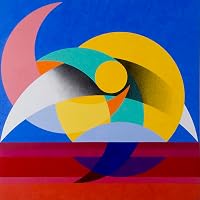
Formed amidst the incendiary violence and political turmoil of the 1960s, beyond the barricades, the Situationist International (SI) remains to this day influential in anti-capitalist cultural, political and philosophical debates.
Looking at philosophy, sociology, critical theory, art, architecture and literature, The Situationist International is an up-to-date and comprehensive survey of the SI and its thought. Leading thinkers analyze the SI's interdisciplinary challenges, its roots in the artistic avant-garde and the traditional workers' movements, its engagement with the problems of postcolonialism and issues of gender and sexuality.
Including contributions from key thinkers, including Anselm Jappe and Michael Lowy, as well as new and upcoming scholars, The Situationist International unpacks the complexity of a group that has come to define radical politics and culture in the postwar period.
A consistently interesting anthology constellating around the history and legacy of the Situationist International. Both Guy Debord's 'Society of the Spectacle' and Raoul Vaneigem's 'Revolution of Everyday Life' are books that I have a great fondness for. When I stumbled across this critical anthology of their and other SI members' legacy, it was an easy buy. Book did a great job of tackling the movement from a number of angles i.e. influences, who they influenced, how the movement was situated during their historical moment, key ideas, what of their work is useful for us in the 21st century, etc....
This book is crammed with nineteen essays by an assortment of writers; I particularly enjoyed the essay 'The Sepectical' written by the book's editors Hemmens and Zacarias, which elucidated and made Debord's classic on the Spectacle even more provocative for me. If I had any complaints, it would be that it is crammed with so many essays inside a 300-page book that the chapters often felt too short, especially when the writer is pulling on interesting threads. There were about five essays I found very engrossing that abruptly ended leaving me hungry for more.
Regardless this is a great book to have for those who are interested/influenced by the Situationist International or enjoy studying counterculture and aspiring revolutionary movements in general.
In 1978, commenting on the tenth anniversary of the événements of May 1968, French journalist and philosopher Regis Debray called the Situationists “the only true geniuses of May.” Coming from Debray, a lifelong Marxist, confidant of Che Guevara and adviser to Salvador Allende, this was high praise. The Situationists—Raoul Vaneigem and the late Guy Debord best-known among them—were by then infamous for their “revolutionize everything” approach. They aspired to leave not a single corner of the world, be it politics, economics, work, or daily life, untouched by the impulse of transformation. That they helped spur one of the most significant popular uprisings in modern history suggests that they must have been doing something right.
Ez a könyv egy nagyon jó továbbhaladási lehetőség, a TGM féle A forradalom mint Gesamtkunstwerk: Guy Debord, 1968, szituacionizmus és a második avant-garde című előadássorozata után. Ezután érdemes lehet megnézni a 73-as The Society of the Spectacle című filmet is, valamint elolvasni a Raoul Vaneigem: The Revolution of Everyday Life könyvét.