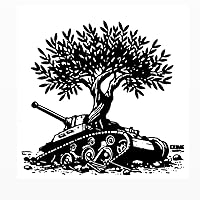
Understanding the Syrian revolution is unthinkable without an in-depth analysis from below. Paying attention to the complex activities of the grassroots resistance, this book demands we rethink the revolution.
Having lived in Syria for over fifteen years, Yasser Munif is expert in exploring the micropolitics of revolutionary forces. He uncovers how cities are managed, how precious food is distributed and how underground resistance thrives in regions controlled by regime forces. In contrast, the macropolitics of the elite Syrian regime are undemocratic, destructive and counter-revolutionary. Regional powers, Western elites, as well as international institutions choose this macropolitical lens to apprehend the Syrian conflict. By doing so, they also choose to ignore the revolutionaries' struggles.
By looking at the interplay between the two sides, case studies of Aleppo and Manbij and numerous firsthand interviews, Yasser Munif shows us that this macro and geopolitical authoritarianism only brings death, and that by looking at the smaller picture - the local, the grassroots, the revolutionaries - we can see the politics of life emerge.
‘The Syrian Revolution’ (Pluto Press, 2020) by Yasser Munif: Good stuff. It’s about time international relations is being re-read through the lens of some of the better post-colonial political theory, a bit of Agamben (homo sacer), Foucault (biopolitics in the west) and Mbembe (necropolitics in the global south), and of course a lot of Fanon (new humanism).
I don’t know anything about the author, but this still seems a little rough around the edges, tried a little too hard to square the Syrian uprising with this or that theoretical framework. I fully get the point but others, such as Hamid Dabashi, have figured out on how to shift the entire methodology of inquiry – or post-colonial epistemology - rather than corseting events into post-colonial theoretical frameworks. So there are some interesting chapters and useful frames (micropolitical contra purely geopolitical analyses) to look at the various elements in the Syrian uprising (or whatever you want to call it), supported by case studies of the northern city of Manbij were the author seems to have done some field work. Still, I feel like the ‘bigger picture’ is missing. As of now the only really good recent book I have read on the uprising was by Joseph Daher (also Pluto Press, 2019).
Covers a lot of niche topics about the Syrian Revolution. I went in expecting more of an overview and history but was pleasantly surprised to find a more ‘people’s perspective.’ I didn’t take a ton away from it honestly, the most important part to me is the last chapter which I wish was a larger analysis of these Revolutionary Councils. Unfortunately I think even though it was a short 158 pages, it still should be slimmed down, there seemed to be a lot of repetition that didn’t contribute much. I also am peeved by some of the overly academic sounding political science terms used. Sometimes it just becomes far too disconnected where it looses focus on the events that happened in real life and is just explaining using the niche political term. I’d be far more interested in just hearing first hand accounts from citizens, quotes, and direct examples to prove the point. It didn’t come up too often but for example, vaguely describing so many things as “spaces” really annoyed me as well. If you want to know about a certain aspect of this conflict, pick out a chapter (again, very much recommend chapter 5) but maybe look elsewhere for a comprehensive look at the war.