

What do you think?

Dopehri
Amma Bi is an elderly widow who lives alone in her deserted Lucknow haveli. Every afternoon, at precisely 3 o'clock, she hears the sound of unknown footsteps. Every afternoon, she peeks out ... but no one is there. In a state of growing panic, Amma Bi considers moving to an old people's home, before finally taking in a lodger -- a winsome young woman named Sabiha. Her arrival fills Amma Bi's lonely world with love and laughter, and Jumman, the household help, is transformed as well. When Sabiha finds herself in trouble, Amma Bi must draw on hidden reserves of skill and empathy in order to resolve the situation... Dopehri -- legendary film and theatre personality Pankaj Kapur's first novel -- is a wonderfully evocative work of great charm, wry humour and quiet power, a story that readers will fall in love with.
72 pages, Kindle Edition
Published November 10, 2019
Ratings & Reviews
Friends & Following
Create a free account to discover what your friends think of this book!
Community Reviews
Displaying 1 - 30 of 308 reviews

August 16, 2021
Dopehri - plain old charm, a witty claming story about rediscovering your worth and identity.
This little novella is a story of a 65 year old Amma Bi who lives alone in her deserted haweli in Lucknow.
My fav part is definitely the ending line of the book.
Dopehri teaches you that solace can be found in anyone and not necessarily in blood relations. Overall a heartwarming tale of loneliness turned into happiness.
Moving on why I didn't give it 4 or 5 stars. Because this wasn't something extraordinary you see. I have read, heard or watched this type of stories a million times. It wasn't something original but it was short and easy so worth giving a try.🦋
This little novella is a story of a 65 year old Amma Bi who lives alone in her deserted haweli in Lucknow.
My fav part is definitely the ending line of the book.
[...]"Not Amma Bi brother, My name is Mumtaz Siddiqui, and this is my own earned money, u can tell him"[...]
Dopehri teaches you that solace can be found in anyone and not necessarily in blood relations. Overall a heartwarming tale of loneliness turned into happiness.
Moving on why I didn't give it 4 or 5 stars. Because this wasn't something extraordinary you see. I have read, heard or watched this type of stories a million times. It wasn't something original but it was short and easy so worth giving a try.🦋

June 4, 2021
The book is really short but it gave the thrill and the story it promised.
It's the story of an old widow, Amma Bi, living alone in a big house with the occasional daily routine visit from her cook.
Loneliness, fear and longing for company in old age speak more fluently as the story goes on. The writing hooks you right away. It has the haunting vibes. Not just the vibes but there's an inexplicable haunting to the house and our old character is very much scared of what would happen next.
She comes to know some basic answers towards the end. She comes to embrace what's hers even when she feels everyone has abandoned her in her old age. She comes to terms with what would be best for her and her home. You will feel such a liberating feel towards the end of the story.
I liked the other side characters as well. Jumman, Sabina and Saxena. So well written!
Some parts of jest went too overboard I feel. Otherwise everything else is perfect.
It's the story of an old widow, Amma Bi, living alone in a big house with the occasional daily routine visit from her cook.
Loneliness, fear and longing for company in old age speak more fluently as the story goes on. The writing hooks you right away. It has the haunting vibes. Not just the vibes but there's an inexplicable haunting to the house and our old character is very much scared of what would happen next.
She comes to know some basic answers towards the end. She comes to embrace what's hers even when she feels everyone has abandoned her in her old age. She comes to terms with what would be best for her and her home. You will feel such a liberating feel towards the end of the story.
I liked the other side characters as well. Jumman, Sabina and Saxena. So well written!
Some parts of jest went too overboard I feel. Otherwise everything else is perfect.

January 7, 2020
Not as filled with hope and optimism as a new dawn, and not as soaked in regret as twilight, a 'dopehri' is somewhere in between - a balmy afternoon that still retains a few possibilities. For the 65-year old protagonist called 'Amma Bi', life is just chugging along like a rickety car, with the usual bumps and scrapes. With her son and his family settled abroad and her husband dead, she only has her domestic help and an occasional visit from a friend as company. Every afternoon, some strange sounds scare her and make her acutely aware of her loneliness and vulnerability.
She considers moving to an old age home to have more company, but somehow the idea falls through. With wry, subtle humour, the writer takes one through the travails of her life and her strained but important relationship with her wilful manservant, Jumman.
The latter half of the book is all about how the drifting Amma Bi discovers her own #identity and #purpose in life. Using #metaphors like that of an aged 1936 Austin car parked in the house with weeds growing all over it, the writer makes us painfully aware of how desolate Amma Bi's life really is. The stunning crescendo as she rises like a Phoenix to reclaim her life is powerful indeed, and one can't help but cheer for the #resilience of the protagonist as she holds up her rediscovered #identity.
A powerful quote from a great #philosopher comes to mind:
He who has a why to live can bear almost any how.
~ Friedrich Nietzsche
The book was a serendipitous discovery, while browsing at an airport bookstore, and a great start to the #reading journey of 2020.
She considers moving to an old age home to have more company, but somehow the idea falls through. With wry, subtle humour, the writer takes one through the travails of her life and her strained but important relationship with her wilful manservant, Jumman.
The latter half of the book is all about how the drifting Amma Bi discovers her own #identity and #purpose in life. Using #metaphors like that of an aged 1936 Austin car parked in the house with weeds growing all over it, the writer makes us painfully aware of how desolate Amma Bi's life really is. The stunning crescendo as she rises like a Phoenix to reclaim her life is powerful indeed, and one can't help but cheer for the #resilience of the protagonist as she holds up her rediscovered #identity.
A powerful quote from a great #philosopher comes to mind:
He who has a why to live can bear almost any how.
~ Friedrich Nietzsche
The book was a serendipitous discovery, while browsing at an airport bookstore, and a great start to the #reading journey of 2020.

September 13, 2020
दोपहरी - वो वक़्त जब हम आधे दिन की थकान मिटाते हैं, जब हम बचे हुए आधे दिन का हिसाब लगाते हैं, जब हम थोड़ा गुणा भाग करते हैं, जब सन्नाटे में कभी कभार थोड़ा अधिक तन्हा महसूस करते हैं. जैसे की हमारी अम्मा बी. उन्हें डर लगता है दोपहरी के तीन बजने से. उन्हें ख़ौफ़ रहता है किसी अनजाने साये का. हर रोज़ जो वो टकटकी लगाए देखती हैं किवाड़ों को. उन्हें शायद बाहर से ज़्यादा भीतर का कुछ अधिक खाता रहता है.
पंकज कपूर की दोपहरी अम्मा बी की कहानी है और उनके साथ अन्य स्त्रीयोँ की जो भूल जाती हैं खुद को गृहस्थी की उहापोह में. अपनी सारी ज़िन्दगी घर और घर के लोगों के नाम करनी वाली अम्मा बी उम्र के अहम पड़ाव पर खुद को अकेला पाती हैं. बड़ी हवेली की अम्मा बी रुआब के साथ जीती ज़रूर हैं पर मन में कुछ अधूरापन उन्हें लगातार खटकता है. और जब किराए पर आयी सबीहा में उन्हें एक बेटी मिल जाती है तो जैसे मन में बँधी कोई गाँठ खुल ही जाती है. उनका एकांकीपन भाग खड़ा होता है. एक दिन सबीहा उनके हुनर को पहचानती है और फिर अम्मा बी भी खुद को एक मौका देती हैं। आखिरी में जब मेहनताने के रूप में उन्हें सबीहा एक चेक देती है, तो वो आसमान में ठहरे अपने उनसे कहना चाहती हैं की ये उनकी कमाई है, उनकी मेहनत की. कई मुद्दतों बाद मुमताज़ सिद्दीकी नाम सुनकर उनका एकांकी मन चहक उठता है. उन्हें अपने वजूद का एहसास होता है. और उस वक़्त में सिमटी उनकी ख़ुशी हम और आप क्या ही जानेंगे.
Read the full review on my blog - https://wp.me/p7HRAP-1OT
पंकज कपूर की दोपहरी अम्मा बी की कहानी है और उनके साथ अन्य स्त्रीयोँ की जो भूल जाती हैं खुद को गृहस्थी की उहापोह में. अपनी सारी ज़िन्दगी घर और घर के लोगों के नाम करनी वाली अम्मा बी उम्र के अहम पड़ाव पर खुद को अकेला पाती हैं. बड़ी हवेली की अम्मा बी रुआब के साथ जीती ज़रूर हैं पर मन में कुछ अधूरापन उन्हें लगातार खटकता है. और जब किराए पर आयी सबीहा में उन्हें एक बेटी मिल जाती है तो जैसे मन में बँधी कोई गाँठ खुल ही जाती है. उनका एकांकीपन भाग खड़ा होता है. एक दिन सबीहा उनके हुनर को पहचानती है और फिर अम्मा बी भी खुद को एक मौका देती हैं। आखिरी में जब मेहनताने के रूप में उन्हें सबीहा एक चेक देती है, तो वो आसमान में ठहरे अपने उनसे कहना चाहती हैं की ये उनकी कमाई है, उनकी मेहनत की. कई मुद्दतों बाद मुमताज़ सिद्दीकी नाम सुनकर उनका एकांकी मन चहक उठता है. उन्हें अपने वजूद का एहसास होता है. और उस वक़्त में सिमटी उनकी ख़ुशी हम और आप क्या ही जानेंगे.
Read the full review on my blog - https://wp.me/p7HRAP-1OT

July 31, 2020
• r e v i e w •
.
What a delightful read Dopehri turned out to be! Originally written in Hindi by Pankaj Kapur, this beautiful piece was later translated to English by Rahul Soni. It was played by Pankaj Kapur on stage for about 50 times before it was turned into a book. Barely 110 pages in length, this novella warmed by heart immeasurably. It was witty, humorous and also at times, deeply moving. The dynamics between the characters were amusing to read about and the protagonist was a woman that I came to love. I stumbled across this gem via @thebookishtales and @divyashankar553 and I couldn't be more thankful to them.
.
Amma Bi is a Sexagenarian woman living in a huge deserted Haveli in Lucknow. Although fierce by nature, there's only thing that she really fears. At 3PM every day, she hears the sounds of footsteps in her Haveli which she associates with robbers or at times, with ghosts. Living a desolate life wasn't what Amma Bi had in mind but with her son and his family settled abroad, she only has her caretaker Jumman to turn to. Her relationship with Jumman varies between hot and cold but as much as she criticizes him, she knows that she cannot possibly survive in that haveli without him. Giving company occasionally is her late husband's friend, Saxena Saheb. All her attempts at convincing Jumman to move in fails miserably to an extent where she considers admitting herself to an old age home.
.
Only when Sabiha comes to live as a boarder does Amma Bi realise the pleasures of having a good company. The fact that Sabiha belongs from her maternal hometown brings back memories to the old woman. Her life takes an interesting turn as she tries helping Sabiha when she lands in trouble and it is through this that she realises her own potential. Amma Bi's life is no longer blurry but in fact feels like a Technicolor movie. Weeks later, with a cheque in her hand written in her name, she declares her pride openly. She says 'Not, Amma Bi, my name is Mumtaz Siddiqui and this is my own hard earned money.' For a woman like Amma Bi who has lived her entire life as a woman of the Lal Haveli, this feeling of independence gives her a new identity.
.
This novella is a very underrated book, one that is now inching towards the spotlight thanks to the wonderful bookstagram community. I finished this in one sitting and was grinning from ear to ear as I read the manner in which Amma Bi found her purpose. Her life, similar to that of many women I know was absolutely relatable to read. I highly recommend this.
.
Rating : 4.7/5.
.
What a delightful read Dopehri turned out to be! Originally written in Hindi by Pankaj Kapur, this beautiful piece was later translated to English by Rahul Soni. It was played by Pankaj Kapur on stage for about 50 times before it was turned into a book. Barely 110 pages in length, this novella warmed by heart immeasurably. It was witty, humorous and also at times, deeply moving. The dynamics between the characters were amusing to read about and the protagonist was a woman that I came to love. I stumbled across this gem via @thebookishtales and @divyashankar553 and I couldn't be more thankful to them.
.
Amma Bi is a Sexagenarian woman living in a huge deserted Haveli in Lucknow. Although fierce by nature, there's only thing that she really fears. At 3PM every day, she hears the sounds of footsteps in her Haveli which she associates with robbers or at times, with ghosts. Living a desolate life wasn't what Amma Bi had in mind but with her son and his family settled abroad, she only has her caretaker Jumman to turn to. Her relationship with Jumman varies between hot and cold but as much as she criticizes him, she knows that she cannot possibly survive in that haveli without him. Giving company occasionally is her late husband's friend, Saxena Saheb. All her attempts at convincing Jumman to move in fails miserably to an extent where she considers admitting herself to an old age home.
.
Only when Sabiha comes to live as a boarder does Amma Bi realise the pleasures of having a good company. The fact that Sabiha belongs from her maternal hometown brings back memories to the old woman. Her life takes an interesting turn as she tries helping Sabiha when she lands in trouble and it is through this that she realises her own potential. Amma Bi's life is no longer blurry but in fact feels like a Technicolor movie. Weeks later, with a cheque in her hand written in her name, she declares her pride openly. She says 'Not, Amma Bi, my name is Mumtaz Siddiqui and this is my own hard earned money.' For a woman like Amma Bi who has lived her entire life as a woman of the Lal Haveli, this feeling of independence gives her a new identity.
.
This novella is a very underrated book, one that is now inching towards the spotlight thanks to the wonderful bookstagram community. I finished this in one sitting and was grinning from ear to ear as I read the manner in which Amma Bi found her purpose. Her life, similar to that of many women I know was absolutely relatable to read. I highly recommend this.
.
Rating : 4.7/5.
This entire review has been hidden because of spoilers.

May 12, 2022
What a sweet, short story! Meet Amma Bi—a sexagenarian woman who lives alone in her haveli in Lucknow. This book is about her melancholic relationship and her self-realization. It gives a sweet and poignant look at growing old, losing all that you love, and then finding joy and meaning again in the most unexpected ways. It throws light on how a woman finds solace in her family, and how she can find her identity in her husband and her child. But in the end, her identity doesn't define her destiny.

July 19, 2020
I wasn’t expecting this book to be delivered in the middle of the lockdown. But there you go. Maybe, someone realized that books are “essential items” after all.
A slim book, I was attracted by the book’s premise - a lonely grandmother in an aging haveli forms a beautiful relationship with her tenant. No, not THAT kind of relationship. It takes a while for the tenant to make her appearance, and that’s what probably makes me feel less for ‘Dopehri.’
There were dappled patches of beauty in the prose, and you had to smile at the motley cast that Pankaj Kapur has assembled. But I still feel there was promise for a bigger book that just got lost because the author just wanted the story to be out there as ‘his first novel.’
I get it. Lovely reading, but I won’t shout about this book from any haveli.
A slim book, I was attracted by the book’s premise - a lonely grandmother in an aging haveli forms a beautiful relationship with her tenant. No, not THAT kind of relationship. It takes a while for the tenant to make her appearance, and that’s what probably makes me feel less for ‘Dopehri.’
There were dappled patches of beauty in the prose, and you had to smile at the motley cast that Pankaj Kapur has assembled. But I still feel there was promise for a bigger book that just got lost because the author just wanted the story to be out there as ‘his first novel.’
I get it. Lovely reading, but I won’t shout about this book from any haveli.

June 24, 2021
✨DOPEHRI by Pankaj Kapoor✨ is a series of giggles, a few outright laughs, and a big fat tear at the end that will soothe your soul, sort of like a victory dance.
Amma Bi, ripe with age and taut with unspoken words, finds joy in the limited company she has with people, especially Jumman-the maid and Mr. Saksena-her closest confidante. When she decides that move to an old age home in order to get some company, things take a turn for worse. And this time, Amma Bi needs to be saved and rescued from this boredom that slowly turning her into someone nasty and reckless.
✨Dopehri✨ minces characters with emotions and circumstances into something delicious and evocative. Our protagonist, with her sharp retort and shrewd gaze, makes a place in our hearts. Her loneliness isn't a foreign concept and neither is her abandonment in the hands of her children.
🌻Kapoor doesn't focus much on leaving a moral but rather teases our humanity with emotion, actions, and words. A feminist twist exists, but without borders-open to interpretation. This book is a journey, albeit a small one but a fulfilling and invigorating one nonetheless.
Amma Bi, ripe with age and taut with unspoken words, finds joy in the limited company she has with people, especially Jumman-the maid and Mr. Saksena-her closest confidante. When she decides that move to an old age home in order to get some company, things take a turn for worse. And this time, Amma Bi needs to be saved and rescued from this boredom that slowly turning her into someone nasty and reckless.
✨Dopehri✨ minces characters with emotions and circumstances into something delicious and evocative. Our protagonist, with her sharp retort and shrewd gaze, makes a place in our hearts. Her loneliness isn't a foreign concept and neither is her abandonment in the hands of her children.
🌻Kapoor doesn't focus much on leaving a moral but rather teases our humanity with emotion, actions, and words. A feminist twist exists, but without borders-open to interpretation. This book is a journey, albeit a small one but a fulfilling and invigorating one nonetheless.
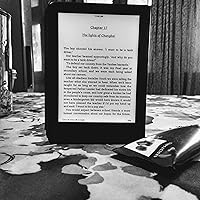
May 18, 2021
An old lady, Amma Bi lives in the big, gloomy lal haveli, and has company in the form of warm hearted but nonchalant servant, Jumman. Abandoned by kids and fearful of strange noises that plague her mind through the afternoons and nights, Amma Bi decides to take in a lodger. Sabiha comes in, and brings in a whirlwind of changes in Bi's life and health.
It was a short and simple story without much to hide. My key takeaways from this story were:
1. Loneliness is both underrated and highly detrimental. Bi's longing for a sense of togetherness and family drives home this fact. Each one of us faces the dilemma of trusting people with our hearts and minds or carrying on alone. More often than not, we end up being alone despite choosing otherwise
2. Self respect is primary to good mental health. Bi's character is shrivelled up and cocooned owing to her circumstances, and she relies heavily on her Bhaijaan and Jumman. With the arrival of Sabiha, she begins to gather her life again, sorting through dusty emotions. Bi's energy takes a U-turn as she realises her potential and impact on people's lives, which is independent of her status as a wife, mother or Begum.
The book starts with a leisurely pace, describing the old haveli, the vintage car, the sounds of Lucknow, the tongawalas and lip smacking chai and jalebi. The hustle and bustle of outside world is in contrast with the deathly pale inside the four walls of the haveli, which reflects Amma Bi's condition as well. Her interactions with Jumman are hearty and humorous.
Upon Sabiha's entry, the book picked pace, unwinding the bundles of mysteries, sometimes more quickly than we'd like. The ending brings joy, however it happens over very few pages. Given that this is a much performed play converted into short text, I think the flow and narration match the context.
Overall, this was perfect for the chilly weather that was last night, tucked into sheets and reading a warm book called Dopehri :)
It was a short and simple story without much to hide. My key takeaways from this story were:
1. Loneliness is both underrated and highly detrimental. Bi's longing for a sense of togetherness and family drives home this fact. Each one of us faces the dilemma of trusting people with our hearts and minds or carrying on alone. More often than not, we end up being alone despite choosing otherwise
2. Self respect is primary to good mental health. Bi's character is shrivelled up and cocooned owing to her circumstances, and she relies heavily on her Bhaijaan and Jumman. With the arrival of Sabiha, she begins to gather her life again, sorting through dusty emotions. Bi's energy takes a U-turn as she realises her potential and impact on people's lives, which is independent of her status as a wife, mother or Begum.
The book starts with a leisurely pace, describing the old haveli, the vintage car, the sounds of Lucknow, the tongawalas and lip smacking chai and jalebi. The hustle and bustle of outside world is in contrast with the deathly pale inside the four walls of the haveli, which reflects Amma Bi's condition as well. Her interactions with Jumman are hearty and humorous.
Upon Sabiha's entry, the book picked pace, unwinding the bundles of mysteries, sometimes more quickly than we'd like. The ending brings joy, however it happens over very few pages. Given that this is a much performed play converted into short text, I think the flow and narration match the context.
Overall, this was perfect for the chilly weather that was last night, tucked into sheets and reading a warm book called Dopehri :)

August 2, 2021
A beautiful read... Left a soft smile on my face which I couldn't wipe off for a really long time.. Although I read it in its original, hindi version.. I.. you know what, chuck it. The review should be in hindi too :) the magic of Pankaj Kapur's writing is still lingering on me so I better give it a try right away 😅
दोपहरी। इस किताब को मैंने इसके पहले स्वरूप में ही पढ़ा है, तो विचार भी हिंदी में ही लिखे जाएं तो सही रहे। दिल भर आया ये कहानी पढ़कर। बहुत सालों बाद कुछ हिंदी में पढ़ा.. अच्छा लगा। मीठा मीठा सा एहसास छोड़ गई अम्माँ बी की कहानी। पर सबसे पहले सबसे ज़रूरी बात.. क्या लिखते हैं पंकज जी। बिल्कुल बचपन के दिनों की, दादी दादा के बात करने के तरीके की, उसी खट्टे-मीठे अपनेपन की याद दिला दी.. दिल खुश हुआ और ना चाहते हुए भी भर आया.. बेहद खूबसूरत.. मेरे पास इस कहानी का अंग्रेजी उल्लेख भी है पर शायद उसे कभी उठाकर पढ़ने की जुर्रत ना कर पाऊँगी क्योंकि ये खुबसूरती, ये अपनापन, ये मीठी सी खुशी उसमे कहाँ ही मिल पाएगी :)
एक प्यारी सी सीख जो इस नन्ही सी कहानी से मिली और शायद उम्र भर साथ भी रह जायेगी.. कभी अपने बूढ़े माँ बाप के साथ बैठकर दो पल बिताने में और दुनिया की सैर करने में चुनाव करना पड़े, तो हमेशा याद रखिए.. मां बाप सारी ज़िंदगी के लिए साथ नहीं रहते.. उन्हें अपने बच्चों के वक्त के अलावा किसी चीज़ का लोभ नहीं.. :)
अगर एक भीनी सी मिठास का एहसास करना हो, तो एक बार ज़रूर पढ़िए ये कहानी.. दिल को छू जायेगी :)
दोपहरी। इस किताब को मैंने इसके पहले स्वरूप में ही पढ़ा है, तो विचार भी हिंदी में ही लिखे जाएं तो सही रहे। दिल भर आया ये कहानी पढ़कर। बहुत सालों बाद कुछ हिंदी में पढ़ा.. अच्छा लगा। मीठा मीठा सा एहसास छोड़ गई अम्माँ बी की कहानी। पर सबसे पहले सबसे ज़रूरी बात.. क्या लिखते हैं पंकज जी। बिल्कुल बचपन के दिनों की, दादी दादा के बात करने के तरीके की, उसी खट्टे-मीठे अपनेपन की याद दिला दी.. दिल खुश हुआ और ना चाहते हुए भी भर आया.. बेहद खूबसूरत.. मेरे पास इस कहानी का अंग्रेजी उल्लेख भी है पर शायद उसे कभी उठाकर पढ़ने की जुर्रत ना कर पाऊँगी क्योंकि ये खुबसूरती, ये अपनापन, ये मीठी सी खुशी उसमे कहाँ ही मिल पाएगी :)
एक प्यारी सी सीख जो इस नन्ही सी कहानी से मिली और शायद उम्र भर साथ भी रह जायेगी.. कभी अपने बूढ़े माँ बाप के साथ बैठकर दो पल बिताने में और दुनिया की सैर करने में चुनाव करना पड़े, तो हमेशा याद रखिए.. मां बाप सारी ज़िंदगी के लिए साथ नहीं रहते.. उन्हें अपने बच्चों के वक्त के अलावा किसी चीज़ का लोभ नहीं.. :)
अगर एक भीनी सी मिठास का एहसास करना हो, तो एक बार ज़रूर पढ़िए ये कहानी.. दिल को छू जायेगी :)


September 15, 2021
A short and quick read for any age.
Picked this for fan following of Pankaj Kapur's enormous contribution to cinema.
All the best!
Its a story of old age, forming new bonds, with a rustic canvas in a haveli. Somehow did not impress me much. A passable read.
Picked this for fan following of Pankaj Kapur's enormous contribution to cinema.
All the best!
Its a story of old age, forming new bonds, with a rustic canvas in a haveli. Somehow did not impress me much. A passable read.

January 18, 2021
"It is that unique story which makes you think and ponder over you life and the people in your life.
.
You remember how you behaved with them in past or are behaving now.
You try your level best to stay in touch yet somehow they feel left out.
.
Even when you all are together in one house in someway or they other they feel lonely.
.
when that one question is not answered,
you have no idea how they feel,
When you leave the house without telling them,
They will be the one to worry the most
.
When you are late
You will see them pacing around,
Someday they will shout
But one day they will lose all the hope.
.
But still when parents scold
It's them who consoled you."
.
.
👆
Just the few lines which came to my mind while writing the review
.
There is more to the story than just the emotional parts.
More than emotional and lonely lady
What I found was independent old woman
(since the start of the book itself)
.
When we young people say that we don't want to get married,
How do people try to convince us :
"That you will need someone in your old age to be at your side.."
Now this story is the apt answer to them.
A person got married and had children too, yet at the old age she was all alone in her big Haveli.
.
What we see here is she didn't lose hope
She still wanted to stay here in her own house.
Though she needed company and
This story tells you that
You will find company if not in family them in friends who become family.
And not just friends there are many people you will find in your life who will always stay with you.
.
.
It's is indeed thought provoking and inspiring story.
Yes it inspired me and cleared many thoughts about that marriage thing I told you above.
Not just that her life was inspiring.
.
Of course the puns are interesting as ever.
More than getting emotional I was smiling and laughing.
.
And It was fun to read it in its original language as everyone suggested it.
The original मुहावरे and कहावतें might have missed in translation
And the wonderful lines which touch your heart
"उसकी रौशनी में अभी वो जज्बा न था जो शभनाम को अपने आगोश मे समेट ले।"
.
.
You remember how you behaved with them in past or are behaving now.
You try your level best to stay in touch yet somehow they feel left out.
.
Even when you all are together in one house in someway or they other they feel lonely.
.
when that one question is not answered,
you have no idea how they feel,
When you leave the house without telling them,
They will be the one to worry the most
.
When you are late
You will see them pacing around,
Someday they will shout
But one day they will lose all the hope.
.
But still when parents scold
It's them who consoled you."
.
.
👆
Just the few lines which came to my mind while writing the review
.
There is more to the story than just the emotional parts.
More than emotional and lonely lady
What I found was independent old woman
(since the start of the book itself)
.
When we young people say that we don't want to get married,
How do people try to convince us :
"That you will need someone in your old age to be at your side.."
Now this story is the apt answer to them.
A person got married and had children too, yet at the old age she was all alone in her big Haveli.
.
What we see here is she didn't lose hope
She still wanted to stay here in her own house.
Though she needed company and
This story tells you that
You will find company if not in family them in friends who become family.
And not just friends there are many people you will find in your life who will always stay with you.
.
.
It's is indeed thought provoking and inspiring story.
Yes it inspired me and cleared many thoughts about that marriage thing I told you above.
Not just that her life was inspiring.
.
Of course the puns are interesting as ever.
More than getting emotional I was smiling and laughing.
.
And It was fun to read it in its original language as everyone suggested it.
The original मुहावरे and कहावतें might have missed in translation
And the wonderful lines which touch your heart
"उसकी रौशनी में अभी वो जज्बा न था जो शभनाम को अपने आगोश मे समेट ले।"
.

August 8, 2021
Dopehri
Pankaj Kapoor
Rating - 3.5/5
Amma Bi lives alone in a sprawling haveli in Lucknow. The Nawab Saheb had left for his permanent abode and her son for the more lucrative shores of America. Left alone, she has only Jumman to keep her company. He is the one who cooks for her, cleans the haveli and in general takes care of both the haveli and its owner. However, strange happenings precisely at 3pm in the afternoon, when Amma Bi is alone, puts the fear of the ghosts in her heart. All her imploring fails to move the errant Jumman to stay with her.
When the strange happenings start getting accompanied by the sound of anklets passing over the stairs, Amma Bi has to take things in her hand. All the options available like coercing Jumman and shifting to a nearby old age house are explored without any result. Loneliness and helplessness seem destined for Amma Bi along with a heart attack at the hand of ghosts. It is only when that she takes in a lodger Sabiha, who is beautiful, enterprising and just a tad mysterious that we find Amma Bi throwing away the shroud of helplessness and finding purpose and agency in life.
Jumman was a heartwarming character as is Amma Bi with her paan, a tart tongue and a mellow heart. The book is a scathing commentary on the plight of senior citizens. They might choose to stay behind but their choice is coloured with a wish for comfort and they compromise with loneliness and dependence on others as a cost for following their wish.
The writing is warm, reminiscent of a time that exists behind the doors of a nawab's haveli and is full of wit and humour. However the story does suffer from the problem of starting with one objective and landing at another at the end. All said, it is as warm as the winter afternoon it has been named for and is a perfect read for the time you want to relax, put up your feet up with a good book, and a cup of tea.
Pankaj Kapoor
Rating - 3.5/5
Amma Bi lives alone in a sprawling haveli in Lucknow. The Nawab Saheb had left for his permanent abode and her son for the more lucrative shores of America. Left alone, she has only Jumman to keep her company. He is the one who cooks for her, cleans the haveli and in general takes care of both the haveli and its owner. However, strange happenings precisely at 3pm in the afternoon, when Amma Bi is alone, puts the fear of the ghosts in her heart. All her imploring fails to move the errant Jumman to stay with her.
When the strange happenings start getting accompanied by the sound of anklets passing over the stairs, Amma Bi has to take things in her hand. All the options available like coercing Jumman and shifting to a nearby old age house are explored without any result. Loneliness and helplessness seem destined for Amma Bi along with a heart attack at the hand of ghosts. It is only when that she takes in a lodger Sabiha, who is beautiful, enterprising and just a tad mysterious that we find Amma Bi throwing away the shroud of helplessness and finding purpose and agency in life.
Jumman was a heartwarming character as is Amma Bi with her paan, a tart tongue and a mellow heart. The book is a scathing commentary on the plight of senior citizens. They might choose to stay behind but their choice is coloured with a wish for comfort and they compromise with loneliness and dependence on others as a cost for following their wish.
The writing is warm, reminiscent of a time that exists behind the doors of a nawab's haveli and is full of wit and humour. However the story does suffer from the problem of starting with one objective and landing at another at the end. All said, it is as warm as the winter afternoon it has been named for and is a perfect read for the time you want to relax, put up your feet up with a good book, and a cup of tea.

Read
November 27, 2020This is review of the original Hindi version of the book.
Dopehri is the story of Amma bi a sixty five year old widow who lives in her huge ancestral haveli. Her son has settled in the US. Her only family in town is her house-help – Jumman with whom she shares a love-hate relationship.
Over the past few days, every afternoon, as the clock strikes three Amma bi hears footsteps, sometimes the tinkle of an anklet. And then…. nothing. Each afternoon finds her on edge, clutching onto a dagger as she awaits that presence wondering who/what it was – a robber, a thief, a ghost? She tries to persuade Jumman to stay with her but he steadfastly refuses. Finally, with no other alternative, she takes in a boarder Sabiha. Sabiha works from home and as she settles in, the robber/ghost seems to disappear.
An immediate rapport develops between Amma bi and Sabiha since they’re from the same hometown (that was just so ‘me’). When Sabiha falls into trouble Amma bi has to summon all her resourcefulness to help her out, in the process rediscovering her own self.
Dopehri is a short, sweet, feel-good story
At just over 80 pages it’s barely a novella, taking up an hour or two of your time. For that short a book, it leaves an impact.
The characters, the language and the setting — those are the things that stood out for me.
Pankaj Kapoor does a fabulous job fleshing out his characters. Though Sabiha remains a bit of a mystery, one can’t but help fall in love with Amma bi and her faithful young help, Jumman.
Amma bi represents the generation of elderly people left behind as their children move out for work. She doesn’t lack for money or comfort. What she craves is the company of loved ones as she grapples with loneliness. And yet, so steeped in tradition is she, that the idea that she could change her situation doesn’t occur to her. Despite her dread of the ghost-visitor and her abject loneliness Amma bi is reluctant to take in a boarder because ‘what will people say?’.
Her interactions are a treat to read, at once rough and affectionate.
Then there’s Jumman. Young and aspirational, complete with the longings of youth and the readiness to develop the most delightful crush.
Lastly we have Sabiha — proud, independent and fiercely self-reliant, tempered with good old fashioned values. Sabiha was exactly how I’d imagine a new-age Lucknowite.
What I loved most was the interplay of the characters. Their conversations were enchanting. The language, in this original Hindi version, is reminiscent of Premchand – Hindi liberally laced with Urdu, or Hindustani as we like to call it — an absolute delight to read. It brings alive the culture of Lucknow, endearing in its accuracy, showcasing the nazakat we’re so proud of.
The writing is heavily metaphorical and made me read and re-read the passages, first to understand them fully and then, to appreciate their beauty. Nothing I say here will do justice to that. You’ll have to read the book to truly enjoy it.
If Hindustani isn’t your mother-tongue, you’ll have some difficulties getting through it. Go for the English version then, because the story, though not long or layered, is delightful enough.
Last thought: A short, sweet, happy, feel-good read. I’d say, go for it.
Dopehri is the story of Amma bi a sixty five year old widow who lives in her huge ancestral haveli. Her son has settled in the US. Her only family in town is her house-help – Jumman with whom she shares a love-hate relationship.
Over the past few days, every afternoon, as the clock strikes three Amma bi hears footsteps, sometimes the tinkle of an anklet. And then…. nothing. Each afternoon finds her on edge, clutching onto a dagger as she awaits that presence wondering who/what it was – a robber, a thief, a ghost? She tries to persuade Jumman to stay with her but he steadfastly refuses. Finally, with no other alternative, she takes in a boarder Sabiha. Sabiha works from home and as she settles in, the robber/ghost seems to disappear.
An immediate rapport develops between Amma bi and Sabiha since they’re from the same hometown (that was just so ‘me’). When Sabiha falls into trouble Amma bi has to summon all her resourcefulness to help her out, in the process rediscovering her own self.
Dopehri is a short, sweet, feel-good story
At just over 80 pages it’s barely a novella, taking up an hour or two of your time. For that short a book, it leaves an impact.
The characters, the language and the setting — those are the things that stood out for me.
Pankaj Kapoor does a fabulous job fleshing out his characters. Though Sabiha remains a bit of a mystery, one can’t but help fall in love with Amma bi and her faithful young help, Jumman.
Amma bi represents the generation of elderly people left behind as their children move out for work. She doesn’t lack for money or comfort. What she craves is the company of loved ones as she grapples with loneliness. And yet, so steeped in tradition is she, that the idea that she could change her situation doesn’t occur to her. Despite her dread of the ghost-visitor and her abject loneliness Amma bi is reluctant to take in a boarder because ‘what will people say?’.
Her interactions are a treat to read, at once rough and affectionate.
Then there’s Jumman. Young and aspirational, complete with the longings of youth and the readiness to develop the most delightful crush.
Lastly we have Sabiha — proud, independent and fiercely self-reliant, tempered with good old fashioned values. Sabiha was exactly how I’d imagine a new-age Lucknowite.
What I loved most was the interplay of the characters. Their conversations were enchanting. The language, in this original Hindi version, is reminiscent of Premchand – Hindi liberally laced with Urdu, or Hindustani as we like to call it — an absolute delight to read. It brings alive the culture of Lucknow, endearing in its accuracy, showcasing the nazakat we’re so proud of.
The writing is heavily metaphorical and made me read and re-read the passages, first to understand them fully and then, to appreciate their beauty. Nothing I say here will do justice to that. You’ll have to read the book to truly enjoy it.
If Hindustani isn’t your mother-tongue, you’ll have some difficulties getting through it. Go for the English version then, because the story, though not long or layered, is delightful enough.
Last thought: A short, sweet, happy, feel-good read. I’d say, go for it.

October 3, 2020
I wanted to read “Dopehri” by Pankaj Kapur after all the hype it was gaining and the urge to read this book became stronger when I came to know that it was originally written in Hindi and then translated into the English language. I was looking for a really short book to again start with Hindi books as it has been around 7-8 years that I haven’t read any of them. I was definitely not proud of that and so I am here after reading this cute little book.
First thing first, I really loved the cover of this book and how compactly it is designed. It is barely of 80 something pages and a really light and delightful read. This book holds the story of Amma Bi, a 65-year-old woman, living alone in her huge Laal haveli. There was something disturbing that use to happen every day at 3 pm in laal haveli leaving Amma bi really uncomfortable. She was really afraid by the presence of someone, every day, at the same time. This fear was killing her daily. Despite having a son, daughter-in-law, and a grandson, the cunning pain of loneliness was tearing her apart daily. Whenever she will ask her son about his returning from abroad, there was always that unsaid denial on the other side of the telephone. To get rid of her loneliness and this 3 pm horror guest, she even traveled in the direction of old age homes but luckily did not fall in that trap. Things changed upside down when Amma bi agreed to let out a portion of her haveli to Sabiha, the new tenant. Amma Bi got a companion in Sabiha and Sabiha felt blessed for the motherly instinct of Amma Bi.
‘Dopehri’ is not only the story of Amma Bi but many old age people who are abandoned by their children. Reason can be anything, the fulfillment of their own dreams, great career opportunity, or sadly when their parents become a burden for them. When at the age of retirement, old age people crave the warmth and love of their family, they are left behind struggling for survival.
This book was very short and sweet read with some real heartbreaking moments here and there but still it didn’t work for me. I loved it, but definitely not worth the hype. The emotions that this book was trying to convey somehow failed to resonate with my thoughts. The narration also felt a bit dry in feelings. Anyways this was my personal experience with this book.
First thing first, I really loved the cover of this book and how compactly it is designed. It is barely of 80 something pages and a really light and delightful read. This book holds the story of Amma Bi, a 65-year-old woman, living alone in her huge Laal haveli. There was something disturbing that use to happen every day at 3 pm in laal haveli leaving Amma bi really uncomfortable. She was really afraid by the presence of someone, every day, at the same time. This fear was killing her daily. Despite having a son, daughter-in-law, and a grandson, the cunning pain of loneliness was tearing her apart daily. Whenever she will ask her son about his returning from abroad, there was always that unsaid denial on the other side of the telephone. To get rid of her loneliness and this 3 pm horror guest, she even traveled in the direction of old age homes but luckily did not fall in that trap. Things changed upside down when Amma bi agreed to let out a portion of her haveli to Sabiha, the new tenant. Amma Bi got a companion in Sabiha and Sabiha felt blessed for the motherly instinct of Amma Bi.
‘Dopehri’ is not only the story of Amma Bi but many old age people who are abandoned by their children. Reason can be anything, the fulfillment of their own dreams, great career opportunity, or sadly when their parents become a burden for them. When at the age of retirement, old age people crave the warmth and love of their family, they are left behind struggling for survival.
This book was very short and sweet read with some real heartbreaking moments here and there but still it didn’t work for me. I loved it, but definitely not worth the hype. The emotions that this book was trying to convey somehow failed to resonate with my thoughts. The narration also felt a bit dry in feelings. Anyways this was my personal experience with this book.

October 14, 2020
Good stories revolve in unknown worlds under unusual pretences, but the best of the lot showcase the regular life in an extraordinary way. Dopehri is a wholesome account of an elderly woman and her journey from loneliness to realisation.
Amma Bi is the Begum of Lal Haveli in Lucknow, a widow with a son settled abroad. The only one who checks up on her is her house servant, Jumman, and her late husband’s old friend, Saxena Sahab. Out of loneliness and fear, Amma Bi decides to take in a lodger, Sahiba, who soon runs into trouble. And Amma Bi must do all in her power to help the girl she’s started to think of a daughter.
There aren’t many stories out there that showcase lives of 40-50-60 year old women that don’t revolve around their families and children. This book is the transition between the stories out there and the stories we need. The book, in less than a hundred pages, along with a strong plot, also talks about how women, especially in India, view themselves and their position in society.
Amma Bi is someone who I’ve come to adore. She is rigid, resilient but has her quirks and humor. Sahiba is the image of a strong, independent woman, as opposed to how Amma Bi is showcased; a generation’s gap but they both learn to co-exist in harmony. Every character brings in a different segment of our society into the story and its portrayal is beautiful!
I read the English translation because of my lack of command in Hindi (the original language) and the translation just added to the humor! However, I did try and read excerpts from the original writing and it is simply radiant!
I definitely recommend this book, especially to older people who are just now beginning to read. The book is a great read for all age groups, either way.
Amma Bi is the Begum of Lal Haveli in Lucknow, a widow with a son settled abroad. The only one who checks up on her is her house servant, Jumman, and her late husband’s old friend, Saxena Sahab. Out of loneliness and fear, Amma Bi decides to take in a lodger, Sahiba, who soon runs into trouble. And Amma Bi must do all in her power to help the girl she’s started to think of a daughter.
There aren’t many stories out there that showcase lives of 40-50-60 year old women that don’t revolve around their families and children. This book is the transition between the stories out there and the stories we need. The book, in less than a hundred pages, along with a strong plot, also talks about how women, especially in India, view themselves and their position in society.
Amma Bi is someone who I’ve come to adore. She is rigid, resilient but has her quirks and humor. Sahiba is the image of a strong, independent woman, as opposed to how Amma Bi is showcased; a generation’s gap but they both learn to co-exist in harmony. Every character brings in a different segment of our society into the story and its portrayal is beautiful!
I read the English translation because of my lack of command in Hindi (the original language) and the translation just added to the humor! However, I did try and read excerpts from the original writing and it is simply radiant!
I definitely recommend this book, especially to older people who are just now beginning to read. The book is a great read for all age groups, either way.
December 7, 2020
पंकज कपूर लिखित दोपहरी
यह कहानी है अकेलेपन की। यह कहानी है इंतजार की। यह कहानी है यादों की। यह कहानी है अपनेपन की। यह कहानी है पहचान की। यह कहानी है अम्माँ बी की।
✨
पैंसठ साल की अम्माँ बी लखनऊ के लाल हवेली की बेगम थी। वह कई वर्षों से अपने अमरिका मे रहने वाले बेटे, जावेद के हिन्दुस्तान लौटने का इंतजार कर रही थी। उनके अकेलेपन का सहारा सिर्फ उनका सहायक, जुम्मन और मुंहबोले भाई, सक्सेना सहाब थे मगर ज्यादातर वक्त वह वीरान हवेली मे अकेली रहती थी। कुछ समय से अम्माँ बी एक अजीब घटना से अस्थिर हो रही थी। हर दोपहर तीन बजे उन्हें किसी की आहट सुनाई देती और वो अकेले घबराहट मे रहने लगी। जब जुम्मन से कई बार विनती करने पर भी उनके साथ हवेली मे रहने के लिए इंकार कर दिया तब अम्माँ बी ने सक्सेना सहाब के कहने पर एक किराएदार रख लिया। सबीहा, उनकी किराएदार, ने ना ही एक बेटी की तरह उनका अकेलापन दूर किया मगर उनके एक हुनर को पहचाना और उनको प्रोत्साहन दिया। अंत मे उनकी ईसी हुनर ने उनका खोया हुआ परिचय, उनका नाम लौटाया और वो बोली, “अम्माँ बी नहीं भैया, मुमताज सिद्दिक़ी नाम है मेरा, और ये मेरी अपनी कमाई के हैं, बता देना उन्हें।”
✨
यह सरल भाषा मे लिखित कहानी के माध्यम से पंकज कपूर कुछ गहरी सच्चाई व्यक्त कर गए। उन्होंने बात की बुढ़े माँ-बाप के अकेलेपन की जिनको उनके अपने बच्चों ने अपने हाल पर छोड़ दिया। उन्होंने बात की हर उस महिला की जो अपनी सारी जिंदगी अपने परिवार के लिए समर्पण कर देती है और अपना अस्तित्व ही भूल जाती है। आगे उन्होंने उस आत्मविश्वास एंव संकल्प का उल्लेख किया जिससे एक महिला ने जरूरत पड़ने पर अपनी पहचान बनाया।
यह कहानी है अकेलेपन की। यह कहानी है इंतजार की। यह कहानी है यादों की। यह कहानी है अपनेपन की। यह कहानी है पहचान की। यह कहानी है अम्माँ बी की।
✨
पैंसठ साल की अम्माँ बी लखनऊ के लाल हवेली की बेगम थी। वह कई वर्षों से अपने अमरिका मे रहने वाले बेटे, जावेद के हिन्दुस्तान लौटने का इंतजार कर रही थी। उनके अकेलेपन का सहारा सिर्फ उनका सहायक, जुम्मन और मुंहबोले भाई, सक्सेना सहाब थे मगर ज्यादातर वक्त वह वीरान हवेली मे अकेली रहती थी। कुछ समय से अम्माँ बी एक अजीब घटना से अस्थिर हो रही थी। हर दोपहर तीन बजे उन्हें किसी की आहट सुनाई देती और वो अकेले घबराहट मे रहने लगी। जब जुम्मन से कई बार विनती करने पर भी उनके साथ हवेली मे रहने के लिए इंकार कर दिया तब अम्माँ बी ने सक्सेना सहाब के कहने पर एक किराएदार रख लिया। सबीहा, उनकी किराएदार, ने ना ही एक बेटी की तरह उनका अकेलापन दूर किया मगर उनके एक हुनर को पहचाना और उनको प्रोत्साहन दिया। अंत मे उनकी ईसी हुनर ने उनका खोया हुआ परिचय, उनका नाम लौटाया और वो बोली, “अम्माँ बी नहीं भैया, मुमताज सिद्दिक़ी नाम है मेरा, और ये मेरी अपनी कमाई के हैं, बता देना उन्हें।”
✨
यह सरल भाषा मे लिखित कहानी के माध्यम से पंकज कपूर कुछ गहरी सच्चाई व्यक्त कर गए। उन्होंने बात की बुढ़े माँ-बाप के अकेलेपन की जिनको उनके अपने बच्चों ने अपने हाल पर छोड़ दिया। उन्होंने बात की हर उस महिला की जो अपनी सारी जिंदगी अपने परिवार के लिए समर्पण कर देती है और अपना अस्तित्व ही भूल जाती है। आगे उन्होंने उस आत्मविश्वास एंव संकल्प का उल्लेख किया जिससे एक महिला ने जरूरत पड़ने पर अपनी पहचान बनाया।

April 15, 2020
Amma Bi, an elderly widow lives a desolate life with his son being settled abroad. Apart from Jumman, her househelp and a friend who visits occasionally, her life has nothing exciting to it. Meanwhile, she hears some strange sounds every afternoon wanting her to shift into an old age home.
Things take a turn and she ends up keeping a Lodger, named Sabiha. Their relationship develops beautifully and it's Amma Bi who goes all the way out to help Sabiha in a crisis!
✨
It's Refreshing to see how she finds a purpose in her life and strives to create her own identity!
✨
The subtle humour in the incidents happening in the mundane life are well written! Though the story isn't anything extraordinary, it captures the essence of the lives of the elderly, really well.
It's the #debut novel of the eminent #Hindi actor, Pankaj Kapur.
I really loved its simplicity without using any deliberate twists!
A perfect novel to read on a Balmy Afternoon!
Things take a turn and she ends up keeping a Lodger, named Sabiha. Their relationship develops beautifully and it's Amma Bi who goes all the way out to help Sabiha in a crisis!
✨
It's Refreshing to see how she finds a purpose in her life and strives to create her own identity!
✨
The subtle humour in the incidents happening in the mundane life are well written! Though the story isn't anything extraordinary, it captures the essence of the lives of the elderly, really well.
It's the #debut novel of the eminent #Hindi actor, Pankaj Kapur.
I really loved its simplicity without using any deliberate twists!
A perfect novel to read on a Balmy Afternoon!

June 12, 2022
A sweet little novella as warm, familiar and comforting as a winter afternoon in a cool city. Dopehri is a story of 65-year old Amma Bi who lives alone in her large haveli, her little circle of people who come and go, her fears and loneliness, and of hope. Hope that solace, comfort and connections can enter one's life at any time in any form if only one is open to the prospects.
Is it something different and unexpected? Not really. But maybe that is the comfort and charm of it, like the first sip of that 4pm cup of tea served in the same beautiful old China cup day after day.
Is it something different and unexpected? Not really. But maybe that is the comfort and charm of it, like the first sip of that 4pm cup of tea served in the same beautiful old China cup day after day.

April 3, 2021
What a lovely, heart warming little story. In about 100 pages, every character is so well established, the scenes so beautifully described, I could picture everything in my mind's eye.
I also want to mention the book cover, which is not only very beautiful, but is also very apt which I realised as I read the book.
I also want to mention the book cover, which is not only very beautiful, but is also very apt which I realised as I read the book.

September 13, 2020
#BOOKREVIEW
.
Pankaj Kapur is a renowned Indian theatre, television and film actor.
Originally written in Hindustani, Dopehri is translated into English by Rahul Soni. Inspired from a popular one-act play of the same name, the novella is being crafted.
.
Set in Lucknow, UP, Dopehri is the story of Amma Bi, an elderly widow who lives alone in her deserted haveli. Her only companion is a dishevelled young servant Jumman who comes in twice a day. Every afternoon, as the clock strikes 3, Amma Bi hears the sound of footsteps on the stairs and her heart fills with panic. She peeks out the door only to find no one there. But, as the story unfolds there's hope and there's depth which fills the soul with an evangelical zeal.
.
Amma Bi is definitely the protagonist but I have found Jumman to be very impressive. A nonchalant and simple character whom we choose to ignore anyday, a shadow like persona whom we don't even try to observe. But, Jumman is there, everyday, in every corners of our life. Jumman is the guy who brings our newspaper, brings our freshly washed laundries, he can change the bulb and also dances his heart out in any festival. Jumman is forever, he was in our past and he will strive even long after we are gone.
.
Full of old-world charm, redolent with the fragrance of small-town India, and utterly authentic in its language Dopehri is an easy read. Being born and brought up in a small town in MP it has prodded my heart and soul of our old haveli, it's garage, mango trees and the vintage aura. It is like the musings of a chilly yet sunny afternoon of December.
.
The book strongly reminded me of Fire On The Mountain by Anita Desai, as both have similar tone to it. And, these two books promt us to watch out for our elderly with sensitivity and nuance.
.
Pankaj Kapur has said,
"Give the elderly a reason to live".
.
.
Pankaj Kapur is a renowned Indian theatre, television and film actor.
Originally written in Hindustani, Dopehri is translated into English by Rahul Soni. Inspired from a popular one-act play of the same name, the novella is being crafted.
.
Set in Lucknow, UP, Dopehri is the story of Amma Bi, an elderly widow who lives alone in her deserted haveli. Her only companion is a dishevelled young servant Jumman who comes in twice a day. Every afternoon, as the clock strikes 3, Amma Bi hears the sound of footsteps on the stairs and her heart fills with panic. She peeks out the door only to find no one there. But, as the story unfolds there's hope and there's depth which fills the soul with an evangelical zeal.
.
Amma Bi is definitely the protagonist but I have found Jumman to be very impressive. A nonchalant and simple character whom we choose to ignore anyday, a shadow like persona whom we don't even try to observe. But, Jumman is there, everyday, in every corners of our life. Jumman is the guy who brings our newspaper, brings our freshly washed laundries, he can change the bulb and also dances his heart out in any festival. Jumman is forever, he was in our past and he will strive even long after we are gone.
.
Full of old-world charm, redolent with the fragrance of small-town India, and utterly authentic in its language Dopehri is an easy read. Being born and brought up in a small town in MP it has prodded my heart and soul of our old haveli, it's garage, mango trees and the vintage aura. It is like the musings of a chilly yet sunny afternoon of December.
.
The book strongly reminded me of Fire On The Mountain by Anita Desai, as both have similar tone to it. And, these two books promt us to watch out for our elderly with sensitivity and nuance.
.
Pankaj Kapur has said,
"Give the elderly a reason to live".
.

November 24, 2020
I can't get over how pretty the cover of this book is (irl). It's a short story that felt much like those I would study in school in Hindi class. I liked how things that could be dramatic weren't and the reveals were for the readers in a simple and subtle way. The message of this story is relevant and relatable and very much on point. I'm glad I came across this book.

April 30, 2022
This is a short novel or rather short-story by Actor, Director Pankaj Kapur ji who needs no introduction. It is the story of Amma Bi who is a 65 year old widow from Lucknow who lives in Lal Haveli, a landmark.
The story is short, crisp and warm but my only grouse with celebrity-books is that they take their readers for granted. A book of 84 pages is all that Pankaj ji managed to write and therein created hullabaloo around. Reminds me of Sea Prayer by Khaled Hosseini. A reader deserves more and not just a casual attempt at a short writing that’s enveloped in a hardbound and marketed hard.
If only Pankaj ji had belaboured a bit more and had gone ahead with a full novella. His writing is pure (hoping he only wrote it) and visual and does warm the untouched corners of heart. That itself makes me even more upset.
Irrespective, this comes from one of the most gifted craftsman of his times and thus should be read, maybe by borrowing it from one of the friends.
Thank you Pankaj ji.
The story is short, crisp and warm but my only grouse with celebrity-books is that they take their readers for granted. A book of 84 pages is all that Pankaj ji managed to write and therein created hullabaloo around. Reminds me of Sea Prayer by Khaled Hosseini. A reader deserves more and not just a casual attempt at a short writing that’s enveloped in a hardbound and marketed hard.
If only Pankaj ji had belaboured a bit more and had gone ahead with a full novella. His writing is pure (hoping he only wrote it) and visual and does warm the untouched corners of heart. That itself makes me even more upset.
Irrespective, this comes from one of the most gifted craftsman of his times and thus should be read, maybe by borrowing it from one of the friends.
Thank you Pankaj ji.

March 29, 2021
First Hindi book that I read this year and also this is Pankaj Kapur's first novel(la). It leaves you with a smile on your face.

April 4, 2023
Just like the warmth of a Dopeher, this book was a cozy read and melted my heart in the cold of April here. Amma Bi and her Haveli will be occupying my heart rent free for a long time! 💙

May 2, 2023
We often talk about the language that we think in, the one that comes naturally to us. For me it varies situationally, but mostly it's English, having been raised on a steady diet of Enid Blyton and Cartoon Network in my early years.
This is one of those rare instances when I found myself reading a page over and over again without grasping what was written. And as I read it for the 4th time it dawned on me that this book is near impossible to comprehend in English. Then, I started to mentally translate the words to Urdu, and suddenly the story clicked together beautifully.
That is why this review will be in two parts. The first, for the story, and the second, for the translation.
Part 1 - Story. 5/5
The story is simple, evocative and well-crafted, a tight knit masterpiece of a slice of life. It follows the tale of Amma Bi, a tenacious widow from a Nawabi khandan now living alone in her giant haveli. Old age and loneliness aside, she is bothered every day by mysterious footsteps at exactly 3pm. We follow her daily life as she seeks for a solution to this problem, catching glimpses of different lives and colourful characters undercut with wry humour and eloquent descriptions. The story is short and succinct, and hits home well. All in all, I would wholeheartedly recommend the story.
Part 2 - Translation. 2/5
I understand that the story was originally meant to be told to an audience, not read by a reader. However that does not excuse the absolute butchery of this story at the hands of the translator. It is one thing for a story to lose some of its essence in translation, quite another for it to be completely unreadable. Anyone not acquainted with common Urdu expressions would be completely lost - the story would lose all coherence.
There are translated books that read beautifully and naturally (See Beartown translated from Swedish). This is not one of them.
In many places the language and phrasing is absolutely jarring, as if converted directly from Google Translate instead of an actual human editor. It speaks volumes to the quality of the story that I managed to enjoy it in spite of the translation.
Overall - I would recommend this book, but go in with your mental voice set to Urdu, not English, and you will find a charming short story.
This is one of those rare instances when I found myself reading a page over and over again without grasping what was written. And as I read it for the 4th time it dawned on me that this book is near impossible to comprehend in English. Then, I started to mentally translate the words to Urdu, and suddenly the story clicked together beautifully.
That is why this review will be in two parts. The first, for the story, and the second, for the translation.
Part 1 - Story. 5/5
The story is simple, evocative and well-crafted, a tight knit masterpiece of a slice of life. It follows the tale of Amma Bi, a tenacious widow from a Nawabi khandan now living alone in her giant haveli. Old age and loneliness aside, she is bothered every day by mysterious footsteps at exactly 3pm. We follow her daily life as she seeks for a solution to this problem, catching glimpses of different lives and colourful characters undercut with wry humour and eloquent descriptions. The story is short and succinct, and hits home well. All in all, I would wholeheartedly recommend the story.
Part 2 - Translation. 2/5
I understand that the story was originally meant to be told to an audience, not read by a reader. However that does not excuse the absolute butchery of this story at the hands of the translator. It is one thing for a story to lose some of its essence in translation, quite another for it to be completely unreadable. Anyone not acquainted with common Urdu expressions would be completely lost - the story would lose all coherence.
There are translated books that read beautifully and naturally (See Beartown translated from Swedish). This is not one of them.
In many places the language and phrasing is absolutely jarring, as if converted directly from Google Translate instead of an actual human editor. It speaks volumes to the quality of the story that I managed to enjoy it in spite of the translation.
Overall - I would recommend this book, but go in with your mental voice set to Urdu, not English, and you will find a charming short story.

September 20, 2020
The first ray of light
At the crack of dawn
That silent courage
In moving on
The sigh of relief
In the last step of a mile
That unsaid kindness
In a stranger's smile
The unexpected meaning
In the lyrics of a song
That sense of satisfaction
When nothing goes wrong
The feel of a touch
After years of loneliness
That pull of coming together
After a shattering mess
Of two lovers in the dark
Watching the city lights
Like a warm bowl of soup
On cold winter nights
~ Soumya
That's Dopehri for you! I knew that the book would be good thanks to the praise it had received on #bookstagram and also because I respect the author immensely. But, I was surprised by how good it was. It left me with a warm fuzzy feeling inside. The gorgeous royal purple cover soothes the eye too.
Amma Bi, a 65-year-old widow is battling loneliness and imagining things, while taking care of her deserted haveli in Lucknow. Jumman, her helper tries to give her company as much as he can. When Amma Bi decides to take in a tenant, Sabiha arrives. Sabiha's aura begins to change Jumman and bring out a new side to Amma Bi. When Sabiha find herself in trouble, only Amma Bi can rescue her, while rescuing herself in the bargain.
With only a handful of characters, Dopehri relies on vivid descriptions and tapping the emotions of the reader. It works brilliantly and you are almost immediately transported to the city of Lucknow. There is an unsaid charm in this story. Reminded me a lot of the recent Hindi movie Gulabo Sitabo which revolved around a haveli in Lucknow too. With just about a 100 pages, Dopehri makes for the perfect late afternoon read.
At the crack of dawn
That silent courage
In moving on
The sigh of relief
In the last step of a mile
That unsaid kindness
In a stranger's smile
The unexpected meaning
In the lyrics of a song
That sense of satisfaction
When nothing goes wrong
The feel of a touch
After years of loneliness
That pull of coming together
After a shattering mess
Of two lovers in the dark
Watching the city lights
Like a warm bowl of soup
On cold winter nights
~ Soumya
That's Dopehri for you! I knew that the book would be good thanks to the praise it had received on #bookstagram and also because I respect the author immensely. But, I was surprised by how good it was. It left me with a warm fuzzy feeling inside. The gorgeous royal purple cover soothes the eye too.
Amma Bi, a 65-year-old widow is battling loneliness and imagining things, while taking care of her deserted haveli in Lucknow. Jumman, her helper tries to give her company as much as he can. When Amma Bi decides to take in a tenant, Sabiha arrives. Sabiha's aura begins to change Jumman and bring out a new side to Amma Bi. When Sabiha find herself in trouble, only Amma Bi can rescue her, while rescuing herself in the bargain.
With only a handful of characters, Dopehri relies on vivid descriptions and tapping the emotions of the reader. It works brilliantly and you are almost immediately transported to the city of Lucknow. There is an unsaid charm in this story. Reminded me a lot of the recent Hindi movie Gulabo Sitabo which revolved around a haveli in Lucknow too. With just about a 100 pages, Dopehri makes for the perfect late afternoon read.

January 3, 2020
4.25 stars on 5!
I found this gorgeous cover when I was browsing through a bookrack on a book fair that I recently attended. Yes, it was the cover that instantly attracted me to the book followed by the blurb. It was only then that I found out that Dopehri is written by Pankaj Kapur, the acclaimed Indian theatre and Hindi movie actor.
This book oozes out certain warmth and you may be reminded of many old women in the different parts of the country who lives a solitary life. At one glance, there isn’t anything impactful with respect to the story/plot but then as the story progresses, the many layers peel away and you get to feel the soul of the book.
Dopehri teaches us that it is never too late to believe in oneself and carve an identity for oneself. It subtly refers to the prejudice of the society which says a woman needs a man in her life to provide and depend on. I believe that’s the crux of the book.
The narrative beautifully captures the nuances of life in Lucknow. I also loved the descriptions of the Haveli and the everyday life of Jumman. I’d, however, ask you to read the original book written in Hindi because somewhere down the lane, the translated English version lost its charm and wasn’t impressive.
I found this gorgeous cover when I was browsing through a bookrack on a book fair that I recently attended. Yes, it was the cover that instantly attracted me to the book followed by the blurb. It was only then that I found out that Dopehri is written by Pankaj Kapur, the acclaimed Indian theatre and Hindi movie actor.
This book oozes out certain warmth and you may be reminded of many old women in the different parts of the country who lives a solitary life. At one glance, there isn’t anything impactful with respect to the story/plot but then as the story progresses, the many layers peel away and you get to feel the soul of the book.
Dopehri teaches us that it is never too late to believe in oneself and carve an identity for oneself. It subtly refers to the prejudice of the society which says a woman needs a man in her life to provide and depend on. I believe that’s the crux of the book.
The narrative beautifully captures the nuances of life in Lucknow. I also loved the descriptions of the Haveli and the everyday life of Jumman. I’d, however, ask you to read the original book written in Hindi because somewhere down the lane, the translated English version lost its charm and wasn’t impressive.

July 30, 2020
Amma Bi is an elderly widow who lives alone in her deserted Lucknow haveli. Every afternoon, at precisely 3 o'clock, she hears the sound of unknown footsteps. Every afternoon, she peeks out ... but no one is there. In a state of growing panic, Amma Bi considers moving to an old people's home, before finally taking in a lodger - a winsome young woman named Sabiha. Her arrival fills Amma Bi's lonely world with love and laughter.
.
Dopehri is legendary film and theatre personality Pankaj Kapur's first novel. It was a beautiful, heart touching short story about loneliness and old age. It reminds you about your parents who are left behind when you move out of your hometown to start a new life. I picked it up solely because it was based in Lucknow - my hometown. It was a lovely read but I believe it would be more charming if read in Hindi, its original language as some original touch is lost in translation .
.
.
Displaying 1 - 30 of 308 reviews