
What do you think?
Rate this book

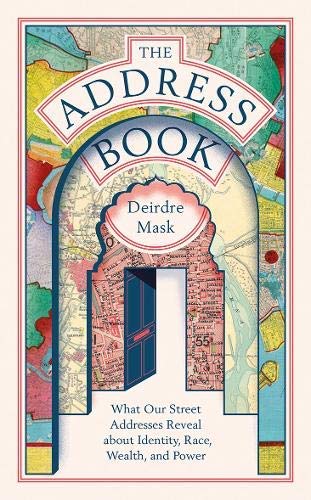
Starting with a simple question, 'what do street addresses do?', Deirdre Mask travels the world and back in time to work out how we describe where we live and what that says about us. From the chronological numbers of Tokyo to the naming of Bobby Sands Street in Iran, she explores how our address - or lack of one - expresses our politics, culture and technology. It affects our health and wealth, and it can even affect the working of our brains.
From Ancient Rome to Kolkata today, from cholera epidemics to tax hungry monarchs, Mask discovers the different ways street names are created, celebrated, and in some cases, banned. Filled with fascinating people and histories, this incisive, entertaining book shows how addresses are about identity, class and race. But most of all they are about power: the power to name, to hide, to decide who counts, who doesn't, and why.
337 pages, Kindle Edition
First published April 2, 2020


in the eighteenth century, residents protested violently when officials marched through their villages painting numbers on their homes [sic]. The people understood the new numbers meant that they could now be found, taxed, policed, and governed, whether they liked it or not. They understood that addressing the world is not a neutral act.
House numbers were not invented to help you navigate the city or receive your mail, though they perform these two functions admirably. Instead, they were designed to make you easier to tax, imprison, and police. House numbers exist not to help you find your way, but rather to help the government find you. - pgs. 91-92 in The Address Book


