

What do you think?
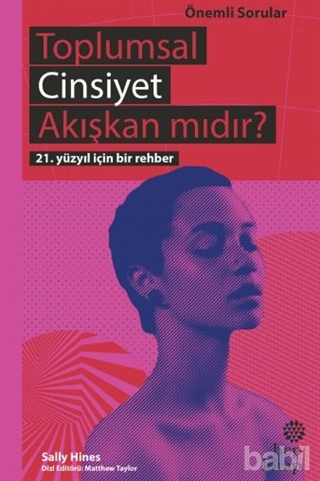
The Big Idea
Toplumsal Cinsiyet Akışkan mıdır?
Doğduğumuzda her birimize fiziksel anatomimize dayanan biyolojik bir cinsiyet atanır. Peki neden bazı insanların biyolojik cinsiyetleriyle içsel kimlikleri arasında bu kadar fark oluyor?
Cinsiyet olduğumuz bir şey midir yoksa inşa ettiğimiz bir şey mi? Toplumsal cinsiyet ifademiz doğuştan mıdır yoksa zamanla mı gelişir? Geleneksel ikili kadın ve erkek rolleri böylesi esnek ve akışkan bir dünyaya uygun mu? Bu kapsamlı, ilham verici kitap toplumsal cinsiyet ve psikoloji arasındaki bağları inceleyerek bireysel ve sosyal tavırların yüzyıllar içinde nasıl değiştiğini ortaya koyuyor.
Cinsiyet olduğumuz bir şey midir yoksa inşa ettiğimiz bir şey mi? Toplumsal cinsiyet ifademiz doğuştan mıdır yoksa zamanla mı gelişir? Geleneksel ikili kadın ve erkek rolleri böylesi esnek ve akışkan bir dünyaya uygun mu? Bu kapsamlı, ilham verici kitap toplumsal cinsiyet ve psikoloji arasındaki bağları inceleyerek bireysel ve sosyal tavırların yüzyıllar içinde nasıl değiştiğini ortaya koyuyor.
144 pages, Paperback
First published October 16, 2018
Ratings & Reviews
Friends & Following
Create a free account to discover what your friends think of this book!
Community Reviews
Displaying 1 - 30 of 158 reviews

September 30, 2018
Is gender fluid? The answer is “yes”, and this book justifies that with numerous examples from cultures around the world, from the present day back to pre-history.
Complexity made Simple
Many of us grew up with the idea of two binaries: male and female, gay and straight.

Image: Simple binaries
Now, we’re confronted with many overlapping labels of sex, gender, sexuality, gender expression…. It’s confusing!

Image: Venn diagram of many overlapping realms of gender and sexuality. (Source.)
This book will help you understand.
Innovative Format
The most notable feature to me is the format, though if my kid were mid teens, maybe it would be more familiar. The actual content will be really useful for many of my parents’ generation, but it might be a bit too loud for their taste (and a few might baulk at a page with pictures of intersex genitals).
It’s comprehensive (index and sources), but designed for quick skimming: each double page makes sense on its own, with a variety of font sizes to indicate importance, and key words highlighted and defined on the same page. It’s also highly illustrated, and bang up-to-date (it mentions #MeToo started in 2006, and regained prominence in 2017). Contemporary references are mainly to the UK and US, but historical ones are global.

Image: A typical page.
It covers a huge range of information in just four sections:
1. Gender as an Expression of Biological Sex
2. Gender as a Social Construct
3. Gender Diversity
4. Gender Activism
But why is the cover of my edition entirely lurid, Barbie pink, rather than something more neutral?
Diversity is Not New
The strongest message is perhaps that gender (not just gender roles) varies far more widely than many of us realise, and that diversity enriches culture, rather than dilutes or distorts it.
Many societies have or had people who are acknowledged as something other than male or female, and the science is not as clearcut as you might assume. Just Google terms like two spirit, hijra, and māhū, or start at the Wikipedia page, Third Gender.
Battling Stereotypes
“Being a girl isn’t what I hate, it’s the box that I get put into.”
Miley Cyrus
Even those of us who are comfortable with the gender assigned at our birth often resist some of the roles imposed and assumptions made about us, that are based purely on our (presumed) gender. And if we have medical procedures to affect our gender expression (breast enhancement or reduction, for instance), it's not judged the same was as it is for trans people. This is covered too, especially in the section about activism and intersectionality.
Satire can be useful here, and it’s worth looking at Eli Rezkallah’s website, where he recreates adverts from the 1950s, but with the male and female roles reversed.
There are conundrums. For instance, it approvingly notes when a Swedish toy company deliberately made its catalogue less gendered, but in some cases, you only realise the toys are being played with by boys and girls because the clothes (colour and style) and hair are conventionally gendered. Gender neutrality can make gender inclusivity less obvious!

Image: Swedish toy catalogue, 2012. (Source.)
And yet at the same time as many are wanting to reject imposed stereotypes, the trend for gender reveal parties makes that the first and primary thing we know about an unborn baby.
See Also
• Bongiovanni and Jimerson's A Quick & Easy Guide to They/Them Pronouns, which I reviewed HERE. It’s a comic book that is mainly about non-binary and genderfluid people who don’t identify fully and consistently as either male or female, so prefer non-gendered nouns and pronouns.
• Alex Iantaffi and Meg-John Barker’s Life Isn’t Binary, which I reviewed HERE. It starts with sexualities and genders, but goes on to relationships, bodies, emotions, and thinking
• Cordelia Fine’s Delusions of Gender, which I reviewed HERE, an antidote to Mars and Venus.
• Robert Webb's autobiography, How Not to be a Boy, which I reviewed HERE. He explores the damage to men and women (and himself) of rigid gender stereotypes that are not innate.
• The Gender Unicorn diagram that explains sex versus gender, at transstudent.org.
• The Genderbread Person v3 diagram that explains sex versus gender, at itspronouncedmetrosexual.com.
Complexity made Simple
Many of us grew up with the idea of two binaries: male and female, gay and straight.
Image: Simple binaries
Now, we’re confronted with many overlapping labels of sex, gender, sexuality, gender expression…. It’s confusing!
Image: Venn diagram of many overlapping realms of gender and sexuality. (Source.)
This book will help you understand.
Innovative Format
The most notable feature to me is the format, though if my kid were mid teens, maybe it would be more familiar. The actual content will be really useful for many of my parents’ generation, but it might be a bit too loud for their taste (and a few might baulk at a page with pictures of intersex genitals).
It’s comprehensive (index and sources), but designed for quick skimming: each double page makes sense on its own, with a variety of font sizes to indicate importance, and key words highlighted and defined on the same page. It’s also highly illustrated, and bang up-to-date (it mentions #MeToo started in 2006, and regained prominence in 2017). Contemporary references are mainly to the UK and US, but historical ones are global.
Image: A typical page.
It covers a huge range of information in just four sections:
1. Gender as an Expression of Biological Sex
2. Gender as a Social Construct
3. Gender Diversity
4. Gender Activism
But why is the cover of my edition entirely lurid, Barbie pink, rather than something more neutral?
Diversity is Not New
The strongest message is perhaps that gender (not just gender roles) varies far more widely than many of us realise, and that diversity enriches culture, rather than dilutes or distorts it.
Many societies have or had people who are acknowledged as something other than male or female, and the science is not as clearcut as you might assume. Just Google terms like two spirit, hijra, and māhū, or start at the Wikipedia page, Third Gender.
Battling Stereotypes
“Being a girl isn’t what I hate, it’s the box that I get put into.”
Miley Cyrus
Even those of us who are comfortable with the gender assigned at our birth often resist some of the roles imposed and assumptions made about us, that are based purely on our (presumed) gender. And if we have medical procedures to affect our gender expression (breast enhancement or reduction, for instance), it's not judged the same was as it is for trans people. This is covered too, especially in the section about activism and intersectionality.
Satire can be useful here, and it’s worth looking at Eli Rezkallah’s website, where he recreates adverts from the 1950s, but with the male and female roles reversed.
There are conundrums. For instance, it approvingly notes when a Swedish toy company deliberately made its catalogue less gendered, but in some cases, you only realise the toys are being played with by boys and girls because the clothes (colour and style) and hair are conventionally gendered. Gender neutrality can make gender inclusivity less obvious!
Image: Swedish toy catalogue, 2012. (Source.)
And yet at the same time as many are wanting to reject imposed stereotypes, the trend for gender reveal parties makes that the first and primary thing we know about an unborn baby.
See Also
• Bongiovanni and Jimerson's A Quick & Easy Guide to They/Them Pronouns, which I reviewed HERE. It’s a comic book that is mainly about non-binary and genderfluid people who don’t identify fully and consistently as either male or female, so prefer non-gendered nouns and pronouns.
• Alex Iantaffi and Meg-John Barker’s Life Isn’t Binary, which I reviewed HERE. It starts with sexualities and genders, but goes on to relationships, bodies, emotions, and thinking
• Cordelia Fine’s Delusions of Gender, which I reviewed HERE, an antidote to Mars and Venus.
• Robert Webb's autobiography, How Not to be a Boy, which I reviewed HERE. He explores the damage to men and women (and himself) of rigid gender stereotypes that are not innate.
• The Gender Unicorn diagram that explains sex versus gender, at transstudent.org.
• The Genderbread Person v3 diagram that explains sex versus gender, at itspronouncedmetrosexual.com.

May 2, 2021
Attól félek, nem leszek különösebben összeszedett. Próbálok majd tömöríteni, mert ez elég tágas téma, amit a számtalan mellébeszélés és tévinformáció a szükségesnél is tágasabbá torzít. Már előre sajnálom, mennyi dolgot leszek kénytelen kihagyni az értékelésből, amiről pedig jó lenne beszélni, kellene beszélni, de hát ez egy ilyen műfaj. És mivel ez egy átpolitizált téma, a politikai utalásokat se tudom majd elkerülni. Nem mintha akarnám.

Azt rögtön leszögezném, a gendertudomány számomra vitán felül tudomány, aki mást állít, azzal érdemi párbeszédet ebben a kérdésben nem tudok folytatni, legfeljebb abból a célból, hogy érzelmi motivációit felderítsem. A gendertudomány alapvetően két dologgal foglalkozik:
1.) A biológiai nemmel, ami a közkeletű vélekedés szerint bináris. Ugyanakkor ez a nézet már megdőlt: a nemi identitás nem két különálló halmaz, sokkal inkább skálának kell elképzelni, aminek egyik végpontja a férfi, a másik a nő, de a kettő között számos egyéb variáció is elfér*. Lehet úgy tenni, mintha ezek a köztes identitások nem lennének, csak nem érdemes. És lehet azt gondolni, hogy nem kéne létezzenek, csak hát annak se sok értelme van, facebook-aktivitást meg erre a sarokkőre építeni egyenesen prosztóság. Tény persze, hogy a biológia gondoskodott bizonyos különbségekről a nemek között. Lorettának például nem adott méhet, ezért nem tud szülni, a férfiaknak pedig adott fölösen is tesztoszteront, hogy ne unatkozzon a bíró a Fradi-meccseken. Ám az ember attól még, hogy nem szülhet, érezheti magát nőnek, és attól még, hogy képes szülni, szeretheti a focit. (Vagy elutasíthatja a gyermekvállalást.) Attól még, hogy az evolúcióbiológusok szerint nem vagyok gyereknevelésre programozva, simán lehet, hogy maximálisan ki akarom belőle venni a részem, és basszus, attól még, hogy Béla bácsi a szomszéd házból nem látott még homoszexuális verebet meg méhecskét, én gondolhatom azt, hogy a melegek úgy általában véve sokkal jobb fejek, mint a Béla bácsi, és szívesebben iszom meg velük egy sört.
2.) A társadalmi nemmel. Ez, ha lehet, még kacifántosabb dolog. Mert amire a biológia csak javaslatot tesz, azt a társadalmi konvenciók kikényszerítenék**. Nemi szerepeket hoznak létre, amelyek kultúráról kultúrára, korról korra változnak, átalakulnak – azzal együtt, hogy a tradicionalista értékrend szereti úgy beállítani, mintha örökkévalóak és természetesek lennének. Hajlamos vagyok amúgy Szent Ágostonra fogni az egészet, aki bizony nem a szívem csücske. No, ő valamiért nem kedvelte a homoszexuálisokat, de úgy általában a szexualitást sem. Ami nem baj, szíve joga, csak miért nem csinálta a négy fal között. Az efféle tradíciók meghatározták a nő helyét és dolgát, a nemi identitások „normális” megélését, nem csak a keresztényeknél, hanem az összes többi vallásban is. De, ezt fontos látni, ezek a szabályok csak az adott kor kontextusában értelmezhetőek, ha a világ változik, akkor igenis bizonyos szabályokat is át szabad, át kell alakítani. Ha pedig azt látjuk, hogy valakit a „keresztény kultúra” hívószó mögé bújva akarják mások jogait nyesegetni, akkor ott érdemes feltenni a kérdést, hogy nem egyszerű politikai számításról van-e szó – a másságtól való félelemre apellálni esetleg csak szavazatszerző stratégia, a nők lehetőségeinek korlátozása pedig simán egy patriarchátus ügyeskedése, hogy megnehezítse a lehetséges konkurencia dolgát.
A legérdekesebb mindazonáltal számomra az, hogy tudott a „gender” kérdése ekkora indulatokat kiváltani. Mert ugye tegyük fel, van egy Kati. Kati nem kívánja borotválni a lábát, és rühelli, ha az mondják neki: „kezeit csókolom”. Vagy ott van Zoli. Zoli szeret szoknyát hordani, és ezt büszkén vállalja is – na, ő nem mászna le egy ereszcsatornán csak azért, nehogy a sajtó erről értesüljön. És van a fenn említett Béla, aki úgy érzi, hogy ehhez neki köze van. Na de mi köze van hozzá, kérdem én? Miért foglalkozik többet Béla Kati és Zoli szexuális életével, mint a sajátjával? Amúgy itt vessük közbe: a gender és a nemi identitás nem is egyenlő a szexuális irányultsággal. De ez Bélának magas, ő leragadt itt. Sőt, neki minden út ide vezet. Ha azt mondom, SZFE, ő máris ott tart, hogy „buzi-e vagy”. De ez egy mellékszál. Hagyjuk***. De tényleg hagyjuk****. A lényeg, hogy miért érzik úgy sokan, előírhatják másoknak, hogyan éljenek. Mintha az ő életük olyan hű de pikk-pakk élet lenne. Jó, hát erre nyilván kétféleképpen válaszolhatnak: az egyik, hogy elkezdenek a gender szélsőségeivel példálózni, és onnan cibálni elő bizonyos rémtörténeteket. Amely rémtörténetek, még az is lehet, igazak. (Bár visszakereshető forrás azért legyen hozzá, mert különben rondán tudok somolyogni.) Csak hát ugye volt nem is rég az a fiatalember Ackworth városában, aki lelőtt nyolc embert. Keresztény volt, nagyon keresztény. Most akkor vonjunk le következtetéseket a keresztényekről? A másik lehetséges érvelési technika (ami gyakran az előzővel összemosva kerül terítékre), hogy a genderrel kapcsolatos témák nem valakinek a magánügyeként lesznek előadva, hanem ön- vagy családvédelmi aktusként. Magyarán: nem az a baj, hogy a meleg meleg, hanem hogy ezt meglátja a gyerekem, és meleg lesz ő is. Meg hogy úgy megérzékenyítik***** a svéd óvodásokat, hogy nem tudnak majd onokákat szülni a nagyinak. Ja, és el ne felejtsem: beleraknak egy indokolatlan transzneműt (vagy neadjisten, afroamerikait!!!) valamelyik hollywoodi blockbusterbe, és ettől a civilizáció tartóoszlopai megrepednek, a nyugati kultúra pedig összeomlik.
Nos. Minden lehetséges, persze. Szerintem mondjuk a kultúra szívós valami, ha kibírta a náci könyvégetést, a szocreált meg a Barátok közt ötmillió részét, akkor nem ettől fog megdögleni. (Pláne ha a facebookozás helyett, Béla, te is inkább kortárs magyar irodalmat olvasol. Magadon kezdd a kultúra megmentését, ne rajtam. Én megvagyok, stabilan, köszi.) Mindenesetre nem zárom ki, hogy bizonyos kérdésekben a másik oldalnak is vannak jogos félelmei, olyasfélék, amiről beszélni kell. Nem mindenki Béla ott sem, mondjuk ki. De az van, hogy aki valaki mást meg akar akadályozni abban, hogy úgy éljen, ahogy akar, az minimum olvasson utána annak, amiről beszél. Lelkiismeretesen szaporítsa a tudását, ha már a más szabadságával játszik. Olvassa el például ezt a könyvet, nyitott szívvel, nyitott aggyal, hátha rájön, amitől retteg, nem is az ördög. Hanem csak egy másik ember, akivel több köti össze, mint ami elválasztja.
(Pár szó a kötetről mint ismeretterjesztő olvasmányról. Ez volt az első olvasásom a Scolar Nagytotál sorozatából, ami alapjában véve egy kincs: fontos XXI. századi témákon szalad végig tömören, közérthetően. Haladó gendereseknek azért nem ajánlanám, nagyon az alapokat veszi át, de azért ez is megfizethetetlen, pláne itthon. Bár a tördelést nehezen tudtam megszokni. Ami azt illeti, a tördelés inkább olyan, mintha elfelejtettek volna tördelni. Meg hát, bevallom, szeretem a sorkizártot. Szerintem a szöveg szebb, ha sorkizártot alkalmazunk. Így olyan béna. Viszont a képanyag remek.)
* Ez bizonyos kultúrákban evidencia már több ezer éve. A polinézek ismerik például a „mahu” fogalmát, aki egyszerre férfi és nő, és tisztelik is őket, mint spiritualitásra fogékonyabb személyeket.
** Harari remek idézetét citálnám ide a Sapiensből:
„Hogyan különböztethetjük meg azt, ami valóban biológiailag determinált, attól, amit csak az emberek próbálnak biológiai mítoszokkal igazolni? Jól használható aranyszabály az, hogy »a biológia megenged, a kultúra megtilt«. A biológia a lehetőségek igen széles skáláját hajlandó tolerálni. A kultúra kötelezi az embereket egyes lehetőségek megvalósítására, míg más lehetőségek megvalósítását tiltja nekik. A biológia lehetővé teszi a nőknek, hogy gyereket szüljenek – egyes kultúrák kötelezik őket erre. A biológia lehetővé teszi, hogy férfiak egymással élvezzék a szexet – egyes kultúrák pedig megtiltják ezt.
A kultúra váltig állítja, hogy csak azt tiltja, ami természetellenes. Biológiai szempontból azonban semmi sem természetellenes. Ami lehetséges, az a definíció szerint természetes is. Valóban természetellenes, a természet törvényei ellen való viselkedés nem is létezhet, tehát szükségtelen tiltani. Soha egy kultúra sem vesződött azzal, hogy megtiltsa a férfiaknak a fotoszintetizálást, a nőknek, hogy gyorsabban fussanak a fénynél, vagy a negatív töltésű elektronoknak, hogy vonzzák egymást.”
*** Ne hagyjuk. Béla, szögezzünk le egy dolgot. Lehet, neked az a „b” betűs szó szitokszó, és úgy érzed, nekem ettől össze kéne roskadnom. De nem az. Egy ronda szó ugyan, de csak azért, mert azzá lett téve. Azzá tettétek, mondjuk úgy. Különben a vélekedésed, hogy én esetleg homoszexuális vagyok, engem nem sért. Olyan, mintha azt mondanád nekem: te világosbarna hajú! Történetesen nem világosbarna a hajam, de hát lehetne az is, mit számít. Másfelől, Béla. Ugyan mondd már meg nekem, hogy van az, hogy halálosan fel tudsz háborodni azon, hogy Kanadában semleges személyes névmásokat kell használni egyes helyeken (mondjuk előtte azt se tudtad, hogy nem semleges névmásokat használtak addig, mindegy), de különben meg egy egyszerű mondatot nem tudsz leírni helyesírási hiba nélkül? Ennek persze semmi köze semmihez, csak úgy érdekel. Béla. (Hú, nagyon elképzeltem ezt a Bélát. Órákig el tudnék vitatkozni vele!)
**** Az is fura ám, hogy itthon a keresztények többet foglalkoznak a szexualitással kapcsolatos kérdésekkel, mint akár a szegényekkel. Sőt, aki a szegényekkel foglalkozna, az nem is keresztény lesz, hanem rögvest komcsi. Hát hogy van ez, testvérek? Ezek a prioritások? Előbb a bugyi, aztán a bugyelláris?
***** Az, hogy az "érzékenyítés" szót a kormányoldal megmondói milyen megvetéssel használják, tökéletes illusztrációja az egész rendszer empátiahiányának. És ez a rendszer öndefiníciója szerint keresztény. Empátiahiányos kereszténység - no, ezt nevezem én önellentmondásnak.
Azt rögtön leszögezném, a gendertudomány számomra vitán felül tudomány, aki mást állít, azzal érdemi párbeszédet ebben a kérdésben nem tudok folytatni, legfeljebb abból a célból, hogy érzelmi motivációit felderítsem. A gendertudomány alapvetően két dologgal foglalkozik:
1.) A biológiai nemmel, ami a közkeletű vélekedés szerint bináris. Ugyanakkor ez a nézet már megdőlt: a nemi identitás nem két különálló halmaz, sokkal inkább skálának kell elképzelni, aminek egyik végpontja a férfi, a másik a nő, de a kettő között számos egyéb variáció is elfér*. Lehet úgy tenni, mintha ezek a köztes identitások nem lennének, csak nem érdemes. És lehet azt gondolni, hogy nem kéne létezzenek, csak hát annak se sok értelme van, facebook-aktivitást meg erre a sarokkőre építeni egyenesen prosztóság. Tény persze, hogy a biológia gondoskodott bizonyos különbségekről a nemek között. Lorettának például nem adott méhet, ezért nem tud szülni, a férfiaknak pedig adott fölösen is tesztoszteront, hogy ne unatkozzon a bíró a Fradi-meccseken. Ám az ember attól még, hogy nem szülhet, érezheti magát nőnek, és attól még, hogy képes szülni, szeretheti a focit. (Vagy elutasíthatja a gyermekvállalást.) Attól még, hogy az evolúcióbiológusok szerint nem vagyok gyereknevelésre programozva, simán lehet, hogy maximálisan ki akarom belőle venni a részem, és basszus, attól még, hogy Béla bácsi a szomszéd házból nem látott még homoszexuális verebet meg méhecskét, én gondolhatom azt, hogy a melegek úgy általában véve sokkal jobb fejek, mint a Béla bácsi, és szívesebben iszom meg velük egy sört.
2.) A társadalmi nemmel. Ez, ha lehet, még kacifántosabb dolog. Mert amire a biológia csak javaslatot tesz, azt a társadalmi konvenciók kikényszerítenék**. Nemi szerepeket hoznak létre, amelyek kultúráról kultúrára, korról korra változnak, átalakulnak – azzal együtt, hogy a tradicionalista értékrend szereti úgy beállítani, mintha örökkévalóak és természetesek lennének. Hajlamos vagyok amúgy Szent Ágostonra fogni az egészet, aki bizony nem a szívem csücske. No, ő valamiért nem kedvelte a homoszexuálisokat, de úgy általában a szexualitást sem. Ami nem baj, szíve joga, csak miért nem csinálta a négy fal között. Az efféle tradíciók meghatározták a nő helyét és dolgát, a nemi identitások „normális” megélését, nem csak a keresztényeknél, hanem az összes többi vallásban is. De, ezt fontos látni, ezek a szabályok csak az adott kor kontextusában értelmezhetőek, ha a világ változik, akkor igenis bizonyos szabályokat is át szabad, át kell alakítani. Ha pedig azt látjuk, hogy valakit a „keresztény kultúra” hívószó mögé bújva akarják mások jogait nyesegetni, akkor ott érdemes feltenni a kérdést, hogy nem egyszerű politikai számításról van-e szó – a másságtól való félelemre apellálni esetleg csak szavazatszerző stratégia, a nők lehetőségeinek korlátozása pedig simán egy patriarchátus ügyeskedése, hogy megnehezítse a lehetséges konkurencia dolgát.
A legérdekesebb mindazonáltal számomra az, hogy tudott a „gender” kérdése ekkora indulatokat kiváltani. Mert ugye tegyük fel, van egy Kati. Kati nem kívánja borotválni a lábát, és rühelli, ha az mondják neki: „kezeit csókolom”. Vagy ott van Zoli. Zoli szeret szoknyát hordani, és ezt büszkén vállalja is – na, ő nem mászna le egy ereszcsatornán csak azért, nehogy a sajtó erről értesüljön. És van a fenn említett Béla, aki úgy érzi, hogy ehhez neki köze van. Na de mi köze van hozzá, kérdem én? Miért foglalkozik többet Béla Kati és Zoli szexuális életével, mint a sajátjával? Amúgy itt vessük közbe: a gender és a nemi identitás nem is egyenlő a szexuális irányultsággal. De ez Bélának magas, ő leragadt itt. Sőt, neki minden út ide vezet. Ha azt mondom, SZFE, ő máris ott tart, hogy „buzi-e vagy”. De ez egy mellékszál. Hagyjuk***. De tényleg hagyjuk****. A lényeg, hogy miért érzik úgy sokan, előírhatják másoknak, hogyan éljenek. Mintha az ő életük olyan hű de pikk-pakk élet lenne. Jó, hát erre nyilván kétféleképpen válaszolhatnak: az egyik, hogy elkezdenek a gender szélsőségeivel példálózni, és onnan cibálni elő bizonyos rémtörténeteket. Amely rémtörténetek, még az is lehet, igazak. (Bár visszakereshető forrás azért legyen hozzá, mert különben rondán tudok somolyogni.) Csak hát ugye volt nem is rég az a fiatalember Ackworth városában, aki lelőtt nyolc embert. Keresztény volt, nagyon keresztény. Most akkor vonjunk le következtetéseket a keresztényekről? A másik lehetséges érvelési technika (ami gyakran az előzővel összemosva kerül terítékre), hogy a genderrel kapcsolatos témák nem valakinek a magánügyeként lesznek előadva, hanem ön- vagy családvédelmi aktusként. Magyarán: nem az a baj, hogy a meleg meleg, hanem hogy ezt meglátja a gyerekem, és meleg lesz ő is. Meg hogy úgy megérzékenyítik***** a svéd óvodásokat, hogy nem tudnak majd onokákat szülni a nagyinak. Ja, és el ne felejtsem: beleraknak egy indokolatlan transzneműt (vagy neadjisten, afroamerikait!!!) valamelyik hollywoodi blockbusterbe, és ettől a civilizáció tartóoszlopai megrepednek, a nyugati kultúra pedig összeomlik.
Nos. Minden lehetséges, persze. Szerintem mondjuk a kultúra szívós valami, ha kibírta a náci könyvégetést, a szocreált meg a Barátok közt ötmillió részét, akkor nem ettől fog megdögleni. (Pláne ha a facebookozás helyett, Béla, te is inkább kortárs magyar irodalmat olvasol. Magadon kezdd a kultúra megmentését, ne rajtam. Én megvagyok, stabilan, köszi.) Mindenesetre nem zárom ki, hogy bizonyos kérdésekben a másik oldalnak is vannak jogos félelmei, olyasfélék, amiről beszélni kell. Nem mindenki Béla ott sem, mondjuk ki. De az van, hogy aki valaki mást meg akar akadályozni abban, hogy úgy éljen, ahogy akar, az minimum olvasson utána annak, amiről beszél. Lelkiismeretesen szaporítsa a tudását, ha már a más szabadságával játszik. Olvassa el például ezt a könyvet, nyitott szívvel, nyitott aggyal, hátha rájön, amitől retteg, nem is az ördög. Hanem csak egy másik ember, akivel több köti össze, mint ami elválasztja.
(Pár szó a kötetről mint ismeretterjesztő olvasmányról. Ez volt az első olvasásom a Scolar Nagytotál sorozatából, ami alapjában véve egy kincs: fontos XXI. századi témákon szalad végig tömören, közérthetően. Haladó gendereseknek azért nem ajánlanám, nagyon az alapokat veszi át, de azért ez is megfizethetetlen, pláne itthon. Bár a tördelést nehezen tudtam megszokni. Ami azt illeti, a tördelés inkább olyan, mintha elfelejtettek volna tördelni. Meg hát, bevallom, szeretem a sorkizártot. Szerintem a szöveg szebb, ha sorkizártot alkalmazunk. Így olyan béna. Viszont a képanyag remek.)
* Ez bizonyos kultúrákban evidencia már több ezer éve. A polinézek ismerik például a „mahu” fogalmát, aki egyszerre férfi és nő, és tisztelik is őket, mint spiritualitásra fogékonyabb személyeket.
** Harari remek idézetét citálnám ide a Sapiensből:
„Hogyan különböztethetjük meg azt, ami valóban biológiailag determinált, attól, amit csak az emberek próbálnak biológiai mítoszokkal igazolni? Jól használható aranyszabály az, hogy »a biológia megenged, a kultúra megtilt«. A biológia a lehetőségek igen széles skáláját hajlandó tolerálni. A kultúra kötelezi az embereket egyes lehetőségek megvalósítására, míg más lehetőségek megvalósítását tiltja nekik. A biológia lehetővé teszi a nőknek, hogy gyereket szüljenek – egyes kultúrák kötelezik őket erre. A biológia lehetővé teszi, hogy férfiak egymással élvezzék a szexet – egyes kultúrák pedig megtiltják ezt.
A kultúra váltig állítja, hogy csak azt tiltja, ami természetellenes. Biológiai szempontból azonban semmi sem természetellenes. Ami lehetséges, az a definíció szerint természetes is. Valóban természetellenes, a természet törvényei ellen való viselkedés nem is létezhet, tehát szükségtelen tiltani. Soha egy kultúra sem vesződött azzal, hogy megtiltsa a férfiaknak a fotoszintetizálást, a nőknek, hogy gyorsabban fussanak a fénynél, vagy a negatív töltésű elektronoknak, hogy vonzzák egymást.”
*** Ne hagyjuk. Béla, szögezzünk le egy dolgot. Lehet, neked az a „b” betűs szó szitokszó, és úgy érzed, nekem ettől össze kéne roskadnom. De nem az. Egy ronda szó ugyan, de csak azért, mert azzá lett téve. Azzá tettétek, mondjuk úgy. Különben a vélekedésed, hogy én esetleg homoszexuális vagyok, engem nem sért. Olyan, mintha azt mondanád nekem: te világosbarna hajú! Történetesen nem világosbarna a hajam, de hát lehetne az is, mit számít. Másfelől, Béla. Ugyan mondd már meg nekem, hogy van az, hogy halálosan fel tudsz háborodni azon, hogy Kanadában semleges személyes névmásokat kell használni egyes helyeken (mondjuk előtte azt se tudtad, hogy nem semleges névmásokat használtak addig, mindegy), de különben meg egy egyszerű mondatot nem tudsz leírni helyesírási hiba nélkül? Ennek persze semmi köze semmihez, csak úgy érdekel. Béla. (Hú, nagyon elképzeltem ezt a Bélát. Órákig el tudnék vitatkozni vele!)
**** Az is fura ám, hogy itthon a keresztények többet foglalkoznak a szexualitással kapcsolatos kérdésekkel, mint akár a szegényekkel. Sőt, aki a szegényekkel foglalkozna, az nem is keresztény lesz, hanem rögvest komcsi. Hát hogy van ez, testvérek? Ezek a prioritások? Előbb a bugyi, aztán a bugyelláris?
***** Az, hogy az "érzékenyítés" szót a kormányoldal megmondói milyen megvetéssel használják, tökéletes illusztrációja az egész rendszer empátiahiányának. És ez a rendszer öndefiníciója szerint keresztény. Empátiahiányos kereszténység - no, ezt nevezem én önellentmondásnak.

February 5, 2020
Una maravilla de libro. Me encantó la información, el formato, todo. Siento como que tomé un taller sobre género, y aprendí mucho.

June 3, 2019
This is a really interesting book I was able to dip in and out of as part of my feminist studies. The subject of gender identity is fascinating and this book provides a close look at many different factors influencing its fluidity.
The changing text size gave me a bit of a headache but other than that, I thought it was a worthwhile read for those interested in gender studies.
The changing text size gave me a bit of a headache but other than that, I thought it was a worthwhile read for those interested in gender studies.

October 5, 2018
Spoiler: Yes it is.
November 14, 2022
"Is gender fluid?" is an excellent read for those who want their erroneous prejudices about biology and biologists confirmed. Sally Hines is a sociologist and gender researcher with poor knowledge in biology, who tries to explain what biology is and what biologists mean (in the first part of her book).
"For some people, gender derives from the biological, reproductive characteristics of sex - that is to say, from the physical hormonal and chromosomal differences that, they argue, definitively separate male from female"(!)(p. 8). No Hines - this is not the "biological reproductive characteristic of sex". Hines also dries the dust off a sociobiologist who claimed that "...men are inclined towards promiscuity..." whereas "... women are more inclined towards monogamy..." (p. 21, 26). No Hines - biologists do not claim that women are monogamous.
Hines seems to think that the large number of "...voluntary childless..." is an argument why evolutionary arguments fail to explain human behaviour (p. 25). Hines would have had an argument against evolution if voluntary childlessness was a result of men and women not having sex. Childlessness is a result of men and women, of the last few generations in contrast to previous times - having easy access to contraceptives. It seems like sex is still common.
This book is at its worst when the author gives biologists meanings we do not have: "Note that in this explanation, biology does not only account for what is, but also for what should be" (p. 22). No Hines - biologists do not mean that biology or biologists should decide how we organize our society.
An author who aims to educates her readers must - as a minimum - know what she writes about, and not give persons she disagrees with opinions they do not have.
- Jarle Tryti Nordeide, evolutionary biologist
"For some people, gender derives from the biological, reproductive characteristics of sex - that is to say, from the physical hormonal and chromosomal differences that, they argue, definitively separate male from female"(!)(p. 8). No Hines - this is not the "biological reproductive characteristic of sex". Hines also dries the dust off a sociobiologist who claimed that "...men are inclined towards promiscuity..." whereas "... women are more inclined towards monogamy..." (p. 21, 26). No Hines - biologists do not claim that women are monogamous.
Hines seems to think that the large number of "...voluntary childless..." is an argument why evolutionary arguments fail to explain human behaviour (p. 25). Hines would have had an argument against evolution if voluntary childlessness was a result of men and women not having sex. Childlessness is a result of men and women, of the last few generations in contrast to previous times - having easy access to contraceptives. It seems like sex is still common.
This book is at its worst when the author gives biologists meanings we do not have: "Note that in this explanation, biology does not only account for what is, but also for what should be" (p. 22). No Hines - biologists do not mean that biology or biologists should decide how we organize our society.
An author who aims to educates her readers must - as a minimum - know what she writes about, and not give persons she disagrees with opinions they do not have.
- Jarle Tryti Nordeide, evolutionary biologist

May 13, 2019
An annoying and empty book. I learned one or two things but was also told many trite general things along the lines of - many transgender people experience discrimination (to me, meaningless without statistics). The pretty pictures drew me in and they give the book its meagre stars.
This is part of a series that tried to be populist by formatting pages with four different font sizes and types, in a hierarchy of (what they deem to be of) importance. The hierarchy seemed random to me and the different types just confused my reading.
Disappointing.
This is part of a series that tried to be populist by formatting pages with four different font sizes and types, in a hierarchy of (what they deem to be of) importance. The hierarchy seemed random to me and the different types just confused my reading.
Disappointing.

October 30, 2018
I love that there’s always more learn no matter how much you read.
This was interesting and I love the way the text is laid out. Excellent layout and image selections, and the vibrant cover is beautiful. The book packs so much in such a short space; it talks about gender as an expression of biological sex, gender as a social construct, gender diversity and activism.
This was interesting and I love the way the text is laid out. Excellent layout and image selections, and the vibrant cover is beautiful. The book packs so much in such a short space; it talks about gender as an expression of biological sex, gender as a social construct, gender diversity and activism.
August 12, 2021
This book has potentially taught me more than any other. Consistently presents interesting facts evidencing why a binary model of gender is outdated (whilst also mentioning opposing opinions).
The formatting by Thames & Hudson is single handedly the most dyslexic friendly I have read and both looks stunning and is practical in that it allows the reader to choose to skim over and pick up the general gist of the issue at hand or delve deeper into the discourse. Love the highlighted descriptions - great way to not assume a readers baseline knowledge of the topic. An excellent mix of iconic and more niche photographs are used and really add to the experience.
Overall highly recommend giving it a read, especially since it’s easily doable in a day!
The formatting by Thames & Hudson is single handedly the most dyslexic friendly I have read and both looks stunning and is practical in that it allows the reader to choose to skim over and pick up the general gist of the issue at hand or delve deeper into the discourse. Love the highlighted descriptions - great way to not assume a readers baseline knowledge of the topic. An excellent mix of iconic and more niche photographs are used and really add to the experience.
Overall highly recommend giving it a read, especially since it’s easily doable in a day!

August 30, 2022
Non lo consiglierei a chi si sta appena approcciando all'argomento, in quanto non si focalizza sulla spiegazione precisa e dettagliata di ogni singolo argomento: viene velocemente elencata una vasta serie di informazioni sulla storia dell'identità di genere e sulla sua intersezione col femminismo, senza però approfondire.
Sarebbe apprezzato da chi sa già di cosa si sta parlando e vuole saperne di più sulla tematica.
Format molto innovativo e pratico, bellissimi gli inserti fotografici.
La traduzione italiana presenta errori e imprecisioni (ad esempio: trattare la parola 'trans' come sostantivo), che nel 2018 avrebbero dovuto essere evitate.
Sarebbe apprezzato da chi sa già di cosa si sta parlando e vuole saperne di più sulla tematica.
Format molto innovativo e pratico, bellissimi gli inserti fotografici.
La traduzione italiana presenta errori e imprecisioni (ad esempio: trattare la parola 'trans' come sostantivo), che nel 2018 avrebbero dovuto essere evitate.

December 28, 2020
Tik tiešām 21. gadsimta ceļvedis dzimtē. Bez iepriekšējām zināšanām šis varētu šķist pārāk konceptuāli.
Grāmatas dizains neatļāva pamest ideju par to, ka darbs ir masām. Bet tik un tā - lai jau masas lasa, būtu jau labi!
Grāmatas dizains neatļāva pamest ideju par to, ka darbs ir masām. Bet tik un tā - lai jau masas lasa, būtu jau labi!

September 16, 2018
GENDER IS FLUID
May 28, 2022
2nd read (January 2023; German translation):
4 stars
1st read (May 2022):
4.5/5 - I might rate this a 5 and it might turn out to be an all-time fave after a reread of the tranlated German edition which I ordered. Because I had a bit of trouble with some vocabulary, the writing and the integration of definitions but that might be partly because I read the English ebook. I might understand some terms better in my mother tongue and with the physical copy.
But I still loved this! Very important and educational. Not too dense and a quick read but still lots of information to process. A lot of topics that were talked about just scratched the surface of important dicussions and I wish some topics could have been highlighted a bit more (like intersectionality), some topics were also absent (like gender and disability) but I think the purpose of the book is an overview on gender fluidity and doesn't claim to be deep dive.
Highly recommended!
4 stars
1st read (May 2022):
4.5/5 - I might rate this a 5 and it might turn out to be an all-time fave after a reread of the tranlated German edition which I ordered. Because I had a bit of trouble with some vocabulary, the writing and the integration of definitions but that might be partly because I read the English ebook. I might understand some terms better in my mother tongue and with the physical copy.
But I still loved this! Very important and educational. Not too dense and a quick read but still lots of information to process. A lot of topics that were talked about just scratched the surface of important dicussions and I wish some topics could have been highlighted a bit more (like intersectionality), some topics were also absent (like gender and disability) but I think the purpose of the book is an overview on gender fluidity and doesn't claim to be deep dive.
Highly recommended!

January 16, 2019
A great introduction for those of us who've never taken a class in gender studies. An exploration of the imposition of gender identities and practices by our social surroundings, be they family, religion, society, culture, or—most interesting to me—socioeconomic status. One of the few textbooks made accessible for the non-student. I was hoping this book would clarify and deepen my understanding of ideas I had only come across in passing--and which, (yes) as a cisgender heterosexual man, I've very, very rarely had to grapple with personally. I was not let down.
A clear and straightforward explanation of a rich, varied, and evolving subject. My thanks to Sally Hines for the consciousness-raising.
A clear and straightforward explanation of a rich, varied, and evolving subject. My thanks to Sally Hines for the consciousness-raising.

June 28, 2019
Great book about gender and gender roles throughout history and how different societies have viewed it differently.
It mostly touches on how gender is seen in the Western worlds and where it has come from and that was interesting, but I have to say, I liked the most the parts where they talked who gender has been seen in non-Western societies. I had heard about some of them in my researches before but some of them were totally new to me and they really show how backward our Western understanding of gender is.
So I really think, whether you know a lot about gender and its history or you are first time reaching nonbinary gender, it's a great and a quite quick read.
It mostly touches on how gender is seen in the Western worlds and where it has come from and that was interesting, but I have to say, I liked the most the parts where they talked who gender has been seen in non-Western societies. I had heard about some of them in my researches before but some of them were totally new to me and they really show how backward our Western understanding of gender is.
So I really think, whether you know a lot about gender and its history or you are first time reaching nonbinary gender, it's a great and a quite quick read.
March 4, 2022
读过导读巴特勒和gender outlaw再来看这本书更多的是概念梳理。2018年出版,相比前两本提供了更新的信息。图文结合,很适合入门。书中除了后者还提及了Gender Trouble: Feminism and the Subversion of Identity和Bodies That Matter: On the Discursive Limits of "Sex"以及The Well of Loneliness,也加入书单。
有机会也会再找找The big ideas这个系列下的其他图书来看。
有机会也会再找找The big ideas这个系列下的其他图书来看。
June 10, 2025
Entendiéndolo como una introducción a un concepto tan abstracto como es realmente el género está bien; sin embaaaaargo varias veces se ha sentido más como un glosario que como un ensayo
ADEMÁS y sé que esto es culpa del tfg, me faltan referencias. Necesito saber de dónde saca la información, sobre todo teniendo en cuenta que intenta cubrir muchos temas (de nuevo, como introducción está joya pero se necesita aportar datos para las personas que quieran ahondar en alguno de los aspectos tratados)
me quedo con que dice que las terfas son un sector pequeño de la ola feminista, así que más fácil convertirlo en 0 con un poquito de formación 🤪
ADEMÁS y sé que esto es culpa del tfg, me faltan referencias. Necesito saber de dónde saca la información, sobre todo teniendo en cuenta que intenta cubrir muchos temas (de nuevo, como introducción está joya pero se necesita aportar datos para las personas que quieran ahondar en alguno de los aspectos tratados)
me quedo con que dice que las terfas son un sector pequeño de la ola feminista, así que más fácil convertirlo en 0 con un poquito de formación 🤪
May 7, 2026
This was super interesting! A lot I am already familiar with (from being online, gender studies classes, the general culture) but there was a lot of new information in this primer, particularly in regards to history. I am fascinated by the study of gender. In exploring how we are shaped and limited by gender roles, I feel that it gets to the core of what makes up our "identity"; if there is such a unified thing. And how gender and sexuality interacts with power, oppression in the world. I also feel more aware of aspects of myself and my masculine identity (gender socialization, expression, experience). It allows me to know myself more, to gain new perspective, making my experience of the world more expansive. I love learning...

November 28, 2022
Bangin as an introduction to gender theory. Short and to the point 👍👍

November 25, 2020
A critical read.
July 7, 2022
I’ve have to say I am a bit disappointed in this book, but that might be because of my expectations, and not about the book itself. I liked it, and it’s addressing a topic I am fairly interested in. But I must say I found this to be a bit more female vs. male, and feminism more than ‘is gender fluid?’ and addressing that. I felt that two thirds of the book was about female struggle, and the rest was about how gender has been viewed in different cultures/ages. I found everything quite interesting, but I wish they would dive more into the gender as an aspect instead of the female struggle, idk? Don’t get me wrong, I’m all for talking about the female struggle and how we should crush the patriarchy, but sometimes I want to hear other voices too.
June 5, 2025
I must say that I was expecting something different but the conversations held were very interesting

December 22, 2018
Well-researched, inclusive, and educational. The pictures throughout are particularly interesting and add a lot to the text.

June 12, 2021
Eigentlich will ich Sachbüchern, grade über solche Themen nicht unbedingt ein Rating geben. Aber ich kann das Buch nur empfehlen, wenn man sich vor allem mit der Historie zum Thema Sex und Gender auseinandersetzen will. Der Aufbau des Buchs mit den verschiedenen Textgrößen und auch den Erklärungen einzelner Begriffe hat mir sehr gut gefallen.
October 25, 2018
Very educational, it shows well how complex gender is

November 23, 2021
Un buon libro di introduzione sul genere che non dà nulla per scontato.
Non è per nulla pesante, il tempo di lettura previsto è sulle due ore e il testo è strutturato in modo da poter essere letto in tre modi diversi: la grandezza del carattere di ogni paragrafo indica la sua importanza e a seconda di quanto tempo si ha a disposizione si possono saltare quelli più piccoli e avere comunque una conoscenza di base dell'argomento. Per questo motivo all'inizio è stato un po' fastidioso trovare anche quattro caratteri diversi per pagina ma poi ci ho fatto l'abitudine.
In quasi ogni pagina vengono fornite delle brevi definizioni sufficienti per continuare la lettura senza dover interrompere il discorso e il tutto è accompagnato da oltre 180 immagini sempre coerenti con il tema trattato che possono essere un'ulteriore possiblità di approfondimento.
Il libro affronta un argomento "scomodo" di cui sembrano parlare tutti e in qualche modo sembra che nessuno sappia davvero di cosa sta parlando, penso sia importante averne almeno una visione generale anche solo per capire chi sta davvero contribuendo al dibattito e chi si sta approfittando dell'ignoranza altrui per diffondere informazioni false e questo libro è in grado di darla anche grazie al modo in cui è strutturato il testo di cui parlavo prima. Se qualcuno è già informato sull'argomento alcuni paragrafi potrebbero sembrare ripetitivi ma sono necessari per fare in modo che il libro sia accessibile a tutti, nonostante questo offre comunque spunti interessanti.
Viene sottolineato più volte come le concezioni di genere tradizionali ( il modello binario) condizionino, limitino e strutturino la vita di tutti e verso la fine viene posta una domanda che è anche una speranza " Ci stiamo muovendo verso un mondo senza genere?"
Non è per nulla pesante, il tempo di lettura previsto è sulle due ore e il testo è strutturato in modo da poter essere letto in tre modi diversi: la grandezza del carattere di ogni paragrafo indica la sua importanza e a seconda di quanto tempo si ha a disposizione si possono saltare quelli più piccoli e avere comunque una conoscenza di base dell'argomento. Per questo motivo all'inizio è stato un po' fastidioso trovare anche quattro caratteri diversi per pagina ma poi ci ho fatto l'abitudine.
In quasi ogni pagina vengono fornite delle brevi definizioni sufficienti per continuare la lettura senza dover interrompere il discorso e il tutto è accompagnato da oltre 180 immagini sempre coerenti con il tema trattato che possono essere un'ulteriore possiblità di approfondimento.
Il libro affronta un argomento "scomodo" di cui sembrano parlare tutti e in qualche modo sembra che nessuno sappia davvero di cosa sta parlando, penso sia importante averne almeno una visione generale anche solo per capire chi sta davvero contribuendo al dibattito e chi si sta approfittando dell'ignoranza altrui per diffondere informazioni false e questo libro è in grado di darla anche grazie al modo in cui è strutturato il testo di cui parlavo prima. Se qualcuno è già informato sull'argomento alcuni paragrafi potrebbero sembrare ripetitivi ma sono necessari per fare in modo che il libro sia accessibile a tutti, nonostante questo offre comunque spunti interessanti.
Viene sottolineato più volte come le concezioni di genere tradizionali ( il modello binario) condizionino, limitino e strutturino la vita di tutti e verso la fine viene posta una domanda che è anche una speranza " Ci stiamo muovendo verso un mondo senza genere?"

April 26, 2025
Es un libro que funciona perfectamente como un taller sobre género, pasando desde la socialización de género, neurosexismo, teoría esencialista, sexismo por oposición. Citando a grandes referentes - entre ellas Judith Butler- y también dejando la puerta abierta a poder buscar información y seguir informándose.
Da una pena enorme llegar a la página donde se celebra el avance legal en distintos países, y ver que hace poco -2025- el Tribunal Supremo del Reino Unido dictaminó que el término “mujer”, según la Ley de Igualdad, solo puede aplicarse a personas nacidas biológicamente mujeres. Un fallo que excluye explícitamente a las mujeres trans y marca un retroceso grave en el reconocimiento de identidades diversas.
Pero, citando al mismo libro, “las formas en que la sociedad espera que representemos nuestro género no siempre siguen una ruta progresiva de igualdad de derechos para ambos sexos”. El texto recuerda, por ejemplo, cómo en Irán de los años 80 se perdió todo lo avanzado por y para las mujeres. “El ejemplo de Irán demuestra que la visión del género está muy ligada a los cambios en los sistemas políticos y religiosos, los cuales estructuran las experiencias cotidianas de género”
Este foco es clave, en un contexto internacional donde vemos una creciente ola conservadora y de extrema derecha, particularmente en Estados Unidos con Trump, que quiere revertir años de derechos adquiridos, censurar contenidos educativos y restringir libertades individuales. En ese marco, este libro no solo es pertinente, sino urgente.
Da una pena enorme llegar a la página donde se celebra el avance legal en distintos países, y ver que hace poco -2025- el Tribunal Supremo del Reino Unido dictaminó que el término “mujer”, según la Ley de Igualdad, solo puede aplicarse a personas nacidas biológicamente mujeres. Un fallo que excluye explícitamente a las mujeres trans y marca un retroceso grave en el reconocimiento de identidades diversas.
Pero, citando al mismo libro, “las formas en que la sociedad espera que representemos nuestro género no siempre siguen una ruta progresiva de igualdad de derechos para ambos sexos”. El texto recuerda, por ejemplo, cómo en Irán de los años 80 se perdió todo lo avanzado por y para las mujeres. “El ejemplo de Irán demuestra que la visión del género está muy ligada a los cambios en los sistemas políticos y religiosos, los cuales estructuran las experiencias cotidianas de género”
Este foco es clave, en un contexto internacional donde vemos una creciente ola conservadora y de extrema derecha, particularmente en Estados Unidos con Trump, que quiere revertir años de derechos adquiridos, censurar contenidos educativos y restringir libertades individuales. En ese marco, este libro no solo es pertinente, sino urgente.

January 9, 2023
partiendo el año con 5 estrellitas!!
Cada página es un aprendizaje seguro fr, definen hasta los temas y términos más simples así que es aprueba de tontos!! Es un libro muy completo, ordenado y entretenido de leer, tiene imágenes en todas las páginas y los párrafos van jerarquizadas según el tamaño de la letra #entrete.
Me encanta que al abordar los temas tratados, no lo haga desde un enfoque occidental, si no más bien desde un punto de vista más amplio, en donde toma en cuenta diversas culturas y sus respectivas historias y tradiciones!! lo encontré súper pq me hizo entender el tema desde una mirada más objetiva 😋.
Además es súper importante e interesante estar consciente de la influencia que tiene la economía, la política, la cultura y la historia en temas que parecen tan alejado de ellas como lo es el género, y en este libro esta interrelación tiene mucha importancia!! #eyeopener.
Recomendado!! es una lectura necesaria para partir en el entendimiento del género y para no caer en la ignorancia y convertirse en un boomer comentando tonteras en facebook jajfkwk.
Cada página es un aprendizaje seguro fr, definen hasta los temas y términos más simples así que es aprueba de tontos!! Es un libro muy completo, ordenado y entretenido de leer, tiene imágenes en todas las páginas y los párrafos van jerarquizadas según el tamaño de la letra #entrete.
Me encanta que al abordar los temas tratados, no lo haga desde un enfoque occidental, si no más bien desde un punto de vista más amplio, en donde toma en cuenta diversas culturas y sus respectivas historias y tradiciones!! lo encontré súper pq me hizo entender el tema desde una mirada más objetiva 😋.
Además es súper importante e interesante estar consciente de la influencia que tiene la economía, la política, la cultura y la historia en temas que parecen tan alejado de ellas como lo es el género, y en este libro esta interrelación tiene mucha importancia!! #eyeopener.
Recomendado!! es una lectura necesaria para partir en el entendimiento del género y para no caer en la ignorancia y convertirse en un boomer comentando tonteras en facebook jajfkwk.

January 1, 2019
Very fascinating outlook in gender and sex that I can heartily recommend to anyone looking into the subject. It takes a very historical perspective on gender and lets you know that actually, that man-woman thing is not necessarily the rule, and there have been plenty of cultures in plenty of times that took the issue of gender way differently. For me, it helped me understand my trans- and non-binary friends a little more. It remains mostly factual but it's made clear from the start where the book stands on this. And rightfully so.
I'm not a fan of the big fonts and the way the book is structured to look more like a study guide than an actual book, but that might be a personal thing and is not enough to take away a star. Full rating on this one!
I'm not a fan of the big fonts and the way the book is structured to look more like a study guide than an actual book, but that might be a personal thing and is not enough to take away a star. Full rating on this one!

September 16, 2024
Il problema di questo libro è che se lo leggi non sapendo assolutamente nulla dell'argomento allora non capisci niente perché non segue un filo logico, è solo un'accozzaglia di informazioni. Se invece lo leggi sapendo già qualcosa allora è troppo semplicistico, non aggiunge nessuna informazione o pensiero a quello che già sai. Tra l'altro me lo aspettavo più centrato appunto sulla fluidità di genere non sul femminismo (che è comunque inevitabile parlarne in questo caso) e poi non ha una vera conclusione...what infographic activism on Instagram did to saggistica dal 2017 in poi...
Displaying 1 - 30 of 158 reviews