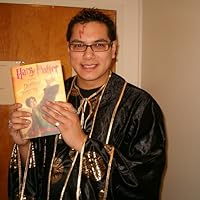
Jesu li liturgija i molitva od presudne važnosti za nadilaženje društvene krize u kojoj živimo i tehnološke manipulacije ljudskim životom koja uzima sve više maha? Da, tvrdi Joseph Ratzinger, sada papa emeritus Benedikt XVI., u ovoj iznimnoj knjizi. Liturgija nas istodobno dovodi do duboke suglasnosti sa svijetom i uzdiže nas iznad onoga što sami možemo proizvesti i učiniti, u područje darovanoga, življenoga, onog najuzvišenijeg što nam je povjereno. Stoga, samo ako čovjek doista liturgijski živi, odnosno istinski i ispravno štuje Boga, moguće je zaštititi ljudsko dostojanstvo te pronaći načela i snagu za rješavanje krize našega doba. Kritizirajući onu vrstu religije koja ne ulazi u dijalog s Bogom koji nas čuje, papa emeritus Benedikt XVI. želi u knjizi Slavlje vjere odgovoriti na temeljno pitanje: kako slaviti Boga na ispravan način? Napisana prije nego što je Joseph Ratzinger postao papa, ova svevremenska knjiga reflektira trajne i nadahnjujuće uvide u vezi štovanja Boga i svete liturgije. Kao i uvijek, Ratzinger obrađuje svoju temu duboko i s jasnoćom, dajući ne svoj osobni pogled, nego istinski pogled Crkve na pitanje euharistijske liturgije i na njezinu ključnu ulogu u životu čovjeka i svijeta.
Originally Joseph Ratzinger, a noted conservative theologian before his election in 2005, Benedict XVI strove against the influence of secularism during his papacy to defend traditional Catholic teachings but since medieval times first resigned in 2013.
After Joseph Ratzinger served a long career as an academic and a professor at the University of Regensburg, Pope Paul VI appointed him as archbishop of Munich and Freising and cardinal in 1977. In 1981, he settled in Rome as prefect of the congregation for the doctrine of the faith, one most important office of the Roman curia. He also served as dean of the college of cardinals.
Benedict XVI reigned 265th in virtue of his office of bishop of Rome, the sovereign of the state of Vatican City and the head of the Church. A conclave named him on 19 April 2005; he celebrated his inaugural Mass on 24 April 2005 and took possession of his Lateran cathedral basilica of Saint John on 7 May 2005.
Benedict XVI succeeded Saint John Paul II, predecessor and his prolific writings on doctrine and values. Benedict XVI advocated a return to fundamental Christian values to counter the increase of many developed countries. Relativism denied objective truth and moral truths in particular; he viewed this central problem of the 21st century. With the importance of the Church, he understood redemptive love of God. He reaffirmed the "importance of prayer in the face of the activism" "of many Christians engaged in charitable work." Benedict also revived a number and elevated the Tridentine Mass to a more prominent position.
Benedict founded and patronized of the Ratzinger foundation, a charitable organization, which from the sale of books and essays makes money to fund scholarships and bursaries for students across the world.
Due to advanced age on 11 February 2013, Benedict announced in a speech in Latin and cited a "lack of strength of mind and body" before the cardinals. He effectively left on 28 February 2013.As emeritus, Benedict retained the style of His Holiness, and the title and continued to dress in the color of white. He moved into the newly renovated monastery of Mater Ecclesiae for his retirement. Pope Francis succeeded him on 13 March 2013.
A profound and beautiful series of essays on the liturgy. Someday I believe Pope Benedict will be a doctor of the Church and books like this will be part of the treasury that we, as a Church, return to, again and again.
Stemming from his time as Cardinal Ratzinger, prior to becoming Pope Benedict XVI, this is not so much a single discussion as a collection of essays on various aspects of the Liturgy in the life of the Church. Though I don't agree with Benedict on every point of doctrine, obviously, I have long enjoyed and appreciate his writing. He is a clear and concise thinker, a thorough theologian, and an articulate communicator. Significantly, many of the challenges and questions that he addresses within his own Roman Catholic communion are quite relevant to similar circumstances within the Lutheran Church in this day and age. The book is not long, but it is meaty and requires some care in reading, in order to follow and grasp the points that are made. It is worth the effort and bears consideration.
¿En una crisis mundial, como la Pandemia, tiene sentido preguntarse por la oración, por la liturgia? ¿No sería más apremiante centrarnos en la caridad y atención social? ¿No consideran hoy nuestras autoridades políticas actividad no esencial el asistir a la Iglesia? ¿Importa menos la presencia espiritual y el auxilio sacramental de los sacerdotes por los enfermos? ¿Orar es una forma de caridad?
Bueno podríamos decir con Ratzinger en el prólogo de este libro: "sólo cuando el hombre, cada hombre, se encuentra en presencia de Dios y se siente llamado por Él, se ve asegurada también su dignidad. Por este motivo, el preocuparnos por la forma adecuada de la adoración no sólo no nos aleja de la preocupación por los hombres, sino que constituye su mismo núcleo." (pág.9)