

What do you think?

F*ck Being Humble
Get ready to start taking charge of your own success. Whether it is through our parents, our education, our bosses, our colleagues, or the media we consume, we are constantly told that being humble is essential to our professional success. It's often seen as distasteful or arrogant to shout about our achievements. But in a modern workplace, where the conventional, steady, linear career path is becoming rarer and rarer, this advice seems ever-more obsolete. In the age of flexible working and portfolio careers, it's time to f*ck being humble . With simple exercises, steps and real-life examples, this is a resource for your bedside table that you can come back to again and again, at any point in your career. Learn how to:
224 pages, Hardcover
Published September 3, 2020
Ratings & Reviews
Friends & Following
Create a free account to discover what your friends think of this book!
Community Reviews
Displaying 1 - 30 of 66 reviews

May 24, 2024
In fairness, this book wasn’t written for me (also it was gifted to me). I like much of the sentiment and I imagine that it would be quite motivating for a younger person starting out in their career, or someone who wants to move their side hustle into a full time thing.
It didn’t land well with me, a Gen X business owner, who is probably too jaded to take some of the ballsy actions suggested in the text.
But I can appreciate that to others it could be motivating and it’s clearly working to help the author gain a reputation in her space. It’s also a good example of the power being an author of a book can have when you want to get things like speaking gigs and more brand awareness.
Two stars may be a bit harsh - I’m just trying to keep in par with other reviews I’ve done.
It didn’t land well with me, a Gen X business owner, who is probably too jaded to take some of the ballsy actions suggested in the text.
But I can appreciate that to others it could be motivating and it’s clearly working to help the author gain a reputation in her space. It’s also a good example of the power being an author of a book can have when you want to get things like speaking gigs and more brand awareness.
Two stars may be a bit harsh - I’m just trying to keep in par with other reviews I’ve done.
September 28, 2020
Three stars for the amount of work putting into the design of this gorgeous book. Most things I already knew so kinda skimmed through but recommended for people who has major imposter syndrome.

January 3, 2022
A lot of the info felt pretty unsubstantiated and the overuse of bad metaphors became exhausting. There were some useful reminders and takeaways though.

March 11, 2026
“‘F*ck being Humble’ is a mindset for you to adopt to make sure you seize the opportunities you deserve throughout your entire career.”
This is a fairly short and punchy motivational book, focussing on the benefits of self-promotion to achieving upward financial mobility and broader career success. She reflects on her own lessons, and that of her friends as well as famous people (books she’s read), recounting brave / bold moves they’ve made that paid off, or for moves that didn’t, lessons learned. I enjoyed it.
Lines I liked:
You have to put your personality to paper.
Knowing your audience and speaking their language.
You can’t be discovered if you’re nowhere to be found.
Rejection is a psychological barrier that can be avoided.
Spend a lot of time on rational introspection and get to know yourself.
We are constantly growing, and with growth comes change.
This is a fairly short and punchy motivational book, focussing on the benefits of self-promotion to achieving upward financial mobility and broader career success. She reflects on her own lessons, and that of her friends as well as famous people (books she’s read), recounting brave / bold moves they’ve made that paid off, or for moves that didn’t, lessons learned. I enjoyed it.
Lines I liked:
You have to put your personality to paper.
Knowing your audience and speaking their language.
You can’t be discovered if you’re nowhere to be found.
Rejection is a psychological barrier that can be avoided.
Spend a lot of time on rational introspection and get to know yourself.
We are constantly growing, and with growth comes change.

June 27, 2021
I have become I brand ambassador of this book. A friend recommends this book at the perfect time and has helped me get what I want and gave me confidence when working as a freelance.
Everyone who is struggling with finding a job or leaving a toxic environment should read this book and pass it to others.
Stefanie does a great work explaining and giving technics to believe in your potential and ask for the money you deserved.
This book is my bible! Thanks Stefanie.
Everyone who is struggling with finding a job or leaving a toxic environment should read this book and pass it to others.
Stefanie does a great work explaining and giving technics to believe in your potential and ask for the money you deserved.
This book is my bible! Thanks Stefanie.
February 1, 2026
To be honest, for most of the chapters of the book, I didn’t feel like the information was especially outstanding or revolutionary. However, when I reached chapter 7 and saw its structure, I knew it would be something different and it was. It honestly saved the book for me.
I give Stefanie Sword-Williams a lot of credit for both the insightful information and the strong organization of that chapter, as well as for the way she divided emotions within yourself versus emotions in others.
I got this recommendation from Tam Kaur, and knowing she has a well-developed mindset, I was sure that this book would have something to give, and it honestly did.
I give Stefanie Sword-Williams a lot of credit for both the insightful information and the strong organization of that chapter, as well as for the way she divided emotions within yourself versus emotions in others.
I got this recommendation from Tam Kaur, and knowing she has a well-developed mindset, I was sure that this book would have something to give, and it honestly did.

September 26, 2021
So much food for thought in this books and loads of practical advice. It’s an easy read and highly recommended for anyone who is looking to improve his/ her self-branding or self-promotion, negotiations, communication or networking skills 5/5!

January 17, 2021
2.5. Ya, it was okay. I had other hopes for this book, it wasn’t all bad, there were a few gems in between some of the pages. But otherwise it was okay

September 26, 2022
4.5/5
Dit boek is lekker geschreven en geeft veel praktische voorbeelden en lijstjes. Ik heb zoveel gemarkeerd.
Dit boek is lekker geschreven en geeft veel praktische voorbeelden en lijstjes. Ik heb zoveel gemarkeerd.

March 6, 2021
Earmarked a lot of pages that I want to go back to. I’ve not been to any of Stef’s events but I’m definitely going to give one a go after reading this. A great collection of personal stories, interviews and anecdotes. Would recommend!

May 2, 2024
The kind of book that I will keep going back to throughout my career (dropped a star because I wasn't a fan of the millennial jokes/metaphors that are frequently used). I attended one of Stefanie Sword-Williams' talks a couple months ago and I do think she is brilliant and well worth following!

July 31, 2024
Bueno, el libro empieza muy bien con eso del título y la enseñanza de que uno, eventualmente, tiene que aprender a venderse y mostrarse, dejar de lado la humildad. Luego, parece que a la autora se le acaba el tema en específico y se pone a escribir sobre cuestiones nada que ver. Asuntos para los cuales, espero, no se necesita leer un libro. Pero ahora que lo pienso, quizás todas las personas nos sentimos fuentes de sabiduría en algún grado. Igual ahora pienso que debería hacerme un linkedin.

March 18, 2022
It looked like a promising book, but it doesn't tell you anything new, unless your self-esteem is extremely low. The book brings a series of testimonials from people who managed to position themselves in their careers and succeed, some funny stories and several messages of "know your worth". A mixture of self-help, with female empowerment and motivation.

June 19, 2022
Might be better to digest in print but I didn't get on with the writing style. Not really anything new here, lots of 'know your worth, shout your achievements, do this do that, why haven't you set up your own website? It's easy!' Don't audiobook this, the author reads it in a gratingly condescending tone. It didn't feel that practical and had a privileged undertone.
October 26, 2025
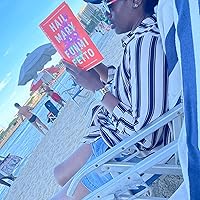
A simple bite size piece about how to be better at self promotion from networking, building your confidence, emotional intelligence and more. It’s peppered with some personal examples and other notes from leading women in their respective fields. Some easy, practical steps to being a better version of yourself and getting paid to reflect your value too. I enjoyed this.
August 22, 2021
2.5. Some interesting thoughts, for sure, but I find that a hyper-relatable writing style can backfire when you don't personally vibe with the register or find the stories relatable. That said, clearly it resonated more with others and that's great too.

November 19, 2023
I‘ve read a lot of self help books, but this was one of my favorites. Although I knew a lot already, it really gives you this positive vibe about not giving up and knowing your self worth. I also liked the reading flow with little stories, interviews, tipps and quotes.
May 4, 2024
One word = crap

January 13, 2021
Was excited to read this book, especially given the very valuable virtue of being humble that I have grown up with like many others in Eastern Europe. I found some very useful nuggets. And I want to raise two points. One - I think the author uses 'humble' interchangeably to mean shy and lacking confidence in speaking up or connecting with others, or underestimating your own accomplishments; and that's why I didn't change my mind and I still think being humble is a virtue. I agree that you should share your work and not be afraid to talk about it with the right people at the right time, but I still think you should be humble about it and talk about the effort you put in without exaggeration. Stefanie raises this point in the last few chapters with concrete examples about how you should laugh about your failures and openly share them and how you should be a little more like Adele in communication, i.e. down to earth and stuff. And in my mind, that is the core of being humble, you work and you succeed and you share it, but you find the right balance and still remain relatable.
Two - and this is even more 'just personal', I was really looking forward to more examples on how to phrase achievements and your work in a less arrogant way. Stefanie talks about writing a better CV, which was super and I relate to learning about the phrasing while I was at university as well. But I felt like the other chapters were much more general, taking a bird's eye view in a number of other skills: goal setting, networking, communication, which are still critical, but I already was quite familiar with them. While it was fun to read, I breezed through and would think they would be much more useful to someone who is just starting to understand all the soft skills.
Two - and this is even more 'just personal', I was really looking forward to more examples on how to phrase achievements and your work in a less arrogant way. Stefanie talks about writing a better CV, which was super and I relate to learning about the phrasing while I was at university as well. But I felt like the other chapters were much more general, taking a bird's eye view in a number of other skills: goal setting, networking, communication, which are still critical, but I already was quite familiar with them. While it was fun to read, I breezed through and would think they would be much more useful to someone who is just starting to understand all the soft skills.

January 11, 2026
Fuck Being Humble by Stefanie Sword-Williams was such a fun and engaging read. I absolutely loved Stefanie’s voice and her British perspective. It felt refreshing, honest, and empowering without ever feeling preachy.
The chapters are broken down in a really easy-to-read way, which made this a book I kept picking up even in short pockets of time. I also loved the bright orange font sprinkled throughout. It broke up the copy perfectly and made the whole book feel energetic instead of overwhelming.
What really stood out to me were the simple exercises, practical steps, and real-life examples she shares to help you build confidence and step fully into being the star of your own life. Everything felt approachable and doable, not abstract or fluffy.
One of my favorite parts was how she referenced other books that inspired her along the way. She even included a book recommendation list at the end, which I immediately appreciated and added a few to my own list.
Overall, this was an easy-to-read, business-minded book with a lot of heart. If you’re looking for a confidence boost, practical mindset shifts, and a reminder that you’re allowed to take up space, this one is absolutely worth picking up.
The chapters are broken down in a really easy-to-read way, which made this a book I kept picking up even in short pockets of time. I also loved the bright orange font sprinkled throughout. It broke up the copy perfectly and made the whole book feel energetic instead of overwhelming.
What really stood out to me were the simple exercises, practical steps, and real-life examples she shares to help you build confidence and step fully into being the star of your own life. Everything felt approachable and doable, not abstract or fluffy.
One of my favorite parts was how she referenced other books that inspired her along the way. She even included a book recommendation list at the end, which I immediately appreciated and added a few to my own list.
Overall, this was an easy-to-read, business-minded book with a lot of heart. If you’re looking for a confidence boost, practical mindset shifts, and a reminder that you’re allowed to take up space, this one is absolutely worth picking up.

April 24, 2024
"F" being THE unapologetically proud Stefanie Sword-Williams
Hold on, hear us out. Empty rooms can be so loud. We just wanna let you know we are proud. Close your eyes, tune them out. You're right here, with us now. You’ve always been the kind of kid, That hid your face, So afraid to tell the world. What you've got to say, But you have this dream, right inside of you, you are gonna let it show, it's time to let all know. This is real, this is you. You are exactly where you are supposed to be now. Gonna let the light shine on you, Now you've found who you are. There's no way to hold it in, No more hiding who you want to be. This is you. You have to believe in yourself. It's the only way.
You don’t need to have a premonition, Don’t need permission. This your condition, Not to hide. Won’t apologize for the wisdom. Won’t run away from your mission to survive. Won’t let your head hang low. Won’t let the monster grow, No time to be humble. the world is a jungle. never avoid it. see it and destroy it. Be a walking demolition, Head on collision. Still hear the ringin’ in my ears Yes, you are worth it, Damn right you earned it
https://youtu.be/ZkT6VFD_tPk?si=woUA0...
Hold on, hear us out. Empty rooms can be so loud. We just wanna let you know we are proud. Close your eyes, tune them out. You're right here, with us now. You’ve always been the kind of kid, That hid your face, So afraid to tell the world. What you've got to say, But you have this dream, right inside of you, you are gonna let it show, it's time to let all know. This is real, this is you. You are exactly where you are supposed to be now. Gonna let the light shine on you, Now you've found who you are. There's no way to hold it in, No more hiding who you want to be. This is you. You have to believe in yourself. It's the only way.
You don’t need to have a premonition, Don’t need permission. This your condition, Not to hide. Won’t apologize for the wisdom. Won’t run away from your mission to survive. Won’t let your head hang low. Won’t let the monster grow, No time to be humble. the world is a jungle. never avoid it. see it and destroy it. Be a walking demolition, Head on collision. Still hear the ringin’ in my ears Yes, you are worth it, Damn right you earned it
https://youtu.be/ZkT6VFD_tPk?si=woUA0...

February 1, 2026
This is the first time that I rate a self-help book a 2-star read! Most of the time, it’s 4.5-5 stars.
This book “Fvck Being Humble” is a really good book if you’re an employee, that’s how I look at it. Being an Entrepreneur, I don’t need this book, this isn’t the book I need to read right now. That is why I was skimming the last 20-30 pages.
The worst part was, I felt like this book would put me in a reading slump, I couldn’t bear it.
Although, I love her humour but I just couldn’t feel connected with the author. I don’t really like the writing style, it’s not necessarily bad but it’s just not my preference.
It’s sad that I didn’t enjoy this one!
Again, it isn’t a bad book but it’s just that it’s not what I need right now.
This book “Fvck Being Humble” is a really good book if you’re an employee, that’s how I look at it. Being an Entrepreneur, I don’t need this book, this isn’t the book I need to read right now. That is why I was skimming the last 20-30 pages.
The worst part was, I felt like this book would put me in a reading slump, I couldn’t bear it.
Although, I love her humour but I just couldn’t feel connected with the author. I don’t really like the writing style, it’s not necessarily bad but it’s just not my preference.
It’s sad that I didn’t enjoy this one!
Again, it isn’t a bad book but it’s just that it’s not what I need right now.

November 24, 2022
I was skeptical about reading this book (maybe because of the name?), yet it proved to be very handy - practical tips for putting yourself out there during everyday work-life!
I’d look into this topic of self-promotion more creatively, maybe, and argue that no one formula fits us all, yet only by experimenting and finding different ways to celebrate and communicate yourself can one know what feels authentic to them. The author does provide many tools in this book so that one can start the experimentation.
I recommend it to anyone who needs a push.
I’d look into this topic of self-promotion more creatively, maybe, and argue that no one formula fits us all, yet only by experimenting and finding different ways to celebrate and communicate yourself can one know what feels authentic to them. The author does provide many tools in this book so that one can start the experimentation.
I recommend it to anyone who needs a push.

January 29, 2025
This is a self-help book in which Stephanie offers her point of view and experience on self-promotion and career, full of inspirational messages, nice humor, and some actionable tips.
A good read for people looking for a job or starting a new business: to get to the mindset of self-promotion, self-confidence, and 'fake it until you make it'.
The main message of this book is that we should lose the fear of self-promoting and learn how to do it in a way that helps us show our unique set of skills to others and advance in our careers.
A good read for people looking for a job or starting a new business: to get to the mindset of self-promotion, self-confidence, and 'fake it until you make it'.
The main message of this book is that we should lose the fear of self-promoting and learn how to do it in a way that helps us show our unique set of skills to others and advance in our careers.

May 11, 2025
I was given this book by a very good friend a few years ago who raved about it so I thought I should probably get round to reading it. It’s a beautifully laid out book but definitely more for early career people and fairly vanilla in a lot of the tips it gives. If I’d read 10 years ago it might have resonated more. I also personally balk at someone naming their brand with a swear word in the title when this is meant to be for professionals. However it was easy to get through and a couple of good tips in amongst the rest.
November 27, 2025
Me interesó por el título y el diseño (me encanta un diseño bonito) empecé a leerlo y pensé….. esto está muy básico, pero seguí leyendo y me di cuenta que aunque muchas de las cosas que tiene el libro ya las hago, hay otras que dejé atrás o solo hacía sin entender por qué y unas ni las había considerado.
Así que le daré a este libro el crédito que merece, hasta subrayé más de una frase, es un increíblemente bonito de referencias y re afirmaciones que todos necesitamos cada cierto tiempo, está escrito de forma divertida y fácil de entender.
Así que le daré a este libro el crédito que merece, hasta subrayé más de una frase, es un increíblemente bonito de referencias y re afirmaciones que todos necesitamos cada cierto tiempo, está escrito de forma divertida y fácil de entender.

July 3, 2026
This a great first read for a young person starting out in their career. I can vouch for a lot of the suggestions in this book and say that the chapters detailing CV enhancement, digital cleansing and negotiation do work but I probably needed to read this 7 years ago. I bought this book at my first networking event I attended solo so I do recommend attending one of the authors events (solo if you dare) and reading the book after, it provided me with more context of background and experience which isn’t necessarily in the book.

July 26, 2025
3.5 stars. While no one has ever accused me of being humble, I picked up this book because I’m going through a bit of imposter syndrome. There was nothing profound or groundbreaking about what she said, but I feel so seen! I wish I had read this while I was job hunting because there was some genuinely good advice about being confident, taking risks and getting started on tasks even when you feel drained and burnt out.

December 14, 2020
I loved this book so much! Reading this along with watching some of Stef's talks online has given me a new confidence to go after my goals. Previously I had been scared what people might think of me but using the strategies in this book I have pushed through limiting self beliefs. There are also great tips on communicating and working with others.
May 18, 2021
Easy read, provocative and full of authentic stories
I was recommended this book by my colleague and the provocative title got my attention.
It is very easy to read and relate, to the point where you start nodding your head while reading it!
I would highly recommend this to all women out there who have doubts of themselves - we need to put ourselves forward!
I was recommended this book by my colleague and the provocative title got my attention.
It is very easy to read and relate, to the point where you start nodding your head while reading it!
I would highly recommend this to all women out there who have doubts of themselves - we need to put ourselves forward!
Displaying 1 - 30 of 66 reviews