

What do you think?

Jaun Elia: Ek Ajab Ghazab Shayar । जौन एलिया : एक अजब-ग़ज़ब शायर
जौन एक मुँहफट, बेबाक और बागी शायर थे। आप समझ लीजिए कि अगर आज की तारीख में वे ज़िंदा होते तो पाकिस्तान में शायद क़त्ल कर दिए जाते। आप जौन को जितना पढ़ेंगे उतना जौन खुलते आएँगे। कुछ दिन में आप इस जौन वाइरस से एडिक्टड हो जाएँगे और एक तिश्नगी आपका शिकार करने लगेगी। नए शायरों की ग़ज़लें भी अब मीर, मोमिन, ग़ालिब, फ़ैज़, ख़ुमार के आगोश से सिमटती हुई जौन एलिया की बारगाह में आ गई हैं। जौन के शेर कहने का अंदाज़ ऐसा है कि उसमें ड्रामा भी है, झुंझलाहट भी है, बने बनाए नियमों को तोड़ देने की जिद भी है और दर्शन भी है। हिंदुस्तान के अमरोहा में पैदा हुए और पाकिस्तान के कराची की मिट्टी में दफ़्न हुए जौन एलिया वह शायर हैं जो हयात रहते हुए ही उर्दू अदब की दुनिया में अच्छी-ख़ासी मक़बूलियत हासिल कर गए थे। आज जब जौन हमारे बीच
371 pages, Kindle Edition
Published November 10, 2019
About the author
Jaun Elia
28 books417 followersJaun Elia was a notable Pakistani Urdu poet. He was widely praised for his unique style of writing. He was the brother of renowned journalist and psychoanalyst Rais Amrohvi and journalist and world-renowned philosopher Syed Muhammad Taqi. He was husband of famous columnist Zahida Hina. He was a man of letters, well versed in Arabic, English, Persian, Sanskrit and Hebrew.
Jaun Elia was born on December 14, 1931 in an illustrious family of Amroha, Uttar Pradesh. He was the youngest of his siblings. His father, Allama Shafiq Hasan Elia, was deeply involved in art and literature and also an astrologer and a poet. This literary environment modeled him along the same lines, and he wrote his first Urdu couplet when he was just 8.
Jaun was very sensitive in his early teen age. His preoccupations in those days were his imaginary beloved character, Sophia, and his anger at the English occupiers of India. He used to do dramatic presentations of the early Muslim period, and hence his knowledge of Muslim history was recognized by many. According to him, his early poetry reflected the dialogue nature of stage drama.
A close relation of Elia's, Syed Mumtaz Saeed, recalled that Elia also went to Syed-ul-Madaris in Amroha, a Madressah (Koranic school). "Jaun had a way with languages. He could learn them effortlessly. Apart from Arabic and Persian that he had learnt at the Madressah, he acquired great proficiency in English and a smattering of Hebrew."
During his youth, the united India was involved in a Muslim-Hindu feud, which led to the partition of the country on religious lines once British rule ended. Being a Communist, Elia was averse to the idea, but finally accepted it as a compromise. Elia migrated to Pakistan in 1957, and made Karachi his home. Before long, he became popular in the literary circles of the city. His poetry, which bears ample testimony to his wide-ranging reading habits, won him acclaim and approbation. Poet Pirzada Qasim said: "Jaun was very particular about language. While his diction is rooted in the classical tradition, he touches on new subjects. He remained in quest of an ideal all his life. Unable to find the ideal eventually, he became angry and frustrated. He felt, perhaps with reason, that he had squandered his talent." He was a prolific writer, but could not be convinced to publish his work. His first poetry collection Shayad (an Urdu word which means "Maybe") was published in 1991, when he was 60. The poetry presented in this collection added Jaun Elia's name in the Urdu literary canon forever. Jaun Elia's preface in this collection provided deep insights into his works and the culture within which he was expressing his ideas. The preface can also be considered as one of the finest examples of modern Urdu prose. It covered his intellectual evolution in different periods of time, and his philosophy of poetry, science, religion, etc. The second collection of his poetry Ya'ani was published posthumously in 2003 . Afterwords Jaun's trustworthy companion Khalid Ansari has compiled and published his three consecutive collections, “Gumaan” (an Urdu word which means "Illusion") in 2004, “Lekin” 2006 and “Goya” 2008, one more collection ‘Kyon’ is now under processing.
An eminent Urdu literary critic, Dr. Muhammad Ali Siddiqui has called Jaun Elia one of the three most eminent ghazal poets of Urdu of the second half of the twentieth century.
Jaun Elia was an unabashed open anarchist and nihilist in generally a conservative and religious society. His elder brother, Rais Amrohvi, himself a poet and influential intellectual, was brutally murdered , and ever after his death, Jaun was conscious about what he would say in public.
Jaun was also involved in translation, editing and other activities. He briefly worked as an editor with Ismaili Tariqah and Religious Education Board (ITREB), in
Jaun Elia was born on December 14, 1931 in an illustrious family of Amroha, Uttar Pradesh. He was the youngest of his siblings. His father, Allama Shafiq Hasan Elia, was deeply involved in art and literature and also an astrologer and a poet. This literary environment modeled him along the same lines, and he wrote his first Urdu couplet when he was just 8.
Jaun was very sensitive in his early teen age. His preoccupations in those days were his imaginary beloved character, Sophia, and his anger at the English occupiers of India. He used to do dramatic presentations of the early Muslim period, and hence his knowledge of Muslim history was recognized by many. According to him, his early poetry reflected the dialogue nature of stage drama.
A close relation of Elia's, Syed Mumtaz Saeed, recalled that Elia also went to Syed-ul-Madaris in Amroha, a Madressah (Koranic school). "Jaun had a way with languages. He could learn them effortlessly. Apart from Arabic and Persian that he had learnt at the Madressah, he acquired great proficiency in English and a smattering of Hebrew."
During his youth, the united India was involved in a Muslim-Hindu feud, which led to the partition of the country on religious lines once British rule ended. Being a Communist, Elia was averse to the idea, but finally accepted it as a compromise. Elia migrated to Pakistan in 1957, and made Karachi his home. Before long, he became popular in the literary circles of the city. His poetry, which bears ample testimony to his wide-ranging reading habits, won him acclaim and approbation. Poet Pirzada Qasim said: "Jaun was very particular about language. While his diction is rooted in the classical tradition, he touches on new subjects. He remained in quest of an ideal all his life. Unable to find the ideal eventually, he became angry and frustrated. He felt, perhaps with reason, that he had squandered his talent." He was a prolific writer, but could not be convinced to publish his work. His first poetry collection Shayad (an Urdu word which means "Maybe") was published in 1991, when he was 60. The poetry presented in this collection added Jaun Elia's name in the Urdu literary canon forever. Jaun Elia's preface in this collection provided deep insights into his works and the culture within which he was expressing his ideas. The preface can also be considered as one of the finest examples of modern Urdu prose. It covered his intellectual evolution in different periods of time, and his philosophy of poetry, science, religion, etc. The second collection of his poetry Ya'ani was published posthumously in 2003 . Afterwords Jaun's trustworthy companion Khalid Ansari has compiled and published his three consecutive collections, “Gumaan” (an Urdu word which means "Illusion") in 2004, “Lekin” 2006 and “Goya” 2008, one more collection ‘Kyon’ is now under processing.
An eminent Urdu literary critic, Dr. Muhammad Ali Siddiqui has called Jaun Elia one of the three most eminent ghazal poets of Urdu of the second half of the twentieth century.
Jaun Elia was an unabashed open anarchist and nihilist in generally a conservative and religious society. His elder brother, Rais Amrohvi, himself a poet and influential intellectual, was brutally murdered , and ever after his death, Jaun was conscious about what he would say in public.
Jaun was also involved in translation, editing and other activities. He briefly worked as an editor with Ismaili Tariqah and Religious Education Board (ITREB), in
Ratings & Reviews
Friends & Following
Create a free account to discover what your friends think of this book!
Community Reviews
Displaying 1 - 24 of 24 reviews

December 18, 2022
जो गुजारी न जा सकी हमसे
हमने वो जिंदगी गुजारी है...
जौन एक दरवेश शायर थे जिन्होंने दर्द को जिया और अपने अंदाज में बयान किया। एक अलग अंदाज, सादा-सच्चा अंदाज। फक्कड़ तबियत, अलमस्त जीवन शैली और हालात से समझौता न करने की जिद उनके अल्फाज को नुमायां करती है।
उनकी शायरी क्लासिक आशिक माशूक की शायरी न होकर औरत आदमी के प्रेम/ नफरत की खुरदरी जमीन पर लिखी शायरी है। उनका कलाम समाज के स्थापित मूल्यों के विरुद्ध गुस्से और अपनी जिद के आगे न झुकने की शायरी है। तल्ख हालात और अपनी तबियत की वजह से जौन हमेशा अपने परिवेश से लड़ते रहे, टूटते रहे और हमारे लिए सबसे जुदा और इंकलाबी कलाम छोड़ गए।
डाक्टर पीरजादा कासिम की उनके लिए कही बात सटीक है -
गम से बहल रहे हैं आप, आप बहुत अजीब हैं
दर्द में ढल रहे हैं आप, आप बहुत अजीब हैं
साया-ऐ-वस्ल कब से है आपका मुंतजिर मगर
हिज्र में जल रहे हैं आप, आप बहुत अजीब हैं
अपने खिलाफ फैसला खुद ही लिखा है आपने
हाथ भी मल रहे हैं आप, आप बहुत अजीब हैं।
अपनी फक्कड़ तबियत के कारण उनका लिखा काफी कुछ दूसरों ने चुरा लिया और अपनी जिद के कारण उनका लिखा काफी देर से छपा जिससे अपनी जिंदगी में वो आज की शोहरत से महरूम रहे। वो वाकई अजब और गजब थे। ऐसे बेबाक, बेतकल्लुफ, बेपरवाह शायर को सलाम।
माल बाजार-ऐ-जमीं का था मैं जौन
आसमानों में मेरा सौदा हुआ...
हमने वो जिंदगी गुजारी है...
जौन एक दरवेश शायर थे जिन्होंने दर्द को जिया और अपने अंदाज में बयान किया। एक अलग अंदाज, सादा-सच्चा अंदाज। फक्कड़ तबियत, अलमस्त जीवन शैली और हालात से समझौता न करने की जिद उनके अल्फाज को नुमायां करती है।
उनकी शायरी क्लासिक आशिक माशूक की शायरी न होकर औरत आदमी के प्रेम/ नफरत की खुरदरी जमीन पर लिखी शायरी है। उनका कलाम समाज के स्थापित मूल्यों के विरुद्ध गुस्से और अपनी जिद के आगे न झुकने की शायरी है। तल्ख हालात और अपनी तबियत की वजह से जौन हमेशा अपने परिवेश से लड़ते रहे, टूटते रहे और हमारे लिए सबसे जुदा और इंकलाबी कलाम छोड़ गए।
डाक्टर पीरजादा कासिम की उनके लिए कही बात सटीक है -
गम से बहल रहे हैं आप, आप बहुत अजीब हैं
दर्द में ढल रहे हैं आप, आप बहुत अजीब हैं
साया-ऐ-वस्ल कब से है आपका मुंतजिर मगर
हिज्र में जल रहे हैं आप, आप बहुत अजीब हैं
अपने खिलाफ फैसला खुद ही लिखा है आपने
हाथ भी मल रहे हैं आप, आप बहुत अजीब हैं।
अपनी फक्कड़ तबियत के कारण उनका लिखा काफी कुछ दूसरों ने चुरा लिया और अपनी जिद के कारण उनका लिखा काफी देर से छपा जिससे अपनी जिंदगी में वो आज की शोहरत से महरूम रहे। वो वाकई अजब और गजब थे। ऐसे बेबाक, बेतकल्लुफ, बेपरवाह शायर को सलाम।
माल बाजार-ऐ-जमीं का था मैं जौन
आसमानों में मेरा सौदा हुआ...

December 1, 2022
Interesting read.. depressing but interesting at same time

October 29, 2023
This book works like a trance.
Woven with Elia's gazhals and shaayari , you will discover some of his unknown works as you get closer to the narrator
Woven with Elia's gazhals and shaayari , you will discover some of his unknown works as you get closer to the narrator

August 17, 2025
I have so manyyyy favourites gawwdd. I'll list a few of my absolute favourite lines:
1 उस गली ने ये सुन के सब्र किया
जाने वाले यहाँ के थे ही नहीं
2 है अजब फ़ैसले का सहरा भी
चल न पड़िए तो पाँव जलते हैं
3 इक हुस्न-ए-बे-मिसाल की तमसील के लिए
परछाइयों पे रंग गिराता रहा हूँ मैं
4 उस शहर की हिफ़ाज़त करनी थी हम को जिस में
आँधी की थीं फ़सीलें और गर्द का मकाँ था
जब डूबता चला मैं तारीकियों की तह में
तह में था इक दरीचा और उस में आसमाँ था
1 उस गली ने ये सुन के सब्र किया
जाने वाले यहाँ के थे ही नहीं
2 है अजब फ़ैसले का सहरा भी
चल न पड़िए तो पाँव जलते हैं
3 इक हुस्न-ए-बे-मिसाल की तमसील के लिए
परछाइयों पे रंग गिराता रहा हूँ मैं
4 उस शहर की हिफ़ाज़त करनी थी हम को जिस में
आँधी की थीं फ़सीलें और गर्द का मकाँ था
जब डूबता चला मैं तारीकियों की तह में
तह में था इक दरीचा और उस में आसमाँ था
September 10, 2020
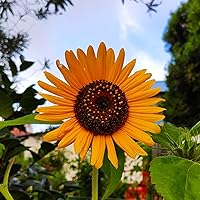
🌻Syed Jaun Asghar (1931-2002), popularly known as @jaun_elia_ was born in Amroha.He migrated from India in 1957 and settled in Karachi. Jaun Elia was deeply interested in the disciplines of history, philosophy, and religion. This gave a certain touch of otherness to his personality and poetry.
🌻 Yaani (2003), Gumaan (2004), Lekin (2006), Goyaa (2008) and a book in prose entitled Farmood (2008) were published posthumously. He had also collected his letters to Zahida Hena to whom he was married but they had separated later.
🌻ME:. I liked his shayri very much.I would like to thank Muntajir Firozabad.He threaded his ghazals and shayari into one book.
🌟Some lines of a famous ghazal.
Halat-e-haal ke sabab halat-e-haal hi gayi,
Shauq main kuch nahin geya shauq ki zindagi gayi,
Tera firaaq jan-e-jan aish tha kya mere liye,
Yaani tere firaaq main khoob sharab pee gayi,
Tere visaal ke liye apne kamaal ke liye,
Halat-e-haal dil ke thi kharaab aur kharaab ki gayi,
🌻This ghazal is not complete.You will have to read this book for further Ghazal.You can also search it on the net.Believe me you too will become a fan like them.
🌻If you have read or written any poetry, then do share it with me.
🌻 Yaani (2003), Gumaan (2004), Lekin (2006), Goyaa (2008) and a book in prose entitled Farmood (2008) were published posthumously. He had also collected his letters to Zahida Hena to whom he was married but they had separated later.
🌻ME:. I liked his shayri very much.I would like to thank Muntajir Firozabad.He threaded his ghazals and shayari into one book.
🌟Some lines of a famous ghazal.
Halat-e-haal ke sabab halat-e-haal hi gayi,
Shauq main kuch nahin geya shauq ki zindagi gayi,
Tera firaaq jan-e-jan aish tha kya mere liye,
Yaani tere firaaq main khoob sharab pee gayi,
Tere visaal ke liye apne kamaal ke liye,
Halat-e-haal dil ke thi kharaab aur kharaab ki gayi,
🌻This ghazal is not complete.You will have to read this book for further Ghazal.You can also search it on the net.Believe me you too will become a fan like them.
🌻If you have read or written any poetry, then do share it with me.
April 26, 2025
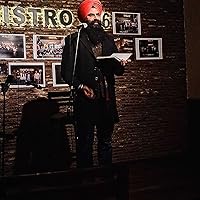
This book by Muntizar Firozabadhi wrote about the collection and Stories of Jaun Elia poems, poetry, ghazal, nazm. With over 100 poetry and small anecdotes from his life and what his friends behaviour towards him and what they do and how his work process and what were he thinking not just political elegory and love, hate and sarcasm he wrote worth love and written some wonderful work.
The poetry is full of metaphor and free verse , rhyming schemes and words of urdu are a bit difficult to understand because of its nature or pronunciation is strong
The poetry is full of metaphor and free verse , rhyming schemes and words of urdu are a bit difficult to understand because of its nature or pronunciation is strong

December 28, 2021
अजब गजब किताब
अगर जॉन एलिया की बात करें तो वो खुद ही इतने अजब गजब हैं के किसी भी रूप में उनको पढ़ो तो एक दीवानगी एक उदासी आप में भर जाती है और आप उस उदासी के दरिया में गोते खाते नज़र आते हो। और उनके साथ इस जिंदगी के बवंडर से वही सवाल पूछ रहे होते हो जिन्होंने उन्हें मीर ए बेचैनी बना दिया था। बहुत खूबसूरती से जॉन एलिया साहब की जिंदगी और गजलों को इस किताब में पेश ए खिदमत किया गया है।
अगर जॉन एलिया की बात करें तो वो खुद ही इतने अजब गजब हैं के किसी भी रूप में उनको पढ़ो तो एक दीवानगी एक उदासी आप में भर जाती है और आप उस उदासी के दरिया में गोते खाते नज़र आते हो। और उनके साथ इस जिंदगी के बवंडर से वही सवाल पूछ रहे होते हो जिन्होंने उन्हें मीर ए बेचैनी बना दिया था। बहुत खूबसूरती से जॉन एलिया साहब की जिंदगी और गजलों को इस किताब में पेश ए खिदमत किया गया है।

May 21, 2025
यह पुस्तक जौन एलिया की कविताओं, ग़ज़लों और नज़्मों का संग्रह है। इसमें सौ से अधिक कविताएँ और उनके जीवन की छोटी कहानियाँ हैं। इसमें उनके दोस्तों के साथ उनके रिश्ते और उनके काम की प्रक्रिया का भी वर्णन है। जौन एलिया ने न केवल राजनीतिक और प्रेम कविताएँ लिखीं, बल्कि उन्होंने जीवन के विभिन्न पहलुओं पर भी लिखा।
कविता में कई प्रतीक और मुक्त शैली का उपयोग है। उर्दू शब्द थोड़े मुश्किल हो सकते हैं, लेकिन कविता का सौंदर्य बढ़ाते हैं। जॉन एलिया की किताब पढ़ते समय आपको लगेगा कि आप उनके घर में हैं और वे अपनी प्यारी शायरी सुना रहे हैं। उनकी बातें दिल को छू जाती हैं। जैसे कुछ पंक्ति हैं-
“जो गुज़ारी न जा सकी हमसे, हमने वो ज़िंदगी गुज़ारी है”
“यूं जो तकता है आसमान को तू, कोई रहता है आसमान में क्या”
“किस तरह छोड़ दूं तुम्हें जानां, तुम मेरी ज़िन्दगी की आदत हो”
इस किताब को पढ़कर आप एक नई दुनिया में प्रवेश करेंगे।जितना पढ़ेंगे, उतना ही जौन एलिया को और अच्छे से समझ पाएंगे। ज़रूर पढ़े!💛
August 3, 2026
Jaun Sahab, Aap bhi kya kamaal kar gaye,
Khud ishq mein toot kar, apni mohabbat ko misaal kar gaye.
Apne dard ko kaagaz par yun utaar gaye,
Khud toh unke deewane the... Par lakhon ko apna deewana kar gaye.
Khud ishq mein toot kar, apni mohabbat ko misaal kar gaye.
Apne dard ko kaagaz par yun utaar gaye,
Khud toh unke deewane the... Par lakhon ko apna deewana kar gaye.
July 12, 2021
Nyc Gazal Book And Nazam
This entire review has been hidden because of spoilers.

December 27, 2022
Good
मैं शब्द और शायरी को ज्यादा नहीं जानती पर "जौन "साहिब को पढ़ने का मौका मिला, उनके जीवन के बारे में जानकारी हासिल हुई ! बहुत समय से इसको पढना pending था!
मैं शब्द और शायरी को ज्यादा नहीं जानती पर "जौन "साहिब को पढ़ने का मौका मिला, उनके जीवन के बारे में जानकारी हासिल हुई ! बहुत समय से इसको पढना pending था!
Read
February 3, 2024Nice and easy Urdu translation.
February 4, 2024
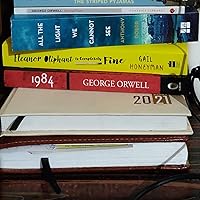
जो गुज़ारी ना जा सकी हमसे, हमने वो जिंदगी गुज़ारी है

July 24, 2024
💔
4.25 / 5
4.25 / 5
Want to Read
December 29, 2024Y
May 11, 2025
it's a collection of shayri and nazm of Jaun Elia also there is some story of him
December 30, 2025
awesome 👍

January 15, 2026
it’s Jaun Elia!
February 2, 2026
nice sir
This entire review has been hidden because of spoilers.
June 7, 2026
This man describes a true love in his own words.
June 27, 2026
wonderful book on an amazing shayar..though i coulnt comprehend many of his writing as they were written in heavy Urdu , but whtever i could understand was just too beuatiful..

April 9, 2022
As the title "ek ajab ghazab shaayar" suggests he certainly is. His writings are so unorthodox and relatable that you can just never over him. 🖤🖤

October 28, 2023
Jaun Elia: Ek Ajab Ghazab Shayar feels like therapy. Every time I open it, I come across a line that stops me in my tracks. I read it once, then again, and somehow it hits differently each time. It's my comfort read—the book I reach for whenever I want to pause, think, or simply get lost in beautiful words
Displaying 1 - 24 of 24 reviews