
What do you think?
Rate this book


320 pages, Paperback
First published January 1, 1935








There had been one scandal too many. The exhausted public had been fed with surprises to point of indigestion.
They were pleased because it would soon be summer, because Hitler had promised to protect the small tradesmen, because their newspapers told them that the good times were coming.
It is indeed tragic to see how, even in these days, a clever and unscrupulous liar can deceive millions.(1933 or 2023?)


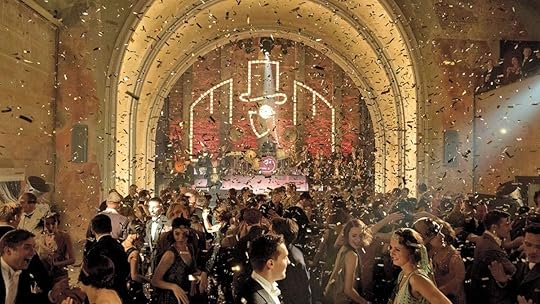
Isherwood sketches with the lightest of touches the last gasp of the decaying demi-monde and the vigorous world of Communists and Nazis, grappling with each other on the edge of the abyss.
What repels me now about Mr Norris is its heartlessness. It is a heartless fairy-story about a real city in which human beings were suffering the miseries of political violence and near-starvation. The "wickedness" of Berlin's night-life was of the most pitiful kind; the kisses and embraces, as always, had price-tags attached to them, but here the prices were drastically reduced in the cut-throat competition of an over-crowded market. ... As for the "monsters", they were quite ordinary human beings prosaically engaged in getting their living through illegal methods. The only genuine monster was the young foreigner who passed gaily through these scenes of desolation, misinterpreting them to suit his childish fantasy.
Our voices sounded so absurd that I could have laughed out loud. We were like two unimportant characters in the first act of a play, put there to make conversation until it is time for the chief actor to appear.A sweetly nostalgic look backwards at what unexpectedly becomes nostalgia-- the half-understood, the loony, the unexplained and the senseless-- as they begin to morph into the storyline of what we remember. And into what we end up calling human nature, once we have some perspective on the past.
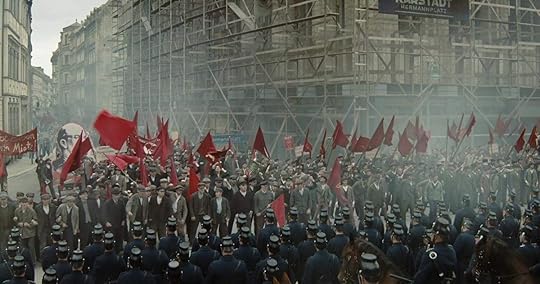
Berlin was in a state of civil war. Hate exploded suddenly, without warning, out of nowhere; at street corners, in restaurants, cinemas, dance halls, swimming baths; at midnight, after breakfast, in the middle of the afternoon. Knives were whipped out, blows were dealt with spiked rings, beer-mugs, chair-legs, or leaded clubs; bullets slashed the advertisements on the poster-columns, rebounded from the iron roofs of latrines. In the middle of a crowded street a young man would be attacked, stripped, thrashed, and left bleeding on the pavement; in fifteen seconds it was all over and the assailants had disappeared.It was almost as if the rise of Hitler were associated with the simultaneous settlement of thousands of scores that had festered over decades.


