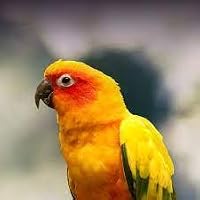
Parrots and snakes, wild cats and monkeys---exotic pets can now be found everywhere from skyscraper apartments and fenced suburban backyards to roadside petting zoos. In Animal Traffic Rosemary-Claire Collard investigates the multibillion-dollar global exotic pet trade and the largely hidden processes through which exotic pets are produced and traded as lively capital. Tracking the capture of animals in biosphere reserves in Mexico, Guatemala, and Belize; their exchange at exotic animal auctions in the United States; and the attempted rehabilitation of former exotic pets at a wildlife center in Guatemala, Collard shows how exotic pets are fetishized both as commodities and as objects. Their capture and sale sever their ties to complex socio-ecological networks in ways that make them appear as if they do not have lives of their own. Collard demonstrates that the enclosure of animals in the exotic pet trade is part of a bioeconomic trend in which life is increasingly commodified and objectified under capitalism. Ultimately, she calls for a “wild life” politics in which animals are no longer enclosed, retain their autonomy, and can live for the sake of themselves.
taught in my international studies senior seminar. GREAT teaching book, easy to read but still really compelling marxist-feminist contribution to the study of animal labor and the 'lively commodities' literature in geography which has seemingly not yet reverberated much beyond the discipline[?]. very quick read at 140ish pages with a lot of pictures and compelling writing too.
I read this book for my writing class, I needed it for a research project on the exotic pet trade, and this book covered my topic very well. Because of that, this book was really good if you're reading it from an academic context. This book is very informational about the exotic pet trade, and offers different perspectives on the ideologies behind the exotic pet trade. She also talks about her own research that she did in Mexico, which I also found extremely helpful for my research. Collard is a very smart woman, and this book reflects a lot of her knowledge on the subject as well as her overall intelligence. When talking about the exotic pet trade, she accomplishes this perfectly. From a book perspective however, this book is not that great. Most of the structure of the book is done by journal entries that are a couple paragraphs long that reference a moment of time from when she was in Mexico. However after that, she talks about points that she has already covered before, and by the second chapter she was repeating herself. She had interesting things to say, but it was a hard book to push through. This is something that I notice in a look of books about science. The authors clearly know what they're talking about, but the writing of the book itself is not that good. It doesn't mean the book is bad, you can learn a lot reading this book, but if you want a book that has really good prose, this isn't that.
quick intro to some staple ideas in animal studies and marxist-feminism, told through clear ethnographic vignettes. wish there had been a little bit of a deeper theorization of liveliness in terms of how it relates to a propensity to display life: how does sound, color, health factor in or get measured? what are the implications for shifting these metrics of liveliness (not only for animals, but for other kinds of nonhumans) as we navigate new multispecies relationships amidst climate change?
This book ended too soon. If you have read Mushrooms at the End of the World this is a very nice compliment. I’m also a sucker for anyone who references Decolonizing Extinction.
Collard does an excellent job at defining her points, articulating her definitions, and making easy to follow yet insightful arguments. I will go back and take notes on my highlights and probably read again for close analysis.
Strongly recommended! Phenomenal book to teach with- the length works so well for undergrad students too! A great introduction into critical animal geographies and foundational drivers of illegal wildlife trade, delivered with a nuanced and even-handed yet critical perspective. Very accessible and engaging for a wide audience!