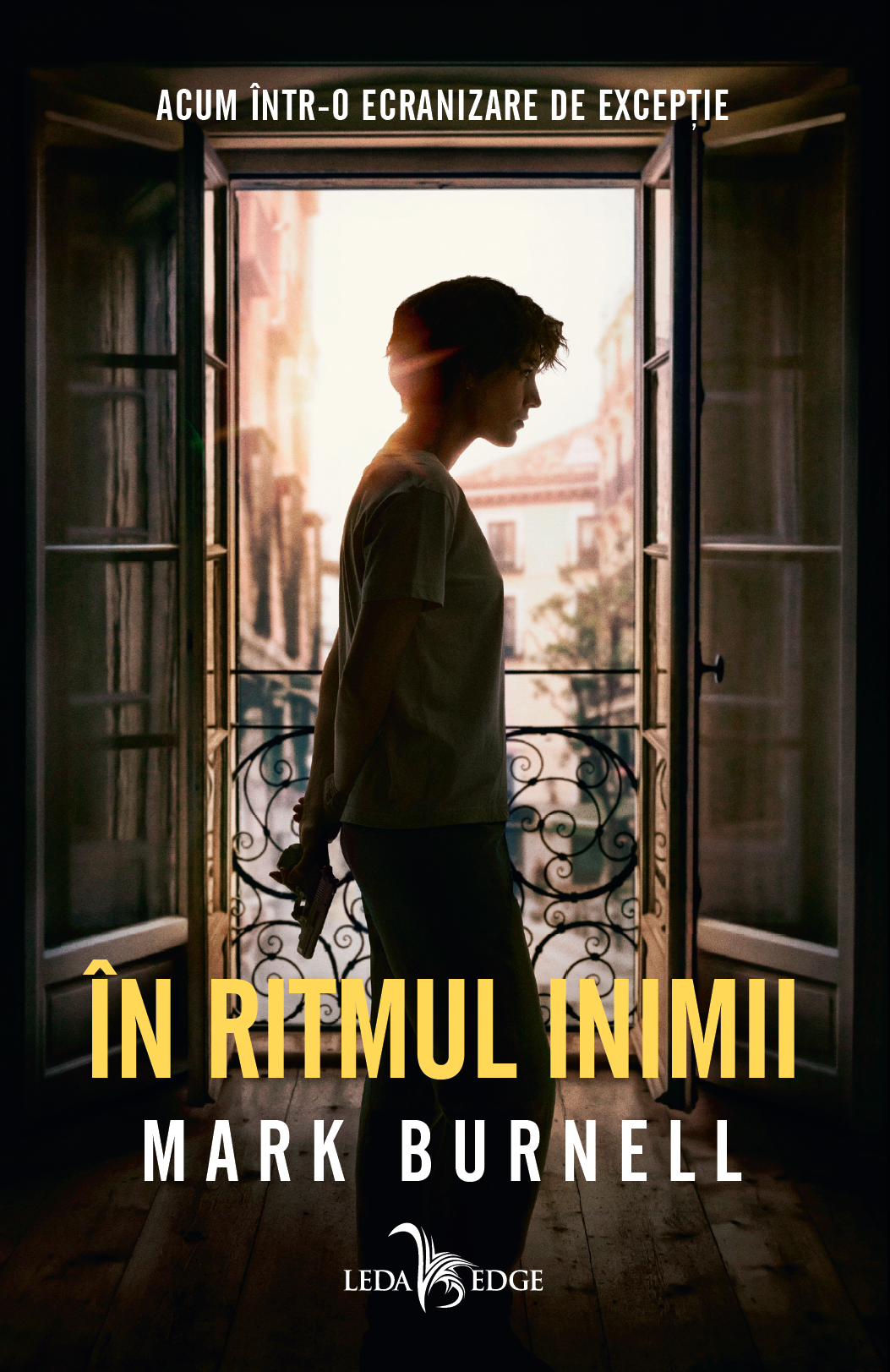
This book was a great story; I can see it absolutely killing it as a movie.
The Rhythm Section is a mashup of Bourne Identity and The Red Sparrow trilogy; Stephanie Patrick reminded me of a combination of Lisbeth Salander and Dominika Egorova.
Reading through the reviews, I recognize a few issues some people will have with this book.
1) I notice a lot of women read this and did not enjoy it. They found it "tropey" (because it was written by a dude, and apparently only women are allowed to write female characters?), and they found it "hard to understand." My guess is they weren't the target audience to begin with and actually came into it expecting a tropey, badass, unrealistic female lead (think Angelina Jolie in Tomb Raider). They weren't expecting a realistically flawed female character with PTSD and a filthy backstory.
2) Many were offended at the terrorist stereotypes. But it's a book set in a world of highjackers and terrorist cells, sooo... again, my guess is if someone came into the story expecting it to be PC, they were not the target audience. The interesting thing is this book was written in the 90s. And the author basically wrote a story about 9/11...PRE-9/11. I was impressed, again, at the author's insight. He did his research. Maybe even had some premonition as a result of the research.
So essentially, a bunch of women read this book and wanted it to have a sparkly, clean female lead that can beat the crap out of men without regard to physics because feminism. Ironically, given that this book was written in the 90s, I personally was impressed with the author's propensity towards feminism with a strong, intelligent, flawed, unrelenting, female lead. But it appears, according to the feminism experts, I'm wrong on that front. Or maybe we're doing feminism wrong, ladies. I'm still confused about half the messages half the women out there try to send these days. I think they are too. #unpopularopiniontime
I'll be the first to admit, I'm learning to understand more of the vernacular and culture of the world of espionage, but I still can feel like I'm wading through this genre at times. I'm kind of learning as I go (I'm embarrassed to admit I had to look up what symtex was). This is my issue; this isn't the author's issue. And if a lot of the reviewers out there were honest, this was their issue too. Now that I've flagrantly pissed off a lot of people...
I'd rate this book an R for violence, swearing, drugs and alcohol, sex, and adult themes such as PTSD and grief and terrorism.