

What do you think?

Bizans İmparatorluğu Tarihi
Bizans'ın tarihi, Megaralı Yunanların MÖ 7. yüzyılda Bosforos, yani İstanbul Boğazı'nın güney girişinde Byzantion adını verdikleri bir kent kurmasıyla başlar. Yunan dünyasında ticari ve stratejik bir merkez haline gelen kent, Roma döneminde imparatorluğun Doğu kısmının idari merkezi olur. Daha sonra imparator Konstantin başkenti Roma'dan buraya taşır ve kente Konstantinopolis adı verilir. Batı Roma'nın yıkılışından sonra Doğu Roma İmparatorluğu'nu bir süre daha Romalı hanedanlar yönetir. MS 9. yüzyılda yönetim bir Yunan hanedana geçer. İşte tarihçiler bu noktadan itibaren Bizans İmparatorluğu'ndan söz etmeye başlarlar. Bizans, yüzyıllarca hem hırslı generallerin isyanlarıyla içeriden hem de Gotlar, Persler, Avarlar, Slavlar, Franklar ve Araplar gibi kavimlerin yoğun saldırılarıyla dışarıdan yıpratılır ve en sonunda 1453 yılında Konstantinopolis'in Türklerin eline geçmesiyle tarihten silinir.
Oxford Üniversitesi tarih profesörü Charles Oman'ın sayısız kaynak tarayarak büyük titizlikle hazırladığı Bizans İmparatorluğu Tarihi en iyi Bizans Tarihi kitaplarından biridir. Sürükleyici bir romandan farksız. Elinizden bırakamayacaksınız.
Oxford Üniversitesi tarih profesörü Charles Oman'ın sayısız kaynak tarayarak büyük titizlikle hazırladığı Bizans İmparatorluğu Tarihi en iyi Bizans Tarihi kitaplarından biridir. Sürükleyici bir romandan farksız. Elinizden bırakamayacaksınız.
280 pages, Paperback
First published January 1, 1892
About the author
Charles Oman
529 books50 followersSir Charles William Chadwick Oman was a British military historian of the early 20th century. His reconstructions of medieval battles from the fragmentary and distorted accounts left by chroniclers were pioneering. His style is an invigorating mixture of historical accuracy and emotional highlights, and it makes his narratives, though founded on deep research, often read as smoothly as fiction, especially in his History of the Peninsular War. Occasionally, his interpretations have been challenged, especially his widely copied thesis that British troops defeated their Napoleonic opponents by firepower alone. Paddy Griffith, among modern historians, claims the British infantry's discipline and willingness to attack were equally important.
He was born in India, the son of a British planter, and was educated at Oxford University, where he studied under William Stubbs. In 1881 he was elected to a Prize Fellowship at All Souls College, where he would remain for the rest of his career.
He was elected the Chichele Professor of modern history at Oxford in 1905, in succession to Montagu Burrows. He was also elected to the FBA that year, serving as President of the Royal Historical and Numismatic societies, and of the Royal Archaeological Institute.
His academic career was interrupted by the First World War, during which he was employed by the government Press Bureau and Foreign Office.
Oman was a Conservative member of Parliament for the University of Oxford constituency from 1919 to 1935, and was knighted in 1920.
He became an honorary fellow of New College in 1936 and received the honorary degrees of DCL (Oxford, 1926) and LL.D (Edinburgh, 1911 and Cambridge, 1927). He died at Oxford.
Two of his children became authors. Son Charles wrote several volumes on British silverware and similar housewares. Daughter Carola was notable for her biographies, especially that of Nelson.
He was born in India, the son of a British planter, and was educated at Oxford University, where he studied under William Stubbs. In 1881 he was elected to a Prize Fellowship at All Souls College, where he would remain for the rest of his career.
He was elected the Chichele Professor of modern history at Oxford in 1905, in succession to Montagu Burrows. He was also elected to the FBA that year, serving as President of the Royal Historical and Numismatic societies, and of the Royal Archaeological Institute.
His academic career was interrupted by the First World War, during which he was employed by the government Press Bureau and Foreign Office.
Oman was a Conservative member of Parliament for the University of Oxford constituency from 1919 to 1935, and was knighted in 1920.
He became an honorary fellow of New College in 1936 and received the honorary degrees of DCL (Oxford, 1926) and LL.D (Edinburgh, 1911 and Cambridge, 1927). He died at Oxford.
Two of his children became authors. Son Charles wrote several volumes on British silverware and similar housewares. Daughter Carola was notable for her biographies, especially that of Nelson.
Ratings & Reviews
Friends & Following
Create a free account to discover what your friends think of this book!
Community Reviews
Displaying 1 - 24 of 24 reviews

February 4, 2020
A lovely general history of the Byzantine Empire with some tongue in cheek humor and gossip from the time period included. The book glosses over some rulers as unimportant and goes very in-depth on emperors and generals the author considers more historical, in that he feels they changed laws or won important strategical battles. The language is on occasion politically incorrect for today's reader, but when the book was written in 1892, these descriptives of various peoples were being used by the scientific community. Overall a great historical read.
June 25, 2022
This is one of the best history books I’ve ever listened to. Part of it is my interest in reading about Byzantine and another part was due to the writing style. I enjoyed the narration and the way the book presents historical accounts objectively. The Byzantine Empire: An empire that lasted almost 11 centuries, with rich history and many drastic changes. An empire that saw many turning points in history, the coming of many nations and civilizations, the rise and fall of new empires, the rise of religious movements, and the expansion and changes in trade and economy as a whole.
Origins:
Byzantium was a Greek city during classical antiquity and prior to the rise of the Roman and Macedonian empires. Like Athens, it was known for its strong independence and success in the black sea trade. The word “Byzantium” originates from the word Byzas: the founder of the city (around 667 B.C). There were wars around the 5th BC between Athen and Byzantium, however, Byzantium gained independence and resumed their trades. Until the rise of Philip II of Macedon conquered the city. During that time, an emblem was created–star and crescent–as a symbolic sign for the city which is associated with the Goddess, Hecate, which also became a symbol for many nations. Later, Rome conquered Byzantium but they were on good terms and had shown an alliance with Rome during the war with Macedon.
Dynasties:
There were 16 dynasties, the first being the Constantinian dynasty (4th century AD) and the last, the Palaiologan Dynasty. The Roman emperor, Diocletian, instituted a form of government called a tetrarchy in the 3rd century (known as the third-century crisis) to save the empire from its fall. This meant that there were two senior emperors (Augusti) in the empire and two junior emperors (Caesars). Constantine was a caesar and later became an Augusti. Rome at the time was at risk of Balkan and other foreign attacks. Constantine wanted a city that has a commercial route, was easily accessible by land and sea and is protected from the attacks of the north. This city was Byzantium, which later was named Constantinople (Constantinopolis: the city of Constantine) in honor of Constantine. Constantine constructed the city model as Rome. It was known as the Nova Roma: New Rome. Constantine then implemented a monument in which all distances of the city will be measured relative to it (just like the milestone, Milliarium Aureum, in Rome). Constantine converted to Christianity and the empire became Christian which shifted the Roman into a new change between the east and west of the empire. However, the attacks of the Goths in the Western provinces weakened the Roman empire thus in 376 AD, the empire was divided into East and West. The Valentinian dynasty ruled in the Roman Empire and later the Theodosian dynasty succeeded in the Eastern Roman Empire.
The two longest dynasties were the Macedonian and the Palaiologian dynasty. The Macedonian dynasty was very literate and produced many literary works in Byzantine literature. During this dynasty (between 867-1056 AD), the empire saw its Renaissance. Trades were flourishing, they were less troubled by foreign wars, and Byzantine art flourished.
The empire saw its decline by the 11th century onwards, specifically during the Palaiologian dynasty (1261–1453 AD) which raged two civil wars that gave chances for foreign attackers to siege provinces. The Palaiologian dynasty saw drastically the fall of the empire. The empire later consisted only of Constantinople, Adrianople, Thessalonica, and the Byzantine province in the Peloponnese. And finally, the siege of Constantinople in 1453 AD by the Ottoman Empire.
List of important dynasties:
1. Constantinian Dynasty
2. Theodosian Dynasty
3. Heraclian Dynasty
4. Justinian Dynasty
5. Macedonian Dynasty
6. Palaiologan Dynasty
Emperors:
The empire had many ups and downs, and this came along with the rise of different emperors. There were twenty years of anarchy that was a non-dynastic form of ruling, which was followed by violence and distortion.
Some emperors were known to be “good” (by what standard? It isn’t that clear, but we can say that they aren’t so violent–an absence of violence), one of them was Theodosian II who was a minor when succeeded to the throne. He is known to be wise and made wise commercial treaties with the king of Persia.
Basil II is one of the important emperors. He was strategic and dedicated to war and religion. Basil II, known as the Bulgar-Slayer, campaigned against Bulgaria and, later, the East. He added many Armenian districts to the empire.
Justinian I was one of the emperors that dedicated his reign to foreign conquests and reconquests. He was able to retake Italy with sufferable consequences to the empire. He is also widely known as the judicial reformer. The legislation, Corpus Juris Civilis, consists of the codification of the Roman Law, Codex Justinianeus, the Pandectae, the Institutiones, and the Novellae.
Another well-known emperor is Heraclius, who was successful in the Byzantine-Sassanid War but was not able to succeed in the Muslim conquest of Syria. During his reign, the language was formally changed from Latin to Greek.
Constantine X was the last emperor of the Byzantine Empire, he witnessed the end of the Roman civilization with great territorial losses. He was considered the only good emperor in the Palaiologian dynasty. Due to the civil war that further weakened the empire, the Ottoman Empire was able to siege Constantinople (29 May 1453). Constantine X first showed rebellion but later gave up the capital and was later sentenced to death.
Foreign Wars and Major shifts:
The empire witnessed several wars ranging from north to east. It is the emperor’s strategy that helped stabilize or deteriorate the empire. Justinian the Great was able to get Italy into the Byzantine provinces. However, the empire saw poverty as a consequence of Justinian wars, especially in Rome. The population decreased and it was hard for the succeeding emperors to stabilize the empire.
Wars occurred frequently. At first, there were the goths and the Huns. The Gothic wars occurred during the first centuries and were mostly concerned with the western part of the empire, and Rome was sacked during the Gothic War between 401 and 403 AD. Justinian I succeeded in retaking Italy from the Ostrogothic kingdom.
Several–and important–wars/conquests occurred:
1. Gothic Wars (During the Theodosian and Justinian dynasty)
2. Persian Wars (Mostly during the Heraclian dynasty)
3. The first and second siege of Constantinople by the Arabs (During the Heraclian and Isaurian dynasty)
4. Bulgar Wars (Battle of Pliska and during the reign of Basil II)
5. Muslim Conquests
6. Seljuk Wars in Asia Minor (Battle of Manzikert)
7. Byzantine-Serbian Wars
8. The crusades (Specifically the Fourth Crusade)
9. Byzantine-Ottoman wars
The sack of Constantinople was a major shift in the empire by the crusaders. In failing to adhere to the supremacy of the Pope over the Eastern Church, they sacked the city during the reign of Alexios V Doukas in 1204 AD. The crusaders settled and the empire was divided into the Latin Empire (known as the Frankokratia) and the Empire of Nicea. Theodore, I Laskaris was elected emperor a day before the sack. He was courageous and managed to stop further Latin conquests and repelled Seljuk attacks.
Religion:
There were still similarities between the Roman and Byzantine Empires. Byzantine was an extension of the Roman Empire. The major difference between the two was religion. By the 7th century, the Roman spirit vanished. Greek dominated the empire. One of the impacts of Christianity was the liberation of slaves: this was a result of the belief that all human soul is important and is equal in the eyes of God.
Religion had an impact on people’s lives. They were thoroughly mystical and engaged in several disputes between churches. Church councils (seven) were made as a result of this.
The great schism (Eastern-Western Schism) occurred during the 11th century between Catholic and Orthodox churches.
Icons were widely popular and sacred in the orthodox faith. Until the religious authority opposed laws against Icons–Iconoclasm. There were two iconoclasms. The first occurred in the 8th century in the Second Council of Nicea and the second occurred in the 9th century.
The Empire:
I love reading about the Byzantine empire. It has so much history from different aspects. There is still so much to learn. I would love to read more about the Macedonian dynasty, the Palaiologian dynasty, and the Angelid dynasty. Some foreign wars I’d like to know about are the fourth crusade (and the crusaders, generally), Gothic Wars, Persian Wars, the Muslim conquest of Sicily, Seljuk wars, and Ottoman wars.
The empire was more stable than the Roman empire. It expanded many times; however, some of the provinces did not last that long. The empire engaged in many wars, lost and succeeded in some, but was able to maintain stability over time. The end of the Byzantine empire is marked as the end of Roman Civilization. However, due to the Christianization of the empire, I do see that many of the Roman traditions and civilization vanished over time. Especially after they have established Greek as their official language.
The book did not talk much about the economic aspects of the empire, and I seldom know about it. But I do know that Constantine I established the first coinage–Solidus–which is highly pure gold. Later, several reforms occurred, and sometimes some emperors would impurify the coin which later led to the introduction of a new gold coin during the reign of Alexios I Kemnenos known as the hyperpyron nomisma. Taxation was (I believe) high due to the engagement in wars and conquests. The book does not talk about society and its conditions which led to my curiosity to explore more in this area.
Origins:
Byzantium was a Greek city during classical antiquity and prior to the rise of the Roman and Macedonian empires. Like Athens, it was known for its strong independence and success in the black sea trade. The word “Byzantium” originates from the word Byzas: the founder of the city (around 667 B.C). There were wars around the 5th BC between Athen and Byzantium, however, Byzantium gained independence and resumed their trades. Until the rise of Philip II of Macedon conquered the city. During that time, an emblem was created–star and crescent–as a symbolic sign for the city which is associated with the Goddess, Hecate, which also became a symbol for many nations. Later, Rome conquered Byzantium but they were on good terms and had shown an alliance with Rome during the war with Macedon.
Dynasties:
There were 16 dynasties, the first being the Constantinian dynasty (4th century AD) and the last, the Palaiologan Dynasty. The Roman emperor, Diocletian, instituted a form of government called a tetrarchy in the 3rd century (known as the third-century crisis) to save the empire from its fall. This meant that there were two senior emperors (Augusti) in the empire and two junior emperors (Caesars). Constantine was a caesar and later became an Augusti. Rome at the time was at risk of Balkan and other foreign attacks. Constantine wanted a city that has a commercial route, was easily accessible by land and sea and is protected from the attacks of the north. This city was Byzantium, which later was named Constantinople (Constantinopolis: the city of Constantine) in honor of Constantine. Constantine constructed the city model as Rome. It was known as the Nova Roma: New Rome. Constantine then implemented a monument in which all distances of the city will be measured relative to it (just like the milestone, Milliarium Aureum, in Rome). Constantine converted to Christianity and the empire became Christian which shifted the Roman into a new change between the east and west of the empire. However, the attacks of the Goths in the Western provinces weakened the Roman empire thus in 376 AD, the empire was divided into East and West. The Valentinian dynasty ruled in the Roman Empire and later the Theodosian dynasty succeeded in the Eastern Roman Empire.
The two longest dynasties were the Macedonian and the Palaiologian dynasty. The Macedonian dynasty was very literate and produced many literary works in Byzantine literature. During this dynasty (between 867-1056 AD), the empire saw its Renaissance. Trades were flourishing, they were less troubled by foreign wars, and Byzantine art flourished.
The empire saw its decline by the 11th century onwards, specifically during the Palaiologian dynasty (1261–1453 AD) which raged two civil wars that gave chances for foreign attackers to siege provinces. The Palaiologian dynasty saw drastically the fall of the empire. The empire later consisted only of Constantinople, Adrianople, Thessalonica, and the Byzantine province in the Peloponnese. And finally, the siege of Constantinople in 1453 AD by the Ottoman Empire.
List of important dynasties:
1. Constantinian Dynasty
2. Theodosian Dynasty
3. Heraclian Dynasty
4. Justinian Dynasty
5. Macedonian Dynasty
6. Palaiologan Dynasty
Emperors:
The empire had many ups and downs, and this came along with the rise of different emperors. There were twenty years of anarchy that was a non-dynastic form of ruling, which was followed by violence and distortion.
Some emperors were known to be “good” (by what standard? It isn’t that clear, but we can say that they aren’t so violent–an absence of violence), one of them was Theodosian II who was a minor when succeeded to the throne. He is known to be wise and made wise commercial treaties with the king of Persia.
Basil II is one of the important emperors. He was strategic and dedicated to war and religion. Basil II, known as the Bulgar-Slayer, campaigned against Bulgaria and, later, the East. He added many Armenian districts to the empire.
Justinian I was one of the emperors that dedicated his reign to foreign conquests and reconquests. He was able to retake Italy with sufferable consequences to the empire. He is also widely known as the judicial reformer. The legislation, Corpus Juris Civilis, consists of the codification of the Roman Law, Codex Justinianeus, the Pandectae, the Institutiones, and the Novellae.
Another well-known emperor is Heraclius, who was successful in the Byzantine-Sassanid War but was not able to succeed in the Muslim conquest of Syria. During his reign, the language was formally changed from Latin to Greek.
Constantine X was the last emperor of the Byzantine Empire, he witnessed the end of the Roman civilization with great territorial losses. He was considered the only good emperor in the Palaiologian dynasty. Due to the civil war that further weakened the empire, the Ottoman Empire was able to siege Constantinople (29 May 1453). Constantine X first showed rebellion but later gave up the capital and was later sentenced to death.
Foreign Wars and Major shifts:
The empire witnessed several wars ranging from north to east. It is the emperor’s strategy that helped stabilize or deteriorate the empire. Justinian the Great was able to get Italy into the Byzantine provinces. However, the empire saw poverty as a consequence of Justinian wars, especially in Rome. The population decreased and it was hard for the succeeding emperors to stabilize the empire.
Wars occurred frequently. At first, there were the goths and the Huns. The Gothic wars occurred during the first centuries and were mostly concerned with the western part of the empire, and Rome was sacked during the Gothic War between 401 and 403 AD. Justinian I succeeded in retaking Italy from the Ostrogothic kingdom.
Several–and important–wars/conquests occurred:
1. Gothic Wars (During the Theodosian and Justinian dynasty)
2. Persian Wars (Mostly during the Heraclian dynasty)
3. The first and second siege of Constantinople by the Arabs (During the Heraclian and Isaurian dynasty)
4. Bulgar Wars (Battle of Pliska and during the reign of Basil II)
5. Muslim Conquests
6. Seljuk Wars in Asia Minor (Battle of Manzikert)
7. Byzantine-Serbian Wars
8. The crusades (Specifically the Fourth Crusade)
9. Byzantine-Ottoman wars
The sack of Constantinople was a major shift in the empire by the crusaders. In failing to adhere to the supremacy of the Pope over the Eastern Church, they sacked the city during the reign of Alexios V Doukas in 1204 AD. The crusaders settled and the empire was divided into the Latin Empire (known as the Frankokratia) and the Empire of Nicea. Theodore, I Laskaris was elected emperor a day before the sack. He was courageous and managed to stop further Latin conquests and repelled Seljuk attacks.
Religion:
There were still similarities between the Roman and Byzantine Empires. Byzantine was an extension of the Roman Empire. The major difference between the two was religion. By the 7th century, the Roman spirit vanished. Greek dominated the empire. One of the impacts of Christianity was the liberation of slaves: this was a result of the belief that all human soul is important and is equal in the eyes of God.
Religion had an impact on people’s lives. They were thoroughly mystical and engaged in several disputes between churches. Church councils (seven) were made as a result of this.
The great schism (Eastern-Western Schism) occurred during the 11th century between Catholic and Orthodox churches.
Icons were widely popular and sacred in the orthodox faith. Until the religious authority opposed laws against Icons–Iconoclasm. There were two iconoclasms. The first occurred in the 8th century in the Second Council of Nicea and the second occurred in the 9th century.
The Empire:
I love reading about the Byzantine empire. It has so much history from different aspects. There is still so much to learn. I would love to read more about the Macedonian dynasty, the Palaiologian dynasty, and the Angelid dynasty. Some foreign wars I’d like to know about are the fourth crusade (and the crusaders, generally), Gothic Wars, Persian Wars, the Muslim conquest of Sicily, Seljuk wars, and Ottoman wars.
The empire was more stable than the Roman empire. It expanded many times; however, some of the provinces did not last that long. The empire engaged in many wars, lost and succeeded in some, but was able to maintain stability over time. The end of the Byzantine empire is marked as the end of Roman Civilization. However, due to the Christianization of the empire, I do see that many of the Roman traditions and civilization vanished over time. Especially after they have established Greek as their official language.
The book did not talk much about the economic aspects of the empire, and I seldom know about it. But I do know that Constantine I established the first coinage–Solidus–which is highly pure gold. Later, several reforms occurred, and sometimes some emperors would impurify the coin which later led to the introduction of a new gold coin during the reign of Alexios I Kemnenos known as the hyperpyron nomisma. Taxation was (I believe) high due to the engagement in wars and conquests. The book does not talk about society and its conditions which led to my curiosity to explore more in this area.
March 14, 2021
En välskriven och intensiv beskrivning av Byzantinska rikets historia. Oman är personlig, intressant och tar upp detaljer som inte var välkända för mig. På grund av materialrikedomen var jag tvungen att börja om ett par gånger, vilket dock inte var till nackdel, för ytterligare detaljer blev intressanta i ljuset av den upprepade läsningen. Jag rekommenderar den för historienördar.

October 28, 2015
A great, if old, primer!
The book is old, published at the close of the 19th century, and it shows at times. On the whole the book is a great primer though, and is a good first read to lower oneself into Byzantine history - which is useful since its history spans over 1000 years. I enjoyed it, and look forward to learning and reading more. For me it helped put some events into perspective, and also learned about some for the very first time; however on others I wish it would have went into a little more detail.
The book is old, published at the close of the 19th century, and it shows at times. On the whole the book is a great primer though, and is a good first read to lower oneself into Byzantine history - which is useful since its history spans over 1000 years. I enjoyed it, and look forward to learning and reading more. For me it helped put some events into perspective, and also learned about some for the very first time; however on others I wish it would have went into a little more detail.
December 17, 2018
This book is amazing overview of the Byzantine Empire from Constantine to The Siege of 1453. I would give this book a 5-star if it weren't for the fact that it is a bit dated in some of its terminology and some might find it offensive at times. (4.5)
August 27, 2018
This was a fantastic read. It covers both the imperial reigns and the ever changing regional politics over the course of the empire. I enjoyed it.

January 6, 2020
Well written
Great history of the eastern Roman Empire. I enjoyed the book from beginning to end. I would like to read a history of the ottoman rule of Constantinople..
Great history of the eastern Roman Empire. I enjoyed the book from beginning to end. I would like to read a history of the ottoman rule of Constantinople..

Read
April 19, 2020https://www.gutenberg.org/files/37756...
Yukaridaki sitede asıl metin mevcut dileyen oradan da okuyabilir. Say Yayınları yine çevirmen konusunda bir miktar düşündürdü. Çünkü bazı cümlelerde nesne bazı cümlele özne yok. Cümle havada kalmış. Anlam vermek mümkün değil. Ama bunlar bir kaç yerde var ve kitabın güzel havasını kaçırmıyor. İlk sayfalarda o kadar çok imparator yer tarih ve olaya gömülüyorsunuz ki bıkabilirsiniz ama sabrederseniz bu durum ilerde açılıyor. Kendi kuruluş tarihimizi düşünün tanıdık geldiği için yadırgamıyoruz. Bir aşinalık var. Bizans tarihine de aynı hesapla yaklaşınca kavramak daha kolay oluyor. Öte taraftan yazarın bu kitabı 1800'lerde kaleme aldığını unutmamalı bir kenara koymalı dikkatsiz okuyucular için. Yazar kitabın başında çağdaşlarının çok yerdiği Bizansın tarihini farklı bir şekilde anlatma iddiası ile karşımıza çıkıyor. Yaklaşık üç yüz sayfalık kitaba bin yıllık bir tarih sığdırılmaya çalışılmış. Bölümler kısa kısa ilerliyor. Uzun bir tarih anlatımı var meraka düşüyorsunuz. Sosyal hayat üzerine bir şey yok mu? Var onunla da ilgili bir bölüm var bunun dışında anlatım kronolojik. Benim en çok merak ettiğim hususlar İslamiyetin doğuşu ve Türkler ile kesişme noktası kitapta nasıl ele alınıyordu. El cevap yazar son derece katı bir hıristiyan görüşü ile olayları ele almış. Haçlılar dindar hacılar iken müslümanların gözü dönmüş fanatikler olduğunu okuduğunuzda kantarın topuzunun biraz kaçtığını anlıyorsunuz. Onun dışında bu Bizanz filmlerdeki Bizans mı sorusuna cevabım biraz evet biraz hayır. İmparatorların bir çoğu tahttan ayrılırken gözleri dağlandı. Göz dağlama tanıdık gelebilir. Entrika vardı ayrıca bir de burun kesme, tahtın sürekli el değiştirmesi bunlarda sık karşılacağınız şeyler kitapta. Ve son olarak biraz hüzün. Bu topraklarda bir zaman gezenler hükümran olanlar ve şimdi hiç adları anılmayan insanlar nerdeler, ne haldeler? Gelip geçici şu dünyada insan hüzünleniyor bir hendekte askerleri ile kalan İmparator Konstatin için bile. Birazdan ölecek. Adı bir kaç kitap anılacak. Belki zalimdi belki öteki idi ama insandı. Farklı bakış açısı farklı düşünçeler farklı bir tarih penceresi için denenebilir bir kitap iyi okumalar.
Yukaridaki sitede asıl metin mevcut dileyen oradan da okuyabilir. Say Yayınları yine çevirmen konusunda bir miktar düşündürdü. Çünkü bazı cümlelerde nesne bazı cümlele özne yok. Cümle havada kalmış. Anlam vermek mümkün değil. Ama bunlar bir kaç yerde var ve kitabın güzel havasını kaçırmıyor. İlk sayfalarda o kadar çok imparator yer tarih ve olaya gömülüyorsunuz ki bıkabilirsiniz ama sabrederseniz bu durum ilerde açılıyor. Kendi kuruluş tarihimizi düşünün tanıdık geldiği için yadırgamıyoruz. Bir aşinalık var. Bizans tarihine de aynı hesapla yaklaşınca kavramak daha kolay oluyor. Öte taraftan yazarın bu kitabı 1800'lerde kaleme aldığını unutmamalı bir kenara koymalı dikkatsiz okuyucular için. Yazar kitabın başında çağdaşlarının çok yerdiği Bizansın tarihini farklı bir şekilde anlatma iddiası ile karşımıza çıkıyor. Yaklaşık üç yüz sayfalık kitaba bin yıllık bir tarih sığdırılmaya çalışılmış. Bölümler kısa kısa ilerliyor. Uzun bir tarih anlatımı var meraka düşüyorsunuz. Sosyal hayat üzerine bir şey yok mu? Var onunla da ilgili bir bölüm var bunun dışında anlatım kronolojik. Benim en çok merak ettiğim hususlar İslamiyetin doğuşu ve Türkler ile kesişme noktası kitapta nasıl ele alınıyordu. El cevap yazar son derece katı bir hıristiyan görüşü ile olayları ele almış. Haçlılar dindar hacılar iken müslümanların gözü dönmüş fanatikler olduğunu okuduğunuzda kantarın topuzunun biraz kaçtığını anlıyorsunuz. Onun dışında bu Bizanz filmlerdeki Bizans mı sorusuna cevabım biraz evet biraz hayır. İmparatorların bir çoğu tahttan ayrılırken gözleri dağlandı. Göz dağlama tanıdık gelebilir. Entrika vardı ayrıca bir de burun kesme, tahtın sürekli el değiştirmesi bunlarda sık karşılacağınız şeyler kitapta. Ve son olarak biraz hüzün. Bu topraklarda bir zaman gezenler hükümran olanlar ve şimdi hiç adları anılmayan insanlar nerdeler, ne haldeler? Gelip geçici şu dünyada insan hüzünleniyor bir hendekte askerleri ile kalan İmparator Konstatin için bile. Birazdan ölecek. Adı bir kaç kitap anılacak. Belki zalimdi belki öteki idi ama insandı. Farklı bakış açısı farklı düşünçeler farklı bir tarih penceresi için denenebilir bir kitap iyi okumalar.
May 5, 2020
This book was written in the late 19th century and it is not only a History of the Byzantine Empire but a reflection on the time it was written. The Ottoman Empire was still in existence as was the Austro- Hungarian Empire. World War I was several years in the future. Some of the terminology was a bit antiquated and there were ethnic references that are no longer used. In all I found the book to be a good read. The adaptation to electronic media was very well done. I started reading it on my Kindle Voyage but I found that it was more enjoyable to read on my Kindle Fire.

May 11, 2024
Having in mind that this is a book written in 1892, I find it to be an interesting read: Not only you learn about the Byzantine empire, but also about the biased writing of that time, judging the emperors to be evil, deceitful or the opposite, making the them very one-sided and fairytale’ish.
Highly advisable to read a more up to date history book for comparison and getting a more nuanced view at the time.
Highly advisable to read a more up to date history book for comparison and getting a more nuanced view at the time.
September 5, 2024
What a brilliant account of an empire that on the surface had a lot going for it.
However, as always some of its rulers managed due to their incompetence or personal vices, allowed decay to set in, and ultimately enabled its enemies to bring it to its end.
History rhymes, and we seem to live through similar changes today.
The human condition - greed and envy - will always disrupt any possible evolution to a high state of being.
However, as always some of its rulers managed due to their incompetence or personal vices, allowed decay to set in, and ultimately enabled its enemies to bring it to its end.
History rhymes, and we seem to live through similar changes today.
The human condition - greed and envy - will always disrupt any possible evolution to a high state of being.

April 26, 2022
Decent enough of an overview but with some omissions
This is very readable. However , the Great Schism of 1054 is hardly mentioned. The Council of Florence receives slightly more space. The treatment of the Iconoclastic Controversy sees the author weigh in with his feelings about icons: he does not like them. The last two emperors are misnumbered!
This is very readable. However , the Great Schism of 1054 is hardly mentioned. The Council of Florence receives slightly more space. The treatment of the Iconoclastic Controversy sees the author weigh in with his feelings about icons: he does not like them. The last two emperors are misnumbered!

August 20, 2025
A good walkthrough of the political history of the Byzantine Empire. If you're interested in it's history and are fairly new to it, it's a must read!
What I missed is the life the common people, how social structures, customs, economy etc., changed through time. The book mainly is about the emperors only.
What I missed is the life the common people, how social structures, customs, economy etc., changed through time. The book mainly is about the emperors only.

August 9, 2024
It’s an easy-to-read general overview of the Byzantine empire. It’s in the public domain so it’s easily accessible which is what drew me to the book. The book was written in the late 1800s and that is very clear by the words and opinions held by the author which become more apparent towards the end of the book. Overall it is a good jumping off point into the world of byzantine history. It filled in a lot of the gaps I had around the events leading up to the rise of the ottomans.
October 21, 2019
A history book that reads like a novel. It was enjoyable to read and learn about the history of that area of the world in Roman times.

January 19, 2023
Some great information but dry overall and dated perspective.

April 29, 2024
A well researched tome that combines contributions from various authors to produce a comprehensive and scholarly account that deals with both the rise and fall of the Byzantine Empire. The book offers a thorough analysis of the political, social, cultural and economic dimensions of the Byzantine Empire and presents itself as a valuable resource for scholars, students, and those interested in the history of the Eastern Roman Empire.
The book covers key events such as the founding of Constantinople, the reign of various leaders including Justinian I, the crusades, the rise of Islam, and the iconoclastic controversy. Importantly, the book investigates military campaigns, contributions to art, architecture, !literature, and its complex relationships with various states. The Hagia Sophia is brought to life in the book giving flavour to its existence and how it shaped and was shaped by the events around it.
Overall this is a well researched, informative book that sheds important light on a fascinate period of history that continues to influence relationship day alive today.
The book covers key events such as the founding of Constantinople, the reign of various leaders including Justinian I, the crusades, the rise of Islam, and the iconoclastic controversy. Importantly, the book investigates military campaigns, contributions to art, architecture, !literature, and its complex relationships with various states. The Hagia Sophia is brought to life in the book giving flavour to its existence and how it shaped and was shaped by the events around it.
Overall this is a well researched, informative book that sheds important light on a fascinate period of history that continues to influence relationship day alive today.
May 25, 2020
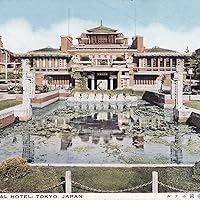
"At last the Sultan came to St. Sophia, where the crowd of wailing captives was being divided among his soldiery. He rode in at the eastern door, and bade a mollah ascend the pulpit and repeat there the formula of the Moslem faith. So the cry that God was great and Mohammed his prophet rang through the dome where thirty generations of patriarchs had celebrated the Holy Mysteries, and all of Europe and Asia knew the end was come of the longest tale of Empire that Christendom has yet seen."

November 11, 2012
A some what dated survey history of the Byzantine Empire, it is useful at this point for historigraphy and reflection but not much more. Interestingly Chadwick claims to dismiss Gibbon but himself dismisses the last two hundred years of Imperial history. I enjoyed reading it, however, I would recommend a more modern or perhaps focused work, depending on the reader's interests.

October 6, 2016
Consisting of concise reviews of the emperors with convincing analyses, this book is a good introduction to and a decent reference of this empire quite mysterious to me.
August 11, 2017
Exelent book
This was a fantastic history of the Eastern Roman Empire. It was well written and easy to follow. You'll love this book.
This was a fantastic history of the Eastern Roman Empire. It was well written and easy to follow. You'll love this book.
May 17, 2020
Humanizing.

September 12, 2020
This is a very basic and general overview of the Byzantine Empire.
Displaying 1 - 24 of 24 reviews