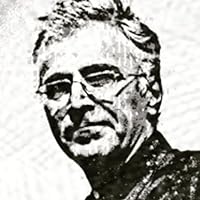
Der deutsche Schriftsteller und Übersetzer gilt als einer der bedeutendsten deutschen Autoren der Nachkriegszeit. Er schrieb Gedichte, Kurzgeschichten und Romane, von denen auch einige verfilmt wurden. Dabei setzte er sich kritisch mit der jungen Bundesrepublik auseinander. Zu seinen erfolgreichsten Werken zählen "Billard um halbzehn", "Ansichten eines Clowns" und "Gruppenbild mit Dame". Den Nobelpreis für Literatur bekam Heinrich Böll 1972; er war nach 43 Jahren der erste deutsche Schriftsteller, dem diese Auszeichnung zuteil wurde. 1974 erschien sein wohl populärstes Werk, "Die verlorene Ehre der Katharina Blum". Durch sein politisches Engagement wirkte er, gemeinsam mit seinem Freund Lew Kopelew, auf die europäische Literatur der Nachkriegszeit. Darüber hinaus arbeitete Böll gemeinsam mit seiner Frau Annemarie als Herausgeber und Übersetzer englischsprachiger Werke ins Deutsche...
Heinrich Böll became a full-time writer at the age of 30. His first novel, Der Zug war pünktlich (The Train Was on Time), was published in 1949. Many other novels, short stories, radio plays, and essay collections followed. In 1972 he received the Nobel Prize for Literature "for his writing which through its combination of a broad perspective on his time and a sensitive skill in characterization has contributed to a renewal of German literature." He was the first German-born author to receive the Nobel Prize since Hermann Hesse in 1946. His work has been translated into more than 30 languages, and he is one of Germany's most widely read authors.
هنريش بُل أديب مهتم بالسياسة بوجه عام وخاصةً السياسة والتغيرات في ألمانيا فترة ما بعد الحرب العالمية الثانية الرواية عن محاكمة في بلدة ألمانية صغيرة لأب وابنه قاموا بحرق سيارة تابعة للجيش الألماني, وبحث عن الدوافع وراء الحادث ومن خلال المحاكمة وأقوال الشهود والأحاديث الدائرة بين أهل البلدة, ينقد الكاتب مؤسسة الجيش والأوضاع الاقتصادية والاجتماعية في بلده فكرة الرواية مميزة وبعض أحداث المحاكمة كانت ممتعة وهزلية, لكن في العموم السرد بطئ وملئ بالتفاصيل
بر خلاف بقيه كتاب هايش دمار آدم را در مى آورد تا بخوانى اش! تعداد شخصيت ها خيلى زياد است و مدام يادت مى رود چى به چى و كى به كى بود! تا وسط هاى كتاب به نظرتان مى آيد كه كتاب آنقدر ها هم خط داستانى جذابى ندارد. به جاى حادثه و داستان، پر است از گفتگوهاى كسل كننده كه خيلى جاهاى آن، نيش و كنايه اى هم به نظام سياسى و بوروكراسى ادارى ِ وقت آلمان به چشم مى خورد، يعنى به نظرم هدفِ كل كتاب، اصلا همين است، ولى خواندنش همت بلند مى طلبد با اين حجم از كسل كنندگى!
مش ده "هاينرش بل" اللي أنا أعرفه .. تقريباً دي أول رواية أضيفها على جوود ريدز من غير ما أنتهي منها .. بس الحقيقة هي أحداثها بطئية أوي ومملة .. وكمان الترجمة مكنتش أفضل حاجة .. المترجم استخدم جمل بالعامية علشان كانت في النص الأصلي مكتوبة على أساس إنهم قرويين أو فلاحين يعني .. بس طبعاً مذكرش أي تنويه لده .. لكن زي ما ذكرت هي مشكلة الرواية إن مفيهاش أي أحداث مجرد سماع الشهود في قضية وكانت بأسلوب رتيب ..
OK, I get that it's a satire. The whole narrative concerns the trial of a father and son for setting fire to an army jeep as an artistic 'happening' or perhaps it is an anti-government protest. Some laughs to be had around the crazy bureaucracy of driving army vehicles aimlessly for thousands of miles just to get the speedo up to the next service, I can see it happening. The farcical evidence raises smiles too. It certainly provokes some wry smiles with its tableau of small town German characters, but somehow it wasn't worth the effort for me. Perhaps you need to be German.
I enjoyed rereading this. Böll has long been one of my favorite authors, yet it's been many years since I've reread most of his work. In the case of this one, wherein a father and son stand trial in their village in 1965 for burning an army jeep as a Happening, the passing years have enriched my understanding. Years ago, while I had a decent though not expert understanding of 20th-century German history, I had only a vague notion of what a Happening was. Reading this from the perspective of 2020, I greatly enjoyed this satirical look at village society and Germany's postwar recovery.
Whenever I read post-war German authors, I feel as though I'm missing something -- as those I'm not in on the joke they are telling. That's especially the case with Heinrich Boll, and this novel was another example of that. Yet I always keep reading.
Asi tisící kniha od Heinricha Bölla, ale tentokrát to byl spíš břichaböll. Celá knížka je o tom, že otec a syn zapálí auto, což u nás na vesnici dělaj kluci každou sobotu. V Německu je z toho ale povyk, takže na scénu nastupuje místní Matlock a my se přesouváme do soudní síně. Potom, co se rozebere historie všech statkářů, policistů a reportérů od jižního Bavorska až po polární záři se konečně dostaneme k rozuzlení, ale tou dobou už Pali spal jak zabitej v tramvaji kousek za Edenem. Vůbec nevím, proč jsem měl z knihy pozvracený boty, díru v peněžence a razítko na hlavě, ale když tak nad tím teď přemýšlím, tak to asi byla jiná noc. Už se mi to plete.
داستان کتاب جذاب بود. اما بعلت تعدد شخصیت های داستان مقداری آدم را سردرگم میکرد. اگر این تعدد کاراکترها را فاکتور بگیریم، در مجموع داستان خوبی داشت. ضمناً من ترجمه حسن نقره چی رو خوندم و راضی کننده بود.
شخصیت ها زیاد بودند و زیاد به جزئیات شخصیت ها پرداخته شده بود.همین باعث کسالت آوری کتاب شده و به خاطر ترجمه نه چندان خوب(ترجمه ناتالی چوبینه) آن نثر همیشگی بُل هم منتقل نشده
Bureaucracy, broadly-speaking, has become associated with illogically rigid adherence to procedure (a.k.a. red tape) and for jealously guarding purview over the tasks it exists to perform, even at the expense of performing those tasks well. Among bureaucracies, few are more famous (and alternately infamous) than those at work in the German state. Germany and its institutions have long had a reputation for order and efficiency. Yet there emerge dark and ridiculous ramifications from too literally and too closely following the rules that lead to orderliness. When following rules gets elevated from a method to a goal, order and efficiency disappear. English-language readers may immediately think of Joseph Heller's Catch-22 as an exploration of this bureaucratic dark side. Among German authors, with many examples to choose from, few so successfully and repeatedly satirized bureaucratic behavior as did Heinrich Böll.
Böll is usually considered part of Germany's post-war literature (Nachkriegsliteratur); a literary movement that sought to reclaim and rebuild German literary language in the wake of its co-option as a vehicle for ideology by the National Socialists (Nazis). Germany's post-war authors examined, among other themes, how average German citizens did or did not come to terms with their nation's recent past and their own roles during the war, how they dealt with their loss of "home" occasioned by the vast destruction of so many German cities, and with their increasing isolation as individuals. Böll also dealt with these topics in his wry and understated way, lending humor to seemingly humorless situations while displaying an acute sense of the absurd. In his work he often ridiculed bureaucracy and its representatives, whether in the church, government, justice system, industry or, as with Heller, the military. Böll specifically derided self-important bureaucrats and the way they represented recent transformations in post-war German society, such as the Economic Miracle (Wirtschaftswunder) of the 1950s, a boom period for that nation's economy in which many Germans optimistically immersed themselves, albeit understandably, to avoid grappling with the pain of their recent past not to mention their active or passive roles in the Nazi regime.
Böll's novel, Ende einer Dienstfahrt (End of a Mission)*, appeared in 1966 and so falls toward the tail end of Nachkriegsliteratur. Nevertheless, it handles many similar themes, especially the satirization of bureaucracy-run-rampant. In this case, the bureaucracy of the military receives particular attention, although government at all levels and the justice system also figure in the story.
The plot turns upon a single act of destruction by a father and son, respectively Johann and Georg Gruhl. On a rural road outside of the small town, Birglar, the Gruhls set fire to a military vehicle under charge to Georg and joyfully watched it burn, singing, smoking their pipes and knocking them together to the rhythm of Ora pro nobis, the image of triumph and satisfaction in a job well done. In addition to destruction of army property, the Gruhls' fire caused a traffic jam of some 65 vehicles or about 100 people as estimated by one witness, Heuser, himself a self-important bureaucrat with the unlikely title Regional Traffic Agent ("Kreisverkehrsbevollmächtigte"). The traffic jam, Heuser tells the court in useless detail, caused several accidents: one, between an Opel and a rig hauling pipe in which several pipes smashed the smaller vehicle; a second, between a bicycle and a new Citroën left the new car badly scratched; yet another, between a small car ("Kleinwagen") and a Mercedes 300 SL resulted in a fist fight. The drivers of a beer truck and a cement truck, waiting for the road to clear, became fast friends and engaged in some mutually beneficial bit of business. Unprepared to testify precisely what trade the men transacted, Heuser ventures to note the beer truck driver had a newly laid cement driveway two days later.
In short, the fire caused a great commotion in Birglar, occasioned no little property damage, direct or indirect, and generally impressed the citizens of that small town (at least the ones stuck on the road) as an important and exceptional event. Moreover, based on witness testimony and the Gruhls' own admission, they set the fire purposefully and thoroughly enjoyed watching their handiwork.
The meat of the novel details the single day of court proceedings against the Gruhls in Birglar's tiny courthouse. From the outset, we understand that one of the tacit forces influencing the proceedings is "die nahe gelegene Großstadt," Birglar's neighboring Big City, which remains unnamed and in which a sensational murder case is also scheduled to begin. The amorphously-referred-to "Staatsmacht" (state power) has determined that the Gruhls' trial will be held in Birglar rather than in the Big City and that the Gruhls will receive the lesser charge of malicious damage and gross mischief ("Sachbeschädigung und groben Unfug") rather than arson ("Brandstiftung").
The bureaucratic powers-that-be, from political party representatives and newspaper editors to district judges and military officers, seem bent on downplaying the importance or political and social relevance of the Gruhls' act: the army declines to prosecute and leaves the process in state hands; the venue is smalltown Birglar instead of the Big City and scheduled to coincide with the aforementioned murder trial, sure to eclipse it in public interest; the presiding judge is set to retire upon passing sentence in the Gruhls' case which presumably encourages him to usher the trial along with due haste; the only reporter in Birglar planning to cover the case is reassigned at the last moment and sent to the Big City along with all the other media. In short, every care is taken by interested bureaucratic authorities that the Gruhls' trial proceed rapidly, quietly and uneventfully to minimize possible embarrassment to anyone of consequence, namely themselves and other bureaucratic authorities.
But of what embarrassment are these authorities frightened? Why go to so much trouble to keep the trial under wraps? The answer has everything to do with the Gruhls' motive in burning the jeep, a motive the court approaches quizzically as though it were quite opaque. And yet the Gruhls' motive is evident to the reader and to Birglar's citizens. As a carpenter and fine craftsman, accustomed to business in another era, Johann's trade suffered during the industrialization of the Wirtschaftswunder. He finds himself in further financial straights when the army calls up Georg, his partner in trade, for compulsory service. Then Georg receives his titular "mission": to drive a military jeep. And that is it. To drive...no place in particular. The army has ordered Georg to drive the vehicle aimlessly so that it meets the requirements of an arbitrary bureaucratic protocol: he must raise the vehicle's odometer to a mileage in correspondence with its next scheduled inspection. The profound inanity of these orders requires no elucidation. Moreover, as Georg testifies, he has performed this duty many times before and witnessed the waste of his time, the government's money and natural resources (gas and oil) occasioned by such a ludicrous task. The idiocy of Georg's orders further disgusts him as his service renders him incapable of helping his father. Refusing to complete this "mission" and setting fire to the jeep, with Johann readily assisting, is clearly an act of disdain for the army's nonsensical orders and rejection of its over-literal bureaucratic authority.
The military wants to keep the incident quiet presumably so its wastefulness receives no attention and so it does not earn a negative public image for tearing family life asunder. Other authorities possess their own competing, but equally self-serving, reasons. For example, the local delegate from a liberal political party harkens back to a previous trial in which his party, along with the local media outlet nestled squarely in its pocket, attempted to create a martyr for freedom ("einen Märtyrer der Freiheit") out of a defendant who proved himself merely a braggart and an imposter. The reader never learns this would-be martyr's alleged crime, but we do discover the lengths the party and the newspaper went to in order to vaunt the man and publicize his trial, create a hero of him, and how proportionally mortifying they found it when he turned out a fraud. In short, justice and due process fall absolutely secondary to the official interests of bureaucracy and authority.
Because the Gruhls admit their guilt, their trial concerns justification, motive and appropriate punishment more than guilt or innocence. It experiences a number of delays primarily owing to preoccupation with various forms of bureaucratic minutiae: the court officials become concerned with how to spell certain words for the record, how to translate colloquialisms used by various witnesses, how to characterize the crime and the demeanor of the accused; semantic issues all that have no real bearing on the outcome of the trial. Various witnesses seem more fascinated by the intricacies of their own bureaucratic situations than interested in answering counsels' questions, taking the court on detours through the ins-and-outs of their own jobs, the hoops through which they must jump, or make others jump on a daily basis.
As the trial proceeds, the march of witnesses and their testimony also demonstrate the intertwined relationships of all of Birglar's citizens. Nearly everyone called to testify, whether they saw the event or not, knows the accused and has an opinion about their crime and state of mind. Most find the Gruhls sympathetic and justified. Johann and Georg appear well-liked and their act of "malicious damage" viewed with some comprehension and indulgence. Witnesses called include military officers and enlisted men, Birglar's police chief, former patrons of the Gruhls' carpentry, local business owners, a priest and an economic theorist. Old enmities and affinities among the citizenry, differences in religious or political affiliation, emerge. All of these individuals share the commonality that, in their varied ways, they represent relationships to the authorities running their city and its bureaucracies which they all either work in, cater to, merely suffer or, like the Gruhls' actively defy.
The denouement of the trial begins when one Professor Büren is called to testify. The professor asserts that the Gruhls' act of burning the jeep constitutes an artwork, a "Happening" (but spelled with an 'ä' or merely an 'a' wonder the court officials?), by which he means a piece of performance art. According to Büren, the Gruhls' destruction of the jeep...
...was even an extraordinary act that demonstrated five dimensions: the dimension of architecture, of sculpture, of literature, of music - for it had distinct concerto-like moments - and finally dance-like elements, as he [Büren] considered, which found expression in the way they knocked their pipes together.
"...sei sogar eine außerordentliche Tat, da es fünf Dimensionen aufweise: die Dimension der Architektur, der Plastik, der Literatur, der Musik - denn es habe ausgesprochen konzertante Momente gehabt - und schließlich tänzerische Elemente, wie sie seiner Erachtens im Gegeneinanderschlagen der Tabakpfeifen zum Ausdruck gekommen seien." (131)
An uproarious scene follows Büren's profoundly silly, if sincere testimony. The prosecuting State's attorney Kugl-Egger receives the professor's revelation by declaring that the powers-that-be elsewhere ("andernorts" which we understand euphemistically as the Big City) have fooled him, have forced him into a position of irresponsibility and that he must abdicate his office. He realizes, so belatedly it is comic, that he was not meant to prevail against the Gruhls and this was not meant to be a serious trial. The tumult increases as Kugl-Egger suffers a near heart attack and must be temporarily removed from the court.
We all realize that this political theater, orchestrated by the authorities in "andernorts" and so faithfully executed - whether they knew it or not - by the petty bureaucrats in Birglar, has been successful as Judge Stollfuss sentences the Gruhls only to time served and declares their act, indeed, to have been a work of art. He contentedly lays aside his gavel for the last time and everyone seems to have won (with the exception, I suppose, of poor Kugl-Egger and the army who is down one unrecompensed jeep).
This reader was pleased that the Gruhls got off easy but recognizes the victory, as I think Böll intends, as a fleeting and accidental one, lasting only until they have another inevitable run-in with nonsensical, indomitable, eternal red tape.
*All German quotations are from Heinrich Böll, Ende einer Dienstfahrt (Deutscher Taschenbuch Verlag GmbH & Co. KG: München) 1973. All English translations are my own.
This entire review has been hidden because of spoilers.
"Ende einer Dienstfahrt" erschien 1966 und schildert die Gerichtsverhandlung gegen den Möbeltischler Johann Gruhl und dessen Sohn Georg in einer verschlafenen rheinischen Kleinstadt. Vorgeworfen wird beiden, unter Absingen von Litaneien einen Bundeswehr-Jeep auf offener Straße verbrannt zu haben. Böll entfaltet hier ein Kammerspiel kleinbürgerlicher Befindlichkeiten, das mit einem bemerkenswert milden Urteil für die Angeklagten endet.
Das Groteske dieses Stücks liegt allerdings nicht in der Tat selbst, sondern in der systematischen Verharmlosung eines antimilitaristischen Protests. Richter, Staatsanwalt und Verteidiger wetteifern geradezu darin, für die Brandstiftung harmlose Erklärungen zu finden: Alkohol, künstlerischer Übermut, jugendlicher Leichtsinn. Was tatsächlich ein Akt des zivilen Ungehorsams gegen die deutsche Bundeswehr und deren "Quaternität des Absurden" darstellt, wird konsequent entpolitisiert und zu einem harmlosen Streich umgedeutet.
Die deutsche Gesellschaft kann – oder will – den antimilitaristischen Protest nicht als solchen anerkennen. Zu bedrohlich wäre diese Einsicht für das restaurative Klima der Adenauer-Ära. Lieber interpretiert man die Tat als "Häppening" oder gar als "fünfmusischen künstlerischen Akt", als sich der unbequemen Wahrheit zu stellen. Allein der Pfarrer, aufgefordert, über die charakterliche Disposition des jungen Gruhl zu urteilen, durchbricht den inszenierten Schein und benennt das wahre Problem: "nichts sei verderblicher für einen jungen Menschen als die Einsicht in und die Erfahrung mit einer solch riesigen Organisation, deren Sinn in der Produktion absurder Nichtigkeiten, fast des totalen Nichts, also der Sinnlosigkeit, bestünde."
Fast 60 Jahre später diskutiert Deutschland wieder über Aufrüstung, Wehrpflicht und "Zeitenwende". Der satirische Grundton von Bölls Erzählung steht den heutigen Debatten nur noch besser zu Gesicht – es ist wie Marx voraussagte: Die Geschichte ereignet sich immer zweimal, das erste Mal als Tragödie, das zweite Mal als Farce.
Ega need Saksa klassikud mind just õnnest oigama ei pane. Parafraseerides autorit, pole see mingi kauniskirjandus! Böll oli üks neist autoritest, keda ma polnud varem lugenud.
Lühiromaan isa ja poja üle peetavast kohtuprotsessist Saksamaa väikelinnas. Nimelt panid nad põlema sõjaväele kuuluva auto. Inimeste ja teoga saab lähemalt tuttavaks kutsutud tunnistajate ja kohtupidajate kaudu. Ootamatult kaasaegne teravalt irooniline teos.
Provintsis kasvanuna oli äratundmist piisavalt, sest vahet pole, kas see provints asub Eestis või Saksamaal, provints on provints ja provintslikkus on universaalne nähtus. Tekst on tihe ja lühidusest hoolimata omamoodi väsitav, mulle siiski sobis.
I absolutely loved this book when I read it as a teenager 54 years ago. I thought that it was about the Viet Nam war which was still ongoing. Perhaps it is. It tells the story of a young man who whiled doing his compulsory term of service in the German army sets fire to his jeep in an act of protest. This act which at the time would have been considered a "happening" sets the stage for a trial in which Boll satirizes post-war Germany. He saves his best jabs for liberal Catholics. "Fin de mission" is a very funny book by a man who wants to criticize everything. I have since read a number of Boll's more highly regarded worked but I have never enjoyed any as much as this one.
پایان یک ماموریت رفیقی طی یک توصیه گفت هر چی پیدا میکنید از هاینریش بُل بخونید. و این توصیه شد شروع ماجرای ما با جناب بُل. فضاسازیش واقعا بی بدیل بود. شیوه ی روایتش برام خیلی جالب و جدید بود، طنز خیلی لطیفی استفاده کرده بود و خلاصه بخوام بگم حال خوب کن بود. من که لذت بردم و حتما میخوام آثار دیگه اش رو بخونم، قطعا عقاید یک دلقک به دلیل وایرال شدنش آخرین اثری خواهد بود که از بُل خواهم خوند. به عنوان توصیه شخصیت ها رو تو یه برگ بنویسید تا هم گیج نشید هم لذت بیشتری ببرید
I read this when I was only 16; I was very impressed at the time. But I'm afraid I don't have much recollection about it. In the meantime I read 3 other Böll novel. I guess I ought to give this another chance.
Although really short, it has been a difficult read due to the fact that the style of writing tried to mimic the dullness of judicial reports. However, the reading of this book has sparked some questions: Can a work of art be boring? Is literature meant to be entertaining? Can literature and style be subordinated to a message? and also some other philosophical inquiries that the work suggests: Is taxation ethical? If so, when is it excessive and when is the subject of taxation committing a wrongdoing when evading them? What constitutes a work of art? Is bureaucracy the end of human freedom?
I, however, cannot give it more than three stars because the themes are not really original and have already been explored in depth (and with better style) in other works such as: The Stranger (Camus), The Process (Kafka), and/or all bureaucratic dystopian fiction.
پایان یک ماموریت، ماجرای محاکمه پدر و پسری است که در سالهای پس از جنگ جهانی دوم، یک خودرو متعلق به ارتش آلمان را در مراسمی شبه آئینی آتش زده اند. در همان صفحه اول داستان، ما ازحکمی که قاضی پرونده ـ در آخرین قضاوت پیش از بازنشستگی خود ـ در مورد متهمین صادر کرده است مطلع می شویم، و بلا فاصله با یک فلاش بک کوتاه در جریان محاکمه قرار می گیریم. در طول مدت محاکمه که با اصرار زیاد در مدت یک روز ـ ولو تا دقایقی پس از نیمه شب ـ به انجام می رسد؛کارشناسان و شهود، یک یک در جایگاه مخصوص حاضر می شوند و در مورد حادثه و متهمین، گرول پدر و پسر،گواهی می دهند. با هر شهادت یا اظهار نظر کارشناسی، خواننده هر چه بیشتر با گرول ها آشنا می شود و ـ همانند اتفاقی که درمورد لنی فایفر در سیمای زنی در میان جمع می افتد ـ با آنها احساس تفاهم می کند.
شباهت دیگر دو داستان در تنوع شخصیتهای آن ها است. شخصیتهای پایان یک ماموریت همچون سیمای زنی در میان جمع ـ گرچه در تعدادی کمترـ از طیفی وسیع و متنوع و به گونه ای انتخاب شده اند که بتوانند نماینده تمام آلمان باشند.
انسان دوستی و اخلاق گرایی واغراق دراماتیک در خدمت این دو، که ویژگی مشترک آثار هاینریش بل است؛ در پایان یک ماموریت نیز وضوح به چشم می خورند.
"Ende einer Dienstfahrt" ist ein wenig anders als die Bücher, die ich bisher von Böll las (hauptsächlich Trümmerliteratur). In einem Gerichtsprozess, der innerhalb eines Tages stattfindet, wird eine Kleinstadt humorvoll-liebenswürdig skizziert. Auch der Prozess, die geäußerte Kritik durch die Figuren, die unrealistisch starke Präsenz des gesunden Menschenverstandes usw. wirken fast utopisch. Sehr schön und auch eine Stärke des Textes sind die kurzen Charaktervorstellungen (z.B. der Pfarrer, der Oberleutnant!) und die durch diese nicht ganz implizit geäußerte Gesellschaftskritik. Auch wenn ich sicherlich nicht alle Anspielungen verstanden habe und obwohl die durchgehende indirekte Rede manchmal etwas mühsam war, würde ich "Ende einer Dienstfahrt" empfehlen. Nicht als erstes Werk, aber sicherlich auch nicht als letztes, ich habe auf jeden Fall Lust bekommen wieder mehr von Böll zu lesen.
A most fascinating indictment of the German legal system post-WW II. Touches upon small-town life, local and national politics, religion, and even art. Cleverly designed through the lens of a small-town trial of a father and son who purposefully set a military jeep on fire. Böll's language sometimes meanders on in sub-clauses and asides; one paragraph lasted for 8 pages. Readers do need to pay attention lest they miss some important detail that might be easy to gloss over.
A worthy text! My second Böll novel - not as famous as some others but still good, artful craft.
So absurd, yet so real, that it is hurtingly funny. I couldn't find out how it would end, couldn't believe it would end with a closure, and therefore the book surprised me! I loved the little details, for example when the witnesses in the small room debate little things like smoking or that the restaurant usually serves great food but not today because the lady of the house is stressed as their daughter is pregnant etc. Böll creates a full world with these interesting details and I loved it. A book to keep!
This is a story that takes place during the trial of a soldier and his father who are charged with burning a government jeep that the soldier had in his possession for a ridiculous mission. I've read better books by Boll but this was ok, it just seemed a little boring to me.
Книгата се отнася за едно дело, решено за 24 часа, последното и най-странното на подлежащия на пенсия съдия Щолфус. Така че как да класифицирам книгата - "съдебен трилър" ли? В един горещ юлски ден двама дърводелци - баща и син Грул запалват спокойно и с явно удоволствие един /нов/ джип на Бундесвера, недалеч от доста оживено шосе /какво беше бундесвер - ами германската армия/. Грул младши се явява тогава военнослужещ, също подлежащ на уволнение. Времето и мястото е около 1965 г, малко градче в близост до Рейн. Странно е забулването на делото - вестниците на двете най-големи партии са се споразумели да не се дава гласност. Единствен преселилия се наскоро от Бавария прокурор Курл-Егер страда от обстоятелството, че са заставени отгоре да окачествят като "нанасени материални щети и хулиганство" деяние, което е засегнало държавата в самия корен. В умело насочваната атмосфера на сдържаност и великодушие се долавя, че нещо, което е замислено като бунт, приема чертите на идилия. Всички се познават и уважават подсъдимите. Грул- баща е прекарал войната на "мебелния фронт" във Франция - да реставрира конфискувани и откраднати мебели за немските офицери, преди да си ги откарат. Не е преуспял и след войната, напротив, стои под запор от съдия изпълнител за неплатени данъци и затова често предпочита заплащане в натура. Синът му е страдал и от това, че не може да му помага, докато го държат в казармата. На делото имаме и свидетел - икономист, който обяснява какво се случва със занаятчиите. Също така имаме и свидетели - военни, съдия-изпълнителя, данъчен, полицай, свещеник /!-за него по-долу/, близки, съседи и всякакви, дори проститутка. Трудно ми беше да ги запомня. Именно формата на книгата ми беше тегава - касае се преди всичко за сбит преразказ на казаното в съдебната зала и около нея, в почивките, зрителите, жените на прокурора и адвоката и т.н. Пряката реч е доста по-малко. Има хумор, където успея да го доловя. Трилър не е, защото присъдата се знае отрано. Оставаме с впечатлението - много добри хора били немците. В днешно време съм чувал да казват, че всички ... трябва да бъдат избити. В различни времена - различни ..., за щастие, по природа хората не са толкова лоши. Идеализирани ли са двамата Грул - по-скоро не, просто свестни хора.
"Разпитът на осемдесетгодишния свещеник Колб от Хузкирхен протече почти като приятелски разговор, който от време на време вземаше формата на богословски семинар за основни учители, преплетен с малко селски клюки..." "Също така любезно, както председателят, Колб отхвърли каквато и да е било връзка мужду религия и характер, да, като се обърна към прокурора и отново повиши тон, той заяви, че оспорвал дори и съществуването на някаква връзка между религия и почтеност."
"В съвременната икономика въобще не съществували морални аспекти, а само положение на война - финансовата служба била в положение на война с данъкоплатците..." "...между всички финансирани от нея музеи икономиката не познавала ни един за поддръжка на анахронични предприятия."
Най-интересните свидетелства започват точно към стр. 100, а по тези двете има продължение накрая - въпрос към пратеника колко хора са чули свещеника - и следва ха-ха, та Колб обичайно изнася своите "странни възгледи" всяка неделя пред 200-300 чада на енорията си. Другото е съвет от съдията към подсъдимите, след като си изплатят данъка, да станат хитри като лисици. По това време има друг криминален процес, който се отразява по вестниците.
Наистина цялото това дело ми звучеше странно, в то в сравнение с другите книги на Бьол. Тук тежестта беше само от формата, а не от живота.
This past week I was reading two short novels, one by Benoît Duteurtre and the other by Heinrich Boll. While both are satires, it is interesting to note how much the horizons of the peoples living in Europe has changed over the years.
Duteurtre’s Customer Service, published in 2008, problematizes the relationship between the individual consumer and the globalized capitalist economy. Boll’s The End of a Mission, published in 1968, tackles the relationship between the individual citizen and the modern state.
In Boll’s 1970s West Germany, the overwhelming concern of the intellectual class was the struggle against so-called “totalitarianism.” In this story about the trial of a man in military service and his father who burned an army jeep, we get hints of the prevailing discourse at the time of writing against the domination of the state as represented by the Nazi heritage and the threat of the eastern Soviet bloc.
Consider the following dialogue: “‘The Minister of Defence has no authority over my private parts,’ but the lieutenant disputed this, saying that the Bundeswehr needed the whole man…”
In another instance, the district attorney howled in protest when one of the witnesses praised the elder suspect’s profession as a carpenter by “pointing out that in the course of the last forty-five years of German history several carpenters had risen to the highest positions in the land, one even becoming head of state” – the witness, of course, wrongly alluding to Hitler who was in fact a painter.
The same attorney also vehemently objected to the same witness’ description of the accused as being “in a natural state of self-defence” against the state because this sounds “particularly subversive” in the sense that “no citizen, if he obeyed the law, could ever find himself in a condition of self-defense against the state.”
Meanwhile, another witness describes the younger of the accused as having “suffered from this ‘quaternity of the absurd’ – pointlessness, unproductiveness, boredom, laziness – while he, Kuttke, actually considered these to be the sole aim and object of any army.”
Strangely enough, unlike the dystopic aura of novels dealing with the same topic such as Orwell’s 1984, what we have in Boll is a very light, even comic treatment. This is no “Stalinist” show-trial as it is kept very low-profile nor is there the shadowy Abu Ghraib-type of brutality that the United States government tried to hide from public view. The prospective punishment is light (six weeks detention) and the two accused are not even concerned with the charges at all.
Fast forward four decades into Duteurtre’s 21st Century France and the focus of ire shifts from the state to the omnipresent and seemingly faceless global capitalism. This can be explained by the advent of neoliberal doctrine which reduced the function of the state from providing social welfare and regulating the economy to simply ensuring the smooth functioning of the global market.
Industries are deregulated while public services are sold by private companies as expensive commodities. The advent of new technologies accelerate the pace in which business and pretty much everything else is done while intensifying the alienation of individuals from each other and from the products of their labor. This is the world described by Duteurtre’s Customer Service.
It begins with our middle-aged narrator losing a “smartphone” given by his parents in a taxi. Things quickly turn awry as he seeks redress through the agency of the consumer service. He goes through several pre-recorded messages on the phone that is paid by the second before being told by a human operator that he must continue to pay for the lost phone’s subscription even if he gets a new phone.
Duteurtre wittily interjects: “This was the kind of highway robbery that the press, when writing about the economy, suavely refers to as a growth in the telecommunications sector.” And indeed, he eventually gets difficulties using his bank card, changing his flight, logging into the internet, entering his home, and getting access to a bunch of other basic needs. Things seem simpler without all the technological hassle of passwords and pin codes.
But instead of proposing the common Luddite solution to this problem, Duteurtre’s short novel understands that there is a deeper explanation for his frustrations: the monopoly capitalist drive for profit.
"On the one hand, these companies lure the public with cut-rate prices, enticing offers, publicity brochures, rock-bottom fees, and months of free service… On the other hand, once the consumer signs up, he must obey the draconian rules and pay penalties if he commits the slightest infraction… For the most minor complaint, the wait time is infinite and the billing for that wait period itself contributes to increased profit."
Here’s Duteurtre explaining our usual problems at the airport:
"All the planes were cancelled one after another for technical reasons… Actually, these planes were almost empty, which allowed the companies to fill to bursting a single plane, at the end of the afternoon. Of course, when he’s making reservations, the consumer has a choice… But once the tickets have been paid for, a hidden distribution operation seems to make sure of maximum occupancy."
He notes the irony of the myth of capitalist efficiency as opposed to socialist bureaucratic claptrap. The logic of the market is supposed to eliminate long waiting lines. But it would seem the opposite is the case:
"Since the widespread victory of capitalism – focused only on relentless competition, the continual growth of profit, a nonstop reduction of costs and personnel, a fanaticism for mergers – the consumer was becoming obligated… unless you belong to a well-to-do nomenklatura who could pay through the roof, delegate the tiresome steps, buy business class or get their complaints to the top of the pyramid."
This realization is capped by the revelation of the ideal of our monopoly capitalists: “to eliminate personnel totally and to perfect a system in which the customers did everything themselves from a computer terminal.” Indeed, the drive to maximize profit lends to the most absurd propositions. Yet, this is how today’s high-tech world of flexible labor, contractualization, and globalized production works to the detriment of the majority.
The only problem with Customer Service is its nostalgia for the bygone days of the social welfare state that supposedly balanced the interests of big business and the needs of the people. But as Boll already recognized in The End of a Mission: “Those ridiculous Social Democrats, those hypocritical crooks, they’re more capitalist now than the capitalist!”
نهاية مأمورية هنريش بل ترجمة: علاء الدين ندا المركز القومي للترجمة. العدد 1855 الطبعة الأولى 2011 سلسلة الإبداع القصصي.
*في عام 1966 ظهرت رواية"نهاية مأمورية" لهنريش تيودور بل _ الروايه الكبيرة له_ و هي تتخذ شكل تقرير قضائي ملئ بالتفاصيل الدقيقة. وفيها يسرد الكاتب وقائع محاكمة طريفة، أطراف الإدعاء فيها جهات عليا والمتهم فيها أب وابنة يمتهنان النجارة. نتيجة مستحقات مالية كبيرة للضرائب يتم توقيع الحجز على الأب. ويلتحق ابنه الذي يعينه في هذا الظرف الضيق بقوات الدفاع الألمانية لأداء الخدمة الإلزامية.* هذا هو الملخص المكتوب على الغلاف . في هذه الرواية ينتقد الكاتب الأوضاع السياسية في ألمانيا (موطنه) بعد الحرب العالمية الثانية، لذلك تعتبر هذه الرواية رواية سياسية بإمتياز بالرغم من القالب الإجتماعي الذي وضعه الكاتب. تدور القصه في مدينة صغيرة من مدن ألمانيا الإتحادية حيث محاكمة الأب وابنه اللذان يعملان في النجارة، قاما بإحراق سيارة تابعة للجيش الألماني، عندما كان الإبن المجند في مأمورية لقيادة هذه السيارة. و من خلال البحث عن الدوافع وملابسات الحادث واستجواب الشهود نكتشف قسوة نظام جباية الضرائب الذي أضر بالأب، فتم الحجز على كل ممتلكاته لصالح الدولة. وفي خضم الأحداث يتضح من فرض للضرائب بطريقة متعسفة توضح مدى القسوة في طريقة حسابها والإهدار المتعمد للمال العام. القصه جميلة وفيها الكثير من العبر . لكن لم ترق لي الترجمة مطلقاً، أجهدتني جداً. أتمنى أن أقرأها بترجمة أخرى. **حدث مشهد صاخب بعد مغادرة بورين ، لم يتم السماح لأوصم بتسجيله في المحضر . انطلق المدعي العام في الزئير ، متجاهلاً كل اعتبار ، متوجها لا لشتولفوس ولا لبرجنولته بشكل مباشر ، مهددا ، بالتوقف عن أداء مهام وظيفته في هذه القضية ؛ شعر بأنه « زج به فيها » ، لا بالقدر الكبير من زميله هيرميس ، من كان من صميم المناورة لوضع موكليه في أنسب وضع ، بل ـ هنا رفع يديه وشخص بنظره لأعلى متوسلاً ، كما لو كان يناشد مساندة الرب أو على الأقل إلهة العدالة بشخصها ـ « في الأعالي ، في أي مکان زججت بنفسی في وضع ، أرغمني على التهاون في تحمل المسئـولـيـة ، وهـذا ضـد طبيعتي .**
تقوم الرواية علي ثرثرة مجموعة من الشهود في محاكمة علي جريمة عبثية، والذين ينتمون لمدينة واحدة وتربطهم صلات معرفة وقرابة. وبناء الرواية يقوم في المقام الأول علي ثرثرة الشهود أثناء استجوابهم وخروجهم عن سياق القضية، بأكثر ما يقوم علي الكلام في صلب القضية. فهناك دوما لحظة متكررة حرجة تُفقد القاضي أعصابه، ينفلت فيها الشهود ويخرجون عن الموضوع، ولا يوقفهم القاضي بحسم ليعيدهم إلي الكلام في صلب القضية، إلا بعد ثرثرة طويلة قد تمتد لصفحات.٠ إذن فهناك خطان، خط الكلام في صلب القضية، الذي يبني مع تراكم الشهادات فهما للقضية الغامضة. وخط من الثرثرة خروجا عن سياق القضية، والذي يبني فهما لأشياء أخري متعددة في العلاقات بين الحاضرين في قاعة المحاكمة، والذين هم سكان مدينة واحدة. ولا يوجد رابط بين القضية وبين ماهو خارجها وتتناوله الثرثرة. فما تتناوله الثرثرة متعدد ومتشعب ولا يجمعه سياق، وهو عبثي بقدر عبثية القضية ذات نفسها.٠ والذي يمثل وحدة بناء الرواية وإحكامها، هو تناولها لفعل الكلام، من أول لآخر صفحة فيها، باعتباره فعلا فوضويا فالتا من العقال، يتمسح في المنطق ولكن في استرساله وتشعبه وانجرافه مع الانفعالات الشخصية بيانا واضحا لحقيقة ترهله وتفككه. لغة الكلام هنا، كلام الشهود، المتهميْن، وحتي القاضي والمدعي العام والمحامي، هي انعكاس في تفككها لتفكك نظام تنتقده الرواية انتقادا جذريا. انتقاد للمعايير الأخلاقية، الجمالية، القانونية. في النهاية، تنتهي المحاكمة علي حكم أصبح واضحا في النهاية أنه كان مخططا له من البداية وكان يعلمه الجميع، حكم مخفف علي المتهميْن، نظرا لعدم جدية القضية وعبثيتها التي فاقت أي قدرة علي الحل.٠ رواية غاية في الجمال والإحكام والظرف.٠
The author is clearly a monstrous intellect, and pure distilled intelligence drips from every line. But I think I picked the wrong one to start with. (Actually I read 'The Bread of Those Early Years' a long time ago, but can't remember anything about it and was no doubt too young - if this one is anything to go by...) An interesting premise, quirky and interesting characters, but I found myself asking So What? over and over. Some German geysers burn a jeep as a demonstration of their discontent with er, the army? society in general? I'm not sure. I got 50 pages in and rapidly tired of the endless detailing of the lives and motives of a long list of characters. There's a dramatis personae list at the beginning of this book - which seemed a little foreboding, considering the book (my version at any rate) is only 170 pages long; and yet I continued to encounter more and more characters that weren't even mentioned in that list! I just didn't see the point. A realisation that the author is terrifically clever isn't enough to sustain interest in such a dry academic exercise. I'm not giving Boll up - oh no - but this isn't one of his best (I hope!)
Ich war von diesem Buch von Böll nicht begeistert, während ich das von Büchern, die ich früher von ihm gelesen hatte, schon war. Anscheinend als eine Art absurde Darstellung von Mensch gegen System gedacht, was an sich schon eine edle oder zumindest interessante Prämisse ist, erinnere ich mich bei „Ende einer Dienstfahrt“ am meisten an die Langweiligkeit der Gespräche und das Wirrwarr der Namen. Nun gehe ich davon aus, dass die banalen Gespräche gerade die absurde Note verstärken sollen, aber für mich hat das nicht funktioniert. Böll selbst scheint von seiner Leistung nicht ganz überzeugt zu sein: im Nachwort kommt er nicht weiter als auf die Feststellung, dass die sechste Fassung des Manuskripts „schien zu gelingen“. Hmm.
Irgendwie ist dieses Genre, Mensch gegen System in satirischer Form, nicht ganz meins. Bei „Catch22“ und „Die Abenteuer des guten Soldaten Svejk“, beide ebenfalls mit militärischem Hintergrund, verspürte ich die gleiche Langeweile angesichts der langen, trivialen Ereignisse, die eigentlich die Absurdität des Ganzen zum Ausdruck bringen sollten. Ich werde es weiter versuchen.