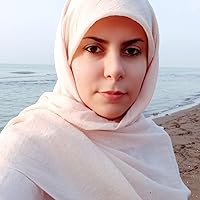
مری هگلند در تابستان ۱۳۵۶، بیخبر از تحولات مهمی که کل ایران را زیر و زبر میساخت، پا به روستایی کوچک در حوالی شیراز گذاشت. او ۱۸ ماه در ایران ماند و تنها پژوهشگر آمریکاییای بود که از نزدیک انقلاب اسلامی را مشاهده کرد. روزهای انقلاب روایت تجربههای روزمرۀ هگلند در این روستاست که نشان میدهد چگونه مردمی عادی و دور از سیاست پا به جریان انقلاب اسلامی ایران گذاشتند و در خلال ماجراهای انقلاب و پس از آن متحول شدند. بخش انتهایی کتاب هگلند دربارۀ دیدار دوبارۀ او از ایران، پس از گذشت چند دهه از انقلاب، در سالهای ۱۳۸۴ تا ۱۳۸۸ است.
Mary Elaine Hegland's field work has been in the Middle East and South Asia: Iran, Turkey, Pakistan, Tajikistan, and Afghanistan. She has also worked among Iranian Americans in the Bay Area of California and involves students in research projects among people of Iranian and other Middle Eastern backgrounds in the Santa Clara area. Dr. Hegland’s publications deal with the Iranian Revolution of 1978-1979; women and gender in religion and politics in Iran; change and continuity in an Iranian village; and women and gender in Shia Muslim rituals in Pakistan. Currently, Dr. Hegland is conducting research about aging and the elderly in Iran and among Iranian Americans in California’s San Francisco Bay Area. She also plans to study women and gender and family hierarchy and dynamics as related to aging and the elderly in Tajikistan.
Prof. Mary Elaine Hegland is professor of cultural anthropology at Santa Clara University. From1966 when she went to Iran to teach English in Mahabad as a Peace Corps Volunteer, she has been interested in studying about Iran and has spent perhaps a total of five years in Iran. Mary went to Iran to conduct field research for her Ph.D. dissertation in June 1978 and stayed in “Aliabad,” near Shiraz, until December 1979, resulting in her dissertation, many articles and her book, Days of Revolution: Political Unrest in an Iranian Village. Now Mary has been working about change in practices and meanings of marriage and sexuality in Aliabad. However, in 1978-1979, Mary did not investigate the intimacies of marriage and sexuality, so doesn’t know too much about what sexual practices and meanings in Aliabad were like in 1978-1979. This talk is based on Mary’s paper prepared for the panel “Omissions and Silences in Anthropological Fieldwork: Revisiting Earlier Research” at the anthropology conference.
یک پژوهش کیفی دقیق از روند همراه شدن مردم یک روستا با انقلاب. خلاف تبیینهای معمول و رسمی از انقلاب ایران، در این کتاب دلائل شخصی و ساختار طائفهای را مهمترین علت پیوستن مردم به انقلاب میداند. نویسنده ادعا میکند به منظور پژوهش بر روی سیستم آبیاری زمینهای کشاورزی به ایران آمده اما اثرش از دقت و ملاحظات انسانشناسانه و جامعهشناسانه برخوردار است.
"ایرانیها آدمهای خوبی هستند، اگر رهبر خوبی داشته باشند." هگلند این را از زبان دانشجویی انقلابی که بعدها تغییر موضع میدهد، نوشته است. بنظرم این جمله راوی حقیقتی است که پژوهش میدانی نویسنده را نه تنها در دوران پهلوی بلکه در زمان انقلاب اسلامی و پس از آن نیز تصدیق میکند. فرقی نمیکند تغییر در جهت اصلاح وضعیت موجود برای تکهای زمین باشد یا سیاست حاکم، ایرانی جماعت سیستم مشخصی برای مواجهه با آن دارد؛ اهمیتی ندارد که و چه باشد، این باشد آن نباشد کافی است.