Product description Description from the Do you want to be happy? We are all looking for an escape from worry, stress, depression, and for ways to find happiness. This book presents the route to happiness in a nutshell, drawing on Islamic teachings and the voices of "experts" both western and eastern. So sit back, relax, and read it from cover to cover, or dip into it a page or two at a time in between other activities in a busy life as a wife, mother, student, or worker. You are holding in your hands a treasure chest of reminders that will help you learn important lessons and set you on the path to happiness in this world and in the hereafter, insha'Allah
إياك والغفلة ، وهي الشرود عن الذكر ، وترك الصلاة ، والإعراضِ عن القرآن ، وهجرِ المحاضرات والدروسِ النافعة ، فهذه من أسباب الغفلة ، ثم يقسو القلب ، ويُطبع عليه ، فلا يعرف معروفاً ، ولا يُنكر منكراً ، ولا يفقه في دين الله شيئاً ، فيبقى صاحبُه قاسياً حزيناً مكدَّراً بائساً ، وهذه من عواقب الغفلة في الدنيا ، فكيف بالآخرة ؟! .
المرأة المسلمة الصالحة تعد المائدة على قدر الحاجة ، فلا يتبقى عليها من الطعام ما يوحي بإسرافها وسوء تدبيرها ، وقدوتها في ذلك أم المؤمنين عائشة رضي الله عنها ، فعن عائشة رضي الله عنها قالت : (( ما كان يبقى على مائدة رسول الله من خبز الشعير قليلٌ ولا كثير )) .
وفي رواية أخرى : (( ما رفعت مائدة رسول الله من بين يدي رسول الله وعليها فضلة من طعام قط )) .
من أسوأ مميزات القلق أنه يبدد القدرة على التركيز الذهني ، فعندما نقلق تتشتت أذهاننا ، ولكن عندما نقصر أنفسنا على مواجهة أسوأ الاحتمالات ، فإننا بذلك نضع أنفسنا في موقف يسعنا فيه أن نركز أذهاننا في صميم المشكلة .
ليس في استطاعتنا أن نتحمس لعمل مثير ، ونحس بالقلق في الوقت نفسه ، فإن واحداً من هذين الإحساسين يطرد الآخر .
إذا أحسستِ بأنه سيعتوركِ القلق على الحاضر ، فعودي بذاكرتك إلى أسوأ حالة من حالات القلق تعرضت لها في الماضي ، وبذلك تطوق العقل قبضتان مختلفتان بدلاً من قبضة واحدة ، وستتغلب القبضة الأقوى التي وقعت في الماضي على قبضة الحاضر الأقل شدةً وقوةً ، وسيقول المرء إذ ذاك : ما من شيء يمكن أن يكون أسوأ من أزمة الماضي ومع ذلك فقد اجتزتها بنجاح ، فإذا كنتِ قد تخطيتِ تلك الأزمة ومررت منها بسلام ، فما أقلَّ موقف اليومِ في مشقته وخطره .
إن القلق يكون أقرب إلى الاستحواذ عليكِ لا في أوقات عملك ، وإنما في وقت فراغك من العمل ، فالخيال إذ ذاك يجمع ويقلب كل صنوف الاحتمالات ، وعلاج ذلك هو أن تنشغلي بعمل جاد .
لا تحزني إذا جاءك سهم قاتل من أقرب الناس إلى قلبك ، فسوف تجدين من ينزع السهم ويداوي الجرح ويعيد لك الحياة والبسمة .
لا تنظري إلى الأوراق التي تغير لونها ، وبهتت حروفها ، وتاهت سطورها بين الألم والوحشة ، وسوف تكتشفين أن هذه السطور ليست أجمل ما كتبت ، وأن هذه الأوراق ليست آخر ما سطرت ، ويجب أن تفرقي بين من وضع سطورك في عينيه ومن ألقى بها للرياح ، لم تكن هذه السطور مجرد كلام جميل عابر ، ولكنها مشاعر قلب عاشها حرفاً حرفاً ، ونبض إنسان حملها حلماً ، واكتوى بنارها ألماً ، لا تكوني مثل مالك الحزين ، هذا الطائر العجيب الذي يغني أجمل ألحانه وهو ينزف ، فلا شيء في الدنيا يستحق من دمك نقطة واحدة .
الصاحب يؤثر على مزاج صاحبه وعلى أخلاقه ، فإذا كان الصاحب – من صديق أو شريك حياة أو جليس أو زميل – هادئ الأعصاب ، طليق الوجه ، مرح النفس ، متفائلاً بالحياة ، فإنه ينقل هذه الصفات الطيبة إلى صاحبه .
وإن كان مقطب الوجه ، مكفهر القسمات ، برماً بالحياة ، دائم القلق ، دائب التشاؤم ، فإنه ينشر جرائم القلق الأسود حول صاحبه ويعديه بها .
ولا تقتصر الصحبة على البشر ، هناك الكتب والبرامج التلفزيونية والإذاعية ، فإن فيها متفائلاً ومتشائماً ، وفيها ما هو قلق وما هو مطمئن ، والكتب بالذات كالفصول فيها ربيع وخريف ، فإذا وفق الإنسان لاختيار الكتب المتفائلة المبتهجة بالحياة الحاضة على الكفاح والنجاح والثقة ، فإنه يكون أسدى لنفسه معروفاً وفتح على حياته نوافذ مشرقة تهب منها نسائم النعيم والبهجة ، وإن اختار تلك الكتب القلقة ، المشكِّكة في القيم والبشر ، والمتشائمة من الحياة والناس ، فإنها قد تعديه كما يُعدي الأجربُ السليم ، وقد تنغِّص عليه حياته .
الكتاب لا بأس به ... بسيط جدا فيريح من لا يريد إتعاب تفكيره .. ولكن في نفس الوقت .. بسيط جدا إلى درجة خلوه من الحجة والقدرة على التأثير !
إضافة إلى ذلك، أقول إني وجدت نفسي بعد الانتهاء من القراءة أتساءل : لماذا وجه عائض القرني هذا الكتاب إلى النساء، والأعم الأغلب مما ذُكر فيه يمكن توجيهه إلى الرجال أيضا ؟ أقصد .. ما المغزى من أن يخص المرأة بهذه النصائح ؟ إني أتساءل .. لو طُلب من الكاتب أن يكتب كتابا عنوانه : أسعد رجل في العالم، فهل سيكون محتواه مختلفا عن محتوى هذا الكتاب ؟ أم أنه سيُبقي المحتوى على حاله، ولكن كبديل عن ذكر قصص عن بعض النساء المؤمنات، والمسلمات – وهي قليلة نوعا ما في الكتاب الذي بين أيدينا ! -، يذكر قصصا عن الصحابة – رضي الله عنهم – وعن الرجال العظام – رغم أنه ذكر بعضها - ؟ هل سيتغير المحتوى حقا إن كتب كتابا كذاك ؟ لا أعتقد ذلك، ولهذا أجد في استهدافه هذه الفئة في كتابه هذا خللا ما، أو لعل الخلل الأصلي كامن في محتوى الكتاب نفسه !
هناك نقطة أخيرة أود الإشارة إليها .. لقد انتقد الكاتب فكرة قراءة الروايات السيئة التي تفسد صفاء المعرفة ونقاء الثقافة، ثم جاء بروايات أغاثا كريستي كمثال على ذلك، باعتبار أنها تعلم فنون الخداع والجريمة والنهب والسلب !! هل هذا هو حقا كل ما يراه الكاتب في روايات أغاثا ؟!!!! إني لأتساءل وأتعجب !! والحديث قياس طبعا .. على المتبقي مما ذكره في نفس السياق !
"إنك تخطئين كثيرا إذا توهمت أن الحياه لابد ان تكون لصالحك مائه بالمائه,فهذا لا يتحقق إلا في الجنه, لا تعيشي في عالم المثاليات , حيث تريدين صحه بلا سقم و غنى بلا فقر وسعادة بلا منغصات . "
هذا الكتاب كان مركون في مكتبه المنزل منذ فترة طويله جدا , ربما عندما كنت في المرحله الثانويه .. شرعت في قراءته لكن لا اعرف لما لم اكمله , ربما لأنه مليء بالوعظ والارشاد , بالرغم من الاسلوب الأخاذ ! لكن بالتأكيد في الفترة كان كلا من البيت والمنزل لا يكف عن الوعظ والارشاد ! كنت بحاجه لكتب مختلفه مثل شين كوفي أو شوربه الدجاج !
عموما , عدت الآن لقراءته ,حنين مـا شدّني إليه.. بالتأكيد كلكم يعرف كتابه الشهير ( لا تحزن ) ,يوجد من الشبه الكثير بين هذا الكتاب وهذا الذي اتحدث عنه , حيث انه عصارة كتاب لاتحزن ! لكنه يقول ( لاتحزني ) ! فهذا الكتاب لكِ انتِ ! موجه للمرأه المسلمه ولا شيء سواها , يخاطبها بأرقى العبارات , هذا الكتاب انيق و مزخرف و فقط راقي !
في كل رأس صفحه إضاءة , تليها بيت من الشعر من روائع القرني أو من الامثال الشائعه لكثير من الشعراء . تعلمون ؟ شعر الحكمه يجب التوقف عندة كثيرا لأنه يصيب في الصميم , وعندما نقرأ سطر واحد من هذا الشعر فقط نشعر كأننا اشعلنا مصباحا ..
فعندما نكمل قراءة النص تكون معالم الطريق محددة واضحه , الفكرة تكون معروضه بأبهى حله مكتوبه بأرقى عبارة . هذا هو عائض القرني , من لايعرف اسلوبه في الكتابه ؟ رائع بحق .. " له قلم سيّال" ..
عندما تقرأي أسعد امراه في العالم , حاولي فقط ان لاتضيعي في زينه الحروف , اقتنصي المعاني , الأفكار ..!
عندما تحدث عن هذا الوهم الذي يشغل أغلب عقول النساء , وهذا الوهم هو أننا نعيش الدنيا كأن ستكون لنا حياه اخرى , فنعيش مهمشين لا تهمنا الا سفاسف الامور من القيل والقال واللبس والموضه ! نسينا بأن حياتنا قصيرة جداا فلا وقت لنضيعه على المسلسلات التافهه و الافلام السخيفه , نعيش بأهداف وهميه بأن نريد ان تكمل لنا الدنيا وهي لن تكمل أبدا , نسينا بأن الدنيا متقلبه فيوم معنا ويوم علينا , نسينا !! و ألهتنـا توافه الامور ..
الآن لنعد .. لنعد الى الله ..
فباب التوبه مفتوح , كما اخبر الرسول صلى الله عليه وسلم في حديثه القدسي " أنا عند ظن عبدي بي " .
لنعد, فالدنيا لا تكمل لأحد , ولنتذكر ان الله ما وضعنا في هذة الحياه الا لنعبدة لا لأن نسهى عن عبادته ..
وان الكمال ليس من خصائصها , انما الكمال لله , والكمال في الجنه . لا الدنيا ..
إذن , لكل من لم تقرأ لعائض القرني كتابا من قبل , فهذا الكتاب سيشكل بدايه جيدة لكتبه ..
For every good religious person I meet, there are 50 morons, and seemingly half of the latter have published a book. I’d like to draw attention to one of these books- once again about telling Muslim women how to live their lives. (Instructions include “SMILE! PRAY! BE GRATEFUL!” Yeah ok. So helpful.)
Optimistically titled “You Can Be The Happiest Woman In the World” , the book presents an interesting look into the starkly primeval mind of a strange little man and his opinions on women. It was first published in 2004, which is weird. I expected it to be far older, judging by the content. I mean the only occupation it suggests is cattle rearing. Who is the target audience? Poor farm women? The book also refers to itself as “A Treasure Chest of Reminders”.
It doesn’t mention what these reminders are of. Presumably God, but for me it conjured up reminders of Medieval pastoral scenes full of disease and war.
The Review:
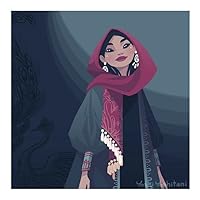
The first thing that gave me a sense of foreboding was the cover. My copy has a murky green background and a dark, shapeless form that on closer inspection is the silhouette of a veiled woman clutching a Quran. It looks unintentionally terrifying, like the cover of a bad horror novel.
Introduction
Still, I approached this book with an open mind. Sometimes religious instruction books are kind of uplifting, or at least focus on the importance of the spiritual over the material. The introduction, for example, started off well, promising to bring hope to women in despair, address her “rational mind and pure heart” and not to care about “worldly adornments, false appearances or transient fashion.” But then it abruptly changes tack and launches into a harangue about evil western literature. O_O Wait what happened?
“The way to happiness is to be found in clarity of knowledge and soundness of education. This cannot be achieved by romantic fiction which leads to frustration and depression. Indeed, the matter is more serious than that, such as the stories of Agatha Christie, which teach about deceit, crime and robbery. I have read the series entitled The Best of World Fiction, a selection of exciting, Nobel-prize winning stories, and I found that these stories contained many serious mistakes and a great deal of foolishness. How many people have fallen victim to articles or stories they have read.”
Yes well okay. In the introduction alone we can see this man’s disdain for those silly foolish Nobel laureates, and his presumable conviction that the entire lot of innocent women who read Agatha Christie are now out there, probably committing murder.
Chapter 1
After the introduction, chapter ones begins. First up is a single page that excitedly proclaims “WELCOME!” in all caps, under which are ten other welcomes (“Welcome, O’ mother of heroes and producer of men.”) After that is a single page that announces the word “YES!” in equally jubilant all-caps. Followed by ten more sentences starting with yes ( “YES to your beautiful smile that sends a message of warmth and friendliness to others. ) And then a page that exclaims “NO!” You get the picture.
After the strange YES NO lists is a 2-pager titled Ten Thoughts to Ponder About. One of my favorites from these ten thoughts is the inexplicable bullet point 6, which says “Be like a tall tree with high aims; if a stone is thrown at it, it simply lets its fruits drop.” I admit, I pondered this for a long time, because it sounded so insane. Out of all the motivational speeches and instagram quotes I’ve ever read, I was never once told to be a stone-pelted, fruit-dropping high-aiming goddamned tree.
Then is a single page titled “THINK ABOUT IT…”, with ten more bullet points to think about. I admit I pondered here as well, mostly about why these were under a separate heading instead of under the Ponder About section. It begins by instructing us to “be like the bee, which lands on fragrant flowers and fresh branches”. What does this MEAN? Be near clean good-smelling people? Avoid old people? What is with all these ridiculous similes?
Chapter 2 Right after “THINK ABOUT IT…” begins chapter 2. At this point I realize there is absolutely no point in organizing this book into chapters, because there is no reading order, and no sense of categorization. Every chapter is the same, with a few short anecdotes under an absolutely irrelevant heading, the paper-back equivalent of clickbait titles.
Chapter 2 for example, has a section titled “You have a huge wealth of blessings” but then doesn’t actually say what they are- instead it rants poetically about how “the clouds of worry will be blown away, the darkness of distress will be dispelled, and calamities will come to an end.” and ends by rhetorically demanding how often a woman gets talked about because of her good attitude, obedience to husband, and her modesty when she moves into a new neighborhood.
Another, provocative title is “The believing woman and the disbelieving woman are not equal”. Uh oh, here comes the arrogance. Sure enough, the writer says believing women from the believing lands are totes amaze while disbelieving women from the disbelieving lands are “cheap worthless products at offer in all places.” I, incredulous woman from the Incredulous lands, read it with a mixture of amusement and shock. “she is ignorant and foolish, a mere fashion model. She has no value, honor or religion.” Ok, wow. Let’s hope you can see what’s wrong with that statement and move on. The rant ends with a very mysterious line that says “All people will live, the one who lives in a palace and the one who lives in a hovel. But who is the one who is happy?” You guys. This is rhetorical. Clearly the answer is the therapeutic, depression-curing hovel. For outright euphoria try a shipwrecked raft in the middle of the ocean it is BLISS.
In fairness, some of the writings are so enthusiastic that they are a bit uplifting. One section talks about how lucky you are to have been born Muslim, rather than any other religion. It says “Congratulations, for you offer five daily prayers, you fast, you go on pilgrimage to the house, you observe hijab. Congratulations, for you are pleased with Allah as your lord, Islam as your religion, and Muhammad SAW as your prophet.” This exuberant joy is very endearing, and if there are people out there who can feel this happiness in being Muslim I am glad of it. May everyone feel happy in what they believe.
But this sort of feel-good stuff is rather sparse. Most of the book is sermonic and wildly scatter-brained. A section called “Laziness is kin to failure” starts off by saying hey ladies work hard, and take care of your appearance. But right in the middle of this lecture the author has an outburst of sexism and cries “beware of sin! For it leads to grief, especially the sins that are very common among women.” What could these female-centric sins possibly be you ask? “Forbidden glances, wanton adornment, cursing, slandering, backbiting, denying one’s husbands rights” etc etc. Because of course. This is what women do. Sit around, seduce men and talk shit about people. Men never do this because they are out there committing male-related crimes such as killing and stealing I suppose.
Chapter 3 One of my favorite anecdotes because of its sheer insanity is titled “Old Women make heroes.” Such an eye-catching title. It brings to mind legendary warrior women or the likes of mother Teresa. Except you can kill your expectations right there, because this author’s prattling meandering idiocy doesn’t expose anything remotely heroic. These are quite literally a bunch of stories about women who are old. Yes, their sole collective defining trait is that they are old. They don’t even have names.
The first heroic old woman was told that al-Hajjaj would kill her son. To that, pat came her reply “If you do not kill him, he will die anyway.” WOW lady, way to be a sociopath. This does not sound like heroism to me, it sounds like terrible parenting. Maybe the author mistranslated the message or something because my first unadulterated impression is of a woman who doesn’t care if her son dies. Because he will die someday anyway. Happily, the author highlights what the important heroic bit was- “putting her trust in her Lord.” By telling al-Hajjaj that he could murder her son. WHERE does the trust in god part come in here???
The second anecdote is even more ridiculous. The author raves that we should “be like the old Persian woman who put her trust in Allah the day she had to be away from her chicken coop. She looked up towards the heavens and said ‘O Allah, protect my chicken coop for you are the best of protectors!” That’s it. That’s the entire story of Heroic Old Woman #2. Now I understand that the message here is to trust that god will protect your material possessions, and that is fine, but what is even remotely heroic about leaving a chicken coop unguarded? In an age of feminism, gender equality, and thousands of towering female figures, is THIS what the author is giving me to look upon as heroism?? Is this man unaware of what a hero is? Are there no better female role models in Islam that he could have turned to, rather than nameless old women who are coldly dismissive of their actual children but overprotective of chickens, and who I suspect he made up himself?
Final thoughts:
I just have to add that the portrayal of women in this book is troubling. Every woman is described in three ways- a mother, wife and a devout woman. She doesn’t really do anything other than worship and obey her husband. She has no job, no ambition, no character, and all her problems can be solved by being grateful. What about women who are actually depressed or troubled, and sincerely picked this book up to lift their spirits? It won’t do anything for them. It’s designed for very simple minded, impressionably young and married women.
It also mentions fairly often that a woman should rush to make her husband feel better. If he comes home stressed or tired she must wait on him hand and foot, and then try to solve his problem. Many women seem to have a problem with this notion, although I don’t understand why. If you remove the wife/husband and replace it with human/human it says one human sees that the other human is stressed, and tries to make that human feel better. This is GOOD. This should be encouraged. I don’t understand why PLEASING the husband is being confused with servility these days. Unfortunately, I think he said something nice by mistake and not by intention. Because the rest of the book is just super weird about the concept of being a wife- basically the guy you marry owns you.
There’s one story in particular that comes to mind- a woman goes crying to her dad and says sometimes she doesn’t listen to her husband and so she is scared to go to hell. Her father tells her yes, if she dies while her husband is displeased with her, she is being chucked straight into hell. Then the author tacks on some message about how the key to paradise is obeying the hubby. Yes. To review, a sobbing woman is terrified of going to hell because she doesn’t listen to her husband, and her father tells her lol yeah you’re totes going to hell for it. Very comforting. I’m sure heartbroken sobbing women love being told to obey a guy by another guy under the threat of eternal torment.
For some reason, this book also romanticizes poverty. It insists over and over that “poor women in mud huts” are happier than people who “live in mansions and sleep in silk sheets” because the poor woman believes in god and implies that somehow owning material wealth equals being astray from God. I wonder if he has ever met with or spoken to these happy poor women. Because I have, and the stories they tell chill me to my bones. The horrors they endure, the squalor they live in, the misery that they cope with- how can this author just gloss over it all and insist that they are happy? Certainly they are religious. Who needs religion more than the poor? How will they forge through life without a beautiful belief to cling to? Instead of reducing their struggle to a silly proverb, he could have spoken about empathizing with them or helping them, which Islam does stress on so deeply.
To be fair, you can tell the intentions behind the book are good, and it is trying to focus on things like the importance of inner beauty and trust in God, but its attempts are marred by the author’s poor writing ability and narrow range of thought. It is circumscribed within the same hackneyed anecdotes about camel-riding burqa-clad cattle-rearing uninspiring women from oral tradition. It has no wisdom, kindness, truth or beauty within it. It reads rather like a set of demanded instructions, without any empathy at all. The language used is uncannily like that of badly translated hadis, which is perplexingly common in modern Islamic books (why don’t people re-translate hadis into better, simpler English?). It is as if these authors rely solely on old Arabic translations to wield the English language.
Verdict
avoid this junk. Your brain cells will commit hara kiri
هذا الكتاب من اهم الكتب و اقربها الى قلبي .. عند قرأتي له ترسم البسمه على شفتي و تتوقد عيني لعالم افضل .. فمن منا لا يشعر فجأة بتعاسه لحظية رغم ماتحتويه حياته من اشراقات و نجاحات لكن يظل الانسان انسان و تظل المرأة كائن حي يحتاج لمن يشحذ هممه و يضيء شمعته من جديد
This book suffers from a disjointed and chaotic structure. The author can be condescending and simplistic in his core messages, one of which encourages the reader to think of those who are less happy (and surely not be glad about it, for that would be Schadenfreude) and to be grateful that their own life isn't worse. There are many old-fashioned views with regards to the role of women; stay at home, obey your husband, avoid typical female vices like gossiping. The book takes a condemnatory tone when discussing Western women's clothes and their frivolous pursuits - basically anything that doesn't involve praying or serving your husband and family. The quotes from the Qur'an and Hadith are mostly relevant and interesting. Some of the stories are particularly inspiring, such as those of women soldiers. But few of them have been interpreted with any depth or with any regard to context. In short, this book had a lot of potential. But it isn't a great read for women, and it didn't make me happy.
رائع بمعني الكلمة واتمني من كل فتاة مسلمة ان تطلع علي هذا الكتاب لما فيه من اساليب وافكار بسيطة وسهلة تمكن المرأة من التقرب من الله عز و جل وتعيش حياة سعيدة تحت ظل الشريعة الاسلامية
تقسيم الكتاب و طريقة تصنيفه جميلة جدا (ومضة، إشراقة، و ...)، لكن المحتوى ضعيف. محتوى الكتاب، كما كتاب لا تحزن، يكثر فيه التكرار و الحشو و الأفكار معظمها مستهلكة.
شاهدت بعض الدروس عن السيرة للـ د. القرني و أجده يجيد الحديث أكثر من الكتابة. أسلوبه في إلقاء الدروس كان أفضل بكثير من الكتب التي قرأتها له.
أعجبتني كثيرا طريقة العرض المميزة والاسلوب الشيق الذي كتب الدكتور عائض القرني ...وحقا نصائح غالية والأبيات الشعرية التي يبدأ بها كل عنوان في غاية الروعة
ومنها
وإني لأرجو الله حتي كأنني ....أري بجميل الصبر ما الله صانع
أتاك علي قنوط منك غوث ...يمن به اللطيف المستجيب
وكل الحادثات وإن تناهت ....فموصول بها فرج قريب
ولا تظنن بربك ظن سوء ..فإن الله أولي بالجميل
فصبرا علي حلو الزمان ومره .....فإن اعتياد الصبر ادعي إلي الرشد
Talks about how if women are obedient to men it will make them “happy”, a bit too much when the focus should on satisfying women rather then men. Compares muslim to non muslims and basically calls women who do not have a faith trash and worthless, is this how women should be talked about? However, it has some good points such as how pleasing Allah will make us happier which I 100% agree with, just not valid explanations and ignores other factors to make us happy.
إني وإن لُمْتُ حاسديَّ فما أُنكر أني عقوبةٌ لَهُمُ
إن امرأةً مسلمةً تعيش في كوخ ، تعبد ربها ، وتصلي خمسها ، وتصوم شهرها ، أسعد من امرأة تعيش في قصر شاهق بين العُبْدان والقيان والعيدان والكيزان ، وإن مؤمنةً في بيت من شعر ، على خبز الشعير ، وعلى ماء الجرة ، معها مصحفها ومسبحتها ، أسعدُ عيشاً من امرأة تعيش في برج عاجي ، وفي غرف مخملية ، وهي لا تعرف ربها ، ولا تذكر مولاها ، ولا تتبع رسولها . أجل افهمي معنى السعادة ؛ فليس هو المعنى الضيق المحرف الذي يتوهمه كثير من الناس ، فيظنونه في الدولار والدينار والدرهم والريال ، والمفروشات ، والملبوسات ، والمطعومات ، والمشروبات ، والمركوبات ، كلا وألف كلا !... السعادة رضا قلبٍ ، راحةُ ضميرٍ ، قرارُ نفسٍ ، فرحةُ روحٍ ، انشراحُ بالٍ ، صلاحُ حالٍ ، استقامة خُلُقٍ ، تهذيبُ سلوكٍ ، مع قناعةٍ وكفاف .
إشراقة : كيف يرتاحُ مَنْ آذى مسلماً أو ظلم عبداً ؟! . الهم اجعله فى ميزان حسناتى واشفى امى وابى وارضا عنهما وارحمهما كما ربيانى صغيرا قولوا امين
إذا أغلق الشتاء أبواب بيتك ، وحاصرتك تلال الجليد من كل مكان ، فانتظري قدوم الربيع وافتحي نوافذك لنسمات الهواء النقي ، وانظري بعيداً فسوف ترين أسراب الطيور وقد عادت تغني ، وسوف ترين الشمس وهي تلقي خيوطها الذهبية فوق أغصان الشجر لتصنع لك عمراً جديداً ، وحلماً جديداً ، وقلباً جديداً . إذا كان الأمس ضاع ، فبين يديك اليوم ، وإذا كان اليوم سوف يجمع أوراقه ويرحل فلديك الغد ، لا تحزني على الأمس فهو لن يعود ، ولا تأسفي على اليوم ، فهو راحل ، واحلمي بشمسٍ مضيئةٍ في غدٍ جميل . كتاب رائع .. مهم لكل امرأة وفتاة ان تقتنيه .. عجبتني اكتر القصص اللي بتوصل نصيحة بدل النصيحة المباشرة .. ميتقرأش مرة واحدة محتاج تلجأي ليه علطول !
أعتقد يجب تسمية الكتاب "أتعس امرأة في العالم"، هو كتاب فقط لتخدير المرأة والتأكد من أنها تشبعت بالثقافة الذكورية السائدة وموجه للمتزوجات بالأخص لحضهن على إطاعة أزواجهن كعادة رجال الدين، حقا أشعر بالأسف عندما أقرأ الخطابات الموجهة للمرأة و التي تتشارك بأوامر بمجملها منطلقة من التاريخ الإسلامي مع مقارانات سخيفة بين المرأة المسلمة والمرأة "الكافرة" على حد قولهم. الكتاب يحتوي الكثير والكثير من الأفكار والجمل المتكررة، كان من الممكن اختصار مجمل الكتاب بكتيب صغير لا يتجاوز الثلاثين أو الأربعين صفحة بدلآ من قرابة المئتين صفحة.
بعد قراءته اظنه نسخة مصغرة جدا من كتاب لاتحزن موجهة للمرأة خصوصا ,احتفظ بالكتاب لتقرأه زوجتى يوما ,عموما هو صغير ومختصر جدا وعبارة عن مجموعة نصائح مقسمة فى صورة هدايا كتابية كالوردة والياقوتة والزمردة وهكذا ستجده ممل قليلا اذا لم تكن قد استمعت لاسلوب الدكتور عائض القرنى ,انصحك قبل ان تقرأه ان تستمع على الاقل لمحاضرته بعنوان لا تحزن
في الصفحة 165 يقول المؤلف: "الله خلق الرجل أقوى من المرأة في .. عقله " إنني لا أفهم كيف تمر هذه العبارة الكارثية على النساء وكيف لا يعترضن عليها بل كيف يبدين إعجابهن بالكتاب! هل يعترفن بأن عقولهن أضعف من عقول الرجال؟ هل يعلمن أن اعترافهن بضعف عقول النساء أمام عقول الرجال يعني ضعف عقل عائشة زوجة النبي التي أمرنا بأخذ ديننا عنها، وضعف عقول كل أمهات المؤمنين وكل النساء الفقيهات العالمات اللواتي ساهمن في ارتقاء البشرية جنباً إلى جنب الرجل؟ إن الطريقة المثالية لتحط من قدر جماعة ما هي أن تقنعهم بذلك عن طريق دس السم في العسل، شبه المرأة بالملكة والجوهرة والياقوتة والدرة والمرجانة وامتدح عفافها وحيائها ثم أخبرها أن عقلها ضعيف لحكمة إلهية لا تستطيع إدراكها وهكذا سيزداد غباء الغبيات اللواتي اقتنعن بهذا الكلام.
كل المقالات في الكتاب تدور حول ثلاث موضوعات: موقف المرأة المسلمة من الحضارة الغربية، مهمة المراة المسلمة في الحياة، تزهيد المرأة في الحياة الدنيا. والكتاب هو مجرد تكرار لنصائح من قبيل: أطيعي زوجك، قري في البيت، ابتسمي في وجه زوجك، إن الغرب يعيش في تعاسة، احذري من الانغماس في المباحات، احذري جمع المال لإنه يؤدي للشقاء، وأطيعي زوجك مرة أخرى. وإني أتساءل هل من الممكن ان نرى كتاب بعنون [أسعد رجل في العالم] يؤلفه عائض القرني ينصح فيه الرجال بالزهد في الدنيا والكف عن جمع المال وعدم الإغراق في المباحات، أم أن أمثال هذه النصائح هي خاصة بالنساء اللواتي يجب عليهن أن يعتزلن الحياة، يقضين أوقاتهن هن يبكين على سجاجيد الصلاة .
كتاب رائع للغاية.يحتوي على الكثير من المعلومات القيمة...يؤثر في النفس و يفيدها..لفت انتباهي اسلوب الكاتب الذي اقراء له لاول مرة..كما احببت تقسم الصفحات و الفصول كان هذا شي جميل..كما انه يستحق اكثر من 3 نجمات و لكن كان لدي بعض التحفظات على الطبعة السابعة التي قراتها..فقد كانت الالوان غامقة في صفحة و فاتحة فى صفحة اخرى..مع دخول الكتابات مع بعضها البعض..عدم وضوح الكتابة في بعض الصفحات..و ايضا قد تكون الصفحة ناعمةو تكون الصفحة التي تليها خشنة..كما يحتوي على الكثير من الافكار المتكررة من فصل لاخر..كما اني استغريت من ذكر الكاتب للكثير من قصص الغرب واكثر قصة دهشثتني تللك التى تحكي عن امراءة تخلت عن ابنها و اصيبت بحادث و كان موتها قريب الا انها عاشث و صارت مبشرة بدين جديد..P.157السؤال الان ما فائدة ذكر قصة كهذه في كتاب كهذا.. لكن بالاجمال كتاب يستحق القراءة من كل انثى مسلمة
من الكتاب: 1)قبل ان تنظري في شوك الورد,انظري في جماله, و قبل ان تشتكي حرارة الشمس تمتعي بضيائها, وقبل ان تتذمري من سواد الليل تذكري هدوءه و سكينته 2)انظري للحياة نظر المحب المتفائل .,فالحياة هدية من الله للانسان 3)السعادة رض القلب ,راحة الضمير,قرار النفس ,فرحة الروح,انشراح البال, صلاح حال,استقامة خلق, تهذيب سلوك, مع قناعة و كفاف
Salah satu karya Syeikh yang sangat produktif menulis buku2 psikologis dalam konsep islam. Buku-bukunya menyentuh jiwa, sangat cocok untuk dibaca manusia-manusia di era sekarang ini, dimana sisi-sisi pencarian makna terdistorsi dengan semua yang berbau materi. Gua salut! dengan hampir semua karyanya, betul2 menggugah!
Di buku ini sendiri pembahasannya jelas secara spesifik mengarah kepada wanita. Mungkin yang baru saja membaca judulnya akan mengira buku ini sejenis buku "how to" atau "self help". Tapi menurut gua, "NO". Ini buku bukan seperti halnya buku motivasi lainnya, kata-katanya penuh makna dan mendalam lah... (ceillee..sok keren bgt!).
Membaca buku ini: "U'll knew that u deserve of being a woman, deserve getting all meaningful 'n happy in this life"
عندما نتحدث عن هذا الوهم الذي يشغل أغلب عقول النساء , وهذا الوهم هو أننا نعيش الدنيا كأن ستكون لنا حياه اخرى , فنعيش مهمشين لا تهمنا الا سفاسف الامور من القيل والقال واللبس والموضه ! نسينا بأن حياتنا قصيرة جداا فلا وقت لنضيعه على المسلسلات التافهه و الافلام السخيفه , نعيش بأهداف وهميه بأن نريد ان تكمل لنا الدنيا وهي لن تكمل أبدا , نسينا بأن الدنيا متقلبه فيوم معنا ويوم علينا , نسينا !! و ألهتنـا توافه الامور ..
الكتاب سلس وجميل كعاده دكتور القرنى كتاباته كلها رقيقه ورائعه :) من اجمل ماقرأت فى الكتاب :::
لا تيأسي إذا تعثرت أقدامك وسقطت في حفرة واسعة ، فسوف تخرجين منها وأنت أكثر تماسكاً وقوة ؛ والله مع الصابرين . لا تحزني إذا جاءك سهم قاتل من أقرب الناس إلى قلبك ، فسوف تجدين من ينزع السهم ويداوي الجرح ويعيد لك الحياة والبسمة . لا تقفي كثيراً على الأطلال ، خاصة إذا كانت الخفافيش قد سكنـتها ، والأشباح عرفت طريقها ، وابحثي عن صوت عصفور يتسلل وراء الأفق مع ضوء صباح جديد
I was highly looking forward to this book as I had previously read "Don't Be Sad" by the same author, which had really helped me in times of grief and extreme sadness.
Many parts of this book are phenomenal and I think it is a good read for any Muslim woman to read at least once in her life. Indeed, there are many reminders that are easy to forget in our day-to-day lives.
However, there were a few things I disagreed with in the book. He seemed to be of the opinion that you can just be happy if you wish it so. Understandably, this book was not written recently so he probably did not have to proper tools to learn about clinical depression. He just kept saying that the only way to be happy as a woman was to stay in a quiet home, hardly work, maintain a clean home, not read books on human nature or depressing subjects, and at a few points, said it is against the nature of a proper marriage if the woman works outside the home more than the man.
He kept saying this was the plight of today's Muslim woman. I mean, personally, I do love to stay at home and work less than my husband but I know several woman who would hate that. It would be a plight upon them to have to stay at home! I believe the couple should discuss among themselves what makes them happy and work from there. If she loves to work and he loves to stay at home to clean, this should also be taken into consideration. Sometimes traditional gender roles like this drive people crazy and depress them even more.
So all in all, I wish he weren't so traditional and I wish he understood clinical depression more. However, the rest of the book was nice.
I really loved this inspirational novel of short stories/Quran narratives/inspirational stories directed toward the Muslim woman. I refer to it often and find it enlightening and helpful when I need a pick me up. Whomever wrote this book is truly blessed to have been such a good influence in so many lives. Alhamduallah!
WOW, amazing book and magnificent author, the way he writes, and the way he choose his words, he can left you from the bottom to the top, from depression to happyness, he makes you feel so good and so precious. He is my number one author. The book is a must read, if you want to feel that you can survive any thing and that you are blessed
حديث مكرر ومعاد، طبعًا في أكثر الحالات سوءاً تقوينا الكلمات حتى لو كانت غير عقلانية.. لا شيء مما كتبه موثوق بمصادر، والكثير من القصص خرافات لم أجد لها أي أدلة، حتى إحدى القصص مأخوذة عن الشيعة. لا أرشحه لأي أحد.