„ვეფხისტყაოსანი“ 800-ზე მეტი წლისაა, სულაკაურის გამომცემლობა კი – 20-ის. თუმცა, ორივე ტრადიციაა. პირველი სრულიად საქართველოსი, მეორე კი – ქართული საგამომცემლო სივრცის. სულაკაურის გამომცემლობა 20 წლის იუბილეს ამბიციური პროექტით ხვდება – ქართული ლიტერატურის მთავარი ძეგლი ახალ სიცოცხლეს მასშტაბური გრაფიკული რომანის სახით იძენს.
„ვეფხისტყაოსნის“ ამ ახალ გამოცემაში ქართველი სუპერგმირების – ავთანდილის, თინათინის, ნესტანისა და ტარიელის სიყვარულის, უანგარო მეგობრობის, თანაგრძნობისა და თავგანწირვის ამბავი სრულიად ახლებური ხედვითაა გადმოცემული. მხატვარი დავით მაჭავარიანი ოთხი წლის განმავლობაში მუშაობდა ამბის ვიზუალურ თხრობაზე, ადაპტირებული ტექსტი კი პრემია „საბას“ ლაურეატ მწერალ სალომე ბენიძეს ეკუთვნის.
ჩვენი მიზანია, რომ ამ ახალი ილუსტრაციებით გაფორმებულმა „ვეფხისტყაოსანმა“ მთელი ქვეყანა მოიცვას. შეაღწიოს იქ, სადაც შეიძლება გვეგონოს, რომ მისი ადგილი არ არის: ქუჩაში, სცენაზე, სკოლაში, სახლში, პირად საუბრებში - ყველგან, სადაც ადამიანი თავისუფალი უნდა იყოს.
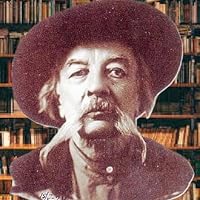
Shota Rustaveli (Georgian: შოთა რუსთაველი) (born approx. c. 1160 – died after c. 1220), was a Georgian poet of the 12th century, and one of the greatest contributors to Georgian literature. He is author of "The Knight in the Panther's Skin" (ვეფხისტყაოსანი, Vepkhistkaosani), the Georgian national epic poem. Little, if anything, is known about Rustaveli from contemporary sources. His poem itself, namely the prologue, provides a clue to his identity: the poet identifies himself as "a certain Rustveli." "Rustveli" is not a surname, but a territorial epithet which can be interpreted as "of/from/holder of Rustavi." Later Georgian authors of the 15th–18th centuries are more informative: they are almost unanimous in identifying him as Shota Rustaveli, a name which is preserved on a fresco and a document from the formerly Georgian Monastery of the Holy Cross at Jerusalem. The fresco was described by the Georgian pilgrim Timote Gabashvili in 1757/58, and rediscovered by a team of Georgian scholars in 1960. The same Jerusalem document speaks of Shota as a sponsor of the monastery and a "high treasurer," thus echoing a popular legend that Rustaveli was a minister at Queen Tamar’s court and retired to the monastery at an advanced age. Both a folk tradition and the 17th century royal poet Archil identify Rustaveli as a native of the southern Georgian region of Meskheti, where his home village Rustavi was located (not to be confused with the modern-day city of Rustavi near Tbilisi). He is assumed to have been born between 1160 and 1165. A legend states that Rustaveli was educated at the medieval Georgian academies of Gelati and Ikalto, and then in "Greece" (i.e., the Byzantine Empire). He must have produced his major work no earlier than the 1180s and no later than the first decade of the 13th century, most probably c. 1205–1207.
I wonder what kind of idiot would rate this masterpiece with less than 5 stars?! Would anybody give Shakespeare 4 stars out of 5? or Byron, or Goethe?! Rustaveli is the best in this list!
p.s. Yes, that's not an easy task to get Rustaveli, and besides the reading skills, it requires a lot more. And the fact, that you don't understand or can't get through it to the end, underlines your lack of knowledge and understanding of the world literature. That's what you've been rating here... Don't go farther than Tom Sawyer: you will burn your brainS out! ;o)
Эта прекрасная поэма – памятник мировой литературы XII века, написанный в период между 1189 и 1212 году. До нашего времени, к огромному сожалению, дошли переписанные в Средние века редакции. В 1712 году грузинский царь Вахтанг VI провел большую работу по редакции рукописей и напечатал поэму. В XiX веке Илья Чавчавадзе также проделал большую работу по восстановлению оригинального текста поэмы. Руставели использовал шестнадцатисложный стих, называемый высоким (4+4+4+4) и низким (5+5+5+3) шаири.
В прологе поэт размышляет о поэзии:
Стихотворство - род познанья, возвышающего дух. Речь божественная с пользой услаждает людям слух. Мерным словом упиваться может каждый, кто не глух. Речь обычная пространна, стих же краток и упруг.
Испытаньем иноходцу служит дальняя дорога, Игроку — удар искусный, если мяч рассчитан строго. Для певца же дело чести — ширь стихов, богатство слога. Он и сам коня осадит, увидав, что речь убога.
О природе любви:
Должен истинно влюбленный быть прекраснее светила, Для него приличны мудрость, красноречие и сила, Он богат, великодушен, он всегда исполнен пыла… Те не в счет, кого природа этих доблестей лишила.
Суть любви всегда прекрасна, непостижна и верна, Ни с каким любодеяньем не равняется она: Блуд — одно, любовь — другое, разделяет их стена. Человеку не пристало путать эти имена.
Эта поэма посвящена любви: «Возвышает человека лишь любовь». Сюжетно, это эпическая история поиска похищенной возлюбленной, дружбы, бескорыстной помощи и поддержки, причем, что восхищает – религиозная и этническая толерантность, поскольку действие происходит в Аравии, Индии и вымышленной стране Мульгазанзар. И это в XII веке. Конечно, есть и недостатки. Смысл поэмы не только в воспевании любви и дружбы, она воспевает и гармонию отношений вассала и сюзерена. Но для XII века – это простительный недостаток.
'The Knight in the Panther's Skin' is a masterpiece of the Georgian medieval literaure written by Shota Rustaveli, a monk, in the 12th century. The poem is often called 'the Georgian vision of the world' and it has always been as important to Georgians as 'The Odyssey' is Greeks. And, in my opinion, it bears a certain similarity to 'The Odyssey' as 'The Knight...' is a beautiful story about travels and numerous adventures of the main characters, two brave knights, two friends - Avtandil and Tariel, in their quest for happiness. It is also an ode to true friendship, nobility, sacrifice and love.
------------------------------------------------------------------------------ 'With gesture like a swift panther he clad his form in armour; in one hand he held an iron mace. He stood forth with dauntless heart in the front of the ship, and as he slew onlookers with his gaze, so he slew foes with his sword.
Those warriors yelled; their voices were uninterrupted. They thrust the beam upon which was the plough. The knight stood fearless at the head of the ship, he trembled not; he struck with the mace, he broke the beam, the lion's arm swerved not.
The beam was destroyed, and Avt’handil remained with ship unshattered. Those warriors feared, they sought a way to shelter, they could not contrive it in time; he leaped on his foes, threshing them down round about him; there was not left there living man unhacked by him.
With intrepid heart he slew those warriors like goats; some he threw down on the ship, some he cast into the sea; he threw one upon another, eight upon nine and nine upon eight; those who were left were hidden among the corpses, they stifled their cries.
As much as his heart desired was he victorious in the fight with them. Some humbly adjured him: "Slay us not, by thy faith!" Those he slew not, he enslaved them, whoever survived his wounds. Truly saith the Apostle: "Fear makes love."
O man! boast not of thy strength, brag not drunken like! Might is of none avail if the power of the Lord aid thee not. A tiny spark overcomes, and burns up great trees. If God protect thee, it cuts alike well whether thou strike with a log or a sword.'
I know that in the end you will bless the course that I have taken. A wise man cannot stand the thought his good friend will be forsaken. Let me remind you of what Plato said to help us awaken: 'By lies and two-facedness, the body's hurt, the soul is shaken.'
This is the national epic of Georgia, admired by readers (and endured by bored students) across the country for centuries. At least according to the people who make these kinds of decisions, Rustaveli is so important that there are Rustaveli streets and Rustaveli statues across Georgia (I actually bought this at Prospero's Books, a Tblisi bookstore I highly recommend to travelers that you can find on...Rustaveli Avenue!). Hell, this poem is so beloved by Georgians that even the guy who illustrated it is a national hero, and he wasn't even Georgian (Mihaly Zichy, of Hungary). Plus, The Knight in the Panther's Skin is far and away the most badass title for an epic poem I've ever seen, and I've read The Daredevils of Sassoun.
The barest of set-ups: Avtandil is an Arab prince in love with the daughter of King Rostevan. One day, while out on a manly hunt with King Rostevan, the men come across a wild man wearing a panther-skin coat who ignores all pleas to engage them in courtesies and handily slaughters dozens of men when challenged before disappearing on his horse. Figuring that the kingdom won't know peace until the murderer is apprehended, young Avtandil sets out to find this dangerous wanderer and prove his worth as a knight and a lover.
Against other epic poems, it doesn't stand out for the elegance of its plotting or the originality of its themes, but for my money, Rustaveli's got two things going: narrative rapidity, and philosophical sophistication. This poem moves. Things happen in rapid succession, events pile on events, and stories fold into other stories, with dozens and dozens of chapters in a book just over 350 pages. You see, Avtandil's talking to Tariel about how Tariel met Pridon, and he can't tell the story of meeting Pridon without telling why Pridon was on the run from the assassins, who were hired by Pridon's uncle because...well, read the poem. I love it, personally, and it's hard not to get swept up into the joy of the book, sometimes not so much an epic as a machine to generate stories.
That other part, the philosophical complexity, is one of the most fascinating parts of the poem, although one I'm not all that qualified to lecture on. What I do know is that Rustaveli was working in a context where Neoplatonic Christianity was the standard, Greek philosophy was read alongside the Qur'an, the finest poetry was in Persian and the best textiles were from China, and those Franks over in Europa were nothing more than half-literate savages. Suffice it to say, Georgia was at the center of a lot of things in the early 13th century, and those crossroads are felt in the poem. More interesting are the story's development of love and friendship as the highest virtues, so much so that they eclipse more traditional epic values like prowess or loyalty to the state; in fact, patriotism gets a good thwacking at several points as nothing more than a kind of false attachment that keeps the individual from truly developing as a soul dedicated in the service of a friend, a beloved, or God. It's a philosophy of self-fulfillment and joy, where life is best lived as living well in rapturous service to another, fully developed and explored from many angles.
A note on translation, because when it comes to 800 year-old poems from non Indo-European languages, translation is everything. I read the 2015 translation by Lynn Coffin, which is distinguished for being the first to preserve the shairi form, which is written in quatrains rhyming a-a-a-a, always with 16 syllables to a line and a caesura (pause) in the middle. What this means is that Coffin is the first writer to preserve both the structure and the meaning of the poem in English. This is an achievement, full stop. But one reason why nobody's tried doing that until so recently is that Rustaveli's form is entirely unnatural to the English ear: English meter is based on stress, not syllables, and English just doesn't rhyme very well compared to most languages, so Coffin's doing two things that the language isn't really meant to do. Inevitably, within the poem's 6,400+ lines, there are some real howlers. The miraculous thing is that there's no more than a few dozen, by my count. Most of it scans just fine, though, and sometimes it even rises to the level of solid English verse that happens to align with medieval Georgian verse, like finding a perfect sonnet in the middle of a physics textbook. The end result keeps a suitably foreign feel, better for chanting and singing, as Rustaveli would no doubt have it, than a sober recital. If you like your big foreign poems big and foreign, I would recommend Coffin's translation.
ევროპაში მე-11, მე-12 საუკუნეები სამონასტრო ცხოვრების ოქროს ხანად ითვლება. მონასტრები საგანმანათლებლო ცენტრები იყო. იმ დროისთვის ძალიან მნიშვნელოვან ლიტერატურად ითვლება თეოლოგიური ტექსტები - ფილოსოფიური ტრაქტატები, ჰაგიოგრაფია...
ვეფხისტყაოსანიც ამ კულტურულ და ლიტერატურულ კონტექსტში დაიწერა, თუმცა თეოლოგიურთან და ჰაგიოგრფაფიასთან შედარებით ეს ტექსტი მთლიანად სეკულარიზებული ტექსტია, რადგან ამ პოემის “მექანიზმი” გასაოცრად სხვაგვარია და პერსონაჟებსაც ქმედებების სხვა მოტივები გააჩნიათ. პოემაში გამიჯნულია რაციონალური და ირაციონალური საკითხები, გული და გონება, ანთროპომორფული პარტნიორები-ბედისწერა, ანუ სოფელი და მეორეს მხრივ ღმერთი. ავტორი წარმოგვიდგენს საკუთარ შეხედულებებს ისეთ ფილოსოფიურ საკითხებზე როგორებიცაა: სიკეთე და ბოროტება, დეტერმინიზმი და თავისუფალი ნება, არჩევანი. გვაჩვენებს სივრცეს პეიზაჟების სახით, ამ პოემაში ჩნდება ადამიანის შინაგანი ხმა, მონოლოგი საკუთარ თავთან, ვხედავთ ადამიანების ფსიქოლოგიურ მდგომარეობას, შიშებს ამბის შეტყობის მიმართ, ასევე ერთ-ერთი ძალიან მნიშვნელოვანი თემაა ქორწინება და მისი ახლებური გააზრება პოემაში. ვხვდებით სტრატეგიებს ადამიანურ ურთიერთობებში და ბრძოლაში. ვხვდებით სამოსს, ფერებთა გამებსა და გრადაციებს, ასტროლოგიას, ასტრონომიას და ასე შემდეგ სულ რომ აღარაფერი ვთქვათ პილიგრიმობაზე, ოდისეაზე, ბერძენ ფილოსოფოსებზე პლატონზე, სოკრატესა და არისტოტელეზე … ყველა ჩამოთვლილი საკითხი ცალ-ცალკე შესაძლოა გახდეს ძალიან დიდი ნაშრომისა და მსჯელობის საწყისი პოემაზე დაყრდნობით, მაგრამ გუდრიდსის რივიუსთვის ერთ-ერთი მნიშვნელოვანი საკითხი შევარჩიე - მთავარი ეროსი, ღერძი და ინიციატივა, რომელიც ყველაფრის საწყისად მიმაჩნია, რადგან სწორედ ამ ინიციატივამ და ინტერესმა წარმოქმნა დიდი ინერცია და პოემის გმირებს მისცათ განვითარების ბიძგი. დავფიქრდი მეცნიერ პერსონაჟებზე: თინათინსა და ავთანდილზე. ვეცდები აღვწერო სწორედ ამ ინერციის უსასრულო დინამიკა.
“ქალმან უთხრა საუბარი კეკლუც-სიტყვად, არ დუხჭირად; იტყვის: “თუცა აქანამდის ჩემგან შორს ხარ დანამჭირად, მიკვირს მოგხვდა წამის ყოფად, საქმე შენგან საეჭვი, რად, მაგრა გითხრა პირველ ხვალმე, სენი მე მჭირს რაცა ჭირად.”
“გახსოვს ოდეს შენ და როსტანს მინდორს მხეცი გადეხოცა, ყმა გენახა უცხო ვინმე, რომე ცრემლი მოეხოცა? მას უკანით გონებამან მისმან ასერე დამამხოცა, შენ გენუკევ მონახვასა კიდით კიდე მოლახო ცა. (რუსთაველი, გვ.33)
“სამსა ძებნე წელიწადსა იგი შენი საძებარი; ჰპოვო, მოდი გამარჯვებით მხიარული მოუბნარი; ვერა ჰპოვებ, დავიჯერებ, იყო თურმე უჩინარი; კოკობი და უფურჭვნელი ვარდი დაგხვდე დაუმჭნარი. (რუსთაველი, გვ.34)
მიუხედავად იმისა, რომ მხოლოდ მეფემ და ავთანდილმა ნახეს უცხო მოყმე, ამ ამბით ძალიან სერიოზულად არის დაინტერესებული თინათინი. ჩემი აზრით, სწორედ ესაა ფილოსოფიური ინტერესი, შემეცნების სურვილი. შემეცნების სურვილში ყოფნა ძალიან აზარტულია, რომ არა თინათინის ეს ვნება, ეს მუხტი ავთანდილს ��აერთოდაც არ ექნებოდა და ვხედავთ, რომ ამ დავალების მიღების შემდეგაც არ უჩნდება. ძალიან ნათლად ჩანს, რომ ეს მუხტი ავთანდილს არ აქვს და ეს არც არის გასაკვირი. ის ჯარების მთავარსარდალია, თუმცა შემეცნების ინტერესი ზოგადად ყველანაირ პროფესიასა და საქმიანობის საზღვარს სცდება (ნუ უნდა სცდებოდეს მაინც).
რასაც თინათინი აკეთებს, ესაა სრული თავმიძღვნა ფილოსოფიისადმი, რადგან ის ამ ყველაფრისთვის სიყვარულს რისკავს. სასწორზე დებს ორ მნიშვნელოვან რამეს: მიჯნურობასა და ფილოსოფიას. სწორედ თინათინია მაპროვოცირებელი შემდგომ განვითარებული მოვლენებისა. ავთანდილი იღებს ამ გამოწვევას იმის გამო, რომ ის მიჯნურია, მას თინათინი უყვარს და სწორედ ამიტომ მიდის უცხო მოყმის მოსაძებნად და არა იმიტომ, რომ ის თინათინის ფილოსოფიურ ინტერესს იზიარებს. ავთანდილი წავიდა უცხო მოყმის მოსაძებნად. აქ ავტორი ამბობს:
“გამოემართა ავთანდილ მოყმე მხნე, ლაღად მავალი. ოც დღე იარა, ღამეცა დღეს ზედა წართო მრავალი იგია ლხინი სოფლისა, იგია ნივთი და ვალი. არ მისცილდების თინათინ მისი მას, ვისგან სწვავ ალი.” (გვ.36)
აქედან გამომდინარე შემეცნების გზაზე პირველ ფაზად ანუ ყველაფრის საწყისად ავთანდილისთვის შეიძლება ჩაითვალოს პოტენცია. ავთანდილმა მიიღო გამოწვევა და მას საკუთარი თავი ჰყავს როგორც პოტენცია. ახლა რა გამოიძერწება და რა გამოვა ამ პოტენციიდან თავად მასზეა დამოკიდებული.
შესაძლოა ითქვას, რომ ავთანდილი ძალით წავიდა, ამიტომაც ამბობს, ჩემი აზრით, ავტორი: “ვარდი მის მზისა გაყრილი უფრო და უფრო ჭნებოდა”. შესაძლებლობა იმისა, რომ ის ამაღლდეს ინტერესის ტელოსამდე უფრო შეამცირა უიმედოდ ძებნამ, ის ფიქრობს, საკუთარ თავს ესაუბრება, მიმართავს ღმერთს, გმობს წუთისოფლის სიმუხთლეს. ავთანდილი ძებნას წყვეტს და საკუთარ თავთან მოლაპარაკების შემდეგ გადაწყვეტს, რომ უკან დაბრუნდეს. თუმცა სინამდვილეში საკუთარ თავთან დიალოგი სწორედ ის ვიწრო და რთული ბილიკია, რომელიც შეიძლება ადამიანს რაღაც ძალიან მნიშვნელოვანისკენ გაუძღვეს. სწორედ რაციონალური მონოლოგისთვის ჯილდოვდება ავთანდილი, როდესაც მას სამი ძმა შეხვდება. ის უცხო მოყმის ამბავს შეიტყობს და აქ კიდევ ერთხელ ჩნდება იმედი “ვითა მე მივხვდი წადილსა, ჩემი გულისა ნებასა”. ავთანდილი მალევე დაეწევა უცხო მოყმეს თან გზაში საკუთარ თავს ესაუბრება. მან იქამდე სდია უცხო მოყმეს, სანამ ის გამოქვაბულს არ მიადგა. ავთანდილი ამჯობინებს, რომ მოშორებით დაიცადოს, ვიდრე ასმათი მარტო არ დარჩება. აქ ძალიან საინტერესო რამ ხდება. გავიხსენოთ რას ეუბნება თინათინი ავთანდილს, მას არ უთქვამს უცხო მოყმის ამბავი და ვინაობა გაეგო რატომ ტიროდა ან როსტევანის სამეფოში რა უნდოდა... თინათინმა უთხრა, რომ მას ეპოვნა უცხო მოყმე იმისთვის, რომ შეეტყო ნამდვილად არსებობდა თუ არა ის.
ავთანდილმა პირწმინდად შეასრულა დაკისრებული მოვალეობა, მან იპოვნა უცხო მოყმე და რეალურად სწორედ აქ უნდა დასრულებულიყო ეს მისია, დაბრუნებულიყო თინათინთან, ეცნობებინა უცხო მოყმის არსებობის ამბავი და ეცხოვრათ მშვიდად და ბედნიერად. თუმცა აქ სხვა რამ ხდება, სწორედ ისეთი რამ, რაც მაფიქრებინებს, რომ ავთანდილი ფილოსოფიურ ინტერესს კიდევ მეტად მიუახლოვდა და ახლა სულ სხვა მოტივით მოქმედებს, სწორედ ამ ინტერესით. ავთანდილი აზარტშია, უკვე გაუჩნდა საკუთრი სურვილი და აღარ მოქმედებს თინათინის ვალის მოტივით. უკვე თავად აინტერესებს გაიგოს ვინ არის ეს კაცი, რომელიც ამდენ ადამიანს ხოცავს, თან ტირის, თან სადღაც გამოქვაბულში ცხოვრობს. მას უკვირს ის სურათიც, რისი მომსწრეც გახდა. “ავთანდილ სჭვრეტს გაკვირვებით მათსა ეგრე ქცევა-ზმასა.” (გვ. 47) ქალი და კაცი ერთმანეთს ეხვევიან და თან ტირიან. ამაში კიდევ უფრო მეტად დიდი ინტრიგა დევს ავთანდილისთვის, თუმცა კულმინაცია იმისა, რომ ავთანდილი სრულად ჩავარდა თინათინივით ფილოსოფიურ ინტერესში მაინც სხვაგანაა...
ამ ინტერესმა უკვე გადააწყვეტინა, შევიდეს გამოქვაბულში და ქალს უცხო ყმის ამბავი მოაყოლინოს. თუმცა ქალი ჯიუტია, ამბავს არ ყვება და ამბობს, რომ ეს ამბავი ვერც დაიწერება და ვერც მოიყოლება. ეს კიდევ უფრო მეტად აინტრიგებს ავთანდილს, იმდენად, რომ ხან ძალადობის ხერხს მიმართავს, ხან კი-პირიქით, უკიდურესად დამცირებულად წარმოაჩენს თავს, ატირდება მუხლებზე დაიჩოქრებს და ისე ეხვეწება ასმათს ამბის თხრობას. ამ ეპიზოდში ავთანდილი მიჯნურობას ახსენებს, და ერთგვარად იტყუება კიდევაც, რადგან ჩვენ, მკითხველებმა უკვე ვიცით მისი ვალი სად დასრულდა. სწორედ ამ ეპიზოდშიც ჩანს, რომ ეს მისი პირადი ინტერესია და არა თინათინის.
გამოდის, რომ თინათინმა ავთანდილი არა საკუთარი ინტერესების დასაკმაყოფილებლად გაგზავნა, არამედ მისი თავისკენ ისროლა, მისი ინტერესებისკენ, ახლის ძიებისკენ, თავგადასავლისკენ, რომელიც ავთანდილს სხვა გამოცდილებას შესძენდა და სხვანაირად დააფორმირებდა. თუმცა უნდა ითქვას, რომ ავთანდილის როლი ამაში დიდი იყო, ის რომ არ ყოფილიყო ამდენად გამტარი, ინტელექტუალური და ღია ახალი გამოწვევებისთვის, ამბის შეტყობისთანავე უკან გაბრუნდებოდა. ჩვენ ვხედავთ, როგორი დადებითი მუხტი და ინერცია შეიძინა ავთანდილმა. ამ დადებითი ინერციის საპასუხოდ და სტრატეგიული განსჯის წყალობით ავთანდილს საქმე გამოუვა.
“იმა მოყმისა ამბავი არსადა არ იპოვნების; თვით თუ არ გითხრობს, არ ითქმის, არვისგან დაიჯერების; მოილოდინე, მოვიდეს, რაზომცა დაგეყოვნების, დადუმდი, ვარდსა ნუ აზრობ, ცრემლითა ნუ ითოვნების.” (გვ.53)
ამ ეპიზოდიდან ჩანს, რომ ავთანდილი და ასმათი მოკავშირეები გახდნენ. ავთანდილმა კი რაღაც დიდ ცოდნაში უნდა შეაბიჯოს. აქ იწყება მზაობა ამ ამბის შესატყობად და აქ ავთანდილი კიდევ ერთხელ ჭკვიანურად იტყუება. “მიბრძანა: <<მიცან ამბავი მის ყმისა წახდომილისა” (გვ.58) ცრუობს ის. ვითომ თინათინმა უბრძანა უცხო მოყმის ამბის შეტყობა. ეს კიდევ ერთი არგუმენტია იმისა, რომ ის უკვე საკუთარი ინტერესით მოქმედებს. ეს ის ინტერესია, რა ინტერესიც თინათინს ამოძრავებდა.
“ამა დღემან დამავიწყა, გული ჩემი ვინ დაბინდა; დამიგდია სამსახური მისი, იქმნას რაცა გინდა; იაგუნდი ეგრეცა სჯობს, ათასჯერცა მინა მინდა, შენ გეახლო სიკვდილამდის, ამის მეტი არა მინდა!”
სწორედ აქ ჩანს ყველაზე დიდი ინტერესი და თავდადება, მზაობა მოისმინოს ტარიელის ამბავი.
როდესაც ტარიელი მას საკუთარ ამბავს უამბობს, ავთანდილისთვის საკუთარ სამშობლოში დაბრუნების დრო დგება. პირველ ჯერზე დაბრუნებას შერმადინს ახარებს, შემდგომ როსტევან მეფეს და ბოლოს-თინათინს. აქ საინტერესოა ავთანდილისა და თინათინის დიალოგი. მათ საუბარში იგრძნობა, რომ მორალურად და ინტელექტუალურად თინათინი და ავთანდილი ერთ საფეხურზე დგანან, რადგან აქ როლები უკვე გაიცვალა. ავთანდილი ამბობს, რომ ის ტარიელთან უნდა დაბრუნდეს, რათა მოყვარეს დაეხმაროს. ნათელია, რომ ამ ეპიზოდში ინიციატორი უკვე ტარიელია, და არა-თინათინი. ინიციატივა კი ტარიელის დახმარებაა. თინათინ პასუხობს:
“შენ არ-გატეხა კარგი გჭირს ზენაარისა, ფიცის��. ხამს გასრულება მოყვრისა სიყვარულისა მტკიცისა, ძებნა წამლისა მისისა და ცოდნა ხამს უიცისა, ჩემი თქვი, რა ვქმნა ბნელ-ქმნილმან, მზე მიმეფაროს მი-, ცისა?” (გვ.140)
თინათინი ეთანხმება ავთანდილს, რომ მიცემული ფიცი ავთანდილმა არ უნდა გატეხოს. ეს თანხმობის ეპიზოდი, ძალიან ჰარმონიზებულია, არ არსებობს არც ერთი გაუგებარი კითხვა ან შემჩნევა. თინათინი არ კითხულობს უცხო მოყმის ამბავს, რადგან აქ მთავარი რაც იყო, ის უკვე გამორკვეულია. ჩემი აზრით, მთავარი კულმინაცია, როცა ავთანდილი თინათინივით შემეცნების სიყვარულში გადაეშვა ტარიელის მონათხრობის დასრულების შემდეგ, საკუთარ მიჯნურთან შეყრით და ამ ჰარმონიით დაგვირგვინდა. აქ ავთანდილი წარმოგვიდგება ისეთივე გაზრდილი და ინიციატივის მქონდე, როგორიც თინათინია.
აქედან გამომგინარე, მე ვფიქრობ, რომ ამ პოემის მთავარი ეროსი არა მინჯურობა, არამედ შემეცნების სიყვარულია, ანუ ის ფილოსოფიური ინტერესი, რომელსაც თავდაპირველად თინათინი იჩენს, ხოლო შემდეგ ავთანდილიც იმუხტება ამ ინტერესით. სწორედ ეს ინტერესი გასდევს მთელ პოემას მამოძრავებელ ძალად, თითქოს ეს არის ძრავი, რომლის ენერგიითაც ყველა შემდეგი ამბავი “მუშაობს” და იმუხტება. რა თქმა უნდა, ამ პოემას სხვა ბევრი სათქმელიც აქვს, თუმცა მგონია, რომ ეს ერთ-ერთი ყველაზე მნიშვნელოვანი სათქმელთაგანია, რადგან შემეცნების სიყვარულმა და ძიებამ შესაძლოა ძალიან დიდი ძვრები გამოიწვიოს ადამიანის მორალურ, ზნეობრივ და სხვა სამყაროებში.
The Book of Infinite Hyperbole, a.k.a. the Book of Crybabies.
No one is halfway affected or slightly emotional. Everyone is in a constant rage of passion or a life-threatening swoon in each and every instant of their lives. Every person is a moon and a sun, and every man is also a lion. All hair is jet, all eyelashes cut, all faces are devastatingly beautiful and more radiant than the sun. Did I mention the sun? It is often mentioned. The book is a constant torrent of tears, so much so that I nearly drowned from reading it.
The passion is unrelenting in its extremity, and is important in and of itself, regardless of narrative context.
There is also occasional surprising sarcasm or irony which catches us off guard and challenges us to decide just how much sincerity we should attribute to the rest of the proclamations of passion, faith, etc. The all-around unreasonableness of the characters also poses a challenge. A king will send his retainer away for three years, virtually on a whim, though he regards the mission as critical, and never seems to miss him, yet will be thrown into a towering rage the next time the same retainer wants to go away for a while, as the king can't bear to part with him. Lovers whose only desire in life is to be together will take it upon themselves to separate for no good reason, and then constantly bewail their separation. Meanwhile, occasional sacred unbreakable oaths will be made then broken for mere convenience because, of course, lovers are too mad to be bound by oaths.
يحدث في أحيان كثيرة أن أسحب كتاباً بطريقة عشوائية من مكتبة والدي العامرة، ووقعت ملحمة شوتا روستافيلي "الفارس في إهاب النمر" بين يدي صدفة. وعادة أمتنع عن قراءة الشعر المترجم لقناعتي بأنه بفقد موسيقاه يفقد الكثير من معناه. ولكن وبعد قراءة المقدمة المشتركة للمترجم نزار خليلي الذي قام بجهد كبير في الترجمة، والباحث العلمي الجورجي غورام تشيكوفاني – وأنا أكتب هنا عن مقدمة النسخة الأولى التي صدرت في دمشق عام 1984-بعد قراءة المقدمة ومعرفتي أنها ملحمة شعرية كتبت في القرن الثاني عشر، وأنها تعد أيقونة التراث الأدبي الجورجي، تحمست لقراءتها، ولم أندم. ملحمة رائعة إذا ما قيست بالإطار الزمني الذي كتبت فيه، تحمل معاني الحب والوفاء والفروسية والخير والشر بالمفهوم التقليدي، ولو أضفنا إليها أنها كتبت وفق ضوابط صارمة للشعر الجورجي – وهو أمر لن نلاحظه في الترجمة حكماً-سنجد أنها فعلا تستحق القراءة، لن أدخل في تفاصيل الملحمة فمقدمة الكتاب تشرحها وتشرح سياقها الزمني، لكن أشير أخيراً إلى أن الهيئة العامة المصرية للكتاب قد أعادت طباعة هذه الملحمة عام 2016 الأمر الذي يجعلها متاحة نظراً لندرة النسخة الموجودة بين يدي
„Vitez u tigrovoj koži” je gruzijski ep iz 12. veka. Gruzini su veoma ponosni na ovaj ep, a kažu i da se knjiga tradicionalno poklanjala kao deo nevestine spreme ili miraza prilikom mladinog dolaska u muževljevu kuću. Ep je posvećen i napisan za vreme vladavine kraljice Tamare, periodu koji Gruzini smatraju svojim zlatnim dobom, dok mi, odavde, kraljicu Tamaru uglavnom znamo kao junakinju jedne mračne pesme Vojislava Ilića („Nad obalom, nebu gore,/Tamarin se diže dvor,/Svake noći, svake zore,/Tu je šala, smej i zbor”).
Čitanje epa sam malo razvukao. Degustirao sam ga polako, delom, jer su u pitanju stihovi, delom, jer volim da čitam stihove naglas kada se već prevodilac potrudio da ih rimuje. Ono što me je formalno iznenadilo je da, u poređenju sa drugim tradicionalnim epovima ili u poređenju sa viteškim avanturističkim romanima, „Vitez u tigrovoj koži” ima jednostavan zaplet sa relativno malim brojem junaka i bez čudesnih događaja. Zaplet se uglavnom svodi na međusobno upletene priče o dvama para rastavljenih ljubavnika, povezane muškim prijateljstvom Tarijela i Aftandila, od kojih prvi traga za svojom ukradenom dragom Nestani-Deredžani, a drugi mu u tom traganju pomaže, ne bi li tako potvrdio svoju ljubav prema kraljici Tinatin. Stoga su ljubav i prijateljstvo u centru epu, a patriotizam i čežnja za junačkom slavom su sekundarni, što nije tipično za epski svet. U epu je utkana implicitno i ideja o verskoj toleranciji, potvrđena u savezu tri junaka na kraju epa, što sasvim korespondira spoju različitih kulturoloških uticaja koji se osećaju u idejnoj i formalnoj koncepciji epa (pravoslavno hrišćanstvo, neoplatonitzam, gruzijski folklor i ostaci paganizma, persijska poezija i islam, a možda i uticaj Indije i Kine).
Sve je hiperbolisano - žene imaju trepavice veće nego gavranova krila, mrtva tela se u bojevima gomilaju u vidu planina, sunce se stidi da izađe pred lepotom junaka i njihovih dragana. Najsimptičnije mi je što se junaci gotovo na svakoj stranici busaju u grudi i plaču (što ih naravno ne sprečava nikad da seku glave neprijateljima). Pri jednom susretu, Aftandil upozorava Tarijela: „Tebra, nije nam muževno što ovoliko plačemo”, na šta Tarijel odgovara u stilu: „Tako je batice, moramo da se iskontrolišemo”. Par stranica kasnije, Tarijel se ponovo busa u grudi i plače na sav glas, ali ovog puta plače krv, kojom puni more, a najkrvoločnije zveri iz divljine dolaze na pojilo od njegovih suza. Ajd sad čik da mu neko kaže da nije muževan što plače. :D
"Дети льва равны друг другу, Будь то львёнок или львица". Случилось так, что поэт и государственный деятель Грузии 12-го века видел равенство там, где в 21-м веке его нет. Как цифры поменялись местами в счёте столетий, так и люди умудрились извратить свои ценности, подменив исконно истинные популистскими ложными. Застав правление царицы Тамары, Руставели, возможно, был и остаётся одним из немногих, кто впитал в себя настоящий гуманизм, не ставящий под свою защиту один из полов, обрекая другой на вечную борьбу с предрассудками, гуманизм, не выбирающий для олицетворения своих идей людей из "высшего" класса, оставляя рабов нелюдьми. Когда поэт столь справедливо и, увы, так невозможно сегодня, описывает жизнь по чести и человеческому достоинству, по правде и духовному мужеству, поневоле веришь в те элементы мистицизма, которые только украшают произведение. Ведь на коварных каджей нашлись доблестные витязи! Ведь за заслуги духа и рабыня удостоилась царства! Да и любящее щедрое сердце получило единственно драгоценное, чего достойно! Как не зачитываться таким эпосом во времена столь прозаичные? Зачитываться нужно и, скажу я, полезно. И всё же лучше и вернее меня скажет слог самого Шоты Руставели.
Der Recke im Tigerfell (The Knight in Tigerskin) By Schota Rusthawelli – (about 1172 to 1216) The 12th-century epic poem, originally composed in the Georgian Language, has in this edition been rewritten in its poetic verse form into the German Language, and in no ordinary way, but in exquisite meter and vocabulary, which in its own right is a masterpiece. The poem itself is a curious mixture of cultural influences, Persian, Arabic, European knighthood and chivalry. Rostewan the Arab king, is a hero’s name that can also be found in Shahnameh, The Epic of the Persian Kings, by Ferdowsi. The language used in Rusthawelli epic is as colorful and overly romantic as is used in the Persian Shahnameh and in Arabian Nights. But then the Knightly Chivalry motivating its heroes at the service of their faultless virgin maids is well inspired from European Medieval tales like King Arthurs Knights, and so are their outfits of shining armors, metal helmets swords and spear and all. An exceptional book of beauty and romantic poetry.
It took me into memories of persian literature that I have long forgotten. The names of places and characters sound familiar. The amusing thing about the main characters is that they are religous but somewhat secular; quite interesting. There is intersting reference to Qais (referred to as Quaisi) the Majnoon of Laila. The book gets more and more interesting as you read on, starting in a rather not so obvious melancholy. But once you get to know the style of euology, it becomes interesting. Enjoyed reading it.
Ši knyga, kaip ir pernai skaityta 20 000 mylių po vandeniu, yra mano vaikystės vasaros dalis. Viena iš tų knygų, kurios buvo kuklioje babytės bibliotekoje ir kurią norėjosi skaityti. Pirmą kartą skaityta gal 10, gal 11 metų ir taip kasmet iki kokių 16-kos. Siužetas mokėtas mintinai, veikėjai mylėti, knyga dievinta.
Atsitiktinai pamačiau "Vilnius skaito" vasaros skaitykloje ir prisiminimai apie tas tobulas vaikystės vasaras grįžo su visa jų šiluma ir meile. Dabar užkabino ne iš karto, pradžioje netgi klausiau savęs, kas man galėjo taip patikti, tačiau nostalgija daro savo ir aš negaliu vertinti šios knygos tiesiog kaip knygos - truputį per daug ji man reiškia.
O ir galiausiai atradau, kas kabino - tai yra nuostabi istorija apie draugystę ir ištikimybę.
If you have rated this book with 5 stars – congratulations! You have undeniably high level of intelligence!
If you gave less than 5 stars, I give you credit for just reading this book – that is, actually, very brave thing to do... having that said - wake up!! Go to college, read some more books, get educated, try your best extending the maximum capacity of your brain and imagination… this book was written in 12th century (that’s 900 years ago - think about it!); and you know what – don’t be so serious - get the sarcasm, get the irony and get the parody this genius offered us 900 years ago… Or, you can just drop the ambitions and settle for watching reality shows… perhaps "House Wives of... whatever" would do it for you…
This is one of the most epically melodramatic stories I have ever read. And I loved every page of it! The nested-stories of Avtandil, Tariel, and Nestan-Darejan are captivating and wonderful. The tears that they shed for each other are ridiculous and lovely. The florid descriptions boggle my mind. It's an excellent adventure of several love-besotted knights whose bromance is the only thing stronger than their wistful love for their distant "suns."
But to be perfectly honest, I kind of expected more panther appearances.
ვიჯექი, ვკითხულობდი, სადღაც უცხო ქვეყნის უცხო ქალაქის უკვე ნაცნობ ქუჩაზე. ვკითხულობდი და გარკვევით მოდიოდა ჩემთან ბებოს მოზელილი ცომის სუნი, რომელიც დიდ ჯამშია და ესესაა უნდა გადაფუვდეს და იატაკზე დაეტყეპოს. ცხობის მომენტში სახლში ჩამომდგარი ატმოს��ეროს ფერები და სინათლე. მე ვზივარ და შესავალს ვსწავლობ, რადგან მასწავლებელმა დამავალა. დედა ბებოს ეხმარება და გზადაგზა სიტყვებს მისწორებენ, თუ რომელიმეს არასწორად ვიტყვი და ამით რითმას დავარღვევ. მიხსნიან, განმარტებებს მაძლევენ და ამბებს მიყვებიან. ამბებს, რომლებსაც ჯერ ვერ წავიკითხავ, რადგან პატარა ვარ და ჯერ კიდევ "ციცქნას თავგადასავალის" კითხვა მირჩევნია. თუმცა ვისმენ და შესავალს ვსწავლობ. დედას პროტესტი ჰქონდა, მაგრამ მასწავლებელმა, არაო, შეუძლია და ისწავლოსო. პერიოდულად, დედა და ბებოც მიყვებიან სხვადასხვა ეპიზოდებს ზეპირად.
სხვა წიგნიდან ვსწავლობ, თუმცა სხვა წიგნიც მაქვს, ბებოს ნაჩუქარი - რომლიდანაც დღემდე არ ამომიკითხავს ტექსტი, თუმცა მაინც განძის ფასია ჩემთვის. წინ მიჯღაბნილი მეორეკლასელის კალიგრაფიით: "სახსოვრად ქრისტოს ბებოსგან, წიგნი ვეფხისტყაოსანი."
ჰოდა, ვისთან რა ხდება არ ვიცი, მაგრამ ჩემთვის ეს წიგნი ბავშვობაა, ბავშვობის ფერები და სურნელები, ბავშობის ამბები და თავგადასავლები. დედა და ბებია.
There's a reason exploring and analyzing this poem is its own profession.
I have, at some point, made fun of some parts of it. I've also bashed its raging fanboys and fangirls who shove it into everyone's nose whether it's called for or not and who don't want to admit that it's not for every reader and all tastes. I've criticized people for blind, fanatical sort of devotion to it. I have, therefore, been recognized as a hater who can't appreciate the masterpiece (at this point you may steal a glance at my five stars rating and become quite confused, you may want to keep reading). Because of this, I deem myself as a pretty unbiased source of valuable feedback for those who don't know what they're facing, so please, bear with me for a bit.
Whom is this poem NOT for? - If you're looking for believable characters with complex personalities that feel like real people, intricate plot that develops them to their fullest potential, provide good role models and blow your mind with the story arc and so on... this is the wrong story for you to pick. But the thing is, the above mentioned were not the objective of this work and its virtues lie elsewhere. Let me list them:
1. You won't even know what you read. Written in the twelfth century, this poem was a valuable piece of one of a kind political and social commentary on (back then) present day Georgia and its state, its politics, worldview and philosophy, giving both criticism and appreciation, while pretending to be a somewhat linear story. The characters presented to the reader are not really people at all and shouldn't be treated as such by a reader. Likewise the countries where it all takes place are not the countries they claim to be. A single character can be an allegory of one political figure, one side and role of such a figure, and a whole country - all at once, and multiple characters can be combined into a single important figure of that time. The same is true for locations, so don't expect accurate representations of Arabia or India. In truth the Arabia and India have no role in the poem. The author uses intricate wordplay and double (triple, quadruple) meanings in describing events, characters and names, cleverly smuggling the precious information and hiding it in plain sight. There are stanzas we had to learn by heart at school and only years after graduating did I discover hidden (and sometimes rather bold and even naughty) meanings in some of them. I had recited those lines over and over again and never had realized ALL the things I was saying. Needless to say, no translation in the world can ever do it justice. All that covertly shared information is lost the moment a single word changes. Even adapting it from old Georgian to modern Georgian will cause a devastating loss. Being at least somewhat proficient in old Georgian is essential, or most of it will go over the reader's head. It actually happens to most of us - Georgians - when we first get acquainted with it. On the other hand, it's always an adventure to take the book and read it through a nth time, hunting for new discoveries.
2. The language. Aside from wordplay, there's a lot to say about the richness of the language used. Georgian by its nature is more of an expressive language than an analytical one and the poet has taken full advantage of the fact, using exquisite enchanting vocabulary while preserving flawless rhyme throughout the entire giant of a poem. Again, translation cannot do it justice.
3. Informational. There are many things about the cultural side of historical Georgia we wouldn't have known without The Knight in Panther's Skin, or wouldn't have known as well as we do now. I'm speaking about ancient traditions and social norms, leftovers of pagan beliefs, dozens of now extinct local musical instruments, old astronomical names and many, many other things. It's a treasure trove of recovering the cultural history.
4. Just the fact that it embraces Renaissance before there was Renaissance is a valuable trait in and of itself. The poem was frowned upon by the church, to put it mildly. While being very much in tune with spirituality, godliness and the notion of greater good, the poem ignored the subject of religion per se. No specific religion is ever mentioned and the characters can either be seen praying to a nameless one true sort of God, or pleading celestial bodies. Instead it focuses on the ideals of knighthood and humanism, bringing them as the common ground for the characters to build their relationship on.
All in all, five stars are not even enough. It is true that it's hard to understand and I will always argue that when we studied it at school, we probably weren't ready to take it in, except for a precious few individuals, maybe. It also wasn't taught from the aspect it should've been, giving praise where there was less praise needed while completely ignoring its true value. But if any of the above listed items speak to you, it's not a poem to be missed.
Отак натрапляєш на твір 1205го року з Сакартвело і з'являється непереборне бажання ТЕРМІНОВО його прочитати. Лору в цього твору більше ніж самого твору й це прям неймовірно цікаво розбирати.
"Хто довіриться тут світу - ворог є собі давно"
Саме його вчать напам'ять від серця на пам'ять різні розумники та традиціоналісти як в Україні "Кобзар" Шевченка
Йому присвятив поему та обцілував в росмовних доповідях\публікаціях 1964го Тичина в рамках "(sic) Декади украинской литературы на грузинской земле"???, на думку його думку Руставелі "обстоював свободу жінки як людини" та його мислення було "(sic)посюстороннім" (цікаво чи це друколяп). Павло Григорович навіть виступав по телебаченню з нагоди 800-річчя від дня народження Руставелі (цікаво було б це побачити, але ніде онлайн нема) й всюди де на нього натрапляє називає це не інакше як "приходом"
У засланні через справу Кирило-Мефодіївського братства (1847) Олексанлр Навродицький узявся перекладати Шота українською, але за наказом царя переклад недозволено було надрукувати
В англ статті вікіпедії запевняють що Руставелі взагалі жодного разу не відвідував жодної з земель на яких відбувається дія твору й саме Картвельське королівство змальовується використовуючи інші локації. Відразу спадає на думку Енеїда Котляревського.
Витязь у тигровій, пантеровій чи все ж в леопардовій шкірі? І чи витязь взагалі? В англ статті вікіпедії кажуть що дослівно назва перекладається як "Той зі шкірою vepkhi". Альтернативні переклади Миколи Гулака та Григорія Халимоненка (1991) наполягають що це саме барсова шкура, а вікіпедія підказує що Сніговий барс мешкає в гірських масивах Центральної Азії та "не може ревти, попри неповне закостеніння під'язикової кістки, що, як думали раніше, є принциповим для здатності великих котів ревти". До Сакартвело\Грузії він не доходить й до Шліссельбурзької фортеці де царський уряд утримував в ув'язнені (1847) українського революційного Миколу Гулака (якому Олександр Навроцький був двоюрідним братом???) барс теж не доходить.
Під час пезентації нового видання цього твору в 2012 один зі спікерів стверджує що саме переклад цього твору врятував Миколу Бажана від страти. (і наприкінці можна почути як Кучма не тільки розповідає про дружбу українського та грузинського народів, а ще й спостерігати як камера кілька хвилин знімає його обличчя поки хтось на задньому плані шось розповідає про якусь "мразь", студенток, "розумних китайців" та якийсь метод затримки дихання https://www.youtube.com/watch?v=KOEAR...)
Бажан переклав мою версію, її вважали в 1937 найкращим перекладом цього твору слов'янськими мовами й він має статус заслуженого діяча мистецтв Грузинської РСР з 1964. Цитуючи Тичину: "Микола Платонович спеціально вивчав із грузинами розміри руставелівської поеми, вивчав окремі слова й вислови грузинської мови часів Руставелі і, звичайно, перечитав про неї буквально всі дослідження філологів, істориків і сходознавців"
Особа Бажана, звичайно, потребує окремої уваги та реакції, (За сценарієм М.Бажана був знятий перший кримськотатарський фільм "Алім", він не здобув вищої освіти, але став академіком) але тут обмежусь виявленням подиву від переліку мов якими він перекладав: як люди вивчають так багато різних мов при цьому навчаючись, працюючи, публікуючись?????
Ах обов'язково треба прочитати монографію нині відомої Віри Агеєвої (боже вона всюди і про всіх знає) про нього і окремо хочу порадити інтерактивний сайт https://ligatura.com.ua/ вони мають цікавий підхід до популяризації класичної укр літератури та зокрема пропонують рандомізовано погадати на віршах (створено учасниками освітнього проєкту Мінцифри "IT Generation" Svitlana Hutsuliak та Ivan Hutsuliak)
Маю зізнатись: на жаль, сам твір викликав в мене мало захоплення хоча мені дуже хотілось ним насолоджуватись. Може тому що епічні поеми мені не заходять, пафос лицарського середньовічного роману з коханням у центрі чи щось інше, але це варте прочитання навіть лише для культурної цінності цього твору. Наступного разу я напевно перечитаю цей твір в перекладі Халимоненка який був саме картвелологом (а ще й сходознавцем-тюркологом) який у своїй порівняльній роботі "Інститут козацтва: тюркського й українського" розглядаючи етимологію слова козак в тюркських мовах жодного разу не згадує популярної в Україні версії "син неба", але зокрема згадує: давньотюркське qaz - "рити, копати", середньотюркське (чагатайське) qaz "блукати", чагатайське qazaq "чинити розбій", телеутське qazra "конокрадство", турецьке qazaq "чоловік, що повністю владарює над жінкою", "чоловік-деспот" [Турецко-русский словарь 977, 527], кумицьке (заст.) qazaq "наймит, слуга" [Бамматов 1969, 178], "Козаком у ногайців називалася людина, що пішла зі своєї батьківщини на заробітки" [Милих 1949, 249], осетинське qazaq "найманий воїн, найманий робітник" і ще багато всього дуже цікавого https://web.archive.org/web/201112260...
The panther, the knight, Magnifique!.. Hold on. Let's dig into it.
Firstly, I had a deja vu while reading it. There is a striking recursive pattern, Avtandil is a general, he is in love with a princess, it's mutual, he fights for her, yet there are more obstacles, then he meets Tariel, who is also a general, he's also in love with a princess, it's mutual, he wages war for her, and still there are obstacles. It's as if a simple plot was reduplicated, modified, and inserted into itself ) No surprise, the two heroes were worth each other, they cried, wept, fainted, and complained all the time. It's claimed that Tinatin and Nestan-Darejan both describe Queen Tamar, this kind of proves my hypothesis. I could further speculate that their lovers were also the same.
Nevertheless, the principal protagonist of the poem is Avtandil. He is the driving force, the steadfast, the diehard. Tariel on the other hand is an annoying crybaby. So the book title is a misnomer )
The gender perception was no doubt different back in the day. Men are effeminate and tender, they freely show emotions yet still know how to hold the sword when required. Given the broader middle-eastern tradition to which I believe this work belongs, this is appropriate. The excessive verbosity and melodramatic scenes also go there. At one point I noticed that every time Avtandil meets Tariel, he's fighting a lion or a tiger. I understand it's a literary device, but it's so ridiculously grotesque, I literally laughed my a** off. Finally, the marriages, a lot of festivities, and a happy, happy end. Brr
Now my main criticism. The poem is surely epic, but it's hard to call national. Not only is there not a single reference to the Georgians, Georgia, no toponymy, no anthroponymy, but it also looks far from the political and geopolitical realities of medieval Georgia. Raiding the neighbors, imposing levies, befriending with sultanates was hardly the tradition nor the political agenda of the kingdom. There's also no social or religious quest. Is it then not just a sweet oriental fairy tale?
They teach this at school, but they never tell children how big of an a**hole Tariel is! And his girlfriend is even worse. Avtandil is super cool dude though. Fortunately, my wife is a great connoisseur of all things Oriental. And, at some point, she started enlightening me every night, just before going to sleep, with the stories from the Knight in the Panther's Skin. There is no bedtime story that can match Shota's masterpiece!
On a more serious note, this is pure genius! But there is no way a school student can fully appreciate the richness of the language, the plot, the context, the wisdom that has penetrated everyday language in a form of aphorisms. Forget aphorisms, some phrases and expressions are even used in today's street-talk, like 'დამიწყნარდი'.
I wish I knew this poem by heart. Then I would have a time-proven wisdom for nearly all life situations. Alas, remembering poems, even very short ones, is not my strong side.