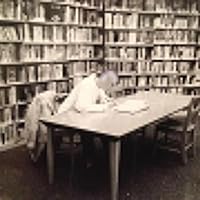
Kenneth Grahame was a British writer. He is best remembered for the classic of children's literature The Wind in the Willows (1908). Scottish by birth, he spent most of his childhood with his grandmother in England, following the death of his mother and his father's inability to look after the children. After attending St Edward's School in Oxford, his ambition to attend university was thwarted and he joined the Bank of England, where he had a successful career. Before writing The Wind in the Willows, he published three other books: Pagan Papers (1893), The Golden Age (1895), and Dream Days (1898).
I confess that I never knew Kenneth Grahame wrote anything besides The Wind In The Willows until I saw his name as an option on the Literary Birthday Challenge for March. Since I have been using this challenge as a way to read new-to-me authors, I thought I would see what titles of Grahame's were available at Gutenberg. I found Pagan Papers and two others, and chose this one as my challenge task.
The book turned out to be a collection of essays on various topics, and most of the pieces were quite clever, but some were so filled with Latin phrases that I felt like I missed the point Grahame was trying to make. On the other hand, since this book was originally published in 1893 and The Wind In The Willows not until 1908, it was quite interesting to me to catch glimpses of some attitudes of those characters we have all come to know so well. Here was Mr. Toad, there was Rat...not so much actually there, but hinted at through thoughts expressed in the essays.
I had two favorites: in Romance Of The Road, Grahame talks about walking out along a road and perhaps discovering yourself walking on the same paths that Roman soldiers followed. Sometimes when I am out walking here, I get overwhelmed with the feeling that Tlahuicole, Xicohtencatl and yes, even Cortez might have walked along this very river on this very trail. For me, as for Grahame with his Roman soldiers, this is a thrilling idea.
My other favorite was the third essay, Non Libri Sed Liberi, in which Grahame discusses collecting books. Rare books, books with leather bindings and other such pretties. This passage reveals it all: The process of the purchase is always much the same, therein resembling the familiar but inferior passion of love. There is the first sight of the Object, accompanied of a catching of the breath, a trembling in the limbs, loss of appetite, ungovernable desire, and a habit of melancholy in secret places.
I have never bought fancy books like the ones Grahame talks about, but I have been known to feel this exact same way when browsing a used book sale and suddenly, THERE IT IS: the book I have been hearing about, or one I remember from years ago, or simply one that gives me that 'take me home, you'll never regret it' look. Some books are very good at doing that, and sometimes they even live up to that coy promise.
Overall, I enjoyed these essays. They are not easy to read, you have to concentrate...well, I had to concentrate. No reading by osmosis here. But sometimes that is certainly part of a book's charm.
The only thing I've read of Grahame's is The Wind in the Willows, which I love, so I was interested to read other of his works. This was a short book of little essays on various subjects, some down-to-earth like smoking, others fantastical like The Fairy Wicket & The Last Centaur, with many classical references & quotes in Latin & French (with no translations). It did give a lovely picture of England & its countryside which is how I imagine it to have been during this time period. Even though I'm sure I didn't understand a good share of it, I did enjoy it.
I stumbled onto this book, and thought, "I never read essays like this." So, I gave it a shot. Grahame is a great writer, and that's on display here. The book itself deals with subject matter that now seems a bit dated, but its still an engaging read. However, I would really only recommend this book to people interested in the history of British literature, literary critics, or fans of Kenneth Grahame.
An enjoyable read! Some essays were simply wonderful and delightful! All of them are creative and curious, overflowing with symbolism and a unique point of view. However, I tended to enjoy the initial essays from his stint writing for the "National Observer" to the latter essays that were included. Still, quite worth pouring over for a delightful "taste" of flowing language!