This relaxing manga continues to delve into the creative process, providing its characters with complex motivations as to why they pursue art. Any artist will find a treasure trove of inspiration from this story. It is not only about technique and style, but about finding a voice and driving reason to create. Feeding the fire of creativity takes hard work and dedication. Art builds character within us, especially when it does not result in monetary gain, much less renown or recognition. The only bad artist is a lazy artist or a complacent one. Art must evolve and develop from an internal expressive force, a need to communicate something. It's amazing how the manga shows how amateur artists can learn from one another.
The manga repeats similar story beats, moves fairly slowly and has a very narrow focus. It is unique, compelling and demands deep consideration from the reader. While the art could be more polished, the examples are well explicated. The endeavor of manga authorship still boggles my mind. The sheer sweat and muscle exertion that goes into its serious pursuit is no joke, so I admire the author's commitment to this subject.
Este tomo me pareció perfecto. Para empezar el dibujo fue una maravilla, super detallado y elaborado. Y además de que muestra como es la vida de Yuka ahora, y como se dio cuenta de que el dibujo ya no es lo suyo, y lo acepta; acepta que eso no tiene nada de malo.
"Eres el tipo de persona que si mira a alguien ahogándose iras de inmediato por ayuda, pero nunca te atreverías a lanzarte al agua tu mismo" Yuka te rezo.
Ni se hable del examen. Uno nota la tensión, y el nerviosismo de Yatora. Fue perfecto ~( ̄▽ ̄)~*
Yatora’s done with the first exam at TUA, but does that mean that TUA is done with him? And, more concerningly, what’s going on with Yuka/Ryuji, who boldly walked out on the exam and, apparently, the world of art altogether?
If you want a word that encapsulates this volume in a nutshell, it’s stress. Everything, okay, most everything, in the story is wound tighter than a rubber band and precious few opportunities for release present themselves.
Of course, Ooba recognizes this quite easily and if Blue Period holds one thing aloft, it’s Yatora’s teachers. They may have very different styles, but at the end of it they are there for their students and it’s very obvious that they’re invested in their performance.
But you can’t fight their battles for them, only hone their weapons, so that leaves Yatora spending another volume trying to figure out his way forward while also confronting some truths about himself that he hadn’t ever considered.
This is part and parcel with the Yuka/Ryuji storyline, where they finally get placed front and centre and the Yatora and Yuka pairing is as powerful and engrossing as one could have hoped for. It’s definitely not a romance thing, which I think could have worked but Yatora’s pretty straight it seems, but two people connecting on a whole other level.
Of course, this doesn’t come about for no reason and Yuka gets pushed even further through the wringer this time around, simply for being themselves. If I wasn’t qualified to give a useful opinion on trans issues in Boys Run the Riot I am certainly in a similar position with Yuka’s apparent genderfluidity.
What I can tell you is that this is probably my favourite arc in the series to date. After Yuka calls Yatora out for the way he acts, Yatora makes a bold decision and the two of them have an adventure that is positively eye-opening for both of them.
There is a sketching section here that feels like something special even as it starts and, while I don’t think this story’s biggest appeal is necessarily its art, the way that Yuka’s body is depicted during this part could not convey their masculine/feminine dynamic any better, for my money.
This is where the real crux of this volume lies, just because of how good it is. Two people who love art, but one is trying to be something they’re not (artistically, anyway), while the other can’t bring themselves to stop.
And we’ll see the ramifications of that last part playing out next volume, if the brutal cliffhanger and the nasty manifestations of stress sewn throughout the volume are any indication.
The rest of the book’s quite good, I think we probably needed less time spent on the intricacies of the colour wheel, but that’s coming from my non-artist perspective of ‘even I know what that is’ which is not necessarily true of all readers.
5 stars - best it’s ever been in the last half and for a story that’s already been really good to start with. This volume does everything right by its characters and is a real triumph.
i love this manga with my whole heart. the characters are so wonderfully crafted, it is impossible not to love them. and the art talk is pure excellence!!
I LOVE YUKA. This story is so emotional and touching and genuine. It’s inspiring to see these characters interact like real people. I really love this manga!
Everytime Yuka cries, an angel loses its wings. Finally, finally! Yuka is in the spotlight, albeit very sad. Unlike Yotasuke, who challenges Yatora through rivalry, Yuka pushes him to confront identity, acceptance, and empathy, especially regarding how people exist within and outside societal expectations. And Yuka's connection to art is deeply tied to her struggle for validation and belonging, which makes me love Yatora because despite not always understanding her perfectly, he is someone who tries to accept her without forcing her into predefined roles. Their dynamic is uncomfortable but sincere, just like embracing or showing your own nakedness.
Aviso: esta reseña contiene spoilers de los anteriores tomos de Blue Period, una excelente obra que recomendamos mucho leer.
A pesar del contratiempo que supone que se le rompa el espejo que usa para pintar el autorretrato, Yatora logra superar la criba del primer examen. Sin embargo, saber que Ryûji no se va a presentar al segundo le descoloca... ¡Llega una nueva entrega del manga que contagia la juventud y la inspiración!
En este tomo seguimos acompañando a Yatora con sus problemas artísticos, sus dudas y temores. Poco a poco su estilo evoluciona, demostrando que es su verdadera pasión. Además, su camino en el arte le sirve también para evolucionar como ser humano, descubriendo cosas de él mismo que desconocía.
Este tomo llega a ser algo más intimista. Sin desvelar la trama, Yatora debe reflexionar sobre él mismo y la gente que le rodea a través de unas páginas que te llegan al corazón. No solo a través del dibujo, sino que también el texto es capaz de hacerte pensar y reflexionar. Este tomo parece un punto de inflexión en Yatora y otros personajes, lo que marcará su camino de ahora en adelante.
Como siempre, el dibujo es una gozada para la vista y las composiciones son increíbles. Cada página es una obra de arte, las expresiones son cuidadas y artísticamente es bellísimo. Es imposible apartar la vista de los dibujos a doble página, cada detalle está cuidado y es simplemente impresionante.
Blue period es un manga que nunca decepciona. Cada tomo es mejor que el anterior y a nivel artístico es uno de los mejores mangas que he visto. Además, la edición cuidada de Milky Way solo mejora la experiencia de tener este tomo entre tus manos, una delicia.
“Decorating that nakedness makes a human’s freedom and ugliness feel very lovable, don’t you think?”
This volume in particular of Blue Period is my favorite. The exploration of nakedness and its connection to mortality, identity and pride really struck me. Blue Period with its story with the characters, dialogue, and setting just feels so raw and real— I love it so much.
I highly recommend picking up this series and reading through this volume in particular.
This volume covers the final preparation for the second phase of the art college entrance exam for those who survived the first test. This volume is also noteworthy as it brings back Yuka-chan for significant exposure (in more ways than one). Overall, this is another strong volume collecting an excellent arc.
Volume 5 of Blue Period covers the transitional period between TUA’s first and second practical exams. It is here that I think Yamaguchi really manages to pull together Yatora’s struggles at art school and interlink them with Yatora’s schoolmates and their futures after high school. To nobody’s surprise, this volume returns to Yuka, my favourite character in the series. In volume 2, Yatora and Yuka had an important conversation about gender roles and societal expectations. The conversation informed Yatora’s art, but more importantly, he grew closer to Yuka. He held her friendship and connection to his past like a lifeline while in art school, so when Yuka quits art school, Yatora is unable to stop worrying about her.
Volume 3 looked broadly at the reasons for making art and volume 4 introduced the question of an artist’s perspective, how one needs to imbue every artistic response to a prompt with their own ideas. Volume 5 returns to these questions but through a different lens of Yuka’s childhood. The parallels are deliberate and this time it is Yatora who reaches out to intervene.
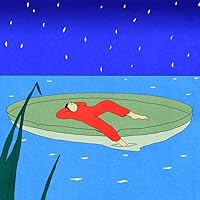
Yamaguchi early on introduced the idea of artists developing a theme over time as they write. Mori, who was Yaguchi’s senior, was shown as a relatively mature artist who drew upon prayer as a recurring motif. In chapter 20 at Odawara, Yuka and Yaguchi finally develop their own motifs as they paint together. The final two spread illustrations** of the volume 5 – Yatora and Yuka facing away from each other, identical in posture as they paint or float in the ocean’s depths – is striking visual confirmation that the two are narrative foils. Featuring some of the best character work in the series so far, volume 5 is for me the highlight of the TUA examination arc.
*
**On the spread illustration count: a very reasonable 5 in this volume. Also worth mentioning is the chapter art, which references Mondrian (or maybe Klee), Munch, and Schiele. God only knows if we can get more iconic references in the future.
I'm really liking this series. It's very grounded and deals with a lot of real start, like what Yuka is going through with her parents. I saw her pain so well when all the art and supplies were trashed as well, and was so happy when she stood up to her parents about it. I appreciate too that Yatora struggles as he learns art- it's only natural. I feel like the art theroy stuff has been better integrated in the last few volumes as well. Yatora's parents are great, as is the cram school teacher. Overall, a very powerful story about life and dreams and adversity as well as learning about yourself and others. Check out my YouTube channel for bookish videos and monthly wrap ups!
bardzo fajny tom! nie umiem się przełamać i dać 5 gwiazdek bo nadal mi czegoś brakuje. za to interesuje mnie wątek Yuki i mam nadzieję, że wszystko się u niego/niej/nich ułoży!
This is either my favorite or second favorite volume in the series so far! I loved the character exploration and building anticipation for the art exam. The stress was soooooo real 😭
Ich mag es wie der Hauptprotagonist nicht dieser „Übermensch“ ist, sondern auch seine eigenen Probleme hat und auch Angst verspürt. (Er hat übrigens auch einen schönen Po, durfte ich dieses Band feststellen)
Я щиро люблю "Блакитний період" Цубаси Ямаґучі, й 5 том це знову довів мені.
Начебто здається, що це звичайна історія про те, як школяр намагається вступити в омріяний університет мистецтв. Проте ця манґа набагато, набагато глибша!
Авторка дуже точно та дбайливо описує психологію персонажів, їхніх проблем та способів подолання цих проблем. А ще, голосом своїх персонажів, вона говорить дуже мудрі речі, які знадобляться далеко не тільки художникам. Це життєві поради про пошук та розуміння себе, свого погляду на світ та своїх прагнень.
А ще це неймовірно гарна манґа і з кожним томом я продовжую цьому дивуватися.
5 том мене вразив своєю глибиною. (Особливо ідея автопортретів, знаєте, якщо вже читали).
Par contre un peu de mal avec la transphobie du personnage principal ??? Je sais pas si je dis des bêtises mais quand un personnage s'habille et parle de lui-même au féminin mais qu'un autre ignore tout ça pour continuer d'en parler comme un homme ça me gêne. J'ai quand même aimé les moments qu'ils ont partagés.