

What do you think?

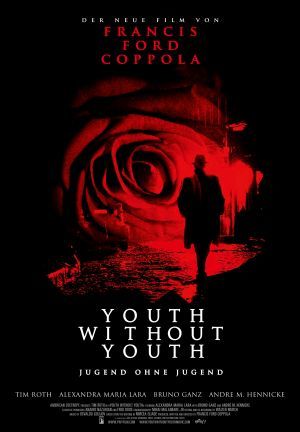
Jugend ohne Jugend
Bucharest, 1938: while Hitler gains power in Germany, the Romanian police start arresting students they suspect of belonging to the Iron Guard. Meanwhile, a man who has spent his life studying languages, poetry, and history - a man who thought his life was over - lies in a hospital bed, inexplicably alive and miraculously healthy, trying to figure out how to conceal his identity.
At the intersection of the natural and supernatural, myth and history, dream and science, lies Mircea Eliade's novella. Now in its first paperback edition, the psychological thriller features Dominic Matei, an elderly academic who experiences a cataclysmic event that allows him to live a new life with startling intellectual capacity. Sought by the Nazis for their medical experiments on the potentially life-prolonging power of electric shocks, Matei is helped to flee through Romania, Switzerland, Malta and India. Newly endowed with prodigious powers of memory and comprehension, he finds himself face to face with the glory and terror of the supernatural. In this surreal, philosophy-driven fantasy, Eliade tests the boundaries of literary genre as well as the reader's imagination.
Suspenseful, witty, and poignant, Youth Without Youth illuminates Eliade's longing for past loves and new texts, his erotic imagination, and his love of a thrilling mystery. It will be adapted for the screen in 2007 as Francis Ford Coppola's first feature film in over ten years.
"A wonderful blend of realism, surrealism, and fantasy, [Eliade's novellas] suggest the importance of the mythic and the supernatural to finding meaning in the everyday. Highly recommended". - Library Journal
"Youth Without Youth reads like a surreal collaboration by Jorge Luis Borges, Kurt Vonnegut, Jr., and Carl Jung. Mircea Eliade left me with the rare sense that I had been entertained by a genius". - William Allen, author of Starkweather and The Fire in the Birdbath and Other Disturbances
At the intersection of the natural and supernatural, myth and history, dream and science, lies Mircea Eliade's novella. Now in its first paperback edition, the psychological thriller features Dominic Matei, an elderly academic who experiences a cataclysmic event that allows him to live a new life with startling intellectual capacity. Sought by the Nazis for their medical experiments on the potentially life-prolonging power of electric shocks, Matei is helped to flee through Romania, Switzerland, Malta and India. Newly endowed with prodigious powers of memory and comprehension, he finds himself face to face with the glory and terror of the supernatural. In this surreal, philosophy-driven fantasy, Eliade tests the boundaries of literary genre as well as the reader's imagination.
Suspenseful, witty, and poignant, Youth Without Youth illuminates Eliade's longing for past loves and new texts, his erotic imagination, and his love of a thrilling mystery. It will be adapted for the screen in 2007 as Francis Ford Coppola's first feature film in over ten years.
"A wonderful blend of realism, surrealism, and fantasy, [Eliade's novellas] suggest the importance of the mythic and the supernatural to finding meaning in the everyday. Highly recommended". - Library Journal
"Youth Without Youth reads like a surreal collaboration by Jorge Luis Borges, Kurt Vonnegut, Jr., and Carl Jung. Mircea Eliade left me with the rare sense that I had been entertained by a genius". - William Allen, author of Starkweather and The Fire in the Birdbath and Other Disturbances
166 pages, Paperback
First published January 1, 1976
About the author
Mircea Eliade
569 books2,813 followersRomanian-born historian of religion, fiction writer, philosopher, professor at the University of Chicago, and one of the pre-eminent interpreters of world religion in the last century. Eliade was an intensely prolific author of fiction and non-fiction alike, publishing over 1,300 pieces over 60 years. He earned international fame with LE MYTHE DE L'ÉTERNAL RETOUR (1949, The Myth of the Eternal Return), an interpretation of religious symbols and imagery. Eliade was much interested in the world of the unconscious. The central theme in his novels was erotic love.
Ratings & Reviews
Friends & Following
Create a free account to discover what your friends think of this book!
Community Reviews
Displaying 1 - 30 of 78 reviews

July 23, 2008
When I saw the Coppola adaptation of this book I somewhat understood why the movie had received so many negative reviews: it was not the action-packed, World War II movie that it's setting might have lent itself towards. Instead, and in true fashion to Eliade's work, the movie dealt primarily with the metaphysical, spiritual, and even paranormal possibilities lurking behind every age, when the aging Romanian professor Dominic Matei is struck by lightning and suddenly rejuvenated, not just physically but with an hypermnesia that allows him to know anything he desires. However, I was somewhat displeased, as much of this came off as slightly removed from the action of the story itself, as if the plot was but an ill-fitting coat hanger for the ideas presented.
As far as Eliade's novella, there is perhaps even less action and drama, and more focus on the possibility of ideas, including a random side adventure into Ireland to witness the Committee to Celebrate the Centennial of the Commemoration of the Death of Irish Poet, Magus, and Irredentist Sean Bran, a scene that seems entirely unrelated to the rest of the book, was dropped from the movie, and yet is one of the more enjoyable sections. "Youth Without Youth" reads more like a synopsis than a fleshed out work of fiction; one could easily imagine it expanded into a tome much like his masterful "Forbidden Forest." However, it also seems possible (the notorious "death of the author" aside) that as this was written at the end of Eliade's life he may have been slightly more concerned with getting the ideas down rather than developing them. If anything it could be a dying scholar and storyteller's wish to have one more chance at life to complete his work, while at the same time realizing the futility of that desire, here cast in terms of Chaungtzu's butterfly parable. Dominic Matei, perhaps Eliade himself, is an old man dreaming that he is a young man dreaming that he is every man, eventually falling into Eliade's spiritual catch-22 of the Eternal Return, bringing the still youthful Matei full circle to die where he had originally desired to commit suicide, having still not completed his life's work but learned to love life in the process.
As far as Eliade's novella, there is perhaps even less action and drama, and more focus on the possibility of ideas, including a random side adventure into Ireland to witness the Committee to Celebrate the Centennial of the Commemoration of the Death of Irish Poet, Magus, and Irredentist Sean Bran, a scene that seems entirely unrelated to the rest of the book, was dropped from the movie, and yet is one of the more enjoyable sections. "Youth Without Youth" reads more like a synopsis than a fleshed out work of fiction; one could easily imagine it expanded into a tome much like his masterful "Forbidden Forest." However, it also seems possible (the notorious "death of the author" aside) that as this was written at the end of Eliade's life he may have been slightly more concerned with getting the ideas down rather than developing them. If anything it could be a dying scholar and storyteller's wish to have one more chance at life to complete his work, while at the same time realizing the futility of that desire, here cast in terms of Chaungtzu's butterfly parable. Dominic Matei, perhaps Eliade himself, is an old man dreaming that he is a young man dreaming that he is every man, eventually falling into Eliade's spiritual catch-22 of the Eternal Return, bringing the still youthful Matei full circle to die where he had originally desired to commit suicide, having still not completed his life's work but learned to love life in the process.

January 3, 2012
The ending of this book was perfect. My world was flipped upside down. I cannot even describe how important this book was. It is a must read for everyone. My world has changed.
December 26, 2018

Romanian review: Anul 2018 este primul an în care am reușit să citesc 100 de cărți, cea de-o suta carte citită fiind chiar aceasta, ,,Tinerețe fără tinerețe". Din acest motiv, această nuvelă va rămâne cu siguranță specială pentru mine.
Deși subiectul cărții m-a atras de la început (un om lovit de fulger capătă puteri supranaturale), probabil că nu aș fi citit cartea dacă nu era scrisă de un scriitor român clasic ca Eliade. Este "mult mai științifico-fantastică" decât orice altceva scris de un român în acea perioadă.
Totuși, ceea ce m-a convins să o citesc cât mai repede cu putință a fost descoperirea faptului că a fost ecranizată de Francis Ford Coppola, cel care a regizat trilogia THE GODFATHER. Faptul că distribuția este plină de români a reprezentat un bonus. Dacă mai era nevoie de ceva care să mă convingă că trebuie neapărat să citesc nuvela și să văd filmul, din distribuție face parte și Bruno Ganz, cel care l-a jucat pe Adolf Hitler în Downfall.
După terminarea nuvelei, pot să spun că finalul m-a dezamăgit puțin, totul a început foarte bine și mi s-a părut extrem de interesant și de captivant, dar, pe parcurs, acțiunea devine ciudată, iar ordinea cronologică a evenimentelor devine confuză.
Conceptul este extrem de interesant, dar cred că Mircea Eliade putea să facă mult mai multe cu povestea. Dacă eram în locul lui, aș fi scris un roman complex, nu o nuvelă scurtă. După părerea mea, subiectul nu este suficient de dezvoltat.
De asemenea, Mircea Eliade abordează multe teme filozofice care sunt greu de înțeles pentru cei neinițiați. Era bine dacă ar fi fost prezentate mai detaliat. Nuvela ar fi fost mult mai impresionantă, dacă le-aș fi putut înțelege în totalitate.
,,Tinerețe fără tinerețe" a fost o lectură plăcută, interesantă și destul de captivantă, iar de la mine primește 3.5 stele.
English review: The year 2018 is the first in which I managed to read 100 books, with the hundredth book being this one, "Youth Without Youth". For that reason, this novella will definitely remain special to me.
Although the subject of the book intrigued me from the start (a man struck by lightning gains supernatural powers), I probably wouldn’t have read it if it weren’t written by a classic Romanian author like Eliade. It’s “much more science-fiction” than anything else written by a Romanian during that period.
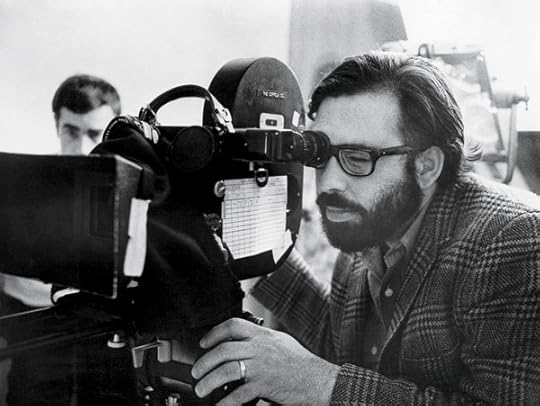
What ultimately convinced me to read it as soon as possible was discovering that it was adapted into a film by Francis Ford Coppola, the director of The Godfather trilogy. The fact that the cast includes many Romanian actors was a bonus. If I needed any more reason to read the novella and watch the film, it was the presence of Bruno Ganz, who played Adolf Hitler in Downfall.
After finishing the novella, I can say that the ending left me a bit disappointed. Everything started out really well and seemed extremely interesting and engaging, but as the story progressed, the action got stranger, and the chronological order of events became confusing.
The concept is incredibly intriguing, but I think Mircea Eliade could have done much more with the story. If I were him, I would have written a complex novel instead of a short novella. In my opinion, the subject isn’t developed enough.
Eliade also tackles several philosophical themes that are difficult for uninitiated readers to understand. It would have been better if they were presented in more detail. The novella would have been much more impressive if I could fully grasp them.
"Youth Without Youth" was a pleasant, interesting, and fairly captivating read, and I’m giving it 3.5 stars.

November 8, 2021
Мирче Елијаде је један од оних аутора са којим сам се са радошћу упознавао у току студија. Обавезан приликом изучавања значења бајки, повезаности стварног и надстварног, снова и сновиђења, светог и профаног, корена људског сазнања, архетипова, повезаности савременог и Архајског човека, али и корену језика у очувању хуманог идентитета. И онда се у књизи Младост без младости појављује Доминик Матеј који представља оличење свега онога што је за Елијадеа представљало звезду водиљу, научни и филозофски идеал у току рада. На малом броју страница Елијаде се дотакао, кроз једну, наизглед, нонсенсну тематику бројних филозофских и идеолошких истраживања људског рода. Наиме, Доминика Матеја, уваженог, али цивилизацији сасвим небитног старијег господина, са годинама ближе оном него овом свету, у једној необичној олуји погађа гром. Након дугог балансирања на танкој нити између живота и смрти, Доминик остаје на линији живота, али бољи, усавршенији, отворенији, млађи. Као особа која је годинама безуспешно покушавала да научи бројне светске језике напрасно открива да савршено добро зна све светске језике, али и оне давно изумрле. Поред тога све што је прочитао или што ће да прочита веома лако памти и има доступно у свом знању. Електрична енергија отворила је скривене мождане фјордове и даривала му безгранично знање. На трагу надчовека Доминик у доба владавине нечовека постаје интересантан нацистима и владаоцима света чији циљ је бити надмоћнији, јачи, свемоћнији, паметнији и вечнији. Време, као променљива крива, окренула је ток свога времена у корист, некада старца, а сада младог човека и даривала му у екстази лудила сурова знања до којих сежу они који загребу по несвесним крајевима сопственог ума, у којима се скупљају света знања наших предака, све до првог архетипског човека од кога сви потичемо. Да ли је смрт у ствари ренесанса једног човека, преображај попут мимикрије из ларве у лептира или у нашем случају од човека до надчовека? У геноцидном експерименту умреће вероватно сви, али неко ће остати, унапређен, моћнији, отворенијег ума, остаће Он који треба бити циљ човечанства, Он који је повратио моћ, Он Надчовек. Можда је изложеност нуклеарној енергији, довољно јакој да убије, али и да ствара, једини могући циљ човечанства, који плашљиви људски црви затвореног ума у ствари ни не могу да виде, можда.
„Право значење нуклеарне катастрофе може бити само ово: мутација људске врсте, појава надчовека. Знам, атомски ратови ће уништити народе и цивилизације и редуковаће део планете на пустињу. Али, ово је цена коју треба платити како би се радикално ликвидирала прошлост и омогућила мутација, односно појава једне врсте, бесконачно супериорније од данашњег човека. Само огромна количина електричне енергије, ослобођена на неколико сати или минута, моћи ће да промени психоменталну структуру несрећног хомо сапијенса. (...) Очигледно преживеће само неколико милиона појединаца. Али, они ће представљати неколико милиона надљуди.“
„Право значење нуклеарне катастрофе може бити само ово: мутација људске врсте, појава надчовека. Знам, атомски ратови ће уништити народе и цивилизације и редуковаће део планете на пустињу. Али, ово је цена коју треба платити како би се радикално ликвидирала прошлост и омогућила мутација, односно појава једне врсте, бесконачно супериорније од данашњег човека. Само огромна количина електричне енергије, ослобођена на неколико сати или минута, моћи ће да промени психоменталну структуру несрећног хомо сапијенса. (...) Очигледно преживеће само неколико милиона појединаца. Али, они ће представљати неколико милиона надљуди.“

February 1, 2014
"At a certain age, you can expect anything." This what a doctor tells Dominic Matei, the main character in this novella. A recent film based on this work recently marked the return of Francis Ford Coppola as a director. It would seem an odd choice for the director of "The Godfather" trilogy and "Apocalypse Now," but it represented a challenge - a motion picture depicting thought as much as action.
Mircea Eliade, a scholar of comparative religion, tells the story of Matei, a scholar working with language who has spent most of his life trying to finish one great work on the origin and composition of human language. Yet, he is an old man with little hope of doing so, when he crosses a busy street and is struck by lightning. He survives and almost immediately begins to transform into a young man.
Philip Roth, as noted here before, has made a mini-career chronicling how a human being can feel alien in his own body as the aging process takes its toll. As the narrator of his recent book "Everyman" observes, "Old age isn't a battle. It's a massacre." Yet "Youth Without Youth" gives seemingly the best of both worlds - youthful vitality without youthful ignorance. But something is lost in the process as well - youthful freedom. Matei must change his identity in order to avoid capture by the Nazis. He then embarks on a multi-decade odyssey, carrying him in search of answers to the great questions of his life.
Eliade only vaguely sketches out the outlines of this. Dominic Matei, like many, is haunted by the feeling that the events of his life have occurred for a reason, and that someone is watching over him. Yet, even as a regenerated man, there is the nagging feeling that this watchful presence might not always be benevolent or a disinterested observer. "Why has this happened to me, of all people?" he asked. If there is a test beneath these events, one feels terrified of failure.
He is not alone on his journey. Later in the book, he is accompanied by a figure known only as the double, an alter ego who questions him, challenges him, occasionally directs him. He also encounters a young woman with an experience eerily similar to his - she begins having episodes that hint as a reincarnation several centuries old, in a different language. Of course, Dominic is the only one who "understands" her. The themes here, of literally being "born again," are inescapable.
In the end, Dominic still finds himself alone, his search for knowledge ending in a conclusion that he has "been fated to lose all that I love." This is not all that different from anyone else, as time inevitably robs us of our most cherished possessions, knowledge, and relationships. But Dominic does not have the prison of age to control his ambition, though he knows at any time, he can renounce his second youth.
"What do we do with Time?" he asks, echoing a question found throughout history in all walks of life. In Richard A. Cohen's study of the philosophy of Franz Rosenzweig and Emmanuel Levinas, "Elevations," Cohen observes:
"Contemporary philosophers invariably take stands - explicitly or implicitly - regarding the structure and significance of time ...Time is as central in contemporary thought as was eternity in ancient and premodern philosophy."
You will notice that as mankind began to forsake the idea of infinite existence and the reality of God, his focus shifted from the eternal to the limits of his lifespan. Not much of a trade. Instead of considering how our lives are spent, we instead are left to cram experience into an uncertain and ever-shrinking vessel - our own lives. What do we have to show for our use of time? What will we do without it?
But consider the original question: What will our lives mean in the course of eternity? "Heaven and earth will pass away, but..."
Mircea Eliade, a scholar of comparative religion, tells the story of Matei, a scholar working with language who has spent most of his life trying to finish one great work on the origin and composition of human language. Yet, he is an old man with little hope of doing so, when he crosses a busy street and is struck by lightning. He survives and almost immediately begins to transform into a young man.
Philip Roth, as noted here before, has made a mini-career chronicling how a human being can feel alien in his own body as the aging process takes its toll. As the narrator of his recent book "Everyman" observes, "Old age isn't a battle. It's a massacre." Yet "Youth Without Youth" gives seemingly the best of both worlds - youthful vitality without youthful ignorance. But something is lost in the process as well - youthful freedom. Matei must change his identity in order to avoid capture by the Nazis. He then embarks on a multi-decade odyssey, carrying him in search of answers to the great questions of his life.
Eliade only vaguely sketches out the outlines of this. Dominic Matei, like many, is haunted by the feeling that the events of his life have occurred for a reason, and that someone is watching over him. Yet, even as a regenerated man, there is the nagging feeling that this watchful presence might not always be benevolent or a disinterested observer. "Why has this happened to me, of all people?" he asked. If there is a test beneath these events, one feels terrified of failure.
He is not alone on his journey. Later in the book, he is accompanied by a figure known only as the double, an alter ego who questions him, challenges him, occasionally directs him. He also encounters a young woman with an experience eerily similar to his - she begins having episodes that hint as a reincarnation several centuries old, in a different language. Of course, Dominic is the only one who "understands" her. The themes here, of literally being "born again," are inescapable.
In the end, Dominic still finds himself alone, his search for knowledge ending in a conclusion that he has "been fated to lose all that I love." This is not all that different from anyone else, as time inevitably robs us of our most cherished possessions, knowledge, and relationships. But Dominic does not have the prison of age to control his ambition, though he knows at any time, he can renounce his second youth.
"What do we do with Time?" he asks, echoing a question found throughout history in all walks of life. In Richard A. Cohen's study of the philosophy of Franz Rosenzweig and Emmanuel Levinas, "Elevations," Cohen observes:
"Contemporary philosophers invariably take stands - explicitly or implicitly - regarding the structure and significance of time ...Time is as central in contemporary thought as was eternity in ancient and premodern philosophy."
You will notice that as mankind began to forsake the idea of infinite existence and the reality of God, his focus shifted from the eternal to the limits of his lifespan. Not much of a trade. Instead of considering how our lives are spent, we instead are left to cram experience into an uncertain and ever-shrinking vessel - our own lives. What do we have to show for our use of time? What will we do without it?
But consider the original question: What will our lives mean in the course of eternity? "Heaven and earth will pass away, but..."
April 6, 2026
"Молодість без молодості"
Мірча Еліаде
"— Бачу, ви хочете мене випробувати. Можливо, ви й маєте рацію. Але значення цих відкриттів недвозначне: кумранські рукописи виводять на світ Божий доктрини єсеїв, таємної общини, про яку мало що відомо. Так само знайдені нещодавно в Єгипті й ще не розшифровані гностичні манускрипти розголосять езотеричні доктрини, що майже вісімнадцять століть перебували в забутті. Настануть інші подібні відкриття, і таємні досі традиції стануть явними. Саме про цей синдром я і говорив: відкриття, одне за одним, таємних доктрин. Вірний знак наближення Апокаліпсису. Цикл замикається. Відомо це було давно, але після Хіросіми ми знаємо і як він замкнеться…"
В пасхальну ніч блискавка раптово вдаряє семидесятилітнього професора лінгвістики Домініка Матея, абсолютно спалюючи його одяг і всі речі, які були на ньому. Він опиняється в лікарні. Вся шкіра на його тілі обгоріла, але він вижив. Дивовижним чином він не тільки залишається живим, але його тіло починає регенерувати. Відновлюються м'язи, тканини, шкіра і навіть зуби. Це початок повісті Мірчі Еліаде "Молодість без молодості" - однієї з найгеніальніших історій, написаних ним за життя. Своєрідного творчого підсумку і лебединої пісні.
Здається, в цій історії Еліаде намагався поєднати непоєднуване. Десятки думок, течій, ідей та персоналій, яких він вивчав за життя.
Згадується Юнґ:
"На щастя, вихід із ситуації, вигаданий ним від самого початку, вдавався. Прослухавши першу стрічку з її біографічними зізнаннями, він тут же надіслав до римського Східного інституту довгу телеграму. А наступного дня, о годині, зазначеній у телеграмі, частково дав їм послухати плівку телефоном. Одночасно він зв'язався з одним із найближчих співробітників К. Ґ. Юнґа. І ось із Рима прибув професор Туччі у супроводі асистента. Вперше Рупіні отримала можливість по-справжньому, розлого поговорити зі знавцем про філософію мадг'яміка і, головне, про свого вчителя Чандракірті."
"Він згадав про заголовок тієї книги влітку 1964-го, коли на колоквіумі з «Mysterium Conjunctionis» Юнґа один юнак, що вступив у дискусію, вимовив формулу «Есхатологія електрики». Юнак почав з того, що нагадав про злиття в єдине ціле протилежностей: психологічний процес, який за його словами, слід було б інтерпретувати у світлі індійської та китайської філософії. Для веданти — так само як для даосизму — межа між протилежностями стирається, якщо дивитися на них у певній перспективі, добро і зло втрачають сенс, і буття зливається з небуттям в Абсолюті. То чому ж ніхто не наважується вимовити, продовжував хлопець, що на просторах цієї філософії атомні війни мають бути якщо не виправдані, то принаймні прийняті як даність?
— Однак я, — додав він, — йду далі. Я виправдовую світову ядерну війну в ім'я есхатології електрики!"
Джойс:
"— Ви забули головне, — перебив його доктор, — про Джеймса Джойса.
— Найголовніше, — вставив Стівен.
— Це слушно, — визнав Коломбан. — Якби надії, які ми пов'язували з «Фіннеґановим Вікопомином», справдилися, ім'я Шона Брена було б нині знаменитим. Адже все, що стосується буття чи творінь Великої Людини, самі розумієте, не може уникнути слави. Усна традиція, коріння якої нам простежити не вдалося, стверджує, що Джойс нібито зробив у «Фіннеґановому Вікопомині» низку алюзій на естетику і насамперед на магічні концепції Брена. Згідно з тією ж традицією, Джойс не пішов далі — не став полегшувати пошуки цих алюзій зазначенням сторінок чи хоча б контексту. Багато років кілька наших дослідників билися над розшифровкою. Безрезультатно. Але якщо традиція не бреше, сто вісімдесят дев'ять сторінок «Вікопомину» приховують у собі потрібні алюзії…"
Джуан-цзи:
"— Отже, — вимовив він, — історія починається спочатку. Ви мені снитеся, а коли я прокинуся, виявиться, що тільки тоді й починається сон. Як у тій притчі у Джуан-цзи, про метеликів.
— У Джуан-цзи? — тихо повторив Ваян. — Притча про метеликів Джуан-цзи?
— Я ж стільки разів її вам розповідав! — нагадав він, раптом приходячи у веселий настрій."
Не випадково Еліаде протиставляє концепцію, яка суперечить його (і не тільки його, згадаймо Платона і Ніцше) ідеї Вічного Повернення. Ядерна війна проти Циклів:
"— Як бачите, я останній оптиміст у Європі. Як усі, я знаю, що на нас чекає: водень, кобальт та інше. Але, на відміну від інших, я намагаюся відшукати якийсь сенс за цією неминучою катастрофою — і, отже, примиритися з нею, як учить старий Гегель. Так ось, провіденційна мета термоядерної війни — не що інше, як мутація роду людського, поява надлюдини. Так, я знаю: ці війни зітруть з лиця землі цілі народи, цілі цивілізації і перетворять пів планети на пустелю. Але такою є ціна, яку ми маємо заплатити за те, щоб радикально порвати з минулим і форсувати мутацію, тобто появу вищої людини, яка за всіма статтями незмірно перевершує нинішню. Тільки гігантський заряд електрики, який розрядиться за кілька годин — або хвилин, — зможе перемінити психіку і розум нещасної породи гомо сапієнс, що досі вершила історію. При безмежних можливостях постісторичної людини відродження цивілізації на планеті напевно пройде в рекордні терміни. Звісно, виживуть лише лічені мільйони населення. Але це будуть мільйони надлюдей. Тому я вдався до формули «есхатологія електрики». Від електрики людина прийме і загибель, і порятунок.
Не дивлячись на нього, молодий чоловік допив своє пиво.
— Але чому ви так упевнені, що ця електрика, коли її вивільнить ядерний вибух, призведе до мутації вищого порядку? З таким самим успіхом вона може спровокувати повне виродження виду.
Юнак скинув на нього суворі, мало не злі очі.
— Ні в чому я не впевнений, я тільки хочу вірити, що так буде. В іншому разі ні людське життя, ні історія не мають сенсу. І нам доведеться прийняти ідею космічних та історичних циклів, міф про вічне повторення."
Есхатологія, людина і надлюдина, феноменальна пам'ять і суть навчання.
Вигаданий трактат "Теологія і демонологія електрики", вигаданий письменник-окультист Брен, що носить у собі риси Кровлі і Єйтса. Лінда-Вероніка-Рупіні: жінка, що проживає життя всіх попередніх жінок на Землі. Знову одвічні темпоральні маніпуляці і лінґводетермінізм. Друга світова, окультизм, експерименти нацистів на людях з використанням електричного струму. І центральна, стрижнева ідея, яка поєднує всі попередні - вічне життя і омолодження.
"Щодня він ходив до бібліотеки і замовляв купи книг та старих журналів. Уважно їх перегортав, робив виписки, складав бібліографічні картки. Але вся ця робота була не більше ніж камуфляж. Кинувши погляд на перші ж рядки, він уже знав, що там далі. Йому варто було тільки захотіти — і виявлялося, що йому відомий зміст розкритого перед ним тексту. В суть анамнезу, як він називав це про себе, він не вникав. Одного разу йому наснився довгий і драматичний сон — він запам'ятав його лише фрагментарно, бо не раз прокидався по ходу подій і переривав їх. Особливо сильне враження справила на нього така подробиця: від впливу потужного електричного заряду його розумові здібності досягли такого порогу, який людству належить досягти лише через десятки тисяч років. Головною характеристикою нового людства буде інша структура психоментального життя: всі досягнення людської думки, виражені коли-небудь усно чи письмово, стають надбанням індивідуальної пам'яті за допомогою певної вправи з концентрації. Власне, освіта полягатиме в навчанні методу концентрації під контролем інструкторів.
«Коротше, я мутант, — виснував він, прокинувшись. — Прообраз постісторичної людини. Такий собі герой science-fiction». Він посміхнувся. Іронічні зауваження він відпускав головним чином для «сил», які про нього дбали. «Так воно і є в якомусь відношенні, — випливла думка. — Тільки на відміну від персонажа science-fiction ти зберіг свободу приймати або не приймати свою нову якість. Захочеш повернути колишню — ти вільний зробити це в будь-який момент...»
«Вільний?» Він глибоко перевів подих і, озирнувшись на всі боки, промовив:
— Отже, я вільна людина!.. Проте... — Але не наважився втілити свою думку в слова.
Ще 1939 року він вирішив завести окремий зошит тільки для самого себе. І відкрив його тим, що назвав про себе свідченням на користь гуманної суті постісторичної людини: «Спонтанне, автоматичне засвоєння знань не вбиває ні смаку до дослідження, ні радості відкриття. Ось приклад, що легко піддається перевірці: любитель поезії бере до рук томик улюблених віршів з незмінним задоволенням. Він знає їх напам'ять — і все ж час від часу припадає до книги. Бо повторне читання знайомого тексту дає можливість розкрити в ньому те, що доти вислизало, — нову красу, новий сенс. Так само і знання, які отримуєш у готовому вигляді, всі ці мови та літератури, які раптом опиняються в голові, анітрохи не зменшують радість навчання, дослідницького процесу».
Зараз, кілька років по тому, перечитуючи тодішнє, він часом схвально кивав: «Вивчити ґрунтовно і з задоволенням можна тільки те, що вже знаєш». Або: «Не уподібнюйте мене електронному калькулятору. Так, якщо його правильно живити — як і мене, — він зможе прочитати напам'ять „Одіссею“ чи „Енеїду“. Але я читаю їх щоразу інакше». Або: «Кожне творіння культури (підкреслюю: культури, не одного лише мистецтва) є джерелом незліченних блаженств».
Він завжди хвилювався, згадуючи епіфанію тих двох троянд. Час від часу, щоправда, йому подобалося критикувати їхню придатність як філософського аргументу. Йшли довгі, п'янкі діалоги; він усе збирався записати їх, особливо за літературні, так йому здавалося, переваги. Однак останнього разу діалог заокруглився, якщо не сказати обірвався, досить швидко. «По суті, — повторив він ще раз у той зимовий вечір 1944-го, — подібні парапсихологічні феномени можуть бути результантами якихось сил, нам невідомих, але якими, припустимо, володіє наше підсвідоме». — «Суперечності немає, — почув він думку у відповідь, — будь-яка дія проводиться більш-менш відомою силою. Але ти накопичив уже стільки досвіду, тобі варто переглянути свої філософські принципи. Розумієш, на що я натякаю?..» — «Здається, так», — визнав він з посмішкою."
Мірча Еліаде
"— Бачу, ви хочете мене випробувати. Можливо, ви й маєте рацію. Але значення цих відкриттів недвозначне: кумранські рукописи виводять на світ Божий доктрини єсеїв, таємної общини, про яку мало що відомо. Так само знайдені нещодавно в Єгипті й ще не розшифровані гностичні манускрипти розголосять езотеричні доктрини, що майже вісімнадцять століть перебували в забутті. Настануть інші подібні відкриття, і таємні досі традиції стануть явними. Саме про цей синдром я і говорив: відкриття, одне за одним, таємних доктрин. Вірний знак наближення Апокаліпсису. Цикл замикається. Відомо це було давно, але після Хіросіми ми знаємо і як він замкнеться…"
В пасхальну ніч блискавка раптово вдаряє семидесятилітнього професора лінгвістики Домініка Матея, абсолютно спалюючи його одяг і всі речі, які були на ньому. Він опиняється в лікарні. Вся шкіра на його тілі обгоріла, але він вижив. Дивовижним чином він не тільки залишається живим, але його тіло починає регенерувати. Відновлюються м'язи, тканини, шкіра і навіть зуби. Це початок повісті Мірчі Еліаде "Молодість без молодості" - однієї з найгеніальніших історій, написаних ним за життя. Своєрідного творчого підсумку і лебединої пісні.
Здається, в цій історії Еліаде намагався поєднати непоєднуване. Десятки думок, течій, ідей та персоналій, яких він вивчав за життя.
Згадується Юнґ:
"На щастя, вихід із ситуації, вигаданий ним від самого початку, вдавався. Прослухавши першу стрічку з її біографічними зізнаннями, він тут же надіслав до римського Східного інституту довгу телеграму. А наступного дня, о годині, зазначеній у телеграмі, частково дав їм послухати плівку телефоном. Одночасно він зв'язався з одним із найближчих співробітників К. Ґ. Юнґа. І ось із Рима прибув професор Туччі у супроводі асистента. Вперше Рупіні отримала можливість по-справжньому, розлого поговорити зі знавцем про філософію мадг'яміка і, головне, про свого вчителя Чандракірті."
"Він згадав про заголовок тієї книги влітку 1964-го, коли на колоквіумі з «Mysterium Conjunctionis» Юнґа один юнак, що вступив у дискусію, вимовив формулу «Есхатологія електрики». Юнак почав з того, що нагадав про злиття в єдине ціле протилежностей: психологічний процес, який за його словами, слід було б інтерпретувати у світлі індійської та китайської філософії. Для веданти — так само як для даосизму — межа між протилежностями стирається, якщо дивитися на них у певній перспективі, добро і зло втрачають сенс, і буття зливається з небуттям в Абсолюті. То чому ж ніхто не наважується вимовити, продовжував хлопець, що на просторах цієї філософії атомні війни мають бути якщо не виправдані, то принаймні прийняті як даність?
— Однак я, — додав він, — йду далі. Я виправдовую світову ядерну війну в ім'я есхатології електрики!"
Джойс:
"— Ви забули головне, — перебив його доктор, — про Джеймса Джойса.
— Найголовніше, — вставив Стівен.
— Це слушно, — визнав Коломбан. — Якби надії, які ми пов'язували з «Фіннеґановим Вікопомином», справдилися, ім'я Шона Брена було б нині знаменитим. Адже все, що стосується буття чи творінь Великої Людини, самі розумієте, не може уникнути слави. Усна традиція, коріння якої нам простежити не вдалося, стверджує, що Джойс нібито зробив у «Фіннеґановому Вікопомині» низку алюзій на естетику і насамперед на магічні концепції Брена. Згідно з тією ж традицією, Джойс не пішов далі — не став полегшувати пошуки цих алюзій зазначенням сторінок чи хоча б контексту. Багато років кілька наших дослідників билися над розшифровкою. Безрезультатно. Але якщо традиція не бреше, сто вісімдесят дев'ять сторінок «Вікопомину» приховують у собі потрібні алюзії…"
Джуан-цзи:
"— Отже, — вимовив він, — історія починається спочатку. Ви мені снитеся, а коли я прокинуся, виявиться, що тільки тоді й починається сон. Як у тій притчі у Джуан-цзи, про метеликів.
— У Джуан-цзи? — тихо повторив Ваян. — Притча про метеликів Джуан-цзи?
— Я ж стільки разів її вам розповідав! — нагадав він, раптом приходячи у веселий настрій."
Не випадково Еліаде протиставляє концепцію, яка суперечить його (і не тільки його, згадаймо Платона і Ніцше) ідеї Вічного Повернення. Ядерна війна проти Циклів:
"— Як бачите, я останній оптиміст у Європі. Як усі, я знаю, що на нас чекає: водень, кобальт та інше. Але, на відміну від інших, я намагаюся відшукати якийсь сенс за цією неминучою катастрофою — і, отже, примиритися з нею, як учить старий Гегель. Так ось, провіденційна мета термоядерної війни — не що інше, як мутація роду людського, поява надлюдини. Так, я знаю: ці війни зітруть з лиця землі цілі народи, цілі цивілізації і перетворять пів планети на пустелю. Але такою є ціна, яку ми маємо заплатити за те, щоб радикально порвати з минулим і форсувати мутацію, тобто появу вищої людини, яка за всіма статтями незмірно перевершує нинішню. Тільки гігантський заряд електрики, який розрядиться за кілька годин — або хвилин, — зможе перемінити психіку і розум нещасної породи гомо сапієнс, що досі вершила історію. При безмежних можливостях постісторичної людини відродження цивілізації на планеті напевно пройде в рекордні терміни. Звісно, виживуть лише лічені мільйони населення. Але це будуть мільйони надлюдей. Тому я вдався до формули «есхатологія електрики». Від електрики людина прийме і загибель, і порятунок.
Не дивлячись на нього, молодий чоловік допив своє пиво.
— Але чому ви так упевнені, що ця електрика, коли її вивільнить ядерний вибух, призведе до мутації вищого порядку? З таким самим успіхом вона може спровокувати повне виродження виду.
Юнак скинув на нього суворі, мало не злі очі.
— Ні в чому я не впевнений, я тільки хочу вірити, що так буде. В іншому разі ні людське життя, ні історія не мають сенсу. І нам доведеться прийняти ідею космічних та історичних циклів, міф про вічне повторення."
Есхатологія, людина і надлюдина, феноменальна пам'ять і суть навчання.
Вигаданий трактат "Теологія і демонологія електрики", вигаданий письменник-окультист Брен, що носить у собі риси Кровлі і Єйтса. Лінда-Вероніка-Рупіні: жінка, що проживає життя всіх попередніх жінок на Землі. Знову одвічні темпоральні маніпуляці і лінґводетермінізм. Друга світова, окультизм, експерименти нацистів на людях з використанням електричного струму. І центральна, стрижнева ідея, яка поєднує всі попередні - вічне життя і омолодження.
"Щодня він ходив до бібліотеки і замовляв купи книг та старих журналів. Уважно їх перегортав, робив виписки, складав бібліографічні картки. Але вся ця робота була не більше ніж камуфляж. Кинувши погляд на перші ж рядки, він уже знав, що там далі. Йому варто було тільки захотіти — і виявлялося, що йому відомий зміст розкритого перед ним тексту. В суть анамнезу, як він називав це про себе, він не вникав. Одного разу йому наснився довгий і драматичний сон — він запам'ятав його лише фрагментарно, бо не раз прокидався по ходу подій і переривав їх. Особливо сильне враження справила на нього така подробиця: від впливу потужного електричного заряду його розумові здібності досягли такого порогу, який людству належить досягти лише через десятки тисяч років. Головною характеристикою нового людства буде інша структура психоментального життя: всі досягнення людської думки, виражені коли-небудь усно чи письмово, стають надбанням індивідуальної пам'яті за допомогою певної вправи з концентрації. Власне, освіта полягатиме в навчанні методу концентрації під контролем інструкторів.
«Коротше, я мутант, — виснував він, прокинувшись. — Прообраз постісторичної людини. Такий собі герой science-fiction». Він посміхнувся. Іронічні зауваження він відпускав головним чином для «сил», які про нього дбали. «Так воно і є в якомусь відношенні, — випливла думка. — Тільки на відміну від персонажа science-fiction ти зберіг свободу приймати або не приймати свою нову якість. Захочеш повернути колишню — ти вільний зробити це в будь-який момент...»
«Вільний?» Він глибоко перевів подих і, озирнувшись на всі боки, промовив:
— Отже, я вільна людина!.. Проте... — Але не наважився втілити свою думку в слова.
Ще 1939 року він вирішив завести окремий зошит тільки для самого себе. І відкрив його тим, що назвав про себе свідченням на користь гуманної суті постісторичної людини: «Спонтанне, автоматичне засвоєння знань не вбиває ні смаку до дослідження, ні радості відкриття. Ось приклад, що легко піддається перевірці: любитель поезії бере до рук томик улюблених віршів з незмінним задоволенням. Він знає їх напам'ять — і все ж час від часу припадає до книги. Бо повторне читання знайомого тексту дає можливість розкрити в ньому те, що доти вислизало, — нову красу, новий сенс. Так само і знання, які отримуєш у готовому вигляді, всі ці мови та літератури, які раптом опиняються в голові, анітрохи не зменшують радість навчання, дослідницького процесу».
Зараз, кілька років по тому, перечитуючи тодішнє, він часом схвально кивав: «Вивчити ґрунтовно і з задоволенням можна тільки те, що вже знаєш». Або: «Не уподібнюйте мене електронному калькулятору. Так, якщо його правильно живити — як і мене, — він зможе прочитати напам'ять „Одіссею“ чи „Енеїду“. Але я читаю їх щоразу інакше». Або: «Кожне творіння культури (підкреслюю: культури, не одного лише мистецтва) є джерелом незліченних блаженств».
Він завжди хвилювався, згадуючи епіфанію тих двох троянд. Час від часу, щоправда, йому подобалося критикувати їхню придатність як філософського аргументу. Йшли довгі, п'янкі діалоги; він усе збирався записати їх, особливо за літературні, так йому здавалося, переваги. Однак останнього разу діалог заокруглився, якщо не сказати обірвався, досить швидко. «По суті, — повторив він ще раз у той зимовий вечір 1944-го, — подібні парапсихологічні феномени можуть бути результантами якихось сил, нам невідомих, але якими, припустимо, володіє наше підсвідоме». — «Суперечності немає, — почув він думку у відповідь, — будь-яка дія проводиться більш-менш відомою силою. Але ти накопичив уже стільки досвіду, тобі варто переглянути свої філософські принципи. Розумієш, на що я натякаю?..» — «Здається, так», — визнав він з посмішкою."

May 22, 2026
Desconhecia a não-ficção de Mircea Eliade.
Este romance, tem início em Bucareste no final dos anos trinta. Hitler acaba de chegar ao poder em Berlim e a repressão acentua-se na Roménia. O protagonista, um homem que passou a vida a estudar línguas, história e poesia, parece ter chegado ao fim da vida. Depois de um acidente profundamente traumático, começa a despertar, numa cama de hospital, com uma saúde de ferro, rejuvenescido (literalmente) e com uma capacidade intelectual absolutamente extraordinária. Naturalmente que o protagonista deste romance psicológico atrai a curiosidade, mas não só, de diferentes poderes e interesses.
Passará as décadas seguintes num périplo pelo mundo tentando preservar a sua liberdade física e intelectual.
Muito interessante, numa época na qual, opinião minha, este género se simplifica e aplana para expandir a sua expansão no mercado sempre mais competitivo, mas não necessariamente de maior qualidade, este romance inteligente, com meio século, é a verdadeira pedrada no charco.
Este romance, tem início em Bucareste no final dos anos trinta. Hitler acaba de chegar ao poder em Berlim e a repressão acentua-se na Roménia. O protagonista, um homem que passou a vida a estudar línguas, história e poesia, parece ter chegado ao fim da vida. Depois de um acidente profundamente traumático, começa a despertar, numa cama de hospital, com uma saúde de ferro, rejuvenescido (literalmente) e com uma capacidade intelectual absolutamente extraordinária. Naturalmente que o protagonista deste romance psicológico atrai a curiosidade, mas não só, de diferentes poderes e interesses.
Passará as décadas seguintes num périplo pelo mundo tentando preservar a sua liberdade física e intelectual.
Muito interessante, numa época na qual, opinião minha, este género se simplifica e aplana para expandir a sua expansão no mercado sempre mais competitivo, mas não necessariamente de maior qualidade, este romance inteligente, com meio século, é a verdadeira pedrada no charco.

October 31, 2021
A quick and wonderful read!

December 31, 2024
Me gustan las cosas de ficción que escribió Eliade, he leído un par de cosasy aunque no me parece que tenga una estructura ordenada, o mucho estilo, las ideas que tiene son buenísimas, estos relatos en especial son de sucesos fantásticos, las historias se desarrollan bien, aunque personalmente no me parezca tan bueno en cuanto a la manera de contar, no diría que es malo. Valen la pena las ideas, en este caso, la posible evolución del hombre

January 8, 2008
I have to go see the film now. It's a very interesting tale that leaves a lot to the imagination. I'd recommend reading it if you get a chance. There is an interesting case of serendipity in the book that I can tell you without giving anything away. I've read another book with a similar, but altogether different theme. It's called "The Confessions of Max Tivoli". This book is about a man who ages backwards. Also highly recommended by me. Anyway, in "Youth Without Youth", the man talks about another person he knows who's name happens to be Tivoli. Now maybe I'm dense or should search wikipedia or something, but does Tivoli have any significant meaning in regards to age? Either way, read this, "Tivoli", "Time's Arrow" and some Vonnegut to get unstuck in time!

June 22, 2023
Increíble. Dos lecturas cortas pero intensas y apasionantes. Conocía la biografía de Eliade y estaba deseando leer algo escrito por la pluma de alguien de su erudición. No me ha decepcionado. Con un lenguaje sobrio y en pocas páginas Mircea nos introduce ideas y reflexiones tremendamente profundas de carácter existencial, especialmente la naturaleza del tiempo. Para darle vueltas a la cabeza; disfruté enormemente Tiempo de un Centenario, pero he de admitir que quedé algo frustrado con el final de Dayan, quizás deba releerlo en el futuro, cuando tenga una mayor capacidad de comprenderlo.
July 7, 2008
surprisingly disappointing.
April 1, 2026
"Даян"
Мірча Еліаде
"— Пильнуй Даяне! — почув він вигук. — Якщо заблукаєш уві сні, вибиратися доведеться не один рік."
Хлопець Оробете, якого всі кличуть Даяном - молодий талановитий студент, фізик, математик і поет ще в дитинстві втратив око і змушений ходити з пов'язкою (алюзія на Одіна). Одного дня він зустрічає старого єврея, який виявляється Агсфером і проходить із ним своєрідну ініціацію. Вони мандрують підземними переходами і таємними кімнатами покинутого маєтку, наче повторюючи катабазиси різномантіних епічних месійних героїв, таких як Гільгамеш чи Ісус. І дійсно, поступово Даяну відкривається таємниче знання - формула, що змінить науку назавжди. В другій частині повісті Даян опиняється в лікарні, намагаючись зрозуміти чи було його випробування сном, чи дійсністю. Не обійшлося і без улюбленого прийому Еліаде - маніпуляцій і з часом. In illo tempore - улюблена фраза Мірчі, як ніколи актуальна в контексті цього оповідання.
"Вони вже не йшли, а, як йому здавалося, мчали крізь низку слабко освітлених кімнат, чиїх обрисів йому не вдавалося розрізнити, і скоро опинилися біля величезного, у пів стіни, вікна в салоні з меблями незвичайної витонченості, з мальовничими драпіруваннями та венеційськими дзеркалами.
— Mira ahora! — вигукнув старий. — Тепер дивись! Сонце! Сонце над озером! Залишилася хвилина до заходу!
— До заходу… — у раптовому хвилюванні повторив Оробете. — А сонце ніби і схоже, і несхоже на наше.
— Так воно виглядає в тутешніх краях наприкінці жовтня. Я без жодної лічильної машини міг би сказати, вкотре я бачу захід сонця. За легендою, протягом тисячі дев'ятисот із чимось років. Ось і підрахуй. Але насправді набагато, набагато більше.
Він за руку підвів юнака до бічних дверей, прочинених наполовину.
— Навіщо я кажу все це саме тобі, який противиться підступності Часу, List der Zeit, якщо перефразувати знамените гегелівське List der Vernunft, підступність Розуму? Поглянь — ось двері, вони відчинені. Ми не ввійдемо, бо те приміщення, що за ними, лежить не на нашому шляху. Проте з його вікон ніколи не побачиш заходу. А саме ця обставина, така на вигляд банальна — що звідти ніколи не видно заходу, — довгий час і живила заповітну таємницю. Ти розумієш, що криється за цим словом: «таємниця». Трагедія зі злочином у кінці, причому зі злочином настільки загадковим, настільки майстерно прихованим, що ніхто нічого не запідозрив…
— Я відчуваю почерк геніального поета, який склав неймовірну історію, — прошепотів Оробете. — Мені б хотілося почути її…"
"— Я знаю, про що ти все намагаєшся запитати мене відтоді, як ми зустрілися вдруге, — сказав старий, зупиняючись. — Ти хочеш запитати, чи все це справді так. А мені не просто тобі відповісти. В інші часи, Даяне, коли люди любили складати легенди та казки і, не усвідомлюючи того, через сам акт довірливого слухання проникали в багато таємниць світу, — повторюю, навіть не підозрюючи, як багато чому навчаєшся, як багато чого відкриваєш, коли слухаєш казку, коли її переказуєш… — так от, в інші часи я звався Агасфером, Вічним жидом. І воістину — доти, доки люди всерйоз сприймали мою історію, я був ним, Вічним жидом. Не буду пояснюватися, виправдовувати себе. Але якщо я стільки часу залишався серед вас, це має сенс — сенс глибокий і грізний. Коли ж настане Суд для вас усіх на цьому краї світу — чи ви християни та євреї, чи скептики та невіруючі, — вас судитимуть за тим, що ви зрозуміли з моєї історії…"
"Коли ти сказав, що ми йдемо тунелем, це ти мимоволі згадав підземний шлях Гільгамеша. Пам'ятаєш, як Гільгамеш вирушив шукати Утнапішті, щоб випитати в нього секрет безсмертя, і дійшов до воріт, через які сонце щодня спускається в темряву, а ворота стерегли двоє чудовиськ — напівлюди, напівскорпіони…
— …вони все ж його пропустили, — підхопив у хвилюванні Оробете, — бо визнали в ньому сина богині Нінсун, зачатого нею від смертного. Гільгамеш проник у підземний хід і пройшов шляхом, який сонце долає щоночі, — він йшов дванадцять годин, поки не опинився по інший бік гір, у райському саду…
— Ше трохи, — сказав старий. — Але якби ти від самого початку, замість того щоб вірити відчуттям чи шукати аксіоми, пустив свою уяву слідом за Гільгамешем, ти б зрозумів, що так само, як знаменитий месопотамський герой, ти спускаєшся під землю…
— Вірно, — тихо сказав Оробете.
— Хоча, можливо, це і моя провина, — продовжував старий, — з чого б це тебе, юного математичного генія, у рік п'ять тисяч сімсот тридцять третій від створення світу, — з чого б це тебе почали цікавити сподівання якогось там Агасфера з давньої легенди?"
"Під тінню лілії"
Мірча Еліаде
Одна таємнича фраза збирає довкола себе групку румунів, які знаходяться у Франції. Її масштаб згодом переростає в невідому теорію змови із побудови Нового Ковчегу. Тут Еліаде майстерно ілюструє прийом Юнґової синхронії - невипадкові збіги значущих подій, які неможливо пояснити раціональним чином. Атмосфера борхесівських оповідань про таємничі братства і як завжди відчуття магічної реальності сну зі своєю внутрішньою логікою.
"— Ілієску має золоте серце, — заперечив Ефтиміє, знову наливаючи собі. — До того ж він нам зізнався, цей простак його дуже розважив — після того як мало не в перший же вечір виголосив промову про те, як, бачте, слід переписати сьогодні «Ентомологічні спостереження» Фабра… Однак події почали розвиватися після одного випадку, на вигляд цілком банального. Місяці два тому сидять вони в горах, на сонечку, і Валентин тримає на долоні блакитну ящірку, милується. І раптом Ілієску чує: «Коли ми всі будемо в раю, під тінню лілії, я зрозумію, що каже мені зараз ця ящірка»… Ілієску на нього поглянув і питає, так, жартома: «Звідки ж ти знаєш, якої висоти лілія в раю?» А Валентин з усмішкою: «Так вчив один учитель у Савиному ліцеї. Взагалі-то він за професією був не вчитель, жив під чужим ім'ям, з фальшивими документами, поки його все-таки не забрали…»
Мірча Еліаде
"— Пильнуй Даяне! — почув він вигук. — Якщо заблукаєш уві сні, вибиратися доведеться не один рік."
Хлопець Оробете, якого всі кличуть Даяном - молодий талановитий студент, фізик, математик і поет ще в дитинстві втратив око і змушений ходити з пов'язкою (алюзія на Одіна). Одного дня він зустрічає старого єврея, який виявляється Агсфером і проходить із ним своєрідну ініціацію. Вони мандрують підземними переходами і таємними кімнатами покинутого маєтку, наче повторюючи катабазиси різномантіних епічних месійних героїв, таких як Гільгамеш чи Ісус. І дійсно, поступово Даяну відкривається таємниче знання - формула, що змінить науку назавжди. В другій частині повісті Даян опиняється в лікарні, намагаючись зрозуміти чи було його випробування сном, чи дійсністю. Не обійшлося і без улюбленого прийому Еліаде - маніпуляцій і з часом. In illo tempore - улюблена фраза Мірчі, як ніколи актуальна в контексті цього оповідання.
"Вони вже не йшли, а, як йому здавалося, мчали крізь низку слабко освітлених кімнат, чиїх обрисів йому не вдавалося розрізнити, і скоро опинилися біля величезного, у пів стіни, вікна в салоні з меблями незвичайної витонченості, з мальовничими драпіруваннями та венеційськими дзеркалами.
— Mira ahora! — вигукнув старий. — Тепер дивись! Сонце! Сонце над озером! Залишилася хвилина до заходу!
— До заходу… — у раптовому хвилюванні повторив Оробете. — А сонце ніби і схоже, і несхоже на наше.
— Так воно виглядає в тутешніх краях наприкінці жовтня. Я без жодної лічильної машини міг би сказати, вкотре я бачу захід сонця. За легендою, протягом тисячі дев'ятисот із чимось років. Ось і підрахуй. Але насправді набагато, набагато більше.
Він за руку підвів юнака до бічних дверей, прочинених наполовину.
— Навіщо я кажу все це саме тобі, який противиться підступності Часу, List der Zeit, якщо перефразувати знамените гегелівське List der Vernunft, підступність Розуму? Поглянь — ось двері, вони відчинені. Ми не ввійдемо, бо те приміщення, що за ними, лежить не на нашому шляху. Проте з його вікон ніколи не побачиш заходу. А саме ця обставина, така на вигляд банальна — що звідти ніколи не видно заходу, — довгий час і живила заповітну таємницю. Ти розумієш, що криється за цим словом: «таємниця». Трагедія зі злочином у кінці, причому зі злочином настільки загадковим, настільки майстерно прихованим, що ніхто нічого не запідозрив…
— Я відчуваю почерк геніального поета, який склав неймовірну історію, — прошепотів Оробете. — Мені б хотілося почути її…"
"— Я знаю, про що ти все намагаєшся запитати мене відтоді, як ми зустрілися вдруге, — сказав старий, зупиняючись. — Ти хочеш запитати, чи все це справді так. А мені не просто тобі відповісти. В інші часи, Даяне, коли люди любили складати легенди та казки і, не усвідомлюючи того, через сам акт довірливого слухання проникали в багато таємниць світу, — повторюю, навіть не підозрюючи, як багато чому навчаєшся, як багато чого відкриваєш, коли слухаєш казку, коли її переказуєш… — так от, в інші часи я звався Агасфером, Вічним жидом. І воістину — доти, доки люди всерйоз сприймали мою історію, я був ним, Вічним жидом. Не буду пояснюватися, виправдовувати себе. Але якщо я стільки часу залишався серед вас, це має сенс — сенс глибокий і грізний. Коли ж настане Суд для вас усіх на цьому краї світу — чи ви християни та євреї, чи скептики та невіруючі, — вас судитимуть за тим, що ви зрозуміли з моєї історії…"
"Коли ти сказав, що ми йдемо тунелем, це ти мимоволі згадав підземний шлях Гільгамеша. Пам'ятаєш, як Гільгамеш вирушив шукати Утнапішті, щоб випитати в нього секрет безсмертя, і дійшов до воріт, через які сонце щодня спускається в темряву, а ворота стерегли двоє чудовиськ — напівлюди, напівскорпіони…
— …вони все ж його пропустили, — підхопив у хвилюванні Оробете, — бо визнали в ньому сина богині Нінсун, зачатого нею від смертного. Гільгамеш проник у підземний хід і пройшов шляхом, який сонце долає щоночі, — він йшов дванадцять годин, поки не опинився по інший бік гір, у райському саду…
— Ше трохи, — сказав старий. — Але якби ти від самого початку, замість того щоб вірити відчуттям чи шукати аксіоми, пустив свою уяву слідом за Гільгамешем, ти б зрозумів, що так само, як знаменитий месопотамський герой, ти спускаєшся під землю…
— Вірно, — тихо сказав Оробете.
— Хоча, можливо, це і моя провина, — продовжував старий, — з чого б це тебе, юного математичного генія, у рік п'ять тисяч сімсот тридцять третій від створення світу, — з чого б це тебе почали цікавити сподівання якогось там Агасфера з давньої легенди?"
"Під тінню лілії"
Мірча Еліаде
Одна таємнича фраза збирає довкола себе групку румунів, які знаходяться у Франції. Її масштаб згодом переростає в невідому теорію змови із побудови Нового Ковчегу. Тут Еліаде майстерно ілюструє прийом Юнґової синхронії - невипадкові збіги значущих подій, які неможливо пояснити раціональним чином. Атмосфера борхесівських оповідань про таємничі братства і як завжди відчуття магічної реальності сну зі своєю внутрішньою логікою.
"— Ілієску має золоте серце, — заперечив Ефтиміє, знову наливаючи собі. — До того ж він нам зізнався, цей простак його дуже розважив — після того як мало не в перший же вечір виголосив промову про те, як, бачте, слід переписати сьогодні «Ентомологічні спостереження» Фабра… Однак події почали розвиватися після одного випадку, на вигляд цілком банального. Місяці два тому сидять вони в горах, на сонечку, і Валентин тримає на долоні блакитну ящірку, милується. І раптом Ілієску чує: «Коли ми всі будемо в раю, під тінню лілії, я зрозумію, що каже мені зараз ця ящірка»… Ілієску на нього поглянув і питає, так, жартома: «Звідки ж ти знаєш, якої висоти лілія в раю?» А Валентин з усмішкою: «Так вчив один учитель у Савиному ліцеї. Взагалі-то він за професією був не вчитель, жив під чужим ім'ям, з фальшивими документами, поки його все-таки не забрали…»

October 1, 2020
Pur essendo forse troppo breve vengono affrontati quei temi che mi fanno sempre scattare: il novecento europeo, filosofie orientali, la ricerca dell'origine del linguaggio, il post-umano, una leggera dose di fantascienza e chi più ne ha più ne metta.
Insomma è un libro per viaggiatori mentali seriali.
La voglia di leggere questo libro è scattata nel momento in cui ho scoperto che il film di Francis Ford Coppola, che obiettivamente mi aveva stregato, era tratto da un romanzo.
Secondo me va molto bene come lettura anche solo per avere un assaggio di quelli che sono i temi cari ad Eliade e che si ritrovano in tutta la sua bibliografia.
Consigliato per i filosofi dentro.
Insomma è un libro per viaggiatori mentali seriali.
La voglia di leggere questo libro è scattata nel momento in cui ho scoperto che il film di Francis Ford Coppola, che obiettivamente mi aveva stregato, era tratto da un romanzo.
Secondo me va molto bene come lettura anche solo per avere un assaggio di quelli che sono i temi cari ad Eliade e che si ritrovano in tutta la sua bibliografia.
Consigliato per i filosofi dentro.
April 3, 2008
Especially important for anyone interested in the Great Work.

September 9, 2008
Love story-ul mi se pare ca aduce cumva cu "Adam si Eva" [Rebreanu], doar ca usor mai fad. N-am avut curiozitatea de a vedea filmul lui Coppola si nu cred ca am pierdut nimic.
May 31, 2017
Postmodern puzzle. Not my cup of tea.

Read
May 20, 2025“‘What do we do with Time?’ expresses the supreme ambiguity of the human condition. Because, on the one hand, men—all men!—want to live long, to exceed, if possible, a hundred years; but in the vast majority of cases, once they reach the age of sixty or sixty-five and retire, i.e., become free to do what they want, they become bored. And on the other hand, the older a man becomes the more the rhythm of interior time accelerates, so that those persons—those very few—who would know what to do with free time, do not succeed in doing much of importance.”
Dreamlike, ephemeral, and totally off its rocker, this novella tackles imposter syndrome among academia (an Achilles heel for everyone, it seems), metempsychosis, and the Jungian conception of Sacred Time. Struck by a bolt of lightning precisely in the bregma, Dominic Matei finds himself inexplicably young again, accessing the abilities of a “post-historical” humanity. Invigorated, he sets about to fix his greatest lament: to finish his previously-doomed magnum opus, the discovery of the Ur-Language. His journey crosses paths with a parallel psychic intermediary, a young woman who, if Matei reaches towards the future, is overwhelmed by echoes of the past.
If all this sounds like the set-up to a very romantic and psychological plot, you should watch the movie. I haven’t seen it, but from the brief reviews I’ve read, Coppola’s film sets up the romantic angle far more than Eliade does.
If, however, this sounds like a thinly-veiled excuse to discuss Nietzschean ideas of the Great Man (‘post-historical’ man) juxtaposed against ideas of the dharmic cycle, the inevitability of fate, and the capricious nature of what Jung called “Sacred Time” (a liminality in which past, present, and future merge into a mythic ecstasy), then you should read this book. It is short and punchy. It is written in haphazard fragments that frequently flashback or skip forward, with no regard as to how the chronology appears to the reader—emulating, in a sense, the disorientation Matei experiences. It is also, frankly, dour. Full disclosure: I’m not a Jungian, though I keep accidentally coming across his acolytes; perhaps that is the danger of neuroscience in the modern era, and better Jung than Freud. That said, I found the conclusion presented here, fully Jungian, to also be fully dissatisfying. In the end, . One cannot even compare him to Cassandra, except to suggest that a true Prophet cannot survive long without confronting this world: a sentiment I can get behind, though I would have liked greater exploration of this idea.
I had the sense this book, among Eliade’s last, is more a skeleton of a longer novel, perhaps one with more pathos. That isn’t to say this book lacks pathos—I quite sympathized with the twenty-six-year-old Matei lamenting his academic career had produced little he felt proud of thus far, and not just because I am also twenty-six and applying to residency in the fall. I found the ‘side adventure’ about a tree, doomed to be destroyed on a particular day, whether by lightning or by dynamite, particularly resonant. It is Yggsdrasil in microcosm.
And this book, too, is a microcosm. I love microcosm, but I don’t want only microcosm. It is no coincidence this book ends as it did, titled as it did in reference to the folktale by Petre Ispirescu:
“Shut up, my dear,” said the king, “I will give you this or that kingdom; shut up, son, I will give you as wife this or that other king’s daughter, and lots of other things.” Finally, seeing that there was no way to stop his [infant son’s] cries, he said: “shut up, my beloved, I will give you Youth without Old Age and Life without Death.”
The kid shut up. [...] One day, just at his fifteenth birthday, when the king was celebrating at his tale with all nobles and servants, and eating and drinking was all over the place, the Charming Prince got up and said, “Father, it is time to give me what you promised at my birth.”
Hearing this, the king saddened and answered, “My son, wherefrom could I give you such an unheard thing? If I promised it then, it was only to appease you.”
“Father, if you cannot give it to me, then I have to wander throughout the world until I will find the promise for which I was born.” —Petre Ispirescu, transl. Dan Timotin
And, indeed, therein lies my dissatisfaction with the Jungian answer of ‘Sacred Time’ to this problem. There is a Sacred Time, but it is not purposeless, not life for its own sake. It is a Sacred Time with the Divine. It is not upon this world, but the Next, and hence no lightning bolt will eureka it into our hearts and minds any better than the earthquake in Golgotha.
Dreamlike, ephemeral, and totally off its rocker, this novella tackles imposter syndrome among academia (an Achilles heel for everyone, it seems), metempsychosis, and the Jungian conception of Sacred Time. Struck by a bolt of lightning precisely in the bregma, Dominic Matei finds himself inexplicably young again, accessing the abilities of a “post-historical” humanity. Invigorated, he sets about to fix his greatest lament: to finish his previously-doomed magnum opus, the discovery of the Ur-Language. His journey crosses paths with a parallel psychic intermediary, a young woman who, if Matei reaches towards the future, is overwhelmed by echoes of the past.
If all this sounds like the set-up to a very romantic and psychological plot, you should watch the movie. I haven’t seen it, but from the brief reviews I’ve read, Coppola’s film sets up the romantic angle far more than Eliade does.
If, however, this sounds like a thinly-veiled excuse to discuss Nietzschean ideas of the Great Man (‘post-historical’ man) juxtaposed against ideas of the dharmic cycle, the inevitability of fate, and the capricious nature of what Jung called “Sacred Time” (a liminality in which past, present, and future merge into a mythic ecstasy), then you should read this book. It is short and punchy. It is written in haphazard fragments that frequently flashback or skip forward, with no regard as to how the chronology appears to the reader—emulating, in a sense, the disorientation Matei experiences. It is also, frankly, dour. Full disclosure: I’m not a Jungian, though I keep accidentally coming across his acolytes; perhaps that is the danger of neuroscience in the modern era, and better Jung than Freud. That said, I found the conclusion presented here, fully Jungian, to also be fully dissatisfying. In the end, . One cannot even compare him to Cassandra, except to suggest that a true Prophet cannot survive long without confronting this world: a sentiment I can get behind, though I would have liked greater exploration of this idea.
I had the sense this book, among Eliade’s last, is more a skeleton of a longer novel, perhaps one with more pathos. That isn’t to say this book lacks pathos—I quite sympathized with the twenty-six-year-old Matei lamenting his academic career had produced little he felt proud of thus far, and not just because I am also twenty-six and applying to residency in the fall. I found the ‘side adventure’ about a tree, doomed to be destroyed on a particular day, whether by lightning or by dynamite, particularly resonant. It is Yggsdrasil in microcosm.
And this book, too, is a microcosm. I love microcosm, but I don’t want only microcosm. It is no coincidence this book ends as it did, titled as it did in reference to the folktale by Petre Ispirescu:
“Shut up, my dear,” said the king, “I will give you this or that kingdom; shut up, son, I will give you as wife this or that other king’s daughter, and lots of other things.” Finally, seeing that there was no way to stop his [infant son’s] cries, he said: “shut up, my beloved, I will give you Youth without Old Age and Life without Death.”
The kid shut up. [...] One day, just at his fifteenth birthday, when the king was celebrating at his tale with all nobles and servants, and eating and drinking was all over the place, the Charming Prince got up and said, “Father, it is time to give me what you promised at my birth.”
Hearing this, the king saddened and answered, “My son, wherefrom could I give you such an unheard thing? If I promised it then, it was only to appease you.”
“Father, if you cannot give it to me, then I have to wander throughout the world until I will find the promise for which I was born.” —Petre Ispirescu, transl. Dan Timotin
And, indeed, therein lies my dissatisfaction with the Jungian answer of ‘Sacred Time’ to this problem. There is a Sacred Time, but it is not purposeless, not life for its own sake. It is a Sacred Time with the Divine. It is not upon this world, but the Next, and hence no lightning bolt will eureka it into our hearts and minds any better than the earthquake in Golgotha.

September 14, 2022
El primer capítulo es fenomenal, cuando Dominic Matei intercala recuerdos antiguos con las sensaciones post rayo en un hospital rumano. Después se pierde un poco entre conversaciones internas, anotaciones de diario, e incluso historias de amor, lo que hizo bajar mi entusiasmo. Por suerte, sobre el final, vuelve la magia que encandila a la vida del protagonista, dejando un buen sabor de boca al pasar la última página.
Librillo recomendable, fácil de leer pero de poso denso. Algo nos quiere decir Mircea entre tanto ensueño.
Librillo recomendable, fácil de leer pero de poso denso. Algo nos quiere decir Mircea entre tanto ensueño.
Read
September 28, 2021Maybe it’s just me but i don’t think an ending of a book has ever frustrated me and confused me as much as this one, and after at least an hour of trying to put the pieces together i am more confused than ever
I am accepting the faith of being haunted by it forever
That being said, the rest of the book is pretty okay, fun to read but still confusing at times especially considering the non linear narrative.
The main character, a scientist who has dedicated his entire life to his work, is hit by a lightning bolt one day, becomes young again and starts noticing his mental abilities increasing. He gets another chance at life but that brings along many interesting questions about time itself and how much humanity values it.
There are a lot of interesting concepts throughout the story that have to do with religion and philosophy - i only wish they were a bit more connected, tied together and explained further, but considering the short amount of pages this book has that wasn’t really something to expect.
I am accepting the faith of being haunted by it forever
That being said, the rest of the book is pretty okay, fun to read but still confusing at times especially considering the non linear narrative.
The main character, a scientist who has dedicated his entire life to his work, is hit by a lightning bolt one day, becomes young again and starts noticing his mental abilities increasing. He gets another chance at life but that brings along many interesting questions about time itself and how much humanity values it.
There are a lot of interesting concepts throughout the story that have to do with religion and philosophy - i only wish they were a bit more connected, tied together and explained further, but considering the short amount of pages this book has that wasn’t really something to expect.

December 12, 2007
I just finished this book with a sense of "What the hell did I just read?". To call it diffuse would be to imply a weight it doesn't have; simply put, there is no there there. For a while I felt as though I was reading FLOWERS FOR ALGERNON, and what ho! the ending bore that feeling out. The story was so inconsequential that at times I wondered whether Eliade had scribbled it over the course of a weekend, or if he had fitfully and offhandedly written over a decade in his sparetime.
The passage depicting the misadventures of the Committee to Celebrate the Centennial of the Commemoration of the Death of Irish Poet, Magus, and Irredentist Sean Bran was so deliciously Pickwickian that it earned the book the second star in my review; absent which, I suspect I would regard this as just so much pretentious twaddle.
Reading Coppola's introduction, I can sort of see why the material appealed to him as an inspiration for his movie: the dominant theme is regeneration, and he hasn't made a film in over ten years. He used STEPPENWOLF to good effect as a template for Harry Caul's character in THE CONVERSATION, and of course HEART OF DARKNESS served wonderfully as the framework on which he hung APOCALYPSE NOW; I just have a really hard time seeing the movie in this book. David Denby slammed it in this week's NEW YORKER, but then Denby thinks that he is smarter than Werner Herzog, so his reviews don't cut much ice with me. I'm anxious to see the movie, if I ever get another evening off from slinging books in this busy Christmas season.
The passage depicting the misadventures of the Committee to Celebrate the Centennial of the Commemoration of the Death of Irish Poet, Magus, and Irredentist Sean Bran was so deliciously Pickwickian that it earned the book the second star in my review; absent which, I suspect I would regard this as just so much pretentious twaddle.
Reading Coppola's introduction, I can sort of see why the material appealed to him as an inspiration for his movie: the dominant theme is regeneration, and he hasn't made a film in over ten years. He used STEPPENWOLF to good effect as a template for Harry Caul's character in THE CONVERSATION, and of course HEART OF DARKNESS served wonderfully as the framework on which he hung APOCALYPSE NOW; I just have a really hard time seeing the movie in this book. David Denby slammed it in this week's NEW YORKER, but then Denby thinks that he is smarter than Werner Herzog, so his reviews don't cut much ice with me. I'm anxious to see the movie, if I ever get another evening off from slinging books in this busy Christmas season.

September 9, 2018
Mircea Eliade è stato nella sua lunga vita un filosofo, uno storico delle religioni ed un uomo dalla vastissima cultura che ha visitato e vissuto sia in Europa che negli Stati Uniti, prevalentemente si è occupato di saggistica e con questo libro si è cimentato nel romanzo.
La storia inizia nel 1938 quando un anziano professore rumeno decide di suicidarsi durante la notte di Pasqua ma imprevedibilmente viene folgorato e sembra che stia per morire, salvo risvegliarsi e capire di essere ringiovanito.
Il protagonista inizierà un nuovo percorso di vita e di studi ricambolesco che abbraccerà diversi anni.
L’autore riesce ad avvincerci e ad affascinarci con questa storia che rievoca il mito “dell’eterno ritorno” e della “vita eterna” e ci pone delle domande filosofiche e giusto per l’essere umano l’immortalità oppure no? Ognuno di noi darà la sua risposta. Da leggere tutto d’un fiato
La storia inizia nel 1938 quando un anziano professore rumeno decide di suicidarsi durante la notte di Pasqua ma imprevedibilmente viene folgorato e sembra che stia per morire, salvo risvegliarsi e capire di essere ringiovanito.
Il protagonista inizierà un nuovo percorso di vita e di studi ricambolesco che abbraccerà diversi anni.
L’autore riesce ad avvincerci e ad affascinarci con questa storia che rievoca il mito “dell’eterno ritorno” e della “vita eterna” e ci pone delle domande filosofiche e giusto per l’essere umano l’immortalità oppure no? Ognuno di noi darà la sua risposta. Da leggere tutto d’un fiato
January 1, 2014
I fell asleep with the TV switched on one evening and woke after midnight with the most compelling, mysterious and enigmatic film on. It was Eliade's Youth Without Youth and I was immediately drawn to buying the novel.
I love this strange story about a professor who was struck by lightning and rather than killing him, the strike made him superhuman! A new breed was born! This was the most thought-provoking novel I ever read and if you are interested in philosophy and the philosophy of religion this is one for you! It's a very short and very accessible translation into English.
I love this strange story about a professor who was struck by lightning and rather than killing him, the strike made him superhuman! A new breed was born! This was the most thought-provoking novel I ever read and if you are interested in philosophy and the philosophy of religion this is one for you! It's a very short and very accessible translation into English.

September 30, 2021
A very strange little book. It reminded me of The Crying of Lot 49, the vibe of it and this weird feeling where everything seems a little off, your not completely sure if your getting everything or where it's wanting to go and it's full of strange characters coming in and out of the story. It makes you think. I really did enjoy it and looking forward to reading more of the author, a romanian born historian of religion, fiction writer and philosopher that not many people seem to be talking about.

Read
January 7, 2018- the source for Francis Ford Coppola's movie, of the same name. Coppola's movie is actually very, very faithful to the book, though the mystery of Rupini figures much more in the movie.
- and in the book, the Rupini episode seems to mirror the doctor's strange death and resurrection, or at least prepare us for the ending, whereas the movie seems to tackle loneliness and love more directly. both the book and the movie are memorable experiences.
- and in the book, the Rupini episode seems to mirror the doctor's strange death and resurrection, or at least prepare us for the ending, whereas the movie seems to tackle loneliness and love more directly. both the book and the movie are memorable experiences.

November 10, 2014
Well if this doesn't show people the sheer awesomeness of Mircea Eliade and his pure genius then I don't know what will. This is a literary masterpiece. It's a novella you have to read in a life. It combines a lot of cultural, historical, ocult and theological stuff in less than 100 pages. For a normal reader the book seems very strange. It is indeed a book of mysteries.

August 27, 2022
Read in Romania. I love this dude.

June 20, 2025
«In un certo senso, la mia esperienza ha un valore esemplare. Se qualcuno mi dicesse che tra noi ci sono dei santi, o degli autentici maghi, o dei bodhisattva o qualsiasi altro genere di persone dotate di poteri miracolosi. Il loro stesso modo di esistere, non permette ai profani di riconoscerli».
Ci sono libri che ti rimandano alla vita come a uno specchio spaccato, e Un’altra giovinezza è uno di quelli. Scritto nel 1976 e splendidamente ripubblicato da Atlantide (trad. Cristina Fantechi, postfazione di Simone Caltabellotta), è un’opera stratificata, filosofica quasi, intensa. Dominic Matei, linguista anziano e pronto a porre fine alla propria esistenza, viene colpito da un fulmine che lo trasforma: ringiovanisce letteralmente e mentalmente acquisendo iper-memoria e una capacità quasi divina di accedere ai confini della coscienza. Eppure, questo miracolo lo spinge in una fuga esistenziale, tra i tortuosi anni della Seconda Guerra Mondiale, le spie naziste e un amore reincarnato, sospeso tra passato e futuro. Un’odissea metafisica sull’amore, il tempo, l’identità.
Ciò che colpisce è la profondità del romanzo: Eliade, studioso delle religioni e filosofo, tesse un racconto dove ogni tema – il doppio, il linguaggio primigenio, la memoria delle vite passate – diventa velo di un’intuizione universale, che coinvolge Occidente e Oriente, scienza e mito. La postfazione di Simone Caltabellotta illumina questo intreccio, mostra come il fulmine sia simbolo di rigenerazione e non solo evento fortuito, e aiuta a scoprire il dialogo segreto tra Eliade e la filosofia junghiana, tra la ciclicità del tempo e la sua linea narrativa.
Poi c’è il film di Francis Ford Coppola del 2007 — Youth Without Youth, con (il mio amato) Tim Roth — e la sua regia visionaria riprende quella stessa tensione: il risveglio, la fuga, la conoscenza come ossessione, l’amore che resiste al tempo. Coppola lo traduce in immagini dense di chiaroscuri, con atmosfere che oscillano tra thriller, favola e meditazione filosofica. A tratti farraginoso, ma capace di restituire la vertigine dell'opera di Eliade.
Leggerlo significa sentirsi risucchiare in un vortice esistenziale: un miracolo letterario che scardina tutte le nostre categorie ordinarie. La prosa è precisa, scarna, eppure potente, come diretta da uno scienziato del cuore. Ogni parola pesa, ogni riflessione risuona.
Sicuramente un’esperienza rara: un intellettuale capace di raccontare il sacro, l’eterno e l’umano con la stessa delicatezza, e il coraggio, di un gigante della letteratura e della filosofia.
Ci sono libri che ti rimandano alla vita come a uno specchio spaccato, e Un’altra giovinezza è uno di quelli. Scritto nel 1976 e splendidamente ripubblicato da Atlantide (trad. Cristina Fantechi, postfazione di Simone Caltabellotta), è un’opera stratificata, filosofica quasi, intensa. Dominic Matei, linguista anziano e pronto a porre fine alla propria esistenza, viene colpito da un fulmine che lo trasforma: ringiovanisce letteralmente e mentalmente acquisendo iper-memoria e una capacità quasi divina di accedere ai confini della coscienza. Eppure, questo miracolo lo spinge in una fuga esistenziale, tra i tortuosi anni della Seconda Guerra Mondiale, le spie naziste e un amore reincarnato, sospeso tra passato e futuro. Un’odissea metafisica sull’amore, il tempo, l’identità.
Ciò che colpisce è la profondità del romanzo: Eliade, studioso delle religioni e filosofo, tesse un racconto dove ogni tema – il doppio, il linguaggio primigenio, la memoria delle vite passate – diventa velo di un’intuizione universale, che coinvolge Occidente e Oriente, scienza e mito. La postfazione di Simone Caltabellotta illumina questo intreccio, mostra come il fulmine sia simbolo di rigenerazione e non solo evento fortuito, e aiuta a scoprire il dialogo segreto tra Eliade e la filosofia junghiana, tra la ciclicità del tempo e la sua linea narrativa.
Poi c’è il film di Francis Ford Coppola del 2007 — Youth Without Youth, con (il mio amato) Tim Roth — e la sua regia visionaria riprende quella stessa tensione: il risveglio, la fuga, la conoscenza come ossessione, l’amore che resiste al tempo. Coppola lo traduce in immagini dense di chiaroscuri, con atmosfere che oscillano tra thriller, favola e meditazione filosofica. A tratti farraginoso, ma capace di restituire la vertigine dell'opera di Eliade.
Leggerlo significa sentirsi risucchiare in un vortice esistenziale: un miracolo letterario che scardina tutte le nostre categorie ordinarie. La prosa è precisa, scarna, eppure potente, come diretta da uno scienziato del cuore. Ogni parola pesa, ogni riflessione risuona.
Sicuramente un’esperienza rara: un intellettuale capace di raccontare il sacro, l’eterno e l’umano con la stessa delicatezza, e il coraggio, di un gigante della letteratura e della filosofia.
October 11, 2022
Interesting on its own, but expected more from the concept

January 30, 2022
سرعت زیاد در اتفاقات داستان من رو جذب نکرد. ولی کشش مناسبی داشت. به همون اندازه شروع و پایان زمان لازم برای درک شخصیت ها رو نداشتم. ۳ ستاره فقط بخاطر حسی که در من ایجاد کرد در زمان خوندم بهش میدم.
Displaying 1 - 30 of 78 reviews