

What do you think?

الاشارات والتنبیهات
First published January 1, 2008
About the author
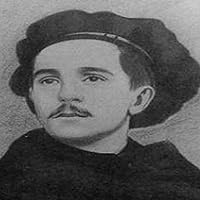
Avicenna
333 books913 followers(Arabic: ابن سينا)
(Persian: ابوعلی سینا، پورسینا)
(Greek: Aβιτζιανός, Avitzianós)
Europeans used Canon of Medicine , a standard textbook of noted Persian physician and Neoplatonist philosopher Avicenna, also ibn Sina, fully named Abu Ali al-Husain ibn Abdullah ibn Sina, until the 17th century.
Abū ‘Alī al-Ḥusayn ibn ‘Abd Allāh ibn Sīnā, known more commonly as Pour Sina but mostly in English under Avicenna, his Latinized name, a foremost polymath of his time, originated. He also qualifies as an astronomer, chemist, geologist, Hafiz, logician, paleontologist, mathematician, Maktab teacher, physicist, poet, and scientist.
Ibn Sīnā studied under a named Koushyar. He wrote almost four hundred fifty treatises on a wide range of subjects; two hundred forty works survive. His most famous works include The Book of Healing , a vast scientific encyclopedia at many medieval universities. The universities of Montpellier and Louvain used his books as late as 1650.
Ibn Sīnā provides a complete system according to the principles of Galen and Hippocrates.
(Persian: ابوعلی سینا، پورسینا)
(Greek: Aβιτζιανός, Avitzianós)
Europeans used Canon of Medicine , a standard textbook of noted Persian physician and Neoplatonist philosopher Avicenna, also ibn Sina, fully named Abu Ali al-Husain ibn Abdullah ibn Sina, until the 17th century.
Abū ‘Alī al-Ḥusayn ibn ‘Abd Allāh ibn Sīnā, known more commonly as Pour Sina but mostly in English under Avicenna, his Latinized name, a foremost polymath of his time, originated. He also qualifies as an astronomer, chemist, geologist, Hafiz, logician, paleontologist, mathematician, Maktab teacher, physicist, poet, and scientist.
Ibn Sīnā studied under a named Koushyar. He wrote almost four hundred fifty treatises on a wide range of subjects; two hundred forty works survive. His most famous works include The Book of Healing , a vast scientific encyclopedia at many medieval universities. The universities of Montpellier and Louvain used his books as late as 1650.
Ibn Sīnā provides a complete system according to the principles of Galen and Hippocrates.
Ratings & Reviews
Friends & Following
Create a free account to discover what your friends think of this book!
Community Reviews
Displaying 1 - 5 of 5 reviews

Read
December 30, 2013ابن سينا الحصن الركين فى مدرسة الفلاسفة العقليون. مضمون الكتاب بتعلق بمشكلة الشر. الشر كصفة واقعية السم poison،gift يُختلف فى تسميته يتفق فى طبيعته. سم الحية ليست صفة واقعية ثابتة بل هى إضافية بمعنى انها شر للإنسان .خير للحية فلولا وجود السم لهلكلت و اكلتها ضوارى كثيرة هذا وصف إنتزاعى يزول بزوال السم. هذا ما ذهب اليها جملة الفلاسفة العقليون فى مقدمتهم ارسطو، سان اوجستين، اين سينا، و ابو حامد الغزالى. قالوا الشرور اعدام ليست وجودات. ابن سينا قال الشر عدم جوهر او عدم صلاح جوهر
April 15, 2019
من الكتب الصعبة التي يسعد المرء أيما سعادة بعد أن يفهمها ويتحقق من فهمه لها ، ولا شك أن فيه ما يوافق الإسلام وفيه ما يعارضه ، ولكنَّا نحسن الظن بأبي علي .

Read
August 3, 2014من احسن ما کتب فی الفلسفة ، و اخصّ بالذکر ما آورده المؤلّف فی النمط التاسع

June 9, 2026
صعب جدا

Read
November 22, 2022من أهم مؤلفات ابن سينا في الفلسفة والمنطق وهو آخر ما كتبه واستقر فيه بآراءه الفلسفية
Displaying 1 - 5 of 5 reviews