

What do you think?

The Last Jews in Baghdad: Remembering a Lost Homeland
Once upon a time, Baghdad was home to a flourishing Jewish community. More than a third of the city's people were Jews, and Jewish customs and holidays helped set the pattern of Baghdad's cultural and commercial life. On the city's streets and in the bazaars, Jews, Muslims, and Christians—all native-born Iraqis—intermingled, speaking virtually the same colloquial Arabic and sharing a common sense of national identity. And then, almost overnight it seemed, the state of Israel was born, and lines were drawn between Jews and Arabs. Over the next couple of years, nearly the entire Jewish population of Baghdad fled their Iraqi homeland, never to return. In this beautifully written memoir, Nissim Rejwan recalls the lost Jewish community of Baghdad, in which he was a child and young man from the 1920s through 1951. He paints a minutely detailed picture of growing up in a barely middle-class family, dealing with a motley assortment of neighbors and landlords, struggling through the local schools, and finally discovering the pleasures of self-education and sexual awakening. Rejwan intertwines his personal story with the story of the cultural renaissance that was flowering in Baghdad during the years of his young manhood, describing how his work as a bookshop manager and a staff writer for the Iraq Times brought him friendships with many of the country's leading intellectual and literary figures. He rounds off his story by remembering how the political and cultural upheavals that accompanied the founding of Israel, as well as broad hints sent back by the first arrivals in the new state, left him with a deep ambivalence as he bid a last farewell to a homeland that had become hostile to its native Jews.
268 pages, Hardcover
First published October 1, 2004
About the author
Nissim Rejwan
17 books9 followersNissim Rejwan (Hebrew: ניסים רג'ואן) was a Research Fellow at the Harry S Truman Research Institute for the Advancement of Peace at the Hebrew University in Jerusalem. Over a six-decade career as a historian and journalist, he has published a dozen books, including The Jews of Iraq: 3000 Years of History and Culture and Israel's Place in the Middle East: A Pluralist Perspective, for which he won the 1998 National Jewish Book Award for Israel Studies.
In Baghdad, he began writing for the Iraq Times while managing the Al-Rabita Bookshop, a meeting place for many prominent Iraqi writers. After migrating to Israel in 1951, he studied at the Hebrew University and joined the staff of the Jerusalem Post. He also worked for a number of years on the Arabic section of the Israeli Broadcasting Service; from 1959 to 1966, he was editor of the Arabic daily, al-Yaum.
(from http://cosmos.ucc.ie/cs1064/jabowen/I...)
In Baghdad, he began writing for the Iraq Times while managing the Al-Rabita Bookshop, a meeting place for many prominent Iraqi writers. After migrating to Israel in 1951, he studied at the Hebrew University and joined the staff of the Jerusalem Post. He also worked for a number of years on the Arabic section of the Israeli Broadcasting Service; from 1959 to 1966, he was editor of the Arabic daily, al-Yaum.
(from http://cosmos.ucc.ie/cs1064/jabowen/I...)
Ratings & Reviews
Friends & Following
Create a free account to discover what your friends think of this book!
Community Reviews
Displaying 1 - 10 of 10 reviews

September 27, 2017
واخيراً انتهيت من قراءة هذه التحفةالتأريخية، فهي وإن كانت مذكرات شخصية إلا أن الكاتب تعمق في ذكر تفاصيل عن حقبة العشرينيات، وثلاثينيات واربعينيات القرن الماضي للعراق الجميل مختلف الاطياف.
كر نسيم رجوان عادات يهود العراق وتقاليدهم وأكلاتهم وأدق تفاصيل حياته الشخصيه منذ طفولته حتى اضطراره للهجرة القسرية عام ١٩٥١ بعمر الخمس وعشرون سنة.
عاش خلالها في احياء بغداد الفقيرة بين المسلمين والمسيح والصابئة.
من الجدير بالذكر أن الكاتب لم يسعَ لترويج فكرة عودة اليهود الى بغداد فهذا الشيء مستبعد أو شبه مستحيل بعد حدوث الشرخ الكبير بسبب النزاع بين تأييد العراقيين آنذاك لهتلر وسياسته ضد اليهود كون بريطانيا كانت صاحبة فكرة استيطان اليهود في فلسطين وإنشاء الدولة اليهودية. فبعدما كانو يعيشون كشخص واحد ويحتفلون بمناسبات الطوائف جميعها معاً بكل احترام فجأة أصبح هناك صراع طائفي وقتل واعدامات ونهب (وهذا يذكرني بالوقت الحالي، يا ترى الى أين يسير بنا صراعنا الطائفي والمذهبي والمشكلة الكبرى بين المسلمين نفسهم وبين أبناء الوطن الواحد)
احببت وصف المحلات القديمة البغدادية والطقوس العراقية القديمة.
شعرت بالفخر وأنا أقرأ عن العراق المليء بالمثقفين الذين يتناقشون بالسياسة والشعر والروايات والذين يفضلون شراء كتاب على الأكل أحياناً.
نسيم رجوان علّم نفسه بنفسه، فبالاضافة الى حبه الكبير للغة العربية وقراءة أي مؤلف تقع يده عليه منذ صغره (عمل لفترة حمالاً في سوق الشورجة وبأجرته يشتري الكتب من مكتبات المتنبي)، علم نفسه الأنكليزية والفرنسية، وقد ذكر في أحد فصول الكتاب عندما صارت الهجرة خياره الأخير كيف اضطر الى تفريغ مكتبته الخاصة التي حرص على جمع مؤلفاتها منذ صغره وتحتوي على الاف الكتب، وكيف باع كمية كبيرة من الكتب الى كلية الاداب واللغات في بغداد وتبرع بقسم لأصدقاءه المثقفين (مسلمين ومسيح) والباقي المتكون اغلبه من مؤلفات عربية هرّبه الى جامعة أوكسفورد قبل هجرته عن طريق إيران.
بالنهاية أشكر والدي لأنه نقل لي بعض المعلومات عن يهود البصرة وايضاً جدي الذي تعمق في ذكر تفاصيل صداقته هو المسلم مع اليهود في موانئ البصرة.
هذا الكتاب أنصح به كل شخص مهتم بمعرفة شيء عن تاريخ العراق الجميل بإيجابياته وسلبياته. وإذا كنت عراقياً فبالتأكيد سيكون هذا الكتاب عزيز جداً على قلبك.
كر نسيم رجوان عادات يهود العراق وتقاليدهم وأكلاتهم وأدق تفاصيل حياته الشخصيه منذ طفولته حتى اضطراره للهجرة القسرية عام ١٩٥١ بعمر الخمس وعشرون سنة.
عاش خلالها في احياء بغداد الفقيرة بين المسلمين والمسيح والصابئة.
من الجدير بالذكر أن الكاتب لم يسعَ لترويج فكرة عودة اليهود الى بغداد فهذا الشيء مستبعد أو شبه مستحيل بعد حدوث الشرخ الكبير بسبب النزاع بين تأييد العراقيين آنذاك لهتلر وسياسته ضد اليهود كون بريطانيا كانت صاحبة فكرة استيطان اليهود في فلسطين وإنشاء الدولة اليهودية. فبعدما كانو يعيشون كشخص واحد ويحتفلون بمناسبات الطوائف جميعها معاً بكل احترام فجأة أصبح هناك صراع طائفي وقتل واعدامات ونهب (وهذا يذكرني بالوقت الحالي، يا ترى الى أين يسير بنا صراعنا الطائفي والمذهبي والمشكلة الكبرى بين المسلمين نفسهم وبين أبناء الوطن الواحد)
احببت وصف المحلات القديمة البغدادية والطقوس العراقية القديمة.
شعرت بالفخر وأنا أقرأ عن العراق المليء بالمثقفين الذين يتناقشون بالسياسة والشعر والروايات والذين يفضلون شراء كتاب على الأكل أحياناً.
نسيم رجوان علّم نفسه بنفسه، فبالاضافة الى حبه الكبير للغة العربية وقراءة أي مؤلف تقع يده عليه منذ صغره (عمل لفترة حمالاً في سوق الشورجة وبأجرته يشتري الكتب من مكتبات المتنبي)، علم نفسه الأنكليزية والفرنسية، وقد ذكر في أحد فصول الكتاب عندما صارت الهجرة خياره الأخير كيف اضطر الى تفريغ مكتبته الخاصة التي حرص على جمع مؤلفاتها منذ صغره وتحتوي على الاف الكتب، وكيف باع كمية كبيرة من الكتب الى كلية الاداب واللغات في بغداد وتبرع بقسم لأصدقاءه المثقفين (مسلمين ومسيح) والباقي المتكون اغلبه من مؤلفات عربية هرّبه الى جامعة أوكسفورد قبل هجرته عن طريق إيران.
بالنهاية أشكر والدي لأنه نقل لي بعض المعلومات عن يهود البصرة وايضاً جدي الذي تعمق في ذكر تفاصيل صداقته هو المسلم مع اليهود في موانئ البصرة.
هذا الكتاب أنصح به كل شخص مهتم بمعرفة شيء عن تاريخ العراق الجميل بإيجابياته وسلبياته. وإذا كنت عراقياً فبالتأكيد سيكون هذا الكتاب عزيز جداً على قلبك.

April 26, 2013
A good account of a first hand testimony of the Jewish community in Baghdad, narrated in a simple way that mentions many famous Iraqi men of letters.

August 17, 2012
Jews have been living in Iraq since Biblical times, when the Babylonians brought them to their country. In 1921 Jews made up 80 thousand of the two hundred thousand people living in Baghdad. Jews were well integrated into the life of the city, as were the Christians, Armenians, Kurds, Turks and Persians. Arabic was the common language. The author socialized mainly with other Jews, in particular, with his extended family but also with other ethnicities. Religion was mainly ritual rather than ideas. People of different ethnicities slaughtered animals according to their own religious customs. Meat had to be eaten the same day as the slaughter, because their was no refrigeration.
Women were treated as second class citizens in the Jewish community. Men with money were allowed to get away with philandering. The family was unhappy when one of their women gave birth to a girl, rather than a boy. Some marriages were arranged, some were based on love. Surprisingly, the author states that Muslim men were allowed to marry Jewish or Christian women, without the wife being required to convert to Islam. Most Jewish and Christian women covered themselves up while in public.
The rulers changed from the Turks to the British after the invasian by the British in World War I. Many Jews were conscripted by the Ottoman Empire to fight against the British. Both Ottoman and British rule were benign. There is no mention of political Islam. The book also mentions that there were Kurdish Jews living in the Kurdish capital of Mosul in northern Iraq. Most of these Jews have subsequently moved to Israel.
The author worked in banks and bookstores. At the Al-Rabita Bookshop, he was one of the leaders of a group of young men who met to talk about current events, politics and literary magazines. The author learned English in order to be able to read foreign newspapers, literary journals and books. The author wrote a column for the Iraqi Times. He flirted with Marxism. The Soviet Union had some popularity among Iraqi Jews, because of its opposition to Nazi Germany. The Jews in Baghdad were happy there and had little interest in Zionism. Marxism also had some appeal, because it was critical of British Imperialism, and the Iraqis did not care for their British rulers. The Muslims had nothing against the their Jews, except when they suspected the Jews of siding with the British.
In 1941 the pro-British government was briefly replaced by a coup d'état, led by Rashid Ali al-Gaylani, who received support from the Grand Mufti of Jerusalem and the Nazis. The British intervened to restore the Regent and the pro-British government. The Muslims liked Rashid Ali al-Gaylani because he was an Arab nationalist, but the Jews disliked the fellow because of his Nazi ties. When the British army arrived at Baghdad to replace Rashid Ali by their guy, many Jews rushed out to welcome them. This provoked a riot against the Jews, called the Farhud, in June 1941. During subsequent years, the Jews felt less and less welcome in Iraq, and most of them left for Israel in 1951. The government of Iraq did not deport the Jews, and many decided to stay. The crime of the Iraqi government was rather than they prohibited the Jews from taking their money with them.
They don't always hate us, sometimes they just want our money.
It seems that what got the Jews to be unwelcome in Iraq, was not their Jewishness, but rather their secularism, cosmopolitanism, and the fear that they had divided loyalties, with much of their loyalty directed towards the new Jewish state of Israel, or to Great Britain. Jews who continued to live traditional Jewish lives did not get into trouble with either the Iraqi government or the Muslim community. This is not saying that if the Jews would accept dhimmitude, they would be left alone, because the book makes few mentions of any sort of dhimmitude that the Jews may have been subjected to. The author shows that the Israeli Zionists were critical of the non-Zionist Mizrahi Jews who had no interest in supporting Zionism or moving to Israel.
After reading a review of this book by Falah Yeldo, who is of Iraqi Christian descent, I looked into the issue of Iraqi Christians. One of the main Christian cities in Iraq was called Tel Keppe, which means Hill of Stone. Since Arabic does not have a "p" sound, they call it Tel Kaif (or Tel Kayf). The Christians of Tel Keppe are Assyrian (also called Chaldean). Tel Keppe is a few miles from the ancient capital of Assyria, Nineveh (now called Mosul). The Christians who migrated from Tel Keppe to Baghdad were called Talkeifi. Many of them were, as Rejwan asserts, janitors, but many were also were shopkeepers. In particular, liquor stores. As immigrants often do, they took the jobs that the natives didn't want. Many of these Assyrian Christians have emigrated from the Middle East to the Detroit area, where they are known for starting small businesses. Falah Yeldo also corrects Rejwan for labelling Yusuf Salman Yusuf (Comrade Fahd), leader of the Iraqi Communist Party, as being a Sunni Muslim, when, in fact, he was an Assyrian Christian.
Women were treated as second class citizens in the Jewish community. Men with money were allowed to get away with philandering. The family was unhappy when one of their women gave birth to a girl, rather than a boy. Some marriages were arranged, some were based on love. Surprisingly, the author states that Muslim men were allowed to marry Jewish or Christian women, without the wife being required to convert to Islam. Most Jewish and Christian women covered themselves up while in public.
The rulers changed from the Turks to the British after the invasian by the British in World War I. Many Jews were conscripted by the Ottoman Empire to fight against the British. Both Ottoman and British rule were benign. There is no mention of political Islam. The book also mentions that there were Kurdish Jews living in the Kurdish capital of Mosul in northern Iraq. Most of these Jews have subsequently moved to Israel.
The author worked in banks and bookstores. At the Al-Rabita Bookshop, he was one of the leaders of a group of young men who met to talk about current events, politics and literary magazines. The author learned English in order to be able to read foreign newspapers, literary journals and books. The author wrote a column for the Iraqi Times. He flirted with Marxism. The Soviet Union had some popularity among Iraqi Jews, because of its opposition to Nazi Germany. The Jews in Baghdad were happy there and had little interest in Zionism. Marxism also had some appeal, because it was critical of British Imperialism, and the Iraqis did not care for their British rulers. The Muslims had nothing against the their Jews, except when they suspected the Jews of siding with the British.
In 1941 the pro-British government was briefly replaced by a coup d'état, led by Rashid Ali al-Gaylani, who received support from the Grand Mufti of Jerusalem and the Nazis. The British intervened to restore the Regent and the pro-British government. The Muslims liked Rashid Ali al-Gaylani because he was an Arab nationalist, but the Jews disliked the fellow because of his Nazi ties. When the British army arrived at Baghdad to replace Rashid Ali by their guy, many Jews rushed out to welcome them. This provoked a riot against the Jews, called the Farhud, in June 1941. During subsequent years, the Jews felt less and less welcome in Iraq, and most of them left for Israel in 1951. The government of Iraq did not deport the Jews, and many decided to stay. The crime of the Iraqi government was rather than they prohibited the Jews from taking their money with them.
They don't always hate us, sometimes they just want our money.
It seems that what got the Jews to be unwelcome in Iraq, was not their Jewishness, but rather their secularism, cosmopolitanism, and the fear that they had divided loyalties, with much of their loyalty directed towards the new Jewish state of Israel, or to Great Britain. Jews who continued to live traditional Jewish lives did not get into trouble with either the Iraqi government or the Muslim community. This is not saying that if the Jews would accept dhimmitude, they would be left alone, because the book makes few mentions of any sort of dhimmitude that the Jews may have been subjected to. The author shows that the Israeli Zionists were critical of the non-Zionist Mizrahi Jews who had no interest in supporting Zionism or moving to Israel.
After reading a review of this book by Falah Yeldo, who is of Iraqi Christian descent, I looked into the issue of Iraqi Christians. One of the main Christian cities in Iraq was called Tel Keppe, which means Hill of Stone. Since Arabic does not have a "p" sound, they call it Tel Kaif (or Tel Kayf). The Christians of Tel Keppe are Assyrian (also called Chaldean). Tel Keppe is a few miles from the ancient capital of Assyria, Nineveh (now called Mosul). The Christians who migrated from Tel Keppe to Baghdad were called Talkeifi. Many of them were, as Rejwan asserts, janitors, but many were also were shopkeepers. In particular, liquor stores. As immigrants often do, they took the jobs that the natives didn't want. Many of these Assyrian Christians have emigrated from the Middle East to the Detroit area, where they are known for starting small businesses. Falah Yeldo also corrects Rejwan for labelling Yusuf Salman Yusuf (Comrade Fahd), leader of the Iraqi Communist Party, as being a Sunni Muslim, when, in fact, he was an Assyrian Christian.
October 29, 2023
ممتع، لكن لم ينقل الوقائع بالشكل الكافي لأنها ربما مذكرات شخصيّة

July 2, 2020
سيرة ذاتية رائعة طريقة سلسه جدا بالسرد تحتوي على معلومات مهمه جدا عن حياة الشعب العراقي عموما و عن اليهود العراقيين شي ممتع جدا النجمة الخامسه لخاتمه الكتاب المفاجأة رائعه جدا سعيد جدا لقرأة كتاب جميل مثل هذا

July 1, 2018
نسيم رجوان، يهودي عراقي هاجر إلى إسرائيل عام 1951، يتحدث في هذا الكتاب عن طفولته ومراهقته وبداية شبابه في بغداد العشرينات والثلاثينات.
في عام 1908 كان اليهود يشكلون 53000 من سكان بغداد البالغ عددهم 150000 شخص، إذ كانوا يمثلون ثلث سكان بغداد تقريبا، اي انك إن قمت بشكل عشوائي باختيار ثلاثة أشخاص من بغداد فسيكون أحدهم يهوديا، بينما في نهاية سنة 2009 كان عدد اليهود في بغداد - حسب موقع ويكيليكس - ثمانية أشخاص فقط! ما الذي حدث؟ قد تجد الإجابة - أو على الأقل جزءا منها - في هذا الكتاب، حيث يتحدث الكاتب عن حياته وطبيعة مجتمعه قبل الهجرة الجماعية لليهود بين سنتي 1948 و 1951 وعن ما حدث في الفرهود والتغيير الذي حدث مع بدء الحرب العالمية الثانية، يتحدث الكاتب عن العديد من جوانب حياته وحياة المجتمع البغدادي بشكل عام منها الأدبية والاجتماعية لذلك اعتبره كتاب مفيد جدا وغني بالمعلومات المتنوعة عن تلك الفترة الزمنية.
عند القراءة عن تلك الفترة ومقارنتها ببغداد اليوم تلاحظ اننا، رغم تخلفنا مقارنة بباقي الدول، قد تقدمنا كثيرا بالفعل، على هذا التقدم أن يستمر وبسرعة أكبر إن كنا نرغب بمجاراة باقي دول العالم.
كتاب جميل ومشوق وسهل القراءة انصح به لأي شخص مهتم بالتاريخ الحديث ليهود العراق واسباب هجرتهم إلى اسرائيل، أو لأي شخص مهتم بطبيعة الحياة في ذلك الوقت، في الواقع انصح به لأي شخص يجيد القراءة 😁
الترجمة عظيمة، شكرا للمترجم د رمضان مهلهل.
في عام 1908 كان اليهود يشكلون 53000 من سكان بغداد البالغ عددهم 150000 شخص، إذ كانوا يمثلون ثلث سكان بغداد تقريبا، اي انك إن قمت بشكل عشوائي باختيار ثلاثة أشخاص من بغداد فسيكون أحدهم يهوديا، بينما في نهاية سنة 2009 كان عدد اليهود في بغداد - حسب موقع ويكيليكس - ثمانية أشخاص فقط! ما الذي حدث؟ قد تجد الإجابة - أو على الأقل جزءا منها - في هذا الكتاب، حيث يتحدث الكاتب عن حياته وطبيعة مجتمعه قبل الهجرة الجماعية لليهود بين سنتي 1948 و 1951 وعن ما حدث في الفرهود والتغيير الذي حدث مع بدء الحرب العالمية الثانية، يتحدث الكاتب عن العديد من جوانب حياته وحياة المجتمع البغدادي بشكل عام منها الأدبية والاجتماعية لذلك اعتبره كتاب مفيد جدا وغني بالمعلومات المتنوعة عن تلك الفترة الزمنية.
عند القراءة عن تلك الفترة ومقارنتها ببغداد اليوم تلاحظ اننا، رغم تخلفنا مقارنة بباقي الدول، قد تقدمنا كثيرا بالفعل، على هذا التقدم أن يستمر وبسرعة أكبر إن كنا نرغب بمجاراة باقي دول العالم.
كتاب جميل ومشوق وسهل القراءة انصح به لأي شخص مهتم بالتاريخ الحديث ليهود العراق واسباب هجرتهم إلى اسرائيل، أو لأي شخص مهتم بطبيعة الحياة في ذلك الوقت، في الواقع انصح به لأي شخص يجيد القراءة 😁
الترجمة عظيمة، شكرا للمترجم د رمضان مهلهل.
June 15, 2026
The title promises terminus, and, unfortunately, Iraq delivers. A Baghdad in which Jews comprised thirty-five of thirty-nine bankers and money changers in 1936 contracts, across these pages, to a man packing books into numbered parcels for mailing abroad and watching them vanish behind a shopfront sealed by decree. The book is simultaneously an elegy and an autobiography of keen intelligence. It measures civilizational loss and ethnic cleansing in units of borrowed literary magazines and bookshop receipts.
Rejwan grew up in Old Baghdad in a family charitably described as middling, a term that here means poor. His father, blind from before Rejwan's birth, required a guide through the city's alleys. Rejwan took the post at age three. The wealthy cousins traded in tea and sugar under the hereditary title Abul Tchai, Father of Tea.
In Hebrew, chai doubles as the word for life. Those Rejwans had abundance and shared little. Uncle Yaaqub the cobbler worked in a hole carved into the outer wall of the community study house, mending soles too worn for mending.
The chapter "Living in Sexual Deprivation" examines Rejwan's adolescent guilt and the neighborhood mythology about nocturnal emission. The bookshop years at Al-Rabita introduced Rejwan to Communists, pan-Arab intellectuals, foreign correspondents, and Jon Kimche of Tribune, in those days known to Abdel Fattah Ibrahim as a Swiss journalist, accurate in his passport and incomplete in his employment.
The police raid of June 1948 is the book's comic apotheosis. Officers bearing a warrant for a student neighbor found Rejwan's library instead, took Anna Karenina and Tolstoy's Russian Short Stories as evidence of subversion, and departed leaving The Communist Manifesto, Herzl's The Jewish State, and a year's subscription to Moscow's International Literature entirely in place. Tolstoy's name condemned him. Marx's protected him. As the officers left with their trophy, Rejwan requested in clear formal tones that they please return everything after the investigation concluded.
Two intellectual friendships give the book its deepest current. The friendship with Elie Kedourie began over competition for a single copy of Horizon, Cyril Connolly's London monthly. Two young men in wartime Baghdad sharing custody of a periodical called Horizon constitutes an image of extraordinary wit and sadness, the future packaged as a magazine, available at Mackenzie Bookshop while stocks lasted.
The friendship with Najib al-Mani', poet, critic, and eventual Arabic translator of The Great Gatsby, ended in a London flat where Najib died alone among thousands of books and records of classical music. Like Gatsby, he had spent his finest energies reaching toward a shore that kept withdrawing.
The denaturalization law of 1950 and the asset-freezing decree of March 1951 reduced the 77,500-strong Baghdad Jewish community to signatures on paper.
Rejwan's brother Eliahu reached Israel with a wife, three sons, and three daughters, penniless, the sale of his house having been halted on the very morning the freeze came into effect. Rejwan, for his part, smuggled $750 by arranging for a Brazilian contact to deliver "750 grams of coffee" to an address in Israel. Currency disguised as commodity’ emigration rendered as a grocery order.
Appendix B collects reviews Rejwan wrote for the Iraq Times in 1947, covering Henry Miller and Cecil Collins. A man for whom ideas constituted the primary geography of the world. Read after the memoir, they illuminate what Baghdad contained and then expelled: a Jewish intelligentsia writing in Arabic about English modernism for an English-language daily in a city about to erase them entirely. Rejwan is irreplaceable. This book is essential.
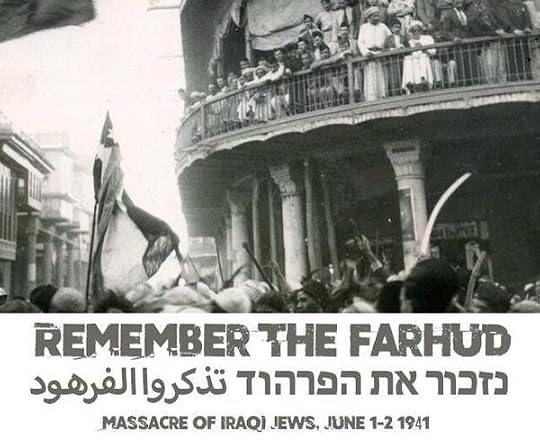
The expulsion of approximately 850,000 Jews from Arab countries between 1948 and the early 1970s, a population uprooted from communities in Iraq, Egypt, Libya, Yemen, Syria, Morocco, and Tunisia after generations of settlement, represents a forced displacement erasing most of the major Jewish communities across the Middle East and North Africa. In Iraq alone, the farhud of June 1941 killed approximately 180 Jews and injured some 2,000 more. The denaturalization and asset-freeze laws of 1950 and 1951 reduced a community numbering 130,000 to a residue of government signatures and sealed shopfronts.
The State of Israel absorbed the overwhelming majority of these refugees at the very moment it was absorbing European survivors of the camps, in a country of extreme scarcity, extending full citizenship immediately and unconditionally.
The irrefutable historical case for Zionism, assessed on material grounds, is that Jewish communities across the region, however ancient and however integrated into the culture and public life of their countries, required a state in a position to accept them at once with permanent refuge and full civil standing, when the polities in which they had flourished for centuries stripped them of both.
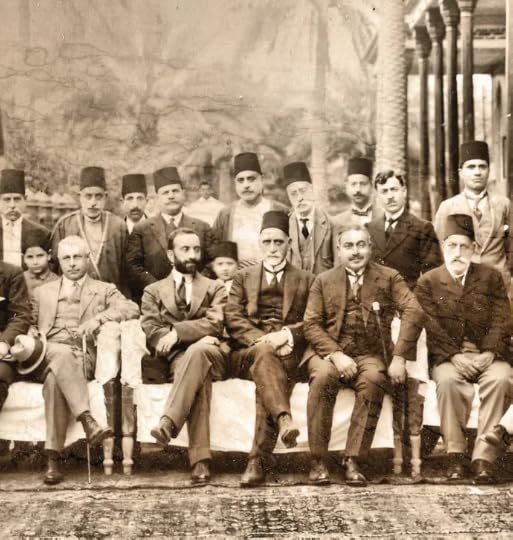
Sir Sassoon Eskell, a Jewish Iraqi statesman and financier, also known as Sassoon Effendi, sitting third from right, next to King Faisal I al-Hashemi, who reigned 1921-33
❤️ 🇮🇱
Rejwan grew up in Old Baghdad in a family charitably described as middling, a term that here means poor. His father, blind from before Rejwan's birth, required a guide through the city's alleys. Rejwan took the post at age three. The wealthy cousins traded in tea and sugar under the hereditary title Abul Tchai, Father of Tea.
In Hebrew, chai doubles as the word for life. Those Rejwans had abundance and shared little. Uncle Yaaqub the cobbler worked in a hole carved into the outer wall of the community study house, mending soles too worn for mending.
The chapter "Living in Sexual Deprivation" examines Rejwan's adolescent guilt and the neighborhood mythology about nocturnal emission. The bookshop years at Al-Rabita introduced Rejwan to Communists, pan-Arab intellectuals, foreign correspondents, and Jon Kimche of Tribune, in those days known to Abdel Fattah Ibrahim as a Swiss journalist, accurate in his passport and incomplete in his employment.
The police raid of June 1948 is the book's comic apotheosis. Officers bearing a warrant for a student neighbor found Rejwan's library instead, took Anna Karenina and Tolstoy's Russian Short Stories as evidence of subversion, and departed leaving The Communist Manifesto, Herzl's The Jewish State, and a year's subscription to Moscow's International Literature entirely in place. Tolstoy's name condemned him. Marx's protected him. As the officers left with their trophy, Rejwan requested in clear formal tones that they please return everything after the investigation concluded.
Two intellectual friendships give the book its deepest current. The friendship with Elie Kedourie began over competition for a single copy of Horizon, Cyril Connolly's London monthly. Two young men in wartime Baghdad sharing custody of a periodical called Horizon constitutes an image of extraordinary wit and sadness, the future packaged as a magazine, available at Mackenzie Bookshop while stocks lasted.
The friendship with Najib al-Mani', poet, critic, and eventual Arabic translator of The Great Gatsby, ended in a London flat where Najib died alone among thousands of books and records of classical music. Like Gatsby, he had spent his finest energies reaching toward a shore that kept withdrawing.
The denaturalization law of 1950 and the asset-freezing decree of March 1951 reduced the 77,500-strong Baghdad Jewish community to signatures on paper.
Rejwan's brother Eliahu reached Israel with a wife, three sons, and three daughters, penniless, the sale of his house having been halted on the very morning the freeze came into effect. Rejwan, for his part, smuggled $750 by arranging for a Brazilian contact to deliver "750 grams of coffee" to an address in Israel. Currency disguised as commodity’ emigration rendered as a grocery order.
Appendix B collects reviews Rejwan wrote for the Iraq Times in 1947, covering Henry Miller and Cecil Collins. A man for whom ideas constituted the primary geography of the world. Read after the memoir, they illuminate what Baghdad contained and then expelled: a Jewish intelligentsia writing in Arabic about English modernism for an English-language daily in a city about to erase them entirely. Rejwan is irreplaceable. This book is essential.
The expulsion of approximately 850,000 Jews from Arab countries between 1948 and the early 1970s, a population uprooted from communities in Iraq, Egypt, Libya, Yemen, Syria, Morocco, and Tunisia after generations of settlement, represents a forced displacement erasing most of the major Jewish communities across the Middle East and North Africa. In Iraq alone, the farhud of June 1941 killed approximately 180 Jews and injured some 2,000 more. The denaturalization and asset-freeze laws of 1950 and 1951 reduced a community numbering 130,000 to a residue of government signatures and sealed shopfronts.
The State of Israel absorbed the overwhelming majority of these refugees at the very moment it was absorbing European survivors of the camps, in a country of extreme scarcity, extending full citizenship immediately and unconditionally.
The irrefutable historical case for Zionism, assessed on material grounds, is that Jewish communities across the region, however ancient and however integrated into the culture and public life of their countries, required a state in a position to accept them at once with permanent refuge and full civil standing, when the polities in which they had flourished for centuries stripped them of both.
Sir Sassoon Eskell, a Jewish Iraqi statesman and financier, also known as Sassoon Effendi, sitting third from right, next to King Faisal I al-Hashemi, who reigned 1921-33
❤️ 🇮🇱

February 15, 2021
كنت اتمنى ان يتكلم رجوان بتفصيل اكثر عن التاريخ السياسي والاجتماعي للعراق في فترة حياته بالعراق، ربما لعدم اهتمامه بالسياسة او لغيرها تجنب هذا الاحداث، مع انها كانت لتكون اضافة كبيرة للكتاب.
الكتاب يوضح كيف ان اليهود والتنظيم الصهيوني كانوا مهتمين بالتعليم واللغات، ففي الوقت الذي كان العرب اميين لدرجة كبيرة، كانت لليهود مدارس تعتمد اللغة الانكليزية والفرنسية.
اعجبني الملحق عن تاريخ اليهود في العراق
الكتاب يوضح كيف ان اليهود والتنظيم الصهيوني كانوا مهتمين بالتعليم واللغات، ففي الوقت الذي كان العرب اميين لدرجة كبيرة، كانت لليهود مدارس تعتمد اللغة الانكليزية والفرنسية.
اعجبني الملحق عن تاريخ اليهود في العراق
March 4, 2024
A fascinating account of the life of a young Jewish man in Baghdad moving from the early 20th century in a world where ethno nationalism didn't exist to the mass departure of a whole Jewish community from Iraq.
Read
May 2, 2013On my Wishlist for a read, had I known how to properly use the add shelf function, I wouldn't have to double this comment in a review section!
Displaying 1 - 10 of 10 reviews