Jump to ratings and reviews
Rate this book

Der Amokläufer

Rate this book
Die Gestalten dieser Erzählungen sind - wie Madame de Prie - »eigentlich oberflächliche Charactere«, die sich durch ihr leidenschaftliches Temperament selbst in »seltsamste Umstände« bringen, in Situationen, die sie nicht meistern können, die ihnen plötzlich ausweglos erscheinen.
Geschichte eines Unterganges – Das Kreuz – Ein Verbummelter – Der Amokläufer – Die Mondscheingasse – Leporella – Episode am Genfer See.

202 pages, Paperback

First published January 1, 1922

471 people are currently reading
10203 people want to read

About the author

Stefan Zweig

2,234 books10.4k followers
Stefan Zweig was one of the world's most famous writers during the 1920s and 1930s, especially in the U.S., South America, and Europe. He produced novels, plays, biographies, and journalist pieces. Among his most famous works are Beware of Pity, Letter from an Unknown Woman, and Mary, Queen of Scotland and the Isles. He and his second wife committed suicide in 1942.
Zweig studied in Austria, France, and Germany before settling in Salzburg in 1913. In 1934, driven into exile by the Nazis, he emigrated to England and then, in 1940, to Brazil by way of New York. Finding only growing loneliness and disillusionment in their new surroundings, he and his second wife committed suicide.
Zweig's interest in psychology and the teachings of Sigmund Freud led to his most characteristic work, the subtle portrayal of character. Zweig's essays include studies of Honoré de Balzac, Charles Dickens, and Fyodor Dostoevsky (Drei Meister, 1920; Three Masters) and of Friedrich Hölderlin, Heinrich von Kleist, and Friedrich Nietzsche (Der Kampf mit dem Dämon, 1925; Master Builders). He achieved popularity with Sternstunden der Menschheit (1928; The Tide of Fortune), five historical portraits in miniature. He wrote full-scale, intuitive rather than objective, biographies of the French statesman Joseph Fouché (1929), Mary Stuart (1935), and others. His stories include those in Verwirrung der Gefühle (1925; Conflicts). He also wrote a psychological novel, Ungeduld des Herzens (1938; Beware of Pity), and translated works of Charles Baudelaire, Paul Verlaine, and Emile Verhaeren.
Most recently, his works provided the inspiration for 2014 film The Grand Budapest Hotel.

Ratings & Reviews

What do you think?
Rate this book

Friends & Following

Create a free account to discover what your friends think of this book!

Community Reviews

5 stars
7,828 (31%)
4 stars
10,269 (41%)
3 stars
5,295 (21%)
2 stars
1,191 (4%)
1 star
262 (1%)
Displaying 1 - 30 of 1,976 reviews
Profile Image for Pakinam Mahmoud.
1,018 reviews5,113 followers
May 17, 2025
إيه يا زفايغ بقي 😍
كل اللقاءات اللي بينا دي لحد دلوقتي ومازالت مش عارفة أزهق منك...الظاهر كدة إني بحبك بس مش لدرجة الآموك؛)

هو يعني إيه أصلاً آموك ؟
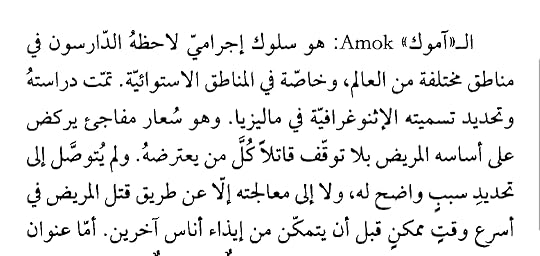
الآموك هو نوع من الجنون القاتل أو السعار الذي يمكن أن يصيب أي رجل فجأة..وعلي أساسه يركض المريض بلا توقف و يقتل أي شخص يعترض طريقه..

في نوفيلا ممتعة -تحبس الأنفاس- بياخدنا زفايغ لنري الطبيب الذي أُصيب بآموك الحب...:)

في لحظة ضعف -لإشباع شهوته-تخلي هذا الطبيب عن شرف مهنته أمام إمرأة جميلة تطلب مساعدته للتخلص من حمل غير شرعي..
قدر زفايغ بعبقرية يوصف لنا ندمه علي ما بدر منه و محاولاته المستميتة كطبيب وهو يحاول أن يساعدها بكل الطرق الممكنة...

زفايغ مش بس أبدع في وصف مشاعر هذا الرجل وتعلقه بهذه المرأة لدرجة الهوس ولكنه إستطاع أيضاً من خلال الأحداث إنه يوضح إزاي كبرياء المرأة وكرامتها بيكونوا ساعات أهم عندها حتي من حياتها...

نوفيلاً ممتعة..أحداث سريعة..ترجمة ممتازة...و أهم حاجة بقي إننا طلعنا منها بمعلومة مهمة جداً..ألا وهي إن مرض الآموك يصيب 'فقط' الرجال..والطبيب هنا جاله بسبب واحدة ست..
والله الستات دول عندهم قدرات خاصة:)
شكراً زفايغ علي النوفيلا الممتعة والمفيدة أيضاً؛)
Profile Image for Luís.
2,360 reviews1,340 followers
August 5, 2025
Where does passion take us? To the point of madness sometimes. And that's where Stefan Zweig is bringing us this time.
Suddenly, without warning, it seizes us. It makes us do anything and everything. That's an all-consuming passion, this rage that destroys everything in its path and pushes us to commit thoughtless acts. And when the stroke of madness has passed, we look back on our irrational actions, and we are left with only the remorse that gnaws at us to exhaustion.
Once again, Stefan Zweig masterfully & successfully describes the feelings of his unfortunate hero. Unfortunately, the name and the last age will not be known, except that he was a doctor and refused to perform the abortion requested by a pretty woman.
It's midnight, doctor. Vertigo hesitates between hatred, passion, and duty.
On Stefan Zweig's couch, for another psychoanalysis. I'm going there.
Profile Image for İntellecta.
199 reviews1,774 followers
March 27, 2021
Avusturyalı yazar Stefan Zweig'ın, nasıl insan ruhunun derinliklerine ulaşabildiğine hayret edeceksiniz.
Profile Image for فايز غازي Fayez Ghazi.
Author 2 books5,104 followers
August 1, 2023
- نوفيلا اخرى من قصص ستيفان زفاييج النفسية، تتشابه بالوضع العام مع قصصه الاخرى (خصوصاً 24 ساعة من حياة امرأة)، هناك امرأة تروي عن ليلة عشق وهنا رجل يروي عن هوسه بإمرأة كان غيره قد سبقه اليها!

- المكان: سطح سفينة تتوجه من جنوب شرق اسيا الى اوروبا، المكان المناسب لتلتقي بالغرباء ويكون لديك الوقت الكافي لتتبادل الحديث معهم فليس هناك شيئ لتفعله سوى إنتظار الوصول!

- العنوان: ماخوذ من الكلمة الإندونيسية التي تمثل المحارب الذي يقضي على كل من يعترضه في سبيل الوصول الى غريمه وقتله، وأتت الترجمة "سعار الحب" موفقة، فهذا الهوس المرضي لا يمكن وصفه الا بالسعار!

- الشخصيات: الراوي المجهول، الطبيب، المرأة الخائنة وبعض الشخصيات الثانوية التي ادّت دوراً بسيطاً لإتمام جوانب القصة وإيضاحها بكل إيجاز.

- الراوي المجهول يبدأ قصته بمشوار على سطح السفينة متأملاً النجوم والبحر اللامتناهي، يلتقي بالطبيب الذي يبدأ بالفضفضة في ذلك الظلام، فيتنحى الراوي المجهول ويدعو القارئ للجلوس والإستماع الى قصة ذلك الطبيب، قصة الهوس المرضي الذي يصيب بعض الناس، فتستمع اليه يخبرك عن حياته الكئيبة وعزلته في الغابات ثم قدوم المرأة التي غيرت حياته ببضع كلمات فملاحقته اياها ثم الفاجعة ومشاهدته اياها تموت امامه، وتخليه عن انجازاته ووظيفته واتباع هوسه المسجّى في تابوت ثم اكمال المهمة وإستعمال حقه كإنسان (حسب رأيه) في كتابة أسطر حياته الأخيرة بنفسه. رحلة غوص الى داخل نفسية الطبيب بكل عللها وتعلقها وولها وطيبتها وغرورها، بأبيضها وأسودها!

- اللغة السلسة والتعابير الجميلة تشّدك منذ البداية لإنهاء القصة بشكل مباشر، الأحداث المتلاحقة بدون إطناب وتكرار مملين يجعلانك تلاحق الراوي على دروب الغابة خوفاً من ان تفقده!

- الثيمة الأساسية هي العشق او الوله بل الهوس والتعلّق المرضي الى ما بعد الموت! اما ثيمة الخيانة فقد كانت في خلفية المشهد.

- قصة انسانية اخرى ونهاية تراجيدية واقعية (أفضل وأكثر منطقية بكثير من نهاية الخوف)
Profile Image for هدى يحيى.
Author 12 books17.9k followers
September 16, 2019

زفايج -الروائي لا الكاتب في التاريخ- صار تريند منذ فترة ليست بالقليلة
صارت رواياته تطبع بأغلفة لامعة براقة ربما تخدع القارئ بأن ما سيقرأه مميزا أو حديثا بطريقة أو بأخرى
ليجد نفسه مرة تلو الأخرى أمام رواية تقليدية ضعيفة الحبكة متوقعة النهاية عادية الأحداث

صار البوكتيوبرز يتحدثون عن رواياته فجأة والجودريدزيون يضيفونها إلى قوائم قراءاتهم
صار زفايج موضة
وهذا ليس بالأمر السيء للغاية

فالرجل في النهاية يمتلك لغة رهيفة حساسة
وقدرة بليغة على الوصف
فإن كانت رواياته تقليدية
بل وربما يمكن أن نطلق عليها التعبير المصري العامي
"بتكح تراب"
لكنها تظل قراءات لطيفة سرعان ما تنتهي تاركة في نفس المطّلع بعض الشجن

هذه الرواية هي ثالث رواية أقرأها له
كانت الأولى من سنوات بعيدة
رواية قديمة ورقها أصفر متهالك استعرتها من مكتبة المدرسة
وهي روايته الشهيرة : حذار من الشفقة
وأعجبت بها أيما اعجاب
وأعتقد أن هذا رجع إلى حداثة سني

الثانية الشهر الفائت على تطبيق كتاب صوتي
وكانت لاعب الشطرنج
التي أضجرتني ولم تنل مني سوى نجمة واحدة

أما هذه الرواية فعلى الأقل بها من جمال اللغة
ومأساوية الحكاية
وغرابة الشخصيات
ما يجعلني أمنحها ثلاث نجوم

فرغم كل شيء كانت قراءة لا بأس بها
فلغة زفايج حقا عذبة
وربما كنت أحتاج رواية من هذا النوع في هذا التوقيت

الخلاصة قراءة لن يندم أحد عليها
ولكن قيمة زفايج الحقيقية في كتبه لا رواياته
والتي يجب أن تلحق بالترند
على الأقل هي تستحق تسليط الضوء عليها أكثر بكثير من تلك الروايات الشديدة التقليدية
Profile Image for Neli Krasimirova.
205 reviews98 followers
September 11, 2017
Zweig'ın bir duyguyu, hem de delicesine (amok koşucusu gibi delicesine) bir duyguyu okuyucuya geçirebilmek için yüzlerce sayfanın zorunluluk olmadığını bir kez daha farkettirdiği bir başka kitap oldu.
Profile Image for Kalliope.
737 reviews22 followers
February 16, 2016


This is yet another gripping novella by Zweig.

In his memoirs, The World of Yesterday, he describes his method of composition. It was based on one word: trimming. He would write and write, and then his most enjoyable activity was cutting things out and paring his writing to the bone. It seems that he would cut 100,000 words to half that.

May be that is his secret for his ability to allure the reader so very fast and so unceasingly. He identified the essential, that which leads and captivates the attention of the reader, and maintained as such. Essential.

He has again used the story-within-story or framed story, narrative scheme that he had also used in his 24 hours life woman. There is nothing new in this. We have seen it in, for example, Boccaccio and in the 1001 Nights.

Zweig however uses it exceedingly well, because the first narrator, the anonymous Ich (Zweig?) provides us the readers with the best seat on the actual story. We are there. We talk to the second narrator. He also moves in and out smoothly, elegantly, so that some shifts in the perspective are not identified as first or second story until we have read a bit further on into the paragraph of the shifting views.

And Zweig ha set it again in his favourite settings, a public place. This time it is a ship, like in Chess Story. Other times it is a hotel (The Post-Office Girl, Burning Secret), or a Casino ( Twenty-Four Hours in the Life of a Woman), or a post office (Post Office Girl, again), or a train (Burning Secret, again), or even through transit mechanisms (Letter from an Unknown Woman). These are public places where people, anonymous to each other, meet. This is the land of Hazard. Chance explains the unexpected encounters and anonymity encourages people to open up their harts to foreigners. Like in the the doctor’s couch – the twentieth century version of the Confessional. One can hear the most intimate stories told willingly and candidly.

Zweig was good friends with Freud.

These places are also often populated by peripatetic characters, like Zweig himself. People who travel, people who shift from world to world, people with a certain social mobility, people who can escape their past and embrace the future, people with stories to tell.

In these places one just needs to be observant. And Zweig certainly was.

This one novel, however, may, controversially, hurt the politically- conscientious individual from the twenty-first century.

It was published in 1922, and it was an immediate great success and was translated into several languages immediately. During the interwar years, Zweig was the author who was most translated into other languages, worldwide. I think this is the most important fact that may act in his defence. His writings were welcomed by many different cultures. His mind was as cosmopolitan as it could be.

But an European cosmopolitan, born in 1881 and writing during the 1920s, could not escape his Zeitgeist, and this novel, set in a ship that travels from Indonesia to Europe, loaded mostly with Europeans coming back home from the Colonies, has to show that “yellow” tint that he saw in some humans but which we see in his text and which makes a reader, nowadays, cringe.

And this novella has reminded me, like no other by Zweig, of the writings of his British contemporary W. Somerset Maugham, whom I read years ago. Also extremely popular (the highest paid author during the 30s), he relished in these stories of “other” people and of the “Other” during the interwar and in the Colonies.

With this kind of controversial situations, I try to borrow the hat, or the lenses, of an historian, and not judge an individual by the times, and place, in which, his/her own destiny made his soul take corporeal presence.

We should not forget that his times, also, burned his books.

And for its continuing relevance, I will only add that the main subject of Amok remains as timeless as are the human passions.

Elsewhere I have described Zweig as our "literary cardiologist". In this particular story he has to become a surgeon. He cuts through in his story to see what is making his protagonist's heart, bleed.


November 22, 2018
ΑΜΟΚ.

Ο Τσβάιχ είναι χωρίς αμφιβολία ένας καθηγητής φυσικής τάξης, ένας ιστορικός ενεργειακών μαθηματικών και συστημάτων.
Χρησιμοποιώντας τους αριθμούς σε χωροχρονικά πλέγματα μπορεί με απίστευτη ικανότητα να εξηγήσει τους γρίφους και τις ακολουθίες της φύσης ως πνευματικά, συναισθηματικά και ψυχολογικά συμπλέγματα με λέξεις.
Είναι ένας επιστήμονας αριθμητικής, λογοτεχνικής συνειδητότητας του υπερφυσικού και έχει μάστερ στα υψηλά μυστήρια, τα μυστικά και τη μαγεία της σκοτεινής ψυχής, της ψυχής που λατρεύει, τρελαίνεται και αυτοκτονεί.
Και αυτό το μικρό μαργαριτάρι ονομάστηκε Αμόκ και βρέθηκε μέσα σε δυνατές ψυχαναγκαστικές αγάπες, σε επιθυμίες, σε ανάγκες του εφικτού δικαιώματος, του καθήκοντος και της θυσίας.

Ο κύριος χαρακτήρας είναι μοναχικός, απομονωμένος, παρωχημένος και γοητευμένος τυχαία απο κάποιο άλλο πρόσωπο σε σημείο εμμονής. Η μανία του δεσμεύεται μαγικά και μυστηριωδώς οδηγείται στην τελική καταστροφή.
Διαβάζοντας αυτές τις ιστορίες του Τσβάιχ γίνεσαι φανατικός οπαδός του, ακόλουθος του, σε μονοπάτια που γνωρίζεις εξ αρχής οτι σε οδηγούν σε λάκκους απελπισίας.
Η γραφή αυτής της μεγαλειώδους μορφής στο χώρο της τέχνης σε καθηλώνει με επιστημονική ακρίβεια και σε αιχμαλωτίζει.
Συνταρακτικά γεγονότα σε συνάρτηση με την υπεροχή απεικόνισης περιθωριακών ατόμων, με κάποιο σκοτεινό τρόπο, λειτουργούν και ακυρώνουν κάθε παράγοντα αμφισβήτησης.
Γράφοντας, ο Τσβάιχ σε αρπάζει απο τον λαιμό και βρίσκεσαι εμπλεκόμενος με τους ήρωες του για να υποφέρεις, να ταπεινωθείς, να νικήσεις ή να πεθάνεις... με κάποιον τρόπο.

Αμοκ. Ένα παιχνίδι ψυχοτρόπο μέσα σε ένα άλλο παιχνίδι παγιδευμένο, ανήμπορο, ανεκπλήρωτο, παρανοϊκό.
Δεν κατάφερα να ανακαλύψω το μυστικό της μαγείας του συγγραφέα, παρέμεινα όμως ευάλωτη, γαντζωμένη σε μια προσωρινή τρέλα λόγω αγάπης. Μέσα σε ελάχιστες σελίδες βρέθηκε αμύθητος πλούτος, μυθιστορηματικός, που σε μεθάει με λιωμένους αστερισμούς φρενίτιδας.

Είναι τουλάχιστον απίθανο να ξεφύγεις απο τα βάθη του μαρτυρίου, τον αντίκτυπο και την επιρροή του Αμόκ.


Καλή ανάγνωση.
Πολλούς ασπασμούς.
Profile Image for Sawsan.
1,000 reviews
May 15, 2020
ما إن يجتمع فرط الشغف والندم في القلب حتى يصل الانسان للنهاية
Profile Image for Irmak.
402 reviews932 followers
March 31, 2017
Zweig'ın karakterleri hislerini hep yoğun yaşıyor. Bu kitapla birlikte buna artık kesin kanaat getirdim. Bilinmeyen Bir Kadının Mektubu'nda aşkı doruk noktasında yaşayan bir kadın, Yakıcı Sır'da tutkuyu ve şehveti doruk noktasında yaşayıp onun için her şeyi yapan bir adam, Amok Koşucusu'nda da pişmanlığı en uç noktada yaşayan bir adam vardı örneğin. En azından bana göre.
Sonuçta hepimiz bir yerde pişmanlıklar yaşamış insanlarız ama kitabı okurken doktoru bu raddeye getiren bu pişmanlık ve kısmende doktorun tutkusu beni çok şaşırttı. Çünkü gerçekten çok yoğundu. Bir insan bu raddeye nasıl gelir diye düşündüm. Başka birinden okusam belki bu beni rahatsız edebilirdi ama Zweig'dan okuyunca öyle olmuyor. Çünkü onun hisleri böylesine yoğun anlatmasına, duyguyu böylesine geçirmesine oldukça alıştım ve bunu seviyorum da. Üstelik doktorun yaşadığı bu durumu anlatan bir hastalıkta olması durumu oldukça inandırıcı kılıyor 'Amok'. Genellikle Malezya halkında rastlanan, öldürücü bir delilik hali Amok. Doktorda yaşadığı durum karşısında bu deliliğin pençesine düşüyor.
Avrupa'ya giden gemide yolcu olan bir adam geminin gürültüsünden rahatsız olduğu için gündüz uyuyup gece sessiz güverteye çıkar ve karşısına onun gibi gecenin karanlığına saklanmış bir adam çıkar. Hindistan'da doktorluk yapmış olan bu adam yolcuya başından geçen bir olayı anlatır zira artık içinde tutamamaktadır. Çok zengin bir kadının ona gelip ondan bir konuda yardım istediğini ama kadının dominant tavırlarından rahatsız olduğunu için onu reddettiğini anlatır. Fakat sonra söz konusu olanın bir insan hayatı olduğunu ve kendisininde bir doktor olduğunu düşünüp büyük bir pişmanlığa kapılır. Ve kadına yardım etmek için çabalarken amokun etkisi altına girer.
Zweigın betimlemelerini okurken mest oluyorum. Sanki cümlelerin arasında yüzüyorum, ferahlıyorum. İncecik kitaplarla doyuruyor beni her seferinde. Çoğu insan en azından bir kitabını okumuştur büyük ihtimalle ama okumadıysanız da Zweig ile tanışın mutlaka.
Profile Image for Amr Mohamed.
913 reviews365 followers
June 3, 2019

ما اهو اكيد زفايج ده كان بيحب تسعة مثلا وكلهم خانوه او هو خانهم او اتجوز عليهم مينفعش كل لما اقرء له اي قصة غير لاعب الشطرنج اللاقي ستات بتخون ازواجهم او ستات بتحب رجالة ورجالة بتحبهم اوفر اوفر حب ولازم يحببك في الزوجة الخيانة ده يعني اللي هيا خيانة شيك كدا مش حاجة يعني

قصص زفايج

جنون الحب : الام خاينة ونفضت لابنها لحد ما كان هينط من سطح الفندق

اربعة وعشرون ساعة : واحدة ام كبيرة ومحترمة سافرت يوم تصيف صاعت لما استكفت مع عيل شاب عنده خمستاشر سنة باين

الخوف : زوجة خائنة وخايفة لا ليه متخافش تبقي بجحة عادي ، لا وجوزها فرييي ومسامح

رسالة من امرأة مجهولة : واحدة بتحب رجل من غير ما تكلمه وبتخليه يفتكر انها عاهرة عشان بس تشوفه وكل سنة تشتري ليه ورد

ونيجي للقصة ده لاموك سعار الحب :
مبدئيا اموك ده اسم شركة بترول ، القصة لدكتور ضيع كل حاجة في حياته وحياته نفسها وجاله سعار وكان ناقص يجيله تيفود عشان عايز يساعد واحدة ايييه خائنة لكن فيه اكشن المرة ده حامل كمان ، بردو طبعا اكيد لازم تكون خائنة والا القصة تتحرق ، لا وكمان مضايق من جوزها

الصراحة زفايج مبدع في الوصف لكن زيادة كدا والله كفاية حب وخيانة يعني يكتب قصة عن اي حاجة تانية ، يعني اي قصة فيها زوجة عادي بتحب جوزها او بتكرهه وتطلق عادي
Profile Image for Özgür Atmaca.
Author 2 books103 followers
June 20, 2017
Pişmanlık ve Saplantıyı derinlikle anlatan kısa ama sarsıcı bir öykü olmuş..
Profile Image for Chris_P.
385 reviews345 followers
September 14, 2022
Η σχέση μου με τον Τσβάιχ εξελίσσεται σε κάτι που θυμίζει ερωτική. Το Αμόκ είναι μία ανατριχιαστική μικρή ιστορία που σε πιάνει απ' τον λαιμό και δεν σ' αφήνει αν πρώτα δεν γονατίσεις κάτω από το βάρος των συναισθημάτων που τόσο ζοφερά περιγράφει ο συγγραφέας. Η πιο σύντομη συναναστροφή ανάμεσα στον κατάλληλο άντρα και την κατάλληλη γυναίκα αρκεί για να ξεσπάσει κόλαση μεταξύ τους. Και δεν μιλάμε για ερωτική κόλαση. Η σχέση που περιγράφεται στις λίγες σελίδες του ανήκει σε ένα επίπεδο πέρα από τα προφανή όπου τα ένστικτα δίνουν την θέση τους σε στρατηγικά παιχνίδια και οι ρόλοι επιτιθέμενου και αμυνόμενου είναι ασαφώς μοιρασμένοι.

Ιστορία ζωγραφισμένη με μαύρο. Στοιχειωτική και δυνατή.
Profile Image for leynes.
1,316 reviews3,667 followers
January 10, 2025
TW: racism (some of the most vile and racist passages I've ever read), misogyny, death through abortion

[Die Triggerwarnung gilt übrigens auch für diese Rezension. Im letzten Abschnitt zitiere ich nämlich etwas ausführlicher aus dieser Kack-Geschichte.]

Der Amokläufer ist eine Novelle des österreichischen Schriftstellers Stefan Zweig aus dem Jahr 1922. In der Rahmenhandlung reist der namenlose Ich-Erzähler im Jahre 1912 mit einem Überseedampfer von Indonesien nach Europa. Während seiner Reise begegnet er einem Mann, der sichtlich verwirrt wirkt und jede Gesellschaft auf dem Schiff meidet. Eines Nachts vertraut dieser sich ihm an und erzählt seine Geschichte – die eigentliche Handlung der Novelle:

Er, ein Leipziger Arzt, wurde von der holländischen Kolonialverwaltung nach Indonesien geschickt, um dort in einem kleinen und abgelegenen Ort als Arzt zu arbeiten. Eines Tages erscheint bei ihm unerwartet eine weiße Frau – "die erste weiße Frau seit Jahren" – die ihn fortan fasziniert. Im Laufe des Gesprächs stellt sich heraus, dass die Frau – eine Engländerin und Ehefrau eines holländischen Großkaufmanns – von ihm einen diskreten Schwangerschaftsabbruch wünscht. Statt ihr Geld anzunehmen, verlangt der Arzt von der Frau Sex. Als die Frau geschockt das Haus verlässt, verfolgt er sie bis zu ihrem Haus und steigert sich immer weiter in seine Obsession herein.

Notgedrungen wendet sich die Frau an eine lokale Person, die Schwangerschaftsabbrüche ohne jegliche Standards durchführt. Sie stirbt bei dem Eingriff und bittet den Arzt, ihr Geheimnis zu bewahren, was dieser auch tut. Als finalen Akt stürzt sich der Arzt mit dem Sarg der Frau, der sich, wie sich herausstellt, auf dem Dampfer befindet, um nach England überführt zu werden, in den Ozean.

Gott, wie sehr ich diese Geschichte gehasst habe, lässt sich kaum in Worte fassen. Es ist mit Abstand die rassistischste Geschichte, die ich seit Jahren gelesen habe. Truly made my blood boil. Hinzu kommt wieder, dass Zweig es verpasst, interessante Frauencharaktere zu schreiben. Das Thema der Abtreibung fand ich ziemlich mutig (für die Zeit der Entstehung der Geschichte), aber die Geschichte bleibt trotzdem misogyn – vor allem in Bezug darauf, dass die Forderung des Arztes nach einer "gemeinsamen Liebesnacht" einfach nur die Androhung einer Vergewaltigung und das Ausnutzen eines Machtverhältnisses ist. Es ist einfach disgusting.

Ich möchte den Rassismus der Geschichte jetzt gar nicht im Detail analysieren, da es mich einfach zu sehr aufregen würde, daher möchte ich hier vor allem zwei Dinge herausstellen. Zum einen die rassistische Art und Weise, mit der Zweig die indonesische Bevölkerung beschreibt und charakterisiert. Er findet für sie nur Worte wie "meine gelben Weiber", "gelber Halunke", "dieses gelbe dumpfe Tier" (EXCUSE ME????). Er beschreibt einen Bediensteten und "seine feigen Augen in sklavischer Angst", einem anderen Bediensteten attestiert er "hündische Treue". Zweig exotisiert und animalisiert diese Menschen so krass. Für ihn sind sie Tiere und demnach stellt er sie wie Tiere dar – es ist nicht auszuhalten.

Zum anderen grenzt er weiße, europäische Frauen ganz klar von den indonesischen Frauen ab. Der Grund, warum der Arzt so obsessed mit der weißen Engländerin ist, ist, dass sie ihm kühl und abweisend gegenüber ist. Das fasziniert ihn – und grenzt sie, laut Zweig, von den indonesischen Frauen ab:
"Denn diese Mädchen hier, diese zwitschernden kleinen zierlichen Tierchen, die zittern ja vor Ehrfurcht, wenn ein Weißer, ein 'Herr' sie nimmt... sie löschen aus in Demut, immer sind sie einem offen, immer bereit, mit ihrem leisen, glucksenden Lachen einem zu dienen... aber gerade diese Unterwürfigkeit, dieses Sklavische verschweint einem den Genuss..."
Dieses Zitat ist für mich eine der schlimmsten und ekelhaftesten, geschichtsrevisionistischsten Passagen, die ich jemals gelesen habe. Like, literally, mir steigt die Kotze auf. Die kolonisierten Frauen als demütig und willig zu beschreiben und die Geschichte von Vergewaltigung und Gewalt durch weiße Europäer zu unterschlagen, will mir nicht in den Kopf. Wie dumm, wie ungebildet, wie selbstverliebt kann man sein?

Ich weiß, dass weiße europäische Autoren jetzt nicht bekannt dafür sind, super kritisch mit Kolonialgeschichte umzugehen, aber in dieser Intensität ist es mir einfach schon lange nicht mehr untergekommen. Ich "verschweine" dir gleich "den Genuss", Stefan, aber nicht so wie du denkst. F*ck you!

[Ich las diese Novelle im Sammelband Meistererzählungen.]
Profile Image for Chrissie.
2,811 reviews1,421 followers
January 9, 2021
This grabs you and doesn’t let you go!
It’s short and powerful.
View it as a psychological thriller.

In 1912 on an ocean-liner traveling from India to Europe, the novella’s unnamed narrator goes up on deck in the middle of the night to escape his sweltering, tiny, claustrophobic cabin. There, at first, he perceives only the beautifully lit night sky illuminated by the moon and brilliant stars. This contrasts with the rolling, dark waves below. Later, nearby him on the deck, he discerns a dark silhouette of a figure, two reflected circles from a pair of glasses and the glowing ember from a pipe. An all-enveloping atmosphere engulfs the reader from the start.

The prose makes the book remarkable, way, way above the ordinary. The atmosphere drawn is beautiful, captivating, enticing—it makes the reader need to know more. One begs for the whole story. The man there with the pipe opens his heart and tells his story to the novella’s unnamed narrator. Concerning the plot, I need say nothing more….except one thing. The figure with the pipe is a doctor.

Passion, different sorts of passion, lie at the center of the story. Passion can be felt between two people. It can also be felt for one’s occupation and for an ideal.

Now, look at the title. “Amok”, sometimes expressed as “running amok”, is a concept taken from Southeast Asian Austronesian languages / cultures. It means to behave in a frenzied, out-of-control or unrestrained manner. Some classify such behavior as a psychological disorder. What is important to know here is that the man our narrator encounters there in the night on the ship’s deck has been and is caught up in just such a frenzy. What has put the man in such a frenzy and what will he do?

I listened to a Swedish translation of the novella. Hugo Hultenberg did the translation form German to Swedish. What I can state is that the prose was absolutely wonderful—stunning, emotive, captivating, enthralling. I wonder and hope the German to English translation is as good.

The Swedish language audiobook I listened to is read by Martin Halland. His narration I have given five stars. He speaks slowly and clearly. You hear very word and cannot help but be drawn in. If you know Swedish, I highly recommend the Swedish audiobook. In Swedish, the book’s title is Amoklöparen.

At GR, the novella is also registered here: https://www.goodreads.com/book/show/1...

This is fantastic. Read it!

********************
*Chess Story 5 stars
*Amok 5 stars
*Burning Secret 4 stars
*Beware of Pity 3 stars
*The World of Yesterday 3 stars
*Letter From An Unknown Woman 3 stars
*Summer Before the Dark: Stefan Zweig and Joseph Roth, Ostend 1936 3 stars
Profile Image for AhmEd ElsayEd.
1,026 reviews1,612 followers
September 7, 2020

آموك هو مصطلح إثنوغرافي يصف سلوك إجرامي في بعض المناطق الاستوائية تحديدا ماليزيا


حمي الآموك تصيب طبيب أوروبي ترك موطنه
وفر لمستعمرة استوائية هربا من ضعفه أمام النساء
هذه المرأة يقابل امرأة خائنة، حملت أثناء غياب زوجها
لكنها قوية، يمنعها كبرياؤها أن تسلم نفسها له
تفضل الموت علي أن تبدو ضعيفه أو تتوسل له
يقرر مساعدتها لكن بعد فوات الأوان

لم تكن تصارع من أجل الحياة، فقط وبل من أجل سرها، وإنقاذ شرفها

تصيبه حمي الآموك ويبدو مثل الماليزي الذي احتسي مشروبه السحري
فجأة يفقد اهتمامه بكل شيء ويأخذ خنجره ويهرول لامباليا بأي شيء
راكضا دون أن يلتفت، منتصرا في سباقه المضني مواصلا إلي الأمام
يعرف السكان المحليين أن علاج الآموك الوحيد هو قتله
ومثل الآموك أو مثل زيفاج نفسه يموت منتحريا في النهاية ليحمي سرها

المرأة في أدب ستيفان زيفاج دائما خائنة لعينة
يبدو أنه تعرض للكثير من الأزمات النفسية مع هذا الجنس

في القصة عنصرية تجاه الخادم أو تجاه السكان الأصليين
لا أدري هل هي إسقاط مقصود علي جرائم المستعمر أم مجرد وصف درامي

إلى أين ياخذنا العشق وهو ياتي فجأة مثل حجر في بركة آسنة؟
وكيف سنجاريه وسط عزلتنا واختصامنا الدموي مع العالم؟
Profile Image for Heba.
1,242 reviews3,080 followers
Read
August 12, 2020
"" أعرف إنها تكرهني لأنها تحتاج إليّ ، وكنت أكرهها لأنها لم تتوسل إليّ...""
لم يرفض الطبيب مساعدة تلك المرأة التزاماً بقوانين المهنة ولكن لأنها في موقف يتطلب منها التذلل والتوسل اليه...
لقد كانت نظرتها حادة قاسية ، نبرتها واثقة لامبالية ، تملك صوتاً متغطرساً عندئذٍ لم يجبها صوت الطبيب بل صوت الرغبة اللعينة التي بزغت على السطح باذدراء ، واندلعت معركة محتدمة بينهما وإن كان ظاهرها أنها فاترة باردة...
على أحدهم أن يعلن هزيمته ويتحطم كبرياءه ، هو لم يرد سوى اهانتها بدافع غريزي ، فلما كانت الهزيمة من نصيبه أصيب بسعار ملاحقتها بدافع تقديم المساعدة لها...
إن كان هنا سعارٌ فهو ليس سعار الحب بل هو ما عليه الطبيب من تعقيدات والتزامات بالواجب المهني والحدود المرسومة وعدم تجاوزها والخضوع لحسابات دقيقة صارمة ولو انفلت منه ذاك الإلتزام في لحظة ما، قد يُكلفه ذلك حياته.......
Profile Image for Zaphirenia.
290 reviews218 followers
April 27, 2020
Το Αμόκ είναι μια νουβέλα υψηλής συγγραφικής τέχνης, κατά την ταπεινή μου άποψη βέβαια, μια προσεκτική και απόλυτα επιτυχημένη διείσδυση στον ανθρώπινο ψυχισμό. Ο Τσβάιχ δημιουργεί μια σύντομη ιστορία στην οποία εξετάζει τις ανθρώπινες πράξεις όχι ως εκδηλώσεις του εξωτερικού κόσμου αλλά ως αιτίες και αποτελέσματα εσωτερικών ψυχολογικών και συναισθηματικών καταστάσεων και κινήτρων.

Η δομή της νουβέλας μοιάζει πολύ με εκείνη της Σκακιστικής Νουβέλας. Μου έδωσε την εντύπωση ότι αποτελεί μέρος της υπογραφής του συγγραφέα, δεν έχω διαβάσει όμως αρκετά έργα του για να το πω με βεβαιότητα. Έχουμε πάντως και εδώ ένα ταξίδι με πλοίο, έναν ήρωα/αφηγητή που τυχαία γνωρίζει έναν άγνωστο ο οποίος, μετά από μια πρώτη διαπίστωση του ήρωα ότι ο εν λόγω άγνωστος του κεντρίζει το ενδιαφέρον, αρχίζει να ξετυλίγεται η ιστορία του συνταξιδιώτη, όλες οι περίπλοκες ψυχολογικές μεταπτώσεις του και οι τρόποι με τους οποίους αυτές επέδρασαν στις πράξεις του. Δε θα πω άλλα, γιατί θα κάνω spoilers και δε θέλω.

Πολύ μου αρέσει ο Τσβάιχ, έχει πάντα μια πολύ ενδιαφέρουσα θεώρηση της ψυχής (ή όπως προτιμά ο καθένας να το λέει) και μεγάλο ταλέντο για να αναδείξει τις πτυχές της.
Profile Image for Maria Bikaki.
876 reviews502 followers
February 13, 2018
«Ξέρετε τι θα πει αμόκ;»
«Αμόκ;… Νομίζω πως το έχω ξανακούσει…Το λένε στη Μαλαισία… Κάτι σαν μεθύσι;»
«Είναι περισσότερο από μεθύσι… είναι τρέλα, κάτι σαν ανθρώπινη λύσσα… ένας παροξυσμός δολοφονικής αλλόφρονης μονομανίας, που δεν συγκρίνεται με τη μέθη από κανένα ποτό… Σχετίζεται ίσως με το κλίμα, με τη αποπνικτική υγρασία, τη βαριά ατμόσφαιρα που πιέζει τα νεύρα σαν μπόρα έτοιμη να ξεσπάσει, ώσπου σπάνε.»…..Τρέχει και από το στόμα του βγαίνουν αφροί και ουρλιάζει σα σκυλι λυσσασμένο…. Τρέχει δεν κοιτάει δεξιά ή αριστερά, τρέχει μόνο ίσια μπροστά σα δαίμονας, με το ματωμένο του μαχαίρι στο χέρι, παγιδευμένος σε αυτή τη φρικτή τρεχάλα του μπροστά ίσια πάντα. Οι άνθρωποι στο χωριό ξέρει πως δεν υπάρχει δύναμη ικανή νασταματήσει αυτόν που έχει πάθει αμόκ… Ο δύστυχος συνεχίζει να τρέχει, σφάζει ότι βρεθεί μπροστά του,,, ώσπου να τον σκοτώσουν σαν λυσσασμένο σκυλί ή ώσπου να σωριαστεί ο ίδιος κατάχαμα αφρίζοντας από ανίσχυρη πια λύσσα.

Profile Image for Matthew Ted.
998 reviews1,035 followers
June 6, 2023
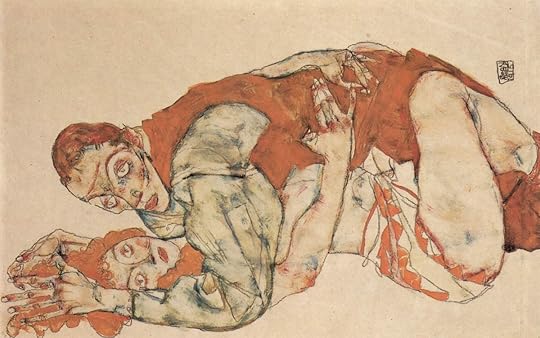
7th book of 2021. Paintings in this review by Austrian painter Egon Schiele.

We return to some of the same facets of Zweig’s magnificent Chess which I read several years ago. Amok takes place on a boat, as the former does. It is also a novella centred around the idea of obsession and the loss of control. The title is derived from the saying “running amok”, which in turn, apparently derived from the Malay word “mengamok”, which means to make a furious and desperate charge. This is explained in the novel too: that to run amok is to run without any direction, without any reason, simply to charge, and to attack and remove anything that stands in one’s way. As the novella describes it:
The people of the villages know that no power can halt a man running amok, so they shout warnings ahead when they see —him coming—‘Amok! Amok!’—and everyone flees…but he runs on without hearing, without seeing, striking down anything he meets… until he is either shot dead like a mad dog or collapses of his own accord, still frothing at the mouth…
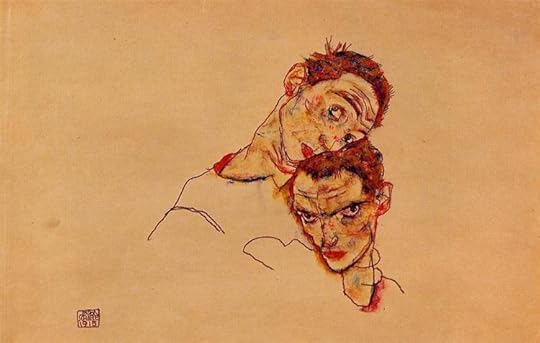
description
“Double Self-Portrait”—1915

The framework is a story within a story again, as Chess is. Our protagonist meets a mysterious man on the ship he is on and eventually is told this man’s story. Because the man is telling the story, and the story itself is essentially dialogue (then further dialogue within dialogue) there are a lot of speech patterns like the overuse of ellipses, which I found slightly annoying as I don’t care for them much in prose. The story itself isn’t as quietly intense or powerful as Chess either; though, it is a fast-paced read, and because our story-teller, mysterious man, keeps stopping and starting and changing the order of his story as he tells it, we are drawn further in as we impatiently wait for everything to be revealed. He is a German doctor in the East Indies and is drawn into the life and tragedy of an Englishwoman who asks for his help and slowly finds himself obsessed, and running amok after her in his passion. The events of his story explain why he is feverishly on the ship and now fleeing the place of the incident. The story is outdated in its representation of the setting, with frequent, distasteful descriptions of the inhabitants, using the term “yellow”, and even, at one point, “yellow, dull-minded”. Balking at these terms did hinder my enjoyment of the novella somewhat.

description
“Egon Schiele, Liebesakt, Studie”—1915

In the 1920s and 30s Zweig was the most popular and translated writer in the world. In 1942 he was found dead with his wife, holding hands, in their home after taking an overdose. He was despairing at the state of Europe and the direction it was going in. He had written, "I think it better to conclude in good time and in erect bearing a life in which intellectual labour meant the purest joy and personal freedom the highest good on Earth", as the world seemed to run amok around him.
Profile Image for Μαρία Αλεξοπούλου.
Author 2 books178 followers
November 17, 2020
Μόνο πέντε αστέρια αξίζουν για το ‘’Αμόκ’’, την εκτενέστερη και διασημότερη ιστορία του Ζweig που με κυρίευσε Aμόκ μέχρι να την ολοκληρώσω και να βυθιστώ στην άβυσσο της θλίψης. Σίγουρα θέλω να διαβάσω και υπόλοιπα έργα του όπως την ‘’Σκακιστική νουβέλα’’ και ο ‘’Φόβος’’.
Profile Image for Carlo Mascellani.
Author 15 books291 followers
April 12, 2022
L'amok, nella cultura orientale, rappresenta uno stato di furia incontrollata e incontrollabile. Il protagonista di questo racconto lo sperimenta sulla sua pelle quando sviluppa un'attrazione irresistibile per una donna che s'era rivolta a lui, medico, per riuscire ad abortire. Gli eventi che seguono a quel breve incontro ad altro non serviranno se non a precipitarlo sempre più in questo parossistico clima di follia personale e a comporre la trama di un epilogo in sé memorabile.
Profile Image for Magdalen.
224 reviews114 followers
February 25, 2017
Στην καμπίνα μου έχω συντροφιά μερικά μπουκάλια ουίσκι και το πιστόλι μου. Αυτό μπορεί να με βοηθήσει καλύτερα από οποιαδήποτε κουβέντα. Σας παρακαλώ, μην μπείτε στον κόπο. Μοναδικό δικαίωμα που απομένει σε κάθε άνθρωπο, είναι να ψοφήσει όπως αυτός θέλει, χωρίς να είναι άλλος μπροστά.

Αχ ρε Τσβάιχ με διέλυσες βραδιάτικα.
Profile Image for Rahma.Mrk.
753 reviews1,550 followers
October 31, 2020
يقول جبران إن ما يَقتلنا ليس كلماتنا التي قيلت بل التي لم تُقال..
ليس كلمات فحسب أعتقد أن كل تردد في أخذ خطوة ما..يقتل شئ فينا و في الآخر.
التردد بدافع الخوف من الآخر،الخوف من الرفض
أو العناد و إصرارنا على أن يُظهر الآخر إحتياجه و انكساره كي نمد له يدًا.
المساعدة أو حتى كي نلتفت له...

قصة حيرتني و أوجعتني و جعلتني أخمن في قدرة البشرية ،
و طاقتنا.
الى أي مدى يمكن أن نحتمل ؟

عيشك برشا على ترشيح صديقي أحمد ...
عيشك يبدو انها بداية صلحة بيننا
انا و زفايغ

28/aout/20🌸
Profile Image for Erasmia Kritikou.
346 reviews115 followers
February 5, 2016
Αλληγορικό, πολυεπίπεδο, συναρπαστικό - αριστουργηματική γραφή με συμβολικές προεκτάσεις σε ποικίλες κατευθύνσεις που απλά υπαινίσσονται όσο πιο έμμεσα και λιτά θα μπορούσαν χωρις να γίνεται ουτε για μια αράδα κουραστικό, φλύαρο ή βαρυσήμαντο. Αριστουργηματική πένα που αλλάζει ρυθμό ανάλογα με την έκβαση της πλοκής,λίγο ειρωνικό, πολύ παθιασμένο και αρκετά θυμωμένο επίσης (με τον εαυτό του, με την κοινωνία, με τον καθωσπρεπισμό και με όλα) το Αμόκ δίνεται σχεδόν βιωματικά στον αναγνώστη (σε στιγμές σου κόβει την ανάσα) -
Ιστορία μέσα στην ιστορία, διαβάζεται απνευστί (γιατί απλά δεν μπορείς και δεν θέλεις να το αφήσεις) και σ' αφήνει στο τέλος μ' αυτό το αχνό μειδίαμα στα χείλη του "Τι έγινε μόλις εδώ πέρα - και γιατί;"
Βρήκα το βιβλίο αυτό παραπεταμένο και σκονισμένο σ ένα περίπτερο, από μια παλιά και ξεχασμένη κι απ' τον Θεό έκδοση του Σμυρνιωτάκη- δεν είχα ξαναδιαβάσει Τσβάιχ, ήταν απόψε η πρώτη -συγκλονιστική- επαφή και σίγουρα οχι η τελευταία..
Profile Image for Aggeliki.
338 reviews
April 26, 2020
Το Αμόκ είναι από τα ελάχιστα ως τώρα βιβλία τόσο μικρής έκτασης που έχουν καταφέρει να με αφήσουν άφωνη τόσο πολύ. Αριστουργηματική γραφή που σε βάζει απευθείας στον πυρήνα του ψυχισμού των χαρακτήρων της ιστορίας. Η οποία μας δίνεται παθιασμένη, σαν χείμαρρος που σε παρασέρνει δίχως στιγμή να αμφιβάλλεις για το αν θα σε καθηλώσει. Γιατί αυτό ακριβώς θα κάνει. Βασικά δεν έχεις καν άλλη επιλογή. Και εδώ που τα λέμε, δεν θέλεις και να έχεις.
Μέσα σε μόλις λίγες σελίδες, η εκπληκτική πένα του Zweig προσφέρει στον αναγνώστη ήρωες με εκρηκτικά συναισθήματα, τη δραματουργία και την καθήλωση που απαιτεί μια τέτοιου είδους ιστορία. Σκοτεινή, βαθιά συναισθηματική και ανθρώπινη, απίστευτα δυνατή. Σε τσακίζει και σε στοιχειώνει αναπόφευκτα. Σίγουρα πια ανάμεσα στα αγαπημένα μου βιβλία.
Απλά συγκλονιστικό.
Profile Image for Amirhosein.
65 reviews61 followers
May 28, 2024
مالیخولیایی مالیخولیایی مالیخولیایی!!!
شاید تنها کلماتی که می‌تونه حق مطلب رو برای این دو داستان تسوایگ ادا کنه همین سه کلمه باشه!
کتاب شامل دو داستان بلند از اشتفان تسوایگ نویسنده اتریشیه. چیزی که به شدت در روح و قلم تسوایگ مشهوده قدرت تحلیل و بررسی روحیات، احساسات و جنبه‌های روانشناختی انسانه. داستان هاش به شدت جذاب و گیرا بود و تاحدودی خاطره داستان های شنیتسلر دیگر نویسنده روانشناختی‌نویس آلمان‌زبان رو برام زنده کرد.. تحلیل و بررسی جنبه های تاریک و احساسات و روحیات مالیخولیایی‌ای که یه جورایی مختص خون نویسنده‌های آلمانی‌زبانم هست.
کتاب حاضر شامل دو داستان آموک و نامه از زنی ناشناسه
داستان آموک داستان پزشکیه که طی سفرش در برگشت از اروپا از مناطق مستعمره آسیایی در کشتی، شبانه به راوی داستان برخورد میکنه و داستان زندگی حسرت‌بارش رو تعریف می‌کنه.. اینکه بعد از اخذ مدرکش برای طبابت وارد کشور هندهلند (اندونزی) می‌شه و روزی به صورت اتفاقی یک زن سفیدپوست و متشخص و متمول اروپایی برای سقط جنین بهش مراجعه می‌کنه و پزشک شیدای زن می‌شه و..
داستان نامه هم داستان عشق حسرت‌بار، غم‌انگیز و جنون‌آمیز و یک‌طرفه زنی از دوران نوجوانی به یک نویسنده بزرگ و عیاشه که واقعا زیباست
فکرشم نمی‌کردم تسوایگ چنین قلم خوبی داشته باشه و به نظرم به داستان هاش کم‌توجهی زیادی شده. ترجمه هم از اصل آلمانی و به شدت خوب بود.
Profile Image for Amaranta.
588 reviews261 followers
August 13, 2019
Amok. Delirio. Potenza incontrollabile che spinge l'uomo in una sorta di baratro di follia momentanea. E' questo quello che prova un medico spedito ai tropici ed in attesa di tornare a casa quando incontra una donna, la donna, quella che con un solo sguardo lo getterà in un vortice di follia, farà bruciare il suo sangue come una febbre impossibile da placare e lo porterà sull'orlo dell'abisso. Un racconto, durante una traversata, fatto ad uno sconosciuto, per sollevare la coscienza da questo mostro nero che lo inghiotte, e che ricorda tanto Marlow e il " Cuore di Tenebra". Stesso orrore, stessa angoscia che avvince il lettore in un epilogo che non può che essere drammatico.
Un racconto splendido, uno Zweig d'eccezione che brilla in questa notte nera e senza fine.
Profile Image for Kyriaki.
482 reviews247 followers
June 3, 2018
"Όμως από εκείνη τη στιγμή και μετά σαν να με κυρίεψε πυρετός. Έχασα κάθε έλεγχο του εαυτού μου. Ή μάλλον ήξερα πως ό,τι έκανα ήταν καμώματα τρελού, μα δεν μπορούσα πια να συγκρατηθώ. Δεν καταλάβαινα πλέον τον εαυτό μου. Μια σκέψη είχα μονάχα: να βρω αυτή τη γυναίκα. Σταθείτε όμως, ίσως μπορέσω να σας δώσω να καταλάβετε. Ξέρετε τι είναι το αμόκ;"
"Αμόκ; Μου φαίνεται πως το ξέρω. Είναι κάτι σαν μεθύσι στη Μαλαισία".
"Είναι πιότερο από μεθύσι. Είναι τρέλα. Ανθρώπινη λύσσα, για να μιλήσουμε πιο σωστά. Μια κρίση εγκληματικής μονομανίας, με την οποία καμιά αλκοολική τοξίνωση δεν μπορεί να συγκριθεί".


Υπέροχη γραφή! Δεύτερο βιβλίο-νουβέλα του Zweig που διαβάζω και ελπίζω στο μέλλον να διαβάσω κι άλλα!

"Θα είχα αυτοκτονήσει, αν είχα μαζί μου το πιστόλι μου. Τώρα πια αυτή ήταν η μοναδική μου σκέψη. Καθώς γύριζα στο ξενοδοχείο, σκεπτόμουν διαρκώς τη δεξιά τσέπη της βαλίτσας μου όπου βρισκόταν το πιστόλι μου."΄

"Σαν γιατρός, είδα πολλές φορές το θάνατο, τον είδα...σαν μια κλινική περίπτωση. Μα σαν άνθρωπος δεν τον είδα παρά μόνο μια φορά· δεν ένιωσα το ψυχομαχητό του παρά μόνο εκείνη τη νύχτα..."


B.R.A.CE. 2018: Ένα βιβλίο που κόστισε κάτω από 5 €
Displaying 1 - 30 of 1,976 reviews

Can't find what you're looking for?

Get help and learn more about the design.