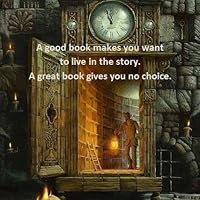
„Съчко“ е приказка в стихове от Джулия Доналдсън, очарователно илюстрирана от Аксел Шефлър. Предназначена е за най-малките, но е интересна и за по-големи деца, както и за техните родители.
Съчко е добро същество. Той живее със своята любима Съчка и трите си мили деца в тяхното семейно дърво. Но един ден всичко се обърква! Съчко е отвлечен и поема по дългия път обратно към своя дом, а препятствията са толкова много, че въпреки цялата му упоритост, ще е нужно истинско чудо, за да се прибере при своето семейство. Кой ще му помогне? Приказката внушава уважение към всичко живо, вяра, че обичта винаги побеждава, и създава празнично настроение."
Growing up I grew up in a tall Victorian London house with my parents, grandmother, aunt, uncle, younger sister Mary and cat Geoffrey (who was really a prince in disguise. Mary and I would argue about which of us would marry him).
Mary and I were always creating imaginary characters and mimicking real ones, and I used to write shows and choreograph ballets for us. A wind-up gramophone wafted out Chopin waltzes.
I studied Drama and French at Bristol University, where I met Malcolm, a guitar-playing medic to whom I’m now married.
Busking and books Before Malcolm and I had our three sons we used to go busking together and I would write special songs for each country; the best one was in Italian about pasta.
The busking led to a career in singing and songwriting, mainly for children’s television. I became an expert at writing to order on such subjects as guinea pigs, window-cleaning and horrible smells. “We want a song about throwing crumpled-up wrapping paper into the bin” was a typical request from the BBC.
I also continued to write “grown-up” songs and perform them in folk clubs and on the radio, and have recently released two CDs of these songs.
One of my television songs, A SQUASH AND A SQUEEZE, was made into a book in 1993, with illustrations by the wonderful Axel Scheffler. It was great to hold the book in my hand without it vanishing in the air the way the songs did. This prompted me to unearth some plays I’d written for a school reading group, and since then I’ve had 20 plays published. Most children love acting and it’s a tremendous way to improve their reading.
My real breakthrough was THE GRUFFALO, again illustrated by Axel. We work separately - he’s in London and I’m in Glasgow - but he sends me letters with lovely funny pictures on the envelopes.
I really enjoy writing verse, even though it can be fiendishly difficult. I used to memorise poems as a child and it means a lot to me when parents tell me their child can recite one of my books.
Funnily enough, I find it harder to write not in verse, though I feel I am now getting the hang of it! My novel THE GIANTS AND THE JONESES is going to be made into a film by the same team who made the Harry Potter movies, and I have written three books of stories about the anarchic PRINCESS MIRROR-BELLE who appears from the mirror and disrupts the life of an otherwise ordinary eight-year-old. I have just finished writing a novel for teenagers.
When I’m not writing I am often performing, at book festivals and in theatres. I really enjoy getting the children in the audience to help me act out the stories and sing the songs. When Malcolm can take time off from the hospital he and his guitar come too. and it feels as if we’ve come full circle - back to busking.
Stick Man lives with his lady love and three stick children in the family tree. One day he's out for a jog and gets snatched by a dog, taken by a girl, found by a swan, and the adventures continue. What Stick Man really wants is to make it back home, but will he?
This is such an adventurous story and perfect for this time of year. We loved Stick Man and his story from beginning to end. The illustrations really evoke the spirit of the holidays. ❤🎄
Another masterpiece fromJulia Donaldson and Axel Scheffler. Stick Man lives in the family tree with his wife and three children. One day he gets carried away by a dog and his adventures begin. You see everybody thinks he's just a stick and sticks are there for fetching, dropping in water, weaving into a nest, being a sandcastle mast or a sword, a pen or a bat...until he almost gets burnt in a fireplace on the Christmas night. Luckily, his old friend Santa saves him and delivers him to his loyal family. A lovely lovely story with cute pictures will make you fall in love with StickMan who lives in the family tree with his Stick Lady Love and their stick children three...
কিছু কিছু বই এতো অদ্ভুত সুন্দর হয়! ছোটদের জন্য লেখা (ও আঁকা) ছোট্ট একটা বই, অথচ পড়তে যেয়ে মন ভারাক্রান্ত হয়ে গিয়েছিলো স্টিকম্যানের দুর্দশা দেখে। বইয়ের খোঁজ পেয়েছি সোমদাদার কাছ থেকে।তার মতোই বলি, ভাগ্যিস ছোটদের বেশিরভাগ বইতে সুখের পরিসমাপ্তি থাকে! না হয় দু'দিন মুখ ভার করে বসে থাকতে হতো। জীবনের কোনো এক পর্যায়ে, যখন মনে হয়েছে কেউ আমাকে বুঝছে না, কেউ আমার কথার অর্থ ধরতে পারছে না, তখন স্টিকম্যানের মতো হয়তো আমরাও চিৎকার করেছি প্রাণপণ ,
"I'm not a stick! Why can't you see, I'm Stick Man, I'm Stick Man, I'M STICK MAN, that's me, And I want to go home to the family tree!"
While I have found the combination of Julia Donaldson's verses and Axel Scheffler's accompanying pictures (like usual) lyrically engaging and illustratively expressive (and also much appreciate that in Stick Man, the lost Stick Father, even after having experienced all kinds of physical trauma from both animals and humans, still immediately rescues Santa Claus from his predicament of being stuck in a chimney and by doing so then gets an appreciative sleigh ride home to his worried family and thus a merry Christmas for all), personally, there are some parts of the illustrations (of the specific details in a number of Axel Scheffler's depicted and drawn scenes) that as an older and educated adult I do find hugely problematic and even downright strange. For one, I do NOT AT ALL appreciate that in the illustration where Stick Man points out that he is not a bow, the individual using Stick Man as a bow is someone "playing Indian" and wearing a feather headdress (as that is considered majorly offensive to and for many Native Americans and Canadians, and even though in Europe, they are sadly still a bit behind the times with regard to this, it really does bother me that even in the 21st century, Axel Scheffler would depict people playing at being "Native"). And furthermore, for two (and yes, this is probably a bit nit-picky on my part, but I cannot help my feelings concerning this), I also have found it rather weird and creepy that in Stick Man, the Stick Family is illustrated as living in a tree house where the bed is made of chopped lumber and where the walls are decorated with gathered greenery (as to and for me, that sure looks like a family of wooden people actually destroying their own for house and home).
Therefore, while with Stick Man, I have definitely enjoyed Julia Donaldson's verses (and the uplifting messages behind them), there are simply too many (in my opinion) potentially problematic and questionable aspects contained in certain parts of Axel Scheffler's accompanying artwork for me to consider more than two stars (as indeed, that "playing Indian" image and that the Stick Family basically uses a wooden bed made of chopped lumber, this has certainly rather rubbed me the wrong way).
Stick Man and his family live in their family tree. Stick Man separates from his family after a dog grabs him and the poor soul tries his best to go back to them.
I'm not a stick! Why can't they see? I'm Stick Man, I'm Stick Man, I'M STICK MAN, that's me, And I long to be back in the family tree
Another favourite book. Rhyming text and detailed illustrations are just perfect and light-hearted.
There is also an unexpected appearance of Santa.
Then Stick Man helps Santa deliver the toys To fast-asleep girls And fast-asleep boys
Adding to this values like the family bond, the love and commitment and the right type of wishes one should have; you could say that this book can be read happily by all young readers during Christmas time.
We're big Donaldson/Scheffler fans in this house and had been saving this one for Christmas.
Poor Stick Man had the indignity of being used as part of a game of fetch between owner and dog! Through various misadventures he is determined to be reunited with his family, it's rather fitting that having been stranded since the summer he finally makes it back at Christmas.
These books are always a delight with fun rhyming prose and distinctive illustrations.
এবছর 'স্টিক ম্যান ' এর থেকে ভালো বই হয়তো আমি পড়ি নি ! আহা কী লেখা, আহা আহা কী দারুন ছবি।
কাঠের মানুষ তার কাঠের লেডি লাভ , আর তার তিন কাঠের বাচ্চাকে নিয়ে তাদের পৈতৃক গাছে থাকে - সুখের সংসার। তবে সুখ কী আর সবসময় থাকে? ভীষণ সাংঘাতিক সব কাণ্ডকারখানার মাঝে কাঠের মানুষ তার পরিবারের থেকে অনেক দূরে গিয়ে পড়ে। কী দুঃখ, কী দুঃখ। মনের দুঃখে কাঠের মানুষ বলে ওঠে -
I'm Stick Man, I'm Stick Man, I'M STICK MAN, that's me, And I long to be back in my family tree...
তারপর? তারপর কাঠের মানুষ কী করে তার বৌ-বাচ্চার কাছে ফিরে আসে - সেই নিয়েই গল্প।
দিয়েগো কে পড়াতে পড়াতে আমি নিজেই কেঁদে কেটে একসা। পুত্র অবিশ্যি স্টিক ম্যান , দ্য ইনক্রেডিবলস, লায়ন কিং, নন্টে ফন্টে সবকিছুই গোগ্রাসে গেলে। মুফাসা মরে গেলেও তার দুঃখ, স্টিক ম্যান হারিয়ে গেলেও দুঃখ, আর মিস্টার ইনক্রেডিবল সিনড্রোম'এর হাতে বন্দী হলেও দুঃখ। রক্ষে এই, যে বাচ্চাদের জন্যে লেখা সব গল্পেই বোধহয় হ্যাপি এন্ডিং থাকে।
This a delightful children's fiction story, with a winter-holiday setting. Stick Man and his stick family are imaginative stick people who live in their family tree. We follow Stick Man through some unexpected adventures that begin one day, as he goes out for a jog and is abducted by a dog. A series of misadventures ensues as Stick Man tries to make his way home, encountering ever more outlandish situations that thwart him.
The illustrations are perfect: quirky, colorful, bright, and full of detail. The setting is realistic, featuring humans, animals, and places that are familiar to children... but Stick Man and his family give the tale a magical, exciting twist. What if the very stick you were playing with, was really a living creature ?! Imaginative kiddos will relate to the perils and tribulations of a Stick Man, such as being used in a nest, or on top of a sand castle.
The rhyming text is humorous, and perfect for read-alouds with preschoolers. Beginning readers may need some help with higher level vocabulary ("deserted," "frolicking," etc), but should also enjoy this funny and adventurous tale. With a happy ending, Stick Man is satisfying and original.
Stick Man I'm not really sure what to do with this one. Hm... On one hand, I guess it's clever and supposed to be funny (I guess? If a poor Stick Man being separated from his family for months and put into all sorts of challenging situations that a normal stick would be put into like being thrown for a dog to catch, stuck into a snowman for an arm or almost burned up in a fireplace is "funny"). On the other hand, it's billed as a Christmas book and the Santa part really just drops out of nowhere and the first half of the story has nothing to do with Christmas. Also, I'm really not sure about the moral of the story. One should NOT leave the safety of ones home? Um, maybe not the best message for little ones who often do have anxiety about leaving home? :-/ Maybe I'm being too much of a grown-up reading into things here. Most kids might just take it all as a good joke (I didn't read it to mine). That said, my GoodReads friend Manybooks also makes some excellent points in her review regarding other problematic content here and I suggest reading her review before you share this with your littles.
ভয়ঙ্কর সুন্দর বোবা বই এবং অদ্ভুত সুন্দর এর ছবিগুলো। নিজেকে আমার স্টিকম্যান মনে হয়। আসলে আমি স্টিকম্যানই। সবাই স্টিক মনে করে কিন্তু ম্যান মনে করে না কেউ। এমন সুন্দর বই জীবনে প্রথম পড়লাম। বইটার কথা আজীবন স্মরণ থাকবে।
Stick Man, oh Stick Man, beware of the snow! Here comes a boy in a warm woolly scarf. "An arm for my snowman!" he says with a laugh.
বাচ্চাদের বই পড়তে ভালোবাসি। যেখানে পাই, কুড়িয়ে পড়ি। বই গুলো আমাকে সুখ দেয়। "Stick man" ও একটা বাচ্চাদের বই। দারুণ একটা বই। আরো বেশ কয়েক বার পড়ব বইটা,এসব বই বারবার পড়ে আরাম।
এই বইটা আমি পড়তে পারছি হারুন ভাইয়ের বদৌলতে। ভাইয়াকে ভালোবাসা।
This may well be my favourite Julia Donaldson and Axel Scheffler book and it is no surprise to read that the Daily Mail critic commented, 'You'll read this book again and again.' I should say that I did read it twice at the first sitting!
Stick man is a cute little twig and he lives at home in the family tree with his Stick Lady Love and three stick children.
One day he decides to go out for a jog but it turns into something of a nightmare. He is chased by a dog who wants to use him to play 'fetch it', then he is used as a pooh stick by some children and a swan uses him for part of his nest. And all the time he is longing to be back in the family tree.
When he frees himself from the nest he is carried out to sea and ends up on a beach where children use him for a flagpole on their sandcastle before he encounters other children who use him for a variety of things that do not please him. And all the time he is longing to be back in the family tree.
Finally it is winter and snow is on the ground as children, all wrapped up, sing carols. Here he is used as an arm for a snowman before he is gathered in by the children and taken into their house where a fire is set. He is worryingly placed in the grate but, thankfully, before the fire can be lit someone comes down the chimney and gets stuck. All the time Stick Man is dreaming of his Stick Lady Love and his children.
But he is still able to assist the person stuck in the chimney and he frees him to discover it is the man in red, who is most grateful to him for getting him out, albeit he is all covered in soot. To show his gratitude the gentleman takes him on his sleigh to deliver presents and the last place they call is ... yes, you've got it, Stick Man's family tree.
He is home, he is happy and so is the reader who has had a most enjoyable read.
22 September 2022
No wonder some of the publicity for this book stated 'You'll read this book again and again' because I have purchased a copy for a little friend of mine and I just couldn't resist reading it once more - that's three times seeing as I said in my earlier review that I read it twice first time round!
The dog who sees Stick Man and thinks it is merely 'an excellent stick' is mistaken for he is told, 'I'm not a stick! Why can't you see, I'm Stick Many, I'm Stick Man, I'M STICK MAN, that's me, And I want to go home to the family tree!'
Eventually the stick gets returned home and the dog owner is told to keep his pet on a lead. But Stick Man suddenly finds himself involved in a game of Pooh sticks, used as part of a swan's nest and then atop a sandcastle as a mast, complete with flag attached!
He then finds himself occupying all sorts of other roles which leave him asking 'Will I ever get back to the family tree?' The answer appears to be 'No' when he is collected to form part of a fire and is laid on top of other sticks ready to be set alight. Fortunately it is the festive season and before the fire can be lit, someone falls down the chimney and dislodges him from his spot on the other twigs.
He helps the intruder to deliver presents and one goes to Stick Lady's house where he finds himself reunited with the family tree!
What a lovely story with a happy ending ... and the usual great illustrations from the one and only Axel Scheffler!
We bought this yesterday and had it as a bedtime read straight away. Actually quite the story sitting behind the rhyme. The dangers for a stick man getting caught up in a game of pooh sticks must be terrible.
We all are stick men roaming around the world. We all have a passion or dream to which we want to be stuck to, just like the stick man had a family tree. But life makes us take different types of identity and we go far from our dreams and passions aka family tree.
The stick man inside us screams "Hey I'm Stick man, I'm stick man, I AM STICK MAN, that's me. " But not even we let alone others hear the voice of our heart.
Some lucky stickmen can return to their family tree but the unlucky ones are burnt in the chimney called life.
When Stick Man, who lives with his "Stick Lady Love and their stick children three", is mistaken for an ordinary twig in this humorous rhyming tale, he experiences a series of misadventures that take him far from home. Used by a dog in a game of fetch, by a series of children for such things as a pen or the arm of a snowman, by a swan as part of a next, Stick Man keeps insisting that he is who he is, rather than some sort of inanimate toy or tool. It is only when he crosses paths with Santa Claus that he is recognized as himself, and his wish - to return home - is granted...
Having enjoyed a number of British author Julia Donaldson and German illustrator Axel Scheffler's other rhyming picture-book adventures, from The Gruffalo to Room on the Broom, I picked up this holiday tale with a great deal of pleasant expectation. I was not disappointed, finding the narrative entertaining and the colorful artwork appealing. Stick Man, like so many of this duo's creations, was made for reading aloud, and is sure to amuse young audiences, even as it keeps them on the edge of their seats, wondering whether the eponymous Stick Man will get home in time for Christmas. Recommended to fans of Donaldson and Scheffler, and to anyone looking for fun, lighthearted Christmas (or any other time of the year) picture-book reads.
বইপড়ুয়ারা অন্তত বইয়ের জগতে ভারী আবেগী। একেকটা পাতা, ভাসিয়ে নেয়, হাসায়, কাঁদায়, অন্য একটা জগতে নিয়ে যায়। নইলে সোমদাদার মত চল্লিশ বছরের একজন গ্রোন আপ ম্যান কি বাচ্চাদের বই পড়তে গিয়ে কাঁদে?
হ্যাঁ, আমার পরিচিত অনেক পাঠকবন্ধুই সোমদাদার হাত ধরেই বইটার সন্ধান পেয়েছেন, আমিও। আর পড়তে পড়তে চোখে জল বহু কষ্টে আটকালেও " Oh God, Oh my god, no please..." আওড়াতে আওড়াতে পড়েছি আমিও। ছোট্ট বই, মাত্র ৩২ পাতার, ছন্দ আর ছবিতে কোথায় যেন ছুঁয়ে গেছে সত্যিই।
" I'm Stick man, stick man,
Stick man,that's me!
And I want to go home to the family tree!!!"
লাঠি-মানুষ কি পেরেছিল সেই প্রার্থিত জায়গায় পৌছাঁতে? সবকিছু সয়ে, ঝড়, মানুষ, রাজহাঁস এড়িয়ে সে কি যেতে পেরেছিল তার তিন লাঠি-বাচ্চা আর লাঠি-বউয়ের কাছে??
I've always got a soft corner for playful simple books with beautiful meanings, which is why it is taking me more time to register the meaning in my head than finish it by reading. lovely!
Прекрасно е как дори когато е в най-голямата беда за целия си живот, Съчко събира сили да помогне на някой друг <3
От чудесния превод на Мария Донева искам да обърна специално внимание на думата писАло, която е великолепна.
И с обратен знак – на "Хей, Съчко" – предпочитам на български това да е (все по-изчезващото) "Ей" :)
еdit: Снощи го четохме отново и после потърсих английския оригинал. Всъщност преводът действително е увличащ и напевен, но сякаш доста от оригинала се губи. Има една лаконичност, вътрешни смешки, които са изчезнали, за сметка на удължаване, дописване, натрупване на думи, които понякога направо заличават реалната забава, а друг път просто правят звученето ненужно монотонно. На две или три места М.Д. е избрала вместо да се вмести в двата стиха на оригинала и да се чуди как да римува на български foam с home например, просто да си допише още два стиха. По този начин си дава неограничена свобода да римува каквото си иска с каквото си иска – в което аз не виждам нищо лошо, напротив, хитро е, но проблемът е, че допълнените рими всъщност не са особено интересни – например глаголна форма с глаголна форма – и цялата работа малко се обезсмисля.
He tosses and turns till the frolicking foam Washes him up on a beach far from home.
Потъна за миг, но вълна го повдигна, сред пръски и пяна – до сушата стигна. Спаси се на плажа, но тъжно е щом изплуваш далече от родния дом.
One day he wakes early and goes for a jog. Stick Man, oh Stick Man, beware of the dog!
Обичаше той сутрин рано да става, да тича, да скача, да се упражнява. Обаче един ден какво му се случи... – Хей, Съчко, внимавай, към теб идва куче!
На следващата страница пак такова изреждане на еднообразни думи (да-конструкции на двусрични глаголни форми с ударение на първата сричка) дори изличава смешката, че кучето знае точно един трик с пръчка:
"A stick!" barks the dog. "An excellent stick! The right kind of stick for my favourite trick! I'll fetch it and drop it, and fetch it - and then I'll drop it and fetch it and drop it again."
- Я, пръчка! – кафявото куче излая. – Със пръчка аз хубави трикове зная! Да нося, да хващам, да скачам, да тичам, да търся, да гоня... О, пръчки обичам!
И още една забележка – в оригинала след всяко неприятно недоразумение и премеждие за Съчко, той настоява, че e Stick Man, it's me и че иска да се върне при свойто family tree. На български всеки път мисълта му е само за Съчка – тя го очаква, при нея иска да се прибере – което е странно, все пак той освен жена има и трима сина, а така образът му малко заприличва на хленчещ man-child или пък на някакъв последовател на маносферните подкастъри, които настояват, че мъжът винаги трябва да обича жена си повече от децата си :D
Разбира се, че не всичко може да се запази при превод, камо ли превод на поезия, камо ли превод на детска поезия, камо ли превод на детска поезия с картинки, с които също трябва да се съобразиш. Тук например има разни игри на думи Stick Man – a stuck man или I'm Stick Man, that's me! / And I'm sticking right here, in my family tree., за които не бих спорила или се заяждала, или както там може да прозвучи на някого настоящият ми коментар. Но ето, онзи ден слушах в подкаста "Чувствителният преводач" разговора на Невена Дишлиева-Кръстева с Елка Виденова, която каза нещо много интересно– че в нейното семейство цели изрази от (преводи на) детски книги са влезли във всекидневния семеен речник – във вида, в който ги е съчинил преводачът– и колко важно е да държиш сметка, докато превеждаш за деца, че решенията ти имат този потенциал. А в "Съчко" струва ми се, в името на удобството за преводача може би, някои звънки, кратки, забавни формулировки, които могат лесно да се запомнят, рецитират или цитират, ненужно са се разводнили в нещо недотам вълнуващо.
Със своята помощ и щом не съм сам, ще смогна подаръците да раздам. Момичета мили, момчета послушни ще могат играчките свои да гушнат.
Then Stick Man and Santa deliver the toys To fast-asleep girls... and to fast-asleep boys.
- Какъв късмет! Съчко? Ти тука ли си? Приятелю Съчко! Ах, ти ме спаси!
"Stick Man, oh, Stick Man, you excellent friend! Thanks! Thanks a million! Thanks without end!"
Donaldson's picture book tells the story of Stick Man and the troublesome adventure he experiences after beginning a jog. On this adventure, he wants nothing other than to return home to his family. However, Stick Man fails to receive this wish. From being a mast on a sand castle to being an arm on a snow man, Stick Man accepts that he may never return home. In a surprising twist, Stick Man is returned home by Santa just in time for Christmas. This story is very enjoyable as it demonstrates the various uses for sticks which in turn can encourage the children to suggest their own uses for sticks. The rhyming scheme is simple but effective, allowing the children to join in and identify the rhyming words in the story. This picture book would be suitable for Early Years in the lead up to christmas as the illustrations introduce a magical christmas atmosphere. The fact that the story begins in the season of Autumn and finishes in Winter is shown by the eye catching illustrations and these can allow the children to create an association between different pictures and different seasons of the year.
A funny misadventure following Stick Man trying to get back home to his Lady Stick and three Stick children after being snatched by a dog, a girl, a swan, and many other. Stick Man gets more and more irritated that no one realises that he is is not a stick, or a boomerang...... : "Why can't they see, I'm Stick Man, I'm Stick Man, I'M STICK MAN, that's me, And I want to go home to my family tree!"
Great and funny read-aloud following Stick Man through a a series of misadventures. This book is a perfect read-aloud during winter, especially holiday season. If you are doing an Author study, or are just reading Julia Donaldson's books, I suggest reading it after The Gruffalo's Child, considering Stick Man is her toy. Axel Scheffler continues with his detailed, colorful and funny illustrations.
Stick man is lonely,Stick man is lost Stick man is frozen and covered in frost বইটা ১০মিনিটের মাথায় শেষ হয়ে গেল পড়া!! আমি তো ভয়ই পেয়ে গিয়েছিলাম,এই বুঝি সব শেষ হয়ে যাবে। কিন্তু নাহ। ভাগ্যিস বাচ্চাদের বই বলে হয়তো এন্ডিং সুন্দর ছিল। কিন্তু যা বুঝলাম, আমি আর জীবনেও স্টিক নিয়ে খেলা করবোনা🥺 Moral of the story - always stick with your loved ones💜
Not my favorite - even knowing everything turns out okay, it's a bit of a stressful read. I wish Stick Man was enjoying his adventures instead of miserable, homesick, and in danger for pretty much the whole book.
জীবন সুন্দর! কিন্তু কিছু কিছু সময় আসে জীবনে, যখন আমরা কিছু মানুষের ক্ষেত্রে দুর্বোদ্ধ হয়ে উঠি ! তখন, স্টিকমানের মতো বারংবার আপন অবস্থান হতে নিজেদের প্রতিনিয়ত প্রমাণ করে যেতে হয়, তখন শুধু স্টিকমানের মতো বলতে ইচ্ছে হয়, "I'm not a stick! Why can't you see?, I'm stick man, I'm stick man, I'M STICK MAN that's me And i want to go home to the family tree!"🥺













![Profile Image for [ J o ].](https://i.gr-assets.com/images/S/compressed.photo.goodreads.com/users/1673171874i/4639825._UY200_CR4,0,200,200_.jpg)