

What do you think?

Author in Chief: The Untold Story of Our Presidents and the Books They Wrote
Based on a decade of research and reporting, Author in Chief tells the story of America’s presidents as authors—and offers a delightful new window into the public and private lives of our highest leaders.
Most Americans are familiar with Abraham Lincoln’s famous words in the Gettysburg Address and the Emancipation Proclamation. Yet few can name the work that helped him win the presidency: his published collection of speeches entitled Political Debates between Hon. Abraham Lincoln and Hon. Stephen A. Douglas. Lincoln labored in secret to get his book ready for the 1860 election, tracking down newspaper transcripts, editing them carefully for fairness, and hunting for a printer who would meet his specifications. Political Debates sold fifty thousand copies—the rough equivalent of half a million books in today’s market—and it reveals something about Lincoln’s presidential ambitions. But it also reveals something about his heart and mind. When voters asked about his beliefs, Lincoln liked to point them to his book.
In Craig Fehrman’s groundbreaking work of history, Author in Chief, the story of America’s presidents and their books opens a rich new window into presidential biography. From volumes lost to history—Calvin Coolidge’s Autobiography, which was one of the most widely discussed titles of 1929—to ones we know and love—Barack Obama’s Dreams from My Father, which was very nearly never published—Fehrman unearths countless insights about the presidents through their literary works.
Presidential books have made an enormous impact on American history, catapulting their authors to the national stage and even turning key elections. Beginning with Thomas Jefferson’s Notes on the State of Virginia, the first presidential book to influence a campaign, and John Adams’s Autobiography, the first score-settling presidential memoir, Author in Chief draws on newly uncovered information—including never-before-published letters from Andrew Jackson, John F. Kennedy, and Ronald Reagan—to cast fresh light on the private drives and self-doubts that fueled our nation’s leaders.
We see Teddy Roosevelt as a vulnerable first-time author, struggling to write the book that would become a classic of American history. We see Reagan painstakingly revising Where’s the Rest of Me?, a forgotten memoir in which he sharpened his sunny political image. We see Donald Trump negotiating the deal for The Art of the Deal, the volume that made him synonymous with business savvy. Alongside each of these authors, we also glimpse the everyday Americans who read them.
Combining the narrative felicity of a journalist with the rigorous scholarship of a historian, Fehrman delivers a feast for history lovers, book lovers, and everybody curious about a behind-the-scenes look at our presidents.
Most Americans are familiar with Abraham Lincoln’s famous words in the Gettysburg Address and the Emancipation Proclamation. Yet few can name the work that helped him win the presidency: his published collection of speeches entitled Political Debates between Hon. Abraham Lincoln and Hon. Stephen A. Douglas. Lincoln labored in secret to get his book ready for the 1860 election, tracking down newspaper transcripts, editing them carefully for fairness, and hunting for a printer who would meet his specifications. Political Debates sold fifty thousand copies—the rough equivalent of half a million books in today’s market—and it reveals something about Lincoln’s presidential ambitions. But it also reveals something about his heart and mind. When voters asked about his beliefs, Lincoln liked to point them to his book.
In Craig Fehrman’s groundbreaking work of history, Author in Chief, the story of America’s presidents and their books opens a rich new window into presidential biography. From volumes lost to history—Calvin Coolidge’s Autobiography, which was one of the most widely discussed titles of 1929—to ones we know and love—Barack Obama’s Dreams from My Father, which was very nearly never published—Fehrman unearths countless insights about the presidents through their literary works.
Presidential books have made an enormous impact on American history, catapulting their authors to the national stage and even turning key elections. Beginning with Thomas Jefferson’s Notes on the State of Virginia, the first presidential book to influence a campaign, and John Adams’s Autobiography, the first score-settling presidential memoir, Author in Chief draws on newly uncovered information—including never-before-published letters from Andrew Jackson, John F. Kennedy, and Ronald Reagan—to cast fresh light on the private drives and self-doubts that fueled our nation’s leaders.
We see Teddy Roosevelt as a vulnerable first-time author, struggling to write the book that would become a classic of American history. We see Reagan painstakingly revising Where’s the Rest of Me?, a forgotten memoir in which he sharpened his sunny political image. We see Donald Trump negotiating the deal for The Art of the Deal, the volume that made him synonymous with business savvy. Alongside each of these authors, we also glimpse the everyday Americans who read them.
Combining the narrative felicity of a journalist with the rigorous scholarship of a historian, Fehrman delivers a feast for history lovers, book lovers, and everybody curious about a behind-the-scenes look at our presidents.
434 pages, Hardcover
First published February 11, 2020
About the author
Craig Fehrman
4 books154 followersCraig Fehrman, a journalist and historian, spent five years writing and researching This Vast Enterprise. His first book, Author in Chief, was described by Thomas Mallon in The Wall Street Journal as “one of the best books on the American presidency to appear in recent years.” Fehrman lives in Indiana with his wife and children.
Ratings & Reviews
Friends & Following
Create a free account to discover what your friends think of this book!
Community Reviews
Displaying 1 - 30 of 145 reviews

January 29, 2020
”’A good citizen is a good reader.’ The reverse is also true, with the most bookish Americans being 31 percent more likely to vote than their peers. In other words, a good reader is also a good citizen.”
When I saw the premise of this book, I knew that it was in my wheelhouse. I love biographies of presidents and have read several of their autobiographies as well. I usually prefer the biographies because in many cases the autobiographies are politically motivated and conceived as vehicles to either get the man elected or justify his presidency. Ulysses S. Grant, an unlikely candidate to be a gifted writer, still penned one of the best presidential autobiographies ever written. Maybe the reason his autobiography is so good is because it ends right after the Civil War and doesn’t cover his political years, although I would love to read how he would have discussed the scandal riddled years of his administration. It did seem like Grant might have been the only honest man in his own government. Another compelling aspect to Grant’s odyssey to finish writing his book was the poor health he was experiencing and his determination to finish before the Grim Reaper caught up with him.
Craig Fehrman split the presidents into four parts and discussed how involved each president was with the writing of his own autobiography. Ghost writers were employed in most cases. Few were as dedicated to the project as Grant, and none contributed as many words. There was a handwritten note from Lincoln wanting reassurances that what was being written would be as if from his own hand. John F. Kennedy also went to great lengths to maintain the public image of his own talented writing skills, but you might be surprised to discover that the reality is far removed from the skillfully cultivated lie. The subterfuge did not end with who actually wrote what. Donald J. Trump funneled hundreds of thousands of dollars through Super-Pacs to buy copies of his books to ensure they stayed on the bestseller list. This wasn’t a new idea by a presidential candidate, but it was certainly one that fit perfectly with the temperment of a president who feels the need to make himself look larger and more successful than he actually is.
Fehrman also introduced us to some of the great book readers of different eras who gobbled up presidential biographies and autobiographies as soon as they hit the bookstores. “‘I keep no money in my pocket very long,’ Michael Floy confessed in his diary. ‘For when I see a book that takes my fancy, have it I must.’” Ex-presidents also had the book collecting bug. James Madison owned four thousand volumes. Thomas Jefferson had eighteen hundred. Even John Adams confessed to his wife Abigail, “I’ve spent an estate in books.” I would venture a guess that many readers of this review will identify very strongly with Mr. Floy and Mr. Adams.
One of my favorite moments, I actually laughed out loud, was when Fehrman revealed to me that the oldest remaining writing by Andrew Jackson is a letter he wrote at age 21, challenging a man to a duel. Of course, it is! Jackson, love him or hate him, he was a man who never backed down from anything. I was also pleasantly surprised to learn that Nathanial Hawthorne wrote Franklin Pierce’s autobiography. ”’The story is true,’ Hawthorne told a friend. ‘Yet it took a romancer to do it.’” The book is filled with great little stories like these that add color to what you already knew about the presidents and the writers who helped them.
I took scads of notes because this book will be a reference tool that I will revisit many times in the future to refresh my memory about certain presidential nuggets Fehrman shared and to experience again the pleasure of a writer deftly handling a large amount of information and giving it to us in useful, enjoyable slices.
I appreciated the fact that Fehrman gave a nod to fiction and its influence on some of the great men who rose to the highest level of power in the United States.
”Grant enjoyed novels; Wilson devoured detective stories. But Obama read more fiction than any previous president, and that reading shaped his mind, his books--even, in the end, his politics.”
Highly Recommended!
If you wish to see more of my most recent book and movie reviews, visit http://www.jeffreykeeten.com
I also have a Facebook blogger page at:https://www.facebook.com/JeffreyKeeten
When I saw the premise of this book, I knew that it was in my wheelhouse. I love biographies of presidents and have read several of their autobiographies as well. I usually prefer the biographies because in many cases the autobiographies are politically motivated and conceived as vehicles to either get the man elected or justify his presidency. Ulysses S. Grant, an unlikely candidate to be a gifted writer, still penned one of the best presidential autobiographies ever written. Maybe the reason his autobiography is so good is because it ends right after the Civil War and doesn’t cover his political years, although I would love to read how he would have discussed the scandal riddled years of his administration. It did seem like Grant might have been the only honest man in his own government. Another compelling aspect to Grant’s odyssey to finish writing his book was the poor health he was experiencing and his determination to finish before the Grim Reaper caught up with him.
Craig Fehrman split the presidents into four parts and discussed how involved each president was with the writing of his own autobiography. Ghost writers were employed in most cases. Few were as dedicated to the project as Grant, and none contributed as many words. There was a handwritten note from Lincoln wanting reassurances that what was being written would be as if from his own hand. John F. Kennedy also went to great lengths to maintain the public image of his own talented writing skills, but you might be surprised to discover that the reality is far removed from the skillfully cultivated lie. The subterfuge did not end with who actually wrote what. Donald J. Trump funneled hundreds of thousands of dollars through Super-Pacs to buy copies of his books to ensure they stayed on the bestseller list. This wasn’t a new idea by a presidential candidate, but it was certainly one that fit perfectly with the temperment of a president who feels the need to make himself look larger and more successful than he actually is.
Fehrman also introduced us to some of the great book readers of different eras who gobbled up presidential biographies and autobiographies as soon as they hit the bookstores. “‘I keep no money in my pocket very long,’ Michael Floy confessed in his diary. ‘For when I see a book that takes my fancy, have it I must.’” Ex-presidents also had the book collecting bug. James Madison owned four thousand volumes. Thomas Jefferson had eighteen hundred. Even John Adams confessed to his wife Abigail, “I’ve spent an estate in books.” I would venture a guess that many readers of this review will identify very strongly with Mr. Floy and Mr. Adams.
One of my favorite moments, I actually laughed out loud, was when Fehrman revealed to me that the oldest remaining writing by Andrew Jackson is a letter he wrote at age 21, challenging a man to a duel. Of course, it is! Jackson, love him or hate him, he was a man who never backed down from anything. I was also pleasantly surprised to learn that Nathanial Hawthorne wrote Franklin Pierce’s autobiography. ”’The story is true,’ Hawthorne told a friend. ‘Yet it took a romancer to do it.’” The book is filled with great little stories like these that add color to what you already knew about the presidents and the writers who helped them.
I took scads of notes because this book will be a reference tool that I will revisit many times in the future to refresh my memory about certain presidential nuggets Fehrman shared and to experience again the pleasure of a writer deftly handling a large amount of information and giving it to us in useful, enjoyable slices.
I appreciated the fact that Fehrman gave a nod to fiction and its influence on some of the great men who rose to the highest level of power in the United States.
”Grant enjoyed novels; Wilson devoured detective stories. But Obama read more fiction than any previous president, and that reading shaped his mind, his books--even, in the end, his politics.”
Highly Recommended!
If you wish to see more of my most recent book and movie reviews, visit http://www.jeffreykeeten.com
I also have a Facebook blogger page at:https://www.facebook.com/JeffreyKeeten

March 1, 2020
An interesting look at Presidential books from the very beginning. Background on the various leaders, and their writing processes, as well as why they were writing. Andrew Jackson wrote the first book that helped him win the presidency, a campaign treatise at a time when candidates didn't campaign for themselves.
Since it is women's month, I need to mention that Abigail Adams own book sold better than her husbands. Go Abigail. Clinton actually wrote over a thousand pages by hand, trying to include everybody he had contact with, despite his editors effort to reign him in. Obama, of course was a reader and writer before he became President. He was extremely loyal to his neighborhood bookstore and his reading of fiction, proved s boon to many authors. There was only a small section on Trump, was kind of amusing but not surprising. Will let you read the book to find out what was said.
A very informative look at all our Presidents, the good and bad.
Narrated by Fred Sanders who did an excellent job.
Since it is women's month, I need to mention that Abigail Adams own book sold better than her husbands. Go Abigail. Clinton actually wrote over a thousand pages by hand, trying to include everybody he had contact with, despite his editors effort to reign him in. Obama, of course was a reader and writer before he became President. He was extremely loyal to his neighborhood bookstore and his reading of fiction, proved s boon to many authors. There was only a small section on Trump, was kind of amusing but not surprising. Will let you read the book to find out what was said.
A very informative look at all our Presidents, the good and bad.
Narrated by Fred Sanders who did an excellent job.

March 12, 2020
I know that most presidents were prolific readers and some were skilled writers. One of the presidents on top of my list of reader/writers is Theodore Roosevelt. I always felt a kindred spirit with him after reading one of his comments about reading: “Reading is living”. I have also read it as “Reading is life”. Probably the most famous president that was a reader/writer was John Adams. He was a prolific letter writer as well as an author of books. Much of what we know about those early days comes from the pens of the Adams family.
The book was well written and researched. Many of the presidents that wrote one or more books are well known, but a few Fehrman discussed such as Silent Calvin Coolidge were a surprise. It is amazing just how many presidents were also writers as well as readers. The author also showed the evolution of the biography and autobiographies as well as the campaign book. This book was a learning experience for me. I found this a fun book to read. I enjoy reading about what key people in the past have read.
I read this as an audiobook downloaded from Audible. Fred Sanders does a good job narrating the book. Sanders is a well-known audiobook narrator and is known as “The Master of Pacing”.
The book was well written and researched. Many of the presidents that wrote one or more books are well known, but a few Fehrman discussed such as Silent Calvin Coolidge were a surprise. It is amazing just how many presidents were also writers as well as readers. The author also showed the evolution of the biography and autobiographies as well as the campaign book. This book was a learning experience for me. I found this a fun book to read. I enjoy reading about what key people in the past have read.
I read this as an audiobook downloaded from Audible. Fred Sanders does a good job narrating the book. Sanders is a well-known audiobook narrator and is known as “The Master of Pacing”.

May 30, 2021
Author In Chief is a history of books by U.S. presidents and their bookish lives. Fehrman argues that there are two types of presidential books: campaign and legacy books. Campaign books are written before the future president runs for office. These books have tended to provide the future president with some national notoriety before a successful presidential run, or in the case of Calvin Coolidge, a vice-presidential run. Legacy books are retrospectives that former presidents use to reflect on their presidencies. These books can be used to settle scores or to provide historians a first draft of what went on behind the scenes. Each chapter covers one or two presidential books and how they fit in the context and innovations of the book industry in the time that it was published. It begins with Jefferson’s Notes on the State of Virginia and ends with Obama’s Dreams from My Father: A Story of Race and Inheritance and The Audacity of Hope: Thoughts on Reclaiming the American Dream.
I really enjoyed this book and liked it more than I thought I would. Fehrman is a great storyteller. I was very surprised to learn that many presidents had ghostwriters and that this practice started in George Washington's presidency (Madison and Hamilton wrote GW's speeches and addresses). Readers will learn that ghostwriting would become a constant feature in presidential writing even into the 21st Century (i.e. JFK's Profiles in Courage is a notable example, Reagan's Where's The Rest Of Me?: The Autobiography Of Ronald Reagan is an obscure example). Fehrman does a good job explaining what writing was like for the various presidents, many of whom found the practice of writing very difficult (hence the ghostwriters, or the prolonged process of finishing their books, a la Clinton and Obama). Not only does Fehrman give the reader a good grasp of the kind of writer each president was, he also focuses on their reading lives. He covers the books that presidents read at early ages as well as when they were in the presidency. The final section of the book covers the current Blockbuster book era and the effect the era has had on presidential books. Since books in this era are mostly published to make a profit, the writing quality tends to be lackluster. Fehrman makes a good case that ultimately, the reader does not benefit from reading these bad political books. The only benefit is that when a well-written campaign or legacy book comes around, it has the potential to sell well.
Overall, this is definitely a book that students of history and the presidency will enjoy. Hopefully, at the end, you will come away with a list of presidential books you want to check out.
I really enjoyed this book and liked it more than I thought I would. Fehrman is a great storyteller. I was very surprised to learn that many presidents had ghostwriters and that this practice started in George Washington's presidency (Madison and Hamilton wrote GW's speeches and addresses). Readers will learn that ghostwriting would become a constant feature in presidential writing even into the 21st Century (i.e. JFK's Profiles in Courage is a notable example, Reagan's Where's The Rest Of Me?: The Autobiography Of Ronald Reagan is an obscure example). Fehrman does a good job explaining what writing was like for the various presidents, many of whom found the practice of writing very difficult (hence the ghostwriters, or the prolonged process of finishing their books, a la Clinton and Obama). Not only does Fehrman give the reader a good grasp of the kind of writer each president was, he also focuses on their reading lives. He covers the books that presidents read at early ages as well as when they were in the presidency. The final section of the book covers the current Blockbuster book era and the effect the era has had on presidential books. Since books in this era are mostly published to make a profit, the writing quality tends to be lackluster. Fehrman makes a good case that ultimately, the reader does not benefit from reading these bad political books. The only benefit is that when a well-written campaign or legacy book comes around, it has the potential to sell well.
Overall, this is definitely a book that students of history and the presidency will enjoy. Hopefully, at the end, you will come away with a list of presidential books you want to check out.

August 14, 2020
Journalist Craig Fehrman spent a decade researching this first book-length treatment of the presidents as authors, choosing a baker's dozen for extensive discussion and skipping over others entirely.
He breaks presidential works into two broad categories, campaign biographies, with Thomas Jefferson's Notes on the State of Virginia being the first, and legacy books, originating with John Adams's bitter but personal Autobiography. This is not a scholarly analysis or deconstruction of texts, however, although his research was extensive and there is significant scholarly apparatus for readers wanting to dig deeper.
Instead, Fehrman places the development of presidential writing into the context of both the development of American presidential politics and the history of books, printing, and reading in the United States since its founding. This is an ambitious undertaking, but I think the author accomplishes it with style and a feel for the telling anecdote. I was particularly impressed with new insights into Coolidge, Kennedy, and Reagan.
Recommended for anyone with an interest in American history, presidential politics, or the history of books and reading.
He breaks presidential works into two broad categories, campaign biographies, with Thomas Jefferson's Notes on the State of Virginia being the first, and legacy books, originating with John Adams's bitter but personal Autobiography. This is not a scholarly analysis or deconstruction of texts, however, although his research was extensive and there is significant scholarly apparatus for readers wanting to dig deeper.
Instead, Fehrman places the development of presidential writing into the context of both the development of American presidential politics and the history of books, printing, and reading in the United States since its founding. This is an ambitious undertaking, but I think the author accomplishes it with style and a feel for the telling anecdote. I was particularly impressed with new insights into Coolidge, Kennedy, and Reagan.
Recommended for anyone with an interest in American history, presidential politics, or the history of books and reading.

January 15, 2022
Most people who run for President in the US these days aren't running to actually be President, they're running to make more money. Herman Cain basically admitted that he ran for President in 2016 to promote his book. These days every politician "writes" a book in the run up to a presidential race and most if not all of them are terrible. In fact most of these books are never even read, the candidates, super PACs and/or political parties bulk buy copies and most of those books are just left in a warehouse. Which if I'm honest is probably for the best.
But it wasn't always this way. Author in Chief tells the history of America's Presidents and their books. But this book is so much more than that. Author in Chief also gives the history of books, publishing and literacy in America. Books started out being something that only rich men owned because most Americans at the founding of the nation couldn't read and they definitely couldn't afford books. The rise of the printing press started to change things and as more and more people including slaves began reading, books became political.
This book was much more interesting than I thought it would be. I expected to just learn about how and why Presidents wrote books but I instead learned how books have and still do impact politics. It won't surprise most people to learn that America is becoming less well read but what may surprise you(I wasn't surprised) is that people who vote Republican read less than those who vote Democratic. This is bad news for those of us who vote Democratic because every decade the number of people who claim to have read 1 book in the last year is going down. In 1992 54% of adults had read a book in the last 12 months; by 2015 that number was 43%. Who knows how low that number will be by 2040, things don't look good people.
Overall I found this book to be illuminating and fun. Despite being about politicians it's not political. The history of books and Presidents go hand in hand with the history of the country as a whole. And also publishing has always been a mess.
Recommended to history lovers and book lovers.
But it wasn't always this way. Author in Chief tells the history of America's Presidents and their books. But this book is so much more than that. Author in Chief also gives the history of books, publishing and literacy in America. Books started out being something that only rich men owned because most Americans at the founding of the nation couldn't read and they definitely couldn't afford books. The rise of the printing press started to change things and as more and more people including slaves began reading, books became political.
This book was much more interesting than I thought it would be. I expected to just learn about how and why Presidents wrote books but I instead learned how books have and still do impact politics. It won't surprise most people to learn that America is becoming less well read but what may surprise you(I wasn't surprised) is that people who vote Republican read less than those who vote Democratic. This is bad news for those of us who vote Democratic because every decade the number of people who claim to have read 1 book in the last year is going down. In 1992 54% of adults had read a book in the last 12 months; by 2015 that number was 43%. Who knows how low that number will be by 2040, things don't look good people.
Overall I found this book to be illuminating and fun. Despite being about politicians it's not political. The history of books and Presidents go hand in hand with the history of the country as a whole. And also publishing has always been a mess.
Recommended to history lovers and book lovers.

December 28, 2021
I'll be honest, I was not expecting much from this book.
I am a fan of presidents, but still the topic sounded dull.
I mean, we know that certain presidents were more eloquent than others, but a full book talking about the books the presidents wrote? How interesting can that be?
But Fehrman did a great job at presenting the different books (or collections of writings) that various presidents wrote.
What made this book notable is how the author put the writings of different presidents into context. The book is not simply a recitation of or summary of the writings, but an attempt to explain how the president's writings fit into the current culture and/or affected the writings of future presidents (or aspirants) to the presidency.
George Washington's Farewell Address is considered to be one of the all time great orations, but did he write it? Did he write other books ascribed to him? Did people at the time really have a concept of "authorship" in the 18th century? Did they expect it?
What legacy did Washington's biography have on subsequent writings?
Why did Adams and Jefferson write what they did? How did Washington's precendent affect what/how they wrote? How did their writing change over their lives?
John Quincey Adams---there is a character. He rose to great heights before he became president, dropped to great depths as president, and went on to become a thorn in the side of politicians from his presidency to his death. His books held some gems.
What about Lincoln's publishing of the Debates? How much of his writings was calculated to further his presidential aspirations? Why was his book embraced by both Democrats and Whig/Republicans?
What about two very different presidents (Teddy Roosevelt and Woodrow Wilson) whose greatest contribution to literature predated either's very concept that they might one day become president? How did these elequent men write about their areas of expertise before they were caught by politics? How did their writing change a President? What gaffs did they make while writing, when those writings were not intended to be reviewed for every foible?
How about Silent Calvin Coolidge? A man who was more at home behund a pen and paper than in front of an audience? How did his books propel him to the cusp os becoming Vice President? How did he reinvent the gengre of writing a campaifn book to highlight one's aspirations/dreams if one was elected and how did that book actually affect his rise to the presidency? How about after his presidency? Coolidge redefined th post-presidential book into redefining what it mean to be president---and wanted to preseve that legacy.
What role did Grant's authoriship play in the period wherein authors were attempting to define what the Civil Was was about? Sourthern Generals sought to define the Civil Was a battle between the overwhelming northern toops agains the serisouldy out manned Southern soldier. Grant providing a county perspecfive was imperative to providing a balance.
When did it become acceptable for Presidents to present more of their person lives as compared to public life?
This book was not just about presidents, but how those presidents interacted with one another. Which Presiedent received
I am a fan of presidents, but still the topic sounded dull.
I mean, we know that certain presidents were more eloquent than others, but a full book talking about the books the presidents wrote? How interesting can that be?
But Fehrman did a great job at presenting the different books (or collections of writings) that various presidents wrote.
What made this book notable is how the author put the writings of different presidents into context. The book is not simply a recitation of or summary of the writings, but an attempt to explain how the president's writings fit into the current culture and/or affected the writings of future presidents (or aspirants) to the presidency.
George Washington's Farewell Address is considered to be one of the all time great orations, but did he write it? Did he write other books ascribed to him? Did people at the time really have a concept of "authorship" in the 18th century? Did they expect it?
What legacy did Washington's biography have on subsequent writings?
Why did Adams and Jefferson write what they did? How did Washington's precendent affect what/how they wrote? How did their writing change over their lives?
John Quincey Adams---there is a character. He rose to great heights before he became president, dropped to great depths as president, and went on to become a thorn in the side of politicians from his presidency to his death. His books held some gems.
What about Lincoln's publishing of the Debates? How much of his writings was calculated to further his presidential aspirations? Why was his book embraced by both Democrats and Whig/Republicans?
What about two very different presidents (Teddy Roosevelt and Woodrow Wilson) whose greatest contribution to literature predated either's very concept that they might one day become president? How did these elequent men write about their areas of expertise before they were caught by politics? How did their writing change a President? What gaffs did they make while writing, when those writings were not intended to be reviewed for every foible?
How about Silent Calvin Coolidge? A man who was more at home behund a pen and paper than in front of an audience? How did his books propel him to the cusp os becoming Vice President? How did he reinvent the gengre of writing a campaifn book to highlight one's aspirations/dreams if one was elected and how did that book actually affect his rise to the presidency? How about after his presidency? Coolidge redefined th post-presidential book into redefining what it mean to be president---and wanted to preseve that legacy.
What role did Grant's authoriship play in the period wherein authors were attempting to define what the Civil Was was about? Sourthern Generals sought to define the Civil Was a battle between the overwhelming northern toops agains the serisouldy out manned Southern soldier. Grant providing a county perspecfive was imperative to providing a balance.
When did it become acceptable for Presidents to present more of their person lives as compared to public life?
This book was not just about presidents, but how those presidents interacted with one another. Which Presiedent received

March 9, 2020
I like presidential books, and this was a great read. So many historical nuggets in each of the president's reading and writing choices makes an interesting book and a place to inspire additional reading of a particular president. I noticed a common thread through most all of the president's lives in devoting their reading time to history material. The presidents of the 18th and 19th century made it a priority to accumulate books for their own libraries. Grant and Lincoln's writings were among my favorites.

February 9, 2020
Author in Chief Rating: 5/5
I'm going to be honest - I did not expect a book about presidents and their books to be so damn fascinating!
Author in Chief tells the story of the American presidents as readers and authors. It was fascinating to see how books shaped the presidents as children and how a love for the written word carried over into adulthood and ultimately into their presidency. From Washington to Trump, Author in Chief dives into what motivated each president to write a book and whether or not that motivation transitioned into a best selling book (or a flop!).
What surprised me most about Author in Chief was how charming the book was. Each president's personality shines through. Author in Chief includes so many personal anecdotes that bring the presidents to life. Some of these anecdotes had me laughing out loud at the antics of the presidents. Other's broke my heart. A couple of my favorite passages included:
- The rivalry (both politically and literary) between Adams and Jefferson.
- Ulysses S. Grant rushing to finish Personal Memoirs on his deathbed.
- How Eleanor Roosevelt told Truman that her husband had died and he was now president.
- JFK winning a Pulitzer price for a book he essentially didn't write.
- The use of ghost writers in the publishing industry.
As an added bonus, Author in Chief tells how both authorship and the publishing industry slowly grew and then finally flourished in the United States. If you are a fan of history, politics, or just books in general, Author in Chief is the book for you.
Thanks to Avid Reader Press for the ARC!
I'm going to be honest - I did not expect a book about presidents and their books to be so damn fascinating!
Author in Chief tells the story of the American presidents as readers and authors. It was fascinating to see how books shaped the presidents as children and how a love for the written word carried over into adulthood and ultimately into their presidency. From Washington to Trump, Author in Chief dives into what motivated each president to write a book and whether or not that motivation transitioned into a best selling book (or a flop!).
What surprised me most about Author in Chief was how charming the book was. Each president's personality shines through. Author in Chief includes so many personal anecdotes that bring the presidents to life. Some of these anecdotes had me laughing out loud at the antics of the presidents. Other's broke my heart. A couple of my favorite passages included:
- The rivalry (both politically and literary) between Adams and Jefferson.
- Ulysses S. Grant rushing to finish Personal Memoirs on his deathbed.
- How Eleanor Roosevelt told Truman that her husband had died and he was now president.
- JFK winning a Pulitzer price for a book he essentially didn't write.
- The use of ghost writers in the publishing industry.
As an added bonus, Author in Chief tells how both authorship and the publishing industry slowly grew and then finally flourished in the United States. If you are a fan of history, politics, or just books in general, Author in Chief is the book for you.
Thanks to Avid Reader Press for the ARC!

April 24, 2026
“History will be kind to me, for I intend to write it,” said Winston Churchill, and write it he did – histories of the World Wars and the Anglo-American people. Across the pond, American executives were also doing their writing. Author-in-Chief is an oblique take on American presidents, examining them through the lens of literature and authorship. While most of the presidents’ books are directly tied to politics – being titles that were meant to introduce their authors to the voting public, or to offer a parting shot at defending their legacy – there are a few exceptions. The title is not comprehensive: Trump’s business books are almost entirely ignored, as are Carter’s many post-office works. (The Art of the Deal is mentioned twice, once to point out that the same editor who approved it also signed off on Obama’s Dreams from my Father.) The accounts of these men are grounded in an ongoing review of how the literary world was changing in America at the time – publishing becoming easier, books more common – until the contemporary era in which books take more and more of a backseat to electronic and digital mesmerization. The book is generally fair-minded and does not shy away from claims that Kennedy’s books were largely ghostwritten, despite the tendency of authors to shy away from critiques of martyrs like himself and MLK.
Frankly, I find the writing not connected to political aspirations far more interesting than the campaign books, because those are fairly predictable. I don’t read campaign books, myself, the only exception having been Ron Paul’s Revolution, and that was years after the election he wrote it for. Books associated with campaigns were used early in the 19th century, but were not the ghostwritten junk food we get today. Lincoln, for instance, published the transcripts of his multiple debates with Stephen Douglas, which went a long way to communicating not only his principles and values, but the thinking behind them. They were real arguments, not just the so-there! polemics we get every four years from hopefuls. Nonpolitical books include Theodore Roosevelt’s The Naval War of 1812, which was exhaustively researched, if sometimes pedantically written: the book was immediately purposed as a reference text on both sides of the pond. Roosevelt went on to write other titles, but he was never as diligent about them as his first work. Jefferson and Adams both produced works unrelated to their presidential ambitions: Jefferson’s Notes on the State of Virginia began as a response to European allegations that everything in the New World was stunted compared to the Old World counterparts, and turns into a rambling text covering everything from natural philosophy to law in Virginia. Adams’ study of Republics through history was written to inform attempts to create a working Republic from the united States, though Adams’ approach was less synthesis than I thought: Fehrman writes that large portions of the book are Adams’ copying materials from other histories and adding commentary. Woodrow Wilson also penned several works on political theory and practice with an eye towards making American governance more parliamentary; later on, of course, he simply made it more authoritarian.
While several presidents wrote memoirs to defend themselves out of the gate, others like George H.W. Bush have patently refused. Bush appears to have regarded this kind of self-defense as beneath the office, contending instead that if he had gone good work, it would be appreciated later down the road by more objective historians. He referenced specifically the redemption of Harry Truman by David McCullough, an author who also went a long way to reviving interest in the life and legacy of John Adams. Interestingly, Michael Korda appears here as a young ghostwriter; these days he is a historian and biographer in his own right. The question of ghost-writing comes up a lot in the second half of this book, as every president from Kennedy onward has made use of one. This is not always to their benefit: Fehrman argues that Reagan’s first attempt at biography, Where’s the Rest of Me, was far superior to An American Life in that it conveyed his personality, his own style. The production of An American Life was also hindered by Reagan’s spotty memory. Obama receives a large section towards the end of the book, in part because he was a man formed by literature, especially fiction, and saw it as a valuable way to get inside the heads of people he would see as otherwise alien. Like Kennedy, his early writings gave him name recognition and pushed him toward politics even before he’d started thinking about it. (Kennedy was so fixated on winning a Pulitzer prize that he forwarded a list of the nominees committee to his father, assuming the Kennedy don would ply wallets or twist arms as needed to get it done.)
This was a fun book. I liked seeing the presidents in this literary context, and not simply because I’m a huge reader myself. I’m the sort of person who always beelines for the library in someone’s home, enjoying the insights one gets into people from the books they bring into their homes and minds. To me, seeing these men as earnest authors – as men who wanted to write, who sometimes viewed writing as more personally compelling than even their ambitions – was fascinating. Sometimes it was a means to an end: the men might simply want the cachet that being An Author conveyed. This was apparently true of Kennedy and Teddy, though T.R. was also obsessed with doing the best work possible and delivering a definitive history of his subject. If Obama saw reading as a valuable way to get into the minds of others, he saw writing as a way to better clarify his own thinking: I very much resonated with this, as writing is the way I better ‘inwardly digest’ books.
Frankly, I find the writing not connected to political aspirations far more interesting than the campaign books, because those are fairly predictable. I don’t read campaign books, myself, the only exception having been Ron Paul’s Revolution, and that was years after the election he wrote it for. Books associated with campaigns were used early in the 19th century, but were not the ghostwritten junk food we get today. Lincoln, for instance, published the transcripts of his multiple debates with Stephen Douglas, which went a long way to communicating not only his principles and values, but the thinking behind them. They were real arguments, not just the so-there! polemics we get every four years from hopefuls. Nonpolitical books include Theodore Roosevelt’s The Naval War of 1812, which was exhaustively researched, if sometimes pedantically written: the book was immediately purposed as a reference text on both sides of the pond. Roosevelt went on to write other titles, but he was never as diligent about them as his first work. Jefferson and Adams both produced works unrelated to their presidential ambitions: Jefferson’s Notes on the State of Virginia began as a response to European allegations that everything in the New World was stunted compared to the Old World counterparts, and turns into a rambling text covering everything from natural philosophy to law in Virginia. Adams’ study of Republics through history was written to inform attempts to create a working Republic from the united States, though Adams’ approach was less synthesis than I thought: Fehrman writes that large portions of the book are Adams’ copying materials from other histories and adding commentary. Woodrow Wilson also penned several works on political theory and practice with an eye towards making American governance more parliamentary; later on, of course, he simply made it more authoritarian.
While several presidents wrote memoirs to defend themselves out of the gate, others like George H.W. Bush have patently refused. Bush appears to have regarded this kind of self-defense as beneath the office, contending instead that if he had gone good work, it would be appreciated later down the road by more objective historians. He referenced specifically the redemption of Harry Truman by David McCullough, an author who also went a long way to reviving interest in the life and legacy of John Adams. Interestingly, Michael Korda appears here as a young ghostwriter; these days he is a historian and biographer in his own right. The question of ghost-writing comes up a lot in the second half of this book, as every president from Kennedy onward has made use of one. This is not always to their benefit: Fehrman argues that Reagan’s first attempt at biography, Where’s the Rest of Me, was far superior to An American Life in that it conveyed his personality, his own style. The production of An American Life was also hindered by Reagan’s spotty memory. Obama receives a large section towards the end of the book, in part because he was a man formed by literature, especially fiction, and saw it as a valuable way to get inside the heads of people he would see as otherwise alien. Like Kennedy, his early writings gave him name recognition and pushed him toward politics even before he’d started thinking about it. (Kennedy was so fixated on winning a Pulitzer prize that he forwarded a list of the nominees committee to his father, assuming the Kennedy don would ply wallets or twist arms as needed to get it done.)
This was a fun book. I liked seeing the presidents in this literary context, and not simply because I’m a huge reader myself. I’m the sort of person who always beelines for the library in someone’s home, enjoying the insights one gets into people from the books they bring into their homes and minds. To me, seeing these men as earnest authors – as men who wanted to write, who sometimes viewed writing as more personally compelling than even their ambitions – was fascinating. Sometimes it was a means to an end: the men might simply want the cachet that being An Author conveyed. This was apparently true of Kennedy and Teddy, though T.R. was also obsessed with doing the best work possible and delivering a definitive history of his subject. If Obama saw reading as a valuable way to get into the minds of others, he saw writing as a way to better clarify his own thinking: I very much resonated with this, as writing is the way I better ‘inwardly digest’ books.
December 27, 2019
I generally find reading history books dry or slow reading, but I found this book to be a fascinating read about the presidents and the books they have written. It really opened the window for this reader into the lives of our country's leaders. Excellent book for history lovers and book lovers, too.

January 31, 2020
It was nice to get the flavor and explore the common themes of all the books without having to read them all. I did not realize there were so many. There will be several I WILL be reading thanks to this taste! Well researched this book looks at our presidents, their writings and the impact of those on both future presidents and society.

April 1, 2021
It become a self-perpetuating tradition of Washington politics for politicians seeking office or leaving office to write a book about themselves, their experiences, and their values. A lot of this has been garbage and some has been good, but very few have been exceptional. This is perhaps most visible in that most perennial and expected of political books, the presidential campaign book or autobiography. But no book is ever written in a complete vacuum and the presidential book is no exception. In this wonderful book, Mr. Fehrman not only gives us the inside details of how and why president wrote their books, it is also shows how presidents were affected by the literature they read and how they in turn affected American literature with their books. Thus, it is not just a history of the presidential books, it is a great thumbnail sketch of American literature and publishing.
For my full review, check out my book blog here.
For my full review, check out my book blog here.

April 9, 2023
This book has been in my to-read column for ages, which meant I was super excited to read it since I finally got it for Christmas this year.
The organization and information in this book is excellent. Fehrman gets a superb balance between being informative and entertaining, which means that as you go from President to President and get to know about their books you trust him when he evaluates which of them are engaging or not.
Lived up to expectations completely.
The organization and information in this book is excellent. Fehrman gets a superb balance between being informative and entertaining, which means that as you go from President to President and get to know about their books you trust him when he evaluates which of them are engaging or not.
Lived up to expectations completely.

May 27, 2020
Terrific. As some one interested in both American history and (more especially) in books, this work hit a real sweet spot for me. Fehrman delves into the literary outputs of presidents (and presidential hopefuls), and along the way his book becomes not only a look at history through an interesting lens, but also the story of how American publishing developed and a cultural history of reading. I was engrossed far beyond my expectations. 4.5

September 27, 2019
I loved this book and found it an insightful primer for understanding not only the literary works of past presidents, but also something about the American psyche. It would be tough to pick a favorite president chapter, since Fehrman was basically my introduction to all of them, ignorant Canadian that I am, but I will say that the book is anything but dry.
AUTHOR IN CHIEF has all the things I want in non-fiction: airtight, compelling research combined with beautiful writing and A++++ story mechanics.
After reading, I did some rooting around on Google and, lo, I found this excellent interview with the author for the NYT: https://www.nytimes.com/2020/02/09/bo...
From this interview I learned that, like me, Fehrman loves Milch's DEADWOOD, so he must have great taste. Moreover, while the book is a perfect addendum to the election-stuffs happening in America right now, AUTHOR IN CHIEF strikes me as a timeless addition to American political and literary thought.
AUTHOR IN CHIEF has all the things I want in non-fiction: airtight, compelling research combined with beautiful writing and A++++ story mechanics.
After reading, I did some rooting around on Google and, lo, I found this excellent interview with the author for the NYT: https://www.nytimes.com/2020/02/09/bo...
From this interview I learned that, like me, Fehrman loves Milch's DEADWOOD, so he must have great taste. Moreover, while the book is a perfect addendum to the election-stuffs happening in America right now, AUTHOR IN CHIEF strikes me as a timeless addition to American political and literary thought.

August 24, 2021
A fantastic book, and a great surprise. I picked this up on a recent vacation, and it immediately took precedence in my book stack. You get a lot to like here - a look at the books written by our presidents, with witty, insightful assessments, a history of literacy, readership and book publishing in the U.S., and a corresponding review of changes in voter eligibility, campaign etiquette and political strategy since independence. All written in an exceedingly clear and engaging manner. Fehrman reportedly spent ten years researching and writing this book, but it feels the opposite of laborious. It’s a rare thing - a charming, breezy book that’s smart, opinionated and will change your mind about things you thought you knew. Highly recommended.

February 22, 2020
A review of Author in Chief by Craig Fehrman (Avid Reader Press, New York, 2019)
Scholar in Chief
By Jim McGarrah
In 1820 the population of America reached less than ten million citizens. During this period, our country was blessed with statesmen unrivaled in the world. Men like Washington, Jefferson, Adams, Burr, Hamilton, Monroe, Franklin, and Madison, to name few roamed the streets of the nation’s capital and motivated the growth of a country unlike the world had ever seen through their actions and their records of those actions. The United States rose quickly to a unique and preeminent place in world affairs. It seemed to be bent on fulfilling the Puritan myth of “The City on the Hill” that would make us a shining example to the world for centuries to come.
200 years later that example has been severely tarnished. I don’t believe any of us can name even one statesman equal to the men I just named even though our population now exceeds 300 million. Statesmen no longer exist. We have only politicians. Are those words interchangeable? History has taught us they are not. What has been one of the root causes of this degradation of leadership from self-sacrificing to self-serving? When did it begin to occur? These two questions and several other vitally important ones are answered brilliantly in Craig Ferhman’s new book Author in Chief. For Ferhman, it is a tour de force of research and analysis. For us, as ordinary citizens, the book is a necessary look into the history of some of America’s greatest leaders through their own written thoughts, whether written by them or ghosted by someone else.
According to Ferhman, the creator of the first real dictionary of American language, Noah Webster, once argued, “Every child in America should be acquainted with his own country…” I would add that for our form of government to work this would include adults as well. Each citizen is responsible for knowing the history of America, for understanding where we’ve been, why we have arrived where we are, and how we can maintain liberty moving forward. Therein lies the seminal value of a book such as Ferhman’s. It is vital in providing us this knowledge accurately in a time of internet manipulation and misinformation, in an era that opinion so easily ignores fact and camouflages personal agenda.
Once committed to print, it’s difficult to deny. Ferhman’s meticulous research and analytical skills allow us a window into the thoughts and attitudes of the men who, for better or worse, have shaped this country. The author spent nearly a decade combing over historical data, diaries, narratives, poetry, and notes of our leaders—some obscure and ancient, some highly available and current. This book is very readable. Although not comprehensive—it was never intended to be—the writing does the things necessary to qualify it as both literarily and historically important. Each parsed and summarized section, from Washington through Trump, entertains, educates, and retains accessibility for any audience.
For me personally, the reflective quality of Mr. Ferhman’s writing provides certain leitmotifs that have appeared and have become more prominent as history evolved to present tense. First, the reality that money has always played a major role in the dissemination of political information. Second, a major paradigm shift has occurred in the way presidents and powerful politicians write about themselves or allow themselves to be written about. Initially, our founding fathers refused to publicly acknowledge their own literary works of even stories involving their own lives. Public service was felt to be an honorable sacrifice for the good of America and any reference to their own abilities seemed vain. However, the public demand for good stories, fact or fiction, changed that notion during the Jacksonian era. Ferhman writes, “The campaign biography did something more. It created space for a new style of politics, on that prioritized personalities and narratives over policies and ideas. A good campaign biography didn’t merely recount a life—it attempted to spin one.” This concept of narrative spin has grown and driven both the political and literary world to the point in the 21st century that narrative spin often controls election outcome.
Whatever your interest is history or literature or both, you would be hard-pressed to find a read better suited to those interests. This book is insightful and meticulously detailed. It creates a springboard from which any interested reader can dive into a world so necessary and so complex. Buy it, read it, and read it again.
Scholar in Chief
By Jim McGarrah
In 1820 the population of America reached less than ten million citizens. During this period, our country was blessed with statesmen unrivaled in the world. Men like Washington, Jefferson, Adams, Burr, Hamilton, Monroe, Franklin, and Madison, to name few roamed the streets of the nation’s capital and motivated the growth of a country unlike the world had ever seen through their actions and their records of those actions. The United States rose quickly to a unique and preeminent place in world affairs. It seemed to be bent on fulfilling the Puritan myth of “The City on the Hill” that would make us a shining example to the world for centuries to come.
200 years later that example has been severely tarnished. I don’t believe any of us can name even one statesman equal to the men I just named even though our population now exceeds 300 million. Statesmen no longer exist. We have only politicians. Are those words interchangeable? History has taught us they are not. What has been one of the root causes of this degradation of leadership from self-sacrificing to self-serving? When did it begin to occur? These two questions and several other vitally important ones are answered brilliantly in Craig Ferhman’s new book Author in Chief. For Ferhman, it is a tour de force of research and analysis. For us, as ordinary citizens, the book is a necessary look into the history of some of America’s greatest leaders through their own written thoughts, whether written by them or ghosted by someone else.
According to Ferhman, the creator of the first real dictionary of American language, Noah Webster, once argued, “Every child in America should be acquainted with his own country…” I would add that for our form of government to work this would include adults as well. Each citizen is responsible for knowing the history of America, for understanding where we’ve been, why we have arrived where we are, and how we can maintain liberty moving forward. Therein lies the seminal value of a book such as Ferhman’s. It is vital in providing us this knowledge accurately in a time of internet manipulation and misinformation, in an era that opinion so easily ignores fact and camouflages personal agenda.
Once committed to print, it’s difficult to deny. Ferhman’s meticulous research and analytical skills allow us a window into the thoughts and attitudes of the men who, for better or worse, have shaped this country. The author spent nearly a decade combing over historical data, diaries, narratives, poetry, and notes of our leaders—some obscure and ancient, some highly available and current. This book is very readable. Although not comprehensive—it was never intended to be—the writing does the things necessary to qualify it as both literarily and historically important. Each parsed and summarized section, from Washington through Trump, entertains, educates, and retains accessibility for any audience.
For me personally, the reflective quality of Mr. Ferhman’s writing provides certain leitmotifs that have appeared and have become more prominent as history evolved to present tense. First, the reality that money has always played a major role in the dissemination of political information. Second, a major paradigm shift has occurred in the way presidents and powerful politicians write about themselves or allow themselves to be written about. Initially, our founding fathers refused to publicly acknowledge their own literary works of even stories involving their own lives. Public service was felt to be an honorable sacrifice for the good of America and any reference to their own abilities seemed vain. However, the public demand for good stories, fact or fiction, changed that notion during the Jacksonian era. Ferhman writes, “The campaign biography did something more. It created space for a new style of politics, on that prioritized personalities and narratives over policies and ideas. A good campaign biography didn’t merely recount a life—it attempted to spin one.” This concept of narrative spin has grown and driven both the political and literary world to the point in the 21st century that narrative spin often controls election outcome.
Whatever your interest is history or literature or both, you would be hard-pressed to find a read better suited to those interests. This book is insightful and meticulously detailed. It creates a springboard from which any interested reader can dive into a world so necessary and so complex. Buy it, read it, and read it again.

June 12, 2020
This is a book lover’s book more than a political or biographical book. It held my interest. The reason it took so long to read was my need for a fantasy break from the depressing pandemic and political news. This is more of 3.5 stars but the unusual topic made me round upward. I found most of it interesting but found his attack on Kennedy’s Profiles in Courage fascinating in an iconoclastic rant. The author clearly worked very hard to be certain his facts would hold up. His outrage is genuine because you assume that an author that won the Pulitzer Prize wrote it. He carefully documents his evidence even pointing sardonically at how Sorensen states in an affidavit “that his assistance had been ‘very generously acknowledged by the Senator in the Preface.’ It was a breathtaking bit of loyalty - citing the credit in the preface that existed only because Sorensen had reminded Kennedy that he hadn’t credited him at all”. This caught my attention since I absolutely loved Profiles when I first read it as a kid and when I reread later on as an adult. The book is still good even if the correct author will never be listed. What it shows about Kennedy’s ethics and work ethic is pretty negative.
The best ghostwritten presidential titles were done when the official and real authors worked closely together. He points out that a ghostwritten book can still be an excellent book (Profiles being an example when you think about it) and that there is a world of difference between a good and awful ghost writer.
The few that wrote their own title almost invariably turned in the manuscript well past the deadline. There certainly is no real connection between the quality of the president and the quality of their books! The author points out that more and more the legacy book, written after the presidency tends to be rather poor quality and is written in a very defensive tone. Surprisingly, the campaign books are often better quality. I’d have thought the other way around.
Enthusiastically recommended more for book lovers than political fans or history fans, even if this book certainly qualifies as history.
The best ghostwritten presidential titles were done when the official and real authors worked closely together. He points out that a ghostwritten book can still be an excellent book (Profiles being an example when you think about it) and that there is a world of difference between a good and awful ghost writer.
The few that wrote their own title almost invariably turned in the manuscript well past the deadline. There certainly is no real connection between the quality of the president and the quality of their books! The author points out that more and more the legacy book, written after the presidency tends to be rather poor quality and is written in a very defensive tone. Surprisingly, the campaign books are often better quality. I’d have thought the other way around.
Enthusiastically recommended more for book lovers than political fans or history fans, even if this book certainly qualifies as history.
This entire review has been hidden because of spoilers.
March 10, 2020
Some books are 5 stars for everyone. This book is 5 stars for me and other people who enjoy the subject material of presidential autobiographies. The author focuses on ~13 presidents over the years whose autobiographies and other written works were particularly notable, and also discusses the way that reading and book publishing changed over the course of American history.
I think Fehrman toed a nice line of mentioning most president's writing and their relationship with books, but not over-analyzing those whose books didn't have much to say. Though I think he largely cut where needed, I found his choice to put George W. Bush in the Epilogue strange. I would have preferred a longer book that also talked about Decision Points and Bush's biography of his father in more detail. Maybe the fact that Bush called it the first such book written by a former president about his president father was the best detail of all; everyone is always overlooking the poor Adams family.
I enjoyed Fehrman's thoughtful and detail-filled critiques of each author in chief. I was surprised to see that Coolidge's writing got so much attention, and am tempted to read more of his work. Fehrman also made light fun of the fiction work of all the presidents except for Ronald Reagan, who was a surprisingly competent writer before he became president (his legacy book was not so great, but he didn't actually appear to have even read it, so we can't hold it against him). The discussion of JFK's heavy reliance on ghostwriters, then his obsession with winning a Pulitzer for a book he didn't really write was also fascinating. If any of those anecdotes seem interesting to you, you would probably like this book.
I think Fehrman toed a nice line of mentioning most president's writing and their relationship with books, but not over-analyzing those whose books didn't have much to say. Though I think he largely cut where needed, I found his choice to put George W. Bush in the Epilogue strange. I would have preferred a longer book that also talked about Decision Points and Bush's biography of his father in more detail. Maybe the fact that Bush called it the first such book written by a former president about his president father was the best detail of all; everyone is always overlooking the poor Adams family.
I enjoyed Fehrman's thoughtful and detail-filled critiques of each author in chief. I was surprised to see that Coolidge's writing got so much attention, and am tempted to read more of his work. Fehrman also made light fun of the fiction work of all the presidents except for Ronald Reagan, who was a surprisingly competent writer before he became president (his legacy book was not so great, but he didn't actually appear to have even read it, so we can't hold it against him). The discussion of JFK's heavy reliance on ghostwriters, then his obsession with winning a Pulitzer for a book he didn't really write was also fascinating. If any of those anecdotes seem interesting to you, you would probably like this book.

March 30, 2020
I'm not super big into political books, but I do like well-written history books on obscure topics. While the presidents are hardly obscure, looking at them through the lens of the books they left behind really lent this book something that kept me interested. I greatly enjoyed the look at the pre-1900s presidents, as this book contained a lot of interesting factoids and amusing anecdotes from even the earliest presidencies that I hadn't heard before. I also appreciated the care the author took in describing the tonal shift in why a president would write a book and also the shift in when a president would typically write one.
Where I started to lose interest (and it almost seemed like the author did too) was around the Kennedy administration on up. Rather than spending pages and pages on early lives and stories from growing up, the book's pace sped up dramatically. Several presidents were glossed over or not mentioned at all: neither of the Bushes were represented, Clinton received a brief nod of a few pages, and despite the last section being entitled Truman to Trump, the only mention of Trump was a reference to 'The Art of the Deal' in a footnote. I understand perhaps glossing over the early lives of recent presidents as we probably already know most of their histories by heart, but I really felt like the last section was phoned in.
Disclaimer: I received a free ARC of this book through Goodreads Giveaways.
Where I started to lose interest (and it almost seemed like the author did too) was around the Kennedy administration on up. Rather than spending pages and pages on early lives and stories from growing up, the book's pace sped up dramatically. Several presidents were glossed over or not mentioned at all: neither of the Bushes were represented, Clinton received a brief nod of a few pages, and despite the last section being entitled Truman to Trump, the only mention of Trump was a reference to 'The Art of the Deal' in a footnote. I understand perhaps glossing over the early lives of recent presidents as we probably already know most of their histories by heart, but I really felt like the last section was phoned in.
Disclaimer: I received a free ARC of this book through Goodreads Giveaways.

January 21, 2022
Although history is one of my greatest passions, I’ve never had much interest in the Presidents of the United States. They seem to be -with the exception of Abraham Lincoln- mediocrity personified, as they’re usually only as great as the people around them. I’d much rather read about the impact of their decisions on the people, or about their First Ladies. I find it fascinating how they fulfil a public role that comes with conflicting expectations, no real executive power and no paycheck. How they deal with the inevitable misogyny and sexism, as well as the most pressing issues of their day (if they do so at all.)
So why did I read this book? Because I wanted to learn about literature, readers and writers. It was illuminating to discover that, for example, both abolitionists and pro-slavery advocates found their arguments in Thomas Jefferson’s writings, which paints a picture of the man’s monumental hypocrisy. He believed that black people were inferior to whites, but that didn’t stop him from raping and impregnating Sally Hemings.
The chapter about John Adams and Benjamin Franklin was more entertaining, especially when the author compares their approach to writing their autobiographies. Franklin hid behind his sense of humour and aimed to be didactic, as did most of the books of his time. By contrast, John Adams was surprisingly honest, even by today’s standards. He could be petty and resentful, but also warm and vulnerable.
Fehrman also discusses society’s attitudes towards literature and the evolution of the publishing industry, and includes stories of common readers, some of whom went on to make literary history themselves, like Richard Wright and Toni Morrison. This broader perspective was a welcome respite from all the political score-keeping and whitewashing of events that went with the presidency.
Where Fehrman started to rub me the wrong way was in his defence of ghostwriting. I find this practice dishonest and even offensive; writing is hard, and if anyone with enough money and power can attach their name to a book, it undermines the struggles and talents of real writers. On page 217, Fehrman asserts:
What the ghostwriting scolds miss, in their solipsistic focus on the act of writing, is that while writing is important and difficult, it is hardly life’s only important and difficult task. For those who struggle with translating their ideas and emotions into words -and here George Washington’s example cuts a different way- ghostwriting makes sense as long as both partners take it seriously.
Well, Mr. Fehrman, if writing is solipsistic and hardly one of life’s most important tasks, then why should anyone bother to write at all? Why should anyone care enough about something to put it in words? If someone without writing ability wants to tell their story, I’d have no problem if they employed a writer to do so, as long as their name appeared on the cover and the fact wasn’t swept under the rug in order to claim sole authorship and get the clout without the work - as John F. Kennedy did with Profiles in Courage. That chapter demonstrates my issues with ghostwriting, and even Fehrman has to concede it was an example of Kennedy’s essential dishonesty.
On the other hand, learning that Abraham Lincoln not only did his own writing but was obsessive about it (in an interview, Fehrman described him as “his own author and his own man”) has been a relief, though I didn’t expect anything less from him.
With malice toward none, with charity for all...
But the chapter about Barack Obama lost the plot completely. Using Obama’s own words, Fehrman describes how his reading of fiction shaped his empathy, the ability to see many sides of an issue, which continued into his presidency. Fehrman then brings into consideration a lecture by Woodrow Wilson about men who write and men who act. Wilson came to the conclusion that the “subtle power of sympathy” became an obstacle for elected officials, since they didn’t need to imagine “a thousand different motives,” just to simplify and fight.
While I agree that considering all sides often creates self-doubt, inaction and rolling over to others, empathy is always necessary. The world is in such a state because of leaders who use dispassionate reason to justify themselves. But Fehrman goes on to ask that if Wilson’s theory was right and no popular leader could write fiction, could they (or should they) read it? In the epilogue, he even writes: “It’s not clear that being literary makes one an effective president.” I was flabbergasted.
If Barack Obama was ineffective, it had nothing to do with literature or empathy. It was an inherent flaw, not a learned one. The example that undoes Fehrman’s (and Wilson’s) theory is Abraham Lincoln’s. Lincoln was a voracious reader in an era where books were rare and expensive, but he was willing to go to great lengths to get them (p. 119). He would examine a problem for so long that it kept him up at night or made him work himself into a near tantrum (p. 118). He had no formal education, and yet, he not only led the country through one of its greatest crises and did so successfully, but also wrote some unforgettable literature that people recognize to this day, a century and a half after his death.
So I don’t understand the point of Fehrman’s question. Is he agreeing with Wilson? Is he saying that leaders should act and not philosophize? That would leave no room for learning, growing, changing. The theory is so reductive that it forgets there’s a time to ponder and a time to act. That applies to everyone. The difference is that great leaders know when to do what.
So why did I read this book? Because I wanted to learn about literature, readers and writers. It was illuminating to discover that, for example, both abolitionists and pro-slavery advocates found their arguments in Thomas Jefferson’s writings, which paints a picture of the man’s monumental hypocrisy. He believed that black people were inferior to whites, but that didn’t stop him from raping and impregnating Sally Hemings.
The chapter about John Adams and Benjamin Franklin was more entertaining, especially when the author compares their approach to writing their autobiographies. Franklin hid behind his sense of humour and aimed to be didactic, as did most of the books of his time. By contrast, John Adams was surprisingly honest, even by today’s standards. He could be petty and resentful, but also warm and vulnerable.
Fehrman also discusses society’s attitudes towards literature and the evolution of the publishing industry, and includes stories of common readers, some of whom went on to make literary history themselves, like Richard Wright and Toni Morrison. This broader perspective was a welcome respite from all the political score-keeping and whitewashing of events that went with the presidency.
Where Fehrman started to rub me the wrong way was in his defence of ghostwriting. I find this practice dishonest and even offensive; writing is hard, and if anyone with enough money and power can attach their name to a book, it undermines the struggles and talents of real writers. On page 217, Fehrman asserts:
What the ghostwriting scolds miss, in their solipsistic focus on the act of writing, is that while writing is important and difficult, it is hardly life’s only important and difficult task. For those who struggle with translating their ideas and emotions into words -and here George Washington’s example cuts a different way- ghostwriting makes sense as long as both partners take it seriously.
Well, Mr. Fehrman, if writing is solipsistic and hardly one of life’s most important tasks, then why should anyone bother to write at all? Why should anyone care enough about something to put it in words? If someone without writing ability wants to tell their story, I’d have no problem if they employed a writer to do so, as long as their name appeared on the cover and the fact wasn’t swept under the rug in order to claim sole authorship and get the clout without the work - as John F. Kennedy did with Profiles in Courage. That chapter demonstrates my issues with ghostwriting, and even Fehrman has to concede it was an example of Kennedy’s essential dishonesty.
On the other hand, learning that Abraham Lincoln not only did his own writing but was obsessive about it (in an interview, Fehrman described him as “his own author and his own man”) has been a relief, though I didn’t expect anything less from him.
With malice toward none, with charity for all...
But the chapter about Barack Obama lost the plot completely. Using Obama’s own words, Fehrman describes how his reading of fiction shaped his empathy, the ability to see many sides of an issue, which continued into his presidency. Fehrman then brings into consideration a lecture by Woodrow Wilson about men who write and men who act. Wilson came to the conclusion that the “subtle power of sympathy” became an obstacle for elected officials, since they didn’t need to imagine “a thousand different motives,” just to simplify and fight.
While I agree that considering all sides often creates self-doubt, inaction and rolling over to others, empathy is always necessary. The world is in such a state because of leaders who use dispassionate reason to justify themselves. But Fehrman goes on to ask that if Wilson’s theory was right and no popular leader could write fiction, could they (or should they) read it? In the epilogue, he even writes: “It’s not clear that being literary makes one an effective president.” I was flabbergasted.
If Barack Obama was ineffective, it had nothing to do with literature or empathy. It was an inherent flaw, not a learned one. The example that undoes Fehrman’s (and Wilson’s) theory is Abraham Lincoln’s. Lincoln was a voracious reader in an era where books were rare and expensive, but he was willing to go to great lengths to get them (p. 119). He would examine a problem for so long that it kept him up at night or made him work himself into a near tantrum (p. 118). He had no formal education, and yet, he not only led the country through one of its greatest crises and did so successfully, but also wrote some unforgettable literature that people recognize to this day, a century and a half after his death.
So I don’t understand the point of Fehrman’s question. Is he agreeing with Wilson? Is he saying that leaders should act and not philosophize? That would leave no room for learning, growing, changing. The theory is so reductive that it forgets there’s a time to ponder and a time to act. That applies to everyone. The difference is that great leaders know when to do what.

November 19, 2021
Recommended for presidential history enthusiasts looking for a new inisghts beyond the tried and true cradle-to-the-grave biographies. Fehrman analyzes the literary pursuits and habits of some of our more notable ex-presidents. This is not a book analyzing speeches by these men, but rather the books they wrote and the impacts they had.

March 2, 2020
Though I am not typically a reader of history, the book engages the human side of our presidents well. Fehrman looks in depth at how the books presidents wrote as well as books written about our presidents have molded our perception of them.As a book nerd and someone somewhat interested in history, the book kept me engaged. If you want to step away from the typical political rhetoric of most presidential books, you should pick up a copy. Our presidents are real people with real stories.
August 19, 2020
More than just a history of the books presidents have written. It offers a glimpse into the evolution of the modern political campaign. We have come to take for granted that every aspect of our perception of a candidate is managed and spun to within and inch of it's life , but there was time when these things were new. Bismarck observed that laws were like sausages in that you are better not knowing how either are made. Having read this I think the same might be said of political campaigns.
The book also offers great mini biographies of the presidents who were also authors and in many cases readers as well. The author does not always hide his biases very well. He stops just short of calling J.F.K. a thief for passing off the work of his ghosts as his own.
If you ,like me, are interested in the history of the book itself then there is much here as well. Fehrmn offers many insights into how the book trade has changed down through the years.
Have I been inspired to read any these books on my own perhaps Grant orObama ,but I don't just don't feel particularly moved to know the innermost thoughts of Calvin Coolidge.
The book also offers great mini biographies of the presidents who were also authors and in many cases readers as well. The author does not always hide his biases very well. He stops just short of calling J.F.K. a thief for passing off the work of his ghosts as his own.
If you ,like me, are interested in the history of the book itself then there is much here as well. Fehrmn offers many insights into how the book trade has changed down through the years.
Have I been inspired to read any these books on my own perhaps Grant orObama ,but I don't just don't feel particularly moved to know the innermost thoughts of Calvin Coolidge.

March 22, 2020
Thank you Avid Reader Press and NetGalley for copies in exchange for an honest review.
'"A good citizen is a good reader." The reverse is true, with the most bookish Americans being 31 percent more likely to vote than their peers. In other words, a good reader is also a good citizen.'(pg 4, Author in Chief)
This book is one for a reader which may be a lover of Presidential history, but is also looking for more information on the books written by our Presidents.
Not only did this book expand my knowledge of our Presidents, but it also expanded my TBR list because I will definitely add some Presidential books to my list.
I found my favorite parts of the book to be the sections on Thomas Jefferson, Abraham Lincoln, Calvin Coolidge, John F. Kennedy, and Barack Obama.
It was obviously very well researched and I can see myself recommending this to many friends and family.
'"A good citizen is a good reader." The reverse is true, with the most bookish Americans being 31 percent more likely to vote than their peers. In other words, a good reader is also a good citizen.'(pg 4, Author in Chief)
This book is one for a reader which may be a lover of Presidential history, but is also looking for more information on the books written by our Presidents.
Not only did this book expand my knowledge of our Presidents, but it also expanded my TBR list because I will definitely add some Presidential books to my list.
I found my favorite parts of the book to be the sections on Thomas Jefferson, Abraham Lincoln, Calvin Coolidge, John F. Kennedy, and Barack Obama.
It was obviously very well researched and I can see myself recommending this to many friends and family.
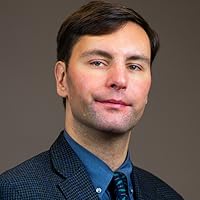
September 12, 2021
An absolutely fantastic book. I had my eye on this when it first came out, and was reminded of it when I recently stumbled across an adapted essay in Politico about Kennedy's mendacity over ghostwriting (https://www.politico.com/news/magazin...). I decided to pick it up, but I was cautious. I once read The Infernal Library: On Dictators, the Books They Wrote, and Other Catastrophes of Literacy and, while it had a lot of interesting content (especially on Communist theorizing), I thought it was diminished by a glib writing style and didn't necessarily provide a great deal of insight into the topic of writers and leadership/dictatorship. This book has no such problems. It is funny, but dense and dignified, and has a lot to say.
The book isn't totally comprehensive, but it makes a good case for why it doesn't need to be. I was grateful for the asides on presidential writers who were not focused upon (Hoover had "a literary career that produced more pages than readers," p. 242); but the focus is on just over a dozen main presidents or presidential texts, tracking the evolution of the genre. Necessarily, this is also a partial encapsulation of the evolution of autobiography itself, as well as of changes in printing, publishing, and mass literary culture over the course of American history, and is also seeded with portraits of ordinary readers of the relevant era. Presidential publications went from natural philosophy to score-settling concealed as humble instruction to published speech collections to memoirs (after the genre had become respectable in the mid-1800s, released from the charge of egotism) to professional scholarship to ghostwritten campaign chum to summer blockbusters.
There were many interesting parts of this story. Several come in the ghostwriting era, where Fehrman distinguishes between good ghostwriting (Reagan, to my surprise, who ensured that his authenticity and voice were captured in his first book) and bad ghostwriting (Kennedy, who aggressively took credit for a book that Sorensen wrote for him, reveling in the unearned patina of authorship). Another was the output of two of our professional-era intellectual presidents, Wilson and Roosevelt: Fehrman diagnoses that their first works were those of serious and useful scholarship, while their later works devolved into mass-market political cheesiness. The final mention goes to Lincoln's pre-professional rigor in producing a record of his debates with Douglas, a project that one can easily identify with.
There is something for everyone, including perhaps a letdown by a president you like or some mild impressiveness from a president you hate. The reader is left to ponder the question, as first theorized by Dr. Pres. Wilson: is being a writer incompatible with being a statesman? My idealistic younger self, with an advocacy for thoughtful intellectuals in high office, would have said no. My current thoughts are more divided, and this book has provided a lot to ponder on that topic.
The book isn't totally comprehensive, but it makes a good case for why it doesn't need to be. I was grateful for the asides on presidential writers who were not focused upon (Hoover had "a literary career that produced more pages than readers," p. 242); but the focus is on just over a dozen main presidents or presidential texts, tracking the evolution of the genre. Necessarily, this is also a partial encapsulation of the evolution of autobiography itself, as well as of changes in printing, publishing, and mass literary culture over the course of American history, and is also seeded with portraits of ordinary readers of the relevant era. Presidential publications went from natural philosophy to score-settling concealed as humble instruction to published speech collections to memoirs (after the genre had become respectable in the mid-1800s, released from the charge of egotism) to professional scholarship to ghostwritten campaign chum to summer blockbusters.
There were many interesting parts of this story. Several come in the ghostwriting era, where Fehrman distinguishes between good ghostwriting (Reagan, to my surprise, who ensured that his authenticity and voice were captured in his first book) and bad ghostwriting (Kennedy, who aggressively took credit for a book that Sorensen wrote for him, reveling in the unearned patina of authorship). Another was the output of two of our professional-era intellectual presidents, Wilson and Roosevelt: Fehrman diagnoses that their first works were those of serious and useful scholarship, while their later works devolved into mass-market political cheesiness. The final mention goes to Lincoln's pre-professional rigor in producing a record of his debates with Douglas, a project that one can easily identify with.
There is something for everyone, including perhaps a letdown by a president you like or some mild impressiveness from a president you hate. The reader is left to ponder the question, as first theorized by Dr. Pres. Wilson: is being a writer incompatible with being a statesman? My idealistic younger self, with an advocacy for thoughtful intellectuals in high office, would have said no. My current thoughts are more divided, and this book has provided a lot to ponder on that topic.

March 5, 2020
"Everyone else connected with Washington has written a book. I am certainly not going to compound the felony." - Bess Truman
"Books are good company. Nothing is more human than a book." - Marilynne Robinson
! Thanks to Jeffrey Keeten (jkeeten) for this book! You reviewed it, and it seemed interesting to me, so I checked it out from my local library and read it. People reading this, you should check out his reviews. They are great.
~ And with that aside, the review shall go on. ~
Great book. Astonishingly revealing. For example, I never knew that a bunch of presidents had published memoirs or books (Trump was the Art of The Deal). Most presidents I've seen write books were Reagan, Bush, and Obama. Truman was an exception, along with Jefferson. Craig Fehrman did a great job digging aside details from presidents who have published memoirs.
There were some cases of ghostwriting though . . . let's see, Jackson, Nixon, Reagan, Kennedy, Eisenhower, Teddy Roosevelt, and the list go on. While sometimes they were original, most of them were just interviews packed together.
From this book, I also have a new itch for presidential books. Here's an (incomplete & short) list:
Dreams From My Father & The Audacity of Hope, Barack Obama
An American Life, Ronald Reagan
In conclusion, this book must be read. 5 out of 5 from me.
"Books are good company. Nothing is more human than a book." - Marilynne Robinson
! Thanks to Jeffrey Keeten (jkeeten) for this book! You reviewed it, and it seemed interesting to me, so I checked it out from my local library and read it. People reading this, you should check out his reviews. They are great.
~ And with that aside, the review shall go on. ~
Great book. Astonishingly revealing. For example, I never knew that a bunch of presidents had published memoirs or books (Trump was the Art of The Deal). Most presidents I've seen write books were Reagan, Bush, and Obama. Truman was an exception, along with Jefferson. Craig Fehrman did a great job digging aside details from presidents who have published memoirs.
There were some cases of ghostwriting though . . . let's see, Jackson, Nixon, Reagan, Kennedy, Eisenhower, Teddy Roosevelt, and the list go on. While sometimes they were original, most of them were just interviews packed together.
From this book, I also have a new itch for presidential books. Here's an (incomplete & short) list:
Dreams From My Father & The Audacity of Hope, Barack Obama
An American Life, Ronald Reagan
In conclusion, this book must be read. 5 out of 5 from me.

December 1, 2020
It may be tempting to bill Author in Chief as a collection of short biographies, but it is more a book about books. While Fehrman does get into the life histories of a select number of Presidents, he spends a great deal of time on the processes of their writing histories or memoirs (the books he discusses are not just memoirs). He also spends a great deal discussing how books gradually wove themselves into the fabric of American life, and how that eventually turned into a huge media empire complete with tentpole, blockbuster releases.
I suppose one would have to be interested in Presidential history as well as the history of the book business in order to be completely fulfilled by Fehrman's work. But apart from the subject matter, Fehrman's writing is excellent - accessible without being dumbed down, metaphorical without being flowery - and his passion is evident throughout. Although this could have been a much longer tome, he presents his stories concisely and provides enough external sources to allow the reader to begin their own exploration into the chapters they find most interesting.
This is one of the best books I've read in a while, and I highly recommend it to all fans of non-fiction.
I suppose one would have to be interested in Presidential history as well as the history of the book business in order to be completely fulfilled by Fehrman's work. But apart from the subject matter, Fehrman's writing is excellent - accessible without being dumbed down, metaphorical without being flowery - and his passion is evident throughout. Although this could have been a much longer tome, he presents his stories concisely and provides enough external sources to allow the reader to begin their own exploration into the chapters they find most interesting.
This is one of the best books I've read in a while, and I highly recommend it to all fans of non-fiction.

August 17, 2020
While this is well researched using the latest library technologies to identify books of the presidents, it is seriously biased in its reliance on contemporary scholarship to the exclusion of the modern version. This also affects the author's comments which reflect strong post modern liberalism, a.k.a. progressivism. He too greatly praises the liberal presidents while using post modern arguments (race, gender, et al) against the conservative presidents. I expect the coverage to be fair and balanced along the lines of scholarship. Some important points are missing. Take for example the fact that Bill Ayers, the domestic terrorist cum university professor and good buddy wrote Obama's "Dreams from My Father" (see Roots of Obama's Rage by Dinesh D'Souza).
I fund reading this book about some presidents as disappointing as Presidents' Day as a replacement for Lincoln and Washington's birthdays is.
I fund reading this book about some presidents as disappointing as Presidents' Day as a replacement for Lincoln and Washington's birthdays is.
Displaying 1 - 30 of 145 reviews