Jump to ratings and reviews
Rate this book

Women

Rate this book
A gorgeous, tender modern classic about the complexities of love, with an introduction from the Booker-winning author John Banville

Stefan Valeriu, a young Romanian student, holidays alone in the Alps, where he soon becomes entangled in romantic relationships with three different women who pass through his guesthouse. We follow Stefan after his return to Paris as he reflects on the women in his life, at times playing the lover, and at others observing shrewdly from the periphery.

Women's four interlinked stories offer nuanced and deeply moving portraits of romantic relationships in all their complexity, from unrequited love and passionate affairs to tepid marriages of convenience. In light, elegant prose, Mihail Sebastian, widely regarded as the greatest Romanian writer of the 20th century, explores longing, otherness, empathy, and regret.

'His prose is like something Chekov might have written - the same modesty, candour, and subtleness of observation' Arthur Miller

'I love Sebastian's courage, his lightness, and his wit' John Banville

'Sebastian belongs in the pantheon of classic authors' New Statesman

176 pages, Paperback

First published January 1, 1933

58 people are currently reading
1269 people want to read

About the author

Mihail Sebastian

36 books257 followers
Mihail Sebastian, born Iosif Hechter, was a Romanian playwright, essayist, journalist and novelist.

Ratings & Reviews

What do you think?
Rate this book

Friends & Following

Create a free account to discover what your friends think of this book!

Community Reviews

5 stars
253 (20%)
4 stars
459 (37%)
3 stars
418 (33%)
2 stars
91 (7%)
1 star
14 (1%)
Displaying 1 - 30 of 105 reviews
Profile Image for Dannii Elle.
2,331 reviews1,831 followers
August 30, 2022
Stefan Valeriu is the link between these four interconnected stories that each focus on one of the four women he was involved with, at four different junctures of his life.

The focus of each does not remain on solely his person, nor that of the women who enter his affections. The focus is sometimes on these central characters and sometimes on their surroundings. Sometimes they are merely onlookers of another's life and not the central characters at all.

This collection was entirely different to what I had anticipated. It was far less romantically focused but also, in a strange way, far more tender and truthful for being so. There was a timeless feel to the collection, that encompassed far more than the mere fleeting feelings that were the temporary nexus for these creations.

I highly enjoyed the experience of reading these and am so glad, yet again, that this collection of Penguin classics is shining a new light on overlooked past creators.
Profile Image for MihaElla .
328 reviews511 followers
July 21, 2022
I should begin with some good news, but, fast forward thinking, I feel I have only good things to say about this book. This was my first by Mihail Sebastian. It turned out that I picked up a book that matched with my present mood in full. A very enjoyable little book. My luck! :)

This was not what I had thought it could be. I was afraid that it might be a book similar to Women by Charles Bukowski . Don’t get me wrong. I was afraid because of my mom getting to see that I am reading rubbish ‘literature’ :D I had to hide away Charles B. some years ago after she happened to see it open on my bed, took it up and read a bit. She then came to me saying with a changed face and voice: how can you read this trash? Jesus lord, I said, save me! I replied her I wanted to see how others understand the world, but it doesn’t mean that I would do the same or even applaud them for it. Nonetheless CB was a good read for me. Meantime I had forgotten a lot but I still remember one of his quotes: we’re all going to die, all of us, what a circus! That alone should make us love each other but it doesn’t. We’re terrorized and flattened by trivialities, we’re eating up by nothing.

This book “Women” is of course about women (6 by name identification) and a guy. A guy who seems to have had various love or sex affairs with women from various backgrounds, age, countries, status, specifically with those 6 names mentioned in the book. Overall, he had a good time with them. His luck!

I had zig-zagged the introduction and then I had proposed myself to read through before collecting others’ impressions. I found out that I had a little bit of difficulty to get into the interwar period atmosphere, considering that the book was printed in 1933. To me the book felt quite actual and vivid to present times. If the writer wouldn’t have insisted on describing some of the elements specific to the interwar period, then I wouldn’t have known it was set up during those times. Strange feel because I felt it was all so real, despite it is a fiction work.

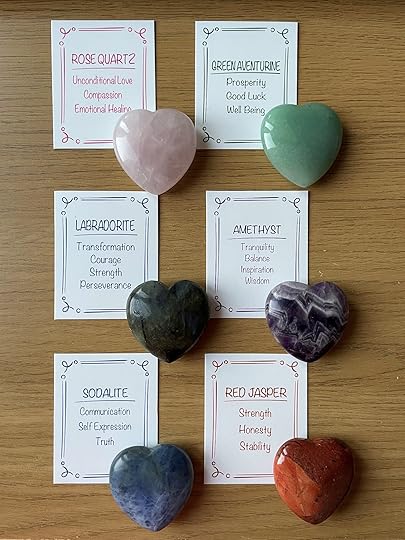
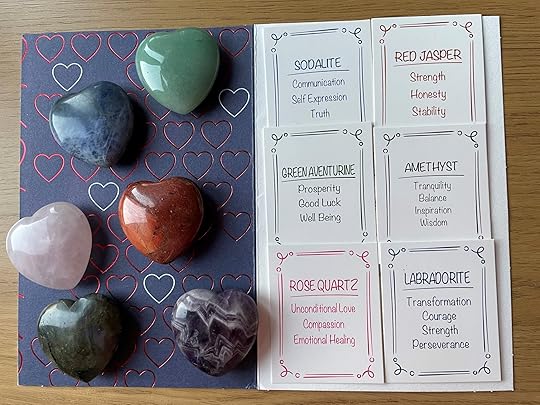
I wanted to give a heart stone for each woman acting as main character.


There are 4 stories named according to women’s names. This exercise meant that I should assign the heart according to the card relevant to each stone. I think I managed to allocate them rightly. But, of course, that will remain my secret :) Enough to say that number 3 (Maria) and 4 (Arabela) were better liked than the other two (1st Renee, Marthe, Odette, and 2nd Emilia), and possibly this is so because I feel that the book shows the normal progression in feelings and sentiments as developing in the acting parties. The more mature the humans the better they understand and accept themselves, though they remain very much imperfect.


[…] It's stupid and childish what I'm telling you now, I feel it's ridiculous and you won't understand anything from this, but it's not you to spoil it, I am at fault when I tell you, a man, things that only a woman could understand and feel them
Profile Image for Karina  Padureanu.
121 reviews97 followers
November 16, 2022
Uitasem cat de frumos scrie Mihail Sebastian...
Chiar daca se simte "amprenta" timpului sau, stilul sau are o prospetime care poate incanta si astazi, cand avem alte gusturi, iar scriitorii au alte feluri de a se exprima.
This entire review has been hidden because of spoilers.
Profile Image for Lavinia.
749 reviews1,041 followers
December 23, 2008
ca sa nu-i ramin datoare domnului sebastian :)

recunoaste undeva in jurnal ca n-are talent la ales titluri. asa ca subiectul romanului (mai degraba colectie de nuvele) e evident. personaj principal: stefan valeriu, la inceput proaspat absolvent de medicina, ajuns apoi medic, expert, diplomat si pianist de cuplete de cabaret. personaje secundare: femeile din viata lui.

episodul 1 - renee, marthe, odette
monoton, aproape plictisitor. motiv pentru care era aproape sa o las din mina si a doua oara. stefan, proaspat absolvent de medicina la paris, isi permite o vacanta de citeva saptamini bune intr-o pensiune undeva in elvetia, unde traieste diferite tipuri de amor cu duduile mai sus mentionate.

episodul 2 - emilie
emilie nu e iubita lui, pentru ca nu e o fata de societate, e retrasa, butucanoasa, greoaie, tacuta si virgina. daca sia (vezi concert din muzica de bach) ar fi avut o sora geamana, ea ar fi fost emilie. sint in partea asta citeva scene care par decupate de-a dreptul din bengescu. episodul meu preferat.

episodul 3 - maria
maria e o doamna despre care nu stim ce invirte. e divortata si se iubeste cu un anume andrei, prieten al lui stefan. dupa cum deducem din scrisoare (caci intreg capitolul e o scrisoare trimisa de maria lui stefan) el o iubeste, si i-a marturisit-o, insa ea il are la inima pe andrei si pace. dar spera ca luni stefan o va insoti la concert.

episodul 4 - arabela
arabela e o simpatica. femeie cu capul pe umar, pragmatica, gospodina. bine, la inceput ea face nu se stie ce impreuna cu o trupa de circari. e un fel de fata draguta care atrage privirea. doar ca dupa o tigara in cabina ei si o noapte in camera lui, se hotarasc sa ramina impreuna, asa ca (acum diplomatul) stefan renunta la cariera lui din tara pentru o absolut delicioasa existenta pariziana, din aceea cu bani putini, mizerie, cercuri de artisti etc. cum ziceam, arabela, fata pragmatica, se gindeste ea asa si ii vine ideea sa se apuce de spectacole. danseaza o vreme, cu stefan cintind la pian, apoi incep sa faca duete de succes si un film la paramount. doar ca intr-o zi arabela se hotaraste c-ar fi mai bine sa plece dupa beb, fost trapezist sau asa ceva, in vechea ei trupa. iar stefan, baiat de treaba, nu se supara.

sint curioasa in ce masura portretele femeilor din roman sint bazate pe femei din viata lui sebastian. a fost si el destul de aventurier: o anume jeni, leni of course, zoe si poate altele de care nu-mi amintesc sau pe care nu le mentioneaza.
Profile Image for Nikola.
125 reviews
March 21, 2019
You can also find this review on my book blog.

Women follows Stefan Valeriu who has just finished his medical studies in Paris and who has decided to go to the Alps on a vacation. The reader follows Stefan’s life in which three very different women enter – some as lovers, some merely as, so called, subjects whom Stefan observes. The story is often told from the point of view of Stefan and through him we get a glimpse of divergent relationships.

What initially attracted me when it comes to Women was how the reader who embarks on the journey of reading this novel will experience many stories told by the same man. The stories presented to the reader are about a variety of things – love, passion, regret and most of all life. I especially enjoyed the feel that this novel has because I often read more ‘modern’ fiction and I feel like people [including me] should go back to classics at one point just to cleanse their palette. Women by Mihail Sebastian was such a refreshing read – from the writing to the wonderful translation by Philip Ó Ceallaigh – which I thoroughly enjoyed reading. As I’ve said earlier the novel weaves many themes [empathy, passion etc] and that’s exactly what I found most enjoyable as well as fascinating. The writing is so gorgeous and I found many wonderful quotes about different things that this novel discusses. I especially enjoyed the chapter narrated by/titled Maria as well as the last chapter titled Arabela. The last chapter although short amazed me by how much it actually had in itself – especially the transition from having something in terms of wealth to having nothing and making something out of a bad situation.

‘It terrifies me to think that something can be completely obliterated, that a thing or a person or a feeling or even just something familiar can disappear overnight.’

Women by Mihail Sebastian is truly a rediscovered classic because it offers a gorgeous glimpse of 1930s life and one man’s take on different women who passed through his.

I would like to thank the publisher Other Press for providing me with a copy of this book in exchange for an honest review. All opinions written here are my own and weren’t influenced by the fact that I got this book for free from the publisher.
Profile Image for Liviu.
2,520 reviews706 followers
March 8, 2017
refreshingly apolitical it wears well its considerable age (written in the 1930's); a story in vignettes following main character Stefan Valeriu, a Romanian medical student, later doctor and entertainer in his relationships with a few women as well as some of his friends relationships; really enjoyed it
Profile Image for Ana.
2,390 reviews387 followers
January 3, 2017
Sunt multe asemănări dintre Fragmente dintr-un carnet găsit şi Femei, deoarece totul legat de femei pentru Ştefan Valeriu este un joc pentru a căpăta mai multă experienţă de dragul experinţei. În lumea lui femeile cad în două categorii: cele cu care te culci şi cele cu care nu te culci. Respectul lui pentru aceste femei este limitat la dacă îşi îndeplinesc întrebuinţarea. Desigur, Ştefan simte empatie pentru situaţiile unor femei indiferent de categoria lor, dar nu se lasă afectat.

Nu că ar fi un lucru necesar rău dar pentru mine e cam plictisitor, mai ales când jocurile erotice sau cele ale seducţiei nu sunt cine ştie ce. Când îti construeşti un portret al caracterului Ştefan Valeriu, aştepţi care ceva să se întâmple, să înveţe ceva despre sine nou sau să facă ceva mai interesant decât să se de-a la nevasta unui prieten (Singurul capitol scris dintr-o perspectivă femină este al Mariei, ai cărei fire adventuroase se potriveşte cu cel al lui Ştefan, dar e mult prea obsedată de „copilul teribil” Andrei, pe care-l slugăreşte cu drag)

Odette şi Arabela mi se par cele mai interesante fiindcă naratorul crede că ele l-au iubit şi i s-au dăruit din dragoste, dar acesta nu înţelege că dragostea nu pică din cer. Odette l-a plăcut mult, dar şi-a dat seama de caracterul lui . Arabela încearcă să construiască o viaţă cu el, dar lipsa lui de seriozitate în problema banilor distruge asta. Ea trebuie să-şi ia în cârcă responsabilitatea asta şi se angajează ca dansatoare, iar pe el ca cântăreţ la pian.

Idee e că Fragmente dintr-un carnet găsit e foarte scurtă, abia are timp să contureze caracterul protagonistului şi deci are un fir natativ clar, pe când Femei e prea lung şi personajul principal e băiat simpatic, dar cam meh. Poate depinde de gust, dar clar mi se pare asta prea plictisitor. Aş vrea un POV al Arabelei.
Profile Image for Andrei Tamaş.
448 reviews373 followers
April 18, 2016
În raport cu mesajul microromanului, cel mai deranjant aspect este, fără doar şi poate, titlul, care, prin pluralul categoric, colorează în mod stereotipic femeia. Conţinutul este însă de altă natură: sunt prezentate patru tipologii feminine sub forma unor experienţe distincte trăite de un medic român (chipurile!) în Franţa. M-a surprins în mod plăcut luciditatea analizezi psihologice a celor trei femei din prima parte (are patru), acestea fiind descrise ca într-o relaţie de antiteză cu trei factori. De asemenea, ultima parte, pe lângă prezentarea tipologiei amoroase în sine, oferă şi informaţii puternic individualizate în ceea ce priveşte viaţa cotidiană a Parisului interbelic.
Prima operă a lui Mihail Sebastian pe care o citesc... M-a surprins în mod plăcut.
Profile Image for Laurent De Maertelaer.
804 reviews163 followers
June 6, 2018
Verschenen op Mappalibri 04/06/2018: http://mappalibri.be/?navigatieid=61&...

Mihail Sebastian: Vrouwen
door Laurent De Maertelaer

description


De gevoelens van een ontnuchterde estheet

Vrouwen (1933) is het eerste in het Nederlands vertaalde fictiewerk van Mihail Sebastian (1907-1945), een van de succesvolste en belangrijkste Roemeense schrijvers uit het interbellum. Wie beter dan Jan H. Mysjkin — die eerder naast veel andere Roemeense literatuur het werk van Sebastians tijd- en landgenoot Max Blecher in ons taalgebied introduceerde— kon deze bundeling met vier verhalen rond de genadeloze rokkenjager en flierefluiter Ştefan Valeriu vertalen? Vrouwen spreekt aan door de uit het leven gegrepen dialogen, de sfeervolle observaties en de voor die tijd gewaagde sensualiteit.

Sebastian werd geboren als Iosif Mendel Hechter en was van joodse komaf. Het pseudoniem dat hem wereldberoemd zou maken, gebruikte hij voor het eerst in 1926 voor een journalistiek stuk. In zijn lyceumjaren maakte hij kennis met de charismatische filosoof Nae Ionescu, die Sebastians baccalaureaat moest beoordelen en redacteur was van de populaire krant Cuvîntul (‘Het woord’). In de aanloop naar de Tweede Wereldoorlog werd Ionescu berucht als antisemiet en vurig voorstander van het fascisme. Hij werkte een vreemde filosofie uit — een onorthodoxe mengeling van existentialisme, nationalisme en christelijke mystiek — waarmee hij een grote invloed uitoefende op de leden van Criterion, een groep jonge intellectuelen die tussen 1932 en 1934 in Boekarest culturele activiteiten organiseerden in de lijn van Ionescu’s ‘nieuwe spiritualiteit’.

Toen Sebastian rechten en filosofie studeerde aan de universiteit in Boekarest gaf Ionescu hem de kans voor zijn krant te schrijven. Zo kwam de jonge Sebastian in contact met Criterion-leden, zoals Emil Cioran, Mircea Eliade en Eugen Ionescu (die later zijn naam verfranste tot Eugène Ionesco). Gezien Ionescu’s leer onder meer ‘een zuivering’ van Roemenië propageerde, mag het niet verwonderen dat hij ook zijn invloed liet gelden op de latere paramilitaire en fascistische IJzeren Garde.

In 1930 ging Sebastian voor anderhalf jaar studeren aan de Sorbonne in Parijs. Hij dweepte als francofiel met de literatuur van Marcel Proust, André Gide en Stendhal. Hij leidde er het zorgeloze leven van de intellectuele flaneur, maar was tijdens zijn verblijf in de lichtstad ook erg productief. Hij schreef er een feuilleton voor Ionescu’s krant (Brieven uit Parijs), een novelle (Fragmenten uit een gevonden notitieboekje, zijn fictiedebuut, gepubliceerd in 1932) en Vrouwen, dat in 1933 een bescheiden succes werd en in datzelfde jaar zelfs een herdruk kende. In Parijs begon Sebastian ook aan een van zijn bekendste boeken, Sinds tweeduizend jaar (1934, in augustus 2018 komt een Nederlandse vertaling uit bij De Bezige Bij). In dit dagboek in de vorm van een roman vlucht een joodse student van Boekarest tot Parijs in de jaren 20 voor een zich steeds wijder verspreidend en heftiger antisemitisme.

Reeds in 1931 vroeg Sebastian aan Ionescu om een voorwoord te schrijven bij Sinds tweeduizend jaar. Zijn mentor was inmiddels volledig doordrongen van jodenhaat en maakte er een virulent antisemitisch en racistisch pamflet van. Dat Sebastian dit voorwoord desondanks toch liet opnemen, veroorzaakte een polemische storm. Voor de nationalisten was hij te joods, voor de joodse gemeenschap te Roemeens. In de bundeling essays Hoe ik een extremist werd (1935) gaf hij zijn visie op de eenzijdige en politiek gekleurde receptie van zijn roman. Ook in zijn dagboek (in 2007 vertaald — matig en helaas uit het Frans — door Julien Weverbergh als Dagboek 1935-1944, de alom gerespecteerde banaliteit van het kwaad) hing Sebastian een schrijnend beeld op van hoe de intellectuele elite van Roemenië afgleed tot een alomtegenwoordig en bijzonder heftig fascisme. Het dagboek werd pas in 1996 door Sebastians broer vrijgegeven: de publicatie sloeg in als een bom. Het dagboek, voor velen voor de joodse geschiedenis even belangrijk als dat van Victor Klemperer en Anne Frank, betekende voor Sebastian de internationale doorbraak.

Vanaf het midden van de jaren ‘30 werden in Roemenië vele nieuwe antisemitische wetten van kracht. Zo diende Sebastian in 1935 zijn burgerlijke naam af te leggen. Hij werd twee jaar later uit de advocatenbalie gezet, mocht geen journalistiek werk meer schrijven en kreeg vanaf 1940 zelf een absoluut publicatieverbod opgelegd, wat hij omzeilde door onder schuilnamen te publiceren. Hij raakte geïsoleerd, verpauperde en werd bitter, maar slaagde er desondanks in nog twee romans te publiceren (De stad met acacia’s, 1935 en Het ongeval, 1940) en enkele toneelstukken op de planken te brengen (in Roemenië is hij nog steeds een geliefd theaterauteur). Sebastian kon ontkomen aan deportatie, maar kwam tragisch aan zijn einde toen hij bij het oversteken aangereden werd door een Russische vrachtwagen, enkele maanden nadat het Rode Leger Roemenië had bevrijd.

In Vrouwen komt Sebastians jood-zijn niet aan bod. De vier verhalen (of novelles, zo u wil) waaruit deze ‘roman’ bestaat — in zijn voorwoord spreekt Mysjkin van een ‘valse roman’ — spelen zich af in een parallel universum, ver verwijderd van een religieuze of politieke realiteit. Liefde en verleiding staan centraal, het eeuwige, nooit vervelende kat-en-muisspel tussen man en vrouw. Elke novelle krijgt de naam van de vrouwelijke personages die er de dienst uitmaken. Het verbindende element tussen de ‘hoofdstukken’ is Ştefan Valeriu, een onvervalste donjuan en de man waar het uiteindelijk allemaal om draait. Knap is hoe Sebastian telkens het vertelperspectief wijzigt. De verschillende standpunten genereren bovendien een geografische en thematische diversiteit, van het stedelijke Boekarest en Parijs tot het landelijke van de Franse Alpen. Door Valeriu te kiezen als epicentrum waar alle verhaallijnen naar terugkeren, slaat Sebastian op subtiele wijze een brug tussen de ongelijksoortige geschiedenissen.

In het eerste hoofdstuk, getiteld ‘Renée, Marthe, Odette’, is het perspectief auctorieel. Een alwetende verteller beschrijft hoe de jonge Valeriu zijn vakantie doorbrengt in een Frans kuuroord, bij Grenoble. Hij heeft net examens in de geneeskunde afgelegd en zoekt rust en vertier aan de voet van de Alpen. In dit schilderachtig decor beleeft Valeriu korte maar intense romances met de drie vrouwen uit de titel. De drie vrouwen — die wel iets hebben van Tsjechovs Drie zusters — vertegenwoordigen elk een archetype, een leeftijdscategorie. Alle drie belichamen ze een mogelijke manier om lief te hebben. Renée is de deugdzame echtgenote, Marthe de wulpse moederfiguur en de achttienjarige Odette de jeugdige sensualiteit. Maar al snel toont Valeriu zijn ware gelaat: hij is een roofdier, enkel en alleen op zoek naar trofeeën.

In het tweede verhaal ‘Emilie’ is Valeriu de ik-verteller. Hij is in Parijs, waar hij lijdt aan ‘een geheime melancholie’ die hij naar eigen zeggen heeft meegenomen na zijn vakantie uit het eerste verhaal. Via zijn vriendinnetje Mado maakt hij kennis met Émilie Vignou, een ‘mak dier’ met een ‘gebrek aan verbeelding’. Desondanks raakt Valeriu geïntrigeerd door Émilie, ‘een simpele ziel’ die nog maagd is. Zij beleeft een liefdesnacht met Valeriu’s oude schoolkameraad, de pummelige Roemeen Irimia, en raakt zwanger. Wanneer Valeriu abortus suggereert, slaat Irimia instinctief een kruis. In dit deel maakt Valeriu ook gewag van een liefdesrelatie die hij beleefde toen hij een plattelandsarts verving in Zuid-Frankrijk, maar zonder er dieper op in te gaan (‘dat is een ander verhaal’).

In ‘Maria’, het derde verhaal, is Valeriu de geadresseerde van een vlammende brief. Maria, de briefschrijfster, geeft een uitgebreide analyse van haar onbevredigende relatie met Andrei, een vriend van Valeriu, met wie ze op het punt staat te trouwen. Valeriu heeft haar op een balavond zijn ‘misplaatste liefde’ verklaard. In haar brief wijst ze hem terecht, omdat hij door zijn ‘verrassende verklaring’ de orde der dingen heeft ‘overhoopgegooid’. Opvallend in haar verhaal is hoezeer Andrei op Valeriu lijkt: hun beider verleidingskunsten doen volgens haar Rudolph Valentino verbleken.

In ‘Arabella’, tot slot, komt Valeriu weer aan het woord. Een handvol verwijzingen koppelen terug naar de eerste drie verhalen, wat zorgt voor cohesie en tekstdichtheid. In dit verhaal bekijkt een rijpere Valeriu enkele foto’s uit de oude doos en mijmert over de liefdesaffaire die hij had met de circusartieste Arabella. Voor haar liet hij zijn job op het ministerie van volksgezondheid vallen en dook blindelings het avontuur in. Tegen alle verwachtingen in worden ze een variétékoppel: hij begeleidt Arabella op piano, zij zingt. Ze kennen veel succes in de cabarets en nachtclubs van Parijs, worden opgepikt in de boulevardpers, nemen zelfs platen op. Sebastian schetst een bijzonder sfeervol beeld van la vie de bohème in het Parijs van eind jaren 20, inclusief homoseksuele dichters, liederlijke schilders en een heuse partouze in het Bois de Boulogne. Door Valeriu’s jaloezie scheidt het koppel, na een hobbelig parcours. Arabella keert terug naar het circus.

Sebastian heeft zich veelvuldig in interviews en gesprekken gedistantieerd van het personage Valeriu, met wie hij geen uitstaans wil hebben. In ‘Arabella’ laat hij zijn hoofdpersonage zeggen: 'Ik ben heel mijn leven een warhoofd en een eenzaat geweest, opstandig zodra een vrouw zich aan mij probeerde te binden, enkel en alleen begaan met de vrijheid over mezelf te beschikken, een vrijgezel uit predestinatie […]’

Arabella is de enige die er in slaagt om Valeriu’s ‘roeping als liefdesvagabond’ te doorprikken, zo zegt hij zelf. Zij heeft hem van zijn ‘redelijke lotsbestemming’ verlost, waardoor hij opnieuw kan zijn wat hij altijd had willen blijven zijn: een jongeman. Hij is per slot van rekening een zwak mens, ten prooi aan zijn verlangens, zijn grillen en idee-fixen, genietend bijna van zijn eigen teloorgang. Arabella torent samen met Odette en Maria meters boven hem uit. Niet voor niets zou Sebastian een aantal van de vrouwelijke personages uit Vrouwen later een tweede leven geven in enkele van zijn toneelstukken. Valeriu verdwijnt voorgoed in de sluiers van de vergetelheid.

Vrouwen is een uitgelezen introductie tot het werk van een bij ons vooralsnog onbekend auteur. Hulde dus, aan de uitgeverij en de vertaler om deze in vele opzichten overvloedige roman in primeur onder de aandacht te brengen.

Mihail Sebastian: Vrouwen, Vleugels, Bleiswijk 2018, 140 p. ISBN 9789078627487. Vertaling van Femei door Jan H. Mysjkin
Profile Image for Matthew.
242 reviews67 followers
April 3, 2020
4.5 - I will be making a video review for this on 2nd November as part of its release in the U.K. on the 5th November.
Profile Image for rachy.
294 reviews54 followers
May 18, 2023
I love the Penguin European writers series. I’ve read all but one that have been published so far, and will happily read any they choose to put out. Even those that I haven’t liked as much as others, I’m always happy to have read them and to have had the opportunity to discover a new European author I may not have otherwise heard of. In this case, I do know someone who’s a fan of Mihail Sebastian specifically, so I did have some hopes for this one in the way that I haven’t always for others from this series. In a way, these hopes weren’t entirely dashed, but ‘Women’ unfortunately didn’t quite live up to them either.

I think the only way to talk about ‘Women’ is to talk about each of the four sections in turn. It’s not a bad way to examine any book of this nature of course, but I think it’s specifically necessary in this case because the quality of each was so wildly different and I felt so differently about each one.

The first story, ‘Renee, Marthe, Odette’, was by far my favourite of the bunch. No contest. It was the perfect story of youth - one of a bored, young, beautiful man, abroad & rootless, and his relationships with the women he meets there. Everything was framed so well through this young man’s curiosity and apathy, and his relationship with each woman was so unique and interesting. The prose in this section was also particularly exquisite (not that it wasn’t wonderful throughout) which enhanced the already wonderful story. If the whole book had been like this, it would have been an easy five stars.

Unfortunately, the next story (‘Emilie’) was the worst of the bunch. I just couldn’t really understand what it was trying to do at all, which made it hard to enjoy on any level. It was just downright peculiar - I’m not sure if would’ve made more sense with more contemporary context, but I just couldn’t connect with it. Also, our charismatic protagonist that I had grown so fond of seemed to more or less disappear, watching only from the sidelines. This maybe would have been okay if what it had been substituted for was just as interesting, but alas, it just wasn’t.

Things improved a little again with ‘Maria’, but it definitely wasn’t without its issues. Quite glaring ones, ones that worsened the more the story went on. A lot of the misogyny in some of the other stories was subtle, something that could either be easily passed over, the type of thing you get used to as a women reading older fiction, or something that made sense within the context of the character. That was not true of this story. It’s a shame too because it was so well written and it started so promisingly, but just devolved too quickly into the ridiculous, almost farcical. Impossible to look beyond.

And quite frankly, the less said about ‘Arabela’, the better. The most boring and illogical of all of the stories, with Arabela herself being one of the least well formed characters of the entire book (something that genuinely wasn’t an issue with almost any of the others). I just couldn’t figure this story out, none of it seemed to hang together. Why they got together in the first place, why Stefan didn’t just take a job at some point to get them money to live. Because it all seemed so strange and silly, it was impossible to enjoy.

Ultimately, ‘Women’ ended up as a real mixed bag, and definitely in a disappointing way. Especially because the very first story in particular was so, so good. This meant the rest felt more and more of a let down. It’s always a shame when a work is compromised by the poor opinions of the time, but sometimes it’s just unavoidable. I think there might have been just a little too much here that was informed by how women were thought of back then, and so through modern eyes it’s inevitable that some of this comes off poorly. In this case, it’s unfortunate that it’s to the point of the ridiculous, almost comical, and isn’t easy to ignore. It’s baked into the very bones of some of these stories. It’s more unfortunate because if the entire book had handled itself the same way as the first section, I feel like this review would have been very different. And that’s definitely the biggest shame of all.
Profile Image for Charles Edwards-Freshwater.
444 reviews105 followers
October 12, 2020
A small but interesting little book that effectively explores different types of romantic relationships. Here we are presented with extramarital affairs, unrequited love, marriage and all the rest - each type of the relationship distilled into clear, sharp prose with little embellishment.

Interestingly, despite so much being packed in to the book there is a lot of beautiful description - the resort in the first segment in particular is wonderfully realised.

The moment which did dampen my enjoyment of the book slightly was one section which completely shifts perspective to be the story told from one of the women's point of view. Although this section was also very good, I found that it took me out of the flow of the rest of the novel.

Regardless, a very good book and one I highly recommend if you want something short and punchy.

4 stars.
Profile Image for Leo.
4,984 reviews627 followers
January 5, 2022
I thought the blurb sounded very interesting although when I saw the page number on the ebook I was a little wary. I sometimes or quite often have difficulty getting enough invested in a short story to fully enjoy it before it ends. But this one did a great jobb in feeling like a finished story and was as good as I had hoped
Profile Image for Andreea.
67 reviews69 followers
January 18, 2022
“Ce era sfâșietor pentru mine, în prezența lui Andrei, era aerul lui de provizorat continuu, aerul lui de om intrat din întâmplare într-o casă, cu pălaria pe ureche, neștiind dacă să plece sau dacă are să rămâie. Eram ispitită uneori, copilărește, să pun mâna pe umărul lui și să-l întreb cu toată seriozitatea:

-Ești aici?”
Profile Image for Marina Sofia.
1,350 reviews287 followers
March 18, 2019
Not his strongest work, but I'm just grateful any of his work gets translated into English.
Profile Image for Wally Wood.
162 reviews7 followers
January 11, 2019
Mihail Sebastian, a Romanian playwright, essayist, journalist, and novelist, was born in 1907 as Iosef Hechter. He worked as a lawyer and writer until anti-Semitic legislation forced him to abandon his public career. Having survived the war and the Holocaust, he was killed in early 1945 as he was crossing a Bucharest street teach his first class when he was hit by a truck. He's best known in English for his Journal, 1935-1944 published in 1999.

Women, originally published in Romania in 1933 when Sebastian was 26 years old, has now been translated into fluent and engaging English by Philip Ó Ceallaigh and published by Other Press. The book has four sections, all focusing on women in the protagonist's life: the first section covers Renée, Marthe, Odette; the second features Émile; the third Maria; and the last Arabela. Sebastian writes the first section in the third person: "It's not yet eight. Stefan Valeriu can tell by the sunlight, which has crept only as far as the edge of his chaise longue." Stefan, a medical student, is vacationing on an Alpine lake and has an affair with the wife of another hotel guest, Renée. However, "As it turns out, Renée doesn't know how to love. Her first embrace is strikingly awkward; there is no reticence or delay in yielding, only a series of hesitations, more likely from awkwardness than from modesty . . . "

Sebastian writes the next section in the first person, the persona of Stefan: Here is his description of Émile: "I think making love was more a physical difficulty than a moral one for her. At the risk of using an ambiguous expression, I'd say that for her love had become a problem of balance. What must have seemed impossible for her about love was moving her center of gravity. Being a vertical creature and then assuming a horizontal position—that what I believed tortured her sensual dreams, if ever had any. I think the whole mystery of love was summed up for her in the fact, and she could't get her head around it."

The third section is written as a letter from Maria to Stefan describing her affair with Andrei. Here she describes him eating: "He was greedy, cheerful, and communicative, with a candor that suited him wonderfully and an absence of self-awareness that would have been an excuse for any crime or betrayal. I had always enjoyed watching Andrei eating and I think his greed is the only truly good thing in him, because (maybe I'm talking nonsense, but I'll tell you anyway) there's something childlike about a greedy man, something which tempers his roughness and self-importance and reduces the intimidating aspect of his masculinity."

The last section is again written in the first person, an older Stefan who presents himself as the technical adviser to the Ministry of Health of Romania in its relations with the International Commission for Medical Cooperation. He attends a circus performance in Paris in which Arabela stars. He falls in love with her, and they create their own act: "I was grateful to Arabela for unintentionally knocking me off my reasonable, predestined course and turning the serious gentleman she'd met that November night into somebody who forgot that he was a doctor, adviser, and diplomat and became again what he had always wanted to be: a young man."

The book feels very European in its attitudes, assumptions, and landscapes. As such, it's interesting for its observations and insights. Interesting that the telephone, radio, even the automobile barely exist. It does not feel as if it were written by a 26-year-old, although, having been born in a small city in Romania (Brăila on the Danube) and growing up a cultured Jew and experiencing growing anti-Semitism, Sebastian may have been more mature than his years would suggest.

Women is a fascinating picture of a time and the relations between people. The citations above may suggest how well Sebastian is able to convey both the characters and their relationships. A novel worth reading more than once.
Profile Image for Jack Burrows.
273 reviews35 followers
November 14, 2020
This unique and beautifully written story is quite possibly my favourite from the Penguin European Writer's series. When stories of love have been told so often, in as many ways as you can imagine, it is a refreshing surprise to find one that is written in such a new and compelling way - especially given than this novel is not new at all but rather 87 years old!

Women is the story of Stefan, but told via the medium and lens of the women whom he encounters and loves. In this forward-thinking novel from 1933, it is the women in Stefan's life who hold the power and the keys to his success and happiness. It is his world that revolves around them - both in narrative and in plot, in a feminist story of how love shapes and determines our place in the world.

It is exquisitely written. Paris has never been so beautiful in literature: the way Sebastian paints Paris in winter with steamed up cafe windows and moist cobblestones is vivid and absolutely charming. In the same way, he lends his descriptive talent to a lakeside summertime holiday and stirs the senses.

My only qualm with the novel was the occasional sense of disjointedness and lack of cohesion between the four stories, which can stand alone yet also knit together as a portrait of Stefan's life.
Profile Image for Lavinia B..
255 reviews23 followers
October 11, 2022
"Femei" este primul roman de succes publicat de Mihail Sebastian şi prezintă relațiile amoroase pe care personajul narator - Ştefan Valeriu - le-a avut pe parcursul vieții.

Felul în care Sebastian reprezintă femeile în acest roman mi-a displăcut, însă dacă ne raportăm la epoca în care a fost publicată această carte (perioada interbelică), aş putea spune că este destul de corect.

Mi-a plăcut foarte mult personajul Arabelei şi mi s-a părut că parteneriatul dintre ea şi Ştefan Valeriu a fost profund, semnificativ.

În general, vă recomand să citiți toate cărțile lui Mihail Sebastian, scriitura este clară, plăcută.
Profile Image for Andràș-Florin Răducanu.
770 reviews
November 19, 2023
Nu cred că mă așteptam ca Sebastian să aibă un roman decent după ce Accidentul m-a făcut să fiu sigur că nu îi voi mai citi curând vreo altă carte, însă Femei s-a dovedit o lectură nu doar interesantă, ci și plină de substanță. Proza este articulată într-un stil care m-a făcut să mă gândesc la Zola sau chiar și Balzac, însă se simte pe alocuri cam greoaie, de parcă romanul ar fi trebuit să fie cizelat încă puțin. Așa mi s-a părut și firul narativ unde elementul de legătură este personajul principal între niște aparente povestiri ce se concentrează asupra unor figuri feminine ce îi suscită interesul protagonistului. Cred că ideea în sine este bună, însă realizarea lasă de dorit. Totuși, este un roman unic în cadrul literaturii române din acea epocă, deci puncte bonus pentru asta. Trebuie să recunosc că proza poate să fie și seducătoare pe alocuri, mai ales portretele acestor iubite/amante. Cred că cea mai bună secvență este capitolul dedicat Mariei, care atinge un realism mult mai veridic decât restul.
Profile Image for Venky.
1,043 reviews420 followers
March 20, 2022
“Art is whatever I say it is”, exclaimed French painter, sculptor and artist Henri-Robert-Marcel Duchamp, before proceeding to exhibit a urinal at an art show. The prism with which a writer views the world need not, and, and in fact in many an instance, does not match the same colours informing the lens employed by the reader to understand that very world. Auden understood this paradox more than anyone else. For him an alignment of the interests of both reader and writer constituted a ‘lucky accident’.

Mihail Sebastian’s much acclaimed “Women” leaves me in a state of unsureness in so far has happy accidents between the writer and the read go. Ironically, the very aspects of the book that defines its quintessence, also seem to be the ones causing extreme consternation. In fact, irony is what defines the life of Mihail Sebastian. Born in Romania in 1907 as Iosif Mendel Hechter, Sebastian survived the bloodiest war of the 20th century, and the Holocaust before being unfortunately run down by an Allied vehicle, as he was crossing the street to teach his first class, in 1945.

“Women” is a concise and unabashed chronicle of a set of amorous dalliances a young and lanky medical student from Romania engages in with women of varying ages and disposition. Stefan Valeriu lolls around in a scenic Alpine guesthouse where is whiling away a lethargic summer after many years of rigorous toil at medical school. A youth in the prime of health and eager for love, he finds the lure of Cupid in myriad forms and experienced its power in various degrees in the bewitching company of a troika of women. Renee, Marthe and Odette all are fellow occupants of the same guest house and their relationship with Stefan teeters between the rapturous and the Platonic.

The wife of an avid photographer and a farm owner in Tunisia, Renee allows herself to be physically manipulated by Stefan in a willing and desperate manner. As Stefan explores the deep meaning of feminine sensuality, he also nurses a disparaging notion about the physical features of the woman he regularly beds. This is a recurrent theme that threads through the book. “Renee has a very ugly body. Very delicate hands with weak wrists, thin legs, tanned cheeks, lips burning from a perpetual fever, and rings under her eyes. She has an awkward way of wearing her well cut dresses….”

The second Chapter of the book deals with an unfortunate woman named Emilie Vignou. A meek and passive woman perpetually banished to introversion and reclusion, Emilie marries Stefan’s Romanian friend Irimia C. Irimia (a simpleton lawyer) in circumstances that are peculiar to say the least. Walking in torrential rain for about ten kilometres, Emilie and Irimia spend the night under the same roof and upon discovering that Emilie is still a virgin, Irimia immediately accepts her as his wife. Stefan has nothing but pity for Emilie’s looks and physical attributes “But I’ve nothing more to say about how Emilie looked. I’ve said she was ugly and that will suffice. There was something so gentle and homely about her, like a household object that’s no longer any use, yet you don’t throw it away because you are fond of it for some reason.”

Initially I wondered whether such a revolting sense of patriarchy and misogyny was a result of a dearth of substitutable phrases between two different languages. This turned out to be a very meek and wishful attempt at redemption since the translator of the book, Philip O’ Ceallaigh, is himself an adroit practitioner of his craft and an award winning author in his own right. Even if Sebastian would have mellowed his acerbic descriptions of Renee and Emilie by positing that they were not beautiful instead of embellishing their ‘ugliness’, the disservice to both language and gender would neither stay tempered nor diminished.

The justification that Sebastian was merely following the mores of his time would also fall flat on its face. Even though gender disparity is evident even today (an estimate emanating out of a study claims that if current trends were to continue it would take a whopping 250 more years to eviscerate gender inequality), Sebastian did not write “Women” when ‘witches’ were being burnt at the stake for fun! A man whose prose has been compared to that of Chekov could not have been under an elementary illusion regarding the futility of external appearances and misshapen physiologies.

In the only chapter, which is narrated by a woman, instead of Stefan, Maria sternly rebuffs Stefan’s advances, and wishes to continue living with her husband Andrei, a compulsive and confirmed philanderer. A vain and unconvincing foray in elevating the dignity and prestige of women is resorted to in the last Chapter titled Arabela , in which Stefan works up an affair with a trapeze artist turned singer/stage performer.

Kirkus Reviews termed “Women” ‘a compelling portrait of desire’. Respectfully begging to differ, I prefer to view Stefan’s ‘exploits’ as frivolous incursions into debauchery.
Profile Image for Ion.
134 reviews17 followers
June 7, 2022
Femei este primul meu contact cu Sebastian (stati, nu dati cu tomate dupa mine pana nu termin!) si l-am indragit imediat. Am auzit tarziu de el si, ca orice autor pe care il descopar tardiv, dar cu multa placere, ma autoflagelez metaforic.
Mi se pare elegant, aristocratic, cosmopolit, autoironic, aventurier. Este un autor complex (si abia incep sa il citesc). De ce oare nu s-a studiat in scoala, printre Sadovenii si Eminestii de care romanul e asa de mandru, uneori chiar cu o nesuferita tenta nativista, un patriotism prost inteles? Dar ce rost are sa imi pun intrebari de acest gen acum? L-am descoperit, asta e important. Voi avea grija sa il descopere si copiii mei, cand vor avea varsta potrivita.

Aventurile amoroase ale lui Stefan Valeriu, personajul nostru, sunt numeroase si variate. Femei elegante sau urate, mai in varsta sau mai tinere, romance, frantuzoaice sau algeriene, peu importe… le iubeste pe toate. Pe Maria am iubit-o si eu, una din putinele iubiri neimplinite ale lui Stefan. Aceea este si singura povestioara din carte prezentata din perspectiva feminina – si cat de credibila este!

Povestirile curg usor, are ceva cald in felul in care nareaza, parca ti-ar fi un prieten alaturi care vorbeste. Mi-a placut enorm si inserarea casual a frantuzismelor sau englezismelor in povestiri, perfecte pentru epoca. Oricum, multe dintre ele au loc in Paris sau pe malul unui lac din sudul Frantei. Vedeti, Stefan Valeriu era doctor si diplomat, reprezentant al Ministerului Sanatatii Roman in Franta.

Mi s-a deschis gustul pentru Sebastian si mi s-au facut diverse recomandari pentru continuarea lecturii: promit ca am sa le urmez pe toate. M-a fermecat, ce mai!
Profile Image for irene.
19 reviews1 follower
August 8, 2023
«Solo sé que me encanta lo que hay en mi interior, que no existe mayor alegría para mí que volver a él cada noche, que he conservado muy claramente la noción de "refugio" que tiene mi casa […] y que, si no me he dejado destrozar por la vida hasta hoy, ha sido en gran medida gracias a esta habitación desde la que te escribo ahora.»
Profile Image for Anna Davey.
15 reviews1 follower
July 18, 2021
the diary of a sexy little manwhore. a life of hot boy summers.
Profile Image for Miruna.
25 reviews
September 4, 2021
3,5 ⭐
daca faci abstractie de formele casual de misoginism ale epocii, este o carte frumoasa, povestea Arabelei fiind cea mai reusita dintre toate portretele feminine ale operei.
Profile Image for Raluca Oana.
74 reviews33 followers
February 19, 2025
O carte frumoasă, despre 6 femei pe care Ștefan Valeriu le-a cunoscut pe perioada cât a stat în Paris.

Astfel că, îl avem pe Ștefan Valeriu, care vorbește în această carte despre aceste femei. Femei cu caractere diferite, trăsături diferite și povești de viață alese.

Una, care îi schimbă viața s-a de medic, astfel că ajunge să o urmeze.

O carte plină de trăiri intense, aventuri, pe alocuri puțină tristețe, dar frumoasă.

Poveștile acestor femei și ce s-a întâmplat până la urmă cu Ștefan, vă las să descoperiți.

4/5 ⭐️
Profile Image for Andrei Bărbieru.
1 review1 follower
June 28, 2020
O carte ce poate fi luata, la prima vedere, ca o lectura usoara. Este nevoie de o oarecare experienta de viata pentru a putea cobori catre sensurile ascunse ale acesteia. Totusi, chiar si dupa o reflectie mai atenta asupra lucrarii, te gasesti in fata unei enigme greu de determinat. In sensul asta, mi se pare ca titlul este potrivit.
Profile Image for Mihaela.
43 reviews2 followers
July 13, 2017
Luna asta am citit „Femei”. Da. Mi-a luat o lună să citesc o carte de 164 pagini. Nu e una pe care să o rugumi rapid într-o dimineață, savurându-ți cafeaua. E una care trebuie digerată bine, ca să i se simtă gustul adevărat și ca să lase o urmă de plăcere. Mihail Sebastian m-a furat dintre cei patru pereți în care mă aflu și m-a dus lângă femeile lui. Am cunoscut atâtea femei! Și dacă m-ar întreba cineva câtă pornografie este-n cartea asta, aș răspunde zero. Pornografie nu, erotism da. Scene erotice? Da: priviri fugare, analize, admirări, refuzuri, gelozii, dezamăgiri. Ar părea că vorbim despre lucruri diferite? Dar, totuși, cât de pline erau toate de erotism! Și, oricât de paradoxal n-ar suna, uneori erotismul ăsta atinge puncte maxime când nu există nici o atingere și nici un cuvânt strecurat în șoaptă. Erotismul din „Femei” depășește orice închipuire. Descrierea minuțioasă a femeilor, a simplităților lor cotidiene, a micilor lor obișnuințe te duce dincolo de granițele erotismului tradițional.

Ajungi undeva unde acesta este pur, naiv, inocent. Undeva unde Mihail Sebastian te învață să iubești o femeie urâtă, sau, mai degrabă, să o ajuți să-și scoată frumusețea la iveală. Undeva unde autorul încearcă să explice o iubire de femeie și câte mici-mari evenimente și suferințe se ascund în spatele zâmbetului încântător al unei femei care iubește. Pe de o parte, realitatea, pe de altă parte, speranța. Undeva unde, dincolo de personalitatea lui Ștefan Valeriu, există personaje care vor să fie iubite în modul acela pur, naiv, inocent. Acestea sunt dezgolite până-n adâncul sufletelor lor. Uneori de către Ștefan Valeriu, alteori, inconștient, de către ele înseși.

Mihail Sebastian ne pune față-n față cu analiza psihologică a unor personaje feminine, iar noi ne dăm seama că Ștefan Valeriu nu este, nici pe departe, personajul principal, căci toată acțiunea gravitează în jurul acelor analize psihologice. Este o carte monotonă și nu pentru cititori nerăbdători. Este pentru cei care vor să descopere lumea și care caută cărți adânci cât marea. „Femei” este o carte cât o mare.
Displaying 1 - 30 of 105 reviews

Can't find what you're looking for?

Get help and learn more about the design.