

What do you think?

My Past Is a Foreign Country: A Muslim feminist finds herself
'Brilliant and brutally honest, this memoir ropes you in with every page. The intimacy that Zeba evokes will remind you of your own sister opening her heart to you.' Meena Kandasamy, author of When I Hit You, shortlisted for The Women's Prize
27-year-old Zeba Talkhani charts her experiences growing up in Saudi Arabia amid patriarchal customs reminiscent of The Handmaid's Tale, and her journey to find freedom abroad in India, Germany and the UK as a young woman.
Talkhani offers a fresh perspective on living as an outsider and examines her relationship with her mother and the challenges she faced when she experienced hair loss at a young age. Rejecting the traditional path her culture had chosen for her, Talkhani became financially independent and married on her own terms in the UK. Drawing on her personal experiences Talkhani shows how she fought for the right to her individuality as a feminist Muslim and refused to let negative experiences define her.
197 pages, Kindle Edition
First published June 27, 2019
Ratings & Reviews
Friends & Following
Create a free account to discover what your friends think of this book!
Community Reviews
Displaying 1 - 30 of 182 reviews

June 27, 2019
For some reason I’ve been drawn to reading a number of memoirs recently. I’m not sure if this is just a coincidence or if it’s because I’m especially drawn to real stories of lives so different from my own. Certainly (on the surface) Zeba Talkhani’s history is very distant from my own upbringing and path in life. She grew up as a Muslim girl of Indian descent in Saudi Arabia before moving to study in India, Germany and England. Yet I came to feel such a strong sense of kinship with her over the course of reading her powerful and inspiring memoir “My Past is a Foreign Country”. I connected strongly to her sensibility in a number of ways from a small detail like her love for the wonderful film ‘Violette’ or larger issues such as how physical distance from our homelands has allowed us a broader perspective on our upbringing and cultures. But, aside from the ways I personally connected to this book, I felt an overall admiration and respect for the development of her identity as a proud feminist, Muslim and intellectual.
Read my full review of My Past is a Foreign Country by Zeba Talkhani on LonesomeReader
Read my full review of My Past is a Foreign Country by Zeba Talkhani on LonesomeReader

July 23, 2019
Would you believe me if i told you that i didn't want this book to end ?
My Past is A Foreign Country is Zeba Talkhani's memoir on growing up as a an Indian Muslim in Saudi arabia and her quest for freedom through education in India , Germany and England.
Zeba's powerful and honest storytelling made it seem as if i was having a heart-to-heart conversation with a friend . I felt her sorrow , concern , fear , melancholy , contenment and happiness. That's how gripping the story was !
Although we were brought up in different societies , Zeba and I shared a lot of emotions . I smiled when she spoke about her becoming a feminist and how she discovered Kimberly Krenchaw and started identifying as an Intersectional Feminist instead . I also smiled when she talked about her journey to re-discover her religion and make up her own mind about a lot of what have been forced upon her . and I definitely smiled some more when i found out that she read and loved Austen's Pride and Prejudice .
Zeba's story sheds light on interesting yet controversial topics namely patriarchy , the way beauty standards damage self esteem and feminism amongst others , which were all approachaed with sensitivity, honesty and bravery.
Thank you for this exceptional and remarkable read Zeba . Your story is definitely an inspiration .
My Past is A Foreign Country is Zeba Talkhani's memoir on growing up as a an Indian Muslim in Saudi arabia and her quest for freedom through education in India , Germany and England.
Zeba's powerful and honest storytelling made it seem as if i was having a heart-to-heart conversation with a friend . I felt her sorrow , concern , fear , melancholy , contenment and happiness. That's how gripping the story was !
Although we were brought up in different societies , Zeba and I shared a lot of emotions . I smiled when she spoke about her becoming a feminist and how she discovered Kimberly Krenchaw and started identifying as an Intersectional Feminist instead . I also smiled when she talked about her journey to re-discover her religion and make up her own mind about a lot of what have been forced upon her . and I definitely smiled some more when i found out that she read and loved Austen's Pride and Prejudice .
Zeba's story sheds light on interesting yet controversial topics namely patriarchy , the way beauty standards damage self esteem and feminism amongst others , which were all approachaed with sensitivity, honesty and bravery.
Thank you for this exceptional and remarkable read Zeba . Your story is definitely an inspiration .

August 23, 2019
“If the men of religion were beyond reproach, so was the patriarchal structure. We were not to question this. Because of the expectation placed on mothers to police their daughters, any dissent was considered a personal insult to their mothering. A lot went unsaid between mothers and daughters because of this shared fear. While I yearned for a carefree childhood and unconditional love, Mama needed to be in touch with the reality of being a young woman in my community. My innocence was not celebrated; it was a point of contention. My inability to imbibe the pressures I should be feeling as a young girl in my community made a Mama’s role with the patriarchy that much more difficult.
In turn I felt that Mama held my joyful hope against me. I wanted a mother who could see me for I was and not worry about how I would be perceived by our society. This ‘thing’ became an invisible fence that kept us both distant from each other during my growing years. At the time, I didn’t have the language nor the understanding to cross this fence. We remained unable to free ourselves of the restrictions placed upon us by the patriarchy, even when it threatened to create an insurmountable barrier between us.”
~Zeba Talkhani, My Past is a Foreign Country
Firstly, thanks to @zebatalk and @sceptrebooks for sending me an ARC of this beautiful book. I finally picked it up last night and was so surprised when I turned the last page, unaware I’d read the whole book in one sitting! I described it in my stories like having spent the evening chatting with a friend having a long and therapeutic conversation about life over a warm cup of chai.
I’ll be honest, I worried there may be elements of pandering to a white audience, after all Zeba’s story is pregnant with all the key features of a story of escape from exceptional Muslim patriarchy to a western liberation, from Saudi to Europe via India. However, I’m happy to report at no point did that happen. Zeba’s vision remains clear and her narrative clear; this is her journey not pandering to cultural/religious impositions and not being rescued by a neo liberal western feminism. And I loved her for that. It’s such a tight line Muslim women walk.
She covers everything from patriarchy and it’s insidious points of entry, racism, Euro-centric beauty standards, colonialism and so much more and it’s all written with thoughtfulness and insight.
I loved the development of her relationship with Mama the most though. The story begins with Mama’s silences but when Mama breaks her silence I was whooping for her, for them both in fact, because as the excerpt above so poignantly depicts, one of the worse ruptures patriarchy can inflict; between a mother and a daughter.
Highly recommend this book.
Thanks to Zeba also for doing me to discuss her beautiful memoir on Instagram live. The conversation can be found here: https://www.instagram.com/tv/CIs8t3ng...
In turn I felt that Mama held my joyful hope against me. I wanted a mother who could see me for I was and not worry about how I would be perceived by our society. This ‘thing’ became an invisible fence that kept us both distant from each other during my growing years. At the time, I didn’t have the language nor the understanding to cross this fence. We remained unable to free ourselves of the restrictions placed upon us by the patriarchy, even when it threatened to create an insurmountable barrier between us.”
~Zeba Talkhani, My Past is a Foreign Country
Firstly, thanks to @zebatalk and @sceptrebooks for sending me an ARC of this beautiful book. I finally picked it up last night and was so surprised when I turned the last page, unaware I’d read the whole book in one sitting! I described it in my stories like having spent the evening chatting with a friend having a long and therapeutic conversation about life over a warm cup of chai.
I’ll be honest, I worried there may be elements of pandering to a white audience, after all Zeba’s story is pregnant with all the key features of a story of escape from exceptional Muslim patriarchy to a western liberation, from Saudi to Europe via India. However, I’m happy to report at no point did that happen. Zeba’s vision remains clear and her narrative clear; this is her journey not pandering to cultural/religious impositions and not being rescued by a neo liberal western feminism. And I loved her for that. It’s such a tight line Muslim women walk.
She covers everything from patriarchy and it’s insidious points of entry, racism, Euro-centric beauty standards, colonialism and so much more and it’s all written with thoughtfulness and insight.
I loved the development of her relationship with Mama the most though. The story begins with Mama’s silences but when Mama breaks her silence I was whooping for her, for them both in fact, because as the excerpt above so poignantly depicts, one of the worse ruptures patriarchy can inflict; between a mother and a daughter.
Highly recommend this book.
Thanks to Zeba also for doing me to discuss her beautiful memoir on Instagram live. The conversation can be found here: https://www.instagram.com/tv/CIs8t3ng...
May 9, 2020
There is gentleness in Zeba’s intimate story; the fragile relationship with her mother, the silences lingering between them, the possessive nature only a child can have for a parent, the way Zeba would want to know her mother’s movement, watching her like a hawk. Zeba grew up in Jeddah, Saudi Arabia but both her parents were from India. This meant spending summer vacations in a small town in Karnataka, going back and forth between Sirsi( her mother’s home) and honnavar, where her dad grew up. In one of the many instances of growing up in a traditional household where the man works and the woman takes charge of domestic work, Zeba’s mother was preparing for a party but accidentally hurt herself. She was in immense pain and Zeba called her father from work. But in the evening, the guests arrived, exotic delicacies were served, the party went on as if nothing happened. The slow unraveling of the roles society has forced upon women was not lost on Zeba. Throughout her memoir, she wonders about the silence that existed in her house, so many instances where her mama resorted to maintaining peace in the family instead of confronting the wrongs. The grip of patriarchy and the unreal societal expectations that continue to suppress women, often leaning towards the adage of men being without reproach. Zeba’s dissent meant a direct insult to motherhood. It was a constant pull and push, where the fear existed between a mother and daughter, further alienating them from each other.
Growing up, the author talks about the differences in her life as compared to India. The moral police restricted the movement of women, where freedom was only a myth and since she was from a South-Asian heritage, she felt like she didn’t belong. Expressing her precarious place in Jeddah meant committing blasphemy & so Zeba kept to herself. When Zeba’s hair started thinning, her mother was appalled. She was taken to several doctors who prescribed myriad remedies, treatments & surgeries. A lot of importance is given to conventional standards of beauty especially in South-Asian communities, as if beauty alone can absolve one of sins. Naturally, the author faced bullying mainly from her relatives who wanted a piece of gossip. Zeba took to wearing her headscarf and didn’t let this define her life.
In between standing up for herself, and moving to India for her graduation to pursuing MA in publishing in Germany to later moving to UK, Zeba talks about her faith, being a Muslim feminist in a world that’s hell bent on saving ‘Muslim women’, racism, lack of representation and radical selfcare. Throughout the entirety of the novel, Zeba tenderly discusses the ramifications of patriarchy on the generation of our mothers and also the generation that has come after. We’re still reeling from the shackles put in place, often putting each other down, when the problem has never been us.
I was rooting for Zeba, cheering her on whenever she felt stuck, but I was rooting for her mother too. The silence that stretched between them, ended when her mother spoke for her. It broke so many layers of oppression because one woman decided it would end here. For the many women who have come before us, and the many woman who decided to choose their own path, I hope we continue to find the courage to be ourselves in a world that’s trying hard to stifle our voice.
I felt seen, I felt represented, I felt I didn’t need to pander to values I didn’t believe in and for that I’m really grateful to Zeba.
Follow me IG: https://instagram.com/books_and_teaa?...
Growing up, the author talks about the differences in her life as compared to India. The moral police restricted the movement of women, where freedom was only a myth and since she was from a South-Asian heritage, she felt like she didn’t belong. Expressing her precarious place in Jeddah meant committing blasphemy & so Zeba kept to herself. When Zeba’s hair started thinning, her mother was appalled. She was taken to several doctors who prescribed myriad remedies, treatments & surgeries. A lot of importance is given to conventional standards of beauty especially in South-Asian communities, as if beauty alone can absolve one of sins. Naturally, the author faced bullying mainly from her relatives who wanted a piece of gossip. Zeba took to wearing her headscarf and didn’t let this define her life.
In between standing up for herself, and moving to India for her graduation to pursuing MA in publishing in Germany to later moving to UK, Zeba talks about her faith, being a Muslim feminist in a world that’s hell bent on saving ‘Muslim women’, racism, lack of representation and radical selfcare. Throughout the entirety of the novel, Zeba tenderly discusses the ramifications of patriarchy on the generation of our mothers and also the generation that has come after. We’re still reeling from the shackles put in place, often putting each other down, when the problem has never been us.
I was rooting for Zeba, cheering her on whenever she felt stuck, but I was rooting for her mother too. The silence that stretched between them, ended when her mother spoke for her. It broke so many layers of oppression because one woman decided it would end here. For the many women who have come before us, and the many woman who decided to choose their own path, I hope we continue to find the courage to be ourselves in a world that’s trying hard to stifle our voice.
I felt seen, I felt represented, I felt I didn’t need to pander to values I didn’t believe in and for that I’m really grateful to Zeba.
Follow me IG: https://instagram.com/books_and_teaa?...
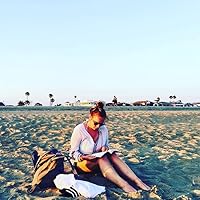
August 24, 2020
⠀”Papa once told me according to Islam, a woman will be 500 years away from heaven each time a ghayr mahram man touches her. ‘How many years away will the man be for touching her?’ I asked. My father did not know”
This memoir is described as a ‘Muslim feminist memoir’ and those three words instantly grabbed my attention. Zeba grows up under the patriarchal customs of Saudi Arabia where women are expected to marry a man of their parents choice and live to serve their husbands and have children. From a young age Zeba knows this isn’t what she wants from life and fights against it. ⠀
⠀
This memoir is approximately 200 pages and I easily could have read another 200. We watch Zeba experience sexism and harassment from a young age and the effect this has on a young women who is blamed for men’s behaviour. When at the age of 10 a man grabs her inappropriately, it is Zeba who is shamed for this, not the man. As Zeba becomes a teenager and her friends are talking about potential suitors, all Zeba wants in her future is to be able to attend university. Fortunately, Zeba has a family who are privileged within their society and Zeba persuades her father to let her go to university in Germany where she experiences freedom for the first time, away from the patriarchal gaze. ⠀
⠀
Despite being intelligent and having aspirations for her future career, Zeba’s mother is only concerned about her daughters hair which is thinning and slow falling out. Zeba is put through all sorts of treatments, some which are completely inhumane, this is all because her mother worries her daughter will be unattractive and won’t find a good suitor. Would her mother worry if it was a son who had a hair condition like this?... This memoir was so eye opening to the culture of being a Muslim and a feminist where we see political beliefs and religious beliefs clash and many people struggle to understand how Zeba can be a Muslim and a feminist. I think it was important to be critically aware throughout this memoir that despite Zeba not having control of her future like we do in Western society, Zeba was in a privileged position. Zeba has a father who respected her wishes and allowed her to go to university in a different country rather than marry, Zeba’s father funded univeristy and her visit to the UK and allowed her to marry the man of her choice (to an extent). This was so moving and inspiring, it’s easily been a favourite memoir of 2020! It also reminds me why being an intersectional feminist is so important.
This memoir is described as a ‘Muslim feminist memoir’ and those three words instantly grabbed my attention. Zeba grows up under the patriarchal customs of Saudi Arabia where women are expected to marry a man of their parents choice and live to serve their husbands and have children. From a young age Zeba knows this isn’t what she wants from life and fights against it. ⠀
⠀
This memoir is approximately 200 pages and I easily could have read another 200. We watch Zeba experience sexism and harassment from a young age and the effect this has on a young women who is blamed for men’s behaviour. When at the age of 10 a man grabs her inappropriately, it is Zeba who is shamed for this, not the man. As Zeba becomes a teenager and her friends are talking about potential suitors, all Zeba wants in her future is to be able to attend university. Fortunately, Zeba has a family who are privileged within their society and Zeba persuades her father to let her go to university in Germany where she experiences freedom for the first time, away from the patriarchal gaze. ⠀
⠀
Despite being intelligent and having aspirations for her future career, Zeba’s mother is only concerned about her daughters hair which is thinning and slow falling out. Zeba is put through all sorts of treatments, some which are completely inhumane, this is all because her mother worries her daughter will be unattractive and won’t find a good suitor. Would her mother worry if it was a son who had a hair condition like this?... This memoir was so eye opening to the culture of being a Muslim and a feminist where we see political beliefs and religious beliefs clash and many people struggle to understand how Zeba can be a Muslim and a feminist. I think it was important to be critically aware throughout this memoir that despite Zeba not having control of her future like we do in Western society, Zeba was in a privileged position. Zeba has a father who respected her wishes and allowed her to go to university in a different country rather than marry, Zeba’s father funded univeristy and her visit to the UK and allowed her to marry the man of her choice (to an extent). This was so moving and inspiring, it’s easily been a favourite memoir of 2020! It also reminds me why being an intersectional feminist is so important.

May 10, 2020
Wow, I need to collect my thoughts on this one. So powerful, so important and so feminist. I loved it.

June 23, 2021
Loved this. My feelings are too immense to articulate what this book made me feel. How can you give an objective review after reading a book that has your own life flashing before your eyes, thus leaving you fully exposed through a beautifully vulnerable account of the writer's extremely relatable life?
As an Indian Muslim woman, who grew up in the Gulf, moved to the West and is the oldest child, I will point at this book for anyone who would want to understand me. Thank you for writing this Zeba. The quiet confidence this book exudes is self-evident.
As an Indian Muslim woman, who grew up in the Gulf, moved to the West and is the oldest child, I will point at this book for anyone who would want to understand me. Thank you for writing this Zeba. The quiet confidence this book exudes is self-evident.
December 20, 2021
My Past is a Foreign Country - Zeba Talkhani
Zeba Talkhani is a Muslim woman who has lived in India, Saudi Arabia, Germany and the UK. This is her story where she very candidly discusses her exposure to westernised society and navigating between two worlds yet still meeting her families expectations, respecting her culture and practicing her religion in her own way.
She doesn’t completely conform to her communities understanding of what she (as a woman) should be doing. Zeba talks a lot about wanting more as a female, her growing relationship with feminism and the contrast this has with the belief system she was bought up in.
It was really interesting and also heartbreaking to read about her experience with hair loss from a young age and the shame and taboo that comes with this. Beauty is traditionally determined by patriarchal standards and this has a huge impact on self esteem.
In the acknowledgments there is a special mention to her parents who she says didn’t always understand her but didn’t let that get in the way of being there for her. This relationship she has with her parents is really special to read about as it can be difficult for parents to support their children outside of strong traditions.
At under 200 pages this packs an absolute punch and is very enlightening. Zeba is incredibly resilient and inspiring and her story is well and truly worth a read!
5/5 ⭐️⭐️⭐️⭐️⭐️
Zeba Talkhani is a Muslim woman who has lived in India, Saudi Arabia, Germany and the UK. This is her story where she very candidly discusses her exposure to westernised society and navigating between two worlds yet still meeting her families expectations, respecting her culture and practicing her religion in her own way.
She doesn’t completely conform to her communities understanding of what she (as a woman) should be doing. Zeba talks a lot about wanting more as a female, her growing relationship with feminism and the contrast this has with the belief system she was bought up in.
It was really interesting and also heartbreaking to read about her experience with hair loss from a young age and the shame and taboo that comes with this. Beauty is traditionally determined by patriarchal standards and this has a huge impact on self esteem.
In the acknowledgments there is a special mention to her parents who she says didn’t always understand her but didn’t let that get in the way of being there for her. This relationship she has with her parents is really special to read about as it can be difficult for parents to support their children outside of strong traditions.
At under 200 pages this packs an absolute punch and is very enlightening. Zeba is incredibly resilient and inspiring and her story is well and truly worth a read!
5/5 ⭐️⭐️⭐️⭐️⭐️

July 14, 2019
In My Past Is A Foreign Country, Zeba Talkhani tells the story of the first 27 years of her life. She writes about growing up as an Indian Muslim girl in Saudi Arabia, then moving for her studies first to India, then Germany, and finally the UK. Her story (as the book's tagline says "A Muslim feminist finds herself") could have been easily told in a way which plays easily into the West's favourite narratives about Muslim women finding emancipation in the West. But Talkhani tells her story in a way that actively examines such narrow boxes and deconstructs them. She looks critically at the society she grew up in but uses her same astute ability for observations of societies she moves to. And while the book is very approachable and Talkhani does explain a lot of terms, concepts, food, etc., she never loses her own perspective. The memoir touches upon topics such as mother-daughter relationships within the patriarchy, living with hair loss and navigating ideas around beauty, migration (from the privileges connected to her own migration story to the connection of colonialism and migration), finding her own connection to her religion, racism in the West, the exclusionary nature of the publishing industry, and sexual assault. The multitude of themes feels never too much - just as the reflection of life and Talkhani's personal growth is the thread to hold it all together.

November 21, 2020
“From teachers, friends, family and the moral police, the message was clear: the world was a dangerous place for women and we needed to be careful at all times.”
This book surprised me. It surpassed all expectations I had – her writing flows effortlessly, and I could not put it down.
My Past Is A Foreign Country is a memoir from an Indian Muslim feminist who grows up in Saudi Arabia, about her journey to self-acceptance whilst not letting negative experiences define her. The way she writes makes you feel connected to the book immediately and you felt like you got to know her.
We learn of her experiences growing up in a patriarchal society; the pressures not just on Talkhani, but on all women. Talkhani suffers hair loss and her Mother is ashamed and does everything to hide it, putting more pressure on her daughter. “And maybe that’s the biggest cost of hiding our vulnerabilities, that we no longer know how to be empathetic.”
Zeba’s mother cannot always be the parent she wishes to be, and similarly, she is not always the mother that Zeba needs her to be “We remained unable to free ourselves of the restrictions placed on us by the patriarchy, even when it threatened to create an insurmountable barrier between us.”
We learn of her experiences of sexism, assault, and women being treated as if their only purpose in life is to marry and bear children. “I was told that men and women are equal but not ‘identical’, that men knew better”.
I highly recommend this book to everyone. An excellent memoir - it is short yet powerful. If it is on your TBR then read it! You will read it quickly and will not be able to put it down.
This book surprised me. It surpassed all expectations I had – her writing flows effortlessly, and I could not put it down.
My Past Is A Foreign Country is a memoir from an Indian Muslim feminist who grows up in Saudi Arabia, about her journey to self-acceptance whilst not letting negative experiences define her. The way she writes makes you feel connected to the book immediately and you felt like you got to know her.
We learn of her experiences growing up in a patriarchal society; the pressures not just on Talkhani, but on all women. Talkhani suffers hair loss and her Mother is ashamed and does everything to hide it, putting more pressure on her daughter. “And maybe that’s the biggest cost of hiding our vulnerabilities, that we no longer know how to be empathetic.”
Zeba’s mother cannot always be the parent she wishes to be, and similarly, she is not always the mother that Zeba needs her to be “We remained unable to free ourselves of the restrictions placed on us by the patriarchy, even when it threatened to create an insurmountable barrier between us.”
We learn of her experiences of sexism, assault, and women being treated as if their only purpose in life is to marry and bear children. “I was told that men and women are equal but not ‘identical’, that men knew better”.
I highly recommend this book to everyone. An excellent memoir - it is short yet powerful. If it is on your TBR then read it! You will read it quickly and will not be able to put it down.

July 22, 2021
A refreshing, relatable, and honest memoir about what it means to be a Muslim woman in this day and age, without falling into different tropes of seeking 'freedom' from faith/religion, but attempting to understand it for ones self and ask critical questions.
July 11, 2021
As a Muslim woman dealing with hair loss, turning 30 and unmarried and working through a complicated relationship with her mother - I felt like I was reading about myself several times. Her writing is honest and so brave but there’s so much vulnerability woven into it. It took me a while to finish because it was quite emotional for me to read through it and I ended up taking a few days post each chapter to process everything. Loved it, looking forward to reading more from her.
February 1, 2020
I wanted to like this book, I really did. There are enough bits here that could make for a compelling story, but as it is it’s just not well told. Narratively it’s all over the place. There are interesting things happening in the life of the author, but beyond her immediate reaction, she has very little to say about them. Instead of some introspection, she just moves to the next thing.
Maybe she should have waited a bit before writing a memoir. There are some questions that permeate the book, having to do with her own identity and how her place in society. These are important questions, but she doesn’t seem to be able to explore them in her own words. Mostly we get her reactions to events or views that she took from reading feminist literature or Islamic teachings. Sometimes I had the feeling that she didn’t have much of a voice in her own book.
As an example of the kind of introspection I longed for, chapter 2 ends with the following paragraph:
The way this final paragraph is phrased, the expectation is that she’ll be proven completely wrong in a later chapter, that the West can be very exclusionary indeed, perhaps as much as Saudi Arabia and India. I was looking forward to the resolution, but I never got one. Talkhani relates some bad (and good) experiences in the West, but overall it’s impossible for me to tell how her views were changed by her experiences, because she never asks these questions (did she realize her identity in the West? did she find the West more inclusive?) again. It’s fine not to have answers for the questions, but I don’t understand the point of introducing them as a kind of cliffhanger if you never revisit them.
I’ll make one exception: her struggle with hair loss was very well told. Besides the hair loss itself, the story involves several points she has struggled with more generally: being a woman in a conservative society with arranged marriages, her relationship with her mother, her own sense of self, as well as her eventual marriage to someone who doesn’t care about her hair loss troubles. I’m glad she managed to find resolution for that one.
Maybe she should have waited a bit before writing a memoir. There are some questions that permeate the book, having to do with her own identity and how her place in society. These are important questions, but she doesn’t seem to be able to explore them in her own words. Mostly we get her reactions to events or views that she took from reading feminist literature or Islamic teachings. Sometimes I had the feeling that she didn’t have much of a voice in her own book.
As an example of the kind of introspection I longed for, chapter 2 ends with the following paragraph:
I had always idealised the West, and a chance to study in a Western university meant I could gain experience and hopefully find the tools to create a space which was not at odds with my identity. In Saudi Arabia I was too Indian, too brown. In India I was too foreign, too Muslim. In a Western space, I thought I could be myself. That I could stand out and be celebrated for my differences. It would be a truly inclusive space, I thought.
The way this final paragraph is phrased, the expectation is that she’ll be proven completely wrong in a later chapter, that the West can be very exclusionary indeed, perhaps as much as Saudi Arabia and India. I was looking forward to the resolution, but I never got one. Talkhani relates some bad (and good) experiences in the West, but overall it’s impossible for me to tell how her views were changed by her experiences, because she never asks these questions (did she realize her identity in the West? did she find the West more inclusive?) again. It’s fine not to have answers for the questions, but I don’t understand the point of introducing them as a kind of cliffhanger if you never revisit them.
I’ll make one exception: her struggle with hair loss was very well told. Besides the hair loss itself, the story involves several points she has struggled with more generally: being a woman in a conservative society with arranged marriages, her relationship with her mother, her own sense of self, as well as her eventual marriage to someone who doesn’t care about her hair loss troubles. I’m glad she managed to find resolution for that one.
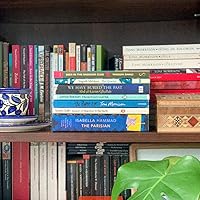
July 2, 2019
My Past is a Foreign Country is Zeba Talkhani’s debut memoir, tracing her childhood in India, growing up in Jeddah, and leaving her family to study in India and later in Europe. This is a story of growth, of self-acceptance and resistance.
I agree with @reads.and.reveries who mentioned that this book is extraordinary in that it tackles so many themes and topics, and I’d like to add to that that she manages to do so without failing to do any of them justice. The themes featured are of misogyny and sexism, racism in the West, colourism in the East, islamophobia, immigration, problematic beauty norms, and mother-daughter relationships.
The two elements that I believe are central to the story are her relationship with her mother and her hair loss. Both of these are made extremely difficult because of cultural expectations and traditionalism.
No matter what she writes about, it always comes down to one thing; the patriarchy.
Her every sentence is consumed by the difficulties of being a woman in a patriarchal society - and she certainly doesn’t put the West on a pedestal. She often compares the West and the East and if anything, she often says that in some ways she found her home countries to be ‘far ahead’ when it comes to women’s rights. Talkhani criticises mainstream feminism and passes the test of not kissing a** to it - excuse the vocab. You have no idea how relieved I was of this, this is my biggest fear and anticipation when reading Muslim female writers.
The writing style is flowy and effortless, and the book is an easy read. A couple of quotes I enjoyed: “This is the beauty of the patriarchy, I suppose; the ones being policed are the ones policing.” “I had seen too many Muslim women believe that submission to man is equal to submission to God. And if that’s not blasphemous, I don’t know what is”. “In Saudi Arabia I was too Indian, too brown. In India I was too foreign, too Muslim. In a Western space, I thought I could be myself. That I could stand out and be celebrated for my differences. It would be a truly inclusive space, I thought”.
I agree with @reads.and.reveries who mentioned that this book is extraordinary in that it tackles so many themes and topics, and I’d like to add to that that she manages to do so without failing to do any of them justice. The themes featured are of misogyny and sexism, racism in the West, colourism in the East, islamophobia, immigration, problematic beauty norms, and mother-daughter relationships.
The two elements that I believe are central to the story are her relationship with her mother and her hair loss. Both of these are made extremely difficult because of cultural expectations and traditionalism.
No matter what she writes about, it always comes down to one thing; the patriarchy.
Her every sentence is consumed by the difficulties of being a woman in a patriarchal society - and she certainly doesn’t put the West on a pedestal. She often compares the West and the East and if anything, she often says that in some ways she found her home countries to be ‘far ahead’ when it comes to women’s rights. Talkhani criticises mainstream feminism and passes the test of not kissing a** to it - excuse the vocab. You have no idea how relieved I was of this, this is my biggest fear and anticipation when reading Muslim female writers.
The writing style is flowy and effortless, and the book is an easy read. A couple of quotes I enjoyed: “This is the beauty of the patriarchy, I suppose; the ones being policed are the ones policing.” “I had seen too many Muslim women believe that submission to man is equal to submission to God. And if that’s not blasphemous, I don’t know what is”. “In Saudi Arabia I was too Indian, too brown. In India I was too foreign, too Muslim. In a Western space, I thought I could be myself. That I could stand out and be celebrated for my differences. It would be a truly inclusive space, I thought”.

January 19, 2022
An extremely well written memoir.
I was a bit skeptical upon picking this one up as I’d read articles written in praise of the book comparing my beloved hometown with The Handmaid’s Tale. Perhaps those were the only bits that didn’t sit so right with me. Witnessing some of my own perspectives portrayed through the lens of another became a hard pill for me to swallow. A struggle in itself perhaps, for in my own opinion, I felt parts of the story were a lot more generalised to fit the likes of a western mind than what I have known to be true. However, to each their own unique experience, the writer did a wonderful job of presenting everything that led her to become the person she is today. I loved the latter half of the book with some thought-provoking gems and perspectives that I couldn’t help annotate while stopping to ponder for a bit. By the end of the book, my empathetic side took over the judgmental side and I feel extreme gratitude for my own life and circumstances. For while I may share the same background, my life hasn’t been as affected by the patriarchal society described.
I was a bit skeptical upon picking this one up as I’d read articles written in praise of the book comparing my beloved hometown with The Handmaid’s Tale. Perhaps those were the only bits that didn’t sit so right with me. Witnessing some of my own perspectives portrayed through the lens of another became a hard pill for me to swallow. A struggle in itself perhaps, for in my own opinion, I felt parts of the story were a lot more generalised to fit the likes of a western mind than what I have known to be true. However, to each their own unique experience, the writer did a wonderful job of presenting everything that led her to become the person she is today. I loved the latter half of the book with some thought-provoking gems and perspectives that I couldn’t help annotate while stopping to ponder for a bit. By the end of the book, my empathetic side took over the judgmental side and I feel extreme gratitude for my own life and circumstances. For while I may share the same background, my life hasn’t been as affected by the patriarchal society described.

July 29, 2019
"It seemed to me that the more our parents policed their daughters, the more they lost track of their sons." ⠀
.⠀
What a beautifully written memoir by Zeba , I wondered what would draw me to her story - since I've not heard of her beyond us being Instagram friends (hehe), but I was curious. This book was perfect, it captured the struggles of a Muslim woman (whatever ethnicity you are) : the pressure to be married, smart, beautiful, and the dual standards between man and woman. The control that not only came from men, but our mothers who were scolded for not "policing" their daughters enough.
.⠀
While I could not relate with some of Zeba's experiences, I was glad this book was written because Muslim women's experiences often overlap. We have all faced in varying degrees the same patriarchal expectations & also held the same thoughts/disappointment about the number of mediocre men there are out there for us who are, essentially, a product of this patriarchal society that is "unconditionally accepting of their mediocrity". Ah... the woes of heterosexual dating.
.⠀
What a beautifully written memoir by Zeba , I wondered what would draw me to her story - since I've not heard of her beyond us being Instagram friends (hehe), but I was curious. This book was perfect, it captured the struggles of a Muslim woman (whatever ethnicity you are) : the pressure to be married, smart, beautiful, and the dual standards between man and woman. The control that not only came from men, but our mothers who were scolded for not "policing" their daughters enough.
.⠀
While I could not relate with some of Zeba's experiences, I was glad this book was written because Muslim women's experiences often overlap. We have all faced in varying degrees the same patriarchal expectations & also held the same thoughts/disappointment about the number of mediocre men there are out there for us who are, essentially, a product of this patriarchal society that is "unconditionally accepting of their mediocrity". Ah... the woes of heterosexual dating.

April 18, 2020
My Past Is A Foreign Country is Zeba Talkhani's memoir on growing up in Saudi Arabia as an Indian Muslim.
This book though short packs a lot in and honestly I didn't want it to end.
I have a real thing for memoirs and reading Zeba's writing felt like I was listening to a friend, She just has a way of immersing you into her story, although we have very different backgrounds she comes across as so relatable especially as somebody who has had inner conflict with the ideal of beauty and the way society perceives this.
The caption on the book cover is "A Muslim Feminist Finds Herself" and I feel so privileged to be able to read her journey into doing that.
Zeba bravely explores her relationship with her family, the patriarchy that rules her home country and her religion in such a raw and powerful way.
I feel like this book is going to help so many young women. Those who feel trapped or like they dont belong. Zeba's voice is one that proves that you can have faith in God and be a feminist. That self care and self love is more important than conforming. But most importantly Zeba shows that it is important to stand up to racism and misogyny.
I love that I learnt so much about how life is in Saudi Arabia, A country I knew little about. Its informative and fascinating in equal measures.
Like I said this book may be short but its power and honesty really shouldn't be underestimated. This book really needs to be read by everyone!
This book though short packs a lot in and honestly I didn't want it to end.
I have a real thing for memoirs and reading Zeba's writing felt like I was listening to a friend, She just has a way of immersing you into her story, although we have very different backgrounds she comes across as so relatable especially as somebody who has had inner conflict with the ideal of beauty and the way society perceives this.
The caption on the book cover is "A Muslim Feminist Finds Herself" and I feel so privileged to be able to read her journey into doing that.
Zeba bravely explores her relationship with her family, the patriarchy that rules her home country and her religion in such a raw and powerful way.
I feel like this book is going to help so many young women. Those who feel trapped or like they dont belong. Zeba's voice is one that proves that you can have faith in God and be a feminist. That self care and self love is more important than conforming. But most importantly Zeba shows that it is important to stand up to racism and misogyny.
I love that I learnt so much about how life is in Saudi Arabia, A country I knew little about. Its informative and fascinating in equal measures.
Like I said this book may be short but its power and honesty really shouldn't be underestimated. This book really needs to be read by everyone!

February 3, 2021
I was drawn to this book because it simply said below the title of the book “a Muslim feminist finds herself”. And that sentence in itself was something I wanted to educate myself about...
Zeba Talkhani speaks about her childhood growing up in Saudi Arabia and pursuing her publishing dreams by going to Europe and then Cambridge.
All this is overshadowed by her relationship with her Mama, who appears closed off and worries about Zeba’s sudden hair loss, her Papa, who travels for work and her wider family and what Zeba observes around them.
She explores how women are expected to behave in Saudi Arabia and in her religious community. How men treat women and how she is expected to find a man to marry. And she decides to stay true to her religious beliefs as a Muslim but also challenge how women should be presented and treated.
This was a really insightful memoir and I really enjoyed hearing Zeba’s voice and what she finds out at the end of the book about herself.
Zeba Talkhani speaks about her childhood growing up in Saudi Arabia and pursuing her publishing dreams by going to Europe and then Cambridge.
All this is overshadowed by her relationship with her Mama, who appears closed off and worries about Zeba’s sudden hair loss, her Papa, who travels for work and her wider family and what Zeba observes around them.
She explores how women are expected to behave in Saudi Arabia and in her religious community. How men treat women and how she is expected to find a man to marry. And she decides to stay true to her religious beliefs as a Muslim but also challenge how women should be presented and treated.
This was a really insightful memoir and I really enjoyed hearing Zeba’s voice and what she finds out at the end of the book about herself.

January 28, 2022
zeba talkhani explores different modern muslim societies through a feminist lens and highlights the traumas faced by women because of patriarchy and misogyny. her unique lived experience in saudia arab, india, germany, and britain equips her to compare and contrast the lifes of women; muslim women, women of colour, career women, and feminist. it's interesting to see how women are oppressed in the same way in both east and west and how they claim to be better than the other.
though the insight is interesting to read and personal on a sense of knowing women who went through some of the similar communities and structure, talkhani almost reduces all her "characters" to academic "concepts" and falls to oversimplify relations and lived experiences of other women. her tone and words tends to speak over other women and their experiences and "justify" their actions in the patriarchal structure. she tries to avoid complexity and does not give other women room to grow. moreover, her language is plain and simple; it tends to paint her story in the same way.
but maybe, that's what is needed.
though the insight is interesting to read and personal on a sense of knowing women who went through some of the similar communities and structure, talkhani almost reduces all her "characters" to academic "concepts" and falls to oversimplify relations and lived experiences of other women. her tone and words tends to speak over other women and their experiences and "justify" their actions in the patriarchal structure. she tries to avoid complexity and does not give other women room to grow. moreover, her language is plain and simple; it tends to paint her story in the same way.
but maybe, that's what is needed.

June 25, 2022
This memoir swept me off my feet. Even though the experiences of Zeba Talkhani are different from my own, her words resonated with me on so many levels that at many points I felt as if these were my own words.
The author shares her experiences as an Indian muslim feminist woman growing up in Saudi Arabia and how she finds her way out of the prejudices and bias of the patriarchal society. How she deals with a complicated relationship with her mother, her own self image and how she shatters the glass ceilings that restrict many girls of her society. Her experiences are common to many South Asian girls trying to make their place and have their say in a not very conducive society.
She speaks of not just feminism but also of the social and power dynamics of marriage, motherhood, racism, radical self-care, body image, complicated relationships that form due to patriarchy and how women can be oppressive force in other women's lives.
This book has made it's way to my favourite shelf and I am definitely going to revisit it absorb more of what I absorbed in the first reading!
The author shares her experiences as an Indian muslim feminist woman growing up in Saudi Arabia and how she finds her way out of the prejudices and bias of the patriarchal society. How she deals with a complicated relationship with her mother, her own self image and how she shatters the glass ceilings that restrict many girls of her society. Her experiences are common to many South Asian girls trying to make their place and have their say in a not very conducive society.
She speaks of not just feminism but also of the social and power dynamics of marriage, motherhood, racism, radical self-care, body image, complicated relationships that form due to patriarchy and how women can be oppressive force in other women's lives.
This book has made it's way to my favourite shelf and I am definitely going to revisit it absorb more of what I absorbed in the first reading!

September 22, 2021
While I will proceed to review this book in the best way I can, anything I say will fall short of how brilliant this book actually is. Talkhani is one of the most nuanced writers I have ever come across. She intricately describes some of the most minute details of brown culture such as invasive relatives, standards of beauty, and patriarchy within said culture. What I empathised with most however, was how she innately depicts her relationship with her mother and how it evolves over time, with understanding, perspective, and attempting to break free of toxic patriarchal values. So good, I finished it in a day.
September 4, 2021
Kitabın isminin "My Past Is a Foreign Country: A Muslim Feminist Finds Herself" ve yazarın bir çok farklı ülkede yaşamış olması bende büyük bir merak uyandırdı. Böylece "kadının" farklı kültürlerdeki ve İslam'daki yerine daha fazla değineceğini ummuştum. Ama açıkcası bu konulara sadece değinmekle kalmış, yazarın bu konuları derin bir şekilde kaleme almadığını düşünüyorum. Ayrıca eşiyle tanıştıktan sonraki kısımlarda ana konuyu beslemeyen bir çok ayrıntı olduğunu düşünüyorum.
June 19, 2019
I follow and have chatted with Zeba Talkhani a few times online and was eagerly looking forward to her memoir, so much I put it on pre-order so that I could hoover it up as soon as it came out. My optimism proved entirely justified as I read the entire book in one morning and came out the other side informed and intrigued about the lives Talkhani has led as a "Muslim woman finding herself" (the subtitle) in Saudi Arabia, India, Germany and Britain.
Talkhani grew up the daughter of Indian expat parents in Saudi Arabia, her father having a post there. Other reviews have mentioned that spending one's formative years in KSA was not as horrible as people might believe, but from reading Talkhani's account it did seem straitened and difficult enough. During the summer months the family would decamp to India and these times were more relaxed - though her mother had difficulties with her father's family, difficulties that would endure and extend to her daughter once she came of age.
Talkhani is scrupulously fair on her parents' decisions during her upbringing - from reading the book it's clear that they are two people with good intentions who want to do the right thing but are influenced by the darker notes of a culture which Talkhani herself comes to reject. One particular aspect of that culture highlighted here is Talkhani's paternal relatives' singling her out and stigmatising her due to early hair loss. Now it should be noted that female hair loss is a condition that is stigmatised everywhere - Gail Porter being a prime example - and Western norms are not charitable in this regard. But the combination of stigma and some malign suppressed disaffection among these relatives that needed to find something to "earth" it, no matter what the damage done, was brutal for Talkhani and led her mother to traipse her around the country (in vain) looking for solutions and fearing for her marriageability. It was hard to read about reasonable people doing unreasonable things and it is to the author's credit that we never lose sight that this is the case, and that the author's mother felt she had no choice.
If Eastern customs are dissected, Western habits are not off the hook either. Talkhani eventually pushes the boundaries imposed on her and manages to get a scholarship first to a college in India and then to Germany. This last leads her to the UK where she attends a prestigious writing workshop only to realise that the other participants are cutting her out of the conversation and pretending she isn't there - because she is a person of colour. This was hard for me to read also - because even as a white person I've sometimes experienced that "invisibilising" on the part of the writing establishment, but how many times harder and more hurtful must it have been for Zeba Talkhani to have kept continuing to attend a gathering - an entire community, at that - which sought to elide her very existence?
This memoir is valuable because its testimony is rare, and hopefully it will open the gates for more stories. Zeba Talkhani's accomplished and compelling story is a triumph and a beauty from start to finish and I warmly recommend reading it.
Talkhani grew up the daughter of Indian expat parents in Saudi Arabia, her father having a post there. Other reviews have mentioned that spending one's formative years in KSA was not as horrible as people might believe, but from reading Talkhani's account it did seem straitened and difficult enough. During the summer months the family would decamp to India and these times were more relaxed - though her mother had difficulties with her father's family, difficulties that would endure and extend to her daughter once she came of age.
Talkhani is scrupulously fair on her parents' decisions during her upbringing - from reading the book it's clear that they are two people with good intentions who want to do the right thing but are influenced by the darker notes of a culture which Talkhani herself comes to reject. One particular aspect of that culture highlighted here is Talkhani's paternal relatives' singling her out and stigmatising her due to early hair loss. Now it should be noted that female hair loss is a condition that is stigmatised everywhere - Gail Porter being a prime example - and Western norms are not charitable in this regard. But the combination of stigma and some malign suppressed disaffection among these relatives that needed to find something to "earth" it, no matter what the damage done, was brutal for Talkhani and led her mother to traipse her around the country (in vain) looking for solutions and fearing for her marriageability. It was hard to read about reasonable people doing unreasonable things and it is to the author's credit that we never lose sight that this is the case, and that the author's mother felt she had no choice.
If Eastern customs are dissected, Western habits are not off the hook either. Talkhani eventually pushes the boundaries imposed on her and manages to get a scholarship first to a college in India and then to Germany. This last leads her to the UK where she attends a prestigious writing workshop only to realise that the other participants are cutting her out of the conversation and pretending she isn't there - because she is a person of colour. This was hard for me to read also - because even as a white person I've sometimes experienced that "invisibilising" on the part of the writing establishment, but how many times harder and more hurtful must it have been for Zeba Talkhani to have kept continuing to attend a gathering - an entire community, at that - which sought to elide her very existence?
This memoir is valuable because its testimony is rare, and hopefully it will open the gates for more stories. Zeba Talkhani's accomplished and compelling story is a triumph and a beauty from start to finish and I warmly recommend reading it.
September 29, 2020
in this book, Zeba explores themes including migration, identity, belonging, insecurity and religion. there is a large focus on her strained relationship with her mother. i found this interesting but was waiting for something larger; it felt like the book was building to something that never came.
it was really important to hear how Zeba navigated life in the West, after moving from Saudi Arabia, as a Muslim Indian woman. however, what i didn't like so much was how there was continued references about her parents lack of support. instead, it felt like her parents were always financially and emotionally supportive. they paid for her to study abroad, and after completing her MA, her dad agreed to pay for another MA degree, this time in USA. when she lost her bag with 800 euros, her dad told her not to worry.
as an Indian women, i have seen the pressure put on young women to marry by the community and this needs to be spoken about. i didn't feel Zeba's parents were doing that. although they made references/ suggestions - they allowed her to travel thousands of miles away. their actions were supportive of her education and working life. i think there needed to be some mention of this financial privilege afforded to her, rather than looking down on others who were not able to choose the same and instead got married. it is less about the individual women (+ even communities), and more about the larger systems. yes, patriarchy - which was identified - but also involves colonial influences/ capitalism.
she also spoke about her hair loss at a young age and how this impacted her. this must have been hard to talk about as it was engulfed in shame, insecurity and anxiety. this was important to share, as the concept of beauty places value over women and so would have a large impact on self-worth. it gave me a lot to think about.
overall, it is a good read and i would recommend this book. it is important to hear stories of migration by those who migrate themselves. there just needed to be further reflection.
it was really important to hear how Zeba navigated life in the West, after moving from Saudi Arabia, as a Muslim Indian woman. however, what i didn't like so much was how there was continued references about her parents lack of support. instead, it felt like her parents were always financially and emotionally supportive. they paid for her to study abroad, and after completing her MA, her dad agreed to pay for another MA degree, this time in USA. when she lost her bag with 800 euros, her dad told her not to worry.
as an Indian women, i have seen the pressure put on young women to marry by the community and this needs to be spoken about. i didn't feel Zeba's parents were doing that. although they made references/ suggestions - they allowed her to travel thousands of miles away. their actions were supportive of her education and working life. i think there needed to be some mention of this financial privilege afforded to her, rather than looking down on others who were not able to choose the same and instead got married. it is less about the individual women (+ even communities), and more about the larger systems. yes, patriarchy - which was identified - but also involves colonial influences/ capitalism.
she also spoke about her hair loss at a young age and how this impacted her. this must have been hard to talk about as it was engulfed in shame, insecurity and anxiety. this was important to share, as the concept of beauty places value over women and so would have a large impact on self-worth. it gave me a lot to think about.
overall, it is a good read and i would recommend this book. it is important to hear stories of migration by those who migrate themselves. there just needed to be further reflection.
This entire review has been hidden because of spoilers.

August 15, 2022
I’m torn between 1 or 2 stars so this is a subject to change.
What an odd book. Very basic writing, poor prose. One other review compared this to diary entries (or blog posts) which is fitting. The storytelling tended to jump around and felt very unbalanced.
I suppose I just expected something else. The title makes this sound so dramatic, but what I got was a story of a girl who had a great childhood, loved her home country, who grew up very privileged and sheltered in rich gated communities with huge houses, and only shared surface level insights on the position of women in heavily patriarchal societies. Everything was just so shallow.
This is just my opinion, your mileage may vary. Memoirs are not my cup of tea in general, it’s just that the title caught my eye in the bookstore.
Anyways - check out Jhumpa Lahiri for some amazing books with great prose and similar topics (arranged marriage, immigrant experience of South Asian women, position of women in patriarchal traditional societies and so on).
What an odd book. Very basic writing, poor prose. One other review compared this to diary entries (or blog posts) which is fitting. The storytelling tended to jump around and felt very unbalanced.
I suppose I just expected something else. The title makes this sound so dramatic, but what I got was a story of a girl who had a great childhood, loved her home country, who grew up very privileged and sheltered in rich gated communities with huge houses, and only shared surface level insights on the position of women in heavily patriarchal societies. Everything was just so shallow.
This is just my opinion, your mileage may vary. Memoirs are not my cup of tea in general, it’s just that the title caught my eye in the bookstore.
Anyways - check out Jhumpa Lahiri for some amazing books with great prose and similar topics (arranged marriage, immigrant experience of South Asian women, position of women in patriarchal traditional societies and so on).

June 24, 2019
Zeba Talkhani narrates her life growing up as a Muslim in Saudi Arabia, and her years of study in Germany and the UK, and recounts her struggle to be a feminist within a strict patriarchal culture.
I thought it was an interesting read. The struggles that women face seem to be universal, no matter what religion you are or where you live: the unattainable beauty ideals, the pressure to get married, and the fact that equality for women seems to be lip service in many cases because when it comes down to it, we aren't respected and valued by society much at all. For all of this, there are moments of triumph, acceptance, and real happiness within the book and these are heartwarming. Well worth a read.
Thanks to NetGalley and publishers, Hodder & Stoughton / Sceptre, for the opportunity to read an ARC.
I thought it was an interesting read. The struggles that women face seem to be universal, no matter what religion you are or where you live: the unattainable beauty ideals, the pressure to get married, and the fact that equality for women seems to be lip service in many cases because when it comes down to it, we aren't respected and valued by society much at all. For all of this, there are moments of triumph, acceptance, and real happiness within the book and these are heartwarming. Well worth a read.
Thanks to NetGalley and publishers, Hodder & Stoughton / Sceptre, for the opportunity to read an ARC.
May 16, 2021
In this memoir, Zeba Talkhani talks about her experiences growing up in Saudi Arabia, patriarchy and her journey abroad to India, Germany and the UK to find freedom as a young muslim woman while she rejects the traditional path her culture has chosen for her. She tackles a subject that is often left out of mainstream publishing and has very interesting insights on repressed trauma caused by patriarchy. However, no matter how much I found this book interesting, there was something amiss. Reading the memoir felt like I was reading a journal entry. There were a couple of times when she leaves a paragraph with a cliffhanger and doesn't revisit it. I also felt that this memoir should have been an essay instead.

May 20, 2021
Initial thoughts: A must read for everyone, especially to the people of the countries where patriarchy prevails. I related to A LOT of instances int his book and learnt a lot from the author’s way of handling situations. What a beautiful book.
October 11, 2021
This book is a memoir of a 27 years old Indian Muslim girl who grew up in Jeddah. Her name is Zeba. She has described her life journey from her childhood to adulthood in mere 200 pages. Being from an expat family in a Saudi Arabia, she speaks how she never liked the insularity. Albeit she recollects that her whole universe was her family back then. Zeba’s father is like a typical Indian father both loveable and strict in equal measure. A person she always counts on. However her relationship with her mother was complicated in her early days because she always challenges socio-religious statute imposed on women. But she knows right from the beginning, for an ordinary girl to challenge the authority was fruitless. So she channelises her anguish in her budding career, goes abroad for studies and then she comes across infinite cultural shock. Also the ordeals of racial microaggression and Anti-Muslim prejudice when she was in Cambridge, didn’t break her. Nothing sabotage her dreams. She also speaks up about the inevitable marriage pressure, the desirability of superficial aspects and the eventualities in every Indian communities which is so precise in my opinion.
The blurb seemed promising. A young Muslim feminist writing and thriving in a patriarchal structure. She questions the patriarchy but never gets satisfactory answer, leaving the reader in a incoherent state of mind too. Her empowering story is decent one but it feels like an elaborate essay which went tepid ever so often. Honestly I wanted this book to touch me but sadly, it didn’t reach my heart. If it didn’t work for me doesn’t mean it won’t work for you. So go ahead for this quick read.
The blurb seemed promising. A young Muslim feminist writing and thriving in a patriarchal structure. She questions the patriarchy but never gets satisfactory answer, leaving the reader in a incoherent state of mind too. Her empowering story is decent one but it feels like an elaborate essay which went tepid ever so often. Honestly I wanted this book to touch me but sadly, it didn’t reach my heart. If it didn’t work for me doesn’t mean it won’t work for you. So go ahead for this quick read.
April 17, 2024
(4.5)
This is such a wonderful memoir and so beautifully written. While I didn’t agree with some of her thoughts and beliefs and wouldn’t share her view on a lot, her perspective was so helpful and interesting to read and extremely well expressed.
I loved the warmth in her voice as a writer and how well she balances being critical with being forgiving and understanding. It’s an incredible strength of character she expresses and her thoughts are full of depth, best seen in the bits about her complex relationship with her mother I think.
It also made me see and appreciate more clearly the amount of freedom I have had in my life. It is crazy that she got to where she is because of having relative freedom for her someone in her community, yet compared to my experiences, her life and choices were incredibly restricted. I think that’s a really helpful contrast to see and be more aware of.
Ultimately I couldn’t give this five stars because it does have conclusions and an agenda I don’t support - largely due to her failure to recognize the real root cause of the problem and the true solution (not that I was expecting this of course). She is trying to write about truth but has missed the main truth. I also wonder if she makes too many assumptions about others’ thoughts and feelings and motivations.
This is such a wonderful memoir and so beautifully written. While I didn’t agree with some of her thoughts and beliefs and wouldn’t share her view on a lot, her perspective was so helpful and interesting to read and extremely well expressed.
I loved the warmth in her voice as a writer and how well she balances being critical with being forgiving and understanding. It’s an incredible strength of character she expresses and her thoughts are full of depth, best seen in the bits about her complex relationship with her mother I think.
It also made me see and appreciate more clearly the amount of freedom I have had in my life. It is crazy that she got to where she is because of having relative freedom for her someone in her community, yet compared to my experiences, her life and choices were incredibly restricted. I think that’s a really helpful contrast to see and be more aware of.
Ultimately I couldn’t give this five stars because it does have conclusions and an agenda I don’t support - largely due to her failure to recognize the real root cause of the problem and the true solution (not that I was expecting this of course). She is trying to write about truth but has missed the main truth. I also wonder if she makes too many assumptions about others’ thoughts and feelings and motivations.
Displaying 1 - 30 of 182 reviews