The ISBN 9896658153 for this book was also used by another book.
O primeiro romance de Juan Gabriel Vásquez é uma história apaixonante de traições e segredos pessoais e colectivos, no rescaldo da mais devastadora das guerras.
Quando o jornalista Gabriel Santoro publicou o seu primeiro livro, não imaginava que a crítica mais implacável fosse ser escrita pelo próprio pai. O tema parecia inofensivo: a vida de uma amiga da família, judia chegada à Colômbia em fuga da Alemanha nazi, pouco tempo antes da eclosão da Segunda Guerra Mundial. Por que razão terá o seu livro sobre Sara Guterman ferido o pai a ponto de o levar a humilhá-lo publicamente? Que segredo imprevisto esconderão aquelas páginas? O que alimentará a raiva e a alienação do patriarca? Impelido pela morte misteriosa do pai num acidente de automóvel, Santoro decide indagar a verdade, antes que o passado lhe escape por completo. A investigação irá destapar impensáveis traições e segredos da história familiar. Na dolorosa reconstrução do retrato da família - sombrio, complexo, enigmático - acabará por descobrir um episódio sinistro do seu país nos anos de trevas da Grande Guerra, a catástrofe que deixou a Europa em escombros e tocou milhares de vidas no outro lado do Atlântico. Os informadores é uma apaixonante história de traições privadas e públicas. Comparado a obras como A mancha humana de Philip Roth ou Austerlitz de W.G. Sebald, o primeiro romance do premiado autor colombiano Juan Gabriel Vásquez é um terreno onde o autor explora com inteligência e sensibilidade os temas que lhe são caros: a memória e a história, o amor e a culpa.
Juan Gabriel Vásquez is a Colombian writer, journalist and translator. Regarded as one of the most important Latin American novelists working today, he is the author of seven novels, two volumes of stories and two books of literary essays, as well as hundreds of pages of political commentary.
In principio furono le scatole cinesi. Poi, molto dopo, sono venute le matrioske. Infine, Juan Gabriel Vásquez (e gli scrittori a lui affini): una storia dopo l’altra, e dentro l’altra, una tira l’altra come le caramelle, quando si arriva vicino alla fine di una, olé, se ne apre un’altra, un’altra storia parte, concatenata come un magnifico meccanismo a incastro.
Questo è un libro molto bello, come lo sono gli altri che ho letto di JG Vásquez (Le reputazioni, Il rumore delle cose che cadono). E come gli altri utilizza il meccanismo di cui sopra: in questo caso, anche se la voce narrante è sempre la stessa, Gabriel jr, la ricchezza di punti di vista e la densità e stratificazione del racconto farebbero pensare a una polifonia.
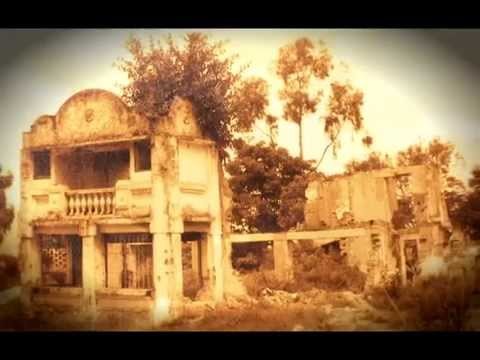
Le rovine dell'Hotel Sabaneta di Fusagasugá usato come campo di concentramento per gli immigrati tedeschi durante la seconda Guerra Mondiale.
La storia di questo romanzo è pura libidine anche solo nel mio maldestro tentativo di sintetizzarla. C’è un giornalista e scrittore, Gabriel Santoro jr., che intervista l’amica del padre Sara Guterman. Intorno a questa lunga intervista su nastro, sviluppa un libro intitolato ‘Una vita in esilio’. Sara giunse in Colombia nel 1938 ancora adolescente, parte di quella comunità di espatriati tedeschi ebrei che si aggiunse a quella italiana, spagnola eccetera. Dall’Europa si scappava per ovvi motivi, il Sud America accoglieva come poteva. Durante la guerra il presidente Roosevelt impose sanzioni sugli espatriati provenienti da nazioni nemiche, come la Germania. Sappiamo bene quello che successe in suolo USA – ma non solo lì: la Colombia seguì il dictat statunitense e creò campi di prigionia-concentramento per i suoi cittadini di origine tedesca, più o meno in odore di simpatie naziste. Operazione che spinse alla delazione, e anche al regolamento di conti: non sempre finiva dentro quello giusto, e a volte restava libero quello sbagliato.
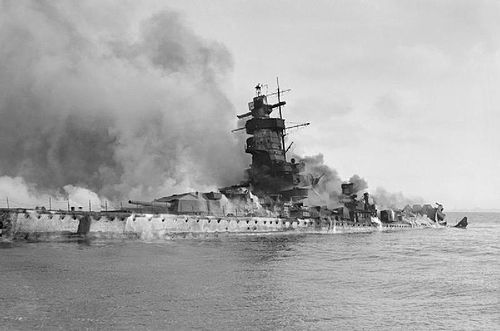
L’incrociatore pesante tedesco Admiral Graf Spee in fiamme dopo la battaglia del Rio de la Plata del dicembre 1939.
Sara racconta a ruota libera: ma non così libera – infatti evita sempre di menzionare il nome del suo amico Gabriel Santoro Sr, padre del giornalista scrittore intervistatore. Poi succede che quando esce il libro del figlio, l’unica severa spietata stroncatura sia firmata JS, proprio le iniziali del padre. Ma perché? E perché il padre, personaggio noto e ammirato in tutta la Colombia, ha una mano senza quattro dita? Chi e perché gliele ha tagliate a colpi di machete? E perché adesso che è un settantenne che ha recuperato una seconda vita dopo un’operazione al cuore, addirittura con una nuova relazione sentimentale, muore in uno strano incidente in un luogo dove non si sarebbe dovuto trovare? La televisione rivela fatti del passato del morto, avvocato e docente universitario, che aprono una nuova scatola. Dalla quale ci s’inoltra nel racconto di un altro tedesco immigrato, finito nel campo di concentramento mostrato dalla foto, che si suicidò poco dopo esserne uscito. Perché? Un altro mistero. Qui il mio riassunto si deve fermare per evitare spoiler.
La prima matrioska, quella più grande che contiene tutte le altre, quella che si chiama ‘madre’ forse è il clima che il nazismo scatenò nel mondo, di qua e di là dell’oceano. La più piccola, la più interna, quella che si chiama ‘seme’, è forse un tema al quale JG Vásquez ha dedicato un intero romanzo, la reputazione. Effetti a valanga, come una valvola che si apre e scatena un getto che diventa cascata.
Un libro molto bello, la cui complessità di lettura è una ricompensa per me lettore.
Molto tempo dopo qualcuno mi avrebbe fatto questa domanda: Dove si trovava quando hanno ucciso Escobar? Prima mi avevano domandato: Dove si trovava quando hanno ucciso Galán, quando hanno ucciso Pizarro? Ho pensato che in effetti era possibile, una vita scandita dai luoghi dove ci si trova quando un altro viene assassinato…
αυτό το βιβλίο μιλά για τις προσωπικές και τις συλλογικές αφηγήσεις, συμπληρώνει την Κολομβία του συγγραφέα που εμείς στην Ελλάδα γνωρίσαμε πρώτα με τον Ήχο τον πραγμάτων όταν πέφτουν, μιλά με ρεαλισμό και αυτοαναφορικότητα για το πως η καταγραφή των γεγονότων επηρεάζει τα ίδια τα γεγονότα και όλα αυτά τα κάνει με τρόπο που εμένα μου κεντρίζει ιδιαίτερα το ενδιαφέρον
πολλοί θα ρωτήσουν "είναι Οι πληροφοριοδότες τόσο καλοί όσο και Ο ήχος των πραγμάτων"; όχι, δεν είναι. έχει αυτό σημασία; όχι, δεν έχει καμία απολύτως, αυτό εδώ είναι ένα πάρα πολύ καλό βιβλίο που εδραιώνει τον Vásquez σαν ένα από τους καλύτερους ξένους συγγραφείς που έχουν συστηθεί στο ελληνικό κοινό τα τελευταία χρόνια
A Really Good book takes what you think you know and tosses it against what you are learning and makes these thoughts spiral out in sometimes beautiful pas de deux and other times contradictory cyclones - crazy cyclones, colliding with everything else you were sure you knew.
A son, Gabriel, a storytelling journalist writes the story of Sara, his father’s “shadow sister” a German Jew who emigrated to Colombia with her family in the 1930s. This was a scary time for Germans in that country, no matter how many years prior to that time they had established themselves there, because the USA decided to create a blacklist of Germans for Colombia to use for punitive measures. Those named were confined, lost their businesses, homes, essentially everything - much like the Japanese Americans did in the USA. And like the Japanese Americans in the USA, the German Colombian list was not based on anything real, on any real Threat. It was created by rumor, nonsense, sometimes grudge and spite. There were Informers. I can’t help but note, as a citizen of the USA, that German Americans suffered no such loss in Norte America, and imagine that their skin color protected them. Anyway - back to our story: The son has many reasons to tell Sara’s story, not the least of which is that she kept voluminous records and stories, and loved to share them with the son of her good friend.
“...Sara asked me why I wanted to write about her life… I could have said… And to think about the past, oblige someone to remember it, was one way of doing it, arm wrestling against entropy, an attempt to make the disorder of the world, whose only destiny was a more intense disorder, stop, be put in shackles, for once defeated.”
But the real reason is to please his distant, authoritarian, respected, nationally known, academic father. But after the publication of the book, in brutal contradistinction, Gabriel receives what might as well be a public lashing. His father writes a completely unnecessarily scathing review, full of ad hominem attacks. A precipitous estrangement follows, the son, confused, is frozen from his father’s life for years, decades - until the old man needs a life saving multivessel coronary artery bypass which results in the tumbling, cascading events of this story.
This is the second book by this author I’ve read. Like the first, this book wraps Colombia’s contemporary history tightly around the characters and whether you like them or not, you find yourself entranced. One of the precipitating cyclones in this book, for me, was Secrets - those held within families, shared and unshared.
“If…Colombia no longer existed and only we existed, and you asked me what went on, I could tell you everything…Later you’d be sorry you knew. One gets contaminated by this kind of knowledge, Gabriel…”
I was suddenly reminded of a Secret I learned (as an adult) of my family that I really wish I hadn’t ever known, wish that I didn’t know. I had to stop reading for that day. Another sign of a Really Good book. Methinks.
Once all is learned, Gabriel, the son, realizes that his life is not the life he thought it was, nor was his father’s the life he thought his father’s had been:
“The deeds were present: they were current, immediate, they lived among us: the deeds of our fathers accompanied us….I thought: It happened this week. All through my father’s life this just happened. I thought: This is my inheritance.
Such a Good book.
We know our individual history began many generations before we were born. We carry the genetic, epigenetic, emotional gifts and weaknesses of our ancestors; we are defined by the lives, places, and decisions made long before we are conceived.
But this book took me further. A second Cyclone was JGV’s ability to clarify (or is it, make you question?) the role of our Where and When, not just our To Whom. How we are very much defined by our country, our region. I begin to wonder if we have any real autonomy or are only allowed a bit of Brownian motion in a closed domain. Are we just variations on a fenced-in theme dictated by time, regional, and political inheritance? Are we just living out the myths our ancestors learned and we assumed to be echt? Are our narratives, our structures, limited, established, stickier than we can possibly see? And now who creates those myths? Amazon, Instagram, TikTok?
Just such a Good Book. The writing, the characters, the history, the story - all very nourishing.
WOW! This is Vasquez's first novel which Mario Vargas Llosa proclaimed "One of the most original new voices of Latin American literature." This book backs that claim. Although he has only three novels, I have read two (one in Spanish and English translation) and he is securing my vote. His writing is clear and concise and yet, very human dialogue but his plots weave wonderful tales of "What's next?" They are a form of human detective stories, with the main characters searching and reflecting on what they are searching for but the way he does it amazes me.
The plot I can barely give away other than a son, who is a journalist writes a book about a nefarious period of Columbia when the German immigrants suspected of being Nazi sympathizers are blacklisted. A good friend to his father, Sara, Guterman, a German Jew whose father ran a hotel that these blacklisted Germans were housed, tells her story and it is published in a book by the journalist. Tensions arise when the father, a prominent rhetorician and professor rebukes his son and the novel through a nasty review in a local paper. Then the father undergoes heart surgery and is nursed back to health by the son and Sara, things begin to change fast. This is about all I can say without the spoiler alert.
Vasquez weaves a novel within the novel and his hunt for the truth leads to questioning his own involvement. His language, masterfully translated, is so well-delivered that I could barely put the book down. There is a nice notes page at the back that helps to explain certain historical figures which makes this a great touch.
Awesome read. A writer to read for the sake of great stories.
Latin Amerikalı yazarların tarihleriyle, kendileriyle ve hatta bu örnekte olduğu gibi babalarıyla (anlatıcının babası) hesaplaşmalarına bayılıyorum. edebiyattan ne kadar çok şey öğrendiğimi birkaç yıl evvel oggito’ya yazmıştım. bu kez de 2. dünya savaşında kolombiya’ya göçen almanların, yahudi ya da değil, yaşadıklarını öğrendim. devlet demek kirli tarih demek ama iş hesaplaşabilmekte. romanda gabriel sontoro gibi ağzından onur, gurur vs. gibi sözleri düşürmeyen bir hatipin oğlunun kitabına gösterdiği tavırdan belliyse de geçmişinden bazı şeyleri sakladığı, roman o kadar ustalıkla yazılmış ki hem herkes haklı hem herkes suçlu... her insan hata yapar, bunu temize çekebilmek ne kadar mümkün, roman bunu tartışırken öyle muhteşem bir hasta baba ve çocuk ilişkisi çiziyor ki uzun süredir hasta olan babamla ilişkimi düşündüm hep. edebiyat... iyi ki.
Μου αρέσει όταν μαθαίνω για μία πλευρά της ιστορίας του κόσμου μέσα από την λογοτεχνία. ( Β' Παγκόσμιος Πόλεμος και πως επηρεάστηκαν άλλες χώρες, μακρυνές )
Παραδέχομαι πως στην αρχή με δυσκόλεψε γιατί δεν κυλούσε όπως θα ήθελα. Αλλά σιγά σιγά η ιστορία σε κερδίζει, οι χαρακτήρες κάθονται δίπλα σου και ακούς τι σου λένε ( παράλογο; ) Αυτό το βιβλίο είναι ένας καφές με παρέα που μαθαίνεις τι έχει συμβεί και που κατέληξαν τα γεγονότα.
Το βιβλίο προφανώς με ταλαιπώρησε, σε σημείο που δεν ήξερα αν γι'αυτό ευθυνόμουν εγώ λόγω αναγνωστικής κοιλιάς ή ο Vasquez που δεν μπόρεσε να με τραβήξει στην ιστορία του λόγω μια ιδιαίτερης φλυαρίας που απαιτούσε απ'τον αναγνώστη είτε να χαθεί στην αφήγηση ή να αρχίσει να μετράει πόσες σελίδες πέρασαν από τότε που ξεκίνησε να αφηγείται ένα απλό περιστατικό μέχρι να καταφέρει να επιστρέψει σε αυτό κ να το περιγράψει (μέτρησα 12 σελίδες την πρώτη φορά, εν ολίγοις είχα ξεχάσει για ποιο πράγμα μιλάμε).
Οι Πληροφοριοδότες έχουν ένα πολύ πιο ενδιαφέρον θέμα απ'ότι ο Ήχος των Πραγματών[...] κ ουσιαστικά τονίζουν κ πάλι ότι ο Vasquez είναι ένας ταλαντούχος γραφιάς. Το πρόβλημα μου μαζί του είναι τεχνικό κ αυτό είναι κάτι που δεν μου συμβαίνει συχνά γι'αυτό κ προβληματίζομαι αφύσικα πολύ μαζί του. Στους Πληροφοριοδότες επιλέγει ένα λεπτό θέμα της ιστορίας της χώρας του (όσα γίνονταν τον καιρό του Β'ΠΠ στη χώρα που ήταν τόπος ξενιτιάς για πολλούς Γερμανοεβραίους κ κρυψώνας για πολλούς φασίστες), κ το προσεγγίζει με έναν ιδιαίτερο τρόπο που θυμίζει ακαδημαϊκή σπουδή. Όλα στριφογυρνούν γύρω απ΄τη μνήμη κ τη διαχείριση της, όχι με τον τρόπο που απασχολεί τον Barnes, τον Banville ή τον Modiano (αυτοί κοιτούν πιο πολύ τα παιχνίδια που κάνει κ πως οι άνθρωποι την τροποποιούν ως αμυντικό αντανακλαστικό) αλλά ως κάτι που με τα χρόνια κατακερματίζεται αρκετά ώστε να χάνονται τα κομμάτια που υπενθυμίζουν τα λάθη του καθενός. Πολύ ωραίο θέμα δηλαδή που αναλύεται διεξοδικά κ με έντονο τρόπο.
Αν και αργεί να πάρει μπρος, οι τελευταίες 150 σελίδες διαβάστηκαν σε ένα απόγευμα, γεγονός τρελό για μένα απ΄την στιγμή που πέρασα σχεδόν 4 εβδομάδες με τις υπόλοιπες, ενώ παράλληλα τελείωσα ένα τούβλο για το ΝΒΑ κ διάβασα 15-20 σελίδες από 9 ακόμα βιβλία (τα μέτρησα) όταν ακόμα δεν ήμουν σίγουρος αν θέλω να το ολοκληρώσω ή να το αφήσω για μια άλλη στιγμή. Ο Vasquez ακόμα κ αν δεν με ικανοποιεί πλήρως με ιντριγκάρει αρκετά για να συνεχίζω να παρακολουθώ τι κάνει. Σχεδόν χαίρομαι που έχει πάει καλά για να συνεχίσει ο Ικαρος να μεταφράζει τα βιβλία του. Απ'την άλλη, κάθε λίγες σελίδες με ενοχλεί με την παιδιάστικη σιγουριά του, ακόμα κ σε στιγμές που με βρίσκει σύμφωνο. Επειδή είναι ένα βιβλίο που αξίζει πάντως τον κόπο με δυνατές κ ολοζώντανες εικόνες (το ταλέντο που λέγαμε), δεν θα έλεγα σε κανένα να το αποφύγει. Δεν είμαι σίγουρος γιατί.
Υ.Γ. Αναμενόμενο σχόλιο αλλά αυτό εδώ μπορεί να είναι κ το καλύτερο εξώφυλλο που έχει κάνει ο Κούρτογλου για τον Ίκαρο κ ένα απ'τα καλύτερα που έχω στη βιβλιοθήκη μου.
Δυνατός Βάσκες! Μια δεύτερη ανάγνωση, στα ελληνικά του μαιτρ Αχιλλέα Κυριακίδη, και σε χαρτί (το είχα διαβάσει προ ετών στα αγγλικά και σε Kindle), μου επέτρεψε να απολαύσω όλο τον πλούτο του μυθιστορήματος, και να εκτιμήσω την προσπάθεια, την πραγματικά σκληρή προσπάθεια, του Κολομβιανού συγγραφέα να βρει τη φωνή του, τους τρόπους και τους λογοτεχνικούς τόπους του. Το θέμα της προδοσίας σε εξονυχιστική πολύπτυχη εεξέταση. Οι Πληροφοριοδότες μοιάζουν με ατέρμονη ανάπτυξη του διηγήματος ῾῾Το Θέμα του Ήρωα και του Προδότη᾽᾽, του Borges.
En los últimos tiempos me he retrasado muchísimos en reseñar los libros que he terminado entonces por efecto del tiempo se me han ido olvidando muchos detalles de ellos. Igualmente recuerdo lo suficiente como para poder hablar un poco de este libro
de uno de mis autores favoritos en español.
Esta historia trata de los dos Gabriel Santoro, padre e hijo.
Uno periodista, uno abogado.
Su relación nunca fue la mejor y llegó un día en el que Gabriel hijo escribió un libro sobre la historia de la vida de Sara Guterman, vieja amiga de la familia e inmigrante judía alemana que llegó al país años antes de la Segunda Guerra Mundial. Cuando esto sucede, Gabriel Santoro padre es quien se encarga de publicar una reseña que habla muy mal del libro de su propio hijo.
Pero Gabriel, no sabia que su padre tenía un motivo del pasado que el libro de su hijo volvió a traer al presente. Algo que no quería recordar.
Esta novela es la historia de un libro contada en otro libro. La historia de Una vida en el exilio, el libro periodístico que Gabriel escribe sobre Sara y la historia del pasado y lo que sucedió luego de la publicación del libro. Es una historia que habla de los alemanes e hijos de alemanes que llegaron a Colombia y que luego fueron acusados de hacer parte de la ideología nazi y puestos en listas negras, la Lista de Bloqueados Nacionales, que Estados Unidos sugirió hacer para llevar un control de los posibles ciudadanos que tuvieran ideologías nazis o apoyaran al partido nacionalsocialista.
Siempre es bueno leer algo de lo que no sabías de tu propio país y lo que hace Vásquez es un ejercicio de reconstrucción desde el punto de vista del protagonista, en que el que su padre y su amiga Sara juegan roles vitales.
Vamos conociendo una historia en la que el pasado tiene sus hondas pero invisibles ramificaciones en el presente.
Me gustó particular mente el momento en el que la voz de Sara la que habla y nos cuenta su perspectiva desde que llegó a Colombia y como fue su vida desde entonces.
También no podía dejar de llegarme que el protagonista es periodista y la reflexión que el libro hace del derecho que se tiene de contar las vidas ajenas y lo que es privado no debería contarse como publico. Es una cuestión que siempre me dio que pensar mientras estudié la carrera y en el libro me gusto ver que el protagonista se lo cuestione aunque no siempre actúa como se supone debería ser.
Aunque la novela tenga párrafos muy largos y no siempre sea tan fácil de seguir y hacer pausas, es una historia bien escrita y con buenos personajes.
Los informantes en una novela que me ofrece lo que ya he visto de Vásquez, una buena historia con buenos elementos y con personajes que agrada acompañar. Muy recomendado.
"Mas a imagem do meu pai a chorar ficou associada, sem remédio, ao seu desejo de corrigir palavras velhas, e, ainda que eu não possa provar que essa era a sua exacta intenção - não pude interrogá-lo a fim de escrever este livro, e tive de valer-me de outros informadores, tenho para mim que, nesse momento, o meu pai pensou, pela primeira vez, aquilo que, com tanto detalhe e tão má sorte, voltaria a pensar mais tarde; esta é a minha oportunidade. A sua oportunidade de corrigir erros, de sanar faltas, de pedir perdão, porque lhe fora outorgada uma segunda vida, e a segunda vida, toda a gente sabe, vem sempre acompanhada da obrigação impertinente de corrigir a primeira."
Δεν ξέρω αν αυτό το βιβλίο είναι χειρότερο από το ''Ο ήχος των πραγμάτων όταν πέφτουν'' που όλοι μου το εκθειάζουν. Αυτό που ξέρω όμως είναι ότι αυτό είναι ένα πολύ καλό βιβλίο. Η Ιστορία επίσημη και ανεπίσημη και η μνήμη συλλογική και ατομική διατρέχουν το βιβλίο. Τι είναι αυτό που χαράζεται μέσα μας και μας καθορίζει. Πόσο υπεύθυνοι είμαστε για αυτά που κάνουμε όταν τα κάνουμε; Γνωρίζουμε όλες τις παραμέτρους και το πως μπορεί να επηρεάσουμε άλλες ζωές; Μια ιστορία προδοσίας ηθελημένης, επιπόλαιης; στοιχειώνει το βιβλίο. Ο προδότης μεταμελείται ειλικρινά ή όχι; Όλα δοσμένα μέσα από την ανταγωνιστικότητα ενός υπερταλαντούχου αξιοσέβαστου πατέρα με τον ταλαντούχο περίεργο γιο του που ψάχνει να βρει την αλήθεια. Υπέροχη γραφή ρέουσα με δυνατές εικόνες. Η εικόνα του Κονραντ όταν πάει να πουλήσει τον τελευταίο του δίσκο δεν φεύγει από το μυαλό μου.
Gern wird Juan Gabriel Vásquez als Nachfolger von Gabriel Garcia Marquez gehandelt, obwohl sein Schreiben oftmals eher an das eines Javier Marías erinnert. Was fällt auf? Eine Menge Namen, um einen aktuellen Schriftsteller zu definieren. Da wäre es vielleicht besser, den Autor als Solitär zu behandeln, einfach ohne Vergleiche auszukommen und ihm und seiner Sprache Gerechtigkeit widerfahren zu lassen.
Vásquez früher Roman DIE INFORMANTEN (Original: LOS INFORMANTES/2004) weist bereits viel von jenem Können auf, das seine späteren Werke so aufregend und speziell macht. Die Vermischung von historischer Wirklichkeit und fiktionalem Erzählen, das dennoch oft dokumentarischen Charakter besitzt, die schachtelartigen, fast labyrinthischen Assoziationsketten, die von einer Figur zur nächsten führen, sie beschreiben, charakterisieren, Wesentliches ihrer Geschichte umreißen, um dann wieder zur aktuellen Szene zurückzukehren, die thematische Beschäftigung mir der Frage nach dem Bruch zwischen den Generationen – all das ist hier bereits angelegt und weit ausgearbeitet. DIE INFORMANTEN ist ein ebenso spannendes, wie in seiner Struktur ernüchterndes Buch, das geschickt mir der Realität, mit Annahmen und Spekulationen, mit Geheimnissen und den Wahrheiten dahinter spielt.
Ein junger Mann – der Ich-Erzähler Gabriel Santoro, ein Journalist – schreibt ein Buch über eine gute Freundin seines Vaters, Sara Guterman, deren Familie aus Nazi-Deutschland geflohen und in Bogotá ein neues Zuhause gefunden hatte. Der Vater, eigentlich Fabrikant von Beruf, eröffnete in der kolumbianischen Hauptstadt ein Hotel, in dem einst Deutsche, aber auch andere internationale Gäste abstiegen. Santoros Buch erscheint und findet wenig Aufmerksamkeit, bis sein eigener Vater, der ebenfalls den Namen Gabriel Santoro trägt (dies mag wohl wirklich eine Reminiszenz an Marquez und sein Jahrhundertwerk HUNDERT JAHRE EINSAMKEIT sein), das Büchlein öffentlich – zunächst in einer seiner Vorlesungen, er ist Professor für Rhetorik an der juristischen Fakultät, dann in einer führenden Zeitung – gnadenlos verreißt. Jahre später bittet der Vater den Sohn um einen Besuch. Es kommt zu einer Aussöhnung, ein paar wenige Jahre können die beiden noch einander wohlgesonnen verbringen, bis der Ältere bei einem Autounfall stirbt. Und jetzt erst, langsam, Schicht für Schicht, entblättert sich die wahre Geschichte hinter der Wut des Alten auf den Sohn beim Erscheinen von dessen Biographie der Gutermans.
Erinnerung ist eines der großen Themen dieses Buchs und in Vasquez Werk generell. Ein Foto, das wir immer schon kennen, eine Geschichte, die in der Familie immer schon auf gewisse Art, in einem gewissen Duktus erzählt wurde – und dann erfahren wir ein Detail, von dem wir bisher nichts ahnten und plötzlich ändert sich alles auf dem Bild, alles in der Erzählung. Was schon lang vertraut war, wird uns fremd. Vasquez gelingt es brillant, diese Veränderungen einzufangen und zu beschreiben, das Gefühl der Entfremdung zu vermitteln, das damit einhergeht, die besser kennen zu lernen, die wir immer zu kennen glaubten. Und umso größer die Entfremdung, wenn das eigentliche, das nie geahnte Thema Verrat lautet.
Während des 2. Weltkrieges ging ein Riss durch die deutsche Gemeinde in Kolumbien. Da gab es jene, die schon lange in der Fremde lebten und nur noch verklärte Erinnerungen an ein Deutschland besaßen, daß wilhelminisch geprägt in den 1. Weltkrieg stolperte, es gab aber auch jene, die das Aufkommen der Nazi-Diktatur begrüßten und trotz ihres Lebens in Südamerika deutsche Großmachtsträume träumten. Schwer, die einen von den andern zu unterscheiden. Und die, die mit den Nazis nichts am Hut hatten, kamen nicht immer umhin, mit jenen an einem Tisch zu sitzen, die sich selbst mit den Nazis identifizieren konnten. Es ist diese Melange, die dazu führt, daß Konrad Deresser, ein alteingesessener Deutscher, in die Mühlen der kolumbianischen Justiz gerät, als es dem Land nicht mehr möglich ist, sich aus den Weltläuften herauszuhalten. Die USA verlangen nach Eindeutigkeit und Positionierung und so wird nicht mehr wirklich unterschieden. Umso schlimmer, wenn der eigene Name dann von einem Freund, einem vermeintlichen Freund, genannt wird und die Folgen Inhaftierung und sozialer Abstieg – über die Stationen Ächtung und finanzieller Ruin – sind. Gabriel Santoro der Jüngere muß über den Vater lernen, daß dieser ein Informant gewesen ist, mehr noch: Ein Denunziant. Und Santoro der Ältere muß jenes Buch, das der Sohn einst schrieb, wie einen Angriff aufgefasst haben, wurden hier doch Dinge aufgerührt, die nicht nur er, der an eigenes begangenes Unrecht erinnert wurde, obwohl es in diesem frühen Werk nirgends erwähnt wird – der Sohn hatte zu dieser Zeit keine Ahnung von den Zusammenhängen – gern in den Schatten der Vergangenheit, im Meer des Vergessens versteckt und versunken belassen hätte.
So wird der Sohn zum Vatermörder, unwillentlich, was natürlich an die antiken Dramen anschließt und in einer vom Machismo geprägten Gesellschaft eine besondere Note erhält. Vasquez, dessen Ich-Erzähler kein sympathischer Mensch ist, ein Mann, der zugibt, keine Freunde zu haben, da Menschen für ihn im Grunde Material darstellen, bringt all diese Ebenen nahezu genial miteinander in Verbindung. Und lässt die Frage offen, wer eigentlich alles denunziert und informiert. Denn ohne die bereitwillige Auskunftsfreude seiner Freundin Sara Guterman hätte Santoro Junior nie erfahren, was sich einst abgespielt hat. Nur die letzte Freundin seines Vaters, jene Physiotherapeutin, die ihn nach einer schweren Herzattacke körperlich wieder auf Vordermann gebracht hatte, weiß um die Geschichten von einst – und breitet sie, nachdem die sich von ihrem Geliebten verraten gefühlt hatte – genüsslich im Fernsehen zur besten Sendezeit aus, um einen Nationalheiligen, zu dem der Professor nach seinem Unfalltod erhöht wurde, zu stürzen. So wird die Verratene zur Verräterin und Sara, die gegenüber Gabriel dem Jüngeren eine Verpflichtung empfindet aus alter Verbundenheit, muß ebenfalls zur Verräterin, zumindest aber zur Informantin werden, um den jungen Journalisten davor zu schützen, unvorbereitet in den Mühlen der öffentlichen Schande zerrieben zu werden.
Für einen deutschen Leser ist natürlich die Schilderung spezifisch deutscher Schicksale iin einem fernen Land im Krieg von besonderem Interesse. Selten, daß man diese Perspektive und die Bedeutung gespiegelt bekommt, die es hat, wenn Deutsche im Ausland zunächst miteinander ringen, was die Haltung zum Nazi-Regime betrifft, und dann Leidensgenossen werden, wenn sie ohne Differenzierung zu Feinden erklärt und inhaftiert, bzw. interniert, werden. Auch, wenn diese Inhaftierung ohne sonderliche Härten (Folter, Mord, verschärfte Verhöre) vonstatten ging, wird in Vasquez´ Buch doch deutlich, was Stigmatisierung bedeutet, worin die soziale Härte einerseits, der Verlust von Würde und Ehre andererseits besteht. Gerade am Beispiel des Konrad Deresser wird dieser Ablauf exemplarisch und kompromißlos durchgespielt. Anhand seines Sohnes, zu dem Gabriel Santoro der Jüngere schließlich Kontakt aufnimmt, kann der Leser sehr gut nachvollziehen, wie einst begangenes Unrecht, wie lange zurückliegende Begebenheiten, wie die Geschichte, auch Jahre danach noch Einfluß auf das Leben der Menschen nimmt. Zugleich ist aber an diesem Beispiel auch nachzuvollziehen, daß es auch einen ganz anderen Umgang mit der Geschichte geben kann. Einen gelassenen, vielleicht resignativen. Welcher Weg der bessere oder auch nur gangbarere ist, Vasquez lässt es offen und den Leser mit dieser Frage allein.
Es zeugt von großem Mut, wie hier wahrlich Unerhörtes (im Wortsinne) sich schließlich als ebenso willfährig, wie banal entpuppt, wie Leben beschrieben werden und sich oft doch anders entwickelt haben, als es ein junger Autor vielleicht gern hätte, im Sinne einer aufregenden Geschichte. Vasquez nutzt vielerlei (post)moderne Formen – Erzählung, Dialoge, Interviewfetzen, Verschachtelung, assoziatives Schreiben – um den Leser zu packen und doch immer auf sicherem Pfad in die Untiefen seiner Geschichte zu ziehen und dort entlang manchmal kaum mehr erkennbarer roter Fäden vorwärts zu führen. Dabei den Boden, das Ziel nicht zu verlieren, verdeutlicht das enorme schriftstellerische Vermögen. Sicher, vieles wirkt hier noch konstruiert, manches nicht hundertprozentig überzeugend, was Vasquez in späteren Büchern eleganter löst, besser aufbereitet und geschickter miteinander verquickt und vermischt. Doch zeugt schon DIE INFORMANTEN von der großen Könnerschaft dieses Autors, die ihn vielleicht zum besten zeitgenössischen Schriftsteller Südamerikas macht.
Wow. I had to step back, take a breath, and simply sit in silence for a moment to process what I’ve been reading over the last few days. The backdrop of this story is a young Colombian writer is telling the story of a German expat who fifty years earlier, came to Colombia at the outset of World War II. His motives for writing this are unclear but it seems it’s in part to earn the esteem and respect of his father, a respected legal figure in the community. When his father publishes a scathing and derisive review of his book ("This little book is both very original and very good. But the part that is good is not original and the part that is original is not good.”) for seemingly unclear reasons, things begin to unravel in everyones lives. What follows is a look at identity, betrayal, repentance, and the excavation of memories and events that plead to remain buried. The latter being summed up by one of my favorite passages in the book:
“Transparency is the worst deception in the world, my father used to say: one is the lies one pronounces.”
Quando o jornalista Gabriel Santoro publicou o seu primeiro livro, não imaginava que a crítica mais implacável fosse ser escrita pelo próprio pai. O tema parecia inofensivo: a vida de uma amiga da família, judia chegada à Colômbia em fuga da Alemanha nazi, pouco tempo antes da eclosão da Segunda Guerra Mundial. Por que razão terá o seu livro sobre Sara Guterman ferido o pai a ponto de o levar a humilhá-lo publicamente? Que segredo imprevisto esconderão aquelas páginas? O que alimentará a raiva e a alienação do patriarca? Impelido pela morte misteriosa do pai num acidente de automóvel, Santoro decide indagar a verdade, antes que o passado lhe escape por completo. A investigação irá destapar impensáveis traições e segredos da história familiar. Na dolorosa reconstrução do retrato da família - sombrio, complexo, enigmático - acabará por descobrir um episódio sinistro do seu país nos anos de trevas da Grande Guerra, a catástrofe que deixou a Europa em escombros e tocou milhares de vidas no outro lado do Atlântico. [Resumo da responsabilidade do Plano Nacional de Leitura 2027]
ISBN: 978-989-665-815-1
CDU: 821.134.2(861)-31
Livro recomendado PNL2027 - 2020 1.º Sem. - Literatura - dos 15-18 anos - maiores 18 anos - Fluente
Αναρωτιόμουν αν θα με αρέσει όσο κι ο Ηχος των Πραγμάτων Όταν Πέφτουν του ιδίου. Στην αρχή έλεγα «μπα, όχι». Στη συνέχεια έλεγα «μάλλον ναι». Ελάχιστα πιο φλύαρο απ' ό,τι θα ήθελα. Πέραν τούτου, αψεγάδιαστο. Το φινάλε καταπληκτικό.
I liked the writing but giving it three stars because sometimes the plot really bored me. Maybe I didn't get something but sadly it just wasn't really my thing.
A hands down winner. This first novel by one of Latin American literature's leading new lights sets up the table with an intricately crafted situation and then steamrolls through a plot that is as complex as it is crazy revealing the dark undercurrents of a society mired by the confusion and disquiet of WWII, and trying to come to terms with a decade of indecision and secrecy when even the closest of individuals harbors a chilling fact. The result- the debut of one of Latin American literature's future superstars and probably one of the torchbearers of a new crop of Colombian and Latin American writers. It only suffices to add that Juan Gabriel Vasquez is one of my favorite modern writers, and together with Jorge Volpi and Rodrigo Fresan are some of the most prominent names that comes to mind when one talks of modern Latin American writing.
Here also, just like in his later works, he demonstrates his remarkable literary skills in crafting a dramatic first situation that leads on to further thrills as the layered plot opens up one by one to reveal the tense underbelly of a society on tenterhooks at the aftermath of WWII. A lot of it reminds me of a similar Jorge Volpi novel- In Search of Klingsor. The deftly crafted situations, the remarkable twists and turns that weaves on and off between time frames, and some wonderfully painted characters will leave the reader at the edge of their seats, anticipating with a pounding heart and with bated breath for the last paragraph, the last line- the final key to the door of secrets.
That is one thing I like a lot about the novels of JGV- there is always a certain point in the narrative where the key to the door of mysteries will open and will lead you through a phantasmagoria of events and incidents that will leave you quite overwhelmed unless you turn back a few pages to get to the source of some key focal point in the narrative.
A novel at once tense and complex- a poetic threnody to the duplicity in human relations, and a paen to the elemental mode of mischance in human conduct. Highly recommended!
Colombia. Gabriel Santoro junior, giovane giornalista con velleità letterarie, pubblica un romanzo d’esordio che parla della vita di Sara Guterman, carissima amica di famiglia ormai signora attempata, ebrea tedesca scappata, ancora bambina, con i genitori dall’altra parte del mondo per evitare i campi di concentramento hitleriani. Inspiegabilmente, la stroncatura più feroce all’opera di Gabriel Santoro arriva da parte di Gabriel Santoro senior, il padre, professore universitario, retore moralista e figura incorruttibile della vita pubblica in quel di Bogotá. La stroncatura segnerà un ostacolo insormontabile tanto nella carriera letteraria di Gabriel junior, quanto nei rapporti tra padre e figlio. Finché un giorno il cuore di Santoro senior ha bisogno di un’operazione delicata per ricominciare a funzionare. Scampato alla morte, il padre ricucirà i rapporti con il figlio e con l’amica Sara, intesserà una relazione con la fisioterapista Angelina e troverà la morte ad aspettarlo di ritorno da un viaggio da Medellín insieme alla nuova compagna. Non fosse abbastanza, Gabriel figlio ritrova a dover far fronte allo sgretolarsi della figura pubblica del padre una volta che Angelina rivelerà un segreto inconfessabile del passato dell’uomo: Santoro è stato un informatore della polizia colombiana che durante la Seconda Guerra Mondiale ha fatto finire in un campo di prigionia in Colombia il padre di un caro amico, Enrique Deresser, morto suicida dopo la fine di una Guerra che gli ha regalato la prigionia, il fallimento della propria attività commerciale e del matrimonio, perché accusato (senza prove) di essere un simpatizzante del Reich. Trama interessantissima, trattata con l’inesperienza tecnica che Vásquez non mostrerà nel successivo ‘El ruido de las cosas al caer’. La prima parte del romanzo, non mi passava più. Troppo complicata, troppo lunga (340 pagine suddivise in 5 corposi capitoli) con tutti i salti temporali e l’introduzione di parecchi personaggi in scena. C’è un po’ di confusione nella struttura. Ne risente la lettura, che quando ingrana poi prosegue liscia, ma arrivarci al punto in cui tutto accelera e sembra che i fili della narrazione giungano a una risoluzione! Leggibile? Sì. Godibile? Da metà in poi, assolutamente sì. Ruscito? Sì. Interessante? Sì. Consigliabile? Sì, ma è meglio l’altro.
Book by Colombian author which in concept is incredibly similar to Soldiers of Salamis (which has the same translator).
The Informers refers to the historical underpinnings of the book (explained in an afterword)– during WWII and under American pressure the Colombian government broker relations with the Axis powers and then introduced a series of blacklists of Axis citizens suspected of Nazi sympathies who were subject to detention (albeit in good conditions) and severe economic sanctions before during and after detention. In practice many on the list were not the true sympathisers but those informed on by others.
Gabriel Sontoro is a journalist a profession looked down on by his father (of the same name) a famous (which seems bizarre at least in an English concept) professor of rhetoric.
He publishes his first book – a story (particularly recounting in general terms some of the above) of a Jewish German lifelong friend of his father, who emigrated to Colombia with her father (who ran a famous hotel) shortly before WWII. Gabriel’s father reacts furiously to the book and claims that his son has committed a violation of by speaking of things the victims themselves have had the courage to keep silent about – first of all criticising it in lectures (where he implies that he was himself a victim of the blacklists due) and then perversely ensuring the book’s fame by publishing a devastating review.
The main part of the book (from the beginning) is in fact Gabriel’s second book – an autobiographical tale telling how this second book came to be written. In the first section, we hear the story of the first book interwoven with a tale of how after a heart bypass gives him a second life Gabriel’s father attempts a reconciliation with him, at the same time starting an affair with his post-op physiotherapist Angelina. After going on a trip to Medellin with Angelina for a New Year break he is killed driving back alone, Sarah hears rumours that Angelina is going to make an expose of Gabriel senior and pre-empts it by telling Gabriel the truth about his father. Her account is reproduced in detail forming the second section and tells of the the story of another émigré family – the Deresser’s whose son Enrique was friends with Sarah and Gabriel during the war. Shortly after a dinner at which Deresser senior has a huge row with Enrique over his passive sympathy if not admiration for some pro-Nazi German Colombians, he is added to the blacklist, his wife leaves him never to return, his business is ruined and his very passivity means he cannot face its ruins post war and commits suicide. Shortly after Gabriel Senior loses a hand after being attacked by a machete and admits to Sarah that is was a revenge attack by Enrique (who subsequently disappears) as he was the informer (Gabriel Jr had always been told his father lost his hand as a child). In the third section Gabriel finds out more from Angelina (who tells him his father abandoned her in Medellin and went to see Enrique who he had found out was living there) and decides to write his second book. The postscript is after the publication – Gabriel is invited by Enrique to visit and finds out his father did meet Enrique but that Enrique refused him absolution – the book ends with them both visiting the accident scene and speculating silently on whether Gabriel committed suicide as a result or did have a genuine accident.
Excellent and powerful book – most of all a meditation on the power of the spoken word and on the themes of forgiveness and inheritance (of past sins as well as past grudges), all interwoven with the violence of life in Colombia and the difficult double life of the émigré.
If you have not been to Latin America, you really should go. It can be hot or cold, jungle or desert, urban or rural, Spanish or Portuguese, European or Indigenous, or any infinite number of other variables. However, the one constant everywhere is the feeling that anything could happen at any time and none of it would surprise you in the least. This book captures that unique feeling which the author attributes to Colombia, but really exists everywhere in South and Central America, which can look so much like the first world, but definitely is not.
The story is set within the German and Jewish diaspora to Latin America and involves the decision to imprison many German immigrants, including nationalized citizens, in concentration camps during World War II. While there is not a natural inclination to feel pity for the descendants of that most destructive race at that horrible moment in history, the author movingly tells the tale of some of those poor souls who, like most Japanese-Americans, were done a grave injustice. The interactions between the German Jews and their Gentile countrymen are fascinating, since they largely ignored the inconvenient fact that the Holocaust was occurring across the ocean and instead focused on their common immigrant experience which is hard to describe, but so familiar to my first generation life.
The story is also about the constant betrayals which routinely occur in our lives, between fathers and sons, lovers, friends and total strangers. It questions whether you can ever really know or trust anyone, and whether anyone could really trust you if you were completely honest with them about yourself and all the things you have said and done. Is honesty really the best policy?
The writing is excellent, if often lengthy and without convenient punctuation, paragraphs or pauses. But this makes it all the more effective since it seems so natural, like you are listening to your own mother, sister or friend confess their sins or complicity in some great offense. As a result, the book creates a feeling of extreme honesty which is increasingly rare in literature or anywhere else today, probably for good reason.
Ένα πολύ ξεχωριστό βιβλίο,μια άγνωστη πτυχή της Ιστορίας του Β' Π.π,μια ιδιαίτερη γραφή,μια υπέροχη μετάφραση.
Ξεκίνησα την ανάγνωσή του πριν ένα μήνα,ίσως και κάπως λιγότερο. Στην αρχή είναι πολύ δύσκολο να "μπεις" στην υπόθεση του βιβλίου:η εύθραστη σχέση πατέρα-γιου με αφορμή διάφορα γεγονότα στη ζωή τους(που άτυπα συνδέονται)καταλαμβάνει τις πρώτες 100+ σελίδες.Βέβαια,το γεγονός ότι η μτφ. είναι εξαιρετική σε συνδυασμό με την υπομονή του αναγνώστη που αναζητά αυτό το "κάτι" σε όποιο βιβλίο πιάσει,συνεχίζει κανείς την ανάγνωσή του και τελικά δικαιώνετα. Η εξέλιξη της ιστορίας με εντυπωσίασε! Άγνωστα στοιχεία της Ιστορίας του Β' Π.π,σε μια χώρα πολύ μακριά από τη βουή του πολέμου στην Ευρώπη,έρχονται στην επιφάνεια με έναν μοναδικό τρόπο παρουσίασης,που εκπλήσει για μυθιστόρημα.Έχεις την αίσθηση ότι διαβάζεις ένα άρθρο-μελέτη και παρακολουθείς βήμα-βήμα τα στάδια της έρευνας. Μέσω των ηρώων&των συναισθημάτων τους,που καθορίζονται φυσικά από τα βιώματά τους,τα μηνύματα του συγγραφέα είναι πολλά και διαχρονικά:φιλία,προδοσία,δικαιοσύνη όλα αυτά μαζί με το δικαίωμα στη Μνήμη ή στη Λήθη.Και τι γίνεται τελικά;Επέρχεται η κάθαρση;
Ο Βάσκες για εμένα ήταν μια ακόμη συγγραφική έκλπληξη της εξαιρετικής νέας συλλογής του Ικάρου. Με εντυπωσίασε που κατάφερε να αναμετρηθεί επάξια με ένα δύσκολο θέμα:την παρουσίαση ιστορικών γεγονότων μέσω μυθοπλασίας. Λόγος πυκνός αλλά εξαιρετικά μτφ. από τον κ.Αχιλλέα Κυριακίδη.
despite blurbs from john banville, vargas llosa, carlos Fuentes, colm toibin, this isn't the greatest thing since garcia marquez. but it IS GOOD, novel about modern Colombia, what they remember (about fascism in the 1940's, and beyond) and what they choose to forget. in spain, they call it the great forgetting, or the silence, in how they deal with their horrid civil war. in colombia, they tell half-truths, opposite truths,. what do we tell ourselves in usa? patriotic mf's.
Sin ser el mejor de Vásquez, sigue siendo una obra maestra en los temas que trata. Da para reflexionar bastante y muestra una realidad de la historia de Colombia prácticamente olvidada - incluso por algunos de los personajes de la novela. Todo muy bien hilado. Le daría un 4.5 si pudiera
The translation is terrible, which is quite surprising, because I had read another translation by McLean a long while ago, of Soldados de Salamina by Javier Cercas. And that translation was very good, I must say. This, meanwhile, has lapses like p. 148, where Arendt is confusingly believed to be a man (a he-). The book is the rookie version of a masterpiece. It has hurries, it has lapses, but it is very well-planned, the same movie is referred to in two uncannily different locations, for example, and a lot of internal references like these keep recurring. Not the product of your run-off-the-mill creative writing schools (which I hate), more methodical, more organic, more daring. Daring to be a different book than you would initially believe. The quality shines through, even throughout the careless translation.
If you like to stare into the mirror for hours until you see your parents, this book might be for you.
With at least a small amount of deference to Sr. Vasquez, I have to say that this book was a dull journey through self-reflection that likely lost a tremendous amount of flavor in translation.
The fact that this book is based on Colombian history from WWII put me at a disadvantage, because I know nothing about Colombian history. Thus, without further research, I found myself feeling as if I was the least important member of a group discussion happening between the author and his various characters, and while I am merely the reader in this relationship, I felt that perhaps I was in my rights to hope to be included more.
While I like to believe I am not a dolt, much of the nuance and intrinsic tension hidden in the turn of phrases of the original language were surely flying over my head while I trudged through the 77 pages that I could bring myself to read. Even though I speak very little Spanish, even "Los Soplones" strikes me as a more powerful term than "the informers." I would have liked to have the deviousness and darkness of "the black lists" that this book references be caught more (perhaps "The Betrayers" for example).
The fact that the publisher decided to be artistic and collapse dialog into the same paragraph without line breaks (as in "Why are you going there?""Because I wish too.""Oh.") just added to the difficulty in sussing out the subtleties that Sr. Vasquez likely planted between the lines; I fear deeply that much of the Colombian spice didn't make it across the translation.
Now, given all of that failure on the part of the English producers, I might have still succeeded to the top of this mountain of a book save for one thing: this is a book by a writer, about a writer, who reflects on a years long tension that he has had with his father, also a writer, about a book that the writer son wrote about one of his father's closest friends and the review that his father wrote about the book that he wrote about the life of this friend during a time when people were giving each other up to lists of names that were, well, written down -- the Black Lists. There's a LOT of writing going on about writing -- and the book spirals inward, leaving descriptive text to the side like so many faded flowers in a hospital room filled with dying writers.
While Sr. Vasquez may have an astonishingly lovely navel, I just could not bring myself to stare at it as long, or as deeply as he did himself.
I find it most telling that my edition of this book has a few weakly charming reviews written on the dust cover -- and every single one of them is by an author ... you know ... writers.
really interesting insight into colombia post world war II and the characters were really well written. minus half a star for the extremely long sentences - 4.5 stars
Les cuento mi experiencia, porque de verdad no sé cómo explicarles este libro...
Empezamos con los personajes. Se desarrollan lentamente. Hay párrafos y párrafos, monólogos enteros. Precisamente así es el estilo de J.G. Vásquez. Cuando empecé leer, esperaba un 'thriller', o algo por el estilo. Las páginas se me escapaban, estaba devorando los párrafos, y todavía no llegaba a la médula de la novela. Empecé a odiarlo (me refiero a Vásquez). Lo odié porque me agarró con su narrativa de opio, y no me dejaba ni dormir. Seguí de la misma manera, y llegué al centro de la 'acción'; precisamente ahí entendí que la magia y la belleza de esta novela es en la misma narrativa! No llegué a tener uno de estos momentos "aja!", cuando uno descubre lo que gastó horas buscando-no señor! La belleza se encuentra en los personajes, en esta cebolla cuyas capas el autor nos pelaba, una por una, hasta revelarnos los personajes completos, las angustias cada uno vivía, los sentimientos, los miedos. Acabo de coexistir con los personajes, parece que los conozco, íntimamente, cada uno de ellos. Hay tantos detalles sobre cada uno que el lector puede viajar, libremente, al mundo de esta novela, conocer los rincones y las avenidas, sentir lo que sienten ellos. Lo considero una obra maestra. Cada autor que pueda lograr algo así merece mi respeto.
I read Juan Gabriel Vasquez's The Informers as part of my Around the World in 80 Books challenge, for the country of Colombia. It has been so highly reviewed, and I was very much looking forward to it, particularly so when I read Nicole Krauss' thoughts. I found it quite intriguing at first, but it certainly took me a little while to get into the flow of the prose. Whilst the novel is both well written and translated, I did not really feel compelled to read on whenever I put it down. At no point did I actually feel as though The Informers grabbed me; it constantly had a feeling of detachment, despite the first person narrator. The sections seemed quite disjointed, in that all of them felt separate from one another. For me, The Informers did not quite come together, and I am oscillating at around the 2.5 star mark as its rating.