RETURNING LOST LOVES is a kaleidoscope of a story set in and around Tel Aviv. Using a variety of perspectives, Kenaz skillfully takes the reader on a tour of life in Israel today, and does so with an eye-opening honesty and freshness. His shifting camera lens focuses on several a beautiful young woman obsessively involved in a torrid affair with a rascal of a married man; a young soldier who has gone awol, thereby torturing his Zionist parents; an old Ashkenazi trying desperately to keep his apartment house free from lower-class, vulgar, Sephardic newcomers who are trying to make over the basement into an apartment for their daughter; a paralyzed elderly man dependent on, and more and more devoted to, his Filipino maid and her violent lover. Kenaz follows these people and their situations through dizzying shifts of attention, but always remains true to life with his own brand of distilled reality, not to mention his ever-present black sense of humor. The scenes accumulate in a curious satisfaction, finally ending in murder and revelation. Kenaz has written his most entertaining and modern novel yet, one that resonates with as much hard truth as hard beauty.
" Returning Lost Loves is a subtle, dark novel about loneliness and obsessions, but at the same time it is a wonderful comedy about the paradoxes of love and the fierceness of jealousy." -- Amos Oz
"Though he has interests in common with Malamud and Appelfeld, he creates a pathos powerfully his own." -- Philip Roth
Yehoshua Kenaz (Hebrew: יהושע קנז, born Yehoshua Glass) was one of Israel's leading novelists. Kenaz studied Philosophy and Romance Languages at the Hebrew University, and French literature at the Sorbonne. A translator of French classics into Hebrew, he has worked on the editorial staff of the Ha'aretz newspaper. Kenaz, currently living in Tel Aviv, was awarded the 1995 Bialik Prize.
Sono storie che corrono parallele, salvo essere qua e là congiunte o trovare confluenza comune (due sul finale): per esempio, il protagonisti maschile di una (marito e moglie in pena perché il figlio è partito per raggiungere l’esercito e molto presto sparisce, diserta e diventa uccel di bosco) è il capo cantiere che costruisce l’abuso edilizio di un’altra narrazione; la badante dell’anziano monologante fa le pulizie nella garçonnière teatro di un’altra storia.
Sembra esserci unità di luogo, un condominio, ma così non è, l’unità di luogo si realizza perché son tutte ambientate a Tel Aviv dove l’efficienza delle forze dell’ordine, della sanità, il grado di civiltà dei cittadini e degli impiegati pubblici non ha nulla da invidiare all’incivile inefficienza di zone che conosciamo bene per esperienza diretta, vedi Roma capitale, e non ricorda per nulla l’efficienza e l’abilità che l’esercito israeliano ci ha abituato a riconoscere, che per evidentemente errata estensione si tende a ritenere qualità comuni all’intero paese.
Kenaz usa per lo più la terza persona, lascia che sia il narratore onnisciente a condurre la danza: però, quasi a voler aggirare quello che per lui sembra un limite, la voce in terza singolare è ridotta all’osso, si procede per lunghi dialoghi, neppure granché raffinati, un po’ così (addirittura sei pagine di uno scambio tra amiche sentito per caso sull’autobus!). E poi c’è una voce omodiegetica, quella dell’anziano malato accudito dalla filippina, che dice di poter parlare ma preferisce tacere, ha le funzioni fisiche ridotte al minimo, epperò una voce monologante quanto mai loquace. Ed è quella a lungo più fastidiosa.
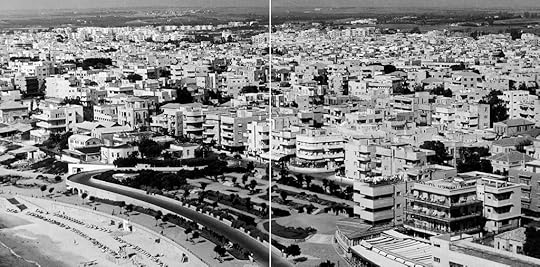
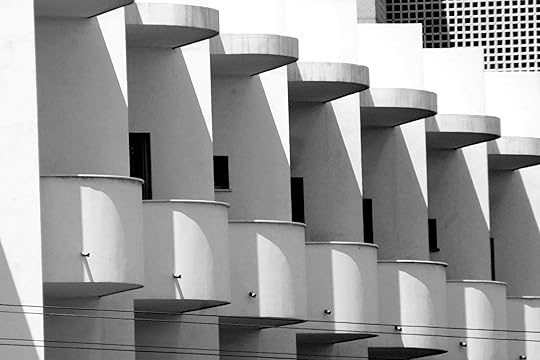
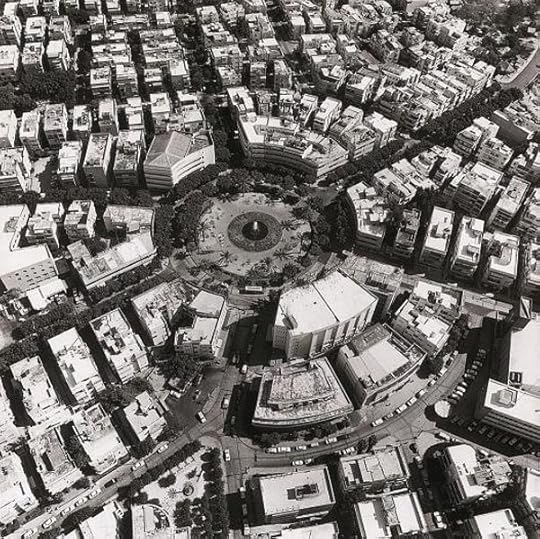
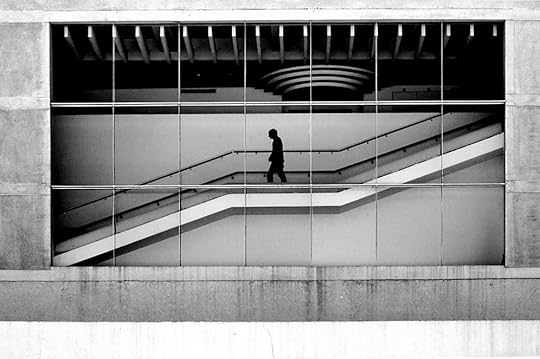
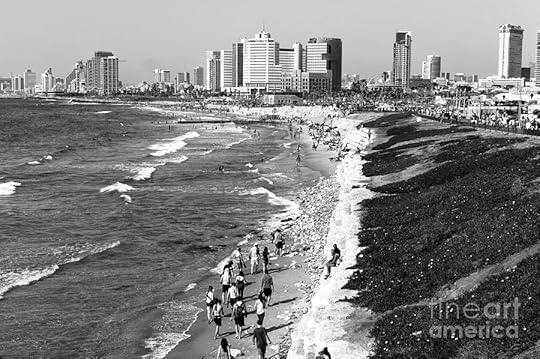
Bauhaus a Tel Aviv.
Il titolo è magnifico, ma l’incanto finisce lì. Dopodiché si entra nella gamma dei grigi, che possono essere superbi se compresi tra bianco e nero: ma Kenaz rinuncia a questi due colori, niente bianco e nero nella sua scrittura, niente bianco e nero nei suoi personaggi. A meno che non si vogliano considerare nero, o a scelta bianco, le ultime venticinque pagine, che comunque sollevano il tono del romanzo e gli fanno meritare la mia terza stella.
Tel Aviv, la città bianca.
Per condensare il mio pensiero uso parole di Giulio Mozzi che ho scoperto con grande meraviglia di condividere (non so quanto altro io possa condividere con Mozzi): Il risvolto [dell’edizione Mondadori del 1999] dice: “La casa e le case [dove si svolgono le vicende] diventano teatro di piccole e grandi vicende fatte di riso e di dolore, un paesaggio umano che mostra grandezze e squallori, ritratti con calore e ironia”. Niente di più convenzionale e falso. Le vicende sono solo piccole, c’è solo dolore e squallore, e piuttosto che di ironia parlerei di un grottesco così misero da non essere nemmeno vagamente tragico. Semplicemente, storie così succedono, e Kenaz le ha raccontate con la prosa più tetra del mondo. Le lettere sgrammaticate di Schwartz, che forse dovrebbero essere comiche, sono illeggibili (enormi problemi di traduzione, suppongo).
Mi trovo a dissentire solo sulla parte finale della sua asserzione: non credo ci siano problemi di traduzione, o per lo meno, non sono enormi – ma voler restituire il modo di parlare stentato e cosparso di errori dell’amministratore emigrato dalla Polonia è un’impresa, ardua incluso per il lettore. Sgradevole, fastidiosa, anche perché sono brani lunghi, non poche parole, non qualche battuta sparsa, ma pistolotti compatti che si fa fatica a digerire. Tra l’altro, non si capisce come mai questo personaggio abbia lingua fluente e senza errori, e invece scrittura stentata e piena di sbagli.
Aggiungo che mi pare Kenaz privilegi un’umanità grigia, come già detto sopra, mediocre, tendente al pusillanime, senza spina dorsale. Si potrebbe anche dire un’umanità meschina, sostanzialmente vile, propensa a non agire, se non alle spalle. Un’umanità che esce di casa in vestaglia e pantofole, un’umanità dal colorito giallastro, spesso malata, mai giovane, che Kenaz descrive con stile narrativo anche questo improntato alla gamma dei grigi. I picchi sono nel tono del grottesco, quello che io più fatico a digerire.
Tutta la vita non è altro che un vano tentativo di asciugare il mare goccia a goccia.
הספר הראשון של קנז שאני קוראת, במסגרת ניסיוני להשלים את השכלתי בתחום הספרות העברית. בספר יש מספר קווי עלילה, ששזורים זה בזה, ומתקדמים במקביל, וכל אחד מהם נסוב סביב דמות מסוימת בספר. הדמויות קשורות אחת לשנייה בעקיפין. החוט המחבר בין כל הסיפורים הוא הכמיהה לבית, ביטחון, שייכות, קשר, אהבה. מושג הבית חוזר רבות בספר ובא לידי ביטוי גם בציטוטים מתוך שיר של דליה רביקוביץ ומתוך תהילים, וגם בגלל מקום ההתרחשות המרכזי - בניין בתל אביב. בחלק מהעלילות לדמויות יש קונפליקט מסוים בין הרצוי אך הבלתי מושג לבין המצוי אך הבלתי נחשק. הבחירה בבלתי מושג בסופו של דבר מובילה למאורע טרגי המתרחש בספר. ההתעקשות שלא לקבל את מה שהחיים מציעים לנו, אלא לרדוף אחר איזשהו חלום לא ריאלי, מובילה לכישלון ולתוצאות בלתי רצויות וקשות. לעומת זאת, עזרא, שבנו עורק מהצבא, מחליט בהחלטה מושכלת "לזרום" עם הבן, לקבל אותו ולהשלים עם המצב שהמשפחה נקלעה אליו, במקום להמשיך להתעקש על ערכיו ולהתנכר לבנו. כתוצאה מכך, בגלל הקבלה הזו של המציאות, בנו בסופו של דבר חוזר ויוצר קשר עם ההורים. "מחזיר אהבות קודמות" הוא ידעוני שמוזכר בסיפור שמספרת אישה שנוסעת באוטובוס לרעותה. בת של מכרים שבן זוגה נפרד ממנה, פונה לידעוני על מנת שיעשה כישוף שיחזיר אליה את אהובה. הכישוף מצליח אך האהוב השתנה, והוא לא אותו אדם שהיא רצתה מקודם. אהבתי את המסר הזה בספר - שעלינו לקבל ולזרום עם מה שהחיים מציעים לנו ולהתקדם משם, במקום לשגות באשליות לא רצויות. אהבתי גם את הכתיבה, ועבורי הקפיצה מעלילה לעלילה (לפעמים באופן פתאומי) הייתה מרעננת ועזרה לי לשמור על ריכוז ומתח גבוה בקריאה. ספר מוצלח בעיניי, אבל ייתכן שסגנונו לא יתאים לכולם.
E' perfetto. Forma e contenuto. Scrittura piana, semplice e nel contempo potente. Questo libro pare abbia braccia e mani che ti prendono per il collo e non ti lasciano più andare. Non é un caldo abbraccio però e quando lo posi fai fatica a districartene.
העלילה מתפצלת לעלילות משנה שלא בהרכח נקשרות אלא מייצרות אווירה ומעבירות את המסר של המחבר: ישנם בני אדם שחיים בשולי החברה חיים עלובים, מסכנים, ללא אהבה וללא בית ומשפחה. חיי בדידות עגומה ומזהרת.
הספר מתאר את הרומאן בין חזי וגבי בדירת המסתור השכורה. קשר נטול אהבה המתקיים במחשכי דירת האהבים. ככל שחזי מתרחק מגבי, כך מתעצמת תשוקתה כלפיו והיא נתלית בו כאוויר לנשימה.
יעקב, אביו של חזי, אדם זקן בכיסא גלגלים, מטופל על-ידי לינדה הפיליפינית וידידה חמום המוח פדרו. חזי מסרב להכניס את האב לבית אבות מטעמים אינטרסנטים שלו ואביו הולך ונעשה תלוי יותר בלינדה ופדרו.
אבירם, רווק מזדקן, שותף במשרד תיווך, חי עם כלבו בדירה הסמוכה לדירה השכורה של חזי וגבי. הוא מתאהב בגבי, רק מהקשבה לתינוי האהבים של גבי וחזי מבעד לקיר המשותף.
עזרא ורותי, הוריו של אייל, חייל צה"ל שעורק מהצבא ונעלם מהבית. פרשייה לא ברורה ולא מפורשת. לא ברורה מערכת יחסיו עם הוריו והטינה הסמויה שלו אליהם.
פרשת המחסן שהפך לדירה בלא היתר מהעירייה, על-ידי יפה הג´ינג´ית ובעלה עבור בתם, למורת-רוחו ההולכת ונטרפת של מר אריה שוורץ, ראש ועד הבית. סיפור של אלימות פיזית ומילולית חסרת רסן.
קנז יודע לכתוב אבל האפלוליות והעגמומיות של עלילות המשנה ממש מדכאים. האלימות הסמויה והגלויה, הבדידות המכוערת מסמלת את המציאות המודרנית.
Ci sono autori che hanno delle predilezioni e, se capita che di loro si leggano più libri, s'impara a scoprirle. Kenaz, secondo me, predilige le storie multiple, concentrate in uno spazio piccolo -come un condominio- ed ha un certo fascino per l'elettricità. Per gli anziani e per gli immigrati, per i soldati in crisi di coscienza e per gli uomini (di sesso maschile) fragili.
P.s. In Mondadori sanno che tra paese e Paese c'è differenza, come tra stato e Stato?
Un romanzo in cui si intrecciano le storie di vari personaggi, narrate a episodi come in un film. Non ho trovato un vero filo conduttore e il finale mi ha stupito perché non sappiamo come finiscono le varie storie, ma solo una. Un libro certamente particolare, ma non uno dei miei preferiti. Peraltro, la lettura è stata un po' guastata dai troppi refusi...
I liked the perspective changes and the style of writing. I enjoyed the literature feel to this book and it made me think about how love works. And how every person can have a very different perspective.