

What do you think?

El Eternauta #Remake
The Eternaut 1969
In the 1950s, pioneering comics writer Héctor Germán Oesterheld authored the serialized science-fiction adventure story The Eternaut, now a seminal Argentine graphic novel. In 1969, Oesterheld rebooted his narrative as a dark warning for a mature readership; Alberto Breccia manifested the tonal shift with an expressionistic, disorienting art style.
In The Eternaut 1969, a deadly “snow” falls. Juan Salvo’s small household of family and friends are spared, protected inside his home—but what horror awaits them in the silent, deserted streets of Buenos Aires? Venturing out in search of supplies, our everyday heroes soon join the resistance against an enemy far more sinister than anything they could have imagined.
In The Eternaut 1969, a deadly “snow” falls. Juan Salvo’s small household of family and friends are spared, protected inside his home—but what horror awaits them in the silent, deserted streets of Buenos Aires? Venturing out in search of supplies, our everyday heroes soon join the resistance against an enemy far more sinister than anything they could have imagined.
64 pages, Hardcover
First published September 18, 1969
About the author
Héctor Germán Oesterheld
143 books243 followersHéctor Germán Oesterheld Puyol fue un guionista de historietas y escritor de relatos breves argentino de ciencia ficción y novelas
Seudónimos: H. Sturgiss, C. de la Vega, Francisco G. Vázquez, Germán Sturgiss, Héctor Sánchez Puyol, Joe Trigger, Patrick Hanson.
Nació en el año 1919 en Buenos Aires. Hijo de Ferdinand Kurt. Estudió y se graduó en la carrera de geología. Fanático de H. Melville y Joseph Conrad. A partir de 1950 cuando comienza a escribir guiones de historietas y relatos de aventuras. Entre muchos otros artistas, trabajó con sus hermanos Jorge Mora Oesterheld y Nelly Oesterheld.
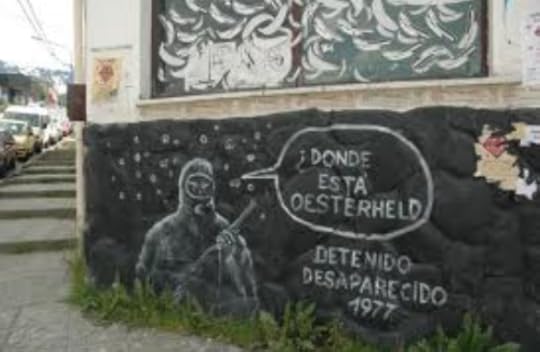
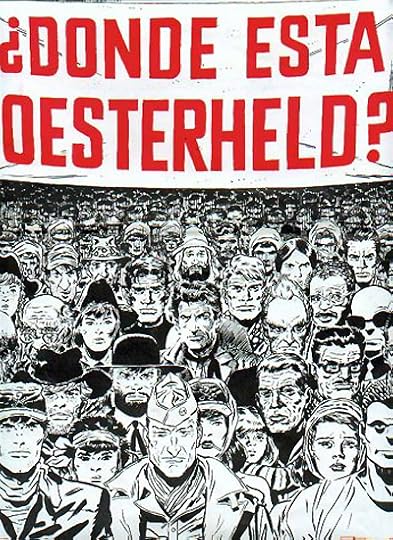
Publicó en las revistas "Misterix", "Hora Cero", "Frontera", entre otras. Sus personajes más conocidos son Sargento Kirk, Bull Rocket, Ernie Pike, Sherlock Time y Mort Cinder. Pero es sin dudas El Eternauta la creación que le ha dado un lugar entre los maestros de la historieta, y le permitió superar ampliamente el género. Apareció por primera vez en 1957, en la revista "Hora Cero Semanal" con dibujos de Solano López. Más tarde modifica algunos detalles del guión y la publica en "Gente" con dibujos de Alberto Breccia, pero por problemas con la editorial, Oesterheld es obligado a terminar la historia en tres entregas, transformándola en un resumen de la historia original de "El eternauta". En la década del setenta aparece la segunda parte en la revista "Skorpio", otra vez de la pluma de Solano López. A principios de la década del setenta se incorporó a la organización Montoneros. El 27 de abril de 1977 fue secuestrado en La Plata. Estuvo detenido en Campo de Mayo y en una cárcel clandestina de La Tablada. Se cree que fue asesinado en Mercedes.
Sus cuatro hijas también están desaparecidas. Oesterheld desapareció en 1977, durante la última Dictadura Militar. Los sobrevivió su viuda, Elsa Sánchez de Oesterheld.
Seudónimos: H. Sturgiss, C. de la Vega, Francisco G. Vázquez, Germán Sturgiss, Héctor Sánchez Puyol, Joe Trigger, Patrick Hanson.
Nació en el año 1919 en Buenos Aires. Hijo de Ferdinand Kurt. Estudió y se graduó en la carrera de geología. Fanático de H. Melville y Joseph Conrad. A partir de 1950 cuando comienza a escribir guiones de historietas y relatos de aventuras. Entre muchos otros artistas, trabajó con sus hermanos Jorge Mora Oesterheld y Nelly Oesterheld.
Publicó en las revistas "Misterix", "Hora Cero", "Frontera", entre otras. Sus personajes más conocidos son Sargento Kirk, Bull Rocket, Ernie Pike, Sherlock Time y Mort Cinder. Pero es sin dudas El Eternauta la creación que le ha dado un lugar entre los maestros de la historieta, y le permitió superar ampliamente el género. Apareció por primera vez en 1957, en la revista "Hora Cero Semanal" con dibujos de Solano López. Más tarde modifica algunos detalles del guión y la publica en "Gente" con dibujos de Alberto Breccia, pero por problemas con la editorial, Oesterheld es obligado a terminar la historia en tres entregas, transformándola en un resumen de la historia original de "El eternauta". En la década del setenta aparece la segunda parte en la revista "Skorpio", otra vez de la pluma de Solano López. A principios de la década del setenta se incorporó a la organización Montoneros. El 27 de abril de 1977 fue secuestrado en La Plata. Estuvo detenido en Campo de Mayo y en una cárcel clandestina de La Tablada. Se cree que fue asesinado en Mercedes.
Sus cuatro hijas también están desaparecidas. Oesterheld desapareció en 1977, durante la última Dictadura Militar. Los sobrevivió su viuda, Elsa Sánchez de Oesterheld.
Ratings & Reviews
Friends & Following
Create a free account to discover what your friends think of this book!
Community Reviews
Displaying 1 - 30 of 102 reviews

July 30, 2017
LA LIBERTÀ IN UNA TERRA SENZA LIBERTÀ

Per letteratura e cinema la distopia è più attraente dell’utopia: la prima genera quanto meno un conflitto, che, si sa, è elemento essenziale della narrativa, sia letteraria che cinematografica.

E così, eccomi alle prese con un’altra distopia: l’Argentina degli anni Cinquanta (nella versione originale del fumetto, in questa siamo invece al decennio successivo) è all’improvviso invasa da forze aliene che sterminano la popolazione prima di tutto con una neve tossica. I pochi sopravvissuti, tra cui il narratore, l’eternauta del titolo, si organizzano con tute stagne confezionate in casa e maschere a gas, si armano e mettono insieme squadre di resistenza che lottano contro gli alieni a colpi di lanciaraggi.

È da notare che la neve a Buenos Aires succede più raramente della morte di un papa: dal 1918 si passa a quasi un secolo dopo, 2007, per registrare un fenomeno che in questa città è un evento.
Le nazioni occidentali hanno lasciato il Sud America al suo destino: hanno stretto un patto coi marziani lasciando che occupassero e sterminassero i latinos. Una variante che echeggia il classico atteggiamento di politica estera dei gringos, considerare l’America Latina una colonia.

Laggiù...Altri bacarozzi con altri lanciaraggi!
Nell’invasione e nella repressione si sente l’eco delle dittature e dei colpi di stato che hanno travagliato la politica argentina. Héctor Germán Oesterheld divenne sempre più oppositore e sempre più vicino al gruppo dei Montoneros. Nel 1976 la dittatura argentina sequestrò e uccise due sue figlie, Beatriz Marta e Diana Irene – nel 1977 tocca allo stesso Oesterheld, che non riappare più e probabilmente fu eliminato l’anno dopo, nessuno sa dove, il corpo non è mai stato trovato – a fine 1977 è desaparecida anche la sua terza figlia, Marina, incinta di otto mesi, che aveva già perso il marito nello stesso modo – un mese dopo viene uccisa anche l’ultima figlia, Estrela Inés, insieme al marito.
La dittatura argentina non lascia testimoni.

Secondo i registri raccolti dal CONADEP, Oesterheld fu detenuto nella caserma Campo de Mayo e nei centri di detenzione clandestina conosciuti come El Vesubio e El Sheraton e fu visto anche nel Batallón de Arsenales 601 Domingo Viejobueno; fu assassinato, si crede, a Mercedes, in provincia di Buenos Aires, nel 1978.
Quello che comunque più mi ha colpito di questo fumetto è la qualità delle tavole di Alberto Breccia: splendide, magiche, ricche, sapienti, evocative.
A tal punto che nel 1969, quando questa storia fu ripubblicata settimanalmente sulla rivista Gente, i disegni di Breccia scatenarono le proteste dei lettori fino a spingere il direttore a sospenderne la pubblicazione. Disegni troppo raffinati, troppo poco espliciti, richiedevano troppo impegno.
Oesterheld e Breccia ci hanno regalato anche una ‘Mort Cinder’ e una biografia di Che Guevara. E siccome Oesterhled di bravi disegnatori se ne intendeva, nel 1953 collaborò anche con Hugo Pratt per “Sergente Kirk”.

Le figlie di Horacio Oesterheld: Beatriz Marta, Diana Irene, Marina e Estrela Inés. Tutte uccise dalla dittatura argentina.
Nessuno lo rivide mai in un mondo libero.
Uno dei rari sopravvissuti di un centro di detenzione clandestina soprannominato El Sheraton, testimonia: Una delle ultime immagini che ho di Hector è quella del giorno di Natale del 1977. I secondini ci hanno autorizzato a toglierci i cappucci e a fumare una sigaretta. Ci hanno lasciato parlare cinque minuti. Hector ha detto che era il più vecchio e che voleva salutare uno per uno tutti i prigionieri che erano lì. Non dimenticherò mai quell’ultima volta in cui mi ha stretto la mano. Aveva sessant’anni e il suo stato fisico era estremamente degradato.
Fatico a ricordare quale versione lessi su Linus dell’epoca – probabilmente quella originale, con i disegni di Solano López.
Ma davvero grazie a @Patrizia Galli per avermelo fatto riscoprire (https://www.goodreads.com/review/show...).
Per letteratura e cinema la distopia è più attraente dell’utopia: la prima genera quanto meno un conflitto, che, si sa, è elemento essenziale della narrativa, sia letteraria che cinematografica.
E così, eccomi alle prese con un’altra distopia: l’Argentina degli anni Cinquanta (nella versione originale del fumetto, in questa siamo invece al decennio successivo) è all’improvviso invasa da forze aliene che sterminano la popolazione prima di tutto con una neve tossica. I pochi sopravvissuti, tra cui il narratore, l’eternauta del titolo, si organizzano con tute stagne confezionate in casa e maschere a gas, si armano e mettono insieme squadre di resistenza che lottano contro gli alieni a colpi di lanciaraggi.
È da notare che la neve a Buenos Aires succede più raramente della morte di un papa: dal 1918 si passa a quasi un secolo dopo, 2007, per registrare un fenomeno che in questa città è un evento.
Le nazioni occidentali hanno lasciato il Sud America al suo destino: hanno stretto un patto coi marziani lasciando che occupassero e sterminassero i latinos. Una variante che echeggia il classico atteggiamento di politica estera dei gringos, considerare l’America Latina una colonia.
Laggiù...Altri bacarozzi con altri lanciaraggi!
Nell’invasione e nella repressione si sente l’eco delle dittature e dei colpi di stato che hanno travagliato la politica argentina. Héctor Germán Oesterheld divenne sempre più oppositore e sempre più vicino al gruppo dei Montoneros. Nel 1976 la dittatura argentina sequestrò e uccise due sue figlie, Beatriz Marta e Diana Irene – nel 1977 tocca allo stesso Oesterheld, che non riappare più e probabilmente fu eliminato l’anno dopo, nessuno sa dove, il corpo non è mai stato trovato – a fine 1977 è desaparecida anche la sua terza figlia, Marina, incinta di otto mesi, che aveva già perso il marito nello stesso modo – un mese dopo viene uccisa anche l’ultima figlia, Estrela Inés, insieme al marito.
La dittatura argentina non lascia testimoni.
Secondo i registri raccolti dal CONADEP, Oesterheld fu detenuto nella caserma Campo de Mayo e nei centri di detenzione clandestina conosciuti come El Vesubio e El Sheraton e fu visto anche nel Batallón de Arsenales 601 Domingo Viejobueno; fu assassinato, si crede, a Mercedes, in provincia di Buenos Aires, nel 1978.
Quello che comunque più mi ha colpito di questo fumetto è la qualità delle tavole di Alberto Breccia: splendide, magiche, ricche, sapienti, evocative.
A tal punto che nel 1969, quando questa storia fu ripubblicata settimanalmente sulla rivista Gente, i disegni di Breccia scatenarono le proteste dei lettori fino a spingere il direttore a sospenderne la pubblicazione. Disegni troppo raffinati, troppo poco espliciti, richiedevano troppo impegno.
Oesterheld e Breccia ci hanno regalato anche una ‘Mort Cinder’ e una biografia di Che Guevara. E siccome Oesterhled di bravi disegnatori se ne intendeva, nel 1953 collaborò anche con Hugo Pratt per “Sergente Kirk”.
Le figlie di Horacio Oesterheld: Beatriz Marta, Diana Irene, Marina e Estrela Inés. Tutte uccise dalla dittatura argentina.
Nessuno lo rivide mai in un mondo libero.
Uno dei rari sopravvissuti di un centro di detenzione clandestina soprannominato El Sheraton, testimonia: Una delle ultime immagini che ho di Hector è quella del giorno di Natale del 1977. I secondini ci hanno autorizzato a toglierci i cappucci e a fumare una sigaretta. Ci hanno lasciato parlare cinque minuti. Hector ha detto che era il più vecchio e che voleva salutare uno per uno tutti i prigionieri che erano lì. Non dimenticherò mai quell’ultima volta in cui mi ha stretto la mano. Aveva sessant’anni e il suo stato fisico era estremamente degradato.
Fatico a ricordare quale versione lessi su Linus dell’epoca – probabilmente quella originale, con i disegni di Solano López.
Ma davvero grazie a @Patrizia Galli per avermelo fatto riscoprire (https://www.goodreads.com/review/show...).

September 16, 2022
Тази книжка ми попадна случайно, но мога да кажа, че доста ми хареса!
Кой би казал, че аржентински постапоклиптичен и sci-fi комикс от 1969 година ще е толкова интересен и добре нарисуван?
Остава ми да намеря втората му част, за да науча края на историята.
Руското издание съдържа предговор от Илья Стогов - комикс историк, както и информация за комиксите и живота в тогавашна Аржентина.
Оформлението и качеството на книжното тяло са безупречни.
Кой би казал, че аржентински постапоклиптичен и sci-fi комикс от 1969 година ще е толкова интересен и добре нарисуван?
Остава ми да намеря втората му част, за да науча края на историята.
Руското издание съдържа предговор от Илья Стогов - комикс историк, както и информация за комиксите и живота в тогавашна Аржентина.
Оформлението и качеството на книжното тяло са безупречни.

February 6, 2021
When a deadly glowing snow falls, Juan Salvo and his friends must band together to survive. But what or who created a snow that is deadly to the touch?
I read Mort Cinder a while back and was blown away so I'm all in on Fantagraphics' Alberto Breccio Library. While I didn't like this one quite as much as Mort Cinder, it's still some great stuff.
The Eternaut 1969 is a retelling of an earlier Eternaut saga by Oesterheld and another artist. I haven't read the earlier version so I can't compare the two. Anyway, this reminds me of a lot of post apocalyptic fiction, like Earth Abides or pretty much any book featuring a pandemic. Juan and his friends have to venture out into their former city in home made hazard suits to keep even a flake of the deadly snow from touching and killing them.
The political climate this was written in is apparent with mistrust of the Argentinian government and the United States and the Russians selling out South America to the invading aliens, the source of the snow. Oesterheld was eventually rounded up with other dissidents and killed in the late 1970s.
The story has a scary, paranoid feel and the alien bugs look Lovecraftian at times. Breccio's art is rougher and less accessible than it Mort Cinder but he does great job conveying the frantic desperation of the survivors. Much like in Mort Cinder, he uses traditional comics methods plus charcoal, collages, and some techniques I can't quite identify.
The ending is like something out of the Twilight Zone or Tales from the Crypt. It really makes me want to read the earlier, much longer Eternaut saga if I can find the hardcover for a reasonable price. It is, alas, out of print.
The Eternaut 1969 makes for some great pandemic reading. Four out of five terror glands.
I read Mort Cinder a while back and was blown away so I'm all in on Fantagraphics' Alberto Breccio Library. While I didn't like this one quite as much as Mort Cinder, it's still some great stuff.
The Eternaut 1969 is a retelling of an earlier Eternaut saga by Oesterheld and another artist. I haven't read the earlier version so I can't compare the two. Anyway, this reminds me of a lot of post apocalyptic fiction, like Earth Abides or pretty much any book featuring a pandemic. Juan and his friends have to venture out into their former city in home made hazard suits to keep even a flake of the deadly snow from touching and killing them.
The political climate this was written in is apparent with mistrust of the Argentinian government and the United States and the Russians selling out South America to the invading aliens, the source of the snow. Oesterheld was eventually rounded up with other dissidents and killed in the late 1970s.
The story has a scary, paranoid feel and the alien bugs look Lovecraftian at times. Breccio's art is rougher and less accessible than it Mort Cinder but he does great job conveying the frantic desperation of the survivors. Much like in Mort Cinder, he uses traditional comics methods plus charcoal, collages, and some techniques I can't quite identify.
The ending is like something out of the Twilight Zone or Tales from the Crypt. It really makes me want to read the earlier, much longer Eternaut saga if I can find the hardcover for a reasonable price. It is, alas, out of print.
The Eternaut 1969 makes for some great pandemic reading. Four out of five terror glands.

July 14, 2021
La trama e' inquietante, i disegni distorti, offuscati, difficili, il risultato e' clamoroso: una versione alternativa e stupenda dell'Eternauta. Piu' breve del previsto a causa dell'insipienza dell'editore dell'epoca, resta comunque impressa come una delle piu' grandi (e angoscianti) opere a fumetti.

January 2, 2021
When Argentine comics writer Héctor Germán Oesterheld returned in 1969 to his 1950’s pulp sci-fi epic about deadly ash, alien invasion, and desperate resistance, he infused the retelling with his increasingly radical politics. Working with Uruguayan artist Alberto Breccia (who is now recognized as one of the most significant cartoonists of the 20th century), Oesterheld’s retelling of his earlier tale is less of a pulpy adventure and much more of a dark, horrific allegory of political isolationism and the violence of paranoia during the era of CIA-backed military coups in Latin America. Breccia’s dark, expressionistic illustrations brings out the psychological confusion and play up the mystery and horror of the situation.
The fact that the comic was originally serialized in a mainstream magazine pretty much doomed the project to reach an untimely end (the final few installments cram the remainder of the story into what was left of Oesterheld and Breccia’s brief 4-month run). Later works by Oesterheld would be seized and destroyed by the military dictatorship (including originals!), leaving what remains of his work to be treasured, and Oesterheld himself would be kidnapped and executed by the military junta in the late ‘70s. This new edition and translation into English makes his work available to an even wider audience.
This is Argentine comics at their very finest.
The fact that the comic was originally serialized in a mainstream magazine pretty much doomed the project to reach an untimely end (the final few installments cram the remainder of the story into what was left of Oesterheld and Breccia’s brief 4-month run). Later works by Oesterheld would be seized and destroyed by the military dictatorship (including originals!), leaving what remains of his work to be treasured, and Oesterheld himself would be kidnapped and executed by the military junta in the late ‘70s. This new edition and translation into English makes his work available to an even wider audience.
This is Argentine comics at their very finest.

January 4, 2024
Héctor Germán Oesterheld revisits the story of Eternaut a decade after the original comic. In just 60 pages he speed runs through the story (the original comics was 350 dense comic pages!). It's a bit bewildering especially with Alberto Breccia's near abstract artwork. The pace loses a lot of the intrigue the original had, all the mystery is gone.
I think you should avoid this if you haven't read the first book. It feels like reading a Cliffsnotes of the original (but with some fantastic artwork).
I think you should avoid this if you haven't read the first book. It feels like reading a Cliffsnotes of the original (but with some fantastic artwork).

June 26, 2025
Me gusta, son dibujos buenos y la trama es formidable.

November 24, 2024
Not so interesting as I was expecting!
Very dense on the dialogue side.
There were present only three kinds of aliens creatures that felt to be recycled on an endless loop.
Call me not impressed!
Very dense on the dialogue side.
There were present only three kinds of aliens creatures that felt to be recycled on an endless loop.
Call me not impressed!

June 16, 2026
Esta obra fue el origen de la difusión del trabajo de Alberto Breccia en Europa (a partir de su publicación en la revista Linus) y sigue siendo sorprendente e innovadora. Lamentablemente, fue demasiado avanzada para su época: las protestas de los lectores obligaron a acelerar el final de manera tan apresurada que este resulta casi incomprensible.
El guion de Oesterheld apuntaba ideas interesantes en comparación con la versión de 1957 —como el personaje de Susana o un mayor dramatismo—, aunque también adolecía de cierta tendencia a la sobreescritura. Sin embargo, la interrupción de la serie hizo que estas ideas quedaran truncadas.
Creo que es una excelente muestra del trabajo de Breccia en su mejor etapa, pero para el lector interesado en la historia de El Eternauta, la versión original resulta más satisfactoria.
El guion de Oesterheld apuntaba ideas interesantes en comparación con la versión de 1957 —como el personaje de Susana o un mayor dramatismo—, aunque también adolecía de cierta tendencia a la sobreescritura. Sin embargo, la interrupción de la serie hizo que estas ideas quedaran truncadas.
Creo que es una excelente muestra del trabajo de Breccia en su mejor etapa, pero para el lector interesado en la historia de El Eternauta, la versión original resulta más satisfactoria.

July 6, 2025
No sé qué es más espectacular en esta reimaginación de «El eternauta», si las ilustraciones de Breccia (¿«El Brecciernauta»?) o el momento en el que el editor dice «id cerrando, que a la gente no le está gustando» y cosas que en el original duraban páginas y páginas aquí se resuelven en tres viñetas (¡o menos!).
Pudieron tenerlo todo y no lo supieron valorar (cosa que contextualmente entiendo), pero la verdad es que gráficamente esto es un melocotonazo.
Pudieron tenerlo todo y no lo supieron valorar (cosa que contextualmente entiendo), pero la verdad es que gráficamente esto es un melocotonazo.

December 15, 2020
Wow, I was sucked in right away. I tried to pace myself and pore over the exceptional art. Breccia does amazing work, including collage and block printing.
June 22, 2026
Me gustó más la serie, pero está re weno.
Lo abandoné porque recordé que había decidido no leer más libros traducidos del español al inglés. No es lo mismo, se pierde mucho en la traducción y además me distraigo mucho preguntándome cómo estaban construidas las frases o cuáles palabras usaron en español
Lo abandoné porque recordé que había decidido no leer más libros traducidos del español al inglés. No es lo mismo, se pierde mucho en la traducción y además me distraigo mucho preguntándome cómo estaban construidas las frases o cuáles palabras usaron en español

May 9, 2025
Buenísimo. El dibujo de Breccia increíble, adelantadisimo a la época, se asimila a ese estilo de Dave McKean con un uso similar de las sombras, pero que transmite un sentimiento de terror y paranoia que en la obra original no se aprecia, capaz sacrificando ”lo heroíco” de la primer versión pero haciéndolo mucho más introspectivo. Creo que esa era la decisión de Oesterheld en parte, ofrecer dos versiones muy distintas para un mismo relato pero manteniendo la premisa. Una lástima que no fue valorado en su momento.

December 14, 2020
As a huge fan of the original Eternaut, I felt let down by this reboot. As much as I apreciate this timeless story and the even more political tone of this piece, the art hard to discern as a point that I'm wondering if the reader who hasn't read the previous version will be able to get into this one. For the fans.

February 17, 2017
3.5 / 5 stars!~

September 14, 2025
In which Juan Salvo tells his tale to another continuum.
This is a retreading of the original late-50s graphic novel El Eternauta for an older market (a conservative-leaning popular culture magazine). A few characters and details are changed, with global political ramifications for our heroes.
According to the afternote, Breccia's artwork--a surreal jumble of chiaroscuro and blurred outlines--was so confusing to readers that the serialization was cancelled, leaving Oesterheld with only two installments to finish the story. The author's left-leaning political views no doubt contributed to this, and he later claimed that entire paragraphs had been removed before publication.
As such, the story's ending is even more abrupt than the original, and just as frustrating.
This is a retreading of the original late-50s graphic novel El Eternauta for an older market (a conservative-leaning popular culture magazine). A few characters and details are changed, with global political ramifications for our heroes.
According to the afternote, Breccia's artwork--a surreal jumble of chiaroscuro and blurred outlines--was so confusing to readers that the serialization was cancelled, leaving Oesterheld with only two installments to finish the story. The author's left-leaning political views no doubt contributed to this, and he later claimed that entire paragraphs had been removed before publication.
As such, the story's ending is even more abrupt than the original, and just as frustrating.

January 13, 2025
Serialized comics from the 60s aren't always the best reading experience, especially in translation (looking at you, Barbarella), but I was pleasantly surprised by this Argentine classic. The story itself takes a familiar form, at least in the broad strokes, but the focus on the details of the survival of the primary characters as the world ends around them would have been pretty novel at the time. Recent mid-apocalyptic stories like Bird Box and A Quiet Place could easily have been cribbing from a story like this.
Ultimately, like so many serialized stories, The Eternaut was constrained by the strictures of its medium and the attention of its initial readers, but it's worth a read for modern-day comic-fans, and the additional background details provided in this Vertigo edition are quite helpful in understanding the context for the original publication.
Ultimately, like so many serialized stories, The Eternaut was constrained by the strictures of its medium and the attention of its initial readers, but it's worth a read for modern-day comic-fans, and the additional background details provided in this Vertigo edition are quite helpful in understanding the context for the original publication.

July 10, 2025
Kind of brilliant. Super dark. Alien invasion. Alternate worlds. Time travel. This is an early graphic novel, perhaps earlier than the earliest (which makes this the earliest?). Cool art that feels quite modern. The writing. Well, men are men and women are at least worth looking at. Probably if I knew the location it was set in, this would be even more impressive.
June 30, 2025
Sé que el material tiene más de lo que yo he sido capaz de ver, pero en mi incomprensión no puedo valorarlo mejor. Los dibujos no me han dicho nada y la narración (al saber que iban a cancelarlo, aceleró) es atropellada.
Quien tenga intención en la historia que no se pierda el original.
Quien tenga intención en la historia que no se pierda el original.

April 27, 2026
Es una obra de ficcion bastante peculiar y con ideas bastante avanzadas para la época y el dibujo es bastante impresionante.
Lamentablemente no me ha cuajado mucho la historia, tal vez porque no es muy de mi estilo.
Igualmente recomiendo leerla ya que no es muy larga y es un clásico.
Lamentablemente no me ha cuajado mucho la historia, tal vez porque no es muy de mi estilo.
Igualmente recomiendo leerla ya que no es muy larga y es un clásico.

April 21, 2026
el guion bueno, pero los dibujos son una pasaaaaada

July 30, 2020
"imaginamos que a experimentação pode ser perturbadora para as pessoas que temem as mudanças, a conscientização. essas pessoas talvez prefiram, como alternativa, o imobilismo, a espera de uma neve mortal."

Read
November 24, 2022Leído dentro de la edición de "El Eternauta y otras historias".

June 29, 2021
Uma boa ficção científica com forte crítica à ditadura argentina da época.

July 30, 2025
Buenos Aires, capital da Argentina, 1959. Uma preguiçosa noite. Juan Salvo, um bem sucedido empresário, prepara-se para cumprir um ritual de anos: jogar truco com três velhos amigos. Eis que, repentinamente, as luzes se apagam e uma misteriosa neve começa a cair. Perplexos eles percebem que o mínimo contato com essa neve provocava morte instantânea. Além disso não há comunicações. Com um antigo rádio de ondas curtas eles recebem informações truncadas de que há uma espécie de invasão alienígena e de que as grandes potências ocidentais, que já haviam explorado e espoliado a América Latina, fizeram um acordo com os invasores entregando a região em troca de não serem invadidos. Começa então a saga de Juan Salvo em busca de sobreviver e proteger sua família em meio à neve mortal, ao desespero de seus concidadãos e às incursões de criaturas e veículos enviados pelos alienígenas como forma de eliminar os seres humanos e viabilizar a ocupação.
Esse é o enredo básico de “O Eternauta” que, lançado originalmente em 1959, com roteiro de Héctor Oesterheld e desenhos de Francisco Solano López, e tendo como inspiração o clássico “Guerra dos Mundos” de H.G. Wells, se tornou um clássico mundial dos quadrinhos.
Dez anos depois a história foi relançada e reformatada com roteiro também de Héctor Oesterheld mas com os desenhos, nesse relançamento, a cargo de Alberto Breccia.
Os diferenciais dessa edição de 1969 são o enredo que aqui ganha contornos bem mais politizados com a invasão alienígena como uma espécie de metáfora ao autoritarismo e patriarcalismo reinantes e os desenhos de Brescia, que, ao contrário do traço mais limpo e algo tradicional de Solano López, foram estruturados em torno de uma espécie de expressionismo sombrio que dividiu opiniões já que muitos não gostaram desses desenhos considerando-os confusos e, curiosamente, inexpressivos.
Como importantes complementos para esse clássico dos quadrinhos a graphic novel traz um ótimo prefácio de autoria de André Pereira de Carvalho, doutor em Sociologia pela UFMG e um interessante posfácio intitulado “Uma revista fresca e uma história de quadrinhos podre” de autoria de Guillermo Saccomanno, escritor e ensaísta argentino e Carlos Trillo, quadrinista e professor também argentino que descreve com muitos e interessantes detalhes o contexto histórico em que essa versão de “O Eternauta” foi lançada.
Vale a pena reproduzir alguns trechos do prefácio:
“No dia 29 de maio de 1969 chegava às bancas argentinas a nova edição da revista “Gente”. Dentre uma centena de páginas, três delas se destacavam pela distinção insólita quanto ao restante do conteúdo: uma nova versão de “O eternauta”. [...] Héctor Germán Oesterheld se manteve nos roteiros, enquanto a arte de Francisco Solano López dava lugar ao gigante Alberto Breccia. [...]
Frequentemente, alguém diz que “é preciso separar a obra do artista”. Oesterheld sabia que essa é uma falsa separação, e escreveu diversos quadrinhos com um teor crítico explícito. Por seu posicionamento político de esquerda, ele e suas quatro filhas são parte dos 30 mil desaparecidos durante a ditadura argentina. A obra de um quadrinista pode ser tão importante a ponto de um governo fascista silenciar sua voz? A resposta é sim. Se a ditadura argentina não separou a obra do artista, tampouco iremos nós. Mas aqui não iremos silenciá-lo; pelo contrário, iremos reverberar o texto ensurdecedor de suas páginas.
“O eternauta” é fruto do contexto político e social de sua época. Mas Breccia e Oesterheld foram capazes de extrapolar a dimensão de seu momento histórico e produzir algo que se encaixa em qualquer conjuntura onde existam características semelhantes. [...]
Se esta obra tivesse sido lançada simultaneamente no Brasil, talvez o público aqui também entendesse o seu peso. Afinal, apenas dois dias antes do lançamento argentino, Antônio Henrique Pereira Neto, o padre Henrique, era torturado e assassinado pelo Comando de Caça aos Comunistas, em Recife. Angústia e medo já eram familiares ao brasileiro e este quadrinho aproxima o leitor da aflição de Juan Salvo em tentar proteger sua família da ameaça que os cerca. [...]
Qual a função de Juan Salvo enquanto eternauta? [...] Ele conta sua história. Sua função é a de fazer lembrar o que aconteceu, de não deixar esquecer. Se Juan e todos os demais morrerem e não houver quem conte sua história, seu desaparecimento será uma incógnita. Como diz a infame frase do ditador argentino Jorge Rafael Videla, proferida em 1979, dois anos após o desaparecimento de Oesterheld, “um desaparecido não tem entidade, não está nem morto, nem vivo, está desaparecido”.
Essa declaração ecoa ao longo do tempo, e, em julho de 2019, o presidente do Brasil Jair Bolsonaro afirma: “Se o presidente da OAB quiser saber como o pai desapareceu no período militar, eu conto para ele”. Fernando Augusto Santa Cruz de Oliveira, estudante de Direito e militante do movimento marxista Ação Popular, foi levado por agentes do Estado no dia 23 de fevereiro de 1974 e nunca mais foi visto. Não se engane: não se trata aqui de contar sua história, mas de justificar o crime cometido pelo Estado. [...]
A neve mortal que cobre toda a Argentina no quadrinho tem outros significados para além de seu sentido mais literal. Embora a obra seja apresentada como uma ficção científica, a história de pessoas como Oesterheld, Fernando Santa Cruz e o padre Henrique nos mostra que havia algo real acontecendo, tão mortal quanto os flocos de neve, cobrindo a América Latina.
De maneira terrivelmente profética, o papel do Eternauta é o papel de Oesterheld: não deixar as memórias serem esquecidas, dar voz àqueles que foram silenciados”.
“O Eternauta” (1969), dessa forma, é uma ótima pedida a despeito das polêmicas envolvendo os desenhos. Pessoalmente eu prefiro o traço mais limpo da versão de 1959. Os desenhos dessa versão realmente, em minha avaliação, são “artísticos demais” e às vezes, realmente, são um tanto confusos.
Na dúvida leia as duas versões e reflita sobre as questões que Oesterheld aborda em suas digressões acerca da sociedade e da política argentinas no particular e sul-americanas no geral.
Esse é o enredo básico de “O Eternauta” que, lançado originalmente em 1959, com roteiro de Héctor Oesterheld e desenhos de Francisco Solano López, e tendo como inspiração o clássico “Guerra dos Mundos” de H.G. Wells, se tornou um clássico mundial dos quadrinhos.
Dez anos depois a história foi relançada e reformatada com roteiro também de Héctor Oesterheld mas com os desenhos, nesse relançamento, a cargo de Alberto Breccia.
Os diferenciais dessa edição de 1969 são o enredo que aqui ganha contornos bem mais politizados com a invasão alienígena como uma espécie de metáfora ao autoritarismo e patriarcalismo reinantes e os desenhos de Brescia, que, ao contrário do traço mais limpo e algo tradicional de Solano López, foram estruturados em torno de uma espécie de expressionismo sombrio que dividiu opiniões já que muitos não gostaram desses desenhos considerando-os confusos e, curiosamente, inexpressivos.
Como importantes complementos para esse clássico dos quadrinhos a graphic novel traz um ótimo prefácio de autoria de André Pereira de Carvalho, doutor em Sociologia pela UFMG e um interessante posfácio intitulado “Uma revista fresca e uma história de quadrinhos podre” de autoria de Guillermo Saccomanno, escritor e ensaísta argentino e Carlos Trillo, quadrinista e professor também argentino que descreve com muitos e interessantes detalhes o contexto histórico em que essa versão de “O Eternauta” foi lançada.
Vale a pena reproduzir alguns trechos do prefácio:
“No dia 29 de maio de 1969 chegava às bancas argentinas a nova edição da revista “Gente”. Dentre uma centena de páginas, três delas se destacavam pela distinção insólita quanto ao restante do conteúdo: uma nova versão de “O eternauta”. [...] Héctor Germán Oesterheld se manteve nos roteiros, enquanto a arte de Francisco Solano López dava lugar ao gigante Alberto Breccia. [...]
Frequentemente, alguém diz que “é preciso separar a obra do artista”. Oesterheld sabia que essa é uma falsa separação, e escreveu diversos quadrinhos com um teor crítico explícito. Por seu posicionamento político de esquerda, ele e suas quatro filhas são parte dos 30 mil desaparecidos durante a ditadura argentina. A obra de um quadrinista pode ser tão importante a ponto de um governo fascista silenciar sua voz? A resposta é sim. Se a ditadura argentina não separou a obra do artista, tampouco iremos nós. Mas aqui não iremos silenciá-lo; pelo contrário, iremos reverberar o texto ensurdecedor de suas páginas.
“O eternauta” é fruto do contexto político e social de sua época. Mas Breccia e Oesterheld foram capazes de extrapolar a dimensão de seu momento histórico e produzir algo que se encaixa em qualquer conjuntura onde existam características semelhantes. [...]
Se esta obra tivesse sido lançada simultaneamente no Brasil, talvez o público aqui também entendesse o seu peso. Afinal, apenas dois dias antes do lançamento argentino, Antônio Henrique Pereira Neto, o padre Henrique, era torturado e assassinado pelo Comando de Caça aos Comunistas, em Recife. Angústia e medo já eram familiares ao brasileiro e este quadrinho aproxima o leitor da aflição de Juan Salvo em tentar proteger sua família da ameaça que os cerca. [...]
Qual a função de Juan Salvo enquanto eternauta? [...] Ele conta sua história. Sua função é a de fazer lembrar o que aconteceu, de não deixar esquecer. Se Juan e todos os demais morrerem e não houver quem conte sua história, seu desaparecimento será uma incógnita. Como diz a infame frase do ditador argentino Jorge Rafael Videla, proferida em 1979, dois anos após o desaparecimento de Oesterheld, “um desaparecido não tem entidade, não está nem morto, nem vivo, está desaparecido”.
Essa declaração ecoa ao longo do tempo, e, em julho de 2019, o presidente do Brasil Jair Bolsonaro afirma: “Se o presidente da OAB quiser saber como o pai desapareceu no período militar, eu conto para ele”. Fernando Augusto Santa Cruz de Oliveira, estudante de Direito e militante do movimento marxista Ação Popular, foi levado por agentes do Estado no dia 23 de fevereiro de 1974 e nunca mais foi visto. Não se engane: não se trata aqui de contar sua história, mas de justificar o crime cometido pelo Estado. [...]
A neve mortal que cobre toda a Argentina no quadrinho tem outros significados para além de seu sentido mais literal. Embora a obra seja apresentada como uma ficção científica, a história de pessoas como Oesterheld, Fernando Santa Cruz e o padre Henrique nos mostra que havia algo real acontecendo, tão mortal quanto os flocos de neve, cobrindo a América Latina.
De maneira terrivelmente profética, o papel do Eternauta é o papel de Oesterheld: não deixar as memórias serem esquecidas, dar voz àqueles que foram silenciados”.
“O Eternauta” (1969), dessa forma, é uma ótima pedida a despeito das polêmicas envolvendo os desenhos. Pessoalmente eu prefiro o traço mais limpo da versão de 1959. Os desenhos dessa versão realmente, em minha avaliação, são “artísticos demais” e às vezes, realmente, são um tanto confusos.
Na dúvida leia as duas versões e reflita sobre as questões que Oesterheld aborda em suas digressões acerca da sociedade e da política argentinas no particular e sul-americanas no geral.

June 30, 2022
Esta reversión de la historia original de El Eternauta está dibujada por Alberto Breccia y guionada (al igual que la anterior) por Oesterheld. La mayoría de las cosas que dije sobre la versión dibujada por Francisco Solano López se mantienen, se trata de un clásico de la ciencia ficción y de la novela gráfica nacional. En el aspecto visual me gusta más esta versión, los dibujos me parecen mas interesantes y creativos y la diagramación es más dinámica. Se parece más a un comic moderno. El guión es bastante similar, excepto que las metáforas políticas son más explícitas que en el original. Lamentablemente en el último tercio se nota el apuro por terminar la historia debido a la cancelación por parte de la revista donde se publicaba. Esto hace que una historia que venía desarrollandose a buen ritmo termine con final de trazo grueso.

June 2, 2025
W świecie komiksu istnieją dzieła, które przez swoją genezę i kontekst historyczny nabierają niemal kultowego statusu. The Eternaut 1969 to pozycja wyjątkowa, choć niełatwa w odbiorze — wymagająca od czytelnika pewnego przygotowania i świadomości polityczno-kulturowej.
Oryginalny Eternaut powstał w Argentynie pod koniec lat 50., przedstawiając wizję apokaliptycznego Buenos Aires pogrążonego w śmiertelnej śnieżycy i opowieść o walce grupy ocalałych z tajemniczymi najeźdźcami. Dziesięć lat później Héctor Germán Oesterheld powrócił do swojej historii, przepisując ją już z perspektywy coraz bardziej brutalnej i opresyjnej rzeczywistości politycznej Argentyny. Tym razem, we współpracy z Alberto Breccią, powstała wersja znacznie mroczniejsza, bardziej alegoryczna i na wskroś polityczna — nasycona krytyką wojskowych reżimów oraz ingerencji USA i ZSRR w losy Ameryki Południowej.
Podstawowy wątek pozostał: śmiercionośny śnieg spada na Buenos Aires, a bohaterowie, wśród nich Juan Salvo, próbują przetrwać, opuszczając dom w prowizorycznych kombinezonach i konfrontując się z coraz bardziej niepokojącą rzeczywistością. W tej wersji fabuła została jednak znacznie skrócona — z ponad 350 stron oryginału do zaledwie 60, co odbiera historii część emocjonalnej głębi i rozwoju postaci. Dla osób nieznających pierwowzoru, narracja może sprawiać wrażenie pospiesznego streszczenia — pełnego symboliki, ale ubogiego w pełnokrwiste relacje i stopniowanie napięcia.
Najbardziej charakterystycznym elementem The Eternaut 1969 jest jednak warstwa graficzna. Alberto Breccia porzucił klasyczne kadrowanie na rzecz eksperymentalnych środków: ekspresjonistycznych kontrastów, węgla, tuszu, kolaży i abstrakcyjnych deformacji postaci. Efekt jest fascynujący, momentami wręcz hipnotyzujący — ale zarazem dla wielu czytelników może być nieczytelny i męczący. Breccia znakomicie oddaje paranoiczny, klaustrofobiczny klimat historii, choć wymaga od odbiorcy cierpliwości i otwartości na formalny eksperyment.
The Eternaut 1969 to nie komiks rozrywkowy — to raczej mroczna, polityczna przypowieść o izolacji, przemocy i paranoi, osadzona w realiach brutalnej rzeczywistości Argentyny sprzed czasów „brudnej wojny”. Dla miłośników historii komiksu czy badaczy kultury Ameryki Południowej — pozycja niemal obowiązkowa. Dla szukających dynamicznej fabuły science fiction — może okazać się zbyt hermetyczna i ciężka.
Przyjemność 3,6/5
Styl: 4,5/5
Historia: 4,4/5
Ocena: 4,12/5
goodreads - 4/5
thestorygraph -4,25/5
lubimyczytac - 8/10
Oryginalny Eternaut powstał w Argentynie pod koniec lat 50., przedstawiając wizję apokaliptycznego Buenos Aires pogrążonego w śmiertelnej śnieżycy i opowieść o walce grupy ocalałych z tajemniczymi najeźdźcami. Dziesięć lat później Héctor Germán Oesterheld powrócił do swojej historii, przepisując ją już z perspektywy coraz bardziej brutalnej i opresyjnej rzeczywistości politycznej Argentyny. Tym razem, we współpracy z Alberto Breccią, powstała wersja znacznie mroczniejsza, bardziej alegoryczna i na wskroś polityczna — nasycona krytyką wojskowych reżimów oraz ingerencji USA i ZSRR w losy Ameryki Południowej.
Podstawowy wątek pozostał: śmiercionośny śnieg spada na Buenos Aires, a bohaterowie, wśród nich Juan Salvo, próbują przetrwać, opuszczając dom w prowizorycznych kombinezonach i konfrontując się z coraz bardziej niepokojącą rzeczywistością. W tej wersji fabuła została jednak znacznie skrócona — z ponad 350 stron oryginału do zaledwie 60, co odbiera historii część emocjonalnej głębi i rozwoju postaci. Dla osób nieznających pierwowzoru, narracja może sprawiać wrażenie pospiesznego streszczenia — pełnego symboliki, ale ubogiego w pełnokrwiste relacje i stopniowanie napięcia.
Najbardziej charakterystycznym elementem The Eternaut 1969 jest jednak warstwa graficzna. Alberto Breccia porzucił klasyczne kadrowanie na rzecz eksperymentalnych środków: ekspresjonistycznych kontrastów, węgla, tuszu, kolaży i abstrakcyjnych deformacji postaci. Efekt jest fascynujący, momentami wręcz hipnotyzujący — ale zarazem dla wielu czytelników może być nieczytelny i męczący. Breccia znakomicie oddaje paranoiczny, klaustrofobiczny klimat historii, choć wymaga od odbiorcy cierpliwości i otwartości na formalny eksperyment.
The Eternaut 1969 to nie komiks rozrywkowy — to raczej mroczna, polityczna przypowieść o izolacji, przemocy i paranoi, osadzona w realiach brutalnej rzeczywistości Argentyny sprzed czasów „brudnej wojny”. Dla miłośników historii komiksu czy badaczy kultury Ameryki Południowej — pozycja niemal obowiązkowa. Dla szukających dynamicznej fabuły science fiction — może okazać się zbyt hermetyczna i ciężka.
Przyjemność 3,6/5
Styl: 4,5/5
Historia: 4,4/5
Ocena: 4,12/5
goodreads - 4/5
thestorygraph -4,25/5
lubimyczytac - 8/10

November 13, 2024
El Eternauta
was a landmark sci-fi comic by Héctor Germán Oesterheld and Francisco Solano López. Though it was fairly straightforward genre storytelling, utilizing some classic literary references and existing tropes to craft and enjoyable story featuring an alien invasion in Buenos Aires. In the '60s, Oesterheld underwent a bit of political radicalization, shifting leftward at the behest of his own daughters, where he became more aligned with the Montoneros. This would eventually bleed into his literary output, with prominent works including comic biographies on Che Guevara and Eva Perón. The popularity of El Eternauta soon became fertile ground for a sequel, but Oesterheld instead opted to remake/reboot the original. The premise is largely familiar - a deadly snowfall begins the mass decimation of the world, leaving room for the aliens to conquer the planet. A clear anti-imperialistic tone permeates The Eternaut 1969, with the aliens playing geopolitics in their desire to subjugate humanity. Some characters are changed from the original, but clear parallels do exist, though in a much more compacted manner. But the most notable change is the switch to Alberto Breccia for the artwork, an artist who utilizes a fair bit more texture and flourishes in the compositions. Oesterheld, for his own part, has also improved as a writer, with a story that is a fair bit more subversive and somewhat more poetic this time around.
Despite the strong foundation, The Eternaut 1969 ultimately falters due to a more cobbled together structure. Less popular than the original, this remake was forced into a quicker conclusion, and the latter entries clearly feel rushed. With little room to allow the political commentary to marinate, this version ultimately falls short of the ambitious scope with which it was started. Worth reading - a huge reason being Breccia's artwork - but overall it isn't as smooth of a reading experience as the original was.
Despite the strong foundation, The Eternaut 1969 ultimately falters due to a more cobbled together structure. Less popular than the original, this remake was forced into a quicker conclusion, and the latter entries clearly feel rushed. With little room to allow the political commentary to marinate, this version ultimately falls short of the ambitious scope with which it was started. Worth reading - a huge reason being Breccia's artwork - but overall it isn't as smooth of a reading experience as the original was.

May 18, 2025
It’s hard to believe this was written, printed, and illustrated in 1969. At a time when comics were dominated by the clean-line style of Jack Kirby (America) and Hergé (Europe), this Argentine graphic novel fully embraced a visual aesthetic that wouldn’t take over the market until the late 1980s and early 1990s. Those jagged ink silhouettes, the stark contrasts, the use of toned paper and textured surfaces—one could stare at these panels endlessly. Alberto Breccia’s talent never falters, not for a single page. His compositions are strikingly inventive, and his use of negative space is beyond praise. Even more than half a century later, the graphic novel still feels modern, charged with an emotional depth rarely seen in mid-20th-century comics.
Despite the clear artistic brilliance, the comic is best known for the tragic fate of its creator—Héctor Germán Oesterheld—who mysteriously disappeared in the mid-1970s during Argentina’s military dictatorship. It was a dark and infamous period when dissidents—or entire families—would vanish into the night after raids by the secret police. Notably, despite its science fiction setting (an alien invasion paired with climate weaponry), the graphic novel is an unmistakable metaphor for the political climate reigning in the country at the time.
Juan Salvo—the protagonist, the Eternaut—travels through time after the alien invasion (a symbol of American dominance on the continent). Latin America is engulfed by an anomalous natural phenomenon: a mysterious snow that kills on contact and forces people to barricade themselves indoors (a clear metaphor for the military junta and the Argentine dictatorship), surviving only through collective resistance. The Eternaut searches for his lost family through space and time—a narrative that, tragically, turned out to be prophetic for the comic’s own author. For along with him, four of his daughters disappeared into the darkness of night.
Despite the clear artistic brilliance, the comic is best known for the tragic fate of its creator—Héctor Germán Oesterheld—who mysteriously disappeared in the mid-1970s during Argentina’s military dictatorship. It was a dark and infamous period when dissidents—or entire families—would vanish into the night after raids by the secret police. Notably, despite its science fiction setting (an alien invasion paired with climate weaponry), the graphic novel is an unmistakable metaphor for the political climate reigning in the country at the time.
Juan Salvo—the protagonist, the Eternaut—travels through time after the alien invasion (a symbol of American dominance on the continent). Latin America is engulfed by an anomalous natural phenomenon: a mysterious snow that kills on contact and forces people to barricade themselves indoors (a clear metaphor for the military junta and the Argentine dictatorship), surviving only through collective resistance. The Eternaut searches for his lost family through space and time—a narrative that, tragically, turned out to be prophetic for the comic’s own author. For along with him, four of his daughters disappeared into the darkness of night.

March 14, 2025
“The Eternaut 1969” is not merely a graphic novel; it is a testament to the eternal struggle of the human spirit against the forces that seek to silence it. Héctor Germán Oesterheld, in concert with Alberto Breccia’s stark, surreal art, transforms a tale of survival into a mythic narrative of resistance. Originally written in the 1950s, Oesterheld revisits his creation in 1969, imbuing it with the urgency of a man who has seen too much, felt too deeply.
Imagine, if you will, a snowfall so deadly, it drains the world of life with a touch. The streets of Buenos Aires, usually vibrant, are now silent—death whispering through the falling snowflakes. Yet amidst this silence, a small group of survivors clings to life, fighting alien invaders while the rest of the world looks away. This is no ordinary tale of extraterrestrial menace; it is a lament for those who live under the thumb of oppression, isolated and afraid.
Breccia’s black-and-white illustrations, stripped of color, reflect a world stripped of hope. The lines are harsh, unforgiving, just as the regime that watches over them is harsh and unforgiving. This is not a dystopia of the future, but a reflection of the Argentina at the time, where fear ruled and freedom was a dream. As Jeanette Winterson once said in “Written on the Body,” “To lose the love of one’s life is something one can bear, but to be unloved by the state… that is an intolerable cruelty.” Oesterheld, who would later be “disappeared” along with his daughters by the military dictatorship, poured his fear, his rage, into these pages. “The Eternaut 1969” is not just a story—it is a requiem for a world on the brink, where ordinary people are crushed under the weight of forces beyond their control, where survival is an act of defiance, and where, despite everything, the human spirit endures.
Imagine, if you will, a snowfall so deadly, it drains the world of life with a touch. The streets of Buenos Aires, usually vibrant, are now silent—death whispering through the falling snowflakes. Yet amidst this silence, a small group of survivors clings to life, fighting alien invaders while the rest of the world looks away. This is no ordinary tale of extraterrestrial menace; it is a lament for those who live under the thumb of oppression, isolated and afraid.
Breccia’s black-and-white illustrations, stripped of color, reflect a world stripped of hope. The lines are harsh, unforgiving, just as the regime that watches over them is harsh and unforgiving. This is not a dystopia of the future, but a reflection of the Argentina at the time, where fear ruled and freedom was a dream. As Jeanette Winterson once said in “Written on the Body,” “To lose the love of one’s life is something one can bear, but to be unloved by the state… that is an intolerable cruelty.” Oesterheld, who would later be “disappeared” along with his daughters by the military dictatorship, poured his fear, his rage, into these pages. “The Eternaut 1969” is not just a story—it is a requiem for a world on the brink, where ordinary people are crushed under the weight of forces beyond their control, where survival is an act of defiance, and where, despite everything, the human spirit endures.
Displaying 1 - 30 of 102 reviews