Conflict between traditional rural ways and the ethos of growing urbanity forms the focus of this novel. Gendethimma, a simple and itinerant trader, is torn between the age-old customs of his family and the intriguing and somewhat unsettling changes his fashion-conscious bride brings. Events, both collective and personal, parallel the deep sense of unease that echoes throughout the novel.
Srikrishna Alanahalli was an Indian novelist and poet. The majority of his works are written in the Kannada language. He became popular for his novels Kaadu (1972), Parasangada Gendethimma (1978) and Bhujangayyana Dasavataragalu (1982)
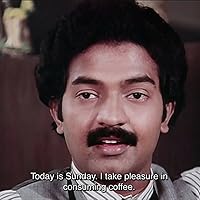
ಮೊದಲು ಮೂಲ ಕಾದಂಬರಿ ಓದಿ ಆಮೇಲೆ ಚಲನಚಿತ್ರ ನೋಡುವ ಪರಿಪಾಠ ಹೊಂದಿರುವವನು ನಾನು ಆದರೆ ಈಗ ಮೊದಲು ಚಿತ್ರ ನೋಡಿ ಆಮೇಲೆ ಕಾದಂಬರಿ ಓದಿದೆ. ಕಾದಂಬರಿ ಎಂದಿನಂತೆ ಸೂಪರ್ ಆದರೆ ಚಲನಚಿತ್ರವೂ ಎದಕ್ಕೂ ಕಮ್ಮಿಯಿಲ್ಲ. ಲೋಕೇಶ್ ಅಭಿನಯ ಹಾಗೆಯೇ ಚಿತ್ರಕಥೆಯಲ್ಲಿ ಮಾಡಿದ ಸ್ವಲ್ಪ ಬದಲಾವಣೆ ಚಲನಚಿತ್ರಕ್ಕೆ ಮೆರಗು ನೀಡಿದೆ. ಪುಸ್ತಕ ಓದಿದಾಗ ಅಥವಾ ಚಲನಚಿತ್ರ ನೋಡಿದಾಗ ಗೆಂಡೆತಿಮ್ಮನನ್ನು ನೋಡಿ ಮನಸು ಹಲಬುತ್ತದೆ.
“ತೇರಾ ಏರಿ ಅಂಬರದಾಗೆ ನೇಸರು ನಗುತಾನೆ... ಮರಗಿಡ ಕೂಗ್ಯಾವೇ... ಹಕ್ಕಿ ಹಾಡ್ಯಾವೇ” ಎಂದು ಆರಂಭವಾಗುವ ಪರಸಂಗದ ಗೆಂಡೆತಿಮ್ಮ ಚಿತ್ರದ ಹಾಡನ್ನು ಚಿಕ್ಕಂದಿನಿಂದಲೂ ರೇಡಿಯೋ ಮತ್ತು ಟಿವಿಯಲ್ಲಿ ಪ್ರಸಾರವಾದಾಗ ಕೇಳುತ್ತ ನೋಡುತ್ತಾ ಗುನುಗುತ್ತಾ ಬೆಳೆದ ನಾನು ಅದ್ಯಾಕೋ ಈ ಚಲನಚಿತ್ರವನ್ನು ನೋಡಿರಲಿಲ್ಲ, ಇನ್ನಷ್ಟೇ ನೋಡಬೇಕಿದೆ. ಬಹಳ ದಿನಗಳ ನಂತರ ನಾನೊಂದು ಕಾದಂಬರಿಯನ್ನು ಬಹಳ ಉತ್ಸುಕನಾಗಿ ಓದಿ ಮುಗಿಸಿದೆ, ಕಥೆಯೊಂದಿಗೆ ಪಾತ್ರಗಳೊಂದಿಗೆ ನಾನೂ ಸಹ ಜೀವಿಸಿದೆ ಅಂತಲೇ ಹೇಳಬಹುದು. ಓದುಗರಿಗೆ ಒಂದು ಪ್ರತ್ಯೇಕ ಪ್ರಪಂಚವಿರುತ್ತದೆ, ಒಂದಲ್ಲ ನೂರಾರು ಸಾವಿರಾರು, ಓದುವ ಒಂದೊಂದು ಕಥೆ ಕಾದಂಬರಿಗಳು ನಮ್ಮನ್ನು ತಮ್ಮದೇ ಪ್ರಪಂಚಕ್ಕೆ ಕರೆದೊಯ್ಯುತ್ತವೆ. ಅಲ್ಲಿನ ಕಥೆ, ಪರಿಸರ ಮತ್ತು ಪಾತ್ರಗಳು ತಮ್ಮ ಸಮಸ್ಯೆಯ ಭಾಗಗಳಾಗಿ ನಮ್ಮನ್ನೂ ಒಳಪಡಿಸಿಕೊಳ್ಳುತ್ತವೆ. ಧರ್ಮಸಂಕಟಕ್ಕೆ ಸಿಲುಕಿಸಿ ಯಾವುದು ಸರಿ ಯಾವುದು ತಪ್ಪು ನೀನೆ ಹೇಳು ಎಂದು ಪ್ರಶ್ನಿಸುತ್ತವೆ. ಸಮಸ್ಯೆಯ ಆಳಕ್ಕೆ ಕರೆದೊಯ್ದು ಜಿಜ್ಞಾಸೆಗೊಳಪಡಿಸುತ್ತವೆ. ಶ್ರೀಕೃಷ್ಣ ಆಲನಹಳ್ಳಿಯವರ “ಪರಸಂಗದ ಗೆಂಡೆತಿಮ್ಮ” ಮಾಡಿದ್ದೂ ಸಹ ಮೇಲೆ ತಿಳಿಸಿದ್ದನ್ನೇ.
ಪರಸಂಗ ಎಂದರೆ ಪ್ರಸಂಗ ಅಥವಾ ಕಥೆ/ಹಾಡು ಹೇಳುವುದು ಎಂದರ್ಥ. ಪರಸಂಗಗಳನ್ನು ಹೇಳಿಕೊಳ್ಳುತ್ತಾ ಊರೂರಿಗೆ ತಿರುಗಿ ವ್ಯಾಪಾರ ಮಾಡುವ ಗೆಂಡೆತಿಮ್ಮನ ಜೀವನದ, ವಿಶೇಷವಾಗಿ ತನ್ನ ಮದುವೆಯ ನಂತರದಲ್ಲಾಗುವ ವಿವಿಧ ಘಟನೆಗಳು ಈ ಕಾದಂಬರಿಯ ಜೀವಾಳ. ಮೇಲ್ನೋಟಕ್ಕೆ ಸಾಮಾನ್ಯ ಘಟನೆಗಳೆನಿಸಿದರೂ ಅವು ಕೊಡುವ ಅನುಭವ ಅಪೂರ್ವ. ಇಲ್ಲಿನ ಸಂಭಾಷಣೆ ಕೆಲವೊಂದು ಕಡೆ ಒರಟೆನಿಸಿದರೂ ಕಥೆಗೆ ಪೂರಕವಾಗಿದೆ. ಗೆಂಡೆತಿಮ್ಮ, ಮರಂಕಿ ಮತ್ತು ಮುದ್ದ ಹೆಸರಿನ ಪಾತ್ರಗಳು ಅದ್ಭುತವಾಗಿ ಮೂಡಿಬಂದಿವೆ, ಕಥೆ ಒಂದೇ ಆದರೂ ಈ ಮೂರು ಪಾತ್ರಗಳ ದೃಷ್ಟಿಯಿಂದ ಬೇರೆಬೇರೆಯಾಗಿ ನನಗೆ ಗೋಚರಿಸಿದವು. ದುರಂತ ಘಟನೆಯೊಂದಿಗೆ ಕಾದಂಬರಿ ಅಂತ್ಯಗೊಳ್ಳುತ್ತದೆಂದು ನಿರೀಕ್ಷಿಸಿರಲಿಲ್ಲ, ಗೆಂಡೆತಿಮ್ಮನಿಗಾದ ಅನ್ಯಾಯಕ್ಕೆ ಮರುಗದೆ ಕಣ್ಣೀರಿಡದೆ ಬೇರೆ ದಾರಿಯಿರಲಿಲ್ಲ ನನಗೆ.
ತಲೆಯ ಮೇಲೊಂದು ಗೂಡೆ ಹೊತ್ತು ಗೌವ್ವಳ್ಳಿಯ ಬೀದಿ ಬೀದಿಯ ಮನೆಗೆ ಅವರು ಬೇಡಿದ ವಸ್ತುಗಳನ್ನು ಸಾಗಿಸುವ ವ್ಯಾಪಾರಿ ಗೆಂಡೆತಿಮ್ಮ. ಮೋಸ ವಂಚನೆಯ ಲವಲೇಶವು ಅರಿಯದ ಹೆಂಗರುಳಿನ ಮುಗ್ಧ. ಪರಸಂಗ (ಪ್ರಸಂಗ/ಕಥೆ)ಹೇಳುತ್ತಾ ಮಕ್ಕಳನ್ನು ರಂಜಿಸುತ್ತಾ ಖುಷಿಪಡುವ ಇವನಿಗೆ ಸ್ನೇಹಿತನೆಂದರೆ ತನ್ನ ಕಥೆಯನ್ನು ಕಣ್ಣರಳಿಸಿ ಕೇಳುವ ಪುಟ್ಟ ಬಾಲಕ ಮುದ್ದ. ಅಜ್ಞಾನ ಮೂಢನಂಬಿಕೆ ಕೊಳಕು ಬಡತನದಿಂದಲೇ ತುಂಬಿದ ಊರಿಗೆ ಅದರ ನಡುವೆ ಸರಳ ಬದುಕು ನಡೆಸುತ್ತಿರುವ ತಿಮ್ಮನ ಬದುಕಿಗೆ ಆಧುನಿಕತೆಯ ಪ್ರವೇಶವಾಗುವುದೆ ಮರಂಕಿಯನ್ನು ತಿಮ್ಮ ವಿವಾಹವಾದಂದಿನಿಂದ.
ನಾಗರಿಕ ವಸ್ತುಗಳನ್ನು ವಿನಾಶದ ದಾರಿ ಅಂತಲೇ ಬರೆಯುವ ಮನಸ್ಥಿತಿಯ ಆಧುನಿಕತೆಯನ್ನು ವಿರೋಧಿಸುವ ಜನರ ನಡುವೆ ಮರಂಕಿಹೊಸದನ್ನು ಒಪ್ಪಿಕೊಳ್ಳುವ ಗಟ್ಟಿಗಿತ್ತಿಯಾಗಿ ಕಾಣಿಸಿಕೊಳ್ಳುತ್ತಾಳೆ. ಕಥೆಯನ್ನು ಓದುತ್ತಾ ಹೋದಂತೆ ಮನುಷ್ಯ ಸಹಜ ಮನಸ್ಥಿತಿ ,ಗ್ರಾಮ್ಯ ಜೀವನದ ಮೌಡ್ಯತೆ ,ಪಿತೃ ಪ್ರಧಾನ ವ್ಯವಸ್ಥೆಯ ಕರಾಳ ರೂಪ ,ವ್ಯಭಿಚಾರ ,ಅಜ್ಞಾನಗಳ ವಿಚಾರಗಳು ತೆರೆಯುತ್ತಾ ಹೋಗುತ್ತದೆ. ಇದೆಲ್ಲದರ ನಡುವೆ ಸಿಲುಕಿ ಒದ್ದಾಡುವ ಮುಗ್ಧ ಗೆಂಡೆತಿಮ್ಮನ ನೋವು ಎದೆತಟ್ಟುತ್ತದೆ. ಸರಳ ಕಥಾವಸ್ತುವಿರುವ ಕಾದಂಬರಿಯಾದರೂ ಮುಗಿದ ನಂತರವೂ ಕಾಡುತ್ತದೆ. ಮರಂಕಿ,ಮುದ್ದ, ಗೆಂಡೆತಿಮ್ಮನ ಪಾತ್ರಗಳಂತೂ ಮನಸ್ಸಲ್ಲಿ ಉಳಿದುಬಿಡುತ್ತವೆ. ಗೌವಳ್ಳಿಯಂತಹ ಹಿಂದುಳಿದ ಹಳ್ಳಿಗೆ ಆಧುನಿಕತೆಯ ಪರಿಚಯ ಮಾಡಿದ ಮರಂಕಿ ತಿಮ್ಮನ ಬದುಕು ಕೊನೆಗೊಳ್ಳುವುದು ಮಾತ್ರ ದುರಂತದಲ್ಲಿಯೇ.
The books dives into the so called morality grounds of a society and human beings as part of the society. It shows the harshness of life and how it proves fatal if you have not been accustomed to it (or atleast know about it to deal with it).
It makes you question, the foundation of such standards and whether it's worth to take cognizance of them for living a peaceful life (or a life that you wish for).
One aspects that needs a little pondering, is the impact of so called shallow life of city dwellers on the lives of people having a simple living.
I feel the books brings this out clearly that It is important to move forward and change is constant and should be welcomed. But what should be the direction, the extent, the timing, the support force that may / may not be needed related to such change is what needs to be weighed before passing the conclusion.
Parasangada Gendetimma is a very well written book that explores the theme of naive Gendetimma getting exposed to the harsh and self serving world.
The writing in the book is really good and surprises with it's emphasis on subtlety. Many situations were explained with simple writing and minimum effort. The minor conflicts of a small village that slowly build up and wreck havoc for Gendetimma has been explored well.
Definitely one of the better works of Kannada Literature.
"Parasangada Gendetimma" is a compelling novel that delves into the conflicts arising from the clash between traditional rural values and the emerging ethos of urbanity. The central character, Gendetimma, a simple and itinerant trader, becomes a symbolic figure torn between the age-old customs of his family and the intriguing changes brought about by his fashion-conscious bride, Maranki.
Set in a rustic village, Gendetimma is initially portrayed as an enthusiastic trader deeply connected to the customs of his community. His marriage to Maranki, who hails from the city, becomes a focal point that unravels the delicate fabric of rural traditions. The narrative captures the stark contrast between the simplicity of village life and the complexities introduced by Maranki's urban upbringing.
The story unfolds with Gendetimma's excitement about his union with Maranki, a woman of striking beauty who brings a fresh perspective to the village. However, her struggle to adapt to the unclean environment and rustic lifestyle triggers gossip among the villagers. The emergence of a rift between the older generation, rooted in tradition, and the newer generation influenced by urbanity becomes palpable.
Maranki's use of cosmetics and city-inspired accessories exacerbates the divide, with the village women both fascinated and critical of her choices. The tension escalates when Maranki, captivated by the local teacher, becomes entangled in a love affair that becomes the talk of the village. Gendetimma, unaware of the gossip, is eventually accused of causing the generational drift and is fined.
The novel masterfully explores Gendetimma's naivety and the profound impact of shattered trust. The author skillfully weaves a narrative that immerses the reader in the unfolding events, evoking a sense of witnessing the story firsthand. The theme of human trust and betrayal resonates throughout the book, highlighting the fragility of relationships in the face of societal changes.
"Parasangada Gendetimma" is a poignant exploration of the dynamics between tradition and modernity, capturing the essence of rural life undergoing transformation. The characters' struggles reflect the universal themes of trust, love, and the inevitable clashes that arise when old and new collide. The author's storytelling prowess ensures that readers are not mere spectators but active participants in the emotional journey of the characters.
കര്ണാടക-കേരള ഗ്രാമത്തിന്റെ അതിര്ത്തിയിലെ ഒരു കുഗ്രാമത്തിന്റെ പശ്ചാത്തലത്തില് എഴുതിയ നോവല്. നിഷ്കളങ്കനായ ഒരു ഗ്രാമീണനായിരുന്നു ഗെണ്ടെതിമ്മന്. സുന്ദരിയും പരിഷ്കാരിയുമായ മരംകിയെ വിവാഹം കഴിച്ചതോടെ അയാളുടെ ജീവിതമാകെ തകിടം മറിഞ്ഞു. ഭര്ത്താവിനെ സ്നേഹിക്കുമ്പോള് തന്നെ സ്വന്തം നാട്ടിലെ സാമൂഹികാചാരങ്ങള്ക്കു വിരുദ്ധമല്ലെന്ന വിശ്വാസത്തോടെ പരപുരുഷന്മാരുമായി ബന്ധം പുലര്ത്തി മരംകി. അപരിഷ്കൃതമായ ഒരു ഗ്രാമത്തിന് ഗെണ്ടെതിമ്മന് പരിചയപ്പെടുത്തിയ നാഗരിക വസ്തുക്കള് ചിലര്ക്കെങ്കിലും വിനയായി. ഇതെല്ലാം അടങ്ങിയതാണ് പാവത്താന്.