

What do you think?

The Medici: Power, Money, and Ambition in the Italian Renaissance
A dazzling history of the modest family which rose to become one of the most powerful in Europe, The Medici is a remarkably modern story of power, money and ambition. Against the background of an age which saw the rebirth of ancient and classical learning Paul Strathern explores the intensely dramatic rise and fall of the Medici family in Florence, as well as the Italian Renaissance which they did so much to sponsor and encourage.
Strathern also follows the lives of many of the great Renaissance artists with whom the Medici had dealings, including Leonardo, Michelangelo and Donatello; as well as scientists like Galileo and Pico della Mirandola; and the fortunes of those members of the Medici family who achieved success away from Florence, including the two Medici popes and Catherine de' Médicis, who became Queen of France and played a major role in that country through three turbulent reigns.
Strathern also follows the lives of many of the great Renaissance artists with whom the Medici had dealings, including Leonardo, Michelangelo and Donatello; as well as scientists like Galileo and Pico della Mirandola; and the fortunes of those members of the Medici family who achieved success away from Florence, including the two Medici popes and Catherine de' Médicis, who became Queen of France and played a major role in that country through three turbulent reigns.
Audiobook
First published October 23, 2003
About the author
Paul Strathern
142 books571 followersPaul Strathern (born 1940) is a English writer and academic. He was born in London, and studied at Trinity College, Dublin, after which he served in the Merchant Navy over a period of two years. He then lived on a Greek island. In 1966 he travelled overland to India and the Himalayas. His novel A Season in Abyssinia won a Somerset Maugham Award in 1972.
Besides five novels, he has also written numerous books on science, philosophy, history, literature, medicine and economics.
Besides five novels, he has also written numerous books on science, philosophy, history, literature, medicine and economics.
Ratings & Reviews
Friends & Following
Create a free account to discover what your friends think of this book!
Community Reviews
Displaying 1 - 30 of 542 reviews

September 24, 2021
This particular book was written at the same time or to accompany a short television series, The Rise and Fall of the De Medici family which tells the story of Florence and one famous banking family. Each night this week, I read sections of the book and then watched the corresponding television episodes and had a different but wonderful reading experience.
For those who haven’t watched the series or read the book, I would highly recommend that you combine. The book provides more detail than the series, particularly around the events in Europe and the rest of Italy, but the televised series brings the characters to life in a way a history book will not, and what a great cast they were.
Now for the book.
Godfathers of the Renaissance, chronicles the life, rise and fall of the De Medici dynasty from the 15 century through the renaissance and the prominence of Florence on the European and world stage. A family heritage deeply rooted in banking, Finance and Commerce, are elevated to become a prominent family in Italian politics. The story is interwoven with the greatest renaissance artists Leonardo DaVinci, Donatello, Michelangelo who were nurtured and championed by Lorenzo De Medici earning him the title of patron of arts and Godfather of the renaissance.
Lorenzo wins the battle of dynasties and survives the Pazzi conspiracy led by Jacopo de'Pazzi (played brilliantly by Sean Bean in the television series) largely because of the connection and relationship he has with the people of Florence. He is noted for his kindness, fair-mindedness, and highly regarded principles. Nevertheless Lorenzo's punishment of the Pazzi family and its supporters (including an archbishop) for having killed his brother and for the attempted murder on his life, earned him the wrath of the Holy See and so Florence was put under interdict, but with little effect.
What evolves is a man shaped by others and the events around him and in a bid to remain the leading force in Florence, he shows himself to be corrupt and ruthless to gain and retain political power and dominance. There is also a wonderful power struggle between the Medici dynasty and the papal see, for even in those times, the clergy preached against the creation of art as a sin against God. At the time of his death, we see the man in all his splendour, and taking back the order to kill an arch-rival that could have secured his dynasty. Instead, Florence descended into chaos for 6 years, but the dynasty lasted for centuries, creating two De Medici Popes and Catherine de Medici from France.
This book is an epic historical drama and a political thriller but a history book – not in the genre of historical fiction. However, combining the book with the television series felt like creating a different brand of historical fiction for the book was real and the television series had a touch of Hollywood. I was touched, impressed, thrilled and simply loved this story and experience.
For those who haven’t watched the series or read the book, I would highly recommend that you combine. The book provides more detail than the series, particularly around the events in Europe and the rest of Italy, but the televised series brings the characters to life in a way a history book will not, and what a great cast they were.
Now for the book.
Godfathers of the Renaissance, chronicles the life, rise and fall of the De Medici dynasty from the 15 century through the renaissance and the prominence of Florence on the European and world stage. A family heritage deeply rooted in banking, Finance and Commerce, are elevated to become a prominent family in Italian politics. The story is interwoven with the greatest renaissance artists Leonardo DaVinci, Donatello, Michelangelo who were nurtured and championed by Lorenzo De Medici earning him the title of patron of arts and Godfather of the renaissance.
Lorenzo wins the battle of dynasties and survives the Pazzi conspiracy led by Jacopo de'Pazzi (played brilliantly by Sean Bean in the television series) largely because of the connection and relationship he has with the people of Florence. He is noted for his kindness, fair-mindedness, and highly regarded principles. Nevertheless Lorenzo's punishment of the Pazzi family and its supporters (including an archbishop) for having killed his brother and for the attempted murder on his life, earned him the wrath of the Holy See and so Florence was put under interdict, but with little effect.
What evolves is a man shaped by others and the events around him and in a bid to remain the leading force in Florence, he shows himself to be corrupt and ruthless to gain and retain political power and dominance. There is also a wonderful power struggle between the Medici dynasty and the papal see, for even in those times, the clergy preached against the creation of art as a sin against God. At the time of his death, we see the man in all his splendour, and taking back the order to kill an arch-rival that could have secured his dynasty. Instead, Florence descended into chaos for 6 years, but the dynasty lasted for centuries, creating two De Medici Popes and Catherine de Medici from France.
This book is an epic historical drama and a political thriller but a history book – not in the genre of historical fiction. However, combining the book with the television series felt like creating a different brand of historical fiction for the book was real and the television series had a touch of Hollywood. I was touched, impressed, thrilled and simply loved this story and experience.

May 29, 2025
Would you live during the Renaissance?
Honestly, as much as I admire that era, I’d still choose our present day. After all, if we lived 500 years ago, you wouldn’t be able to read this review—unless I happened to be some genius Renaissance writer with my work miraculously preserved.
In my pre-read thoughts, I mentioned I’d try to answer the question: were the Medici heroes or villains?
Let’s begin. And what better place to start than the will of Giovanni di Bicci de’ Medici (essentially the first major Medici)? His legacy can be summed up in a few powerful principles:
* Avoid ostentation. Rule without inciting hatred. Support the city in such a way that people forget you’re paying them.
* Ostentation is the enemy of peace. Be rich, but look ordinary.
* A benefactor earns respect if they give in silence.
* Let voices come from the people, not from coercion.
* No bank is as strong as a family’s word.
* Money is necessary, but it can bury you alive if you flaunt it recklessly.
These were essentially Giovanni’s final words to Cosimo de’ Medici, the first true powerhouse of the family.
Spoiler alert (just kidding): No one follows the legacy.
Since I’ve already introduced Cosimo as a central figure, let’s talk about him. In short: banker, yes—but also someone who understood that power comes with responsibility. He quickly became one of the most beloved people in Florence. Practically everyone wanted Cosimo as their child’s godfather, which might have inspired the modern idea of the “godfather” figure. Cosimo was even involved in arranging assassinations from time to time—though almost always against actual criminals.
That’s why Paul Strathern’s title *“The Medici: Godfathers of the Renaissance”* works on multiple levels—both metaphorical and literal. The Medici family were truly the godfathers of many Renaissance minds.
Next comes Piero (Cosimo’s son), who receives the same “legacy” from his father. Piero arguably adheres to it the best, though his main claim to fame is being the father of Lorenzo de’ Medici, “The Magnificent”—who, as you might guess, is my personal favorite.
If I were Machiavelli, I’d have admired him too—and I’d use him as a model for *The Prince* (which Machiavelli did).
Again, the legacy is passed from father to son. But Lorenzo understands something important: to play in the big leagues, you sometimes have to bend the rules.
Strathern naturally focuses heavily on Lorenzo, and rightly so. I’d gladly read a long biography dedicated just to Lorenzo the Magnificent.
And here’s where I’ll mention that Paul Strathern promises to be unbiased and stricter toward Lorenzo than Machiavelli was. In fact, he promises to show his darker side too—which is exactly what I was hoping for.
Now, here are the "flaws" Strathern attributes to Lorenzo:
1. That he was bisexual.
2. That he wasn’t very good-looking.
3. That he took money from the state treasury illegally.
The first isn’t a flaw.
The second is subjective—and also, the guy lived five centuries ago. Who can really judge?
Just look:
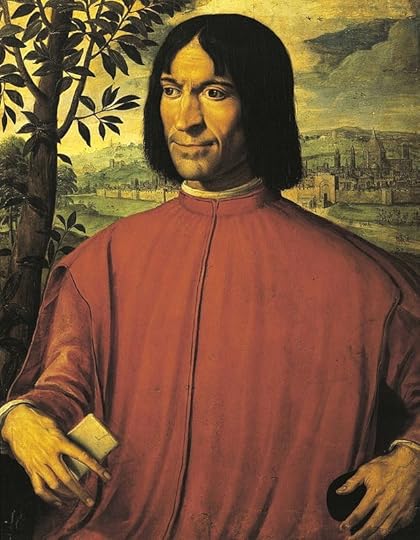
Okay, maybe not the most handsome—but really, is that a valid criticism?
As for the third point, even the author undermines it by saying that Lorenzo reinvested what he took back into Florence.
There’s so much more to say about *il Magnifico*, but I think the nickname alone speaks volumes.
I’ll also note a discrepancy between Strathern’s account and Walter Isaacson’s *Leonardo da Vinci* biography—particularly in the parts involving Leonardo and Michelangelo. The difference isn’t huge, but it made me wonder if there might be other inaccuracies. When I read a nonfiction book, I don’t want to fact-check every detail online.
Still, assuming this was the only major inconsistency, the book remains solid overall.
After Lorenzo came Piero II, and that’s when the Medici started to decline—not because he was bad at his job, but because Lorenzo’s era was a golden age that’s hard to follow.
This is also when Niccolò Machiavelli was active. He wrote all his works hoping to gain favor with powerful Italian families. Unfortunately, he earned only respect—not wealth—and died poor. Yet half a century later, he became the most widely read political thinker in Europe. Many kings and tycoons ruled based on *The Prince*’s blueprint.
Following the Lorenzo-Piero II period, the Medici finally gained papal power. Lorenzo’s second son became Pope Giovanni de’ Medici, better known as Pope Leo X.
I’ll stop listing family members here; otherwise this will go on forever—and it’s probably starting to get a bit less interesting now.
Some time later, Galileo Galilei was born—and like many other remarkable figures, he found support from the Medici.
**My final verdict on the book:**
Paul Strathern’s *The Medici: Godfathers of the Renaissance* traces the rise, power, and cultural legacy of one of history’s most influential families. This isn’t just a historical account—it’s a portrait of people who, through money, political cunning, and artistic vision, helped shape the Europe we know today. You don’t just learn facts—you’re pulled into a world where art, ambition, and intrigue walk hand in hand.
Reading this book feels like watching a historical thriller. Each chapter unveils a new conspiracy, murder, betrayal, or brilliant discovery. The Medici weren’t just patrons—they were power players, strategic minds, and dangerous manipulators, wielding the church, science, and military like tools in their hands.
Most importantly, this book lit a spark in me—a desire to learn even more about the Renaissance and the extraordinary people who lived in it.
**My rating: 3.5 out of 5 stars**, due to the minor discrepancies with other books I’ve read on this period, and because 400 pages simply weren’t enough to cover such a vast story.
This summer, I’ll definitely be visiting Florence.
And no, the Medici weren’t heroes or villains. Like most things in reality—they were a bit of both. 😄
Pre_read
I've been wanting to learn more about the Medicis for quite some time. I suppose everyone has heard both good and bad things about them. So one of the ideas I’ll keep in mind while reading this book is whether the Medici family were heroes or villains, and I hope that by the end, I’ll be able to answer that question.
Honestly, as much as I admire that era, I’d still choose our present day. After all, if we lived 500 years ago, you wouldn’t be able to read this review—unless I happened to be some genius Renaissance writer with my work miraculously preserved.
In my pre-read thoughts, I mentioned I’d try to answer the question: were the Medici heroes or villains?
Let’s begin. And what better place to start than the will of Giovanni di Bicci de’ Medici (essentially the first major Medici)? His legacy can be summed up in a few powerful principles:
* Avoid ostentation. Rule without inciting hatred. Support the city in such a way that people forget you’re paying them.
* Ostentation is the enemy of peace. Be rich, but look ordinary.
* A benefactor earns respect if they give in silence.
* Let voices come from the people, not from coercion.
* No bank is as strong as a family’s word.
* Money is necessary, but it can bury you alive if you flaunt it recklessly.
These were essentially Giovanni’s final words to Cosimo de’ Medici, the first true powerhouse of the family.
Spoiler alert (just kidding): No one follows the legacy.
Since I’ve already introduced Cosimo as a central figure, let’s talk about him. In short: banker, yes—but also someone who understood that power comes with responsibility. He quickly became one of the most beloved people in Florence. Practically everyone wanted Cosimo as their child’s godfather, which might have inspired the modern idea of the “godfather” figure. Cosimo was even involved in arranging assassinations from time to time—though almost always against actual criminals.
That’s why Paul Strathern’s title *“The Medici: Godfathers of the Renaissance”* works on multiple levels—both metaphorical and literal. The Medici family were truly the godfathers of many Renaissance minds.
Next comes Piero (Cosimo’s son), who receives the same “legacy” from his father. Piero arguably adheres to it the best, though his main claim to fame is being the father of Lorenzo de’ Medici, “The Magnificent”—who, as you might guess, is my personal favorite.
If I were Machiavelli, I’d have admired him too—and I’d use him as a model for *The Prince* (which Machiavelli did).
Again, the legacy is passed from father to son. But Lorenzo understands something important: to play in the big leagues, you sometimes have to bend the rules.
Strathern naturally focuses heavily on Lorenzo, and rightly so. I’d gladly read a long biography dedicated just to Lorenzo the Magnificent.
And here’s where I’ll mention that Paul Strathern promises to be unbiased and stricter toward Lorenzo than Machiavelli was. In fact, he promises to show his darker side too—which is exactly what I was hoping for.
Now, here are the "flaws" Strathern attributes to Lorenzo:
1. That he was bisexual.
2. That he wasn’t very good-looking.
3. That he took money from the state treasury illegally.
The first isn’t a flaw.
The second is subjective—and also, the guy lived five centuries ago. Who can really judge?
Just look:
Okay, maybe not the most handsome—but really, is that a valid criticism?
As for the third point, even the author undermines it by saying that Lorenzo reinvested what he took back into Florence.
There’s so much more to say about *il Magnifico*, but I think the nickname alone speaks volumes.
I’ll also note a discrepancy between Strathern’s account and Walter Isaacson’s *Leonardo da Vinci* biography—particularly in the parts involving Leonardo and Michelangelo. The difference isn’t huge, but it made me wonder if there might be other inaccuracies. When I read a nonfiction book, I don’t want to fact-check every detail online.
Still, assuming this was the only major inconsistency, the book remains solid overall.
After Lorenzo came Piero II, and that’s when the Medici started to decline—not because he was bad at his job, but because Lorenzo’s era was a golden age that’s hard to follow.
This is also when Niccolò Machiavelli was active. He wrote all his works hoping to gain favor with powerful Italian families. Unfortunately, he earned only respect—not wealth—and died poor. Yet half a century later, he became the most widely read political thinker in Europe. Many kings and tycoons ruled based on *The Prince*’s blueprint.
Following the Lorenzo-Piero II period, the Medici finally gained papal power. Lorenzo’s second son became Pope Giovanni de’ Medici, better known as Pope Leo X.
I’ll stop listing family members here; otherwise this will go on forever—and it’s probably starting to get a bit less interesting now.
Some time later, Galileo Galilei was born—and like many other remarkable figures, he found support from the Medici.
**My final verdict on the book:**
Paul Strathern’s *The Medici: Godfathers of the Renaissance* traces the rise, power, and cultural legacy of one of history’s most influential families. This isn’t just a historical account—it’s a portrait of people who, through money, political cunning, and artistic vision, helped shape the Europe we know today. You don’t just learn facts—you’re pulled into a world where art, ambition, and intrigue walk hand in hand.
Reading this book feels like watching a historical thriller. Each chapter unveils a new conspiracy, murder, betrayal, or brilliant discovery. The Medici weren’t just patrons—they were power players, strategic minds, and dangerous manipulators, wielding the church, science, and military like tools in their hands.
Most importantly, this book lit a spark in me—a desire to learn even more about the Renaissance and the extraordinary people who lived in it.
**My rating: 3.5 out of 5 stars**, due to the minor discrepancies with other books I’ve read on this period, and because 400 pages simply weren’t enough to cover such a vast story.
This summer, I’ll definitely be visiting Florence.
And no, the Medici weren’t heroes or villains. Like most things in reality—they were a bit of both. 😄
Pre_read
I've been wanting to learn more about the Medicis for quite some time. I suppose everyone has heard both good and bad things about them. So one of the ideas I’ll keep in mind while reading this book is whether the Medici family were heroes or villains, and I hope that by the end, I’ll be able to answer that question.
March 5, 2023
I've already read Paul Strathern's Death in Florence: The Medici, Savonarola, and the Battle for the Soul of a Renaissance City a while ago, and thought it was excellent.
"The Medici: Power, Money, and Ambition in the Italian Renaissance" tells the story of Medici, from the family's early days to the last Medici ruler of Florence. Inevitably, Medici's story is also the story of Florence, Renaissance and lots of fascinating characters with whom Medici interacted, from Donatello, Brunelleschi, Leonardo Da Vinci and Michelangelo to Benvenuto Cellini, Giorgio Vasari and Galileo Galilei, to name just a few.
Looking at other reviews, I see some readers have found this book misogynistic and homophobic, but to me it seemed that the author, born in 1940, stayed very much a man of his time, and probably doesn't even realize that his wording is no longer acceptable (for example, referring to a heterosexual Medici as "normal" when comparing him to a group of his homosexual relatives and friends).
Anyway, I still found the book informative and engaging, and liked its panoramic picture of the history of Medici and Florence through the centuries.
"The Medici: Power, Money, and Ambition in the Italian Renaissance" tells the story of Medici, from the family's early days to the last Medici ruler of Florence. Inevitably, Medici's story is also the story of Florence, Renaissance and lots of fascinating characters with whom Medici interacted, from Donatello, Brunelleschi, Leonardo Da Vinci and Michelangelo to Benvenuto Cellini, Giorgio Vasari and Galileo Galilei, to name just a few.
Looking at other reviews, I see some readers have found this book misogynistic and homophobic, but to me it seemed that the author, born in 1940, stayed very much a man of his time, and probably doesn't even realize that his wording is no longer acceptable (for example, referring to a heterosexual Medici as "normal" when comparing him to a group of his homosexual relatives and friends).
Anyway, I still found the book informative and engaging, and liked its panoramic picture of the history of Medici and Florence through the centuries.

September 17, 2009
I bought this book following a lovely trip to Florence. I devoured it very quickly, eager to learn more about the history of the city I had enjoyed visiting, and I have to say it is one of the most enjoyable "popular history" books I have read. Paul Strathern does a commendable job of making the history very accessible, not only charting the rise and fall of this powerful clan, but also incorporating plenty of related intellectual, artistic and literary history along the way. The result is an impeccable chronicle that immerses the reader in Renaissance Italy, complete with all the plots, the power and the politics of the day. Despite being a slender book, no topic feels skimmed, which is to the credit of the author. I particularly enjoyed reading about the various Medici Popes and the way in which religion played its part in the history of the family and of Italy itself. If you want to know more about the Medici and their place in the wider Renaissance which they helped to shape, this book is a great place to start.

June 16, 2016
I’m grateful to author, Paul Strathern, for writing this book. The stripped down genealogical chart at the start is an example of how the book will cover centuries when each decade had outstanding people and events and social, artistic and political developments. For me, this is the perfect mix of research, interpretation (background, significance and what to leave in/take out) and character development for putting together the story of this family and its influence on western civilization.
After a Prologue on events of April 1478, the book begins with Giovanni di Bicci de Medici (1389-1464), who founded what was to become the most famous bank of Italy, and his son Cosimo who expanded the bank’s geographical footprint and laid the political foundation for growing the family’s influence. As Cosimo was groomed for leadership, he groomed his sons. Strathern poses that because the Medici’s were not nobles and Florence was a republic the family built its political position by bonding with the people through buildings, public art, hosting dignitaries with large community events and presenting a modest demeanor.
Strathern shows how Lorenzo (the Magnificent), in carrying on his grandfather Cosimo’s program of public works and art, and modest attire, became a patron to the era’s most gifted artists and fostered what is now known as the Renaissance. Strathern examines the term itself: how it was used in this era, how “re-birth” harkened back to pre-Christian humanism during ancient republican times and how this re-birth needed a city, like Florence, free of authoritarian rule, to grow.
While the Medici influence in painting, sculpture and architecture is widely known, the book explores Medici influence on music, poetry, philosophy and science particularly through patronship of Gallileo.
Florentines who were jealous of Medici power and influence, expressed it in the banishing family members, and most dramatically in the assassination and assassination attempt on, respectively, Guiliano and Lorenzo. Despite the backlash, the family was able to place its members in the clergy (Popes Leo X and Clement VII) and when Florence became a more limited republic as its Dukes, and finally as “Royal Highness”.
The last Medici’s in power would be quite embarrassing to Giovanni di Bicci, as would the state of the Florence where the population was greatly diminished and nude art was either moved or covered. Cosimo III who obtained royal status for the family’s position smothered the talents of his most able son (Fernando, the last Medici connoisseur and patron of the arts) and had difficulty finding spouses for his children. If the story of his 2nd son, Gian Gastone’s, courtship and marriage were it not so tragic would be a great comedy. In his eventual reign, the obese Gian Gastone attempted to bring back the glory of Florence, but trends overcame him and the city was absorbed by Austria. In Anna Marie Louisa’s brief regency following her brother’s (Gian Gastone's) death in 1737 and in the absence of their Austrian overlords, she made a significant gesture of willing the Medici treasures to never leave Florence.
There are brief narratives on the Medici’s who married into royalty particularly Caterina and Marie who became queens of France. Machivelli is noted, but having worked for enemies of the Medici, he does not feature much in the narrative.
I’ve learned about this period piecemeal, through bios, histories of events and narratives of the arts. While purists might object to the author's interpretations, academics might object to the character development and some general readers will have problems with the changing type sizes of the book, this was just right for me. Strathern has digested 250+ years of complex history and made it readable, and best of all gave me a good foundation for further exploration of this period.

November 6, 2018
This is well researched and extremely readable. My only complaint is that the author is unable to keep his personal bias out of this research based body of work. The language used is jarring and disrespectful.
That said the history gives a really good overview of the politics, political characters/families and so many politics with so many varying European powers. Shew. You add in the 2 Popes and 2 Queens of France complex and yet smoothly handled.
Still the homophobia and sexism prevent a truly high score. This is worth reading for a general overview of the family, politics and such of the eras involved.
That said the history gives a really good overview of the politics, political characters/families and so many politics with so many varying European powers. Shew. You add in the 2 Popes and 2 Queens of France complex and yet smoothly handled.
Still the homophobia and sexism prevent a truly high score. This is worth reading for a general overview of the family, politics and such of the eras involved.

February 18, 2025
The Bulgarian review is first, the English translation follows it below
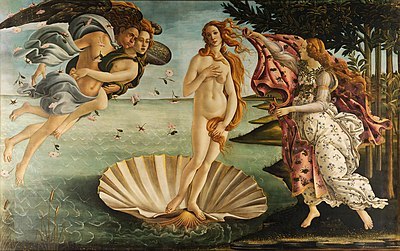
Началото на Ренесанса - освен любопитство, неконформизъм и талант - е изисквало съчетанието на още куп фактори.
Достъпът до културата на древен Рим и древна Гърция е бил все още физически лесен - руините и скулптурите са осейвали италианския пейзаж, а философията на Аристотел - макар и в силно схоластичен и калцифициран вариант - е била залегнала в светогледа на католическата църква.
Но освен това, една култура се нуждае от политическа стабилност, реформи, мир и … страшно много пари. Родът на Медичите в различни периоди предлага съчетание или само някои от всички тях.
По време на възхода на Медичите тяхната банка, оперираща в континентален европейски мащаб, постепенно се преплита (включително чрез кражби от хазната) с република Флоренция, която е една от многото италиански държавици.
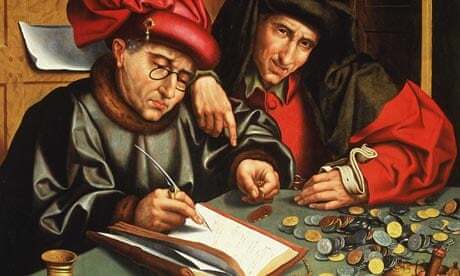
Козимо де Медичи - освен че е кукловодът в сянка - открива нови светски библиотеки, издирва антични ръкописи, подпомага хора на изкуството (архитекти, скулптори, художници, философи, поети). Внукът му Лоренцо, наречен Великолепни, усилва размаха и осигурява балансиращ мир на целия полуостров.
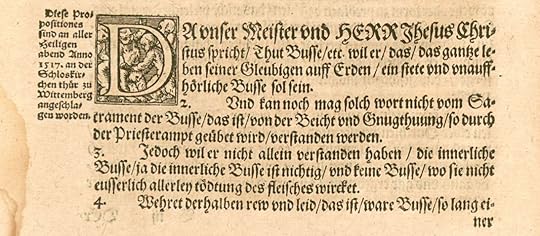
Ако Козимо и Лоренцо са предимно владетели в сянка, то двамата папи Медичи се озовават начело на католическия свят. И тяхната широка култура се съчетава с доста мракобесни религиозни решения - културата си е култура, но с Църквата като монополист на души не се спори. Продажбата на индулгенции добива корпоративните очертания на мощно първично листване на акции на борсата, в резултат на което вбесеният Мартин Лутер забива своите тезиси на вратата на Витенбергската катедрала и стартира реформацията.
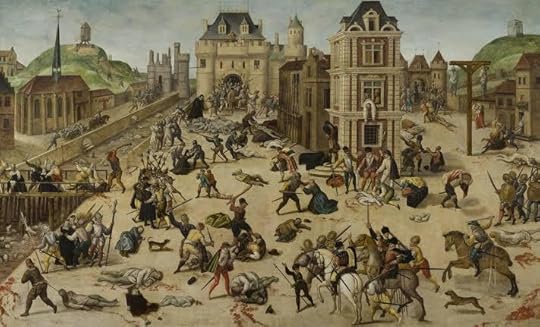
Две френски кралици Медичи (Катерина и Мария) междувременно внасят италианската кухня и култура на север, а една от тях (Катерина) остава печално известна като вдъхновителка на Вартоломеевата нощ.
Междувременно Флоренция става нещо като монархия - Медичите изхвърлят последните остатъци от републиката и от мъничкото демокрация, за да се трансформират в еднолични наследствени владетели до самия си край.
Стратърн очертава живи, интригуващи, често доста субективни портрети на Медичите. И което е по-важно - той нахвърля прекрасен портрет на самата Флоренция и на епохата. Наред с Медичите той разказва и за техните спътници - титаните Леонардо и Микеланджело, нежният Ботичели, новаторът Брунелески, експериментаторът Галилей, философът Пико дела Мирандола и куп други. Като фанатика Савонарола и опортюнистичния Макиавели.
Секциите на книгата са ясни и прегледни, а разказът е почти романизиран: разказ за един обновяващ се свят, произвел и излъчил безценното наследство на хуманизма, и накрая тихо угаснал в последните - бездарни и невежи - Медичи. Хубавото е, че Стратърн посочва ясно почти мафиотската, кланова и затворена структура на Медичите (и на останалите силни на деня). Те са кръстници и в добрия, и в престъпния смисъл на думата. Дали двете винаги се преплитат? Кой знае. Но вероятно съкровищата на духа, за която те са спомогнали да достигне до нас, все пак ще ги остави в пантеона на историята с повече от една добра дума.
——
П.П. Това, заради което махам една звезда, е странното убеждение на автора, че хомосексуалност се поражда, ако момчето е отгледано от твърде много или само от жени?! По-нелепо и предубедено мнение рядко съм срещала… А не казва нито дума за жените - те какво, ако не са хетеро, трябва значи да са израстнали само сред мъже? 😆

The dawn of the Renaissance required—besides curiosity, non-conformity, and talent—the alignment of numerous other factors.
Access to the culture of Ancient Rome and Greece was still physically easy; ruins and sculptures dotted the Italian landscape. Though Aristotelian philosophy existed in a heavily scholastic and calcified version, it was embedded in the Church's worldview. Yet, a culture also needs political stability, reforms, peace, and… a massive amount of money. The Medici family, at various times, offered a combination or all of these.
During their rise, the Medici Bank—operating on a continental scale—gradually intertwined (often through embezzlement from the public treasury) with the Republic of Florence.
Cosimo de' Medici—the puppet master in the shadows—founded secular libraries, hunted for ancient manuscripts, and patronized men of the arts: architects, sculptors, painters, philosophers, and poets. His grandson, Lorenzo "the Magnificent," expanded this reach and secured a balancing peace across the peninsula.
If Cosimo and Lorenzo were primarily rulers in the shadows, the two Medici Popes found themselves at the helm of the Catholic world. Their broad culture, however, was coupled with dark religious decisions; culture is one thing, but one does not argue with the Church as a monopoly of souls. The sale of indulgences took on the corporate silhouette of a powerful IPO, leading an infuriated Martin Luther to nail his theses to the door of Wittenberg Cathedral, sparking the Reformation.
Meanwhile, two Medici queens of France (Catherine and Marie) brought Italian cuisine and culture north. One of them, Catherine, remains infamous as the instigator of the St. Bartholomew's Day Massacre.
Eventually, Florence became a monarchy; the Medici discarded the last remnants of the republic and its modicum of democracy to transform into hereditary rulers until their very end.
Strathern outlines vivid, intriguing, and often subjective portraits of the Medici. More importantly, he paints a superb portrait of Florence itself. Alongside the Medici, he tells of their contemporaries: the titans Leonardo and Michelangelo, the delicate Botticelli, the innovator Brunelleschi, the experimentalist Galileo, and figures like the fanatic Savonarola and the opportunistic Machiavelli.
The book is clear and the narrative almost novelistic—a tale of a renewing world that produced the priceless legacy of humanism, only to quietly fade away with the last, untalented, and ignorant Medici. Strathern clearly highlights the almost mafia-like, clan-based structure of the family. They were "Godfathers" in both the benevolent and criminal senses of the word. Do the two always intertwine? Perhaps. But the treasures of the spirit they helped reach us will likely keep them in history's pantheon with more than one kind word.
P.S. The reason I'm taking off one star is the author's bizarre conviction that homosexuality arises if a boy is raised by too many or only by women. I have rarely encountered a more ridiculous and biased opinion… And he says nothing about women—what, if they aren't hetero, must they have grown up only among men? 😆
Началото на Ренесанса - освен любопитство, неконформизъм и талант - е изисквало съчетанието на още куп фактори.
Достъпът до културата на древен Рим и древна Гърция е бил все още физически лесен - руините и скулптурите са осейвали италианския пейзаж, а философията на Аристотел - макар и в силно схоластичен и калцифициран вариант - е била залегнала в светогледа на католическата църква.
Но освен това, една култура се нуждае от политическа стабилност, реформи, мир и … страшно много пари. Родът на Медичите в различни периоди предлага съчетание или само някои от всички тях.
По време на възхода на Медичите тяхната банка, оперираща в континентален европейски мащаб, постепенно се преплита (включително чрез кражби от хазната) с република Флоренция, която е една от многото италиански държавици.
Козимо де Медичи - освен че е кукловодът в сянка - открива нови светски библиотеки, издирва антични ръкописи, подпомага хора на изкуството (архитекти, скулптори, художници, философи, поети). Внукът му Лоренцо, наречен Великолепни, усилва размаха и осигурява балансиращ мир на целия полуостров.
Ако Козимо и Лоренцо са предимно владетели в сянка, то двамата папи Медичи се озовават начело на католическия свят. И тяхната широка култура се съчетава с доста мракобесни религиозни решения - културата си е култура, но с Църквата като монополист на души не се спори. Продажбата на индулгенции добива корпоративните очертания на мощно първично листване на акции на борсата, в резултат на което вбесеният Мартин Лутер забива своите тезиси на вратата на Витенбергската катедрала и стартира реформацията.
Две френски кралици Медичи (Катерина и Мария) междувременно внасят италианската кухня и култура на север, а една от тях (Катерина) остава печално известна като вдъхновителка на Вартоломеевата нощ.
Междувременно Флоренция става нещо като монархия - Медичите изхвърлят последните остатъци от републиката и от мъничкото демокрация, за да се трансформират в еднолични наследствени владетели до самия си край.
Стратърн очертава живи, интригуващи, често доста субективни портрети на Медичите. И което е по-важно - той нахвърля прекрасен портрет на самата Флоренция и на епохата. Наред с Медичите той разказва и за техните спътници - титаните Леонардо и Микеланджело, нежният Ботичели, новаторът Брунелески, експериментаторът Галилей, философът Пико дела Мирандола и куп други. Като фанатика Савонарола и опортюнистичния Макиавели.
Секциите на книгата са ясни и прегледни, а разказът е почти романизиран: разказ за един обновяващ се свят, произвел и излъчил безценното наследство на хуманизма, и накрая тихо угаснал в последните - бездарни и невежи - Медичи. Хубавото е, че Стратърн посочва ясно почти мафиотската, кланова и затворена структура на Медичите (и на останалите силни на деня). Те са кръстници и в добрия, и в престъпния смисъл на думата. Дали двете винаги се преплитат? Кой знае. Но вероятно съкровищата на духа, за която те са спомогнали да достигне до нас, все пак ще ги остави в пантеона на историята с повече от една добра дума.
——
П.П. Това, заради което махам една звезда, е странното убеждение на автора, че хомосексуалност се поражда, ако момчето е отгледано от твърде много или само от жени?! По-нелепо и предубедено мнение рядко съм срещала… А не казва нито дума за жените - те какво, ако не са хетеро, трябва значи да са израстнали само сред мъже? 😆
The dawn of the Renaissance required—besides curiosity, non-conformity, and talent—the alignment of numerous other factors.
Access to the culture of Ancient Rome and Greece was still physically easy; ruins and sculptures dotted the Italian landscape. Though Aristotelian philosophy existed in a heavily scholastic and calcified version, it was embedded in the Church's worldview. Yet, a culture also needs political stability, reforms, peace, and… a massive amount of money. The Medici family, at various times, offered a combination or all of these.
During their rise, the Medici Bank—operating on a continental scale—gradually intertwined (often through embezzlement from the public treasury) with the Republic of Florence.
Cosimo de' Medici—the puppet master in the shadows—founded secular libraries, hunted for ancient manuscripts, and patronized men of the arts: architects, sculptors, painters, philosophers, and poets. His grandson, Lorenzo "the Magnificent," expanded this reach and secured a balancing peace across the peninsula.
If Cosimo and Lorenzo were primarily rulers in the shadows, the two Medici Popes found themselves at the helm of the Catholic world. Their broad culture, however, was coupled with dark religious decisions; culture is one thing, but one does not argue with the Church as a monopoly of souls. The sale of indulgences took on the corporate silhouette of a powerful IPO, leading an infuriated Martin Luther to nail his theses to the door of Wittenberg Cathedral, sparking the Reformation.
Meanwhile, two Medici queens of France (Catherine and Marie) brought Italian cuisine and culture north. One of them, Catherine, remains infamous as the instigator of the St. Bartholomew's Day Massacre.
Eventually, Florence became a monarchy; the Medici discarded the last remnants of the republic and its modicum of democracy to transform into hereditary rulers until their very end.
Strathern outlines vivid, intriguing, and often subjective portraits of the Medici. More importantly, he paints a superb portrait of Florence itself. Alongside the Medici, he tells of their contemporaries: the titans Leonardo and Michelangelo, the delicate Botticelli, the innovator Brunelleschi, the experimentalist Galileo, and figures like the fanatic Savonarola and the opportunistic Machiavelli.
The book is clear and the narrative almost novelistic—a tale of a renewing world that produced the priceless legacy of humanism, only to quietly fade away with the last, untalented, and ignorant Medici. Strathern clearly highlights the almost mafia-like, clan-based structure of the family. They were "Godfathers" in both the benevolent and criminal senses of the word. Do the two always intertwine? Perhaps. But the treasures of the spirit they helped reach us will likely keep them in history's pantheon with more than one kind word.
P.S. The reason I'm taking off one star is the author's bizarre conviction that homosexuality arises if a boy is raised by too many or only by women. I have rarely encountered a more ridiculous and biased opinion… And he says nothing about women—what, if they aren't hetero, must they have grown up only among men? 😆

July 7, 2025
What a delightful book to read, fun and informative. The author makes history interesting! A great book to learn about the Renaissance.
March 2, 2015
This book provides some basic information about the history of the Medicis. However, the narrative seems to be formed around the author's personal views on various figures, rather than any historical data or approach, which makes for a distracting as well as an aggravating read. Leo X is described primarily through his chubbiness - every reference to this person contains a mention of his size. There are also several problematic statements about same-sex relations; Strathern tries to explain, or explain away, the homosexuality of Leonardo da Vinci as occasioned by too much maternal love during his youth, and among the Medici clique of Leonardo, Poliziano, and Michaelangelo, Pico della Mirandola is described as pleasantly 'normal'. I would not recommend this book, or this author - information about the Medicis is available elsewhere.

April 15, 2022
"Медичите – кръстниците на Ренесанса" от Пол Стратърн е изключително мащабен труд, който обхваща живота на рода Медичи от по-незначителните първи представители през възхода започнат от Джовани и завършен от Лоренцо Великолепни, до последните видни представители, които вече са велики херцози на Тоскана.
Джовани е този, който дава началото на възхода на банката, натрупването на капитал и опитите за придобиване на политическа власт, със своите решения се стреми да утвърди фамилията като папски банкери и да завещае на сина си Козимо стабилно положение, подпечатано от пари и власт. Горе долу по това време започва покровителството им на изкуствата и зараждането на новия хуманизъм, около Медичите се оформя прогресивен кръг от хора на изкуството и идеите.
По време на възхода на Медичите Флоренция е република, управлявана от гонфалониер и съвет, но влиянието на Козимо става все по-голямо и това плаши аристократичните родове. Оттук нататък историята на града е изпъстрена от сблъсъци между консервативната аристокрация и издигащия се банкерски род.
Първият интересен творец, който покровителстват е Донатело, от скромно семейство, бронзовата му статуя на Давид е красива, въплъщение на новите идеали за физическа красота, не само за духовност. Няма как да не спомена и вратите на Гиберти срещу катедралата, проект за който е предпочетен пред своенравния Брунелески, след чумата, властите решават да поставят нови врати на баптистерия и комисията избира Лоренцо Гиберти, на когото са нужни двадесет години да излее вратите с поредица от библейски сцени, променяйки технологията, изкуството и науката се започват да се допълват. По-късно Брунелески, използвайки за вдъхновение купола на Пантеона в Рим, ще проектира купол за внушителната Санта Мариа дел Фиоре.
Покровителството на Медичите по времето на Лоренцо Великолепни (внук на Козимо) включва трима от най-внушителните художници, не само за времето си и по принцип - Ботичели, Микеланджело и Леонардо. И тримата са повлияни от промените в изкуството преди тях, но със своя оригинален поглед остават в историята. Като за мен Микеландело винаги ще е преди всичко скулптор. В кръга влизат редица значими поети и философия, а библиотечната колекция, която събират е забележителна за времето си.
Цената на успеха е висока, интриги, подкупи и манипулации помагат на рода да се задържи на върха с всякакви средства, но освен това те са силни личности, с много качества и управляват събитията, с натрупаните пари и меценатство, те правят Флоренция богат и бляскав център на културата. В момента, в който се появяват по-слаби и нерешителни представители те биват умело отстранени, в противовес на разцъфващата наука, изкуство, литература и философия се прокрадва религиозен фанатизъм и 15 години Флоренция под управлението на Савонарола е скована от религиозен аскетизъм, отричане на материално, красивото, редица антики и произведения на изкуството са изгорени.
Възходът на Медичите в изграждането на Ренесанса е минало и те поемат в други посоки, влиятелните църковни постове водят до двамата противоречиви папи Лъв Х и Климент VII, а по-късно амбициите им достигат върха си с двете френски кралици Катерина Медичи и Мария Медичи. Стратърн описва и двете доста неутрално, без да демонизира Катерина, която в много романи особено в любимата ми "Кралица Марго" от детските ми години е доста негативен образ, но тук тя е жена, с трима болнави и слаби сина, в несигурни времена на ръба на религиозна и гражданска война, която прави всичко възможно да съхрани единна държавата, при липсата на силен наследник. Малко известен факт е, че нейните готвачи променят основите на френската кухня.
След трансформацията на Флоренция във велико херцогство, с първи херцог Козимо I се случват малко интересни и заслужаващи споменаване факти, като сред тях е присъствието на Галилео Галилей, забележителен математик и астроном, музеят му във Флоренция е събрал невероятна колекция от научни открития променили света.
Италия е разделена на самостоятелни градове-държави, които почти непрекъснато са във война, Флоренция попада по средата между Неапол и папата; и между Венеция и Милано. А отвън Испания, Франция и Свещената римска империя са застрашителен фактор и преследват свои интереси.
Романът на Стратърн е изцяло документален, с много богата библиография, но стилът е жив и увлекателен, той се опитва да изгради детайлна представа за всяка личност, с качествата и недостатъците, търси обяснения за взетите съдбоносни решения и последиците, защото често изборите или отлагането им поради нерешителност, допринасят както за възходите, така и за разгромите. Изданието е много красиво, има цветни снимки и черно-бели изображения, които помагат на читателя да си представи или да изживее отново красотата на изкуството и архитектурата.
Джовани е този, който дава началото на възхода на банката, натрупването на капитал и опитите за придобиване на политическа власт, със своите решения се стреми да утвърди фамилията като папски банкери и да завещае на сина си Козимо стабилно положение, подпечатано от пари и власт. Горе долу по това време започва покровителството им на изкуствата и зараждането на новия хуманизъм, около Медичите се оформя прогресивен кръг от хора на изкуството и идеите.
По време на възхода на Медичите Флоренция е република, управлявана от гонфалониер и съвет, но влиянието на Козимо става все по-голямо и това плаши аристократичните родове. Оттук нататък историята на града е изпъстрена от сблъсъци между консервативната аристокрация и издигащия се банкерски род.
Първият интересен творец, който покровителстват е Донатело, от скромно семейство, бронзовата му статуя на Давид е красива, въплъщение на новите идеали за физическа красота, не само за духовност. Няма как да не спомена и вратите на Гиберти срещу катедралата, проект за който е предпочетен пред своенравния Брунелески, след чумата, властите решават да поставят нови врати на баптистерия и комисията избира Лоренцо Гиберти, на когото са нужни двадесет години да излее вратите с поредица от библейски сцени, променяйки технологията, изкуството и науката се започват да се допълват. По-късно Брунелески, използвайки за вдъхновение купола на Пантеона в Рим, ще проектира купол за внушителната Санта Мариа дел Фиоре.
Покровителството на Медичите по времето на Лоренцо Великолепни (внук на Козимо) включва трима от най-внушителните художници, не само за времето си и по принцип - Ботичели, Микеланджело и Леонардо. И тримата са повлияни от промените в изкуството преди тях, но със своя оригинален поглед остават в историята. Като за мен Микеландело винаги ще е преди всичко скулптор. В кръга влизат редица значими поети и философия, а библиотечната колекция, която събират е забележителна за времето си.
Цената на успеха е висока, интриги, подкупи и манипулации помагат на рода да се задържи на върха с всякакви средства, но освен това те са силни личности, с много качества и управляват събитията, с натрупаните пари и меценатство, те правят Флоренция богат и бляскав център на културата. В момента, в който се появяват по-слаби и нерешителни представители те биват умело отстранени, в противовес на разцъфващата наука, изкуство, литература и философия се прокрадва религиозен фанатизъм и 15 години Флоренция под управлението на Савонарола е скована от религиозен аскетизъм, отричане на материално, красивото, редица антики и произведения на изкуството са изгорени.
Възходът на Медичите в изграждането на Ренесанса е минало и те поемат в други посоки, влиятелните църковни постове водят до двамата противоречиви папи Лъв Х и Климент VII, а по-късно амбициите им достигат върха си с двете френски кралици Катерина Медичи и Мария Медичи. Стратърн описва и двете доста неутрално, без да демонизира Катерина, която в много романи особено в любимата ми "Кралица Марго" от детските ми години е доста негативен образ, но тук тя е жена, с трима болнави и слаби сина, в несигурни времена на ръба на религиозна и гражданска война, която прави всичко възможно да съхрани единна държавата, при липсата на силен наследник. Малко известен факт е, че нейните готвачи променят основите на френската кухня.
След трансформацията на Флоренция във велико херцогство, с първи херцог Козимо I се случват малко интересни и заслужаващи споменаване факти, като сред тях е присъствието на Галилео Галилей, забележителен математик и астроном, музеят му във Флоренция е събрал невероятна колекция от научни открития променили света.
Италия е разделена на самостоятелни градове-държави, които почти непрекъснато са във война, Флоренция попада по средата между Неапол и папата; и между Венеция и Милано. А отвън Испания, Франция и Свещената римска империя са застрашителен фактор и преследват свои интереси.
Романът на Стратърн е изцяло документален, с много богата библиография, но стилът е жив и увлекателен, той се опитва да изгради детайлна представа за всяка личност, с качествата и недостатъците, търси обяснения за взетите съдбоносни решения и последиците, защото често изборите или отлагането им поради нерешителност, допринасят както за възходите, така и за разгромите. Изданието е много красиво, има цветни снимки и черно-бели изображения, които помагат на читателя да си представи или да изживее отново красотата на изкуството и архитектурата.

November 16, 2020
I am conflicted. I love the Medici, history of the renaissance, and schemes involving the Catholic Church, and this book serves all those. Strathern writes well, in an interesting fashion, presenting the family’s rise to glory and the following fall from it in a highly entertaining way, and I did enjoy learning so much.
But. There’s no avoiding the homophobia so evident throughout the book. It’s somewhat interesting how Strathern manages to do what more historians should, aka recognise that gay people have existed always and some relationships truly are more than “a close friendship” - but he does it in such a cringey uncomfortable way. Furthermore, it seems like he blamed all the faults of people on their sexuality?? Not cool. I was able to ignore it at first but the more the book progresses the more it started to bother me.
Also what’s his deal with seeing women only as prostitutes or mothers - apart from the two Medici queens which I guess he had to include? Also what’s his deal with focusing so much on the weight of the Medici rulers?? And calling Bacchus a Greek god?!?!
But nevertheless it was an enjoyable book, when closing one eye and focusing on the scheming.
But. There’s no avoiding the homophobia so evident throughout the book. It’s somewhat interesting how Strathern manages to do what more historians should, aka recognise that gay people have existed always and some relationships truly are more than “a close friendship” - but he does it in such a cringey uncomfortable way. Furthermore, it seems like he blamed all the faults of people on their sexuality?? Not cool. I was able to ignore it at first but the more the book progresses the more it started to bother me.
Also what’s his deal with seeing women only as prostitutes or mothers - apart from the two Medici queens which I guess he had to include? Also what’s his deal with focusing so much on the weight of the Medici rulers?? And calling Bacchus a Greek god?!?!
But nevertheless it was an enjoyable book, when closing one eye and focusing on the scheming.

May 27, 2016
In reading books of European history one the most maddening difficulties is trying to make sense of the convoluted family trees of those aristocrats that are always the key players in those histories. Of course history buffs all know that European history is all about family, who inherits and who doesn't; who has to be kept from inheriting; and who has to be killed to advance one's agenda. Well this book has for the first time in my experience laid out a family lineage that was clear, definitive, and easy to follow, that of the Medici of Florence. Now dealing with only one family would seem fairly simple but in the case of this well known family that really wouldn't be true as their Florentine history did spill into the royal houses of the major powers of Europe and the trail was still easily followed. So I am grateful to this author for such a clear understanding that he has given me. Further, while the book is a history of the Medici it is by no means limited to this family. To talk of the Medici and not deal with the Renaissance would be unthinkable and this book does a fair job of discussing the Renaissance and its influence on the arts and sciences of the time. It also discusses many of the most notable personalities the Italian Renaissance and Italian history of this era. In short it is an excellent history of Florence, the Medici, and Italy from just before the Renaissance into the mid 18th century when the Medici line finally dies out.

October 19, 2024
Honestly read like a 2010 Cosmopolitan article: focused on the men, ignored the important woman and treated personal rumors as if it were facts (not even discussing the historical repercussions). I won’t be coming back to this author, there has to be a better, less outdated book about the Medici’s out there.
Me thinking this was just going to be a chill book about a Renaissance family:
My face 10 pages in: 😀😧
The lack of references and the sprinkle of primary sources carefully culled for shock value should have been its own warning. This “historian” was essentially covering the Wikipedia page and adding his own gossip to the mix. Things that were rumors or maybe not 100% proven were treated as fact.
Which is its own type of clickbait, but I didn’t come here for the (rather unimportant) gossip—I came for an objective take on history. Of course, every historian has a hill they’re willing to die on, but I’m more inclined to call this guy Miranda Priestly for all the history he curates for us, the reader.
___Ratings___
Knowledge: 2 📜📜 Some Knowledge sprinkled around.
Complexity: ❎ Not complex. Anyone can understand it.
Interest: 3.5 🧚♀️🧚♀️🧚♀️💫 A tiny plastic pool of interest
Overall star rating: 1 ⭐️ There is a spot in hell just for this book.
Me thinking this was just going to be a chill book about a Renaissance family:
My face 10 pages in: 😀😧
The lack of references and the sprinkle of primary sources carefully culled for shock value should have been its own warning. This “historian” was essentially covering the Wikipedia page and adding his own gossip to the mix. Things that were rumors or maybe not 100% proven were treated as fact.
Which is its own type of clickbait, but I didn’t come here for the (rather unimportant) gossip—I came for an objective take on history. Of course, every historian has a hill they’re willing to die on, but I’m more inclined to call this guy Miranda Priestly for all the history he curates for us, the reader.
___Ratings___
Knowledge: 2 📜📜 Some Knowledge sprinkled around.
Complexity: ❎ Not complex. Anyone can understand it.
Interest: 3.5 🧚♀️🧚♀️🧚♀️💫 A tiny plastic pool of interest
Overall star rating: 1 ⭐️ There is a spot in hell just for this book.

May 28, 2023
One grandiose research about Medici dynasty from their sunrise to their end.

October 10, 2017
I can't even tell you how long this has been sitting on my shelf. The aim was to read it before I went to Florence two years ago, but I never got round to it. Seeing as I'm going to Florence again next week, I figured it'd be apt to actually follow through this time.
Let me start by saying this is so much more than a dry biography of each Medici. It's so informative about pretty much everything else too - Strathern makes sure you're told about the wider Renaissance, issues bigger than the Medici and Florence (Savonarola and the Borgias, for example) and what was going on elsewhere and how this impacted Florence. For example, I didn't know Vasari was one of Michelangelo's pupils, and I didn't expect to learn that here. So much is included that oftentimes I forgot it was a book primarily about the Medici. Strathern doesn't expect any prior knowledge about any of the events, but in some cases it doesn't hurt if you do have it. I don't feel that he went into the whole Savonarola issue deep enough - but perhaps that's a subject for another book on Savonarola himself and not for this particular work.
But that's not to say that it doesn't deliver as a history of the Medici family, because believe me, it does. It's not dry like history books often can be, and it's a very, very readable introduction to the Medici. My only criticism would be that I wanted more on the women. Catherine de Medici and Marie de Medici took up so little of this book, and the title "Godfathers of the Renaissance" seems to completely exclude the female Medicis. Perhaps "patrons of the Renaissance" would have been a better title - it insinuates that only the men contributed to the cultural rebirth. Catherine was a formidable woman, and I don't think that comes across so much here. Maybe it's the feminist in me, but it seems like the focus is very, very much on Cosimo, Piero and Lorenzo - the golden age of Medici power, almost. I'd have loved more on the women - the wives and daughters. Other than that, this is a great introduction to the period (and great for visitors to Florence; Ghiberti's baptistery doors are now on my sight seeing list after reading in this book that Michelangelo described them as the "gates of paradise") and as it's not a huge, lengthy tome, can be read easily.
(It also gets bonus points for mentioning my all-time fave Da Vinci a fair amount. Though I don't quite see why Strathern trying to discern where Leonardo's homosexuality came from is relevant, I'll roll with it since the rest of what he's written about Da Vinci is very good.)
Let me start by saying this is so much more than a dry biography of each Medici. It's so informative about pretty much everything else too - Strathern makes sure you're told about the wider Renaissance, issues bigger than the Medici and Florence (Savonarola and the Borgias, for example) and what was going on elsewhere and how this impacted Florence. For example, I didn't know Vasari was one of Michelangelo's pupils, and I didn't expect to learn that here. So much is included that oftentimes I forgot it was a book primarily about the Medici. Strathern doesn't expect any prior knowledge about any of the events, but in some cases it doesn't hurt if you do have it. I don't feel that he went into the whole Savonarola issue deep enough - but perhaps that's a subject for another book on Savonarola himself and not for this particular work.
But that's not to say that it doesn't deliver as a history of the Medici family, because believe me, it does. It's not dry like history books often can be, and it's a very, very readable introduction to the Medici. My only criticism would be that I wanted more on the women. Catherine de Medici and Marie de Medici took up so little of this book, and the title "Godfathers of the Renaissance" seems to completely exclude the female Medicis. Perhaps "patrons of the Renaissance" would have been a better title - it insinuates that only the men contributed to the cultural rebirth. Catherine was a formidable woman, and I don't think that comes across so much here. Maybe it's the feminist in me, but it seems like the focus is very, very much on Cosimo, Piero and Lorenzo - the golden age of Medici power, almost. I'd have loved more on the women - the wives and daughters. Other than that, this is a great introduction to the period (and great for visitors to Florence; Ghiberti's baptistery doors are now on my sight seeing list after reading in this book that Michelangelo described them as the "gates of paradise") and as it's not a huge, lengthy tome, can be read easily.
(It also gets bonus points for mentioning my all-time fave Da Vinci a fair amount. Though I don't quite see why Strathern trying to discern where Leonardo's homosexuality came from is relevant, I'll roll with it since the rest of what he's written about Da Vinci is very good.)

Did Not Finish
July 29, 2025oh boy
i was excited to read this but after going through the reviews, i think ill be holding off indefinitely.
too many great books on my tbr waiting to be read to justify spending time on authors who espouse homophobic/sexist views.
i was excited to read this but after going through the reviews, i think ill be holding off indefinitely.
too many great books on my tbr waiting to be read to justify spending time on authors who espouse homophobic/sexist views.

May 26, 2016
Good overview of the powerful family that created / ruled Florence, then Rome, etc. It's somewhere between "scholarly" and "popular". There are some weird (or perhaps old) tangents about homosexuality, and some wonderful tangents about food and art.
Clarification: The author says things like "Because he had a homosexual relationship, he was ...", as shorthand for "he bucked convention" or "he went against normal practices" or whatever. What it means to have a homosexual relationship at various points in time (class, religion, deviance, etc.) even within the timeframe of this book is a pretty big topic to be painted with such a broad brush. Since Strathern brings it up, I'd like to know if he thinks The Renaissance allowed it because it is attached to the newly allowed/expected artistic temperament, or if being a Medici meant one had the political freedom to break social norms. Or....? Anyone else have an idea?
Clarification: The author says things like "Because he had a homosexual relationship, he was ...", as shorthand for "he bucked convention" or "he went against normal practices" or whatever. What it means to have a homosexual relationship at various points in time (class, religion, deviance, etc.) even within the timeframe of this book is a pretty big topic to be painted with such a broad brush. Since Strathern brings it up, I'd like to know if he thinks The Renaissance allowed it because it is attached to the newly allowed/expected artistic temperament, or if being a Medici meant one had the political freedom to break social norms. Or....? Anyone else have an idea?

June 28, 2022
The Medicis are fascinating, both as rulers and patrons of the most recognized names in art history: Donatello, Boticelli, Michealangelo, Leonardo, Rafael… seriously, I am drooling. As a family, they went from shrewd bankers through defacto rulers of Florence to two Popes, three French Queens to recognized Dukes of Florence. Since this is a history of rise and fall, the good stuff happens in the first half of the book, mostly during the reign of Cosimo I and Lorenzo The Magnificent. Unfortunately we witness the sad decline of the house under the rule of religion-obsessed Cosimo II and his son, the last and most incompetent, lazy and debauched member of the Medici family.
It is a great ride and I enjoyed it for the most part, except for the author’s rather creepy preoccupation with the word “homosexual” and his eyebrow-raising lust for Donatello’s David, which is impressive, but he sounds like he has a serious crush on it. See it here: https://smarthistory.org/donatello-da...
It is a great ride and I enjoyed it for the most part, except for the author’s rather creepy preoccupation with the word “homosexual” and his eyebrow-raising lust for Donatello’s David, which is impressive, but he sounds like he has a serious crush on it. See it here: https://smarthistory.org/donatello-da...

October 14, 2021
This book would make a great introduction to the Medicis and the history of Florence. If you are already familiar with the family, I’d suggest works that take smaller bites out of the story and are more detailed. This didn’t really work for my current research, but I would highly recommend it to others.
This isn't much of a review, but I am up to my eyebrows in other things at them moment.
This isn't much of a review, but I am up to my eyebrows in other things at them moment.

May 23, 2024
the medici played crusader kings on easy
May 2, 2014
There have been a number of books on the Medici, unsurprising considering their lasting effect on the modern day worlds of finance and culture, but this is definitely one of the more accessible reads.
This is a particularly difficult story to tell as it spans several centuries, a huge range of characters from the Medici themselves to foreign royalty as well as all the great artists of the era and a fundamentalist preacher in Savonarola who would nearly bring them down.
What we have in this book is a spotlight shone on a family who either ruled or influenced events in Florence for nearly four centuries and all the events which, through their patronage, they helped shape and which in turn moulded each generation of the family as they took over.
It is a story of how a family who, if the Medici legend is to be believed, descended from a knight who fought for Charlemagne in the eight century and went on to become the most famous family in medieval European history. The fact is that there are no records of the Medici until the very earliest years of the thirteenth century when they are known to have settled in the San Lorenzo neighbourhood of Florence. At this point they were one of many money lenders who set their benches out in the piazza’s of the city.
The fact that they were to go from wool merchants to financiers and then finally to the rulers of a great city state is testament to the politics of the era and the fact that money brought influence and power to whoever had it. Whilst this might be a cliché, it was never truer than during this period of European history. Basically if you were a family of some note and you were not involved in the politics of wherever you lived, you could expect to be frozen out very quickly. For the Medici this meant that their were years when they would find themselves in the wilderness whilst another family would ascend to the Florentine crown before they were brought back either by their own machinations or by the mismanagement of the economy by whoever had usurped them.
Whilst the Medici are fêted for their patronage of the arts none of this would have been possible without them first having the money to spend on the projects for which Florence is famous. They achieved this wealth by means of money lending, first on a small scale and then by increasing the amount they leant and also by guaranteeing funds in various locations around Europe for travellers who would otherwise have to carry the money on them. They did this by establishing branches of the Medici bank in places like London, Paris and Rome as well as other cities. Along with double entry book keeping, the Medici are credited with inventing what we understand today to be the modern banking system.
The Renaissance is an era which is loosely defined as having taken place from the 14th to the 17th century and it is an era which Paul Strathern has made his own with his books on the events and characters of the age. His achievement here is that he has taken a subject which requires a heavy commitment from the reader if you are going to truly get to grips with it (the paperback version of the book comes in at 430 pages) and made it easy to follow. The only gripe would be that, should you walk away from it for a few days or more, you are in danger of losing the thread of what happened to who and when these events took place in the grand scheme of things. This however shouldn’t be viewed as a criticism of the book so much as an inevitable drawback of covering such a complicated topic.
This is a particularly difficult story to tell as it spans several centuries, a huge range of characters from the Medici themselves to foreign royalty as well as all the great artists of the era and a fundamentalist preacher in Savonarola who would nearly bring them down.
What we have in this book is a spotlight shone on a family who either ruled or influenced events in Florence for nearly four centuries and all the events which, through their patronage, they helped shape and which in turn moulded each generation of the family as they took over.
It is a story of how a family who, if the Medici legend is to be believed, descended from a knight who fought for Charlemagne in the eight century and went on to become the most famous family in medieval European history. The fact is that there are no records of the Medici until the very earliest years of the thirteenth century when they are known to have settled in the San Lorenzo neighbourhood of Florence. At this point they were one of many money lenders who set their benches out in the piazza’s of the city.
The fact that they were to go from wool merchants to financiers and then finally to the rulers of a great city state is testament to the politics of the era and the fact that money brought influence and power to whoever had it. Whilst this might be a cliché, it was never truer than during this period of European history. Basically if you were a family of some note and you were not involved in the politics of wherever you lived, you could expect to be frozen out very quickly. For the Medici this meant that their were years when they would find themselves in the wilderness whilst another family would ascend to the Florentine crown before they were brought back either by their own machinations or by the mismanagement of the economy by whoever had usurped them.
Whilst the Medici are fêted for their patronage of the arts none of this would have been possible without them first having the money to spend on the projects for which Florence is famous. They achieved this wealth by means of money lending, first on a small scale and then by increasing the amount they leant and also by guaranteeing funds in various locations around Europe for travellers who would otherwise have to carry the money on them. They did this by establishing branches of the Medici bank in places like London, Paris and Rome as well as other cities. Along with double entry book keeping, the Medici are credited with inventing what we understand today to be the modern banking system.
The Renaissance is an era which is loosely defined as having taken place from the 14th to the 17th century and it is an era which Paul Strathern has made his own with his books on the events and characters of the age. His achievement here is that he has taken a subject which requires a heavy commitment from the reader if you are going to truly get to grips with it (the paperback version of the book comes in at 430 pages) and made it easy to follow. The only gripe would be that, should you walk away from it for a few days or more, you are in danger of losing the thread of what happened to who and when these events took place in the grand scheme of things. This however shouldn’t be viewed as a criticism of the book so much as an inevitable drawback of covering such a complicated topic.
December 3, 2022
Lots of the narrative history is pretty well written and entertaining enough, but the author doesn’t seem to have any understanding of medieval Christianity and it’s relationship with science or very much else. Case in point in when he talks extensively of the ‘humanist education’ of various figures (whatever this means) and can’t explain why they spend all their money on building churches.
Add to this a pretty poor reflection of 15th/16th century geopolitics and the strategic importance of Italy in this period (which diminishes and is key to the decline of most of Italy by the 17th century.
On art, the author constantly tries to claim that at some point in the early 15th century Florence just inexplicably changed. Then it paints everywhere else as backward, while sort of admitting that the printing press was invented in Germany. It neglects to mention any of the painters in Northern Europe at all (Van Eyck and Durer being obvious examples).
The author also views Machiavelli through the propaganda Machiavelli himself spread, namely that he was a genius and not a complete failure. At one point Machiavelli is credited with inventing ruling by fear and political assassination - which was genuinely (if I think unintentionally?) hilarious.
This is not to mention the odd obsession with everyone’s sexuality and body weight which others have pointed out. Personally I think he could have got away with this if the book wasn’t otherwise pretty dreadful.
Add to this a pretty poor reflection of 15th/16th century geopolitics and the strategic importance of Italy in this period (which diminishes and is key to the decline of most of Italy by the 17th century.
On art, the author constantly tries to claim that at some point in the early 15th century Florence just inexplicably changed. Then it paints everywhere else as backward, while sort of admitting that the printing press was invented in Germany. It neglects to mention any of the painters in Northern Europe at all (Van Eyck and Durer being obvious examples).
The author also views Machiavelli through the propaganda Machiavelli himself spread, namely that he was a genius and not a complete failure. At one point Machiavelli is credited with inventing ruling by fear and political assassination - which was genuinely (if I think unintentionally?) hilarious.
This is not to mention the odd obsession with everyone’s sexuality and body weight which others have pointed out. Personally I think he could have got away with this if the book wasn’t otherwise pretty dreadful.

June 22, 2023
This isn't about the Medici family exactly, so much as the whole political and social circles they were involved with. That's not necessarily a bad thing, though it wasn't what I expected, or wanted. But it didn't really hold my attention, and I was listening to it, so zoning out meant I would regularly realize I was an entire chapter or two into a discussion of a pope or an artist and I had no idea how this all related back to the Medicis. But there were some interesting tidbits, and I might still have given it three stars.
But there are so many problems with the way the author depicts people. People without forceful personalities are often presented as flawed. Overweight people are described in incredibly insulting ways (an endless variety of them) that make it clear this is a horrible character flaw. I'm not sure there's one woman presented in a positive light. Catherine de Medici did all right, but oh, she was fat, so, only so much you can do there. Several unattractive men are still appealing to as many women (and men) as they want; unattractive women are just scraping by in spite of it. One of these, Marie de Medici, was done great favors by an artist who had an "ability to depict large, fleshy women as objects of ethereal beauty", clearly an impressive feat. The author literally says that these are some of the artist's best works, "despite such weighty requirements". ????? Ick.
But there are so many problems with the way the author depicts people. People without forceful personalities are often presented as flawed. Overweight people are described in incredibly insulting ways (an endless variety of them) that make it clear this is a horrible character flaw. I'm not sure there's one woman presented in a positive light. Catherine de Medici did all right, but oh, she was fat, so, only so much you can do there. Several unattractive men are still appealing to as many women (and men) as they want; unattractive women are just scraping by in spite of it. One of these, Marie de Medici, was done great favors by an artist who had an "ability to depict large, fleshy women as objects of ethereal beauty", clearly an impressive feat. The author literally says that these are some of the artist's best works, "despite such weighty requirements". ????? Ick.

April 16, 2016
I highly recommend this book to anyone interested in the Italian Renaissance and the influence the Medici family had on it . It not only dwells into the inner workings of the family , it also paints a broad open view into an era in which knowledge was being regained and the changes that still affect us till now came up. It deals with greats such as Da Vinci, Donattelo , Raphael and Michelangelo .

April 28, 2017
Having recently visited Italy, this was a very good read. The Medicis and how they influenced the masters of the Renaissance made it interesting throughout and would be a good reference book, enjoy!
March 28, 2022
4.5*
A superb depiction of the rise and decline of the Medici, the godfathers of the Italian Renaissance.
A superb depiction of the rise and decline of the Medici, the godfathers of the Italian Renaissance.


September 17, 2020
Изключително много се радвам че попаднах на тази книга, тъй като Медичите са една от най-любимите ми италиански фамилии. Гледала съм доста филми и сериали, свързани с тях, но исках да науча нещо повече от основните неща, които засягаха, исках да се потопя навътре в историята им и тази книга определено ми даде това което исках.
Пол Стратърн е написал една наистина невероятно интересна, задълбочена исторически и изпълнена с много проучвания и факти за Медичите, книга.
Кой е първият Медичи, как е основана фамилията, полагането на основите на това накъде да поемат и с какво да се занимават, до техният за съжаление пълен крах.
Най-познатите ни представители на фамилията са Козимо де Медичи, Лоренцо Великолепни, брат му Джулиано и папа Лъв X или познат по-скоро като Джовани де Медичи.
Вярва се че началото на рода Медичи произхожда от рицаря Аверардо, който през 8 век се сражава на страната на Карл Велики. Семейните архиви на рода, разказват че Аверардо минава през долината Муджело край Флоренция и там научава за великан, който държи в страх местното население. Той решава да се изправи срещу великана и хода от битката е успех за Аверардо. Великана е убит, макар боздугана му да се забива в щита на рицаря и така всъщност се появя бъдещият герб на Медичите.
Червени топки на златно поле.
А друга теория за герба е че първоначално, рода се е занимавал с аптекарство, а топките на герба са хапчета. Но, отново от архива на семейството, има и трета по-вероятна теория че герба всъщност произхожда от знака изобразяващ монети, който средновековните сарафи окачвали пред дюкяните си.
Това и още, много, много интересни факти може да се прочетат в книгата, но аз няма да навлизам в подробности.
От както за първи път се сблъсках с Медичи и започнах да се интересувам повече за тях, имам едно такова странно усещане макар и да съм далеч от Флоренция - че витае нещо магично около тях и те привличат или да ги харесваш или не. Средно положение не ти оставят за избор.
Изключителни меценати, уважаващи и подкрепящи изкуството в всяко едно направление, били картини, сгради, статуи, музика и т.н.
Успели да се издигнат до владетели на Флоренция, под тяхното покровителство са били едни от най известните умове и гении на времето си. Донатело, Ботичели, Микеланджело, Леонардо да Винчи, Рафаело, Рубенс, Веласкес и др. А, банка "Медичи" се е превърнала в най-успешната и уважавана финансова институция през ренесанса в Европа и по-този начин са подпомагали всички тези гении и са направили една красива Флоренция.
Всеки един член от семейството е бил учен да мисли за наследството на семейството, да мисли първо за това какво ще остави след себе си и никога да не изневеряват на усета си, затова и според мен са били толкова велики. Сред членовете на Медичите, има както банкери, папи, кралици, така й престъпници. Те са познали както възхода, така и падението, предателството, заговори и пролята кръв. И все пак това не им е попречило да се намесят и в политиката и да властват 3 века над Флоренция. Невероятно амбициозни и всестранно развити това е великият флорентински род Медичи.
--- --- --- --- ---
Благодаря Ви, за отделеното време!!!
Пол Стратърн е написал една наистина невероятно интересна, задълбочена исторически и изпълнена с много проучвания и факти за Медичите, книга.
Кой е първият Медичи, как е основана фамилията, полагането на основите на това накъде да поемат и с какво да се занимават, до техният за съжаление пълен крах.
Най-познатите ни представители на фамилията са Козимо де Медичи, Лоренцо Великолепни, брат му Джулиано и папа Лъв X или познат по-скоро като Джовани де Медичи.
Вярва се че началото на рода Медичи произхожда от рицаря Аверардо, който през 8 век се сражава на страната на Карл Велики. Семейните архиви на рода, разказват че Аверардо минава през долината Муджело край Флоренция и там научава за великан, който държи в страх местното население. Той решава да се изправи срещу великана и хода от битката е успех за Аверардо. Великана е убит, макар боздугана му да се забива в щита на рицаря и така всъщност се появя бъдещият герб на Медичите.
Червени топки на златно поле.
А друга теория за герба е че първоначално, рода се е занимавал с аптекарство, а топките на герба са хапчета. Но, отново от архива на семейството, има и трета по-вероятна теория че герба всъщност произхожда от знака изобразяващ монети, който средновековните сарафи окачвали пред дюкяните си.
Това и още, много, много интересни факти може да се прочетат в книгата, но аз няма да навлизам в подробности.
От както за първи път се сблъсках с Медичи и започнах да се интересувам повече за тях, имам едно такова странно усещане макар и да съм далеч от Флоренция - че витае нещо магично около тях и те привличат или да ги харесваш или не. Средно положение не ти оставят за избор.
Изключителни меценати, уважаващи и подкрепящи изкуството в всяко едно направление, били картини, сгради, статуи, музика и т.н.
Успели да се издигнат до владетели на Флоренция, под тяхното покровителство са били едни от най известните умове и гении на времето си. Донатело, Ботичели, Микеланджело, Леонардо да Винчи, Рафаело, Рубенс, Веласкес и др. А, банка "Медичи" се е превърнала в най-успешната и уважавана финансова институция през ренесанса в Европа и по-този начин са подпомагали всички тези гении и са направили една красива Флоренция.
Всеки един член от семейството е бил учен да мисли за наследството на семейството, да мисли първо за това какво ще остави след себе си и никога да не изневеряват на усета си, затова и според мен са били толкова велики. Сред членовете на Медичите, има както банкери, папи, кралици, така й престъпници. Те са познали както възхода, така и падението, предателството, заговори и пролята кръв. И все пак това не им е попречило да се намесят и в политиката и да властват 3 века над Флоренция. Невероятно амбициозни и всестранно развити това е великият флорентински род Медичи.
--- --- --- --- ---
Благодаря Ви, за отделеното време!!!
April 8, 2020
Strathern does an excellent job of writing a popular history in a way that is simultaneously engaging and informative. I feel like I have a much better understand of the Medici than I did previously. It is an excellent popular history to introduce centuries of a fascinating family.
That being said there are a few aspects to his writing that take it down a few stars from where it could have been.
First, the time spent on the significant Medici women was next to nothing. I feel like I barely know anything about Catherine de' Medici, even though she was one of the most influential people in Europe during her lifetime. More time and description was devoted to non-Medici men, such as Machiavelli and Galileo, important as they were.
Second, Strathern has a clearly outmoded view of the Middle Ages. He constantly denigrates the entire period as a backwards era of ignorance and ruin. Historians now understand that to be an unfair and inaccurate criticism initiated by those in previous centuries who wanted to view themselves as more enlightened. To perpetuate this myth is unfortunate.
Third, anyone writing a popular history should know to keep themselves out of their work, but Strathern constantly injects his views on religion and politics. It's fine to hold and share one's opinions on these topics, but this is not the place.
I would still recommend this book for those who would like to learn a bit about the Medici, but also to keep the above in mind when reading it.
That being said there are a few aspects to his writing that take it down a few stars from where it could have been.
First, the time spent on the significant Medici women was next to nothing. I feel like I barely know anything about Catherine de' Medici, even though she was one of the most influential people in Europe during her lifetime. More time and description was devoted to non-Medici men, such as Machiavelli and Galileo, important as they were.
Second, Strathern has a clearly outmoded view of the Middle Ages. He constantly denigrates the entire period as a backwards era of ignorance and ruin. Historians now understand that to be an unfair and inaccurate criticism initiated by those in previous centuries who wanted to view themselves as more enlightened. To perpetuate this myth is unfortunate.
Third, anyone writing a popular history should know to keep themselves out of their work, but Strathern constantly injects his views on religion and politics. It's fine to hold and share one's opinions on these topics, but this is not the place.
I would still recommend this book for those who would like to learn a bit about the Medici, but also to keep the above in mind when reading it.

June 15, 2017
In depth book about the Medici's and their impact on the world. Author Paul Strathern demystifies each one of them, writing of each member of the illustrious family. Of Lorenzo her writes, "HIs sallow features were undeniably ugly, framed by lank centre-parted hair that fell to his shoulders; below his beetled brow his eyes were heavy-lidded, like his father's. He had an over-emphatic chin with a protruding lower lip, while his nose was broad and squashed, so much so that he literary had nor sense of smell-though this may have accounted for the precision with which he used his other senses, in aesthetic judgement and his poetry. HIs movements were clumsy, his figure tall and powerfully built, but ungainly; only his hands were long and delicate." In one paragraph, the author gives a an insightful description more powerful than a portrait by a master. This is an insiders look at what made the family great, it's kin groomed and prepared through generations of education and preparation to reach the highest offices of the different kingdoms in the known world changing history forever.
Displaying 1 - 30 of 542 reviews